
Review · KYOTO
Kyoto: Kiyomizudera, Sanjusangendo, Ginkakuji and Higashiyama.
Kyoto’s best-known temples rarely sit close together, but this seven-hour Spanish-guided tour links four important sights with a walk through old Higashiyama. You’ll see Sanjusangendo’s forest of 1,001 Kannon statues, Kiyomizudera’s famous hillside setting, Yasaka Pagoda, Yasaka Shrine and Ginkakuji’s Zen gardens.
I like the small group of no more than 10 people, which should make questions and conversation easier. I also like that the entrance fees for Sanjusangendo, Kiyomizudera and Ginkakuji are included, so the $95 price is not just paying for a guide and a long walk.
The main drawback is the pace. You’ll walk for much of the day, use local buses or trains, and spend only about an hour at several major temples. Bring good shoes, allow extra money for transport, and arrive at Shichijo Station Exit 1 before the 9 a.m. start.
Key points to know before booking
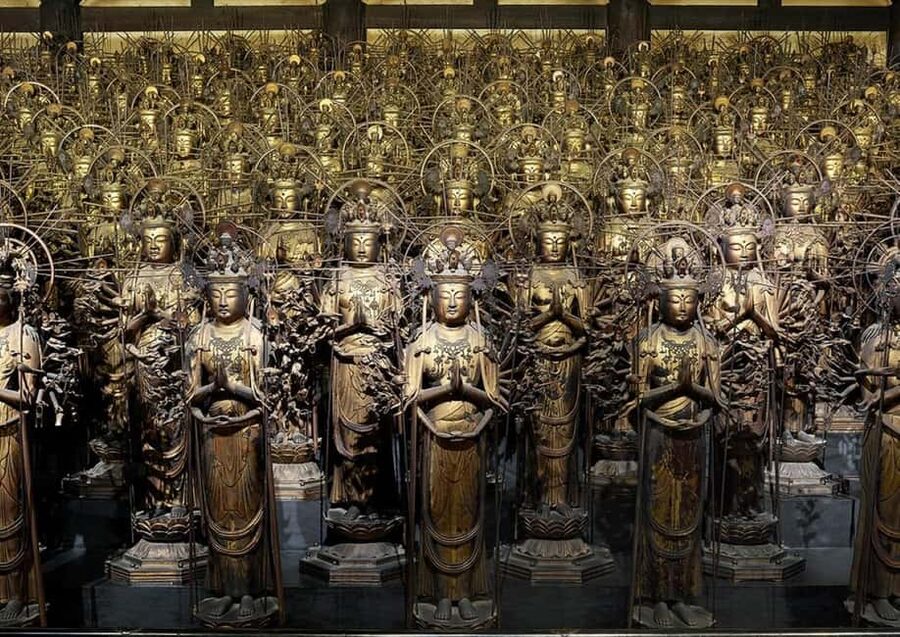
- Sanjusangendo begins the day with 1,001 Kannon statues, a striking indoor temple display that gives this tour a strong opening.
- Kiyomizudera and Higashiyama are explored on foot, with time for Yasaka Pagoda, Yasaka Shrine and the narrow old streets around them.
- Ginkakuji includes its Zen gardens and the Philosopher’s Walk, giving the final part of the tour a quieter feel.
- Spanish is the tour language, and the group is limited to 10 participants.
- Temple admission is included, while buses, trains, food and souvenirs are extra.
- Manuel is named in the feedback as an attentive guide, though the assigned guide can depend on the date.
Why this Kyoto route works well
This is a temple-focused day with enough walking to connect the places rather than treating them as isolated photo stops. You begin in southern Higashiyama at Sanjusangendo, move to Kiyomizudera and the historic streets nearby, then cross the city by public transport for Ginkakuji and the Philosopher’s Walk.
I like that order. Sanjusangendo is indoors and visually powerful, so it gives you an immediate sense of Kyoto’s religious art before the open-air walking begins. Kiyomizudera then brings you into one of Kyoto’s busiest and most recognizable districts, while Ginkakuji offers a calmer finish.
The route also gives you several different versions of Kyoto. You’ll see a large Buddhist hall filled with statues, a famous temple built into a wooded slope, traditional streets with a pagoda above them, a Shinto shrine and a carefully arranged Zen garden. That range is more useful than spending the entire day looking at similar temple roofs.
The tradeoff is that this is not a slow, private sightseeing day. The schedule allows about an hour at Sanjusangendo, an hour at Kiyomizudera, half an hour at Hōkan-ji, half an hour at Yasaka Shrine and an hour at Ginkakuji. Add the walking and public transport, and the day has a firm rhythm.
More Fushimi Inari Shrine Tours in Kyoto:
- Osaka/Kyoto:Kinkakuji,Arashiyama,FushimiInariShrine,NaraPark
★ 4.1 · 1,596 reviews - Osaka/Kyoto: Arashiyama, Nara & Fushimi Inari Shrine w/Lunch
★ 4.4 · 754 reviews - Kyoto: 3-Hour Fushimi Inari Shrine Hidden Hiking Tour
★ 4.9 · 270 reviews
Sanjusangendo and the 1,001 Kannon figures
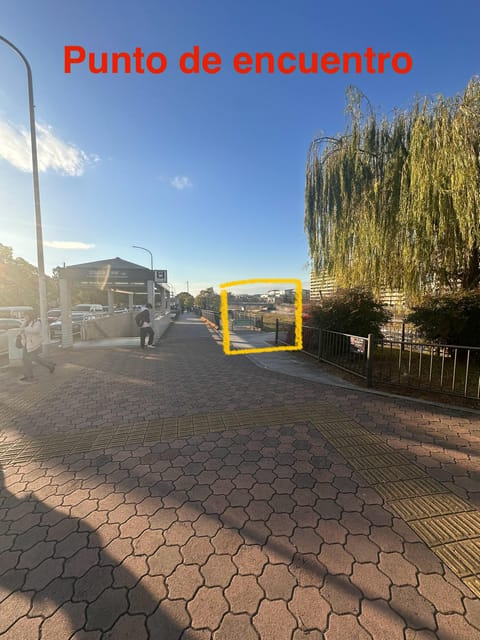
The first formal stop is Sanjusangendo, reached from the meeting point at Shichijo Station. You have about an hour here with the guide.
The temple is known for its long wooden hall and its 1,001 statues of Kannon, the Buddhist figure associated with compassion. The scale is the point. Instead of encountering one central image in an open hall, you see row after row of statues arranged in a powerful, repetitive display.
This is a good place to have a Spanish-speaking guide. The visual impact is easy to grasp, but the meaning behind the figures, the layout and the temple’s purpose benefits from explanation. With only an hour, you will want to stay focused on the main hall rather than expecting a full look at every detail.
Sanjusangendo also helps set expectations for the rest of the day. Kyoto’s religious sites are not simply old buildings. They remain places of worship, ritual and visual symbolism. A guide can help you notice the difference between a temple, a shrine and the objects used inside them.
Walking from Sanjusangendo to Kiyomizudera
The route includes about 20 minutes on foot between Sanjusangendo and Kiyomizudera. That is not a major hike, but it is the first reminder that this tour works best for people comfortable walking on city streets and temple approaches.
Wear shoes that you can use for seven hours. Comfortable clothing matters too, especially because the day combines indoor visits, open streets, hills and public transport. Baby carriages are not allowed, so families with very young children should take that restriction seriously before booking.
The walk also keeps the day from becoming a string of bus rides. You get a feel for the distance between these major places, and the transition helps connect the temples to Kyoto’s older neighborhoods.
Kiyomizudera, one of Kyoto’s essential visits
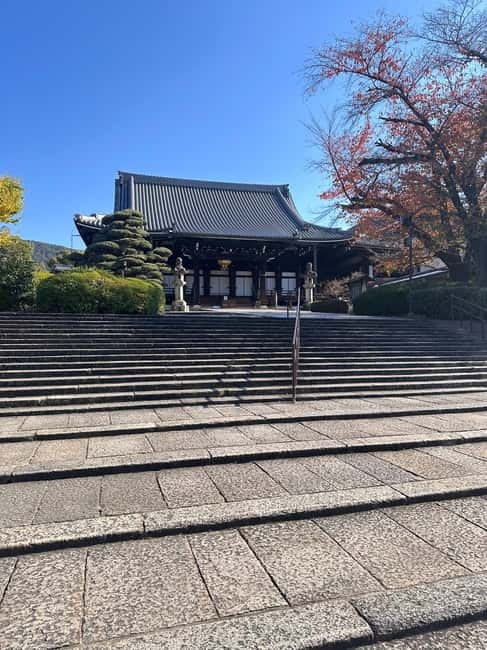
Kiyomizudera receives about an hour of guided attention. This is one of Kyoto’s most famous temples, and it can feel like a required stop on a first visit. The tour gives you a structured way to see it without having to work out the route and admission on your own.
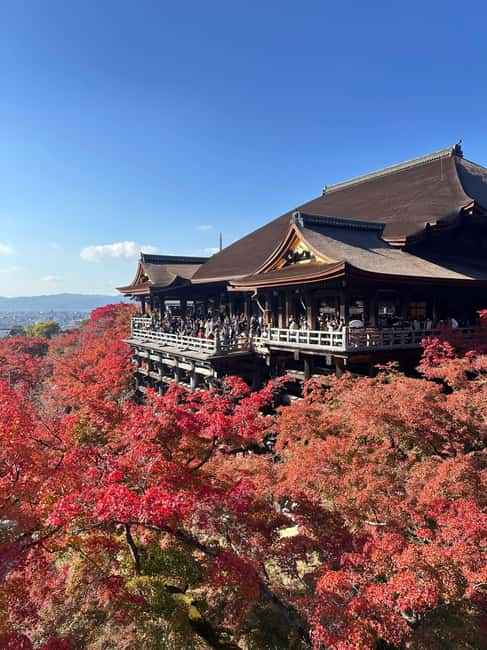
The temple is particularly memorable for its position on the wooded hillside and its broad wooden stage. From the grounds, you get a sense of how Kyoto’s religious sites use height, trees and open views to create a change of mood from the city streets below.
One hour is enough for a useful introduction, but it is not enough for an unhurried exploration of every corner. You may need to choose between lingering at the main viewing points, following the guide’s explanation closely and browsing the surrounding streets. If Kiyomizudera is your personal priority, keep your expectations realistic.
The included admission helps here. You are not spending part of the day waiting to buy separate temple tickets, and the guide can keep the group moving toward the areas that matter most.
More Temple Tours around Kyoto:
- Kyoto: Tea Ceremony Ju-An at Jotokuji Temple
★ 4.9 · 3,207 reviews - Arashiyama Bamboo, Temple, Monkeys, or Secret Sake Brewery
★ 4.8 · 886 reviews - Kyoto: Arashiyama Bamboo Forest, Monkeys, Matcha & Temple Tour
★ 5.0 · 759 reviews - Kyoto Zen Meditation & Garden Tour at a Zen Temple with Lunch
★ 5.0 · 441 reviews
Higashiyama, Yasaka Pagoda and old Kyoto streets
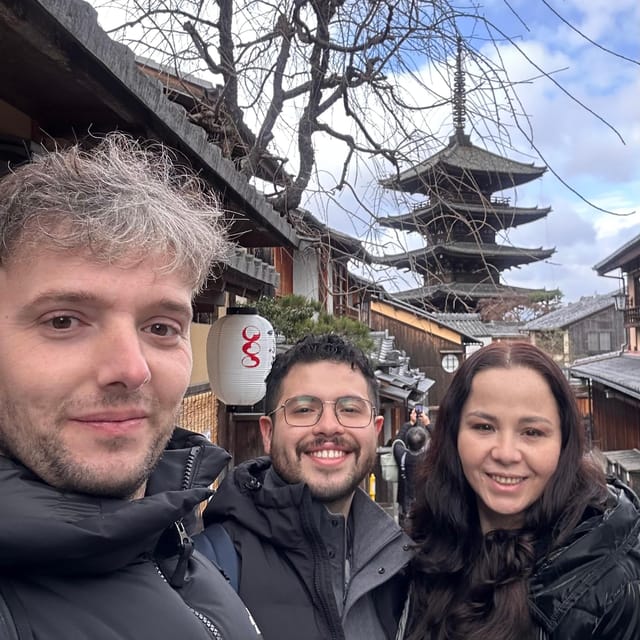
After Kiyomizudera, the tour spends about an hour in Higashiyama. This is one of the most atmospheric parts of the day because the experience shifts from temple interiors to traditional streets and neighborhood views.
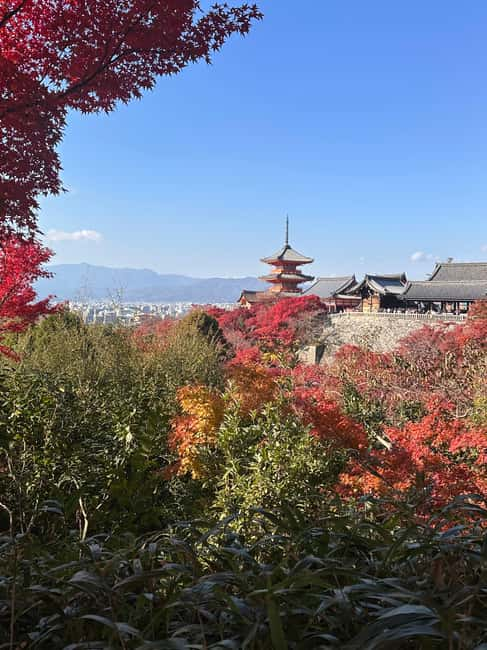
Hōkan-ji Temple, commonly associated with Yasaka Pagoda, receives a 30-minute guided visit. The pagoda is a strong visual marker in this part of Kyoto, rising above the surrounding streets and giving the area its familiar profile. The stop is brief, but it adds a different kind of temple experience after the larger halls at Sanjusangendo and Kiyomizudera.
You also visit Yasaka Shrine for about 30 minutes. Here, the guide can help you understand the difference between the Buddhist temples earlier in the day and a Shinto shrine. The buildings, gates and religious customs offer a useful contrast, especially if this is your first time in Japan.
The Higashiyama section is also where you should expect the most foot traffic and the least quiet. The streets are popular, and the route may feel busy at times. That is not a flaw in the tour, but it does mean the day is about seeing Kyoto’s famous historic core, not finding a deserted side street.
Using Kyoto buses and trains during the tour
The itinerary includes about 30 minutes of public transport between the eastern part of Kyoto and Ginkakuji, followed by another bus or coach segment of about 30 minutes. Local train lines or buses are used, and transport is not included in the $95 price.
Carry cash for the bus, with 230 yen noted as the recommended amount, or use an ICOCA, SUICA or PASMO transport card. Having payment ready matters because a small delay can affect a tightly timed group.
Public transport is a practical choice for this route. The temples are spread across the city, and arranging private transport would push the price much higher. The downside is that buses can be less predictable than a private vehicle, and you will be moving with the group through regular city transport rather than traveling in a dedicated tour coach.
For that reason, arrive at Shichijo Station Exit 1 before 9 a.m. If you are late, contact the guide. Missing the opening meeting could mean missing Sanjusangendo, the first major stop of the day.
Ginkakuji and the Zen gardens
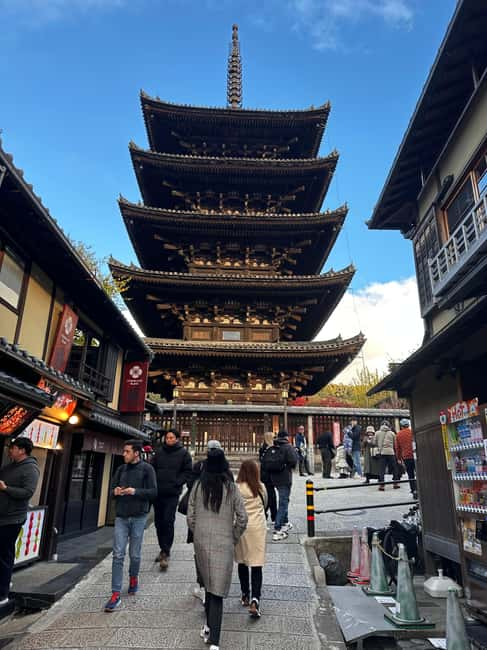
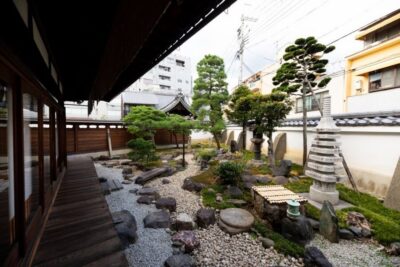
The final major temple visit is Ginkakuji, the Silver Pavilion, with about an hour of guided touring. Despite its name, the pavilion is not covered in silver. The appeal lies in the building’s restrained design and the gardens around it.
This is a useful counterpoint to the elaborate visual impact of Kiyomizudera and Sanjusangendo. Ginkakuji rewards attention to proportion, empty space, garden forms and carefully framed views. The hour gives you time to follow the main garden path and hear the guide’s explanation without turning the visit into a rushed photograph stop.
The temple is especially valuable for first-time visitors who want to understand the Zen side of Kyoto. You may find its beauty quieter and less immediate than the gold-covered Kinkakuji, but the subdued style is precisely why it earns a place on this route.
The supplied tour information elsewhere refers to Fushimi Inari, Arashiyama and Kinkakuji, but those places do not appear in the detailed route for this experience. If you are booking this particular day, expect Sanjusangendo, Kiyomizudera, Higashiyama, Yasaka Pagoda, Yasaka Shrine and Ginkakuji instead. Confirm the final route if another Kyoto tour has been displayed alongside it.
The Philosopher’s Walk as a gentle finish
The Philosopher’s Walk connects naturally with the Ginkakuji area and provides one of the day’s slower moments. The path is known for its reflective, pleasant walking atmosphere, and the tour describes it as a place to relax after the temple visits.
Do not expect a separate long hike. The walk is part of the broader Ginkakuji and northern Higashiyama experience, and the exact amount of time available will depend on the day’s pace and transport. Still, it gives you a chance to shift from formal sightseeing to a simple stroll.
I like having this kind of ending. After several major religious sites, a walk beside the route lets you absorb the setting without needing to study another hall or garden. It also gives the guide a natural opportunity to answer questions that came up earlier.
What the $95 price includes
At $95 per person, this tour is priced as a guided full-day introduction to eastern and northern Kyoto. The value depends mainly on how much you want help with language, route planning and context.
The admission fees for Sanjusangendo, Kiyomizudera and Ginkakuji are included. That is important because these are the three largest temple visits, and buying tickets separately would add both cost and small delays.
The price does not cover local transportation, food or souvenirs. Set aside extra money for buses and trains, with 230 yen in cash recommended for the bus, or use an accepted IC card. You will also need to buy any lunch or snacks separately, since no meal is listed as included.
A group limited to 10 gives the tour more personal potential than a large coach outing. Two of the three written comments praise the guide’s care and the way the day helped family members learn while enjoying themselves. Manuel is specifically named as attentive and engaging. That is useful evidence of the intended style, though you should not assume he will lead every departure.
Who should book this experience
I would choose this tour if you want a Spanish-speaking introduction to Kyoto’s main temples and prefer not to plan several train and bus connections yourself. It suits first-time visitors who want a clear route and explanations at each major stop.
It is also a good fit for families or small groups who value a guide’s help. One booking was made for a family member who could not attend, and the group returned pleased with what they had learned. The small-group format should make it easier to ask questions than on a large sightseeing bus.
I would hesitate if you want long, quiet visits at each temple, extensive free time for photography or a relaxed lunch break. Seven hours is a lot of time, but the route covers many sites. You will need to keep moving.
The walking and transport also make this a poor match for anyone who has difficulty with city walking, stairs or standing on local buses. The activity specifically recommends comfortable shoes and clothes, and baby carriages are not allowed.
Final booking advice
Book this tour if you want the main Kyoto temple sights explained in Spanish, with admission handled and a small group rather than a large bus. The strongest parts are the unusual opening at Sanjusangendo, the Higashiyama walking section and the contrast between Kiyomizudera’s famous setting and Ginkakuji’s quiet gardens.
Skip it if you have already seen these temples or prefer to set your own pace. You can spend more time at one site on your own, but you will need to manage the route, transport and tickets yourself.
For most first visits, the $95 cost is reasonable when you value guidance and structure. Arrive early at Shichijo Station Exit 1, carry transport money or an IC card, and treat the day as an active walking tour rather than a leisurely temple visit.
FAQ
What language is the tour conducted in?
The live tour guide speaks Spanish.
How long does the activity last?
The tour lasts about seven hours.
Where does the tour begin?
The meeting point is Shichijo Station Exit 1 at 9 a.m.
Where does the activity end?
The meeting information says the activity ends back at the meeting point, although the route also lists Higashiyama as the final area. Confirm the return arrangement with the provider before departure.
Which temple admission fees are included?
Admission to Sanjusangendo, Kiyomizudera and Ginkakuji is included.
Is transportation included in the price?
No. Local train lines or buses are used, and participants pay for their own transportation.
How much cash should I carry for the bus?
The instructions recommend carrying 230 yen in cash, or using an ICOCA, SUICA or PASMO transport card.
How large is the group?
The group is limited to 10 participants.
What should I wear?
Wear comfortable clothes and comfortable walking shoes.
Are baby carriages allowed?
No. Baby carriages are not allowed on this activity.
Temple visits we reviewed lately in Kyoto
- Kyoto: Zen Meditation at a Private Temple with a Monk★ 5.0 · 202 reviews
- Kyoto:Kiyomizu-dera Temple Rent a kimono and ride a rickshaw★ 4.8 · 7 reviews
- KYOTO: Tempio Kiyomizu Pagode Gion “Geisya” (Guida Italiana)★ 4.7 · 17 reviews
- Kyoto:Quiet Arashiyama and Sagano Temples★ 4.8 · 5 reviews
- Kyoto: Shakyo & Matcha in Historic Temple Garden★ 5.0 · 4 reviews
- Kyoto: Samurai Sword & Kimono Action Filming Experience★ 4.8 · 78 reviews
- Kyoto: Nara, Todaiji, Kasuga Taisha Shrine Private Full Day★ 4.9 · 18 reviews
- KYOTO: Tour guidato tra i tesori della città (in italiano)★ 5.0 · 5 reviews
Kyoto Temple Tours, compared.
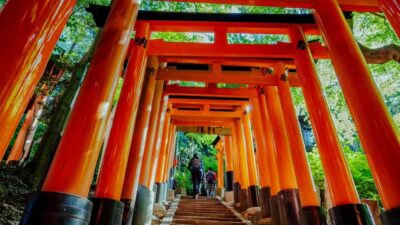
Osaka/Kyoto:Kinkakuji,Arashiyama,FushimiInariShrine,NaraPark
Read our review →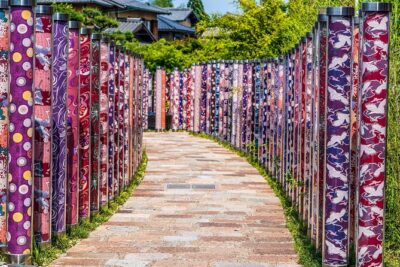
Kyoto Arashiyama Walking Tour: Bamboo, Monkeys, Gardens & Secrets
Read our review →
Arashiyama Bamboo, Temple, Monkeys, or Secret Sake Brewery
Read our review →
Kyoto: Arashiyama Bamboo Forest, Monkeys, Matcha & Temple Tour
Read our review →
Osaka/Kyoto: Arashiyama, Nara & Fushimi Inari Shrine w/Lunch
Read our review →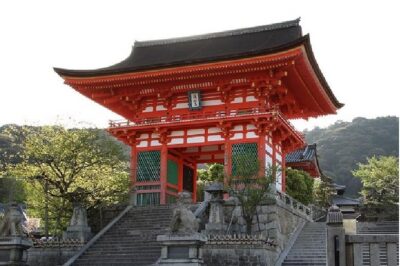

Kyoto Zen Meditation & Garden Tour at a Zen Temple with Lunch
Read our review →This tour also ranks in