
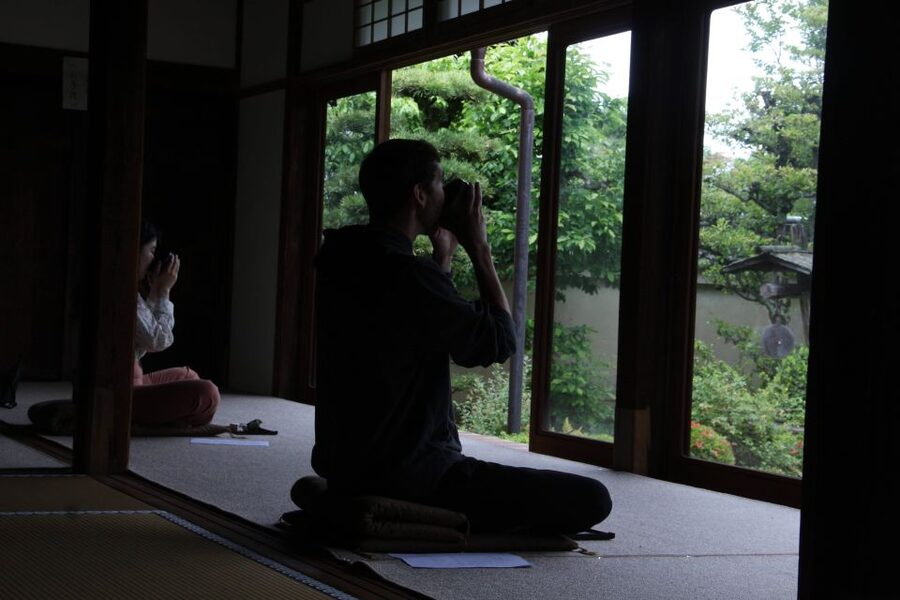
Review · KYOTO
Kyoto: Zen Experience in a Hidden Temple
Kyoto’s Jusho-in Temple offers something most sightseeing cannot: two quiet 20-minute sessions of zazen with Eitetsu Nishida, the temple’s 16th-generation abbot. You sit before a historic garden, learn how Zen meditation works, and have time to ask plain, practical questions. Afterward comes matcha, seasonal Japanese sweets, and a chance to talk with the priest.
I like the setting first. Jusho-in is a small sub-temple within the large Myoshin-ji complex, so you get away from Kyoto’s crowded routes without leaving the city. I also like the structure: meditation is broken into two sessions, with explanations and a short break between them. That makes the practice approachable even if your mind refuses to sit still.
The main consideration is physical comfort. Sitting upright for 20 minutes, then doing it again, can be hard for beginners, and the temple may keep doors open to the garden even in cool weather. Chairs and blankets are available, but a rented kimono can make meditation awkward.
Key points to know before booking
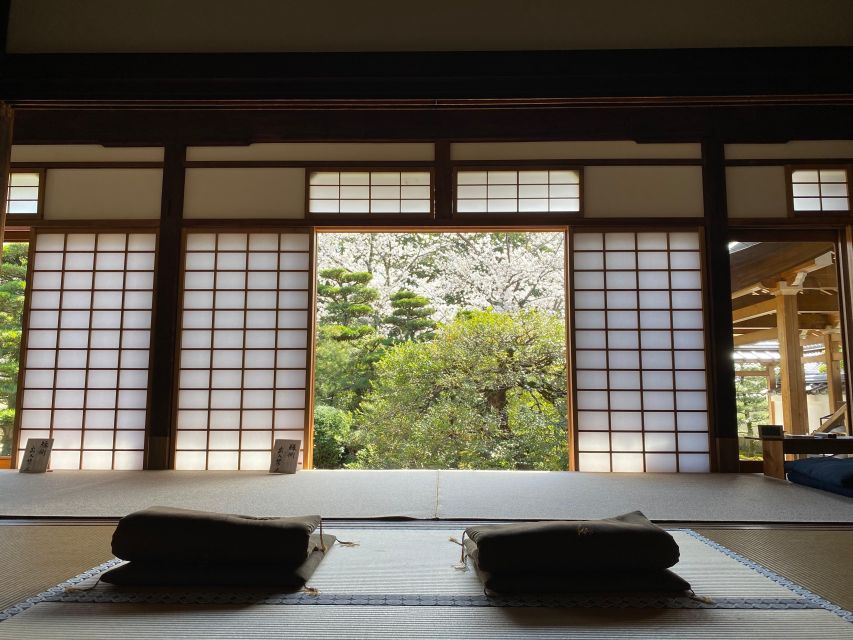
- Two 20-minute zazen sessions: You receive instruction before sitting, then have a pause for stretching and questions.
- A direct meeting with Eitetsu Nishida: The 16th-generation abbot explains Zen in a friendly, accessible way.
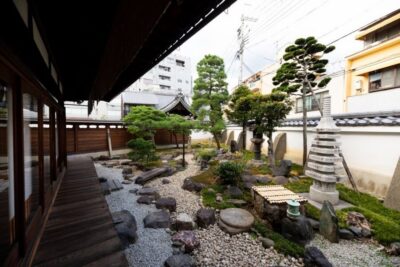
- A 400-year-old garden: The garden is associated with painter Eitoku Kano and changes with the seasons.
- Matcha with seasonal wagashi: The tea portion explains how to receive, drink, and appreciate powdered green tea.
- Small-group or private options: The experience is offered in English, with a guide and interpretation support.
- Photos included: A photographer uses a single-lens reflex camera and sends the image files within a few days.
Entering Myoshin-ji and finding Jusho-in
You meet at the north gate of Myoshin-ji Temple, listed as 18 Taniguchisonomachi, or at the meeting point assigned to your booking. From there, a guide leads you through the temple grounds to Jusho-in. This short walk matters because Myoshin-ji is not one simple building. It is a large Zen complex with 46 sub-temples, each with its own character.
Jusho-in was founded in 1599 and has about 420 years of history. You are not arriving at a staged cultural center. You enter an active religious setting where the pace is quiet and the rooms are arranged for sitting, conversation, and looking out toward the garden.
Allow enough time to reach the north gate without rushing. Hotel pickup is not included, and the exact meeting point can vary by booking option. The experience ends back at the north gate, so you can continue exploring Myoshin-ji afterward if you wish.
More Temple Tours around Kyoto:
- Kyoto: Tea Ceremony Ju-An at Jotokuji Temple
★ 4.9 · 3,207 reviews - Osaka/Kyoto:Kinkakuji,Arashiyama,FushimiInariShrine,NaraPark
★ 4.1 · 1,596 reviews - Arashiyama Bamboo, Temple, Monkeys, or Secret Sake Brewery
★ 4.8 · 886 reviews
Zazen with a 16th-generation abbot
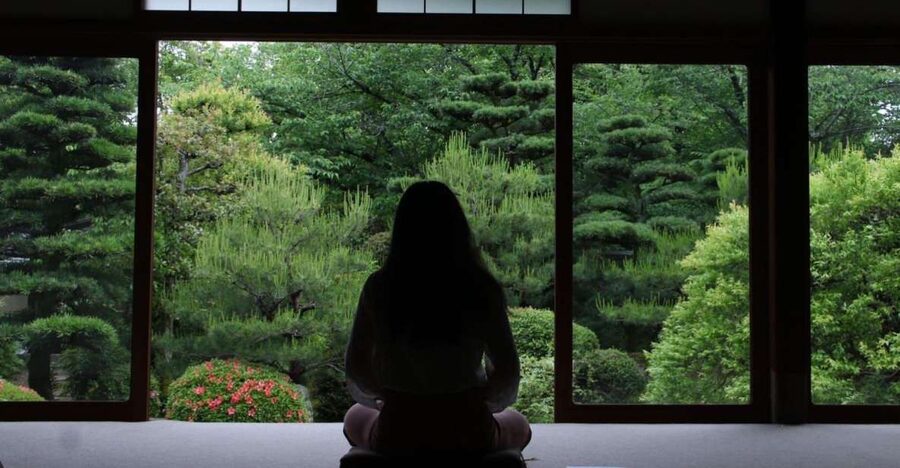
The heart of the morning is zazen, seated Zen meditation. Eitetsu Nishida leads the session and explains the basic posture, attitude, and purpose before you sit. He trained for three and a half years to become a monk and previously worked as a national public servant for ten years, giving him an unusual path into temple life.
Nishida is known for a cheerful personality and a sense of humor. That helps. Zazen is not presented as a mysterious test that only experienced meditators can pass. You learn what to do, sit for 20 minutes, pause, and sit again.
The two-session format is one of the best choices in this experience. A single long session could feel daunting, especially if this is your first attempt. The break gives you a chance to stretch your legs, ask questions, and reset your posture before the second sitting.
You should not expect to empty your mind perfectly. In fact, the effort of noticing how often your thoughts wander is part of the lesson. Several details make the practice more manageable:
- Chairs are available if sitting on the floor is uncomfortable.
- Temple staff explain the main points before meditation begins.
- You can ask questions during the break.
- The session is guided in English, with translation support when needed.
One practical note: the abbot’s English may be difficult for some people to follow at times because of his strong accent. An English-speaking guide or interpreter helps, and the quality of interpretation can vary by session. If a point is unclear, ask for it to be repeated. The guides are there for exactly that reason.
The garden view also changes the feel of the meditation. In warm weather, the doors may remain open to the outside. In colder months, blankets can be offered, but you should still dress for a calm room with contact to the outdoors. This is a temple practice, not a heated studio class.
A garden shaped by four centuries
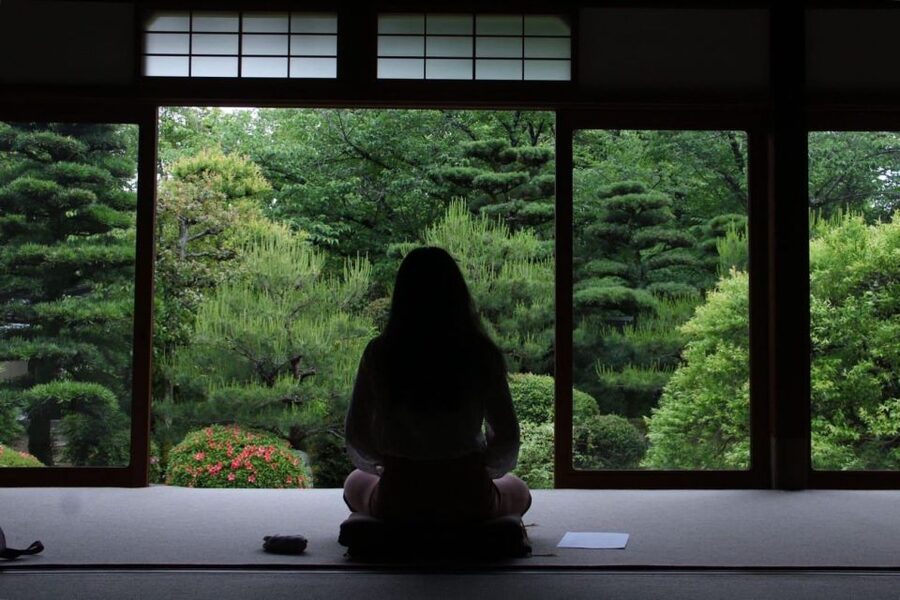
After the meditation, you have time to look carefully at Jusho-in’s garden. Its design is attributed to Eitoku Kano, a celebrated 16th-century painter, and the garden has remained unchanged since its creation.
The appeal is not only age. The garden gives your eyes somewhere quiet to rest after the concentration of zazen. Spring brings cherry blossoms, summer brings fresh greenery, autumn brings colored leaves, and winter can bring snow. Each season changes the view without changing the garden itself.
You may find the garden more affecting after meditation because you have already slowed down. This is not a place to rush through with a camera pointed at every corner. Sit, look, and let the room and garden do their work.
Photography is part of the experience, but you still need to follow temple etiquette. A photographer records moments during the session and tea experience, then sends the photo data within a few days. That is useful because you can keep your attention on meditation instead of trying to document it yourself.
Learning matcha through taste and ritual
The tea portion follows meditation and explains the connection between Zen and tea. You learn about matcha, its history, and the proper way to receive and drink it. Traditional seasonal sweets, known as wagashi, are served alongside the tea.
This is more than a snack break. The tea gives you a second way to think about attention. You notice the bowl, the presentation, the sweetness, the bitterness of the matcha, and the small actions involved in drinking it properly.
The sweets are selected to suit the season and the tea. That pairing is a thoughtful detail, especially if you have already visited a crowded tea shop where the focus is mainly on taking a quick photograph. Here, the pace is slower, and the tea experts explain the cultural etiquette rather than simply handing you a cup.
The matcha can be strong, and the sweets are sweet for a reason. They balance each other. If you do not usually drink powdered green tea, the explanation helps you understand what you are tasting instead of treating it like an ordinary cup of tea.
You also have time to speak with Nishida after the formal instruction. That informal conversation is valuable. You can ask about Zen practice, temple life, meditation, or the relationship between religious discipline and ordinary routines. The answers are presented in a way that beginners can follow.
Same sacred ground, another way to see it:
- Kyoto Arashiyama Walking Tour: Bamboo, Monkeys, Gardens & Secrets
★ 5.0 · 1,216 reviews - Kyoto: Arashiyama Bamboo Forest, Monkeys, Matcha & Temple Tour
★ 5.0 · 759 reviews - Osaka/Kyoto: Arashiyama, Nara & Fushimi Inari Shrine w/Lunch
★ 4.4 · 754 reviews - Kyoto 1 Day Tour from Kyoto
★ 4.0 · 582 reviews
What the two-hour schedule feels like
The full activity lasts about two hours. The exact pace can vary slightly, but the structure is clear:
- Meet your guide at the north gate of Myoshin-ji.
- Walk to Jusho-in Temple.
- Receive an introduction to zazen and Zen.
- Complete the first 20-minute meditation.
- Take a short break for stretching and questions.
- Complete the second 20-minute meditation.
- Learn about matcha and its place in Japanese culture.
- Drink tea and eat seasonal sweets while viewing the garden.
- Take a commemorative photograph.
- Return to the north gate.
This is a focused experience, not a general tour of Kyoto’s religious sites. You spend most of the time in one temple and its garden. That is precisely why it works as a pause from a busy sightseeing schedule.
The experience runs rain or shine. The meeting point may vary with the option you select, so check the booking details carefully before setting out. English is the stated tour language, and private or small-group arrangements are available.
Is the $109 price good value?
At $109 per person, this is not the cheapest way to visit a Kyoto temple. You can enter many temples for a modest admission fee, and you can drink matcha elsewhere for much less. The value here comes from the combination of access, instruction, and time.
Your fee includes the guide, temple entry, the abbot’s teaching, two guided meditation sessions, matcha, sweets, and professional photographs. You are not simply looking at a garden for ten minutes. You receive a structured introduction to a living Zen practice, with room for questions and support during the sitting.
The included photographs also matter for couples and families who usually struggle to get a good picture of everyone together. The photographer can work while you pay attention to the activity, and the files arrive later rather than interrupting the session.
I would consider the price fair if you want a cultural experience with personal contact and a quiet setting. I would skip it if your main goal is simply to see as many temples as possible, or if you dislike sitting still. The experience earns its cost through attention and access, not through the number of sights covered.
Who will enjoy it, and who may struggle
This suits first-time meditators, people who already practice mindfulness or yoga, and anyone who wants a calmer side of Kyoto. It also works well for couples, families with older children, and mixed-age groups. Children are allowed, but the ability to sit quietly for the sessions will matter more than age.
You do not need special clothing or meditation experience. Wear something comfortable around the waist and knees. Avoid a rented kimono if you plan to meditate, since the fitted layers can make sitting difficult.
The activity is not wheelchair accessible. Floor seating is part of the setting, although chairs are available for people who need them. If mobility or prolonged sitting is a concern, contact the provider before booking so you understand the arrangement.
The experience can be especially useful after several days of crowded sightseeing. It gives you a reason to stop checking the clock and notice what you are doing. You leave with practical meditation instructions, a better sense of Zen ideas, and a more careful understanding of tea etiquette.
Small details that make the visit smoother
Arrive with enough time to find the north gate. Myoshin-ji is a large complex, and hotel pickup is not provided. Once you meet the guide, the walk to Jusho-in is handled for you.
Bring layers. The garden-facing room may feel cool, and the doors may remain open during meditation. Blankets can be available, but warm, comfortable clothing is the safer choice.
Do not bring weapons or sharp objects, alcohol, or drugs. No special equipment is required. The temple supplies what you need for the meditation and tea portions.
Seat assignment is handled in reservation order. If seeing the garden from a particular position matters to you, reserve early rather than expecting to choose on arrival.
The cancellation policy is straightforward: you can receive a full refund if you cancel at least 24 hours ahead. Later cancellations do not receive a refund. You can also reserve now and pay later, which helps if your Kyoto schedule is still changing.
My verdict on the Jusho-in Zen experience
I would book this if you want Kyoto to feel like more than a checklist of famous buildings. The quiet garden, two-part meditation, warm staff, and direct time with Eitetsu Nishida give the morning a sense of purpose.
I would not book it for a quick photo stop or a polished performance. Zazen asks you to sit still, and the room may be cool. The abbot’s English can also require interpretation at times.
For most people, those limits are manageable. You get a rare chance to practice in a working Zen temple, learn the basics without needing prior experience, and finish with carefully presented matcha and sweets. If your ideal Kyoto memory includes calm, conversation, and a 400-year-old garden rather than another crowded attraction, this is a strong choice.
FAQ
Where does the experience meet?
The standard meeting point is the north gate of Myoshin-ji Temple at 18 Taniguchisonomachi. The exact meeting point may vary depending on the booking option.
How long does the experience last?
The experience lasts about two hours, including explanations of zazen and tea.
Is the tour offered in English?
Yes. The activity includes a live English-speaking guide, with interpretation support for the abbot’s explanations.
Who leads the meditation?
Eitetsu Nishida, the 16th-generation abbot of Jusho-in Temple, leads the zazen instruction and meditation sessions.
How long are the meditation sessions?
You complete two zazen sessions of about 20 minutes each.
Do I need meditation experience?
No. The activity is open to beginners, and the guides explain the basic practice before you sit.
Are chairs available during meditation?
Yes. Chairs are available for people who need assistance with floor seating.
Is the temple wheelchair accessible?
No. The experience is not wheelchair accessible.
Are matcha and sweets included?
Yes. Japanese tea and traditional seasonal sweets are included in the experience.
Are photographs included?
Yes. A photographer takes photographs with a single-lens reflex camera, and the photo data is sent within a few days after the activity.
Can I wear a rented kimono?
You can, but it is not recommended. A rented kimono may make sitting and meditating uncomfortable.
What happens if it rains?
The experience takes place rain or shine.
Can I cancel for a full refund?
Yes, if you cancel up to 24 hours before the experience. Cancellations after that time are not refunded.
Is hotel pickup included?
No. You must make your own way to the meeting point and return from the north gate afterward.
Are private bookings available?
Yes. Private and small-group options are available.
Temple visits we reviewed lately in Kyoto
- Kyoto: Zen Meditation at a Private Temple with a Monk★ 5.0 · 202 reviews
- Kyoto:Kiyomizu-dera Temple Rent a kimono and ride a rickshaw★ 4.8 · 7 reviews
- KYOTO: Tempio Kiyomizu Pagode Gion “Geisya” (Guida Italiana)★ 4.7 · 17 reviews
- Kyoto: Kiyomizudera, Sanjusangendo, Ginkakuji and Higashiyama.★ 5.0 · 3 reviews
- Kyoto: Shakyo & Matcha in Historic Temple Garden★ 5.0 · 4 reviews
- Kyoto: Samurai Sword & Kimono Action Filming Experience★ 4.8 · 78 reviews
- Kyoto:Quiet Arashiyama and Sagano Temples★ 4.8 · 5 reviews
- Kyoto: Nara, Todaiji, Kasuga Taisha Shrine Private Full Day★ 4.9 · 18 reviews
Kyoto Temple Tours, compared.
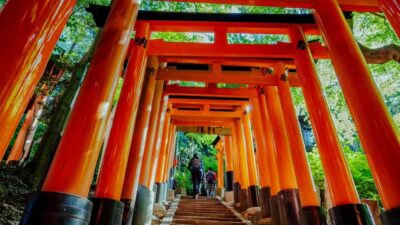
Osaka/Kyoto:Kinkakuji,Arashiyama,FushimiInariShrine,NaraPark
Read our review →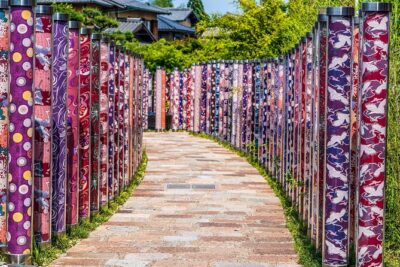
Kyoto Arashiyama Walking Tour: Bamboo, Monkeys, Gardens & Secrets
Read our review →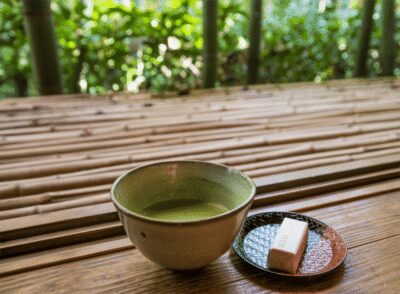
Arashiyama Bamboo, Temple, Monkeys, or Secret Sake Brewery
Read our review →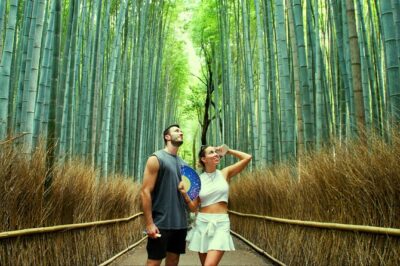
Kyoto: Arashiyama Bamboo Forest, Monkeys, Matcha & Temple Tour
Read our review →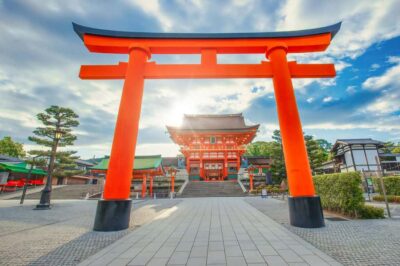
Osaka/Kyoto: Arashiyama, Nara & Fushimi Inari Shrine w/Lunch
Read our review →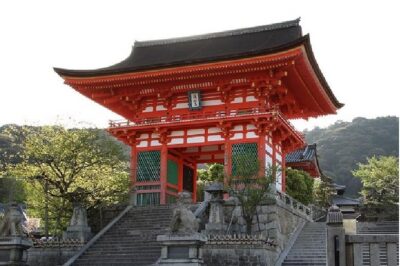
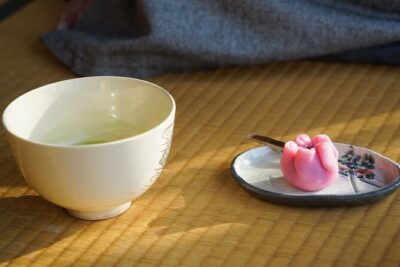
Kyoto Zen Meditation & Garden Tour at a Zen Temple with Lunch
Read our review →This tour also ranks in