
Review · KYOTO
Kyoto: Samurai Sword & Kimono Action Filming Experience
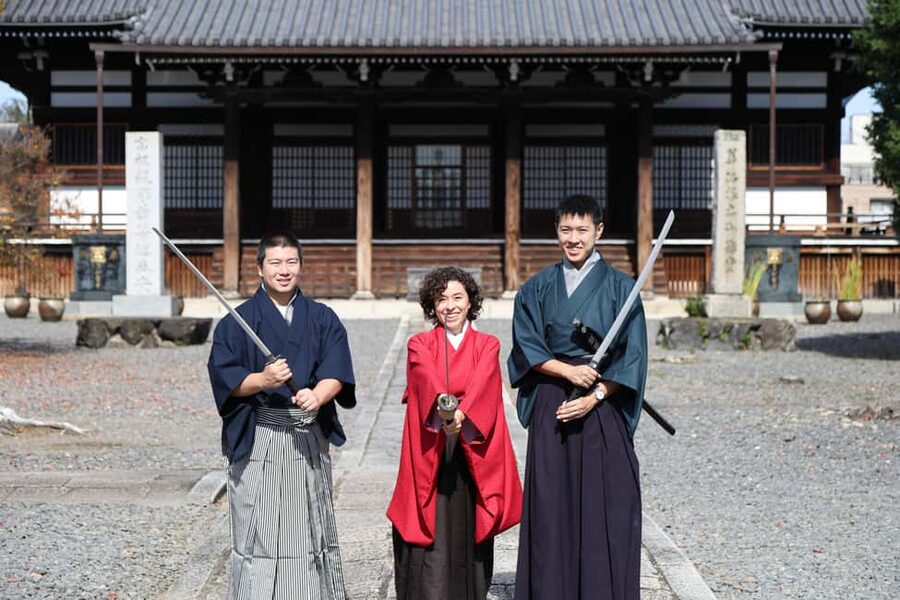
Kyoto’s Myokaku-ji Temple gives this sword lesson a setting that feels far more special than a hotel meeting room. You’ll dress in a kimono, handle a performance sword, learn moves such as makkogiri and kesagiri, then act out a short samurai scene with professional period-drama performers.
I like the small group size, limited to six, and the way the instructors mix clear teaching with humor. I also like that you leave with filmed footage, not just a few posed snapshots. The main thing to consider is that this is choreographed entertainment, not a lesson in real combat, and the 70-minute schedule moves at a brisk pace.
Key points at a glance
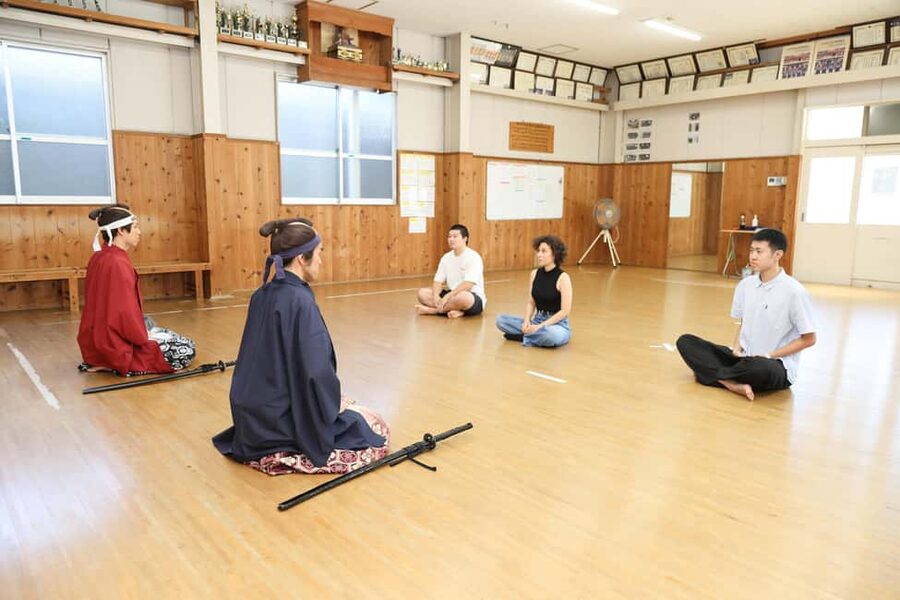
- Train inside Myokaku-ji Temple: The session takes place at the temple’s Myokaku-ji Dojo, a setting linked with Sengoku-era warlords, including Nobunaga Oda.
- Wear a rental kimono: Kimono rental and the dressing experience are included in the price.
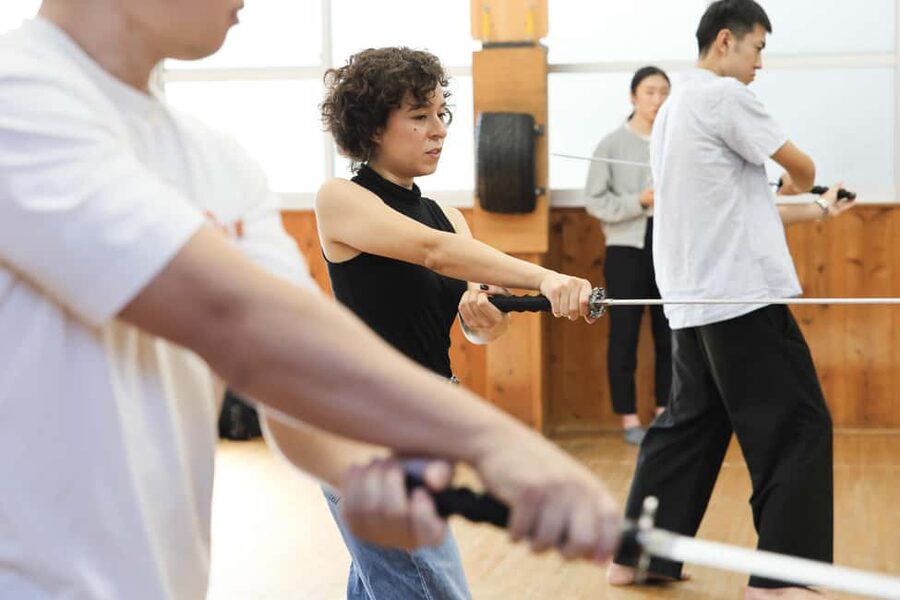
- Learn named sword movements: You’ll practice techniques such as makkogiri and kesagiri with a performance sword.
- Watch working samurai actors: The instructors are professional performers from Japanese period dramas and demonstrate choreographed chambara skills.
- Film your own action scene: You may record the swordplay with your camera, and a photo download service is included.
- Keep the group personal: The activity is limited to six participants, with instruction in Japanese and English.
Inside Myokaku-ji Temple, the setting does much of the work
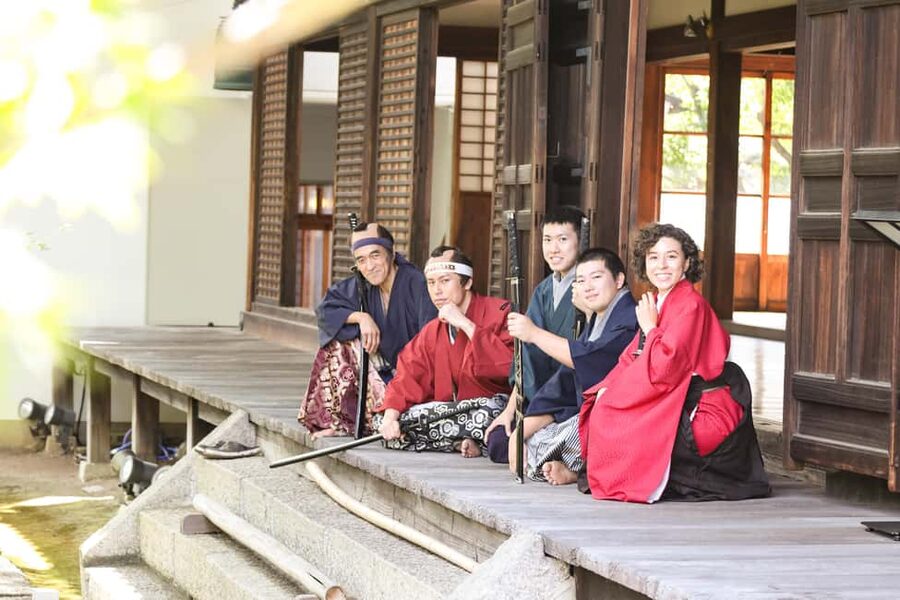
The experience begins at Myokaku-ji Temple in Kyoto. After entering through the main gate, look for the Myokaku-ji Dojo on the left. That meeting point matters because transportation is not included, so you’ll need to make your own way to the temple before the 70-minute session begins.
The temple setting is the first major reason this activity costs more than a simple costume rental. The sword lesson takes place in a real religious site and dojo rather than a modern studio. Myokaku-ji is also connected with the Sengoku period, when warlords such as Nobunaga Oda stayed there around 400 years ago. That historical connection gives the role-play a useful sense of place.
You should keep your expectations sensible. The activity does not recreate a full samurai battle or provide a detailed temple tour. The focus is sword choreography, dressing up, performance, and filming. Still, the temple makes the short session feel grounded in Kyoto rather than pasted onto it.
The activity has a separate entrance arrangement for participants, which helps you get inside without waiting in a general line. Bring a camera if you want to record extra photos or video. Comfortable clothing is also important because you’ll be moving, turning, and practicing sword motions.
More temples and shrines worth the early start around Kyoto:
- Kyoto: Tea Ceremony Ju-An at Jotokuji Temple
★ 4.9 · 3,207 reviews - Osaka/Kyoto:Kinkakuji,Arashiyama,FushimiInariShrine,NaraPark
★ 4.1 · 1,596 reviews - Kyoto Arashiyama Walking Tour: Bamboo, Monkeys, Gardens & Secrets
★ 5.0 · 1,216 reviews
Kimono dressing makes the role-play feel more complete
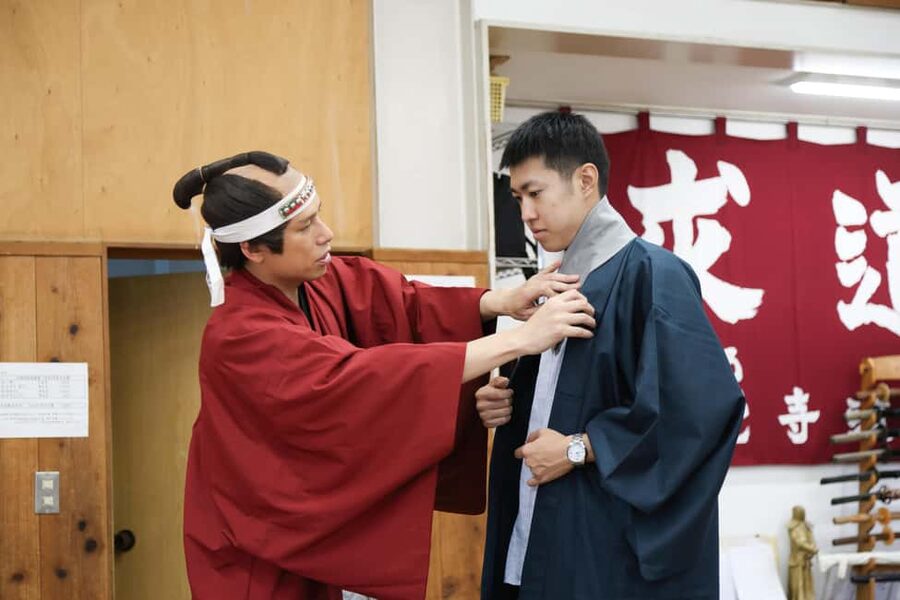
The rental kimono is included, so you do not need to pay a separate costume fee. You’ll learn about traditional kimono dressing and put on the clothing before the sword session reaches its filming stage.
This part is not just a quick costume change. Wearing a kimono changes how you move. The clothing encourages shorter steps and more deliberate turns, which suits the measured style of samurai performance. It also gives your photos and video a much stronger period look than ordinary street clothes would.
The practical tradeoff is comfort. The activity specifically asks you to wear comfortable clothing suitable for physical activity underneath or with the costume. Avoid anything that makes movement difficult. If you are hoping to wear elaborate personal clothing, remember that the rental kimono is part of the experience and will be used during the action sequence.
The dressing portion also works well for families with older children and teenagers who want a visual, hands-on activity. Children under five cannot take part, and the activity is not suitable for pregnant women, people with back problems, people with pre-existing medical conditions, or anyone over 95.
Learning makkogiri and kesagiri without taking risks
Once dressed, you’ll receive instruction on how to hold and wield the sword. The lesson includes named movements such as makkogiri and kesagiri, taught as part of a choreographed performance routine.
The important word here is choreographed. You are not being trained for actual combat. The sword used in the experience is a fake performance sword, and the goal is to make your movements look convincing on camera while following the instructors’ direction.
That distinction is useful. You do not need martial arts experience, and the session is built for people who want to try something playful and theatrical. The instructors demonstrate the motions, then help you repeat them. Clear guidance makes the activity feel safe and manageable, even if your first attempt is stiff or uncertain.
You will get more from the session if you commit to the acting. The movements alone are only part of the fun. Your stance, facial expression, timing, and reaction to the other performers all help create the scene. If you hold back because you feel self-conscious, your footage may look like a practice drill. If you play along, the result should feel more like a miniature period drama.
The 70-minute length keeps the activity focused, but it also means you should not expect a long martial arts course. You’ll learn enough movements to perform a short sequence, not a broad curriculum in Japanese swordsmanship.
Professional chambara actors bring the humor
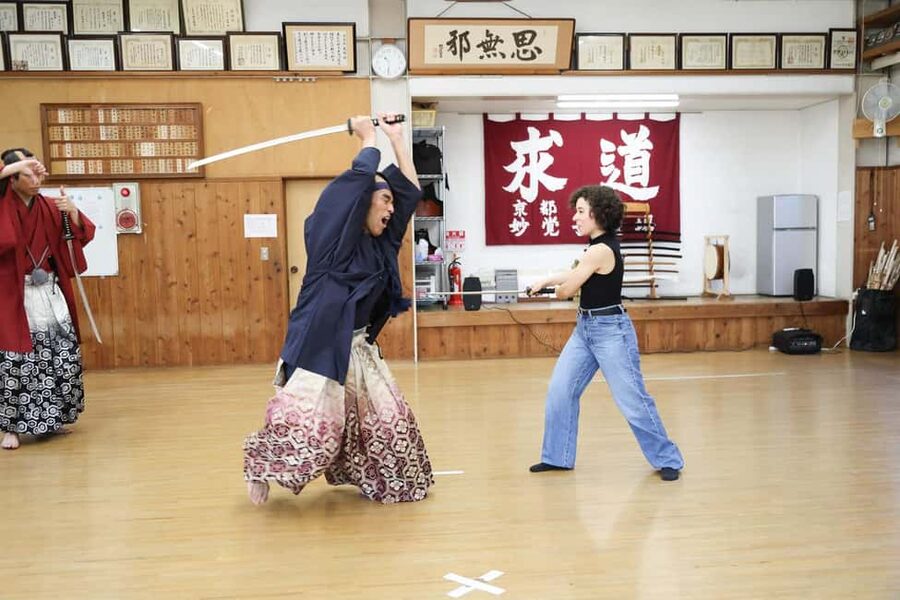
A major strength of this experience is the instructors. They are professional actors who work in period dramas and demonstrate chambara, the Japanese style of sword-fighting cinema and stage performance.
Named instructors include Kesuke Irie and Kazuya Naito, both described as having acted in Japanese movies and television programs. The experience may include other instructors, but their role is the same: teach the basic sword motions, show how the sequence should look, and keep the atmosphere relaxed.
That last part matters. A sword lesson can easily become stiff if the teacher treats every mistake as serious. Here, the tone is designed to be entertaining. The instructors use patience and humor while helping you find the rhythm of the scene.
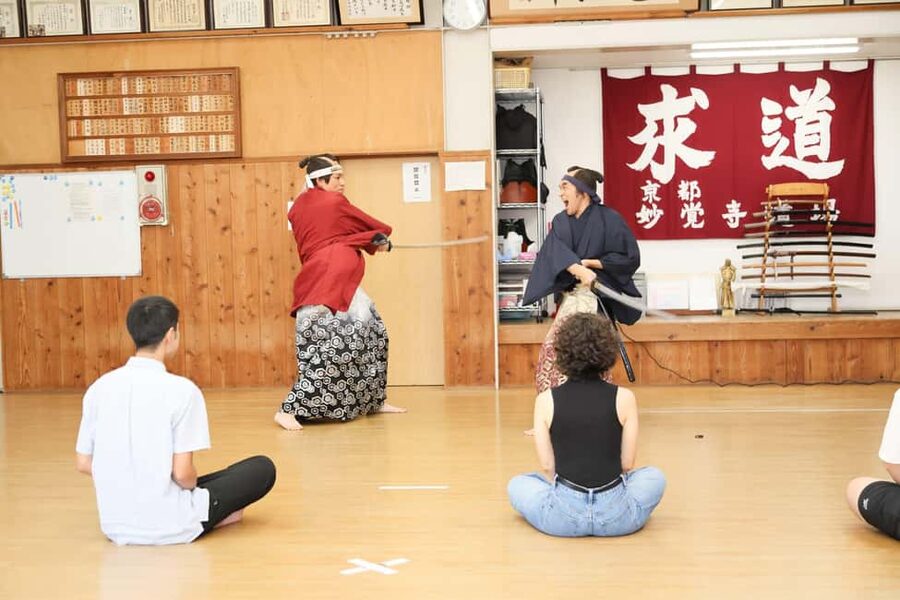
You’ll first watch a professional chambara performance. This demonstration gives you a clear idea of the difference between simply swinging a sword and performing a staged fight. The actors show how timing, distance, posture, and reaction create the illusion of danger without real contact.
For adults, that demonstration provides useful context. For children and teenagers, it may be the moment when the activity clicks. They can see exactly what they will be asked to do later, rather than trying to understand a long verbal explanation.
Same sacred ground, another way to see it:
- Arashiyama Bamboo, Temple, Monkeys, or Secret Sake Brewery
★ 4.8 · 886 reviews - Kyoto: Arashiyama Bamboo Forest, Monkeys, Matcha & Temple Tour
★ 5.0 · 759 reviews - Osaka/Kyoto: Arashiyama, Nara & Fushimi Inari Shrine w/Lunch
★ 4.4 · 754 reviews - Kyoto 1 Day Tour from Kyoto
★ 4.0 · 582 reviews
The action scene is the payoff
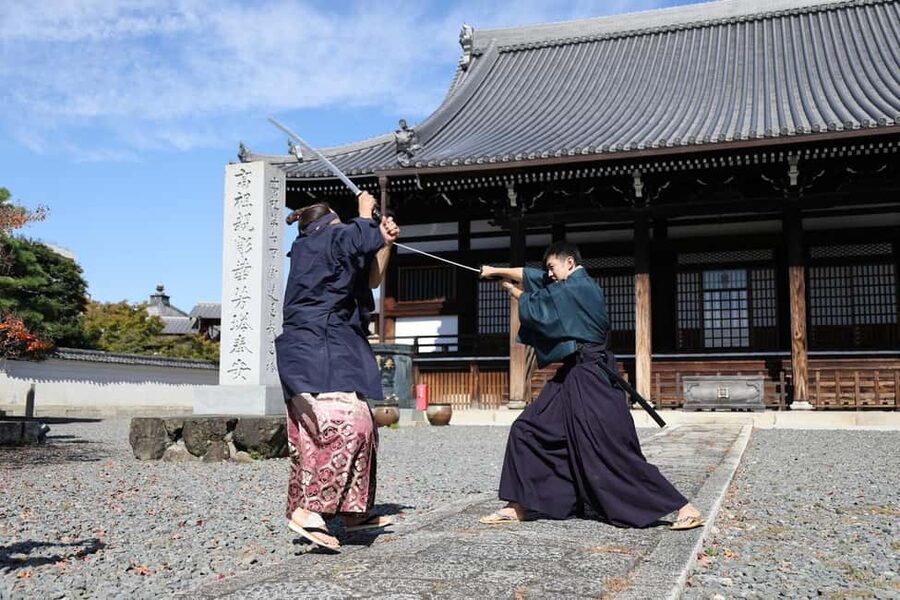
After the instruction and demonstration, you’ll perform the sword techniques yourself. This is the part that turns the activity from a costume session into a small movie shoot.
You are welcome to use your own camera during the swordplay session. Photography and video recording with your camera are included, and a photo download service is also provided. The supplied information does not promise a professionally edited film, so think of the footage as a personal souvenir of your performance rather than a polished movie production.
That footage can be especially valuable if you are traveling with children or teenagers. Several parents used the activity as something their children could enjoy independently while the adults did something else, and the filmed result gave the family a shared memory afterward. If you are taking part together, the scene also gives you something concrete to watch later instead of relying on a few costume photos.
The filming portion may feel a little silly. That is not a flaw, but it is part of the bargain. You’ll probably be asked to exaggerate your movements and reactions so the action reads clearly on camera. People who enjoy role-play will likely get the most from it. If you prefer quiet cultural visits with little audience participation, this may feel too theatrical.
Bring your own camera, but do not let recording distract you from the lesson. The instructors need your attention while they explain the sword movements. The best approach is to learn first, then record when the scene is ready.
What the 70-minute schedule means for your day
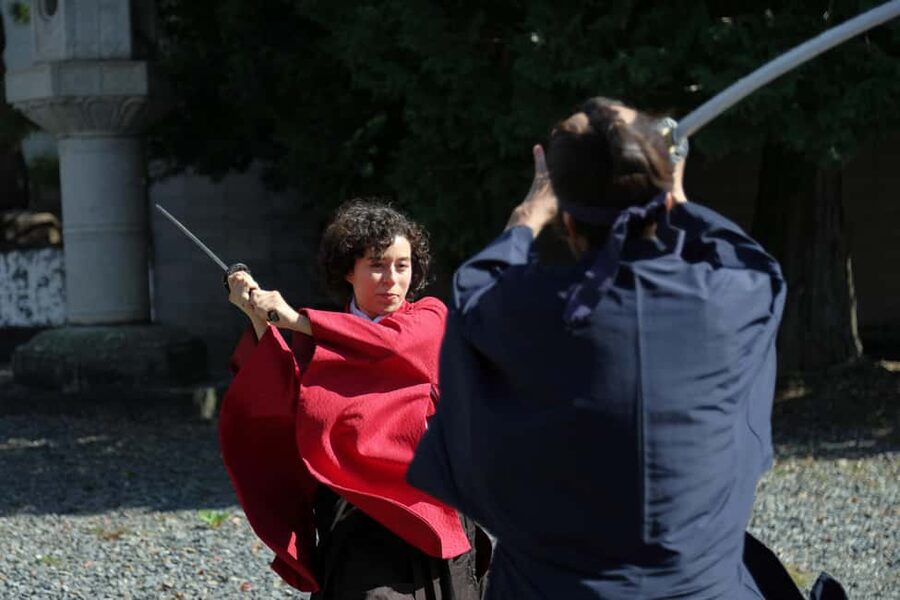
Seventy minutes is short enough to fit between major Kyoto sights. You can build it into a morning or afternoon without giving up half a day, but allow extra time to reach Myokaku-ji Temple and find the dojo.
The session moves through several stages:
- Meeting at the dojo after entering the main gate
- Learning about the sword and practicing basic handling
- Trying moves such as makkogiri and kesagiri
- Putting on and wearing a rental kimono
- Watching a professional chambara demonstration
- Performing the choreographed sequence
- Taking photos and recording video
The exact order may vary, especially because dressing and filming need to fit the group. With a maximum of six participants, the instructors can give more direct help than you would get in a large class. A small group also makes it easier for everyone to see the demonstration and get a turn in the filmed sequence.
The session is offered in Japanese and English. English instruction makes the activity accessible to international visitors, though sword choreography still depends partly on watching and copying. Pay close attention to hand position and footwork, and ask for a repeat if a movement is unclear.
Is $127 a fair price?
At $127 per person, this is not a bargain activity. You are paying for more than a kimono rental and a quick photo opportunity, though. The price covers the instruction, costume, professional performance, use of the dojo setting, photography and video recording with your camera, a photo download service, and specified indemnity insurance.
The value is strongest if you want a ready-made cultural activity with a souvenir built in. A separate costume rental, a professional sword demonstration, and a filming session could add up quickly, especially if you are visiting Kyoto for a special occasion.
The value is weaker if you only want to wear a kimono or see a temple. Kyoto offers many ways to do those things without paying for a staged sword lesson. This activity earns its price through the combination: dress, instruction, performance, and your own action scene all happen in one compact visit.
The small group limit also helps justify the cost. Six participants is still enough for a group dynamic, but it avoids the feel of a large tour where you simply watch from the back. If your booking happens to have only a few people, you may receive more direct attention from the instructors.
Free cancellation up to 24 hours before the activity and the option to reserve now and pay later make the booking less rigid. Those policies are useful if your Kyoto schedule may change, but you should still confirm the available start time before arranging other temple visits.
Who will enjoy this most
I would recommend this for:
- First-time visitors who want an activity beyond sightseeing
- Families with children over five who enjoy costumes and performance
- Teenagers who want memorable video from Japan
- Couples or friends willing to act a little silly together
- Fans of Japanese period films and samurai stories
- Small groups looking for a short, organized Kyoto experience
It is particularly good for people who like participating rather than only observing. You’ll be asked to hold the sword, repeat the movements, watch the actors closely, and perform for the camera.
I would think twice if you have back problems, a pre-existing medical condition, or are pregnant. The activity involves physical movement, and the provider specifically excludes those groups. It is also not suitable for children under five or people over 95.
People who want historical detail may find the experience lighter than a specialist cultural lecture. The temple and Sengoku connections add context, but the heart of the session is performance. You are there to act like a samurai, not study the full history of bushido.
Practical advice before you go
Wear comfortable clothes that allow movement. Even under a kimono, restrictive clothing will make the sword practice less pleasant.
Bring a camera or phone if you want to record the session yourself. The activity welcomes personal photos and video, and the staff provide photography and video recording with your camera. Smoking, alcohol, and drugs are not allowed.
Meet at the Myokaku-ji Dojo, located to the left after you enter the temple’s main gate. Transportation to and from the temple is not included, and meals are not included either, so plan those parts of the day separately.
The activity is in Kyoto on Honshu, and the listed provider is GOATtrip株式会社. Since the session lasts only 70 minutes, it works best as one element in a larger Kyoto day rather than as a stand-alone outing.
Should you book the Myokaku-ji sword experience?
Book it if you want an upbeat, hands-on memory of Kyoto and you are happy to perform for a camera. The combination of a real temple setting, rental kimono, professional samurai actors, and downloadable footage gives the experience a clear purpose. It is more memorable than simply posing in costume.
Skip it if you want serious sword training, a long temple visit, or a quiet cultural lesson. The swords are for staged performance, the schedule is compact, and the fun depends on your willingness to play along.
For most suitable participants, the best reason to book is the complete package. You learn a few recognizable sword movements, watch professionals show how chambara works, and then create your own short scene. That is a good use of 70 minutes in Kyoto, especially for families and teenagers who may need a break from temples and museums.
FAQ
Where does the samurai sword experience take place?
It takes place at Myokaku-ji Temple in Kyoto, on Honshu, Japan. After entering the main gate, go to the Myokaku-ji Dojo on the left.
How long does the activity last?
The experience lasts 70 minutes.
What is included in the price?
The price includes a rental kimono, photo download service, photography and video recording with your camera, and indemnity insurance specified by the provider.
Are transportation and meals included?
No. Transportation to and from Myokaku-ji Temple and meals are not included.
Can I take my own photos and videos?
Yes. You are welcome to take photos and videos during the experience. Bring your own camera if you want to record the session.
Is the activity offered in English?
Yes. Instruction is available in Japanese and English.
How many people can join the group?
The experience is limited to six participants.
Who should not take part?
The activity is not suitable for children under five, pregnant women, people with back problems, people with pre-existing medical conditions, or people over 95.
Temple visits we reviewed lately in Kyoto
- Kyoto: Zen Meditation at a Private Temple with a Monk★ 5.0 · 202 reviews
- Kyoto:Kiyomizu-dera Temple Rent a kimono and ride a rickshaw★ 4.8 · 7 reviews
- KYOTO: Tempio Kiyomizu Pagode Gion “Geisya” (Guida Italiana)★ 4.7 · 17 reviews
- Kyoto: Kiyomizudera, Sanjusangendo, Ginkakuji and Higashiyama.★ 5.0 · 3 reviews
- Kyoto:Quiet Arashiyama and Sagano Temples★ 4.8 · 5 reviews
- Kyoto: Shakyo & Matcha in Historic Temple Garden★ 5.0 · 4 reviews
- KYOTO: Golden Pagoda, Bamboo Forest, Arashiyama (Italian)★ 4.9 · 5 reviews
- Kyoto: Nara, Todaiji, Kasuga Taisha Shrine Private Full Day★ 4.9 · 18 reviews
Kyoto Temple Tours, compared.
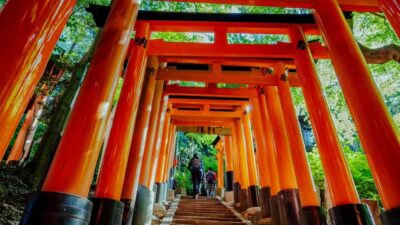
Osaka/Kyoto:Kinkakuji,Arashiyama,FushimiInariShrine,NaraPark
Read our review →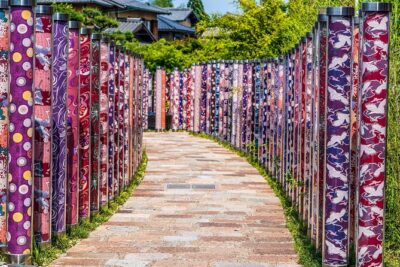
Kyoto Arashiyama Walking Tour: Bamboo, Monkeys, Gardens & Secrets
Read our review →
Arashiyama Bamboo, Temple, Monkeys, or Secret Sake Brewery
Read our review →
Kyoto: Arashiyama Bamboo Forest, Monkeys, Matcha & Temple Tour
Read our review →
Osaka/Kyoto: Arashiyama, Nara & Fushimi Inari Shrine w/Lunch
Read our review →
Kyoto Zen Meditation & Garden Tour at a Zen Temple with Lunch
Read our review →This tour also ranks in