
Review · KYOTO
KYOTO: Golden Pagoda, Bamboo Forest, Arashiyama (Italian)
Kyoto’s Golden Pagoda and Sagano Bamboo Forest make a strong half-day pairing: one is a carefully preserved temple site, the other a quiet-looking bamboo path in the city’s western hills. The route also gives you a glimpse of areas once linked to imperial relatives, aristocrats, samurai, and literary figures.
I like the practical use of public transport, with train, bus, and subway rides included, and I like having an Italian-speaking Kyoto guide to explain details that signs alone cannot provide. The main drawback is pace: five hours covers two major sights, but neither stop gives you unlimited time to wander.
Key points to know before booking
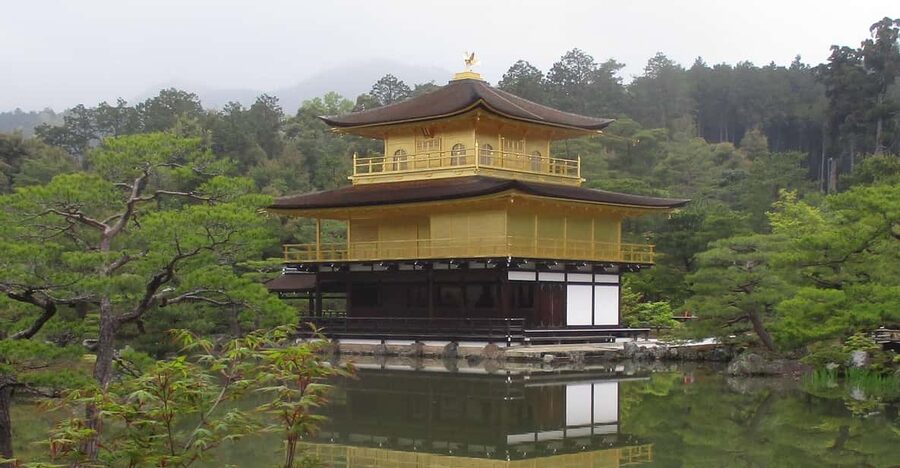
- Two very different Kyoto sights: Visit Kinkaku-ji and walk through the Sagano Bamboo Forest in one outing.
- Italian guidance throughout: The tour is led by a native Kyoto guide who answers questions about Japanese culture, history, and daily life.
- Kyoto Station is both start and finish: You meet at the station’s north side and return there by public transport.
- Transport and admissions are included: Train, bus, subway, and scheduled monument entrance fees are covered in the $117 price.
- Guide Omae receives special praise: His cultured explanations, humor, and polished Italian are a major part of the experience.
- You can leave early: The tour ends at Kyoto Station, but you are free to stop participating halfway through.
Why this pairing works in one five-hour morning
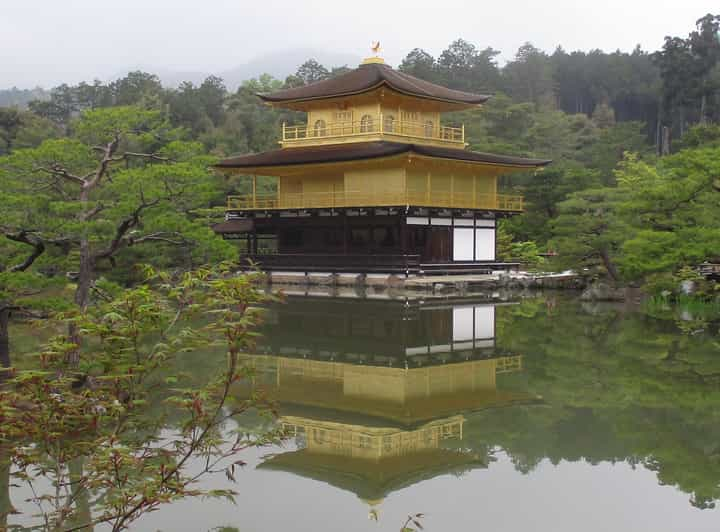
Kyoto can feel scattered on a map. Kinkaku-ji is in the northwest, while Arashiyama and the Sagano Bamboo Forest sit farther west. Seeing both independently is possible, but you must piece together several transport connections and decide how much time to allow for each stop.
This outing handles that structure for you. You begin at Kyoto Station, ride for about 20 minutes to the Sagano area, spend roughly an hour at the bamboo forest, then travel by train, bus, and subway to Kinkaku-ji before returning to the station.
I like this format for a first visit because it gives you two of Kyoto’s most recognizable sights without using a full day. You get a guided introduction to the city’s western side, then have the rest of the day available for another neighborhood, dinner, or a slower walk elsewhere.
The tradeoff is clear. An hour at each major stop is enough for an introduction, photographs, and a guided explanation, but it is not enough for a leisurely exploration of every path or nearby attraction. If you already know these sites and want time for independent wandering, a self-guided day may suit you better.
More Temple Tours around Kyoto:
- Kyoto: Tea Ceremony Ju-An at Jotokuji Temple
★ 4.9 · 3,207 reviews - Osaka/Kyoto:Kinkakuji,Arashiyama,FushimiInariShrine,NaraPark
★ 4.1 · 1,596 reviews - Arashiyama Bamboo, Temple, Monkeys, or Secret Sake Brewery
★ 4.8 · 886 reviews
Meeting at Kyoto Station’s north entrance
The meeting point is on the open space outside the central north entrance, known as the Karasuma-guchi side of Kyoto Station. Look for the area between the four escalators in front of the taxi terminal, not the bus terminal.
There is a useful visual clue. From the meeting area, Kyoto Tower appears in front of the station, toward the upper left of your view. That detail matters because Kyoto Station is large, and the wrong terminal can cost you valuable time.
The final meeting point is confirmed by email by the day before the tour. I would still arrive early enough to get oriented, especially if this is your first morning in Kyoto. The station is easy to reach by local train, subway, and other public transport, but its size can make a last-minute meeting stressful.
Sagano Bamboo Forest: a short walk through Kyoto’s western hills
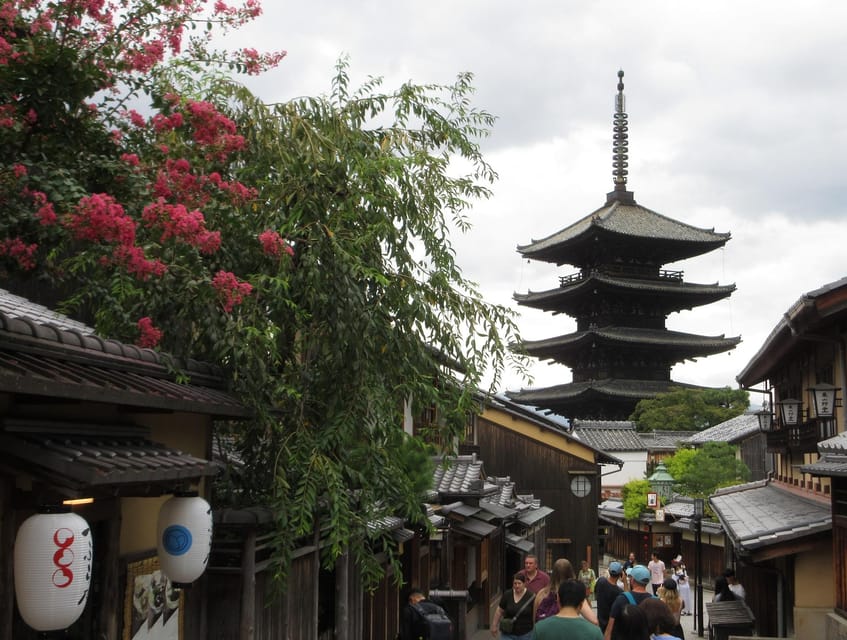
The first main stop is the Sagano Bamboo Forest in Arashiyama. You spend about an hour here with the guide, with time listed for walking, sightseeing, and shopping.
The bamboo path is famous for its tall green stalks and filtered light. It is one of those places that looks simple on a map but feels very different from Kyoto’s temple districts. Instead of tiled gates and formal gardens, you walk through a narrow route framed by bamboo, with the surrounding Sagano area adding a more rural character.
The guide’s role is especially useful here. A path through bamboo does not explain itself, and the larger value comes from connecting the scenery to the western suburbs of ancient Kyoto. You can ask about the area’s links with aristocrats, imperial relatives, samurai, and literati who used parts of this region for retreat and leisure.
The hour-long stop should be viewed as a focused introduction, not a complete Arashiyama visit. You may have time to browse or make a small purchase, but the schedule does not suggest a long shopping session. If you want to explore every corner of the area at your own speed, you may prefer to leave the group here and continue independently.
That option is built into the experience. You are free to stop halfway rather than return to Kyoto Station with the group. This makes the tour more flexible for anyone who wants guided context at the start of the day but plans to spend the afternoon in Arashiyama.
The public transport route is part of the lesson
After the bamboo forest, the group continues by train for about 20 minutes, then takes a bus for about 15 minutes toward Kinkaku-ji. After the temple visit, a further 15-minute bus ride and 15-minute subway trip bring you back to Kyoto Station.
This is not a private-car tour. You are using the same public transport system that residents use, which gives the route a practical feel and lets you see how Kyoto connects its central station with the western suburbs.
The transport changes also explain why a guide adds value. Moving between train, bus, and subway can be straightforward once you know the city, but it is less simple when you are watching the clock, carrying bags, or reading unfamiliar signs. With the transport included, you do not need to buy separate tickets or work out the fare for each leg.
The downside is that transfer time takes up part of the five-hour schedule. You are not spending five full hours at the two sights. Some of that time goes toward reaching them, which is normal for Kyoto’s spread-out attractions but worth keeping in mind when comparing this tour with a longer private visit.
Same sacred ground, another way to see it:
- Kyoto Arashiyama Walking Tour: Bamboo, Monkeys, Gardens & Secrets
★ 5.0 · 1,216 reviews - Kyoto: Arashiyama Bamboo Forest, Monkeys, Matcha & Temple Tour
★ 5.0 · 759 reviews - Osaka/Kyoto: Arashiyama, Nara & Fushimi Inari Shrine w/Lunch
★ 4.4 · 754 reviews - Kyoto 1 Day Tour from Kyoto
★ 4.0 · 582 reviews
Kinkaku-ji and the famous Golden Pagoda
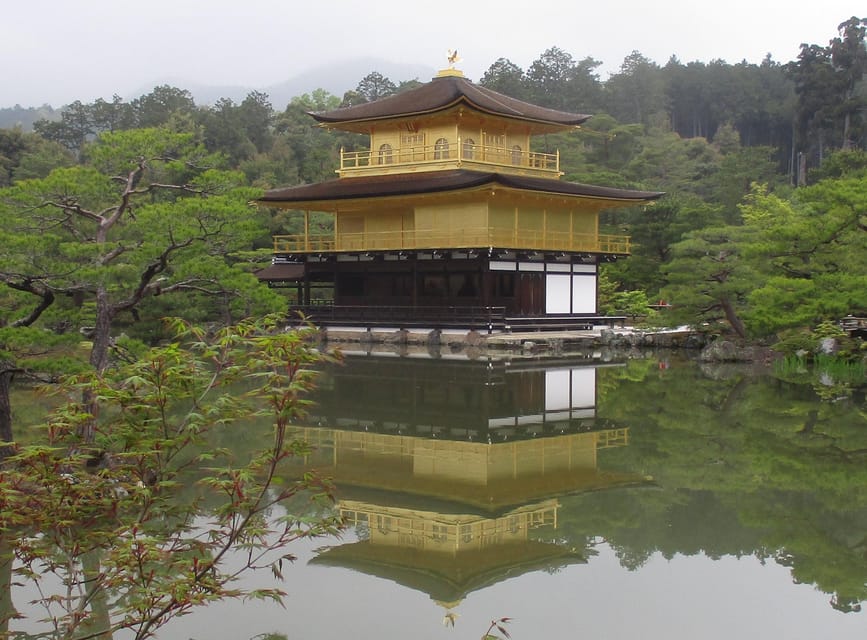
Kinkaku-ji is the second major stop, with about one hour for a guided visit. Its better-known name, the Golden Pagoda, comes from the gold-covered upper stories that reflect strongly against the surrounding setting.
The temple is valuable not only as a famous photograph but also as a way to discuss Kyoto’s connection with military leaders, aristocratic culture, religious institutions, and changing eras of Japanese history. Your guide can place the building and grounds within the broader story of the old capital rather than treating it as a quick photo stop.
The experience information describes this area as part of the preserved environment connected with the vacationing and retired lives of relatives of the imperial house, aristocrats, and literary figures. That context helps explain why Kyoto’s western outskirts feel so different from the modern station district. These were places for retreat, ceremony, study, and quiet pleasure.
An hour at Kinkaku-ji is enough to see the main sight and hear the essential explanation. It may feel short if you want to linger over every garden feature or take your time with photographs. The advantage is that the schedule keeps moving and fits both the pagoda and bamboo forest into one morning.
The guide is particularly important at this stop because Kinkaku-ji can be crowded and visually overwhelming. A clear explanation helps you focus on what you are seeing instead of simply following the path and taking a photograph. The Italian guide Omae is praised for his culture, humor, and polished command of Italian, qualities that can make historical material easier to follow.
What the Italian guide adds
This is not simply an escorted transfer between two famous places. The stated focus is on Japanese history, modern life, culture, and everyday customs, with time for your questions.
That matters if you want to understand more than the basic facts. A native Kyoto guide can explain why the city’s old suburbs mattered, how the area was used by different social classes, and how traditional sites fit into life in present-day Japan.
The strongest praise is directed at the guide’s personality and explanations. Stefano describes the guide as prepared, unusual in the best sense, and friendly. Daniele singles out Omae as a cultured and likable guide who offers hard-to-miss curiosities in polished Italian.
Those comments point to the tour’s real selling point. The pagoda and bamboo forest are easy to find on your own. What you cannot reproduce as easily is a thoughtful conversation in Italian with someone who knows Kyoto personally and can respond to questions as they arise.
The guide also makes this a good choice for Italian speakers who do not want to rely on English signs or brief translated descriptions. You can ask about daily life, ancient customs, historical figures, and modern Japan in your own language.
Is $117 a fair price?
At $117 per person, this is not the cheapest way to see Kinkaku-ji and Arashiyama. The value depends on how much you want from the guide and how comfortable you are arranging transport yourself.
The fee includes the Italian-speaking guide, all scheduled transport, and entrance fees for the monuments included in the route. You are paying for coordination as well as interpretation. That can be worthwhile in Kyoto, where the sights are separated by several transport legs and the history is layered into almost every major site.
If your main goal is simply to photograph the Golden Pagoda and walk through bamboo, you can likely spend less by planning your own route. You would then have more control over timing, but you would also need to handle the trains, bus, subway, admissions, and historical background yourself.
I see the strongest value for a first-time Kyoto visitor, an Italian-speaking couple, or anyone with only half a day available. It is also useful for someone who wants a local introduction before exploring more of Kyoto independently.
The price is harder to justify if you dislike fixed schedules or already know the city’s transport system well. The tour gives you structure and explanation, not maximum free time.
Who will enjoy this half-day tour most?
You should consider booking if you want two major Kyoto sights with one Italian-speaking guide and do not want to organize the route yourself. It suits people who prefer a focused morning and still want the afternoon free.
It is also a good fit if you enjoy asking questions. The guide is presented as someone who can discuss both historical subjects and modern daily life, so the experience is not limited to memorized facts.
Families and older visitors may appreciate the organized movement between locations, though the exact group size is not specified. The activity is described as wheelchair accessible, which is useful information if accessibility affects your planning.
You may want another format if your priority is photography, quiet reflection, or a long visit in Arashiyama. The bamboo forest and Kinkaku-ji each receive about an hour, and the transport between them takes a meaningful part of the day.
The option to leave halfway helps. You could use the guided portion to reach and understand the bamboo forest, then remain in Arashiyama instead of returning to Kyoto Station. The same applies in reverse only if the timing and guide arrangements allow it, so confirm your plan with the guide before separating.
Practical details that affect your morning
The experience lasts five hours and starts and ends at Kyoto Station. The transport sequence includes a 20-minute train ride, about an hour at the bamboo forest, another 20-minute train ride, a 15-minute bus ride, about an hour at Kinkaku-ji, then a 15-minute bus ride and a 15-minute subway ride back to the station.
Wear comfortable shoes. The route includes walking at the bamboo forest and movement through several transport connections. The supplied information does not give a precise walking distance, so you should not assume a completely step-free outing despite the activity being marked wheelchair accessible.
The starting time varies, so you need to check availability for your preferred date. The tour runs in Italian, and the provider is Agenzia Turisti Italiani in Giappone.
You can cancel up to 24 hours before the activity for a full refund. The reserve-now, pay-later option also gives you some flexibility when your Kyoto plans are still changing.
My verdict: a strong guided introduction to western Kyoto
I would choose this tour if I wanted an efficient introduction to Arashiyama and Kinkaku-ji in Italian, especially on a first Kyoto visit. The strongest reason to book is the guide, with Omae’s cultural knowledge, humor, and polished Italian adding something you cannot get from a map or audio guide.
I would skip it if I wanted a slow, unplanned day in the western suburbs. The five-hour schedule is sensible but tight, and the transport connections limit the time available at each sight.
For most Italian-speaking visitors, the combination is well judged. You get bamboo, the Golden Pagoda, Kyoto’s old aristocratic and imperial connections, and a local explanation of modern life, all without spending the entire day planning routes. At $117, it is a guide-led experience rather than a bargain sightseeing ticket, but the included transport, admissions, and Italian conversation make the cost easier to defend.
FAQ
Where does the tour begin?
It begins at Kyoto Station’s north entrance, the Karasuma-guchi side. Meet in the space between the four escalators in front of the taxi terminal, not the bus terminal.
How long does the experience last?
The full tour lasts five hours and returns to Kyoto Station.
What language is the tour conducted in?
The tour is conducted in Italian with a live Italian-speaking guide.
Are transport and entrance fees included?
Yes. The scheduled train, bus, and subway rides are included, along with entrance fees for the monuments visited during the tour.
Can I leave the tour before it ends?
Yes. You are free to leave halfway through, although you should clarify your plans with the guide before separating from the group.
Is the activity wheelchair accessible?
Yes. The activity is described as wheelchair accessible, though the route includes several public transport connections and walking at the sights.
Temple visits we reviewed lately in Kyoto
- Kyoto: Zen Meditation at a Private Temple with a Monk★ 5.0 · 202 reviews
- Kyoto:Kiyomizu-dera Temple Rent a kimono and ride a rickshaw★ 4.8 · 7 reviews
- KYOTO: Tempio Kiyomizu Pagode Gion “Geisya” (Guida Italiana)★ 4.7 · 17 reviews
- Kyoto: Kiyomizudera, Sanjusangendo, Ginkakuji and Higashiyama.★ 5.0 · 3 reviews
- Kyoto:Quiet Arashiyama and Sagano Temples★ 4.8 · 5 reviews
- Kyoto: Shakyo & Matcha in Historic Temple Garden★ 5.0 · 4 reviews
- Kyoto: Samurai Sword & Kimono Action Filming Experience★ 4.8 · 78 reviews
- Kyoto: Nara, Todaiji, Kasuga Taisha Shrine Private Full Day★ 4.9 · 18 reviews
Kyoto Temple Tours, compared.
Osaka/Kyoto:Kinkakuji,Arashiyama,FushimiInariShrine,NaraPark
Read our review →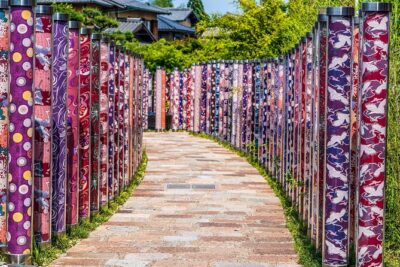
Kyoto Arashiyama Walking Tour: Bamboo, Monkeys, Gardens & Secrets
Read our review →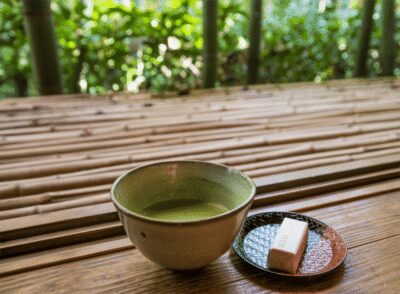
Arashiyama Bamboo, Temple, Monkeys, or Secret Sake Brewery
Read our review →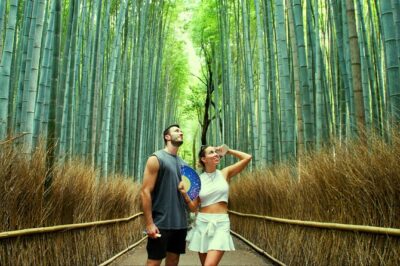
Kyoto: Arashiyama Bamboo Forest, Monkeys, Matcha & Temple Tour
Read our review →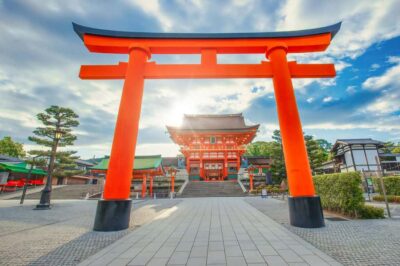
Osaka/Kyoto: Arashiyama, Nara & Fushimi Inari Shrine w/Lunch
Read our review →
Kyoto Zen Meditation & Garden Tour at a Zen Temple with Lunch
Read our review →This tour also ranks in