
Review · KYOTO
Kyoto: Early Morning Fushimi Inari Shrine – Beat the Crowds
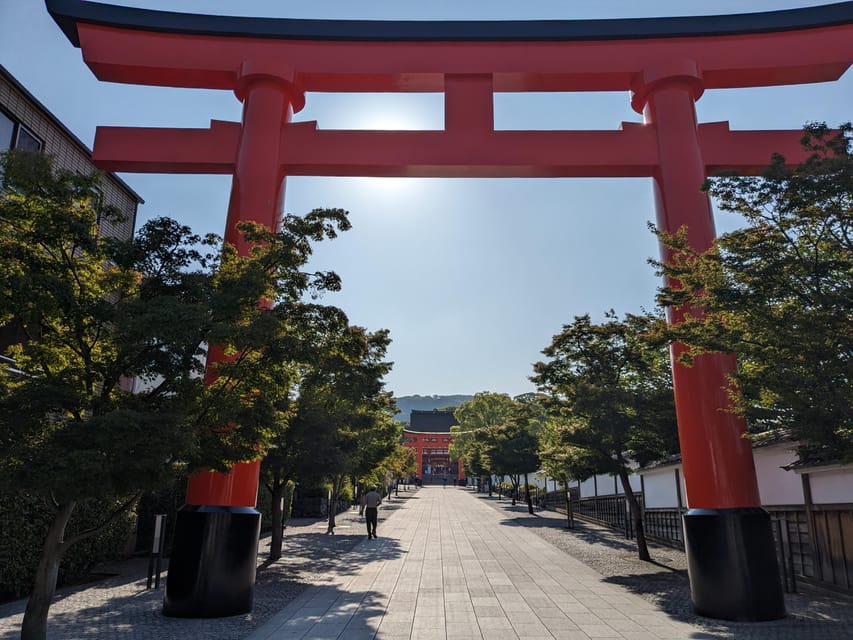
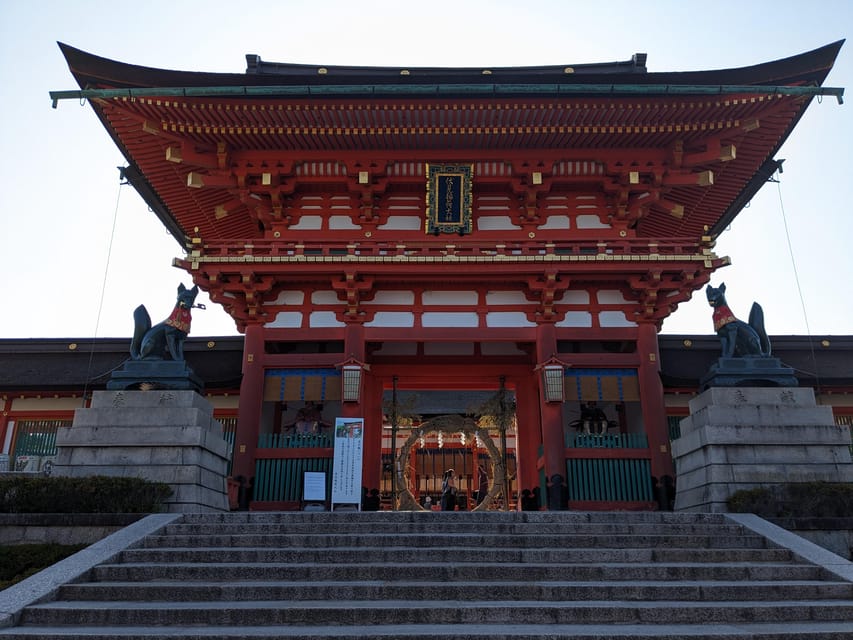
Fushimi Inari is at its best early, before the orange torii gates become a wall of people and raised phones. This 150-minute morning tour gets you onto the shrine grounds while the air is cooler and the famous tunnels are far easier to photograph.
I like two things here: the guide explains the meaning behind the torii, fox figures, and worship rituals, and the route includes mountain views plus a quieter local spot that many independent visitors miss. The main caution is the climb. Despite the simple shrine setting at the entrance, this becomes a mountain walk, and it is not suited to anyone with low fitness, mobility, heart, back, or breathing problems.
Key points to know before booking
- Early start beats the crowds: Fushimi Inari is one of Japan’s most visited sights, so morning timing makes a real difference.
- A guide adds meaning: Learn how to pay respect at the shrine and why the torii gates and fox images matter.
- Expect a serious walk: The full experience can feel like a 2.5-hour mountain hike, not a quick stop at the first torii.
- Small groups or private tours: The format gives you more room to ask questions and adjust the pace within reason.
- A quieter viewpoint is included: The route adds scenic stops beyond the famous entrance tunnels.
- You receive an Inari-specific souvenir: It is a small extra that gives the visit a local connection.
Why an early morning visit changes Fushimi Inari
Fushimi Inari Taisha is famous for its long lines of orange torii gates. During the day, those gates can become crowded enough that the quiet religious setting is hard to feel. You may spend more time waiting for a clear photograph than looking at the shrine itself.
An early start solves much of that problem. You get a calmer walk, softer morning conditions, and a better chance to take a photo without a crowd filling every gap between the gates. It is not a promise of complete solitude, but the timing is the tour’s biggest practical advantage.
I also like that the experience does not stop at the first photogenic tunnel. Your guide places the gates in their religious and local setting, explains how to behave at the shrine, and points out details you could easily pass without noticing. That matters at Fushimi Inari, where a quick camera stop can otherwise leave you with attractive pictures but little sense of what the site means.
The setting is sacred, so the pace should feel more thoughtful than a standard sightseeing walk. Guides such as Teppei, Akino, Hiro, Masa, Maru, and Yoshi are named in the available tour information, and the strongest praise focuses on their warmth, clear explanations, and willingness to answer questions. The quality of a small walking tour depends heavily on the person leading it, and that is especially true here.
More Fushimi Inari Shrine Tours in Kyoto:
- Osaka/Kyoto:Kinkakuji,Arashiyama,FushimiInariShrine,NaraPark
★ 4.1 · 1,596 reviews - Osaka/Kyoto: Arashiyama, Nara & Fushimi Inari Shrine w/Lunch
★ 4.4 · 754 reviews - Kyoto: 3-Hour Fushimi Inari Shrine Hidden Hiking Tour
★ 4.9 · 270 reviews
Meeting outside JR Inari Station
The meeting point is outside, across from the main entrance to JR Inari Station. Look for a bright yellow DeepExperience signboard held by your guide.
This location is convenient if you are coming from Kyoto Station, but allow time to identify the correct train. One participant arrived late after confusing a local train with an express service, so check the route carefully before leaving. The issue was handled kindly, but arriving early is better for you and for the small group.
The station puts you right beside the shrine area. There is no long transfer after meeting your guide, which keeps the morning efficient. Wear comfortable shoes and clothes that can handle a sustained uphill walk. Baby strollers, baby carriages, luggage, and large bags are not allowed, so this is not a good activity to combine with a checkout morning or a suitcase transfer.
The first torii and the language of Fushimi Inari
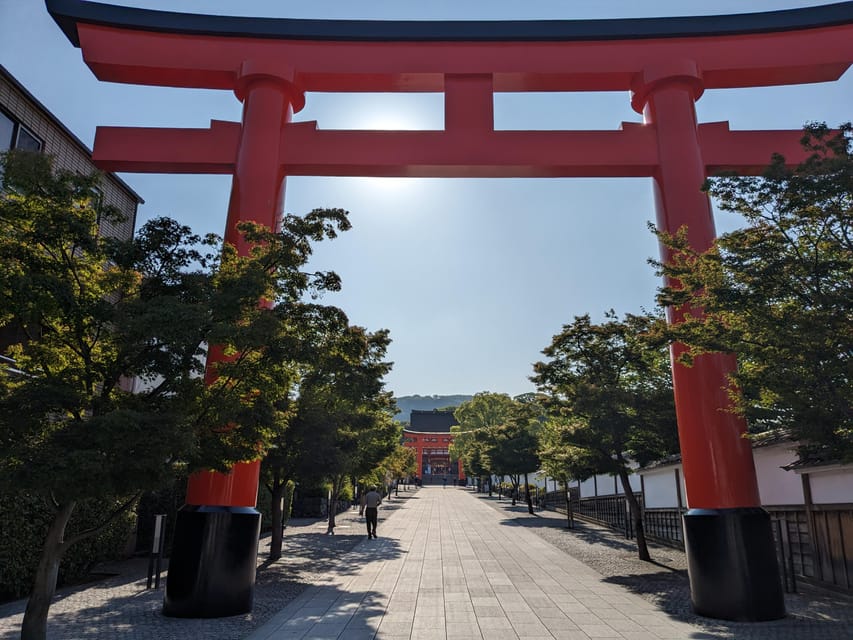
The opening section takes you through Fushimi Inari Taisha, with about 90 minutes devoted to the shrine and its grounds. This is where the tour earns its price for anyone who wants more than a photo.
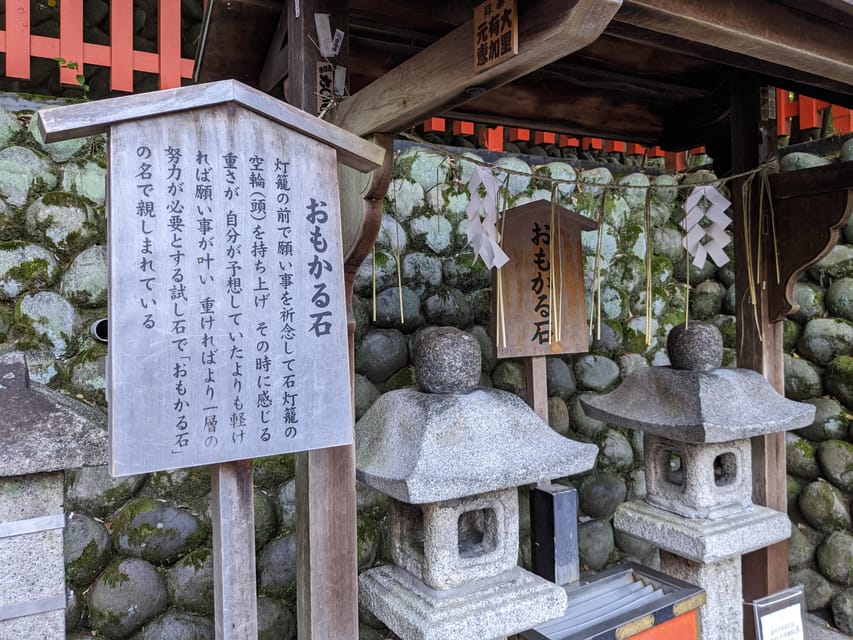
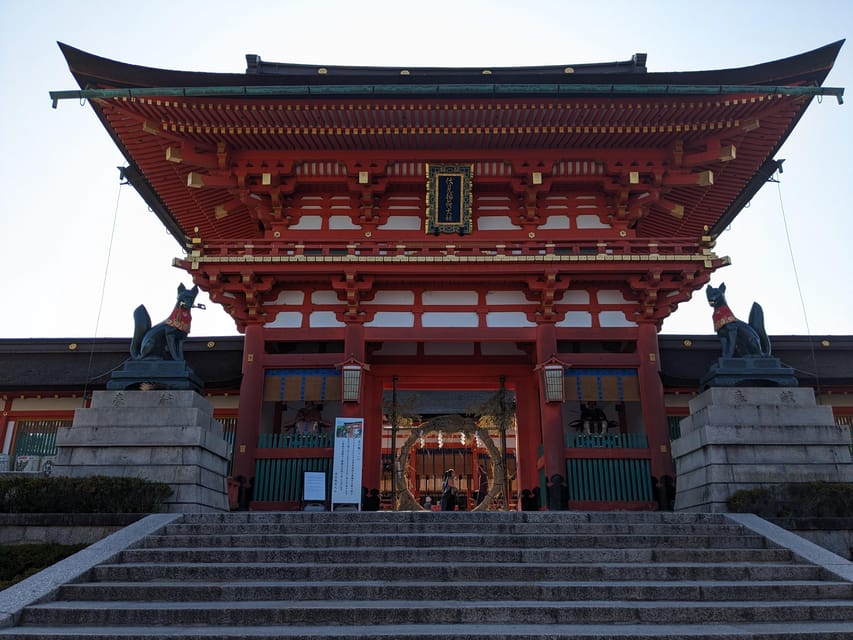
Your guide can explain the role of Inari, the fox imagery, the purpose of the torii gates, and the correct way to show respect at the main shrine areas. One useful part of the walk is learning how to approach the shrine rather than simply following the crowd. Small acts of attention make the site feel less like a backdrop and more like a living place of worship.
Fushimi Inari has many layers of religious symbolism and local practice. You do not need a lecture to enjoy it, but a good explanation helps you understand why some structures matter and why the route continues far beyond the entrance. Guides who grew up in Kyoto, such as Hiro, can add a personal connection to local customs and traditions.
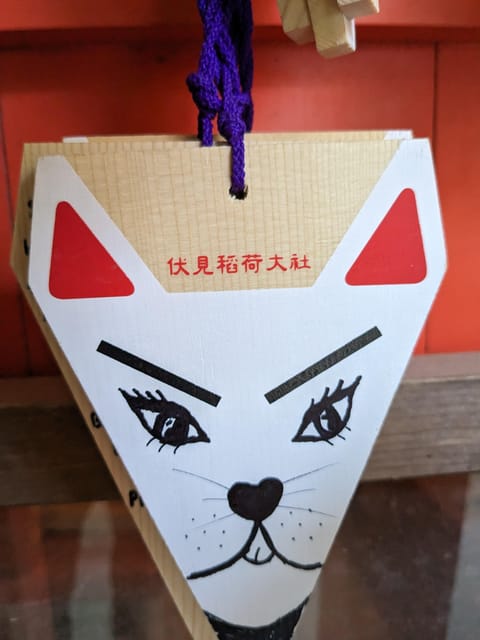
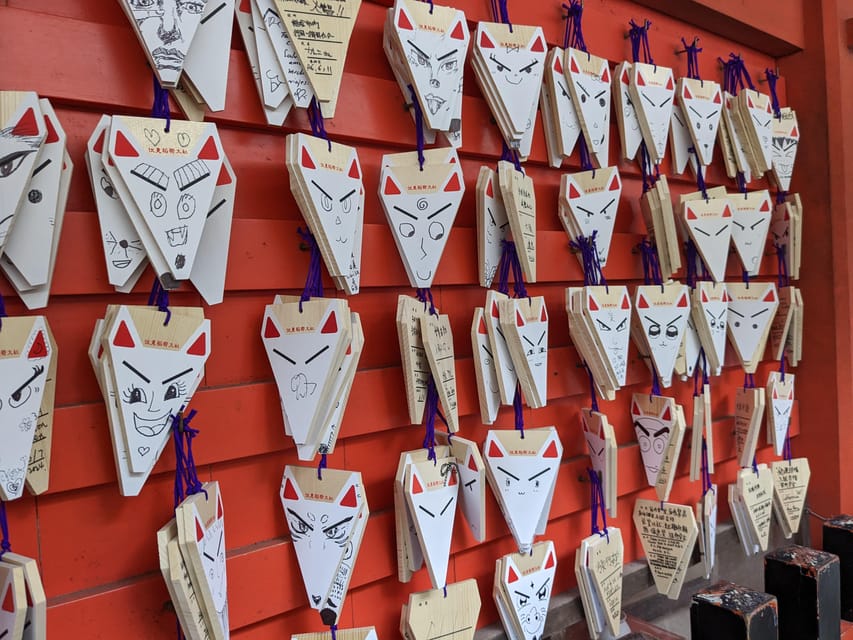
The fox figures are another detail that becomes more interesting with context. You will encounter them in different parts of the shrine, along with other traditional structures. A guide can point out what you are seeing and give you a framework for remembering it after you leave.
This is also the best part of the tour for questions. Ask about the gates, how they are donated, or how local people use the shrine. The tour information specifically emphasizes an expert local guide, and past participants praised the chance to ask questions and learn about Japanese culture in plain, engaging terms.
Walking through the orange torii tunnels
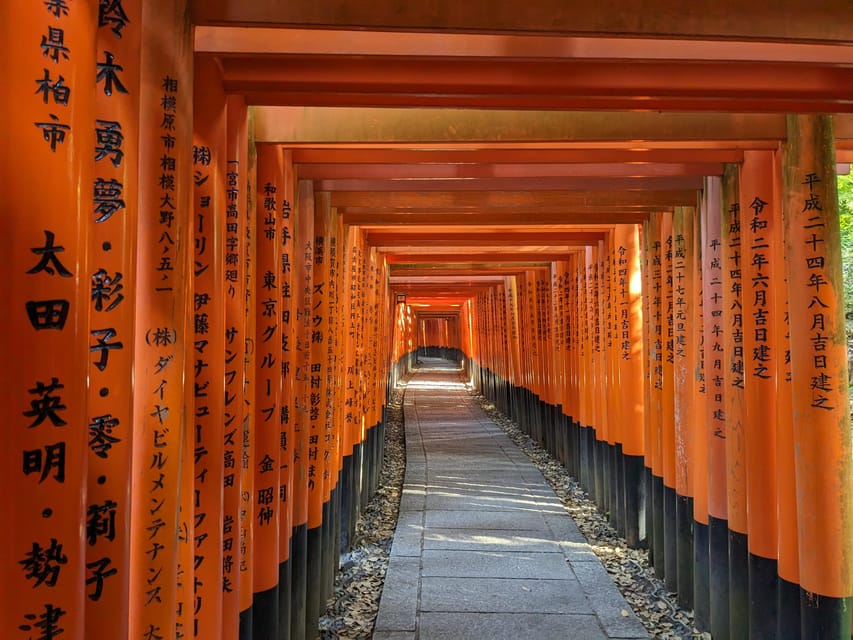
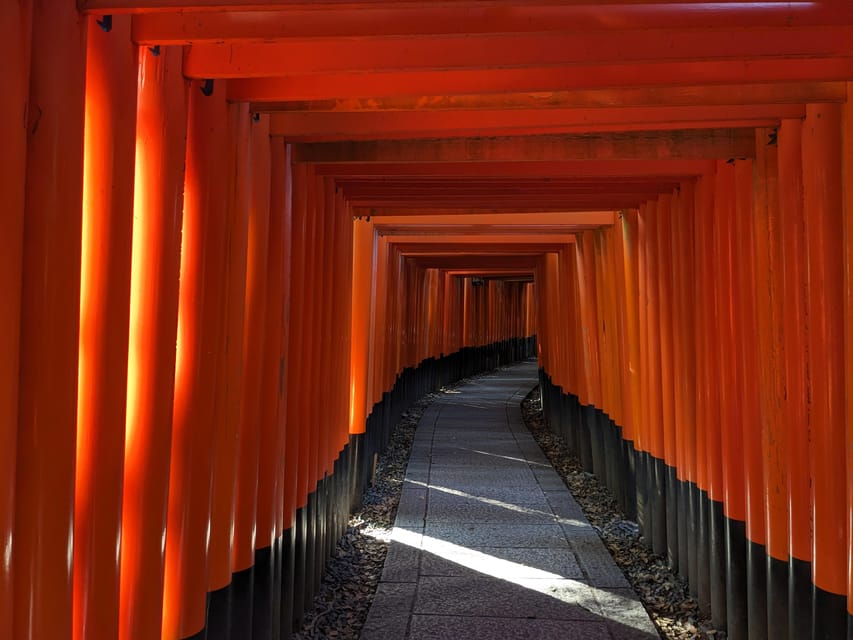
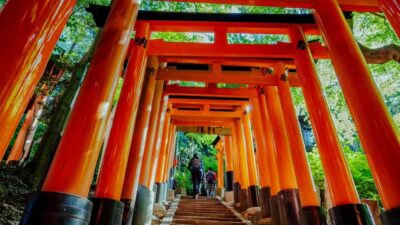
The torii gates are the visual heart of the visit. They create a sequence of orange corridors that climb into the forested mountain. Early in the day, the walk feels slower and more peaceful, and you have a much better chance of seeing the gates as a repeated religious offering rather than a crowded photo line.
I would not treat this as a quick photo stop. The gates are impressive precisely because they continue up the mountain, and the changing views make the walk more rewarding. At the same time, the path can be tiring. Several accounts describe the outing as a climb to the top or a 2.5-hour mountain hike, so do not book it based only on the easy-looking entrance area.
The early hour also helps with heat. A July participant specifically valued walking before the crowds and high temperatures, while an April participant said the timing worked well. Summer mornings can still feel warm, but starting early gives you a better chance of avoiding the worst part of the day.
The walk is not suitable for children under 10, people over 70, wheelchair users, or anyone with mobility, heart, back, respiratory, or altitude-related problems. The restrictions are unusually specific, and you should take them seriously. This is not a flat shrine tour.
More Temple Tours around Kyoto:
- Kyoto: Tea Ceremony Ju-An at Jotokuji Temple
★ 4.9 · 3,207 reviews - Arashiyama Bamboo, Temple, Monkeys, or Secret Sake Brewery
★ 4.8 · 886 reviews - Kyoto: Arashiyama Bamboo Forest, Monkeys, Matcha & Temple Tour
★ 5.0 · 759 reviews - Kyoto Zen Meditation & Garden Tour at a Zen Temple with Lunch
★ 5.0 · 441 reviews
The viewpoint after the shrine walk
The itinerary allows about 30 minutes for sightseeing at a viewpoint. This gives the route a welcome change of rhythm after the torii tunnels and uphill sections.
You can expect a scenic outlook from the mountain area, though the exact view depends on the route and conditions. The tour descriptions and firsthand accounts refer to beautiful views and a rewarding climb toward the top. The viewpoint is valuable because it shows that Fushimi Inari is more than a sequence of gates. It is also a mountain setting above Kyoto.
The climb means you need to balance the view against your energy. If you are fit enough for the route, the height and forest setting add variety to the morning. If you prefer a short, level sightseeing stop, this tour will ask more of you than expected.
A small group can make this section more pleasant because you can hear the guide and pause for photos without feeling lost in a large crowd. Private and small-group formats are available, so check the option you select when booking.
The quieter stop and its local story
The final guided portion lasts about 30 minutes and takes you to a lesser-known spot. One account describes a small fountain connected with a local legend that it can cure all illness. Treat that as folklore, not medical advice, but it gives the place a memorable human touch.
This stop is one reason I prefer the guided format to a solo visit for first-time visitors. You might walk past an unassuming structure without knowing why it matters. A local guide can connect the site with stories, customs, and the way people relate to the shrine.
The extra stop also keeps the tour from feeling like a single-purpose photo excursion. You see the famous gates, but you also get a quieter piece of Inari. That balance suits anyone who wants some cultural context without committing to a full-day history program.
At the end, the route returns to JR Inari Station. The total time is about two and a half hours, with the main shrine, viewpoint, and quieter stop all included.
What guides add to the experience
The guides receive the strongest praise for three things: warmth, clear communication, and genuine care for the people in their group. Teppei is singled out repeatedly for being kind, patient, and enthusiastic, with one family describing him as one of the best guides they had met after taking many tours. Akino is praised for her cultural knowledge, useful Kyoto and Hiroshima suggestions, and for helping her group get safely onto the train afterward.
That does not mean you should book only if you receive a particular guide. Guides can change, and the listed names include Teppei, Akino, Hiro, Masa, Maru, and Yoshi. Still, the pattern is useful: this experience depends on a personable local guide who explains rather than simply leads.
A good guide matters at a shrine because etiquette is not always obvious. You can ask how to pay respect, what the structures represent, and which details deserve your attention. You also get practical help with photographs, route choices, and questions about the rest of your Kyoto visit.
The available rating is 4.9 from 48 reviews, which is unusually strong. The praise is not focused only on scenery. It repeatedly returns to the guides’ kindness, cultural explanations, and ability to make the climb enjoyable. That is a better sign than a high score based only on good weather.
Is $70 a fair price?
At $70 per person, this is not the cheapest way to see Fushimi Inari. You can enter the shrine on your own without paying an admission fee, so the price is paying for the guide, the early timing, the route planning, cultural explanations, small-group or private format, and the Inari-specific souvenir.
The value depends on what you would otherwise do. If you are happy to arrive early, walk the mountain alone, research the shrine beforehand, and decide your own route, independent access will cost less. If you want someone to explain the site, teach you shrine etiquette, point out less obvious details, and keep the morning organized, $70 can be reasonable.
I would especially consider it if Fushimi Inari is a top priority and you have only one chance to visit. Crowds can change the experience quickly, and the early start is difficult to recreate if you are unsure of the route or timing. The guide also adds value for visitors who want cultural understanding rather than a collection of photographs.
The souvenir is a pleasant extra, but it should not be the reason you book. The real purchase is time with a local guide in a famous place before the day gets busy.
Who should book this Fushimi Inari tour?
This tour fits you best if you:
- Want clear photographs of the torii gates with fewer people around
- Prefer an early start and cooler walking conditions
- Like learning about Japanese culture from a local English-speaking guide
- Can manage a sustained uphill mountain walk
- Want a small-group or private experience
- Have limited Kyoto time and want a planned visit to one of the city’s major sights
You should skip it if you need a flat route, use a wheelchair, are carrying luggage, or have any of the listed health concerns. It is also a poor fit for anyone who wants a relaxed 30-minute shrine visit. The route may be beautiful, but it requires effort.
Bring water and use comfortable footwear, even though the official information only specifically asks for comfortable shoes and clothing. Do not bring a stroller or large bag. You may cancel up to 24 hours before the start for a full refund, and the reserve-now, pay-later option gives you some flexibility while planning.
Should you book it?
Book this tour if you want Fushimi Inari at its calmest practical hour and would value a local explanation of what you are seeing. The strongest reasons are the early timing, the mountain viewpoint, the quieter story-filled stop, and guides such as Teppei and Akino who bring patience and personality to the walk.
Do not book it simply because the torii gates look easy to reach. The climb can be demanding, and the tour excludes several groups for good reason. If you are fit, curious, and willing to spend 150 minutes walking uphill and back to the station, this is a strong way to experience Kyoto’s most photographed shrine with more meaning and less crowd pressure.
FAQ
How long does the Fushimi Inari tour last?
The activity lasts 150 minutes, or two and a half hours.
Where does the tour meet?
Your guide meets you outside, across from the main entrance to JR Inari Station, holding a bright yellow DeepExperience signboard.
What language is the tour offered in?
The tour is conducted in English by a live local guide.
Is the tour private or shared?
Private and small-group options are available.
What does the itinerary include?
The route includes about 90 minutes at Fushimi Inari Taisha, 30 minutes of sightseeing at a viewpoint, and 30 minutes at a quieter spot before returning to JR Inari Station.
Does the tour include a mountain walk?
Yes. The route includes a scenic walk through the shrine and mountain area, and the available details describe a climb toward the top. You should be prepared for a sustained walk.
What should I bring?
Bring comfortable shoes and comfortable clothes.
Can I bring a stroller or large luggage?
No. Baby strollers, baby carriages, luggage, and large bags are not allowed.
Who should not take this tour?
It is not suitable for children under 10, people over 70, wheelchair users, or people with back, mobility, heart, respiratory, or altitude-related problems. It is also unsuitable for people with a low level of fitness or anyone who is intoxicated.
Temple visits we reviewed lately in Kyoto
- Kyoto: Zen Meditation at a Private Temple with a Monk★ 5.0 · 202 reviews
- Kyoto:Kiyomizu-dera Temple Rent a kimono and ride a rickshaw★ 4.8 · 7 reviews
- Kyoto: Kiyomizudera, Sanjusangendo, Ginkakuji and Higashiyama.★ 5.0 · 3 reviews
- KYOTO: Tempio Kiyomizu Pagode Gion “Geisya” (Guida Italiana)★ 4.7 · 17 reviews
- Kyoto:Quiet Arashiyama and Sagano Temples★ 4.8 · 5 reviews
- Kyoto: Shakyo & Matcha in Historic Temple Garden★ 5.0 · 4 reviews
- Kyoto: Samurai Sword & Kimono Action Filming Experience★ 4.8 · 78 reviews
- Kyoto: Nara, Todaiji, Kasuga Taisha Shrine Private Full Day★ 4.9 · 18 reviews
Kyoto Temple Tours, compared.
Osaka/Kyoto:Kinkakuji,Arashiyama,FushimiInariShrine,NaraPark
Read our review →
Kyoto Arashiyama Walking Tour: Bamboo, Monkeys, Gardens & Secrets
Read our review →
Arashiyama Bamboo, Temple, Monkeys, or Secret Sake Brewery
Read our review →
Kyoto: Arashiyama Bamboo Forest, Monkeys, Matcha & Temple Tour
Read our review →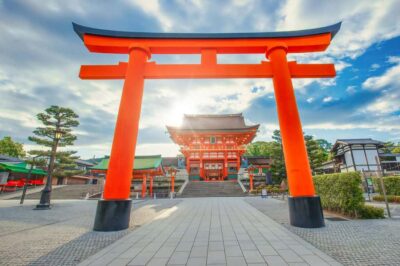
Osaka/Kyoto: Arashiyama, Nara & Fushimi Inari Shrine w/Lunch
Read our review →

Kyoto Zen Meditation & Garden Tour at a Zen Temple with Lunch
Read our review →This tour also ranks in