
Review · TOKYO
Kamakura Temples Private Guided Tour from Tokyo
Kamakura packs Buddhist temples, a towering bronze Buddha, and one of Japan’s most important Shinto shrines into a manageable day from Tokyo. This private tour gives you a guide for the full route, so you can ask questions, adjust the pace, and avoid sorting out each train connection alone.
I like the private format, especially for families or first-time visitors who want help making sense of Japan’s religious sites. I also like the mix of Hase Temple, Kotokuin’s Great Buddha, and Tsurugaoka Hachimangu, since each stop feels different. The drawback is cost: at $145 per person, you still pay roughly 2,000 yen for transport, entrance fees, lunch, and drinks.
Key points to know before booking
- The Great Buddha is 13 meters high: Kotokuin’s bronze statue is Kamakura’s best-known sight and dates to 1292.
- Hase Temple adds gardens and small statues: Look for the eleven-faced Kannon and the many Jizo figures near Jizo-do Hall.
- You walk 3 to 4 kilometers: Comfortable shoes matter, and the tour uses trains and walking rather than a private vehicle.
- Tsurugaoka Hachimangu gives the day a Shinto counterpoint: The shrine sits at Kamakura’s center and is dedicated to Emperor Ojin, the God of War.
- The $145 price does not cover basic tour expenses: Allow about 2,000 yen per person for train fares, then add 700 yen for the two listed temple entrances, plus lunch.
- Guide quality can vary by assignment: English-speaking guides named Steve, Take, Mizuma, and Richie have led the tour, with some offering detailed history and others taking a lighter approach.
Why Kamakura makes a good day from Tokyo
Kamakura is close enough to visit without changing hotels, yet it feels far removed from Tokyo’s high-rise rhythm. The train ride takes about 70 minutes each way, giving you a full day outside the capital without a long coach journey.
The appeal is the concentration of major religious sites. You visit a Buddhist temple known for its Kannon statue, another temple with Japan’s famous Great Buddha, and a large Shinto shrine tied to samurai-era Kamakura. That range gives the day more depth than a simple statue photo stop.
I also like the fact that the route leaves time for Komachi Street. After the temple and shrine visits, you can eat, browse, and take a break before the train back to Tokyo. The schedule is active, but it is not crammed with a dozen minor stops.
The tour begins with pickup at one of the listed Tokyo-area points, including Tokyo Station, Shinjuku Station, Tokyo, or Shinjuku City. Hotel pickup and drop-off can also be arranged, but it is done on foot. That detail matters: you meet your guide and walk to the rail connection rather than stepping into a waiting tour bus.
More Nikko and Kamakura Day Trips in Tokyo:
- Nikko: Kegon Falls, Lake Chuzenji & Toshogu Temple
★ 4.6 · 1,577 reviews - Tokyo: Nikko Toshogu Shrine and Kegon Waterfall Tour
★ 4.5 · 1,266 reviews - From Tokyo: Nikko Toshogu Shrine and Kegon Waterfall Tour
★ 4.0 · 42 reviews
The train ride from Tokyo to Kamakura
The train is part of the day, not just a way to fill the gap between sights. Your guide travels with you, helps with the route, and can use the ride to introduce Kamakura and its past.
The published timing gives about 70 minutes on the outbound trip and roughly one hour on the return. One-way train tickets cost around 1,200 yen per person, and the guide’s transport is also your responsibility. The total transport cost is listed at around 2,000 yen per person for you and the guide, so keep cash or a payment method ready.
A private guide is useful here because you do not need to work out the rail details while also keeping your group together. Still, this is not a private-car tour. You use public transportation and walk between the stations and sites.
The day generally returns you to Tokyo around 4 or 5 pm. Starting times can vary, so check the available departure when booking. An early start may help you get ahead of the heaviest crowds, especially during spring, holidays, and other busy periods.
Hase Temple and the eleven-faced Kannon
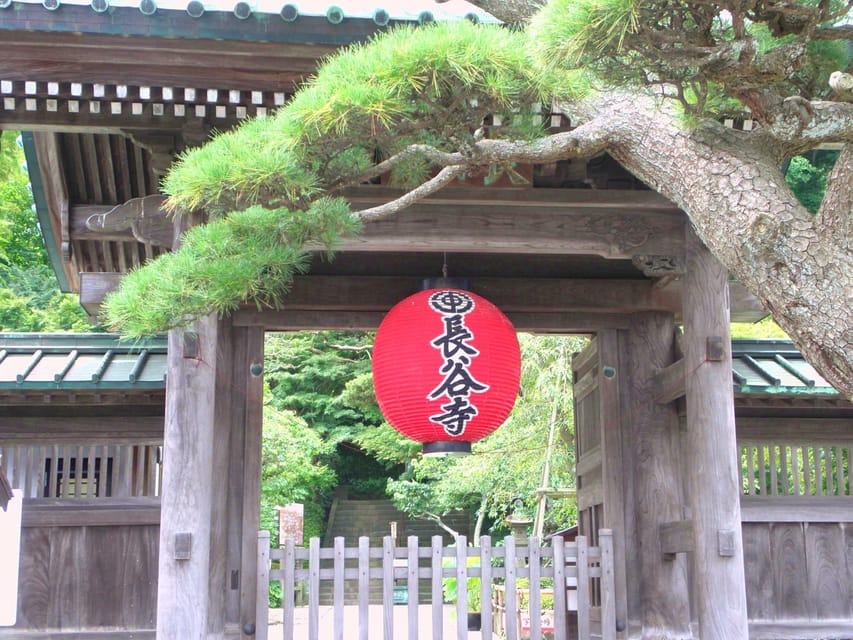
Hase Temple, also called Hase-dera, is the first major stop. The visit is scheduled for about 30 minutes, which is enough for a focused introduction but not enough for a slow, every-corner exploration.
The main draw is Hase Kannon, a Buddhist statue of Kannon, the Goddess of Mercy. This Kannon has eleven faces, each linked to a different stage in the search for enlightenment. Your guide can give this religious symbolism a human shape, helping you understand why the statue matters rather than treating it as another object to photograph.
Outside, the temple gardens offer a change of pace. You can walk among the plantings and pause at Jizo-do Hall, where hundreds of small Jizo Bodhisattva figures are displayed. Jizo is associated with protection, and the many small figures create one of the most memorable visual details of the visit.
The short scheduled stop is the main limitation. If you like gardens, Buddhist art, or quiet temple spaces, you may want more time here. The private format may let your guide adjust the pace, but do not assume that a long unscheduled visit is possible if the rest of the day is fixed.
Kotokuin and Kamakura’s Great Buddha
From Hase Temple, you walk about 10 minutes to Kotokuin Temple. This short connection is easy for most visitors, but it contributes to the day’s total 3 to 4 kilometers of walking.
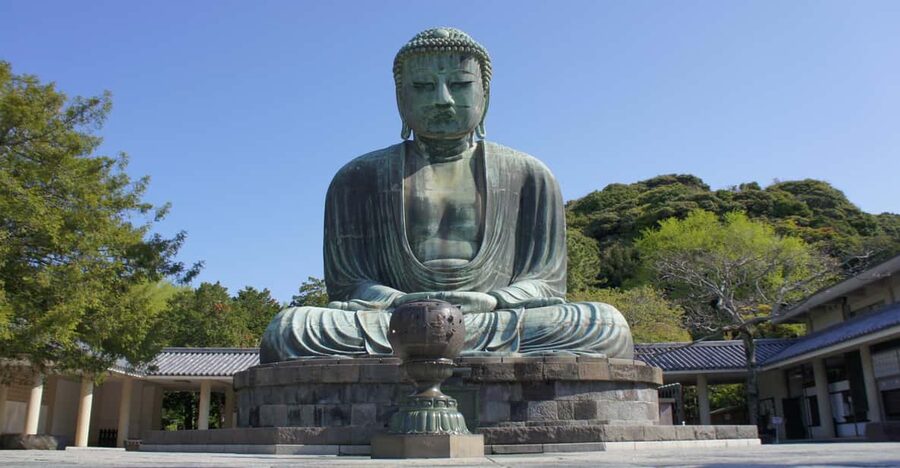
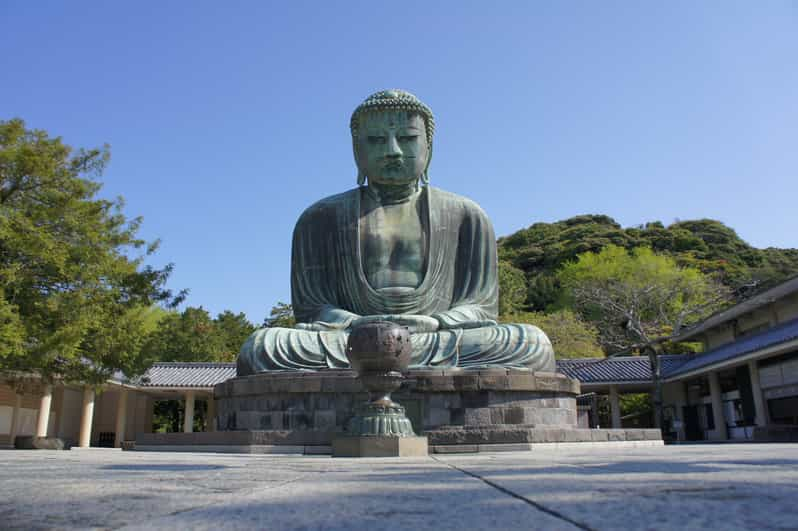
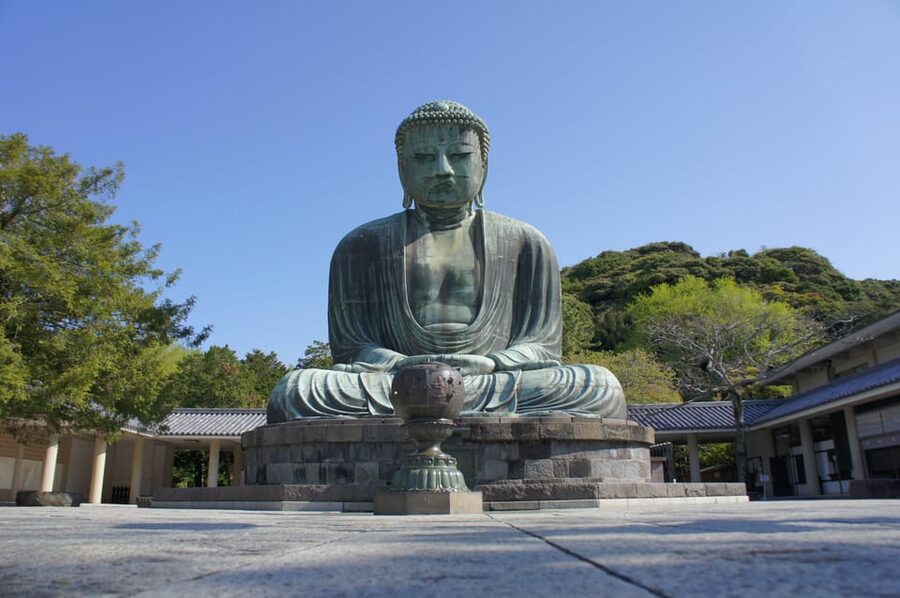
Kotokuin is home to the Great Buddha, a 13-meter bronze statue dating to 1292. Its scale is impressive even if you have already seen large Buddhist images elsewhere in Japan. The open setting also lets you appreciate the statue’s full shape from a distance, rather than viewing only a face or detail inside a crowded hall.
The guide explains the statue’s significance and history, which adds useful context to the stop. You have around 30 minutes for sightseeing and photographs. Entrance costs 300 yen per person.
This is the tour’s clearest headline sight, so expect it to attract attention. One advantage of a private guide is that you can ask focused questions and get help moving through the area efficiently. One drawback is that the visit is still short. If you want a long photography session or time to study every detail, you may need to negotiate the pace with your guide.
More Temple Tours around Tokyo:
- Tokyo: Asakusa Walking Tour with Sensoji Temple Visit
★ 4.8 · 1,583 reviews - Tokyo Panoramic 1 Day: Meiji Shrine, Asakusa, Odaiba and SKYTREE®
★ 4.5 · 1,222 reviews - Tokyo: Zen Meditation at a Private Temple with a Monk
★ 5.0 · 510 reviews - Mt. Fuji Heritage Tour: Traditional Villages, Lakes & Shrine
★ 4.5 · 509 reviews
Lunch and a walk along Komachi Street
After the morning temples, the tour moves toward Komachi Street for about 90 minutes of lunch, free time, and shopping. This is a useful pause. Religious sites require attention, and a full day of steps feels easier when you have time to sit down.
Lunch is not included. You pay for your own meal and drinks, and you also pay for the guide’s lunch. The plan is to eat at a Japanese restaurant in Kamakura, but the supplied details do not name a specific restaurant or set menu. Ask your guide about the day’s choice if you have dietary needs or a strong preference.
Komachi Street gives you a less formal side of Kamakura. You can browse shops, look for local snacks, and enjoy green tea, an aspect one itinerary description specifically highlights. Keep the free time practical rather than expecting a carefully planned food tour.
The 90-minute window is generous enough for lunch and a little browsing, but it can disappear quickly if the street is crowded. Stay aware of the meeting time, since the return route continues by train.
Tsurugaoka Hachimangu at Kamakura’s center
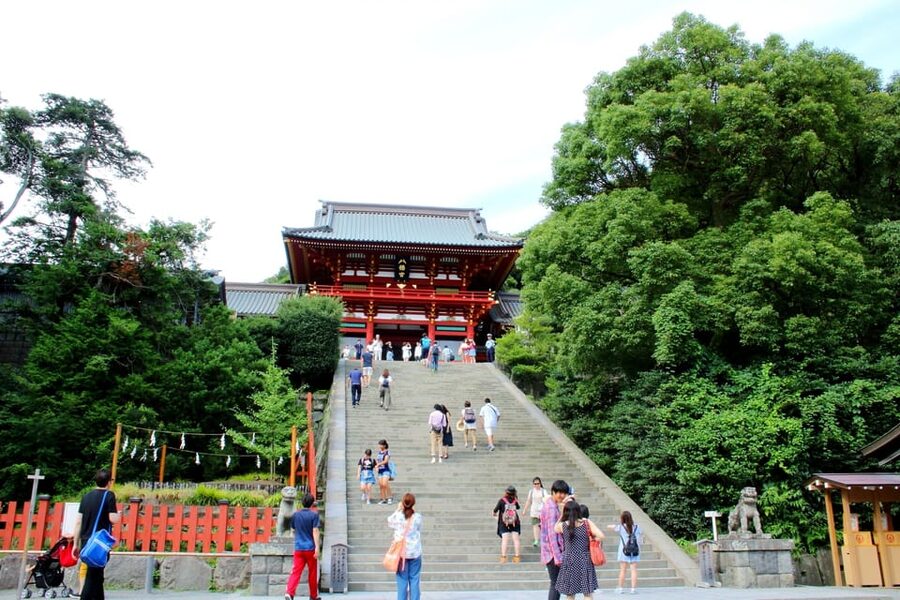
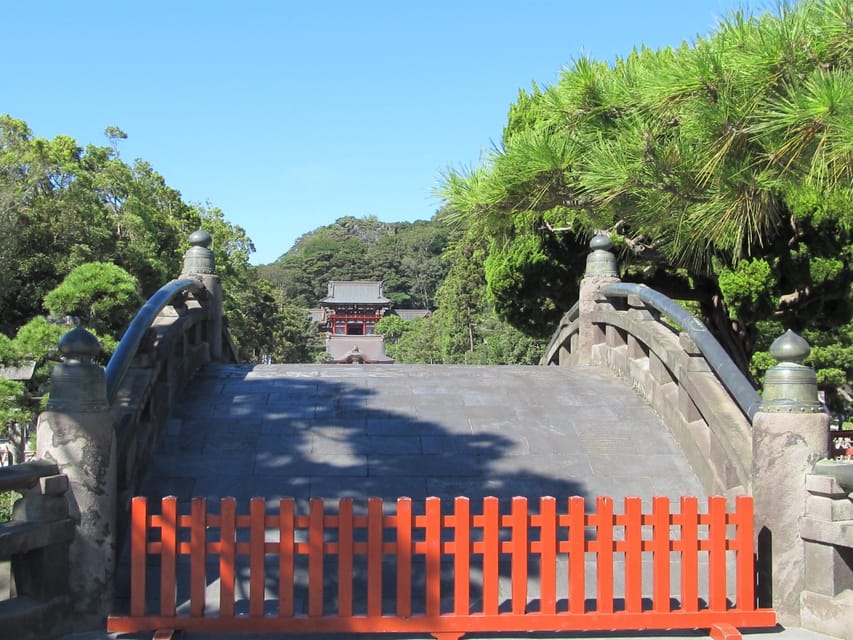
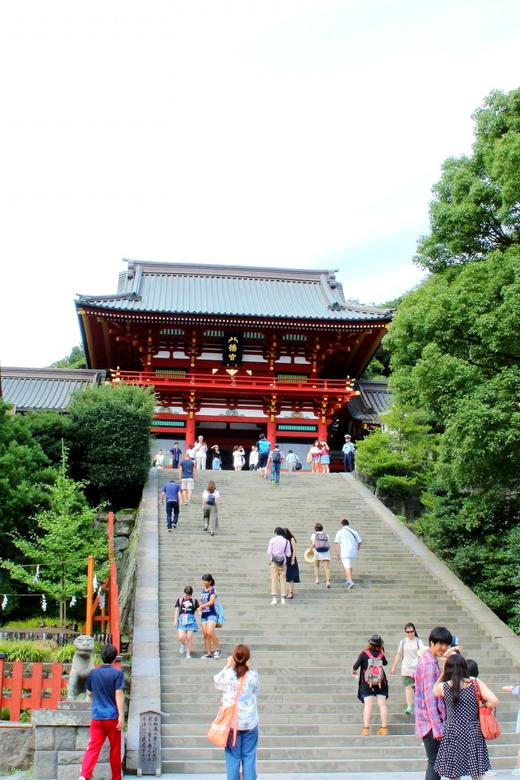
After lunch, you visit Tsurugaoka Hachimangu, the city’s most important Shinto shrine. Built in 1063 and dedicated to Emperor Ojin, also known as the God of War, it gives the day a different religious and historical setting.
The shrine sits at Kamakura’s geographical center. Its importance is tied to the city’s military past, and your guide can explain how the shrine fits into Kamakura’s story. This is where a licensed guide is most useful: the buildings and approach may look beautiful on their own, but the meaning is easier to grasp with context.
You have about 30 minutes for the guided visit and photographs. The atmosphere can feel calm, though crowds may be heavy at popular times. One guide named Take was praised for using maps and pictures while explaining Kamakura’s past, and another guide, Steve, was noted for organizing the day well and adding green tea to the experience. Guide assignments vary, so you should treat these as examples of possible guiding styles, not guaranteed inclusions.
Tsurugaoka Hachimangu is also a good reason to choose this tour over a Great Buddha-only outing. You see Buddhist and Shinto traditions in the same day, with a guide helping you keep their roles distinct.
What the private guide adds
The guide is a National Government Licensed Guide Interpreter, and the tour operates in English. You travel as a private group rather than being placed with strangers. That gives you room to ask questions about history, culture, religious symbols, or the practical route.
The strongest guiding experience will depend on who leads your day. Guides named Mizuma, Steve, and Take have been associated with detailed explanations, maps, pictures, and smooth crowd handling. Take, in particular, used visual aids to explain Kamakura’s past, while Steve was praised for organization and a pleasant lunch stop.
You should also set realistic expectations. The guide is not paying for your transport, meals, or entrance tickets, and the tour does not include a private vehicle. One reported experience with Richie found him kind and flexible, but less detailed in his explanations. That points to the main variable in this tour: the quality and depth of the commentary can depend on the individual guide.
When you meet, tell the guide what matters most to you. If you care about Buddhist images, ask for more time at Hase Temple. If the Great Buddha is your priority, say so early. A private tour is most valuable when you use that flexibility.
The real cost of a $145 tour
The headline price is $145 per person. That pays for the private English-speaking guide and hotel pickup and drop-off on foot, but not the ordinary expenses of the day.
Budget for these additional costs:
- Public transportation for you and the guide: around 2,000 yen per person
- Hase Temple entrance: 400 yen per person
- Kotokuin entrance: 300 yen per person
- Lunch and drinks for you and the guide
That makes the tour more expensive than visiting Kamakura independently. The question is what you want your money to buy. If you are comfortable reading train directions, researching temple symbolism, and managing the schedule yourself, the tour may feel costly. If you want a private escort, English explanations, help with the rail journey, and a day shaped around your interests, the price becomes easier to defend.
The uneven value is worth stating plainly. Some visitors have found the historical explanations excellent, while at least one found the guiding too light for the cost. I would book it for the guide access and convenience, not because entrance tickets or lunch are included.
Walking, crowds, and what to bring
The tour includes 3 to 4 kilometers of walking. You walk between sites, through temple and shrine grounds, along Komachi Street, and to and from trains. Wear comfortable shoes, and avoid treating this as a low-effort sightseeing day.
Crowds can affect the rhythm. Kamakura is a popular destination, and the Great Buddha, Hase Temple, Tsurugaoka Hachimangu, and Komachi Street can all feel busy. A private guide can help you move through crowded areas, but cannot remove the crowds.
The schedule includes several 30-minute sightseeing blocks. That keeps the day moving and ensures you reach all three main sites, but it may feel brisk if you prefer long periods of quiet observation. Families should discuss the walking distance and short temple visits before booking.
Free cancellation is available up to 24 hours before the tour for a full refund, and you can reserve now and pay later. The duration is eight hours, with start times subject to availability.
Who should book this Kamakura tour?
I recommend this tour for first-time Japan visitors who want Kamakura explained in English rather than simply photographed. It also suits families, couples, and small private groups that value a flexible guide and do not want to manage the full rail route alone.
It is a good match if your ideal day includes major sights, cultural context, a Japanese lunch, and some shopping time. The mix of Buddhist and Shinto sites is especially useful if you want to understand how different religious traditions appear in everyday Japanese culture.
I would hesitate if you are watching your budget closely or prefer to explore slowly. The extra transport, entrance fees, lunch, and drinks add up, while the short stops may leave you wishing for more time. I would also ask about the guide’s planned approach before committing if detailed historical explanation is your main reason for booking.
Should you book it?
Book this tour if you want the ease of a private English-speaking guide, a clear route from Tokyo, and the key Kamakura sights in one day. Hase Temple, the Great Buddha, Tsurugaoka Hachimangu, and Komachi Street make a strong first visit.
Skip it if you are confident with Japanese trains, happy to research the temples yourself, and want the lowest possible cost. The best value comes when you ask questions, request the pace you want, and use the private format fully. Budget the extra fees from the start, wear good shoes, and confirm your hotel pickup details when booking.
FAQ
How long does the Kamakura tour last?
The tour lasts eight hours. The return to Tokyo is expected around 4 or 5 pm, depending on the selected start time and the day’s schedule.
How do I get from Tokyo to Kamakura?
You travel by train with your guide. The outbound journey takes about 70 minutes, and the return journey takes about one hour.
Which sites are included?
The tour visits Hase Temple, Kotokuin Temple with the Great Buddha, and Tsurugaoka Hachimangu Shrine. It also includes time for lunch, shopping, and free time along Komachi Street.
Are train fares included?
No. Public transportation for you and the guide is paid separately. The listed transport cost is around 2,000 yen per person, and one-way train tickets cost around 1,200 yen.
Are entrance fees included?
No. Hase Temple costs 400 yen per person, and Kotokuin Temple costs 300 yen per person.
Is lunch included?
No. You pay for your own lunch and drinks, as well as the guide’s lunch and drinks.
How much walking is involved?
The tour includes about 3 to 4 kilometers of walking. Comfortable shoes are recommended.
Is the tour private and conducted in English?
Yes. It is a private group tour with an English-speaking National Government Licensed Guide Interpreter.
Temple visits we reviewed lately in Tokyo
- From Asakusa: Old Tokyo, Temples, Gardens and Pop Culture★ 4.6 · 15 reviews
- Tokyo: Nagano Snow Monkeys and Zenkoji Tour with Temples★ 4.9 · 19 reviews
- Nagano: Snow Monkeys, Zenkoji Temple & Sake Day Trip★ 5.0 · 4 reviews
- From Tokyo: Nagano, Zenkoji Temple, Snow Monkeys Day Trip.★ 4.3 · 4 reviews
- Tokyo/Nagano: private Tour with Snow Monkey Park & Temples★ 4.8 · 13 reviews
- Make a temple stamp book with artist★ 4.9 · 10 reviews
- Join a Unique Cultural Ceremony at Tokyo’s Meiji Shrine★ 5.0 · 9 reviews
- Full Tokyo: Meiji Shrine, Imperial Palace, Asakusa & Skytree★ 4.7 · 16 reviews
Tokyo Temple Tours, compared.
Nikko: Kegon Falls, Lake Chuzenji & Toshogu Temple
Read our review →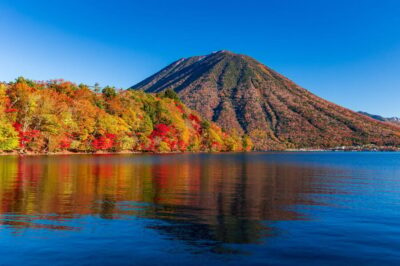
Tokyo: Nikko Toshogu Shrine and Kegon Waterfall Tour
Read our review →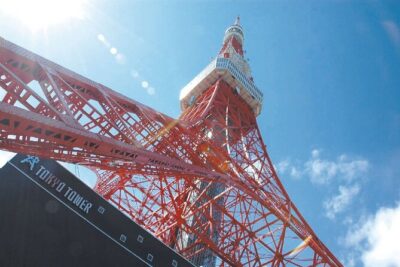
Tokyo Panoramic 1 Day: Meiji Shrine, Asakusa, Odaiba and SKYTREE®
Read our review →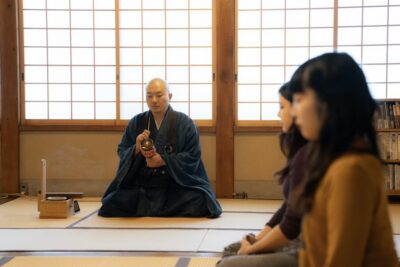
Tokyo: Zen Meditation at a Private Temple with a Monk
Read our review →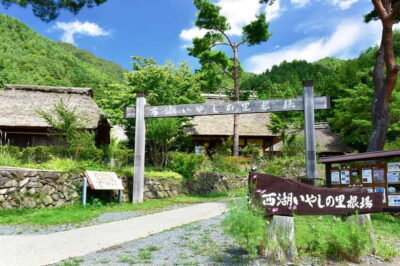
Mt. Fuji Heritage Tour: Traditional Villages, Lakes & Shrine
Read our review →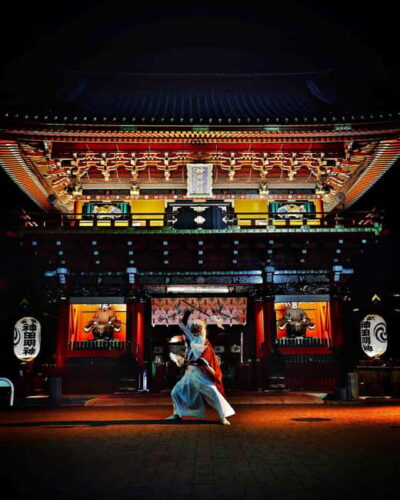
Tokyo: Samurai Entertainment Night Show in Kanda Shrine
Read our review →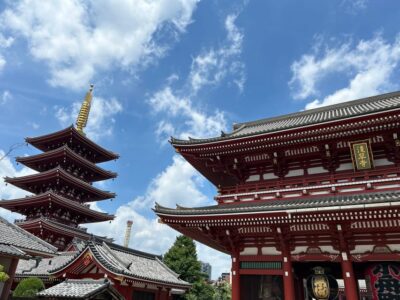
Tokyo: Asakusa and Tokyo’s Oldest Temple Senso-ji Tour
Read our review →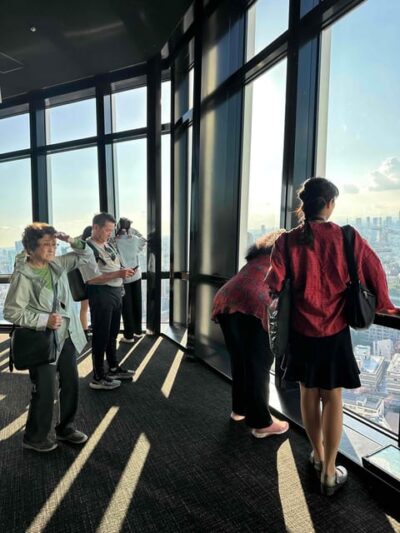
Tokyo: Imperial Palace, Sensō-ji Temple, & Tokyo Tower Tour
Read our review →This tour also ranks in