
Review · MADRID
Royal Monastery of the Barefoot nuns: Guided Tour + Tickets
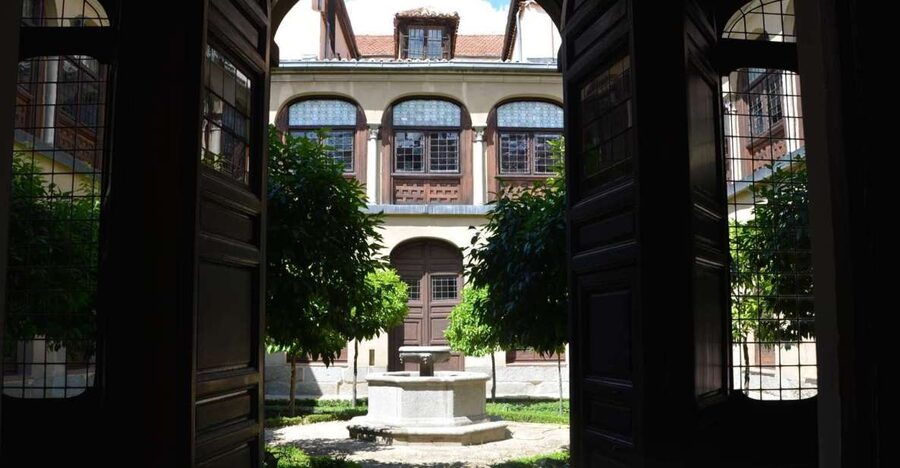
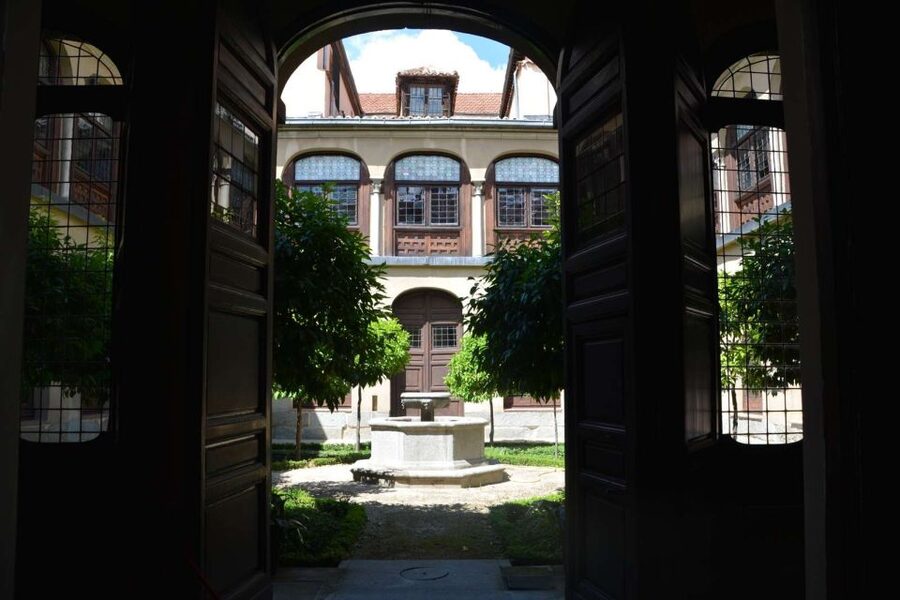
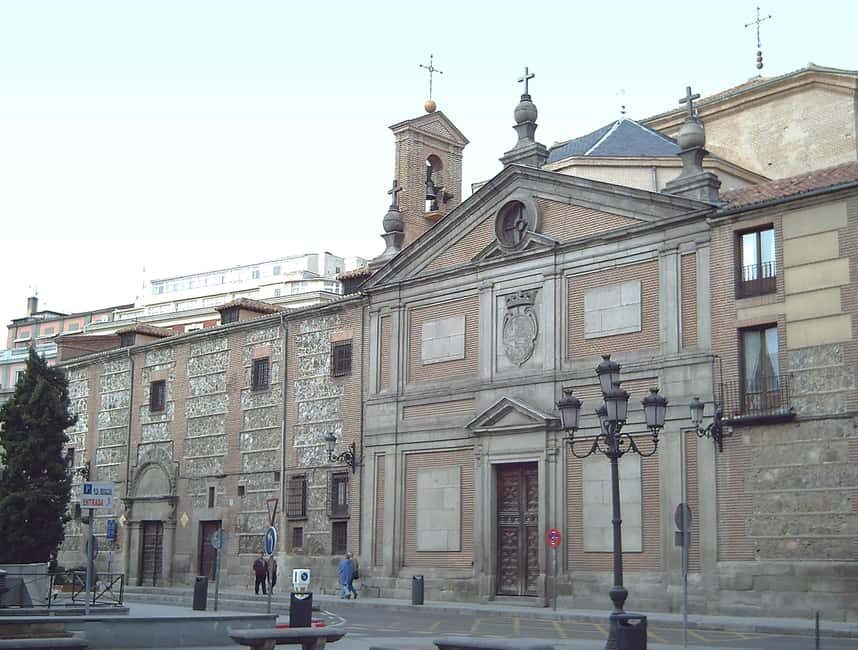
The most surprising thing about the Descalzas Reales is the gap between its plain outside and its lavish interior. Behind the sober facade, you find a former royal residence filled with paintings, wall decoration, reliquaries, nativity scenes, woven wall hangings, and chapels.
I like two things here: the guide gives the art a clear story instead of leaving you to guess, and the convent is still in use by cloistered nuns. The 16th and 17th-century staircase paintings are a special treat. The main drawback is price. At $46 per person, this can feel steep when one booking review compares it with a much lower entrance price paid directly at the monastery.
Key points
- Royal palace turned convent: Joanna of Austria founded the monastery in a former palace-house.
- A plain facade, ornate interior: The contrast makes the first rooms especially striking.
- Major works of art: Look for pieces connected with Rubens, Luca Giordano, and Crecenzi.
- A remarkable staircase: The original palace staircase carries mural paintings from the 16th and 17th centuries.
- Still an active religious site: Cloistered nuns continue to use the choir for religious services.
- Short, focused visit: The guided portion lasts about one hour, with the overall activity taking one to two hours.
Why the Descalzas Reales feels different from a normal museum
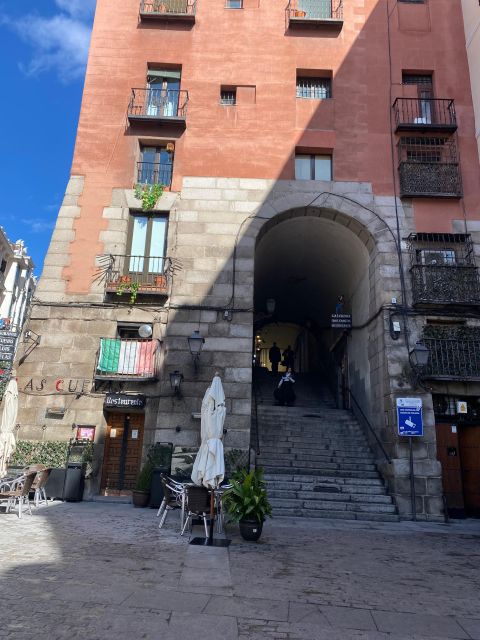
The Royal Monastery of the Barefoot Nuns, usually called the Descalzas Reales, gives you a rare combination: royal architecture, religious art, and a living convent. You are not entering a building arranged only for display. The site still has a religious purpose, and that changes the mood.
Joanna of Austria founded the monastery more than three hundred years ago. The building is cataloged as cultural heritage, but its importance is not limited to an official designation. It preserves the remains of a palace-house and shows how a royal setting was adapted for convent life.
I find the building most interesting when you keep both identities in mind. It was once linked to the Spanish royal world, yet it became a place of prayer, enclosure, and daily religious routine. The guide helps connect those pieces, especially when explaining why certain rooms, chapels, and artworks are there.
The visit is not designed as a long museum outing. The guided section lasts about one hour, and the total activity runs from one to two hours. That makes it a useful addition to a day in central Madrid, especially if you want one concentrated cultural stop rather than another enormous collection.
More Entry Tickets in Spain:
- Montserrat Museum and Monastery Entry Ticket
★ 4.5 · 1,740 reviews - Mallorca: Carthusian Monastery Valldemossa Entrance Ticket
★ 4.2 · 93 reviews - Barcelona: Montserrat Private Trip with Monastery Ticket
★ 5.0 · 74 reviews
The quiet facade and the surprise inside
Your meeting point is at the door of the Monasterio de las Descalzas Reales. The guide waits there with a Rutas Madrid sign, so look for the tour sign rather than wandering around the square trying to identify the right entrance.
The outside of the building is sober. Do not expect a grand palace front covered in dramatic decoration. The restraint is part of the experience because the interior changes the story quickly.
Inside, the building contains wall paintings, chapels, sculptures, paintings, reliquaries, nativity scenes, and woven wall hangings. The effect is not one single grand room, but a sequence of spaces with different purposes and different visual moods.
I like this kind of visit because you get small discoveries instead of one famous object and a quick photo. A guide can point out connections between the rooms and explain details that are easy to pass without context. The supplied tour information specifically emphasizes lesser-known parts of the monastery, which is useful in a place where the most important details may not be obvious at first glance.
The original staircase is the architectural highlight
The main staircase from the original palace-house is one of the most important pieces in the complex. Its mural paintings date from the 16th and 17th centuries, giving you a direct sense of how the building changed over time.
This is not just a route between floors. The staircase carries decoration on a scale that turns a practical space into a statement. It also helps you picture the building before and after its conversion into a convent.
Pay attention here even if you normally hurry through stairways. The paintings are among the clearest links between the former palace and the monastery you see today. A guide is especially useful at this point because the meaning of wall decoration can be hard to read without a little historical framing.
Paintings by Rubens, Luca Giordano, and Crecenzi
The art collection includes work connected with Rubens, Luca Giordano, and Crecenzi. Those names add weight to the visit, but the value is not simply in checking famous artists off a list.
The collection works best as part of the building. Paintings appear alongside chapels, religious objects, and rooms shaped by convent use. Instead of viewing the art as separate pieces in a gallery, you see how it helped create a devotional setting.
I would not book this tour only for one artist. The attraction is the full combination of art and place. The guide can also help you notice the difference between a painting meant for a particular religious setting and one displayed in a modern museum.
The presence of nativity scenes and reliquaries adds another layer. These objects may be smaller than the large paintings, but they show the personal and ceremonial side of convent life. If you prefer art with a strong connection to its original setting, this monastery should interest you more than a standard gallery visit.
More Temple Tours around Spain:
- Montserrat Monastery Half Day Experience from Barcelona
★ 5.0 · 6,014 reviews - Montserrat Monastery Small Group or Private Tour Hotel pick-up
★ 5.0 · 5,144 reviews - Escorial Monastery and the Valley of the Fallen Tour from Madrid
★ 5.0 · 2,494 reviews - Montserrat Small Group: Monastery, Black Madonna & Natural Park
★ 5.0 · 1,690 reviews
Chapels, sculptures, and the choir
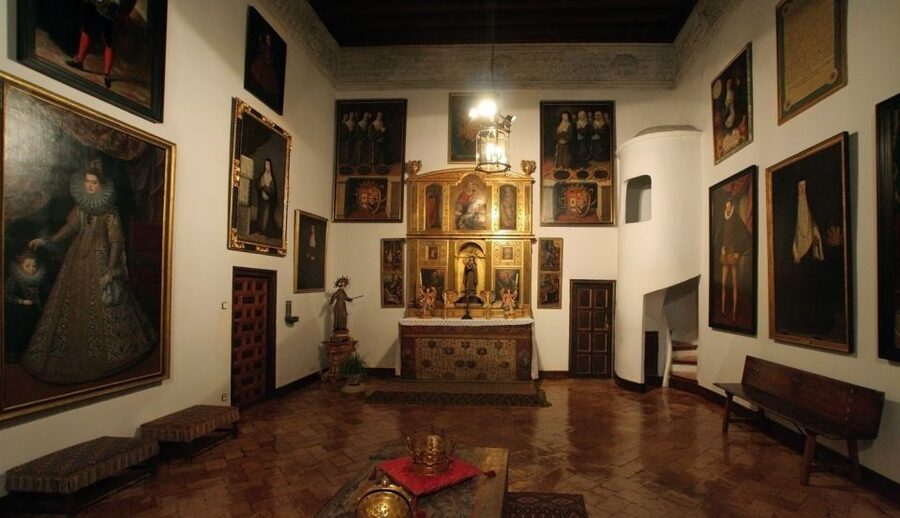
The route includes a large number of chapels with different sculptures and paintings. Each chapel adds another variation on the same theme: this was a working religious house, not only a historic residence.
You will also see the choir, where cloistered nuns sing for the religious office of the church. That detail matters because it gives the building a present-day purpose. The monastery is not frozen in the past, even though much of what you see points back to earlier centuries.
The choir is best understood as part of the convent’s religious life, not as a performance space. Keep expectations in check. The attraction is seeing how the building functions and learning about its use, not attending a scheduled concert.
The chapels also make the one-hour guided visit feel dense. There is a lot to absorb, and you may not remember every painting or name. I suggest focusing on the contrast between the former royal setting, the artwork, and the enclosed religious life that followed.
What the guide adds to the hour
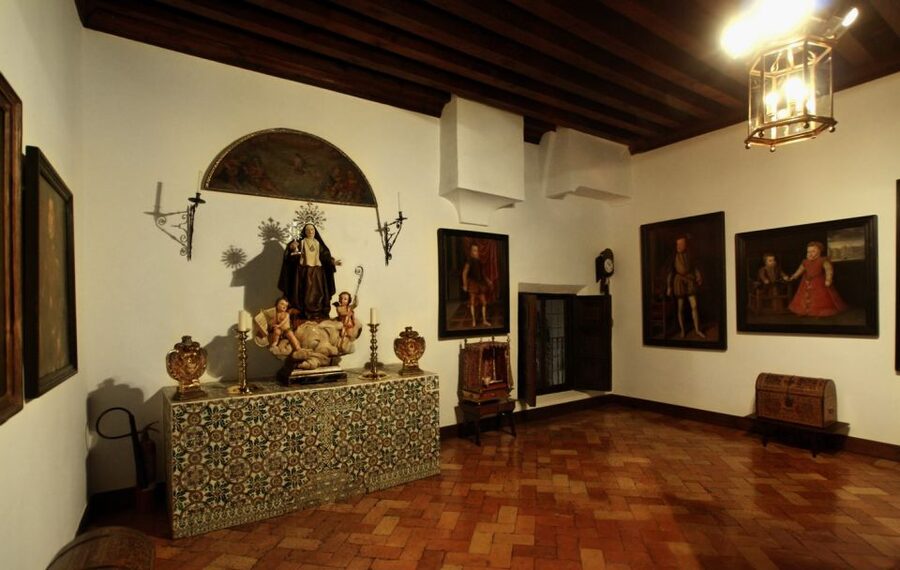
The official guide leads the visit in English or Spanish. The guide is not an optional extra, since the experience is built around a guided tour rather than a simple admission ticket.
A good guide can make the difference here. The building has many rooms and objects, but not every detail explains itself. You need context to understand why the palace staircase matters, how the monastery developed, and why the choir and chapels remain important.
One verified booking from Marina in Switzerland praised the guide as competent and attentive, with clear explanations of the monastery’s history and artworks. That matches the main reason to choose this format: you get an organized interpretation in a relatively short visit.
Another booking review, written in French, says the guide presented the monastery in English and French. The advertised tour languages are English and Spanish, so you should confirm the language available for your chosen departure time if this matters to you. Do not assume French is a regular option based on one booking comment.
Is $46 good value for this visit?
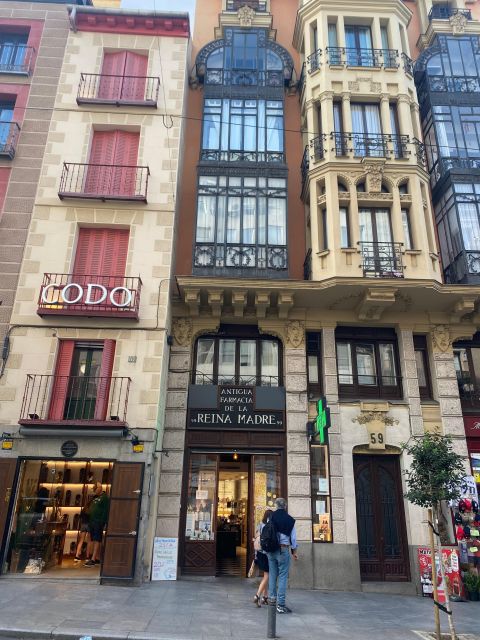
The listed price is $46 per person and includes the ticket, the guided visit, and skip-the-line entry. The price buys convenience and explanation, not just access to the building.
That convenience can matter if you have limited time in Madrid. You meet at the entrance, avoid the ticket line, and spend about an hour with a guide who organizes the visit for you. For someone who wants the history and artwork explained, the extra cost may feel reasonable.
Still, the price deserves a careful look. One verified booking from the Netherlands rated the experience as acceptable but expensive and advised booking directly. Another booking from Spain questioned a charge of €25 after paying €8 for entry at the monastery.
Those comments do not establish the current direct-entry price for every date, and the tour price may include guiding and skip-the-line access. But they do show the central value question: you are paying a premium for interpretation and convenience. Check the monastery’s direct admission price before booking if your budget is tight.
I would choose this tour when the guide is important to me, when I want to save time, or when I am visiting Madrid for a short stay. If I mainly want to enter the building and read at my own pace, I would compare direct admission first.
A short itinerary with no wasted transfer time
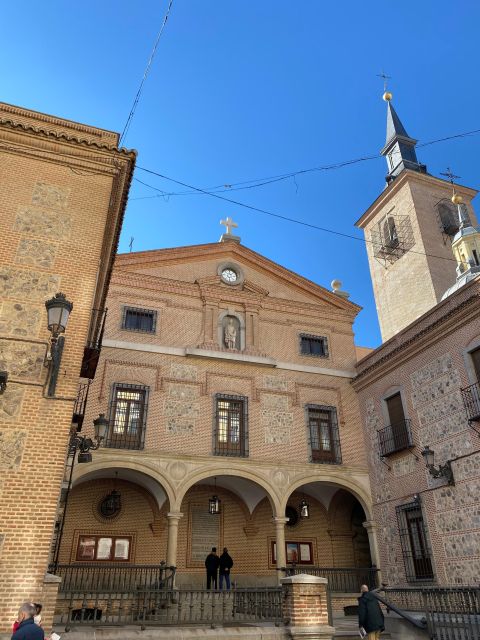
The tour begins at the monastery itself. There is no hotel pickup or hotel drop-off, so you need to make your own way to the meeting point.
After meeting the guide at the door, you enter the Convent of Las Descalzas Reales for the guided visit. This portion lasts about one hour and covers the building’s art, history, chapels, staircase, and choir.
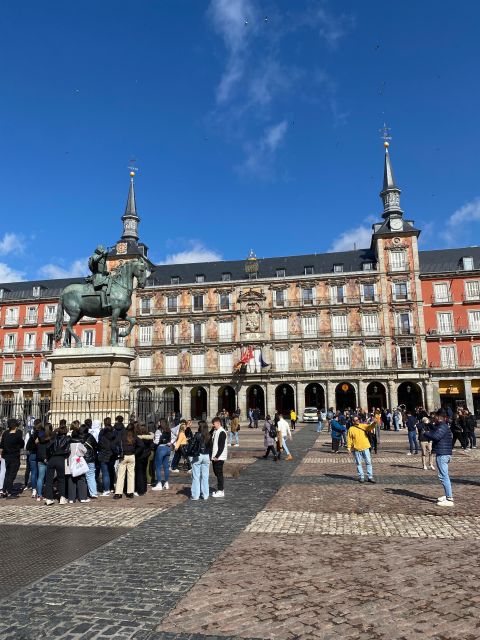
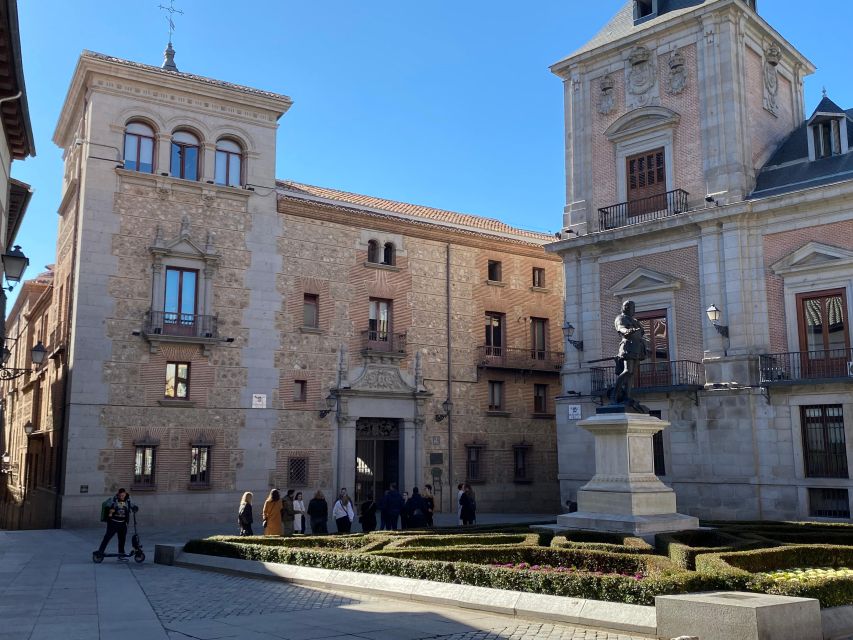
The activity then offers two drop-off locations: Plaza de la Villa and the Monasterio de las Descalzas Reales. Since no hotel transfer is included, this is best treated as a central walking stop rather than a transport service.
The short format works well beside other central Madrid plans. It also means you should arrive ready to focus. A one-hour visit gives you a strong introduction, but not unlimited time with every object.
Who should book this experience
I would recommend it to you if you enjoy historic buildings that still serve their original religious purpose. It is also a good fit if you like art but prefer seeing it in a real architectural setting rather than in a modern museum.
The tour suits visitors who want help interpreting paintings, chapels, and religious objects. It is particularly useful if you do not speak Spanish comfortably and prefer an English-speaking guide.
You may want to skip it if you dislike guided visits, have a very limited budget, or want a fully independent museum experience. The price is harder to justify when your main goal is simply entering the building.
The experience is not suitable for people with mobility impairments, according to the stated activity information. You should take that limitation seriously before reserving.
Practical details before you reserve
Tickets are included, and the activity includes skip-the-line entry. The guide waits outside with a Rutas Madrid sign, which gives you a clear way to identify the meeting point.
The tour is offered in English and Spanish. The exact starting time depends on availability, so check the available departure times before planning the rest of your day.
Free cancellation is available up to 24 hours in advance for a full refund. You can also reserve now and pay later, which helps if your Madrid schedule is still changing.
Drinks are not included. There is also no hotel pickup or drop-off, so plan your route to the monastery and your next stop separately.
Should you book the Descalzas Reales tour?
Book it if you want a short, guided look at one of Madrid’s more unusual historic buildings, especially for the palace staircase, the religious art, and the fact that cloistered nuns still use the choir. The guide adds real value because the building’s story is not obvious from its plain exterior.
Before paying $46, compare the direct admission option. The price may be fair for skip-the-line access and a live explanation, but it is high if you only want a ticket. For art lovers, history fans, and first-time visitors who prefer structure, this is a worthwhile one-hour stop. For independent budget visitors, direct booking may be the better choice.
FAQ
Where does the tour begin?
It begins at the Monasterio de las Descalzas Reales. The guide waits at the door with a Rutas Madrid sign.
How long does the experience last?
The activity lasts about one to two hours. The guided visit inside the convent lasts about one hour.
What language is the guided tour offered in?
The stated tour languages are English and Spanish.
Are entrance tickets included?
Yes. Tickets are included in the activity price.
Does the tour include skip-the-line entry?
Yes. Skip-the-line entry is included.
Is hotel pickup included?
No. Hotel pickup and drop-off are not included.
Are drinks included?
No. Drinks are not included.
Is the monastery still in use?
Yes. It remains a convent in use by cloistered nuns, and the choir is used for the church’s religious office.
Is the tour suitable for people with mobility impairments?
No. The activity is listed as not suitable for people with mobility impairments.
Can I cancel for a full refund?
Yes. You can cancel up to 24 hours in advance for a full refund.
Can I reserve now and pay later?
Yes. The activity allows you to reserve your place and pay later.
Temple visits we reviewed lately in Spain
- San Lorenzo de El Escorial: Monastery and Site Guided Tour★ 4.8 · 127 reviews
- Santander: Picos, Santo Toribio Monastery and Potes Day Tour★ 4.8 · 261 reviews
- Private Bécquer’s route, Trasmoz, Veruela’s Monastery +food★ 5.0 · 5 reviews
- Montserrat Monastery Ticket with Escolania Boys’ Choir★ 4.4 · 55 reviews
- Montserrat: PRIVATE TOUR – Monastery, Cable Car & Soft Hike★ 5.0 · 4 reviews
- Private Montserrat Monastery with pickup + Winery or Caves★ 4.9 · 4 reviews
- Món Sant Benet Monastery Tickets★ 5.0 · 7 reviews
- Medieval Route in Navarre: Olite, Ujué, Javier Castle, and Monastery of Leire★ 4.8 · 6 reviews
Madrid Temple Tours, compared.
Escorial Monastery and the Valley of the Fallen Tour from Madrid
Read our review →
From Madrid: Escorial Monastery & Valley of the Fallen Trip
Read our review →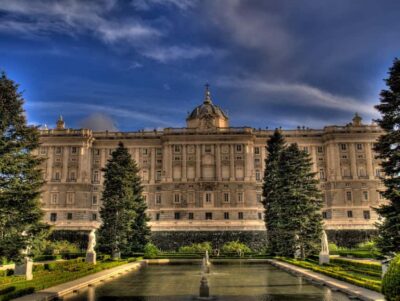
Madrid Must-see with Atardeder at the Debod Temple
Read our review →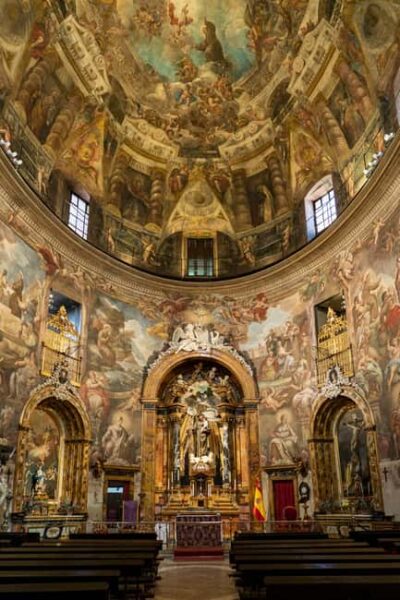
Combined admission to San Antonio de los Alemanes and the Monastery of San Plácido
Read our review →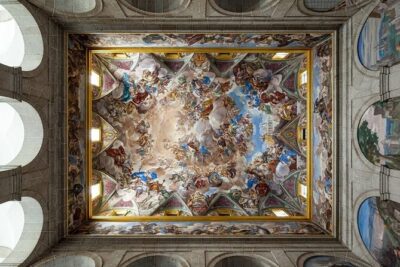
San Lorenzo de El Escorial Monastery Private Tour
Read our review →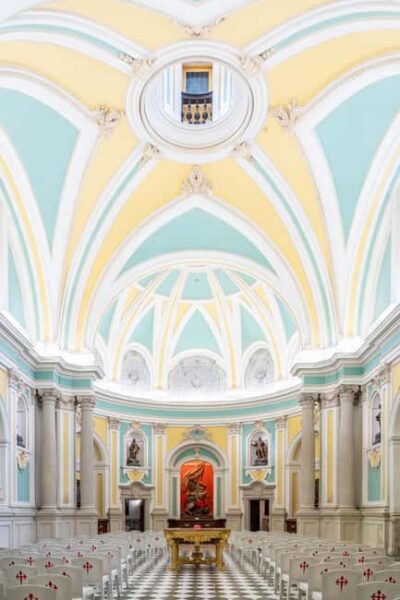
Madrid: Entrance to the Monastery of Las Comendadoras de Santiago
Read our review →This tour also ranks in