
Review · SPAIN
San Lorenzo de El Escorial: Monastery and Site Guided Tour
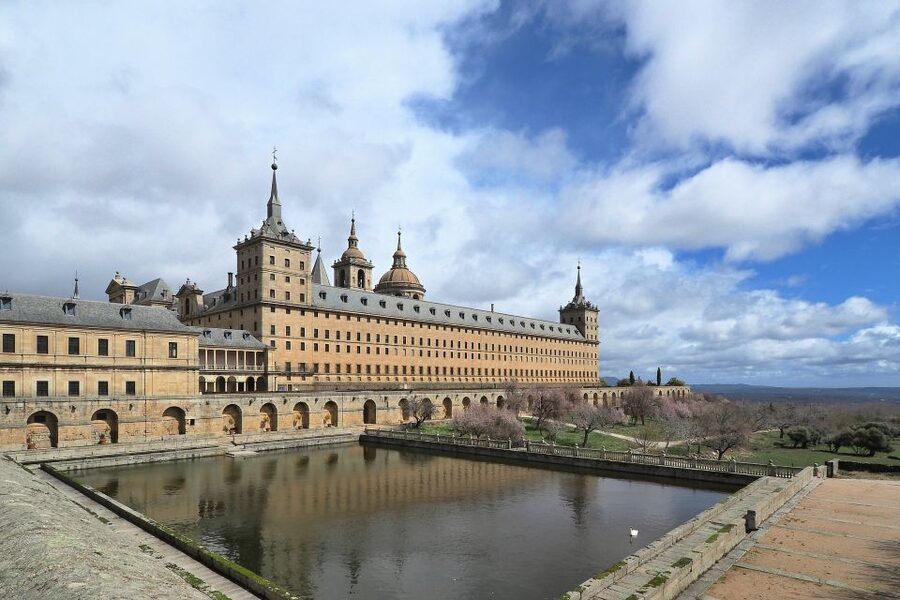
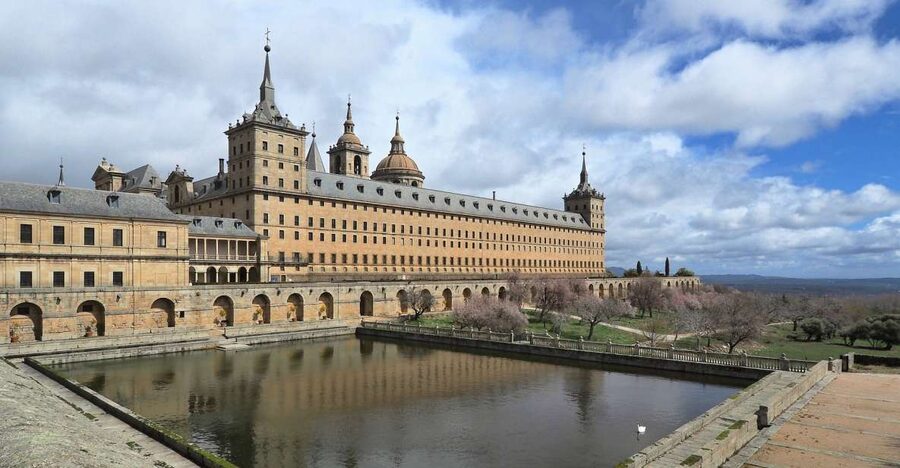
El Escorial is less a single palace than a whole royal idea carved in stone. Built under Philip II in the 16th century, this immense complex links a monastery, basilica, royal residence, tombs, art, and a famous library. In two hours, you get a focused route through one of Spain’s most important Renaissance monuments and a UNESCO World Heritage Site.
I like the way the tour connects the building to the Spanish Golden Age, rather than treating it as a parade of grand rooms. I also like that the guide takes you into the Royal Library, where Philip II collected books to support his humanist education. The main drawback is pace: two hours is efficient, but the site is large, and one Spanish visitor found the visit more rushed than expected.
I like the human touch, too. Alejandro, Isabella, and Marta have each been praised for clear explanations, warmth, good humor, and strong command of the subject. Just be careful with the meeting point and language details: the activity is advertised with a Spanish-speaking guide, and you must find the Todo Tour guide with a blue umbrella at the monastery’s main entrance.
Key points at a glance
- Philip II’s royal vision: See how religion, monarchy, learning, and empire came together in one 16th-century complex.
- The Royal Library: Visit a Renaissance statement of power, assembled to expand Philip II’s humanist knowledge.
- A concentrated two-hour route: Cover the basilica, Battle Hall, royal pantheon, palatial rooms, and other essential interiors without wandering through the building alone.
- A guide adds structure: The route helps you make sense of a vast, maze-like monument that can be confusing without direction.
- $47 includes admission: The price covers the guide and monastery entry, so you are paying for interpretation as well as access.
- Plan for formal entry rules: Bring your passport or ID, arrive 15 minutes early, and leave large bags, short skirts, sleeveless shirts, and swimwear behind.
Why El Escorial deserves your time
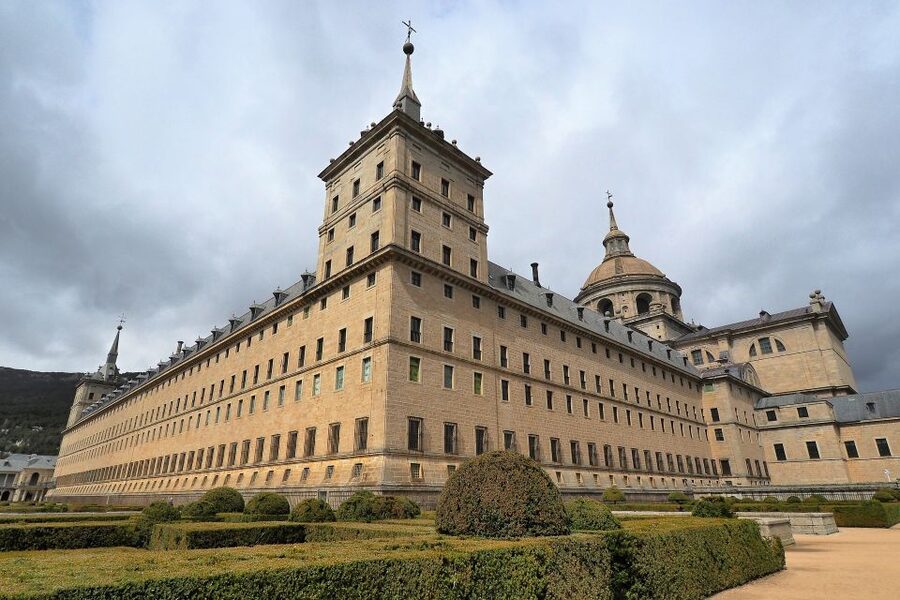
San Lorenzo de El Escorial sits near Madrid, but it feels far removed from the city’s busy art museums and grand avenues. Its power comes from scale and purpose. Philip II commissioned the complex in the 16th century as a royal monastery, and its design joined spiritual duty with political authority.
That combination gives the building its special character. This was not simply a country residence, and it was not only a church. It was a place where a king could pray, govern, preserve royal remains, support learning, and project Spain’s authority through architecture.
You will see that idea repeated across the tour. The basilica expresses Catholic power. The royal rooms show the courtly side of the complex. The pantheon ties the building to generations of Spanish monarchs. The library gives the whole project an intellectual edge.
I find this background essential because El Escorial can otherwise feel like one huge stone puzzle. A guide helps you see why the rooms belong together, rather than leaving you to admire isolated ceilings, corridors, and objects without a clear thread.
More Temple Tours around Spain:
- Montserrat Monastery Half Day Experience from Barcelona
★ 5.0 · 6,014 reviews - Montserrat Monastery Small Group or Private Tour Hotel pick-up
★ 5.0 · 5,144 reviews - Escorial Monastery and the Valley of the Fallen Tour from Madrid
★ 5.0 · 2,494 reviews
Meeting the guide at the main entrance
Your starting point is the monastery’s main access door, the entrance with the Spanish flag above it. Arrive 15 minutes before the activity begins. You must exchange your voucher at the meeting point, so do not cut this close.
The guide will be waiting with a blue Todo Tour umbrella. That detail matters because the entrance can be a busy or visually confusing place, and one person specifically wished the guide had carried a clearer sign. Look for the blue umbrella, and keep your booking information ready.
The advertised live tour language is Spanish. That is the point to check carefully when you book, especially if you need an English tour. Several named guides, including Isabella, have been praised for delivering clear explanations in English, but the formal activity information identifies Spanish as the tour language.
The tour is listed as wheelchair accessible. Bring a passport or identity card, since one is required for the activity. Large bags and luggage are not allowed, so plan to arrive with only what you need for the visit.
The basilica and Philip II’s religious program
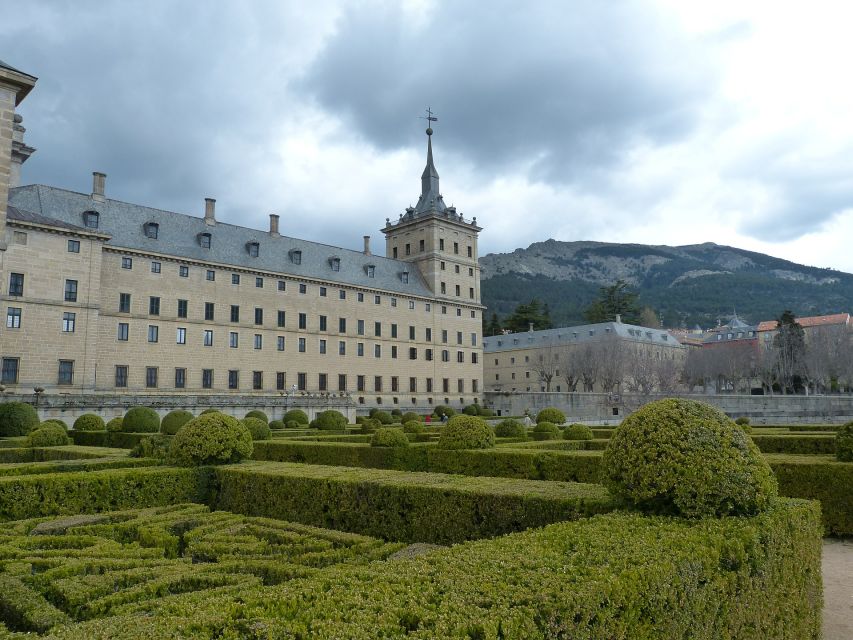
The basilica gives you the clearest first look at Philip II’s religious priorities. Its presence within the monastery complex shows how closely royal authority and Catholic faith were linked in 16th-century Spain.
A guide can help you read the building as more than a grand church. You will hear about the ideological aims behind the complex and the role it played during the Spanish Golden Age. That context makes the architecture easier to understand, especially if you are not already familiar with Philip II’s reign.
The basilica is also a useful early stop because it sets the tone for the rest of the visit. After seeing the religious heart of the complex, you can better understand why the royal apartments, burial spaces, and library were placed within the same monumental institution.
Do not expect a quiet, unstructured wander. The route is designed to keep moving through the essential parts of the monument. That helps you see a lot in two hours, but it also means you may not have unlimited time in each room.
The Battle Hall and the language of empire
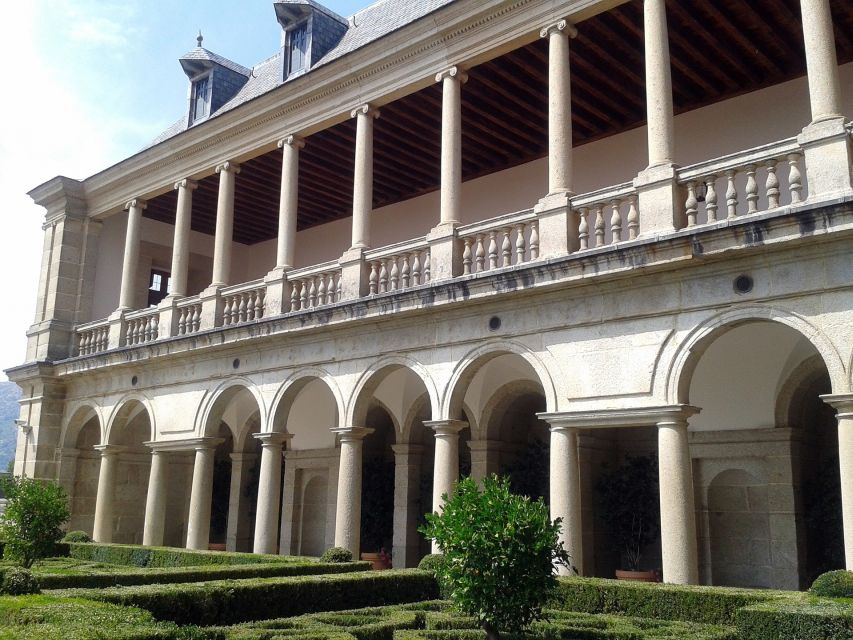
The Battle Hall brings the monarchy’s military side into view. Its subject matter connects the building to Spain’s campaigns and imperial ambitions, giving you a different angle on Philip II’s rule.
This is one of the places where a guide’s explanation earns its keep. Decorative scenes can blur together when you look at them alone. A strong guide can explain what you are seeing and show how the room fits the larger message of the monastery.
The best feedback about guides focuses on exactly this skill. Alejandro has been praised for making history easy to follow, while Marta was described as precise, passionate, and willing to separate fact from fiction. Those qualities matter in a place where a steady stream of names, dates, battles, and royal decisions could otherwise become hard to retain.
The tour’s rating of 4.8 from 127 reviews points to a consistently positive experience, but you should still keep your expectations practical. The value depends in part on your guide and the pace of the group. One small group had only four people, which allowed for a personal and efficient visit, though group size can vary.
Same sacred ground, another way to see it:
- Montserrat Museum and Monastery Entry Ticket
★ 4.5 · 1,740 reviews - Montserrat Small Group: Monastery, Black Madonna & Natural Park
★ 5.0 · 1,690 reviews - From Madrid: Escorial Monastery and the Valley of the Fallen
★ 4.7 · 1,434 reviews - Madrid: Flamenco Show at Tablao Sala Temple with Drink
★ 4.8 · 1,206 reviews
The royal pantheon and Spain’s monarchs
The royal pantheon is among the most important stops in the monastery. It is the burial place of nearly all Spain’s kings, so the room gives physical weight to the country’s royal succession.
This is not just a list of tombs. The pantheon helps explain why El Escorial mattered as a national monument. The building served as a place where the monarchy could preserve its memory and present its long line of rulers within a sacred setting.
You may find this section solemn and compact compared with the broad palace rooms. It is also one of the reasons I would not treat the monastery as a quick photo stop. The meaning of the site becomes clearer when you understand how royal burial, religious duty, and political legitimacy were placed side by side.
A guide is especially useful here because the names and royal connections can become confusing. The tour keeps the focus on the monument’s role rather than asking you to memorize every figure connected to the pantheon.
The palatial rooms and the private side of power
The palatial rooms show another side of El Escorial. Here, the complex becomes a royal residence as well as a monastery and ceremonial institution.
You will move from public expressions of religion and empire toward spaces connected with court life. The change helps you see how the building worked on several levels at once. It housed worship, royal ritual, learning, memory, and daily palace activity.
Do not expect a fully furnished palace route with endless rooms. The tour promises essential palatial areas along with the basilica, Battle Hall, pantheon, and library. Its strength is the range of themes covered, not the chance to linger at every doorway.
The guide’s commentary is what turns these rooms into a story about Philip II. Several guides praised for this experience have been described as witty, friendly, professional, and energetic. That style can make a major difference in rooms where the architecture alone may feel severe.
The Royal Library, a room built to project learning
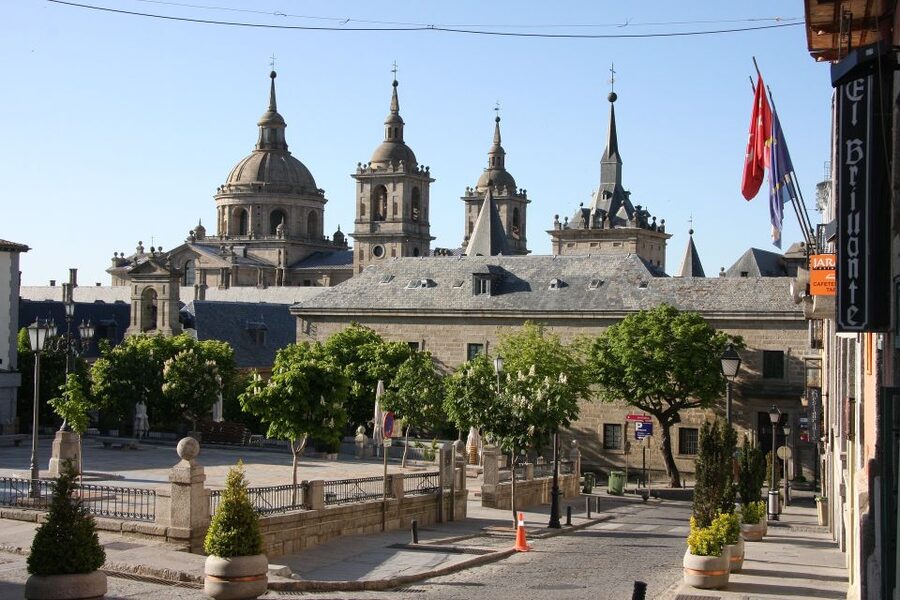
The Royal Library is the highlight for many visitors, and it is easy to see why. Philip II collected its volumes to expand his humanist knowledge, making the library more than a storage room for books. It was a Renaissance declaration that a powerful ruler should also be a learned one.
I would pay close attention here. The library links the intellectual aims of the period with the political purpose of the monastery. Books, scholarship, religion, and royal authority all meet in one place.
This stop also broadens your idea of the Spanish Golden Age. The era was not only about military power or court wealth. It included scholarship, art, architecture, theology, and the effort to gather and organize knowledge.
The library is one of the strongest reasons to choose a guided visit instead of relying only on an electronic device. A self-guided system can give you facts, but a live guide can explain why this room mattered to Philip II and how it fitted his wider ambitions.
Why a guide is useful inside such a large monument
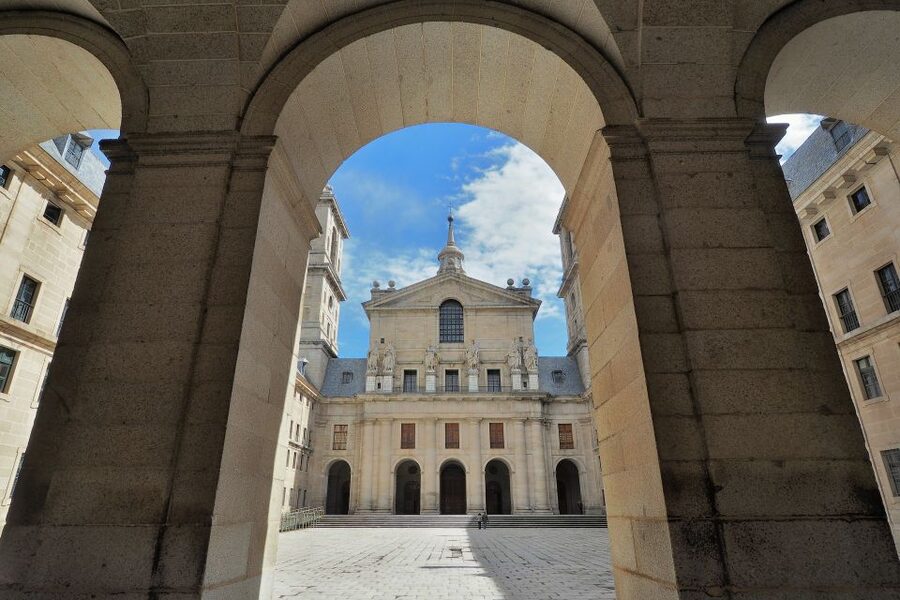
El Escorial is big enough to confuse you. One visitor who explored independently with an electronic guide found the route less clear and walked much farther. A guided group offers a planned path through the essential rooms, which saves energy and keeps the story connected.
That does not mean a self-guided visit is impossible. If you like moving slowly and setting your own priorities, you may prefer independence. But the $47 price includes both entry and a live guide, and the main benefit is the explanation, not simply the ticket.
I see this as good value if you want context. The tour lasts two hours, which is long enough to cover the major spaces but short enough to fit into a day trip near Madrid. You are paying for a concentrated introduction rather than an entire day inside the complex.
The value is strongest for first-time visitors, people with limited time, and anyone who wants help sorting religious, royal, military, and intellectual themes. If you already know El Escorial well, the fixed route may feel less necessary.
Timing, clothing, and practical rules
Plan around the two-hour duration. The tour finishes near the monastery entrance, so you will not be left searching for an exit at the end. Starting times vary, and availability must be checked when you choose a date.
Dress with the monument’s rules in mind. Short skirts, sleeveless shirts, and swimwear are not allowed, and noise is prohibited. Choose respectful clothing that will not cause problems at the entrance or inside the religious spaces.
Leave luggage and large bags behind. This is one of the most important practical details because the activity does not permit them. Bring your passport or ID card, and arrive early enough to exchange your voucher and locate the blue umbrella.
The tour offers free cancellation up to 24 hours before the start time for a full refund. You can also reserve now and pay later, which helps if your Madrid plans are still shifting. Wheelchair access is listed, though you should confirm that the route suits your particular needs when booking.
Who will get the most from this tour
I would choose this visit if you want to understand why El Escorial matters, not just see a large historic building. The guide-led format is especially useful if royal history, Renaissance architecture, or Spain’s Golden Age is new to you.
It also suits anyone who dislikes getting lost in large monuments. The planned route takes you through the major highlights without making you spend extra time finding the next room.
Families and mixed-interest groups may benefit from the guide’s storytelling. The basilica, battle scenes, royal burials, palace rooms, and library offer different points of interest, so the visit is not dependent on one subject alone.
You should think twice if you need an English tour and cannot follow Spanish. The formal tour language is Spanish, even though individual experiences have praised guides such as Isabella for excellent English. Confirm the language before paying.
You should also allow for the possibility of a brisk pace. Two hours is enough for a strong overview, but not for prolonged study of every room. If you want long pauses for photography or close inspection, an independent visit may give you more control.
Should you book the San Lorenzo de El Escorial tour?
Book it if you are visiting Madrid and want a focused introduction to one of Spain’s major royal monuments. The combination of the Royal Library, royal pantheon, basilica, Battle Hall, and palace rooms gives you a broad picture of Philip II’s world in a manageable two-hour visit.
The $47 cost is fair when you value a live explanation and a direct route through a confusing complex. The tour is less compelling if you speak no Spanish, dislike fixed pacing, or plan to study each room at length.
For most first-time visitors, I would choose the guided option. Just confirm the language, dress correctly, leave large bags behind, bring identification, and find the blue Todo Tour umbrella at the entrance. Those small preparations will let you spend your time on the building itself.
FAQ
How long does the El Escorial guided tour last?
The tour lasts two hours and finishes near the monastery entrance.
What does the $47 price include?
The price includes the tour guide and entry ticket to the Monastery of San Lorenzo de El Escorial.
What language is the tour conducted in?
The activity information identifies Spanish as the tour language and lists a live Spanish-speaking guide.
Where is the meeting point?
Meet at the monastery’s main entrance, the access door with the Spanish flag above it. The Todo Tour guide will be waiting with a blue umbrella.
How early should I arrive?
Arrive 15 minutes before the activity begins. You must exchange your voucher at the meeting point.
What should I bring?
Bring your passport or identity card. Large bags and luggage are not allowed.
Can I cancel for a refund?
Yes. You can cancel up to 24 hours before the activity for a full refund. You can also reserve now and pay later.
Temple visits we reviewed lately in Spain
- Santander: Picos, Santo Toribio Monastery and Potes Day Tour★ 4.8 · 261 reviews
- Private Bécquer’s route, Trasmoz, Veruela’s Monastery +food★ 5.0 · 5 reviews
- Montserrat Monastery Ticket with Escolania Boys’ Choir★ 4.4 · 55 reviews
- Montserrat: PRIVATE TOUR – Monastery, Cable Car & Soft Hike★ 5.0 · 4 reviews
- Private Montserrat Monastery with pickup + Winery or Caves★ 4.9 · 4 reviews
- Món Sant Benet Monastery Tickets★ 5.0 · 7 reviews
- Medieval Route in Navarre: Olite, Ujué, Javier Castle, and Monastery of Leire★ 4.8 · 6 reviews
- Mallorca: Sant Elm to La Trapa Monastery Guided Hike★ 5.0 · 7 reviews
Spain Temple Tours, compared.
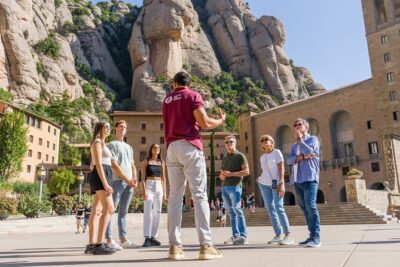
Montserrat Monastery Half Day Experience from Barcelona
Read our review →
Montserrat Monastery Small Group or Private Tour Hotel pick-up
Read our review →
Escorial Monastery and the Valley of the Fallen Tour from Madrid
Read our review →
Montserrat Small Group: Monastery, Black Madonna & Natural Park
Read our review →
From Seville: Italica Roman City & Medieval Monastery Tour
Read our review →
From Barcelona: Montserrat Monastery, Easy Hike, Cable Car
Read our review →
From Barcelona: Montserrat Monastery & Scenic Mountain Hike
Read our review →This tour also ranks in