
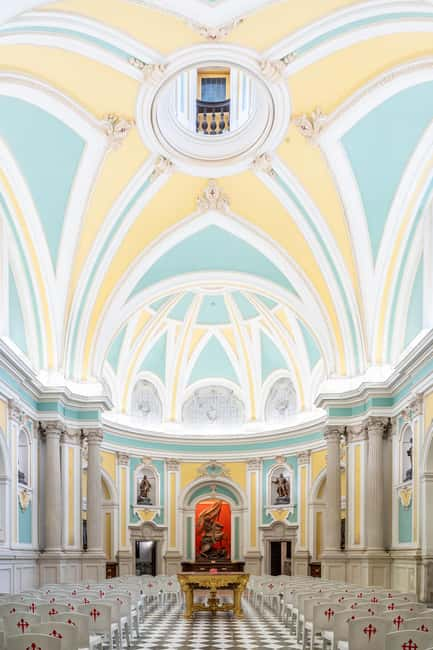
Review · MADRID
Madrid: Entrance to the Monastery of Las Comendadoras de Santiago
The most interesting part of this visit is the chance to see a working religious complex through spaces built for very different people. The girls’ chapel was designed as a special place, while the Knights’ Sacristy served members of the Order of Santiago. From the lower choir, nuns once listened to Mass apart from the main congregation.
I like the way this experience connects art with daily monastic life, and I like the freedom to explore with an audio guide in English, French, or Spanish rather than being tied to a live group. The main concern is opening reliability: one booking on December 7, 2025, reported waiting from 12:30 p.m. until 1 p.m. without the doors opening or a phone response, so I would confirm the schedule before going.
Key points to know before you go
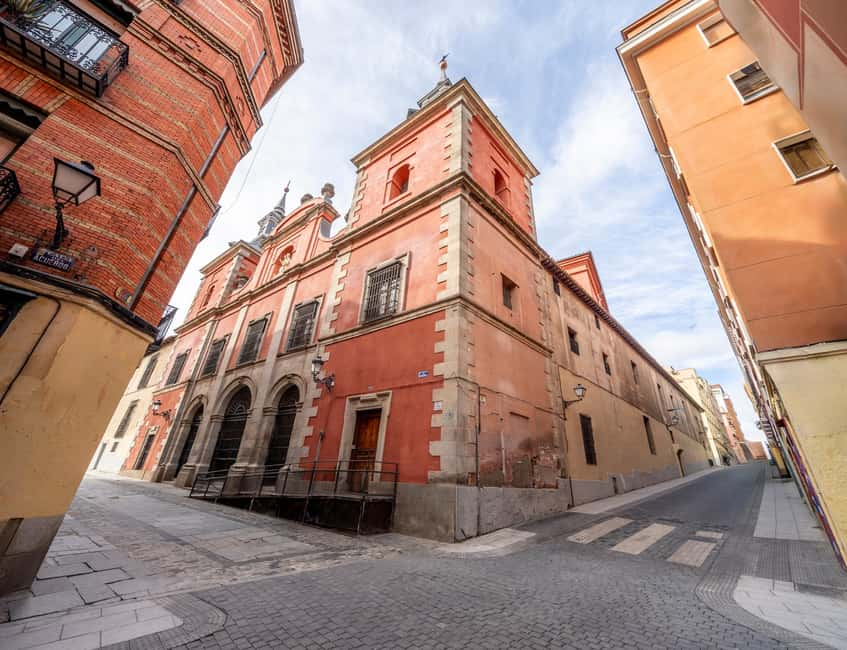
- The girls’ chapel offers a glimpse into a space created for young women connected with the convent.
- The Knights’ Sacristy recalls the religious and military Order of Santiago.
- The lower choir shows how the nuns attended Mass while remaining apart from the main church.
- The cloister and church give the visit its strongest sense of place, linking architecture, prayer, and sacred art.
- The $11 price is reasonable for a self-guided cultural visit if you value historic interiors and quiet observation.
- Opening times matter because one recorded visit found the building closed despite a planned arrival.
Why this Madrid monastery is worth your time
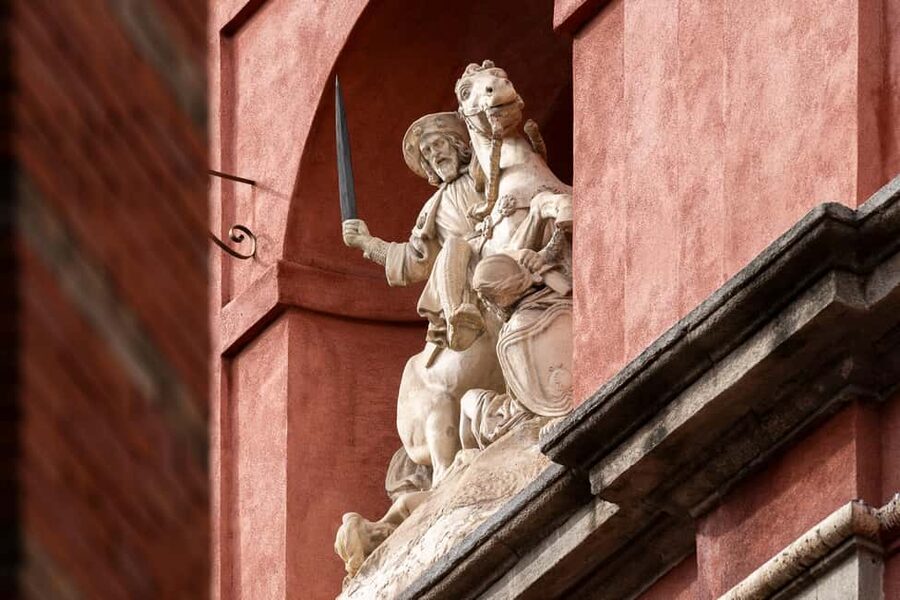
Madrid has no shortage of grand museums and royal rooms. This monastery offers something less polished and more intimate: a look at the spaces where religious women and members of the Order of Santiago carried out their duties over centuries.
The Monastery of Las Comendadoras de Santiago was founded in the 17th century. That date gives the building a useful place in Madrid’s story. You are not simply entering a church to admire decoration. You are entering a complex shaped by devotion, rank, ritual, and community life.
I find the strongest appeal in the way the visit separates public worship from private monastic practice. The church may feel familiar to anyone who has visited historic Spanish religious buildings, but the lower choir and the convent rooms help explain how the nuns experienced the same religious ceremonies.
The visit also suits a slower pace. You can listen to the audio guide, pause in the rooms, and pay attention to details that are easy to miss during a large guided tour. At $11 per person, this is not an all-day attraction in the usual sense, but it can be a good-value stop for anyone interested in Madrid’s architecture, Catholic traditions, or the Order of Santiago.
More Temple Tours around Spain:
- Montserrat Monastery Half Day Experience from Barcelona
★ 5.0 · 6,014 reviews - Montserrat Monastery Small Group or Private Tour Hotel pick-up
★ 5.0 · 5,144 reviews - Escorial Monastery and the Valley of the Fallen Tour from Madrid
★ 5.0 · 2,494 reviews
Starting inside the church
You enter the temple through the door and find the ticket office inside. This is a useful detail because you do not need to look for a separate museum entrance or an outdoor ticket booth.
The visit begins with the church, a natural introduction to the monastery. The church has significant artistic value, and the audio guide helps place what you see within the wider story of the convent. I would listen carefully here before moving on, since the church provides the setting for understanding the more private spaces.
Do not rush straight from one room to the next. The value of this place comes from seeing how the rooms relate to one another. The church served as the main setting for worship, while other areas controlled who could take part and how closely they could approach the ceremony.
Some content is presented in its original language. That may mean the audio guide or selected material retains a Spanish expression or historical wording. I see that as a small benefit for anyone who wants a sense of the original setting, though you should expect that not every element will necessarily be translated in exactly the same way.
The girls’ chapel and its special purpose
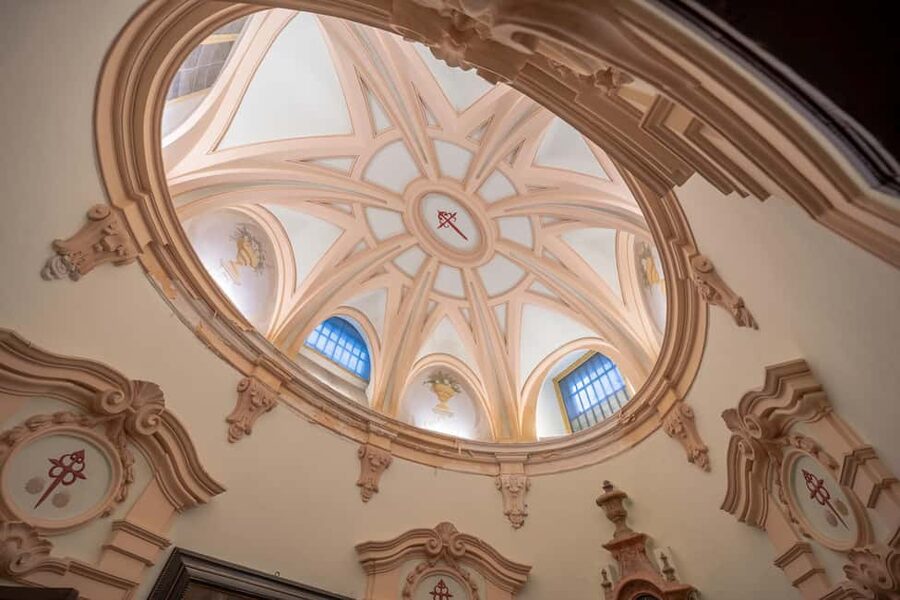
The girls’ chapel is one of the visit’s most distinctive stops. It was conceived as a very special place, and its separate identity gives you a clue about the social world of the monastery.
The supplied information does not explain the chapel’s full design or the exact role of the girls connected with it, so I would avoid arriving with a fixed story in mind. Instead, let the audio guide explain what is known and look at the chapel as a carefully defined space within the larger religious complex.
This is the kind of room that rewards attention more than speed. Notice how a chapel can serve a particular group while still forming part of the wider church and convent. I like that the stop adds a human detail to the architecture. It shifts the focus from grand religious history to the people who used the building.
If you have children with you, the name may catch their attention, but the visit is still primarily about history, art, and spirituality. The information provided does not describe interactive displays or family activities, so I would plan on a quiet, listening-based experience rather than a hands-on museum visit.
The Knights’ Sacristy and the Order of Santiago
The Knights’ Sacristy is the monastery’s clearest link to the Order of Santiago. It was the place where members of the order were ordained, giving the room a role that was both religious and ceremonial.
That detail adds weight to an otherwise easy-to-miss room. A sacristy is often treated as a service space, somewhere connected with preparing for worship. Here, it also connects the monastery with the status and traditions of the knights.
I would pay close attention to the audio guide in this section. The reference to the Order of Santiago tells you that the monastery was not only a home for nuns. It was also tied to a wider institution with its own ceremonies and identity.
The Knights’ Sacristy may be especially appealing if you have already seen other sites connected with Spanish military orders. If you know little about the Order of Santiago, the room still gives the visit a useful historical angle. You see how a religious building could serve both contemplative life and formal religious duties for men of the order.
Same sacred ground, another way to see it:
- Montserrat Museum and Monastery Entry Ticket
★ 4.5 · 1,740 reviews - Montserrat Small Group: Monastery, Black Madonna & Natural Park
★ 5.0 · 1,690 reviews - From Madrid: Escorial Monastery and the Valley of the Fallen
★ 4.7 · 1,434 reviews - Madrid: Flamenco Show at Tablao Sala Temple with Drink
★ 4.8 · 1,206 reviews
The lower choir and the nuns’ point of view
The lower choir may be the most revealing stop for understanding monastic life. From here, the nuns listened to Mass. Their position shows that worship could be shared without requiring everyone to occupy the same part of the church.
I like this detail because it turns an architectural feature into a social explanation. The choir is not merely another room to photograph. It tells you how the convent managed separation, privacy, and participation in religious services.
Try to imagine the room as a place of repeated routine rather than a one-time ceremony. The nuns would have encountered the church from their own designated position, hearing the service while following the rules of convent life. The supplied information does not give details about the choir’s decoration or acoustics, so I would focus on its function rather than expect a dramatic spectacle.
This stop should appeal to you if you enjoy places where small design choices explain how people lived. The lower choir offers that kind of practical history. It connects the physical layout of the monastery with the rhythms of prayer.
Cloister, church, and the feel of monastic space
The cloister is another important part of the visit. The description places it among the monastery’s majestic areas, and it helps create the sense of a complete religious complex rather than a single church interior.
A cloister usually gives you a change of pace. After the more formal church and the ceremonial Knights’ Sacristy, this space points toward movement through the convent and the daily structure of monastic life. I would take time here, listen to the guide, and notice how the surrounding rooms fit together.
The church carries the strongest artistic focus, while the cloister offers a better sense of the monastery as a lived setting. Together, they give the visit balance. You get sacred art and architectural interest, but you also get a clearer idea of how the building organized prayer and community.
The available details do not promise a full tour of every room or access to all areas. I would treat the visit as an introduction to selected historic spaces, not as a guarantee that every part of the convent will be open.
What the audio guide adds
The audio guide is included in Spanish, English, and French. That makes the visit easier for international visitors and gives you control over the pace.
I prefer this format for a small historic site when the rooms call for quiet attention. You can pause the explanation, look around, and continue when you are ready. You are not depending on a group to keep moving.
The guide should be most useful in the areas where the architecture alone cannot tell the full story. The girls’ chapel, Knights’ Sacristy, and lower choir all have specific purposes. Without context, they could look like attractive but unrelated rooms. With explanation, they become parts of a larger system.
There is no named guide provided for this experience. The interpretation comes through the recorded audio guide, available in the three stated languages. If you want a personal conversation with a historian or a live tour leader, this is not that kind of visit.
Is $11 a fair price?
At $11 per person, I consider the ticket a fair buy for a focused historic visit in central Madrid. The price includes entrance and the multilingual audio guide, so you are paying for both access and interpretation.
The value depends on your interests. If you enjoy religious buildings, historic interiors, sacred art, and the details of convent life, the price is modest. If you are mainly seeking a large collection of paintings, dramatic royal rooms, or a long list of major sights, this may feel like a short stop rather than a full attraction.
The visit is valid for one day, with starting times subject to availability. That wording means you should check the available time before planning your route. The experience is not presented as a fixed multi-day ticket or a full-day guided program. The one-day validity simply gives you access during the stated booking period.
I would pair it with other sights in Madrid rather than build your entire day around it. Its best role is a thoughtful cultural stop between larger attractions, especially if you want a quieter change from the city’s major museums.
The opening-time warning you should take seriously
One recorded booking reported a serious problem: the visitor arrived for a 12:30 p.m. opening, waited until 1 p.m., and found that the doors had not opened. The visitor also reported receiving no information and getting no answer by phone.
That is only one recorded experience, and the overall rating provided is 4.1 out of 5 from seven reviews. Still, the complaint involves the most basic part of the visit, getting inside, so I would not ignore it.
You can protect your day by checking the available starting time shortly before you go. Avoid scheduling a train, timed museum entry, or expensive meal immediately afterward. The activity allows cancellation up to 24 hours in advance for a full refund, and you can reserve now and pay later, which gives you some flexibility if your plans are still moving.
Rules inside the monastery
Food and drinks are not allowed. The information also separately lists drinks as prohibited, so plan to finish your coffee or water before entering.
Drones, explosive substances, bare feet, and making noise are also not allowed. The noise rule fits the setting. This is a place of worship and historical interpretation, not a loud social attraction.
I would dress and behave as you would in any active or historic religious space, even though the supplied rules do not give a detailed dress code. Keep your phone quiet and give other people room to listen and reflect.
Who should book this experience?
I would recommend it to you if you like:
- Historic churches and convent architecture
- Religious art and the practical details of monastic life
- The history of the Order of Santiago
- Self-guided visits with audio interpretation
- Smaller cultural stops that fit around a Madrid itinerary
I would be more cautious if you need guaranteed opening conditions, a live guide, or a large, highly interactive attraction. The available information does not promise a live tour, extensive exhibits, or access to every part of the monastery.
The experience may also suit repeat visitors to Madrid better than first-time visitors who have only one free afternoon. If this is your first visit, the city’s major sights may take priority. If you have already seen the headline attractions, the monastery gives you a more specialized look at Madrid’s religious and architectural past.
Should you book the Monastery of Las Comendadoras de Santiago?
Book it if the girls’ chapel, Knights’ Sacristy, lower choir, and monastic history catch your interest. The $11 ticket is sensible, and the English audio guide makes the visit accessible without requiring a private tour.
I would book with one condition: confirm the opening time close to your visit and leave room in your schedule in case access is delayed. The monastery offers a quiet, meaningful look at Madrid’s past, but the reported opening problem means you should plan with a little care.
FAQ
Where is the Monastery of Las Comendadoras de Santiago?
It is in the Community of Madrid, Spain.
How much does entrance cost?
The listed price is $11 per person.
How long is the ticket valid?
The ticket is valid for one day. You should check availability for the specific starting times.
Is an audio guide included?
Yes. An audio guide is included with entrance.
Which languages are available for the audio guide?
The audio guide is available in Spanish, English, and French.
What are the main areas included in the visit?
The visit highlights the girls’ chapel, the Knights’ Sacristy, the lower choir, the cloister, and the church.
Where do I enter?
Enter the temple through the door. The ticket office is inside.
Can I cancel for a refund?
Yes. You can cancel up to 24 hours in advance for a full refund.
Can I reserve without paying immediately?
Yes. The reserve-now, pay-later option lets you book without paying at the time of reservation.
Temple visits we reviewed lately in Spain
- San Lorenzo de El Escorial: Monastery and Site Guided Tour★ 4.8 · 127 reviews
- Santander: Picos, Santo Toribio Monastery and Potes Day Tour★ 4.8 · 261 reviews
- Private Bécquer’s route, Trasmoz, Veruela’s Monastery +food★ 5.0 · 5 reviews
- Montserrat Monastery Ticket with Escolania Boys’ Choir★ 4.4 · 55 reviews
- Montserrat: PRIVATE TOUR – Monastery, Cable Car & Soft Hike★ 5.0 · 4 reviews
- Private Montserrat Monastery with pickup + Winery or Caves★ 4.9 · 4 reviews
- Món Sant Benet Monastery Tickets★ 5.0 · 7 reviews
- Medieval Route in Navarre: Olite, Ujué, Javier Castle, and Monastery of Leire★ 4.8 · 6 reviews
Madrid Temple Tours, compared.
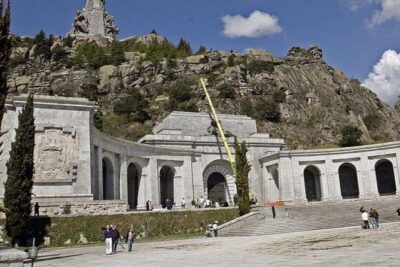
Escorial Monastery and the Valley of the Fallen Tour from Madrid
Read our review →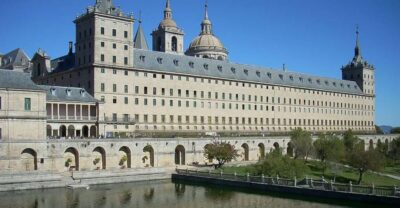
From Madrid: Escorial Monastery & Valley of the Fallen Trip
Read our review →
Madrid Must-see with Atardeder at the Debod Temple
Read our review →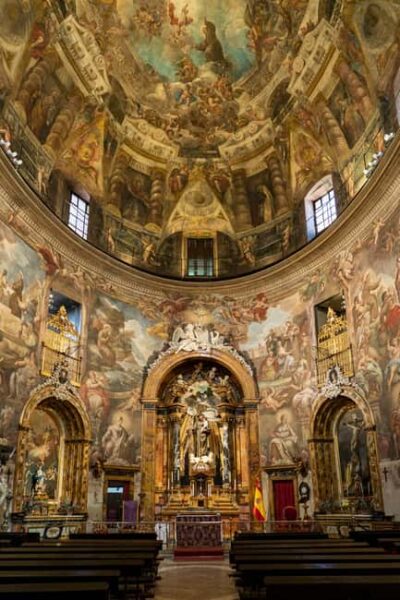
Combined admission to San Antonio de los Alemanes and the Monastery of San Plácido
Read our review →
San Lorenzo de El Escorial Monastery Private Tour
Read our review →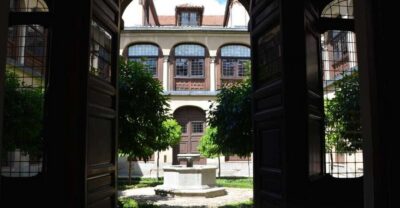
Royal Monastery of the Barefoot nuns: Guided Tour + Tickets
Read our review →This tour also ranks in