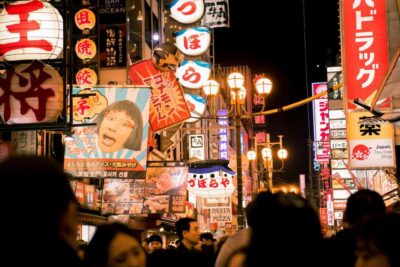
Review · OSAKA
Full Day Kyoto Tour : Bamboo Forest, Golden Temple, Fushimi Inari
Kyoto packs three of Japan’s most recognizable sights into this full-day outing: Arashiyama’s bamboo, the gold-leaf Kinkakuji, and Fushimi Inari’s long red gates. You leave Osaka at 9:45 a.m., ride in a small group of no more than 11, and return after roughly eight to nine hours.
I like the air-conditioned vehicle with WiFi and bottled water, especially since the drive from Osaka takes about 1.2 hours each way. I also like having a guide to explain what you are seeing, with past guides including Taka, Woody, Jin, Tom, and Toru.
The trade-off is pace. You cover a lot of ground, but you also face stairs, hills, and plenty of walking. The lunch stop in Arashiyama is generous, while the two hours at Fushimi Inari may feel short if you want to climb far up the mountain.
Key points at a glance
- Three major Kyoto sights in one day: Arashiyama, Kinkakuji, and Fushimi Inari are all included.
- Small-group transport: The air-conditioned vehicle holds a maximum of 11 people, making the day more personal than a large coach tour.
- Entry fees included: Kinkakuji admission and all listed tour fees are covered in the $105.71 price.
- A long but practical Osaka day trip: The tour starts at 9:45 a.m. and returns to the original meeting area.
- Guided visits with strong personal service: Guides such as Taka, Woody, Jin, and Toru have been praised for clear explanations and warm conversation.
- Walking is central to the day: Expect hills, stairs, shrine paths, bridge crossings, and extended time on your feet.
Why this Osaka to Kyoto day trip works
Kyoto is easy to admire and surprisingly hard to organize in a single day from Osaka. The famous sights sit in different parts of the city, and moving between them takes time. This tour handles the long transfers by vehicle, then gives you time on foot at each major stop.
That is the main value here. You are not simply paying for a ride to one temple. For $105.71 per person, you get a guide, transport from Osaka and back, entry fees, bottled water, WiFi, and a planned route through three very different parts of Kyoto.
The small maximum group of 11 matters. You should not expect a private guide just for your party, but this is a more personal setup than a full-size bus. A guide can explain the day, help you navigate crowded areas, and keep the group moving without the feel of a huge sightseeing operation.
The day begins at either Shinsaibashi or Umeda DT Tower. You need to confirm your exact meeting point, especially if you selected that you would decide later. There is no extra pickup or drop-off service, so plan to reach the stated meeting point yourself.
More Fushimi Inari Shrine Tours in Osaka:
- Osaka/Kyoto: Arashiyama, Nara Park, Fushimi Shrine Tour
★ 4.1 · 13 reviews - Osaka/Kyoto:Kinkakuji,Arashiyama,FushimiInariShrine,NaraPark
★ 4.1 · 1,596 reviews - Osaka/Kyoto: Arashiyama, Nara & Fushimi Inari Shrine w/Lunch
★ 4.4 · 754 reviews
Crossing Togetsukyo Bridge in Arashiyama
The first Kyoto stop is Togetsukyo Bridge, the gateway to Arashiyama. The bridge crosses the Katsura River, with mountains and a river valley forming the backdrop. The setting gives you a pleasant first look at Kyoto beyond its temples and city streets.
You have about 50 minutes here and on the walk through town toward the bamboo area. This is not a long bridge photo stop followed by a quick return to the vehicle. You cross the bridge, walk through Arashiyama, and begin to see why this district is one of Kyoto’s best-known day-trip areas.
The bridge itself is not the only point. It helps you get your bearings before the more enclosed bamboo paths. Bring comfortable shoes, since this part flows directly into a walking route rather than a bus-to-entrance visit.
Walking beneath Arashiyama’s bamboo
The Bamboo Forest Trail is the visual centerpiece for many people. Tall bamboo rises on both sides of the path, creating a narrow green corridor that feels quite different from Kyoto’s open temple grounds. Bamboo has been cultivated in this area for more than 1,000 years, with roots reaching back to the noble culture of the Heian era.
You get about 50 minutes on the trail. That is enough to walk through the main section and take photographs, but it is not a long, wandering exploration of every path in Arashiyama. The route can be busy, so the guide’s help with timing and direction is useful.
I like that the bamboo visit is paired with Togetsukyo Bridge rather than treated as an isolated photo opportunity. You see the river valley, town streets, and bamboo groves as parts of one district. The drawback is that the bamboo section can feel brief if you want quiet time for photography.
Lunch and free time in Arashiyama
After the bamboo walk, you have about an hour in Arashiyama for lunch and shopping. Lunch is not included, so you choose how to use this break. You might order local cuisine at a restaurant or pick up something from a food stall.
This is a sensible place for a meal because the area gives you several choices instead of locking the whole group into one restaurant. You can also browse for souvenirs before returning to the vehicle.
Still, the timing may not suit everyone. One detailed account of the day found that the lunch break, combined with the bamboo visit, felt too long compared with the later stop at Fushimi Inari. If you care most about shrine walking, you may wish this hour were shorter and the final visit longer.
More Golden Temple and Sikh Heritage Tours in Osaka:
- Golden Temple Guided Tour (Planet Amritsar Inc.)
★ 5.0 · 78 reviews - Amritsar Golden Temple Tour
★ 5.0 · 61 reviews - Golden Temple, Jallianwala Bagh, Partition Museum & Wagha Border – #Travellouge
★ 5.0 · 60 reviews - Golden Temple Night Ceremony and Light Visit Tour with Pick-Drop
★ 5.0 · 42 reviews
Seeing the Golden Pavilion at Kinkakuji
The vehicle ride from Arashiyama to Kinkakuji takes about 25 minutes. The temple is better known as the Golden Pavilion, a name earned from the gold-covered upper floors that reflect in the surrounding pond.
You have about 1 hour and 30 minutes here, with admission included. That gives you time to follow the marked route around the pond, photograph the pavilion from different angles, and walk through the garden area.
Kinkakuji is one of Kyoto’s most polished and instantly recognizable sights. The visit is less about entering a quiet interior and more about seeing the pavilion from the grounds and taking in its relationship with the pond and garden. Your guide can add context about the site and its design, which helps turn a quick photograph into a more meaningful stop.
This is also where a guided visit saves effort. You do not need to figure out entry arrangements or work out the best order for the grounds. The tour includes the admission fee, so there is no extra ticket purchase during the day.
Following the red gates at Fushimi Inari
The final major stop is Fushimi Inari Taisha, founded more than 1,300 years ago for Inari Okami, a deity associated with Mount Inari. The shrine is famous for its rows of red torii gates, donated by worshippers and businesses.
You have two hours here, the longest single sightseeing block of the day. The gates continue up the mountain, and the path changes as you climb. Even if you do not reach the higher sections, the first gates give you the classic Fushimi Inari experience.
This stop requires the most attention to your own pace. The route includes stairs and hills, and the amount you see depends on how far you walk. Good shoes are important, and you should not assume the vehicle will be waiting beside the exact point where you stop. Stay aware of the guide’s instructions and meeting time.
Two hours is useful, but it can pass quickly. If you want to walk deep into the torii tunnel system, you may feel rushed. If you prefer a shorter shrine visit with photographs and a modest climb, the time should be more comfortable.
The guides make the difference
The guide is a major part of the tour’s value. Names associated with this service include Taka, Woody, Jin, Tom, and Toru, though your assigned guide can vary. The strongest descriptions focus on guides who explain the meaning of each place, keep the day light with conversation, and help the group move through crowded Kyoto areas.
Taka has been praised for combining historical explanations with humor and for helping people navigate busy parts of Kyoto. Woody has been appreciated for clear explanations and useful local suggestions, including a recommendation for an okonomiyaki restaurant with a good view. Jin has been noted for giving detailed information without making the schedule feel rushed.
The driver matters too. Guides and drivers such as Tom and Toru have been described as professional, kind, and reassuring during the long day. Since you spend several hours in the vehicle, a calm and organized team can make a real difference.
The listing allows for a multilingual guide and specifically identifies English- and Mandarin-speaking conductors. If you need a particular language, confirm what is available before booking rather than assuming every departure will have the same arrangement.
Transport, timing, and group size
The tour uses an air-conditioned vehicle for the Osaka to Kyoto journey and the transfers between sights. The drive from Osaka to Arashiyama takes about 1.2 hours, while the return to Osaka takes about one hour according to the schedule. Traffic and weather can change the timing.
That travel time is unavoidable on a Kyoto day trip from Osaka, but the vehicle is more comfortable than piecing together several train and bus connections. WiFi and bottled water are included, which are small touches that help during a long day.
The advertised maximum is 11 people. That number is large enough for a social group but small enough for the conductor to give more direct help. You should still expect group timing at every stop. The tour is not customizable, so you cannot swap out Kinkakuji for another temple or extend Fushimi Inari at the expense of Arashiyama.
Is $105.71 good value?
For a full day from Osaka, I consider the price reasonable if you want convenience and a guided overview. The cost includes transport, an English- or Mandarin-speaking conductor, WiFi, bottled water, all listed fees and taxes, and admission to Kinkakuji.
You still pay for lunch and gratuity. That matters when you set your total budget. The price is not a bargain if you plan to use public transport, visit fewer sights, and explore independently. It becomes more attractive if you value not having to plan the route between three widely separated attractions.
You are also paying for time. A self-guided day could cost less, but it would require researching routes, managing transfers, buying tickets, and watching the clock. This tour bundles those tasks into one organized day.
Who should book this tour?
I would recommend it to a first-time visitor based in Osaka who wants to see Kyoto’s headline sights without changing hotels or working out several connections. It is also a good match if you prefer a guide who can explain cultural details as you go.
It suits people who want a broad introduction rather than one slow, highly focused temple visit. The mix is appealing: a river and mountain setting in Arashiyama, a refined pavilion and garden at Kinkakuji, and a shrine path with hundreds of red gates at Fushimi Inari.
I would hesitate if you dislike fixed schedules, need frequent rests, or want to spend half a day at one site. The tour involves long walks, hills, stairs, and a return drive after a full day out.
Most people can participate, and service animals are allowed. Still, the operator specifically warns that the experience is not recommended for people who cannot walk long distances. Weather and traffic can also alter the schedule.
FAQ
Where does the Kyoto tour start?
The meeting points are in Osaka at Shinsaibashi or Umeda DT Tower. You must make your own way to the selected meeting point because extra pickup and drop-off service is not provided.
What time does the tour start?
The scheduled start time is 9:45 a.m.
How long does the tour last?
The experience takes approximately eight to nine hours, including the return to Osaka.
Does the tour return to Osaka?
Yes. The vehicle returns to Osaka, and you can tell the tour conductor whether you plan to get off at Shinsaibashi RIMOWA or Umeda DT Tower.
What sights are included?
The route includes Togetsukyo Bridge, the Bamboo Forest Trail in Arashiyama, Arashiyama town, Kinkakuji Temple, also called the Golden Pavilion, and Fushimi Inari Taisha Shrine.
Are entrance fees included?
All listed fees and taxes are included, and Kinkakuji admission is specifically included. The Bamboo Forest, Togetsukyo Bridge, Arashiyama town, and Fushimi Inari stops are listed without an admission charge.
Is lunch included?
No. Lunch is not included. You have about one hour in Arashiyama to choose a restaurant or buy food from a stall.
How many people can join the tour?
The maximum group size is 11 people. A minimum of two people per booking is required.
Is the tour suitable for someone with limited mobility?
The tour includes stairs, hills, and long-distance walking at each place. It is not recommended for people who cannot walk long distances, although most travelers can participate and service animals are allowed.
Should you book it?
Book this tour if you want to see Kyoto’s three best-known sights from an Osaka base and prefer a guide, organized transport, and a small group. The strongest reasons are the efficient route, included Kinkakuji admission, and guides such as Taka, Woody, and Jin who bring useful context to the stops.
Skip it if your ideal Kyoto day means slow temple visits, flexible meal times, or a long climb at Fushimi Inari. For everyone else, $105.71 buys a practical first look at Kyoto, with enough structure to keep the day moving and enough walking to make the places feel real rather than simply photographed from a vehicle.
More Full-Day Tours in Osaka
- Kyoto: Full-Day English Guided Tour of Kyoto’s Highlights
★ 4.5 · 656 reviews - Osaka: Minoh, Katsuoji Temple, & Minoh Falls Full-day Tour
★ 4.9 · 172 reviews - Siem Reap: Full-Day Angkor Wat Guided Tour with Sunset
★ 4.9 · 3,803 reviews - Full-Day Angkor Wat Sunrise Private Tour with Guide from Siem Reap
★ 5.0 · 2,920 reviews
Temple visits we reviewed lately in Osaka
- Osaka Temple Head Spa &Matcha Facial – Refresh & Glow〈90min〉★ 5.0 · 24 reviews
- Osaka Temple :Warm Bamboo Oil Massage – Deep Restore〈60min〉★ 4.9 · 19 reviews
- Osaka: Temple Tour and Traditional Calligraphy Lesson★ 4.9 · 24 reviews
- Osaka: Sumiyoshi, Osaka’s Most Iconic Shrine – Private Tour★ 4.7 · 4 reviews
- Osaka Temple :Warm Bamboo Oil Massage – Deep Restore〈90min〉★ 5.0 · 14 reviews
- Osaka: Mind & Spirit Balance Temple Reiki Healing★ 5.0 · 41 reviews
- Osaka: Private Tour of Shitennoji, Osaka’s Oldest Temple★ 4.5 · 6 reviews
- Osaka Morning Tour: Shitennoji Temple, Shinsekai &Doutonbori★ 5.0 · 23 reviews
Osaka Temple Tours, compared.
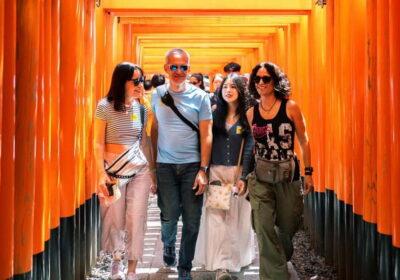
Kyoto: Full-Day English Guided Tour of Kyoto’s Highlights
Read our review →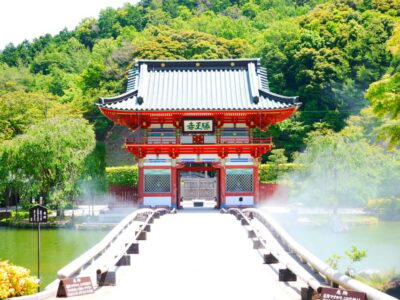
Osaka: Minoh, Katsuoji Temple, & Minoh Falls Full-day Tour
Read our review →
Osaka Temple Cool Foot Bath & Matcha Experience〈45min〉
Read our review →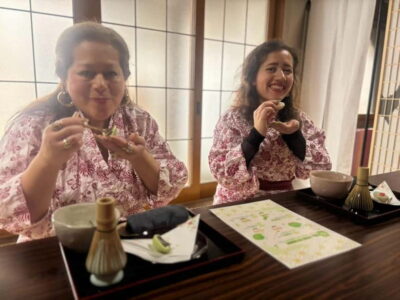
Osaka: Mind & Spirit Balance Temple Reiki Healing
Read our review →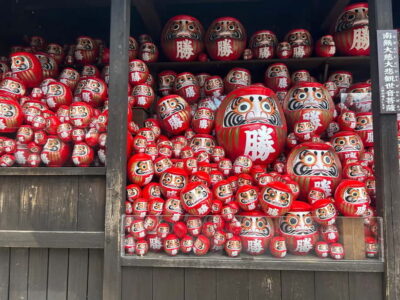
Osaka: Minoh Waterfall & Katsuo-ji Temple Half-Day Tour
Read our review →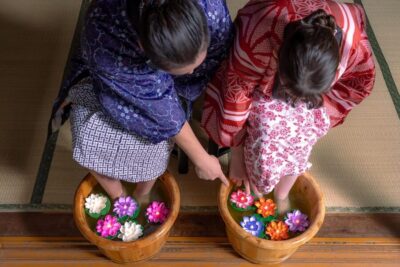
Osaka Temple Head Spa &Matcha Facial – Refresh & Glow〈90min〉
Read our review →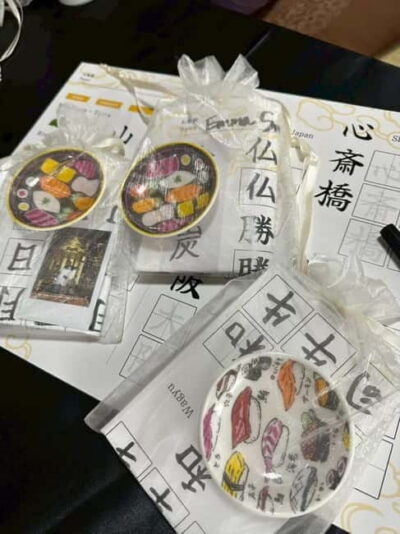
Osaka: Temple Tour and Traditional Calligraphy Lesson
Read our review →