
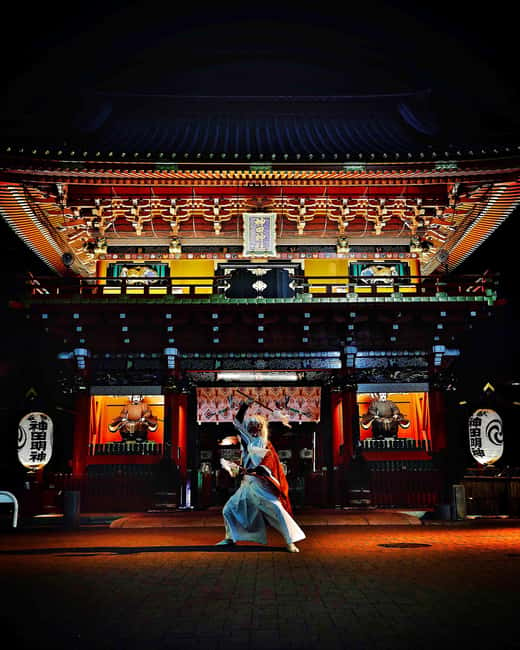
Review · TOKYO
Tokyo: Samurai Entertainment Night Show in Kanda Shrine
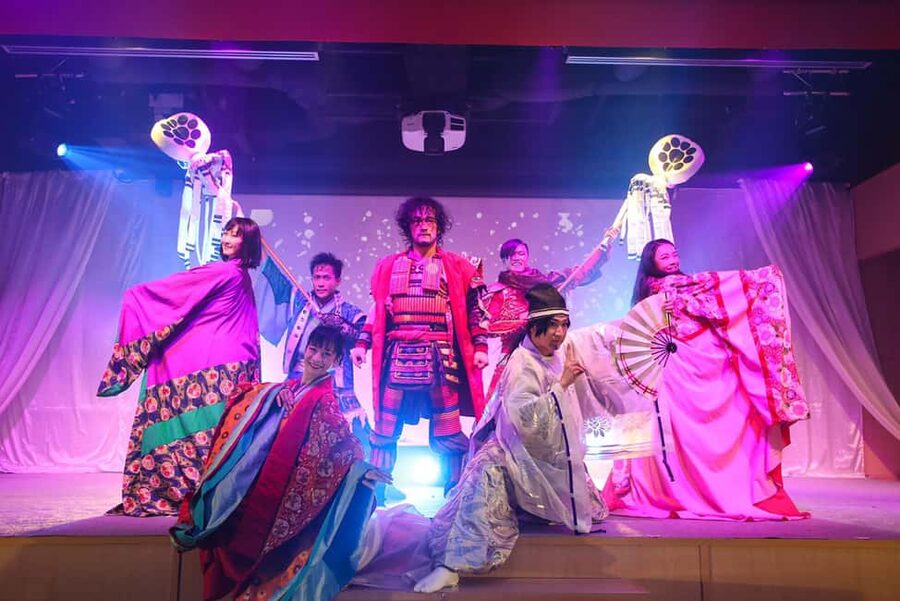
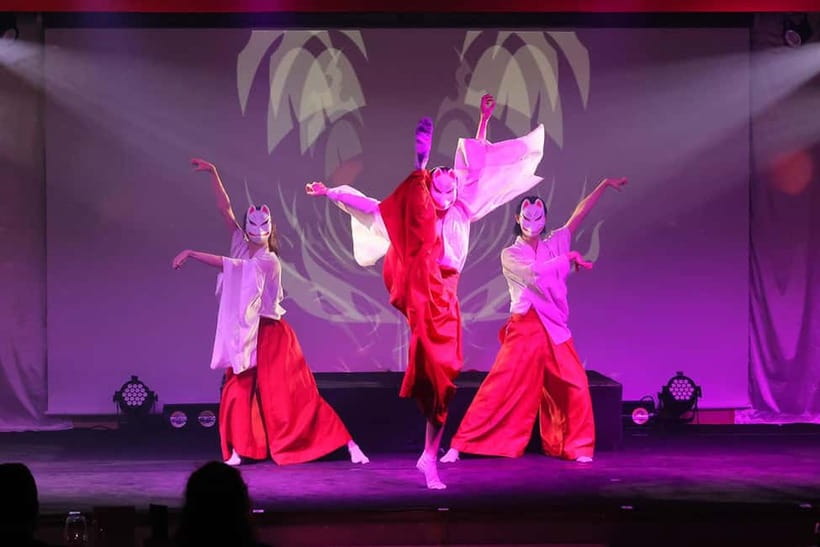
The main draw here is the setting: you enter the illuminated grounds of Kanda Myojin Shrine, then watch a dramatic samurai performance below the historic shrine complex. The show tells the legend of Taira no Masakado through music, dance, swordplay, costumes, and modern lighting rather than relying on long spoken scenes.
I like the small theater atmosphere, which keeps the performers close and makes the final photo session feel personal. I also like the easy dinner-and-show format: arrive at 7 PM, order food and drinks, then settle in for the 8:15 PM performance. The main drawback is that the story can feel hard to follow if you expect a conventional spoken play, and food is not included in every booking option.
Key points to know before booking
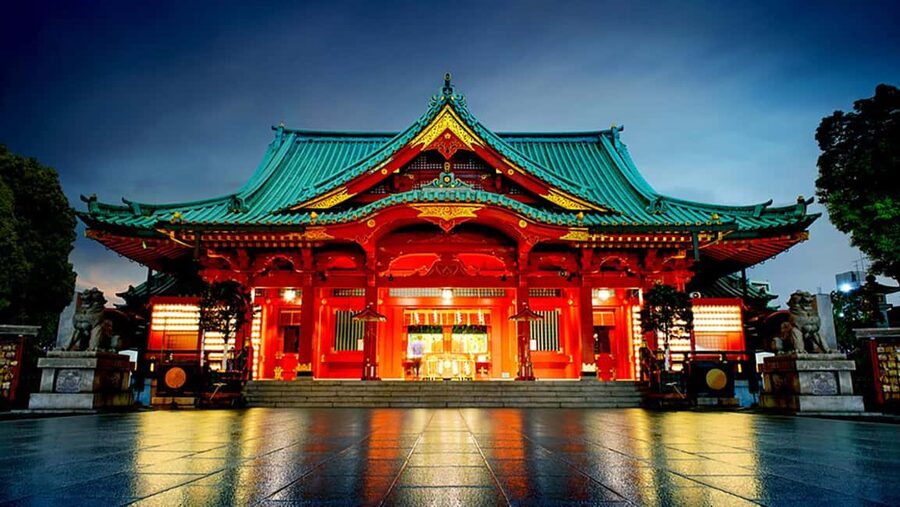
- Kanda Myojin after dark: Walk through the shrine grounds before entering the show restaurant in the basement of Kanda-Myojin Bunka-Koryu-kan.
- A 60-minute samurai production: The main performance runs from 8:15 to 9:15 PM and blends traditional stories with music, dance, swordplay, and light effects.
- Dinner before the curtain: Food is ordered separately unless your chosen plan includes it. A chicken hot pot option lets you cook the meat at your table.
- One drink or unlimited drinks: Your booking may include either one drink or an unlimited package, so check the option carefully.
- Cast photos at the end: You cannot record during the show, but you can take photos with the performers from 9:15 to 10 PM.
- Plan your arrival: Doors open at 7 PM, and entry is not possible after 8:15 PM. Aim to arrive well before the show.
Arriving at Kanda Myojin Shrine after dark
Kanda Myojin is not just a backdrop for this evening. It gives the event a sense of place before the theater begins. As you walk toward the shrine at night, the city view gives way to lit shrine buildings and a more ceremonial setting. One useful tip is to allow extra time for finding the entrance. Several people have found the meeting point less obvious than expected.
The actual venue is The Show restaurant, located in the basement of Kanda-Myojin Bunka-Koryu-kan. Staff welcome you there. The show is wheelchair accessible, and one visitor specifically praised the manager for helping with the difficult trip back to a hotel after the performance. Still, if you use a wheelchair, contact the provider ahead of time for the most practical arrival plan.
Doors open at 7 PM. You should not treat that as a suggestion if you want time for dinner, drinks, and a relaxed seat. Entry is not allowed after 8:15 PM, when the performance begins. The whole evening finishes at 10 PM.
More Temple Tours around Tokyo:
- Tokyo: Asakusa Walking Tour with Sensoji Temple Visit
★ 4.8 · 1,583 reviews - Nikko: Kegon Falls, Lake Chuzenji & Toshogu Temple
★ 4.6 · 1,577 reviews - Tokyo: Nikko Toshogu Shrine and Kegon Waterfall Tour
★ 4.5 · 1,266 reviews
The 7 PM dinner and drink hour
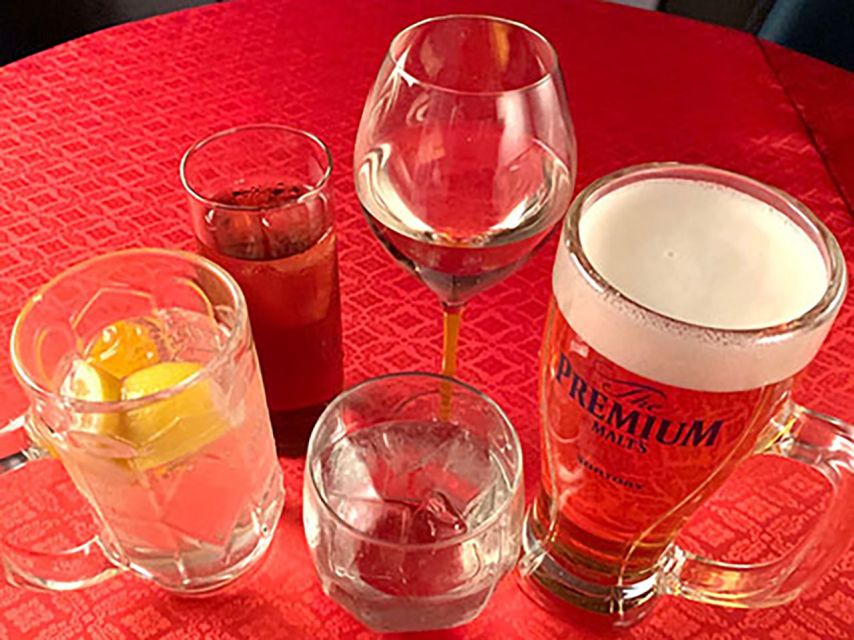
The first hour is social and informal. You sit in the restaurant, order drinks, and choose food from the menu if your booking does not include a meal. This pre-show period matters because drinks and other orders must be placed before the performance starts. Once the action begins, you will not want to be thinking about another order anyway.
Food quality seems to depend partly on what you choose. The chicken hot pot is a distinctive option. Each person receives an individual pot with seasonal vegetables and broth. You add the chicken yourself, wait until it changes color, then dip it into sauce. Udon noodles can be added toward the end so they do not overcook.
Other menu items mentioned include fried chicken, French fries, gyoza, soup, ice cream, fruit, and a fried churro. Vegetarian udon is also available. Some diners found the meal excellent, while one described the food as basic but tasty. That is a fair way to approach it: the meal adds fun and convenience, but the performance is the reason to book.
The drink plan affects the value. Some tickets include one drink, while others include unlimited drinks. Alcohol is available with the unlimited option, according to the supplied details. If you choose that package, arriving at 7 PM gives you the full hour to use it. Do not assume you can save a drink for the show, since orders stop before curtain time.
The tables also create a chance to talk with people around you. The room is small, and the mood is more like dinner theater than a formal stage production. If you want a quiet meal, the pre-show chatter may be a minor drawback. If you enjoy a social evening, it works well.
What the samurai story actually presents
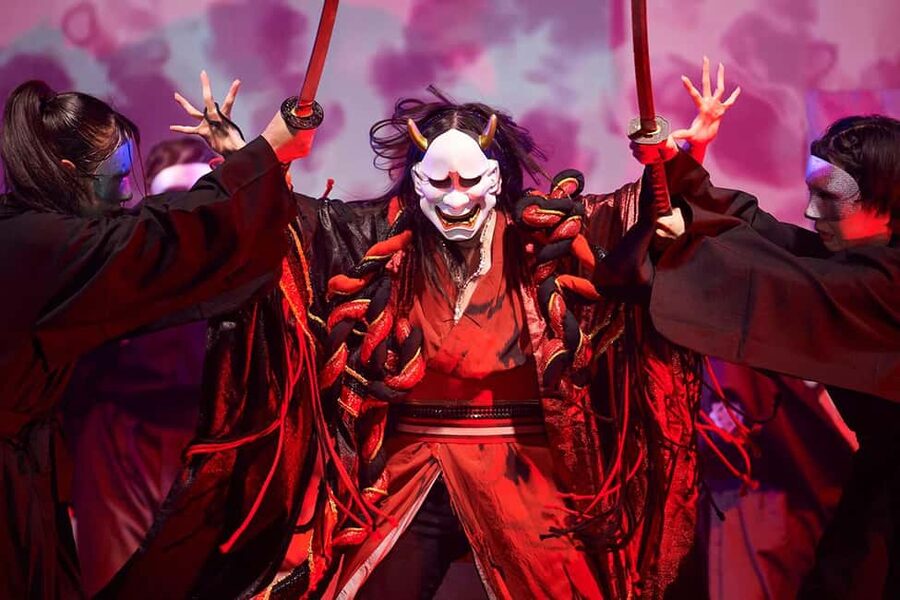
The central figure is Taira no Masakado, a legendary rebel who became an important figure in local tradition. The show presents his story through a mix of history, folklore, and fantasy. It is not a museum lecture, and it is not a strictly realistic account of samurai life.
That distinction helps set expectations. You receive a brief guide to the story, and one visitor found it useful to read the outline while eating. Spoken explanation is limited, so the visual action carries much of the meaning. If you want to understand every character and plot turn, read the provided material before the lights go down.
The production also includes other dramatic figures and folklore-inspired scenes. A Spiderwoman and Butterfly, a Black Fox, and the Masakado story were singled out as memorable parts of the wider performance. These scenes suggest a program that uses Masakado as a central thread while allowing room for mythic characters and stylized episodes.
You may not follow every detail. One diner found the story confusing but still enjoyed the show because the movement and energy carried the evening. I would call this theatrical storytelling rather than a history lesson. Come for the mood, the costumes, and the physical performance first. The history gives the show its shape, but you do not need a specialist’s background to enjoy it.
The 8:15 PM samurai performance
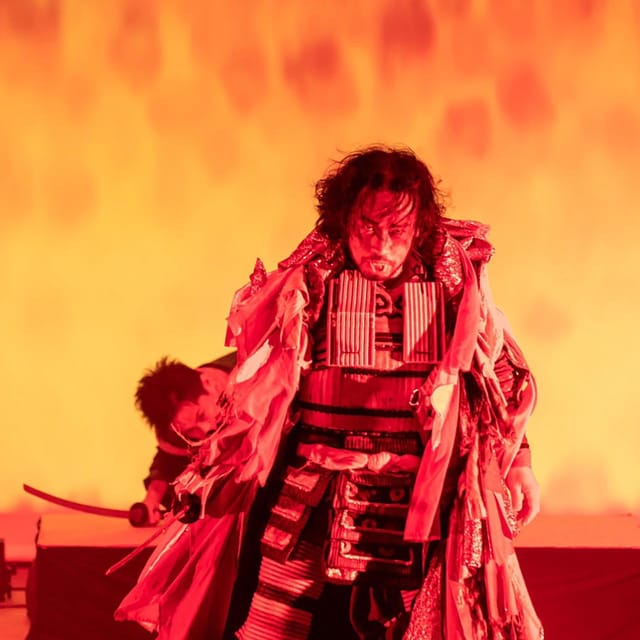
The main show lasts about an hour, from 8:15 to 9:15 PM. The cast uses swordplay, dance, music, sound effects, choreography, costumes, lighting, and stage action to bring the legends to life. Some action may happen away from the central stage, so keep watching rather than focusing on one spot.
The strongest feature is the cast’s energy. The actors perform with large gestures and clear physical emotion, which helps bridge the language gap. One description compared it to live-action anime, a useful shorthand for the theatrical poses, fast movement, bold costumes, and heightened mood.
Do not expect a long, dialogue-heavy drama. The show has limited speaking, and the story is often communicated through movement. That makes it accessible to an international audience, but it can also leave you wanting more explanation. If your priority is detailed sword-fighting technique, you may find there is less sustained combat than the title suggests. One visitor specifically wished for more swordplay and more time showing the characters’ skills.
Still, the performance is not simply a sword demonstration. Music and dance are central. The modern light effects and sound design give the traditional material a more contemporary feel. That blend is one reason repeat visitors return several times. It also explains why the show can appeal to someone who is not especially interested in samurai history.
The venue is intimate, which works in the production’s favor. You are not watching a distant stage in a large hall. Facial expressions, costumes, and quick movements remain easy to see, although your exact seat matters. Seat assignments are decided by the restaurant, so you cannot request a particular location. Front seats are defined as rows one through four, but they are not guaranteed unless your booking specifically offers that option.
Same sacred ground, another way to see it:
- Tokyo:Mt.Fuji,Kawaguchiko Oishi Park,Arakurayama Sengen Park
★ 4.4 · 2,682 reviews - Tokyo Panoramic 1 Day: Meiji Shrine, Asakusa, Odaiba and SKYTREE®
★ 4.5 · 1,222 reviews - Tokyo: Zen Meditation at a Private Temple with a Monk
★ 5.0 · 510 reviews - Mt. Fuji Heritage Tour: Traditional Villages, Lakes & Shrine
★ 4.5 · 509 reviews
Meeting the performers from 9:15 to 10 PM
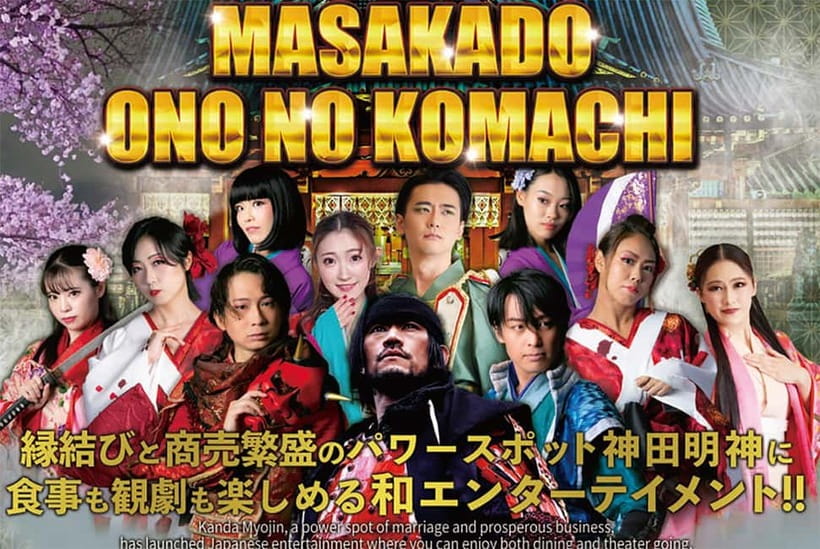
After the final act, the evening changes tone. The performers come out to meet the audience, talk, and pose for photos. This is one of the best parts for families and first-time visitors because the actors are approachable and happy to interact.
The photo period runs from 9:15 to 10 PM. You can take pictures during this time, including photos with the dancers and actors. The cast also mingles with the audience, and several visitors appreciated being able to speak with them in English.
You may see people offering tips to individual performers. Tipping is not generally part of ordinary service in Japan, and it is not listed as an included requirement here. If you want to show appreciation, carry some cash and follow the venue’s lead, but do not feel pressured.
This closing session is also why you should not rush out when the performance ends. The cast interaction turns a polished stage show into a more personal evening. It is especially useful for children, who may remember the photo with the samurai more clearly than the plot.
Price, food choices, and overall value
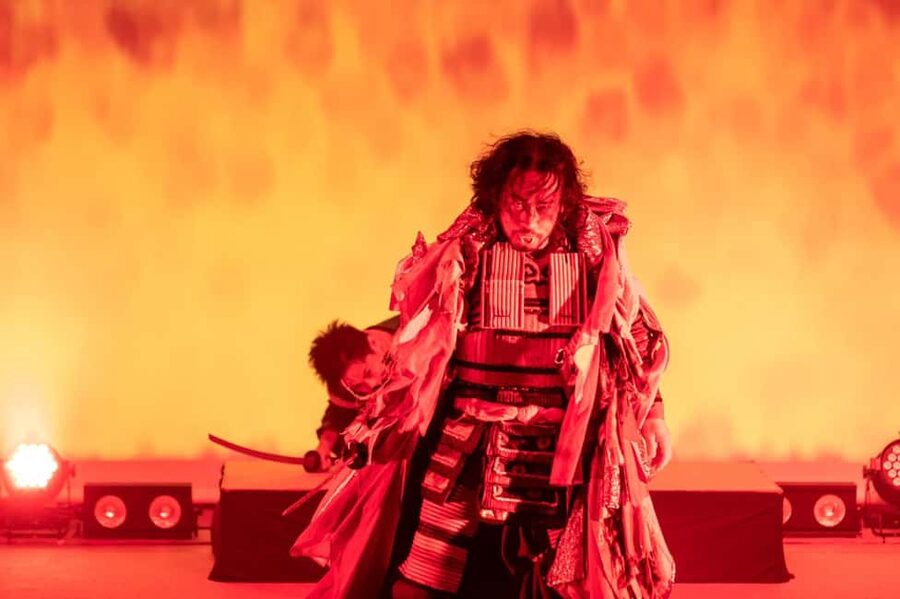
At about $41 per person, the event sits in the moderate range for a Tokyo night out. The price includes the samurai show and either one drink or unlimited drinks, depending on the option you select. Food is extra unless you book a plan that includes dinner.
The value is strongest if you want several things in one evening: a shrine visit, a live performance, drinks, and a cast photo opportunity. You also avoid having to arrange separate dinner and entertainment plans. The one-hour show alone may feel expensive if you are comparing it with a casual meal, but the setting and post-show interaction add to the evening.
Read the booking option carefully. The difference between one drink and unlimited drinks is significant, especially since the pre-show period lasts an hour. If you want dinner, budget for a la carte food or select the meal option. The chicken hot pot gives you more than a simple plate of food because preparing it becomes part of the evening.
The show is also a good value for families with older children. Children aged 10 and 12 were reported to enjoy it, and the physical style does not depend on perfect English comprehension. Very young children may find the 60-minute show intense, and the no-recording rule may be hard for anyone expecting a social-media-style performance.
Practical rules that affect your evening
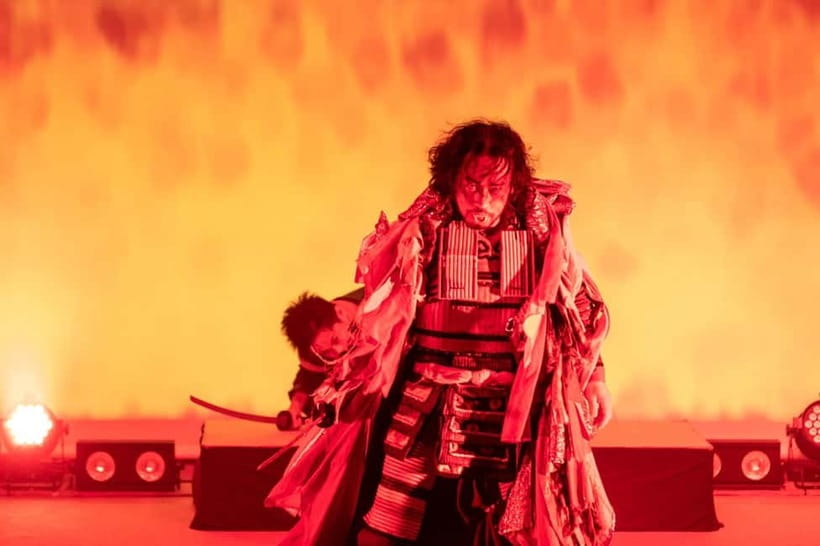
You cannot take photos or videos during the show. Audio recording is also prohibited. Cameras are not allowed during the performance, although the final photo period is specifically provided for pictures and video.
Put your phone and camera away when the show begins. This rule protects the performers and keeps the room focused. If you want a photo of the costumes or stage, use the permitted time before or after the main performance.
Food and drinks must be ordered before showtime. You may eat and drink from 7 PM until the performance starts, but the show itself is not a dinner service. Finish your order or place it early enough that you are not waiting for it as the lights go down.
There is no requested seat selection. The restaurant assigns seats, and the front section consists of rows one through four. If seating position is important to you, ask about the booking category before paying, since the standard information does not promise a particular row.
Free cancellation is available up to 24 hours before the activity for a full refund. You can also reserve and pay later, which helps if your Tokyo schedule is still changing.
Who should book this Tokyo night show?
I would recommend it to you if you want a cultural evening that is easy to fit into a Tokyo itinerary. It works especially well after a day of sightseeing because the schedule is simple: arrive at 7 PM, eat and drink, watch the show, then meet the cast before 10 PM.
Families with older children should consider it. The costumes, music, movement, and photo session give children several ways to stay engaged. Couples and solo visitors can also enjoy it, since the small venue and friendly cast reduce the awkwardness of attending a dinner show alone.
You may want to skip it if your main goal is a formal historical lecture, a long sword-fighting demonstration, or a quiet traditional meal. The story mixes history with folklore, the dialogue is limited, and the food is not the star attraction. You should also choose another activity if you need to film throughout the performance.
Should you book the Kanda Myojin samurai show?
Book it if you want a lively, visually driven night that connects a famous Tokyo shrine with Japanese legend. The strongest reasons are the intimate theater, the passionate cast, the modern music and lighting, and the chance to speak with the performers afterward.
Choose the unlimited-drink or dinner option only if you plan to use the 7 PM to 8:15 PM period fully. Arrive early, read the story outline before the show, and keep your camera ready for the final photo session, not the performance itself. At $41 before any extra food, this is a fair choice for a compact evening of theater, shrine atmosphere, and personal interaction.
FAQ
Where does the samurai show take place?
The show takes place at The Show restaurant in the basement of Kanda-Myojin Bunka-Koryu-kan, within the Kanda Myojin Shrine complex in Tokyo.
What time should I arrive?
Doors open at 7 PM. You should arrive by 8 PM, and entry is not possible after 8:15 PM.
What are the show times?
The main performance runs from 8:15 to 9:15 PM. Photos with the performers are available from 9:15 to 10 PM, and the venue closes at 10 PM.
Is food included in the ticket?
Food is not included in every option. A la carte food is available, and some options may include dinner. The activity information describes an individual chicken hot pot with vegetables and broth.
Are drinks included?
The ticket includes either one drink or unlimited drinks, depending on the option you choose. Drinks and other orders must be placed before the show begins.
Can I take photos or record the performance?
No. Photos, video, and audio recording are not allowed during the show. You can take photos and videos during the designated period after the performance, including photos with the performers.
Can I choose my seat?
No. Seat assignments are decided by the restaurant. The front section consists of rows one through four.
Is the activity wheelchair accessible?
Yes, the activity is listed as wheelchair accessible. Since the venue is inside a shrine complex and includes a basement restaurant, contacting the provider in advance is sensible if you need specific access assistance.
Temple visits we reviewed lately in Tokyo
- From Asakusa: Old Tokyo, Temples, Gardens and Pop Culture★ 4.6 · 15 reviews
- Tokyo: Nagano Snow Monkeys and Zenkoji Tour with Temples★ 4.9 · 19 reviews
- Nagano: Snow Monkeys, Zenkoji Temple & Sake Day Trip★ 5.0 · 4 reviews
- From Tokyo: Nagano, Zenkoji Temple, Snow Monkeys Day Trip.★ 4.3 · 4 reviews
- Tokyo/Nagano: private Tour with Snow Monkey Park & Temples★ 4.8 · 13 reviews
- Make a temple stamp book with artist★ 4.9 · 10 reviews
- Kamakura Temples Private Guided Tour from Tokyo★ 4.8 · 21 reviews
- Join a Unique Cultural Ceremony at Tokyo’s Meiji Shrine★ 5.0 · 9 reviews
Tokyo Temple Tours, compared.
Nikko: Kegon Falls, Lake Chuzenji & Toshogu Temple
Read our review →
Tokyo: Nikko Toshogu Shrine and Kegon Waterfall Tour
Read our review →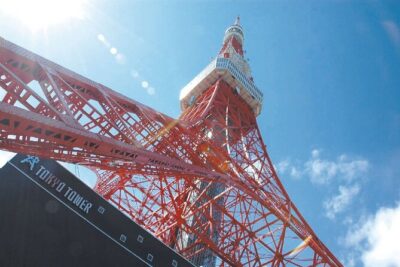
Tokyo Panoramic 1 Day: Meiji Shrine, Asakusa, Odaiba and SKYTREE®
Read our review →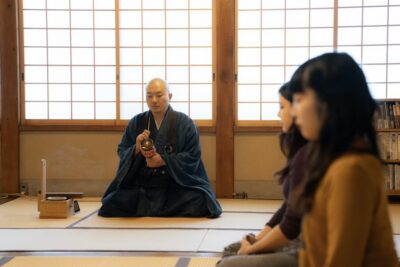
Tokyo: Zen Meditation at a Private Temple with a Monk
Read our review →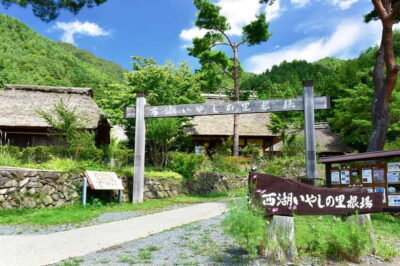
Mt. Fuji Heritage Tour: Traditional Villages, Lakes & Shrine
Read our review →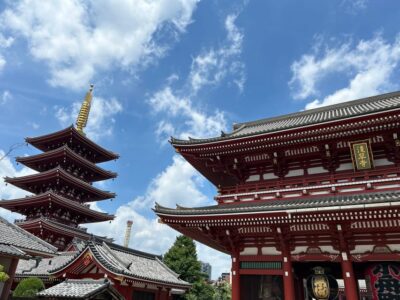
Tokyo: Asakusa and Tokyo’s Oldest Temple Senso-ji Tour
Read our review →
Tokyo: Imperial Palace, Sensō-ji Temple, & Tokyo Tower Tour
Read our review →
Tokyo: Meiji Shrine Walking Tour — Shinto & Imperial System
Read our review →This tour also ranks in