
Review · TOKYO
Tokyo:Mt.Fuji,Kawaguchiko Oishi Park,Arakurayama Sengen Park
The main reason to book this day trip is simple: you get several very different views of Mt. Fuji without trying to piece together trains and buses yourself. The classic Chureito Pagoda view comes first, followed by Lake Kawaguchi, flower-filled Oishi Park, and a restored thatched-roof village.
I especially like the mix of scenery and local culture. You are not parked at one shopping center for half the day. You get time by the lake, seasonal flowers, craft shops, and a traditional village where you can dress in kimono or ninja clothing. The optional lunch is another plus, with Houtou noodles, Kobe beef shabu-shabu, and Koshu wine beef among the choices.
The trade-off is the pace. This is a long 10-hour day, and traffic between Tokyo and the Fuji Five Lakes area can be heavy. Some stops may feel short, especially if you want time for every photo, shop, meal, and walk.
Key points before you book
- Four strong Mt. Fuji photo settings: See the mountain with a pagoda, lake, flowers, and traditional village roofs.
- 398 steps to Chureito Pagoda: The climb is part of the experience, though a sloped route is available.
- Seasonal scenery changes the day: Cherry blossoms, summer lavender, autumn kochia, fall leaves, and winter snow each bring a different look.
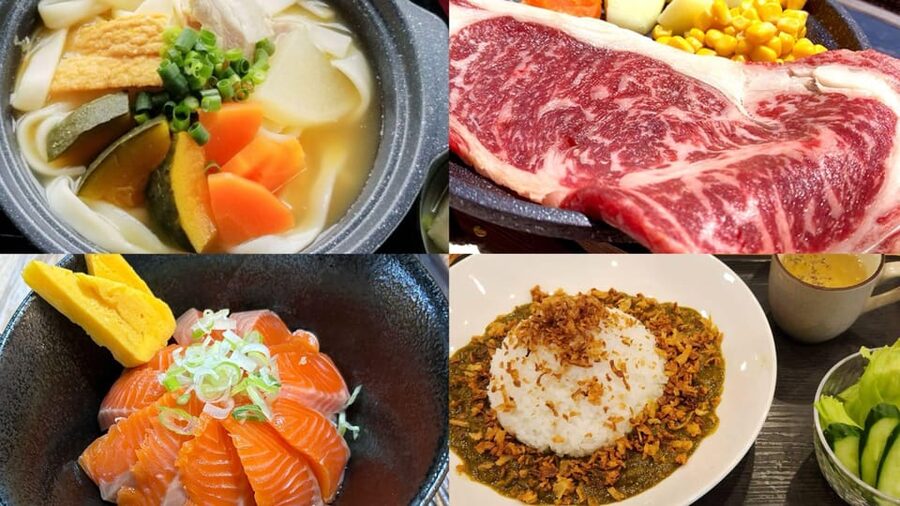
- Optional local lunch: Choose Houtou noodles, Wagyu shabu-shabu, Koshu wine beef, or another available option.
- Comfortable transport from Tokyo: Air-conditioned bus travel saves you from managing several regional connections.
- Friendly guide service: Guides named Koji, Omar, George, Eric, and others have been praised for clear instructions, humor, and care.
Why this Mt. Fuji day trip works from Tokyo
Mt. Fuji is close enough to tempt you into a day trip, but the viewing spots around Yamanashi are spread out. A train may get you toward Kawaguchiko, yet moving between the pagoda, lake, parks, and village takes more planning.
This tour handles that problem with an air-conditioned vehicle and a guide who gives you meeting times and directions at each stop. That matters because a Fuji day can unravel quickly if you miss a local bus or spend too long at the first viewpoint.
You meet at one of two Tokyo departure points, depending on the option you choose, and finish at Shinjuku Station. The exact meeting point can vary, so check your booking details carefully and arrive 10 minutes early. The bus leaves on time.
The tour has been operating for more than 10 years, and the rating of 4.4 from 2,682 reviews suggests a well-established operation. The strongest pattern in the feedback is not just the mountain view. It is the smooth organization, friendly guides, clear announcements, and comfortable bus.
More temples and shrines worth the early start around Tokyo:
- Tokyo: Asakusa Walking Tour with Sensoji Temple Visit
★ 4.8 · 1,583 reviews - Nikko: Kegon Falls, Lake Chuzenji & Toshogu Temple
★ 4.6 · 1,577 reviews - Tokyo: Nikko Toshogu Shrine and Kegon Waterfall Tour
★ 4.5 · 1,266 reviews
Chureito Pagoda and the famous 398-step climb
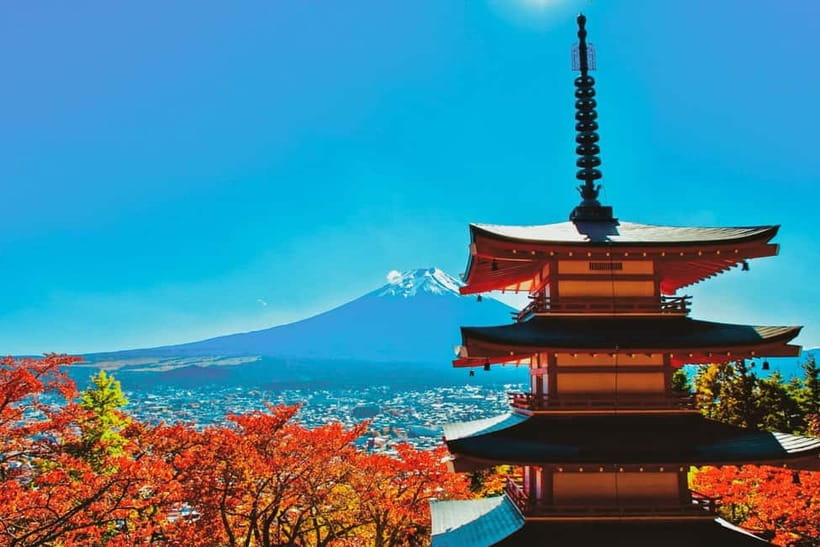
The first major stop is Arakurayama Sengen Park, home to the view that appears in countless Japan travel photos: Mt. Fuji behind a red five-story pagoda, with trees framing the scene.
From the park entrance, you climb 398 stone steps toward the observation area. It is a real climb, so wear shoes with a good grip and do not treat this as a quick bus-door photo stop. You can take your time, but the group has a fixed schedule.
A sloped route is available for people who prefer not to use the stairs. The tour still involves walking, and the viewing area can be busy, especially during cherry blossom season. From late March to mid-April, roughly 650 cherry trees bloom here, and the annual Cherry Blossom Festival draws large crowds.
The reward is the wide view across Fujiyoshida toward Mt. Fuji. In autumn, red and gold leaves replace the spring blossoms. In winter, the vermilion pagoda looks especially striking against a snow-capped mountain, if the weather cooperates.
The weather is the great unknown. Several people enjoyed the tour in rain or cloud even without seeing Fuji clearly, but you should understand that no tour can guarantee the mountain will appear. Clear views are more likely on a day with stable weather, though even then clouds can gather around the summit.
Hikawa Clock Shop and Arakura Fuji Sengen Shrine
The streets near Hikawa Clock Shop offer another memorable Fuji photograph. The road rises toward the mountain, with the town in the foreground. It is a more urban view than the pagoda, and that contrast helps you see how closely daily life sits beneath Fuji.
This area is mainly a photo stop and short walk. Follow the guide’s instructions carefully because the streets are not simply a private viewing platform. Your time here may be limited, particularly if traffic has delayed the bus.
The nearby Arakura Fuji Sengen Shrine adds a spiritual side to the morning. The shrine is linked with the Arakura Sengen area and gives you a chance to look beyond the famous image. The visit includes free time for walking and photos before the group continues to Chureito Pagoda and the wider park area.
The order of these visits may make the morning feel like several short stops rather than one long park visit. That is useful if you want variety, but less ideal if you prefer slow photography.
Lake Kawaguchi, local food, and the Maple Corridor
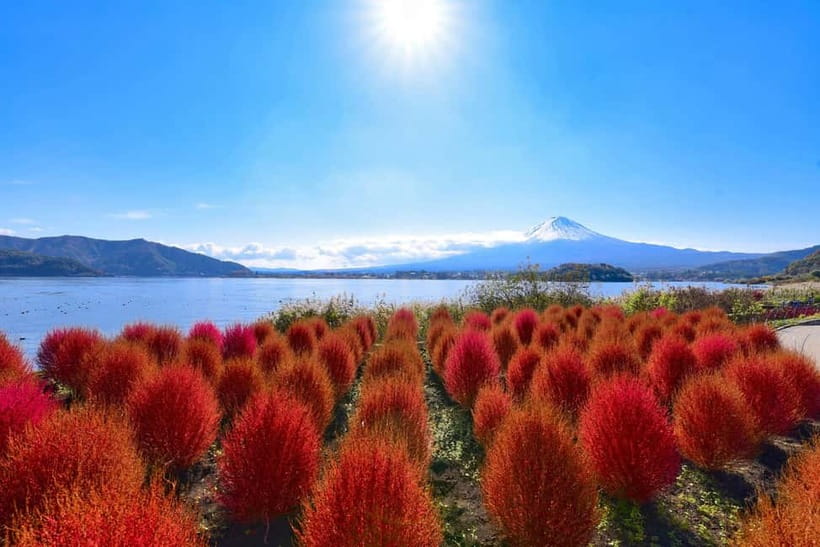
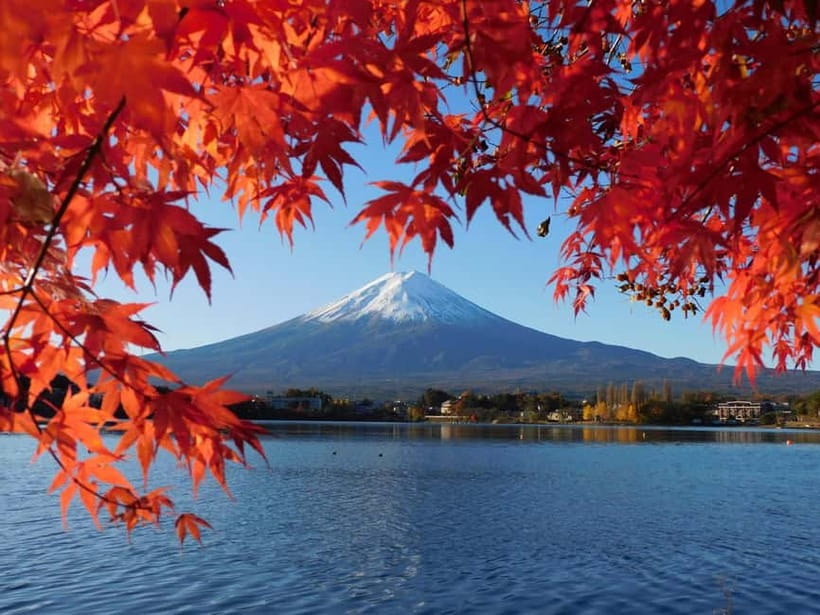
Lake Kawaguchi is the center of the day. The two-hour visit gives you a better chance to slow down, walk along the water, eat, and browse. On a clear day, Mt. Fuji rises beyond the lake in a classic Japanese view.
The shoreline also gives you one of the best chances to see the mountain reflected in the water. Reflections depend on wind and weather, so think of them as a bonus rather than a promise.
In spring, cherry blossoms line parts of the lakeside. In autumn, the nearby Maple Corridor brings red and gold leaves. The corridor is especially popular during the fall season, but its appearance depends on the timing of your visit.
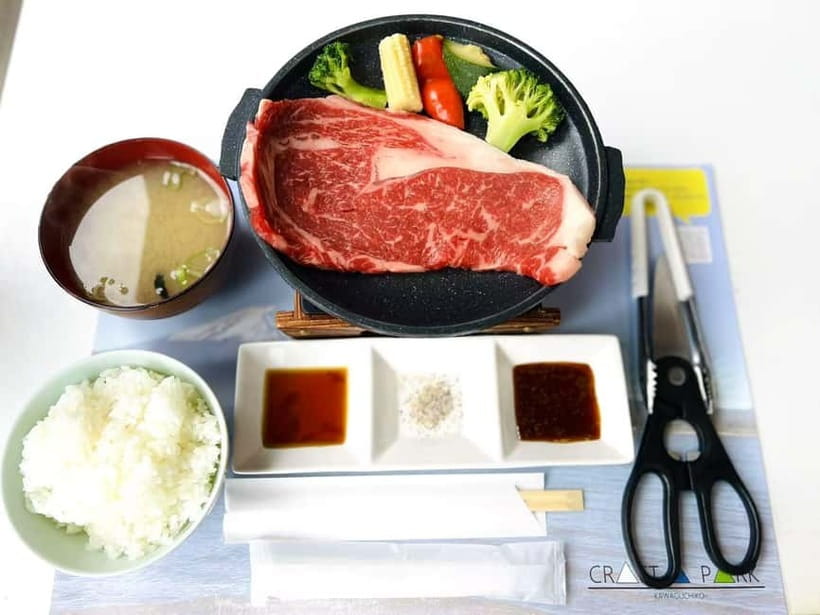
Kawaguchiko Craft Park sits on the northern shore. It combines restaurants, craft workshops, open-air seating, and a souvenir shop with local products and limited-edition items. You can eat with a Fuji view, walk a few minutes to the lakeside, or browse for a gift without adding another transport connection.
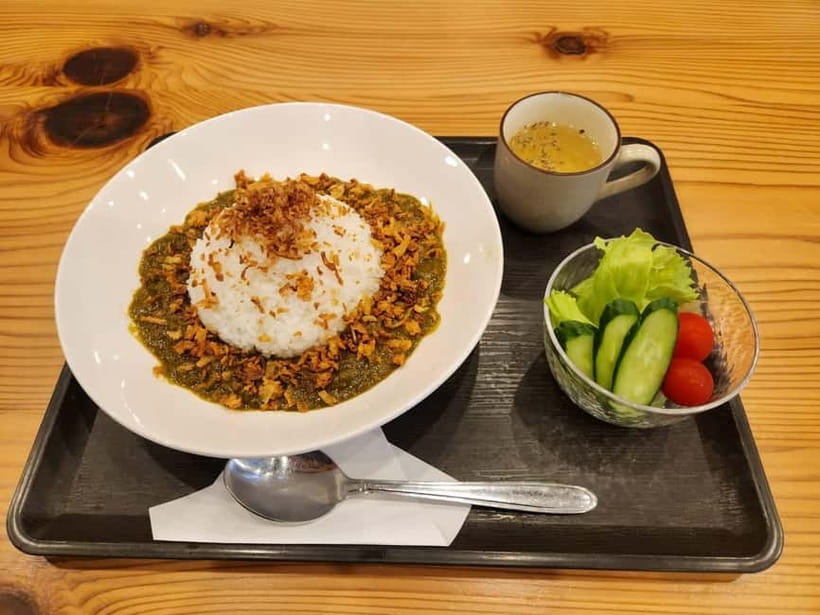
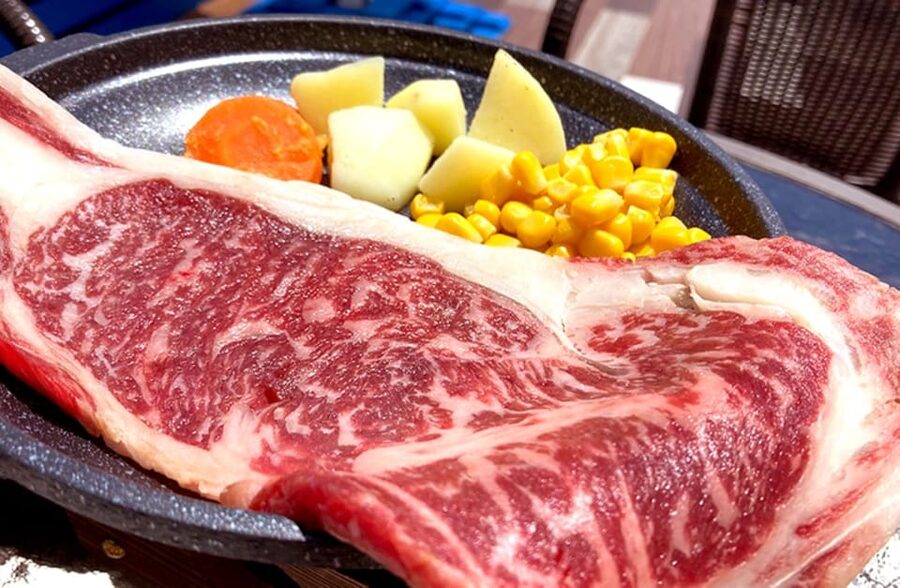
The lunch option is one of the tour’s better value features. Depending on the selected meal, you might choose:
- Houtou noodles, a Yamanashi specialty cooked in miso broth with vegetables and chicken
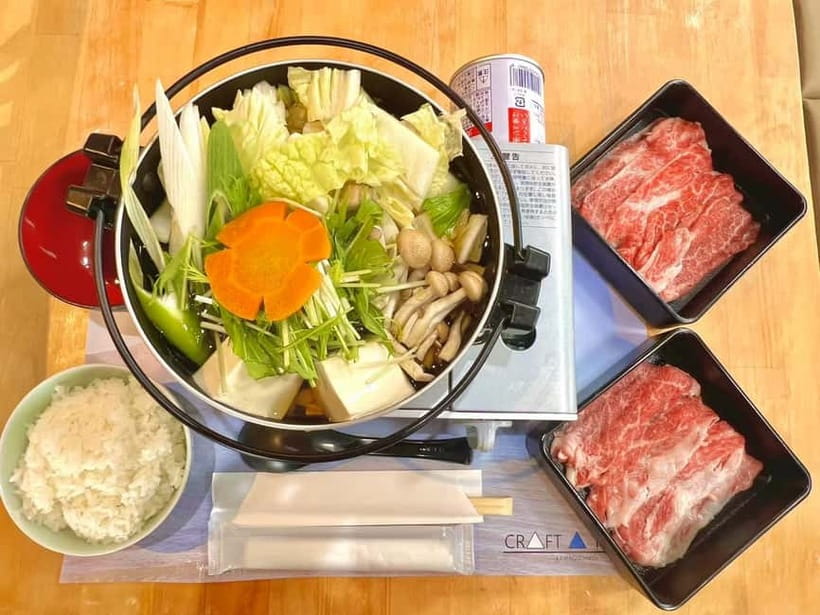
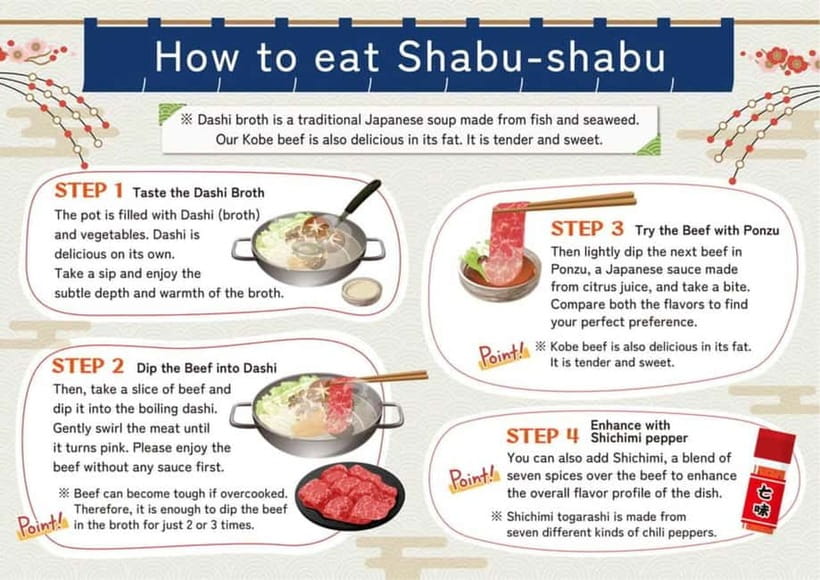
- Kobe beef shabu-shabu made with A5-grade Japanese black Wagyu
- Koshu wine beef steak, made with Wagyu raised in Yamanashi
- A vegan lunch option, which has been available according to one guest’s experience
The Houtou noodles received particularly warm praise, and one person recommended stopping at the cheesecake shop. Food arrangements can vary by the option you book, so check what is included before assuming a meal is part of the base price.
Same sacred ground, another way to see it:
- Tokyo Panoramic 1 Day: Meiji Shrine, Asakusa, Odaiba and SKYTREE®
★ 4.5 · 1,222 reviews - Tokyo: Zen Meditation at a Private Temple with a Monk
★ 5.0 · 510 reviews - Mt. Fuji Heritage Tour: Traditional Villages, Lakes & Shrine
★ 4.5 · 509 reviews - Tokyo: Samurai Entertainment Night Show in Kanda Shrine
★ 4.6 · 417 reviews
Oishi Park and the 350-meter Flower Road
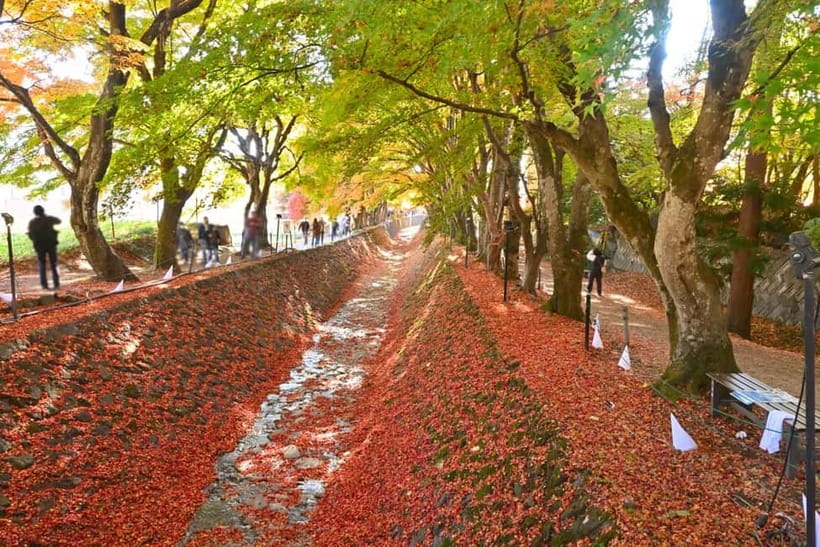
Oishi Park is one of the day’s best stops for an open view of Mt. Fuji and Lake Kawaguchi. The park’s 350-meter Flower Road changes with the season.
Spring brings tulips. Summer is the season for lavender, especially during the Kawaguchiko Herb Festival from late June to mid-July. Autumn brings kochia, a rounded red-toned plant that adds color along the shore.
This stop lasts about 30 minutes, so plan your priorities before leaving the bus. If the mountain is clear, take the main photo first. Then use the remaining time for flowers, the lake, and a quick walk.
Oishi Park is also a useful reminder that Fuji viewing is not only about the summit. Even if clouds hide the mountain, the lake and seasonal planting still give you something worthwhile to see. Several people found the wider Fuji area enjoyable in poor weather for this reason.
Saiko Iyashi-no-Sato Nenba and old-style Japan
Saiko Iyashi-no-Sato Nenba is the cultural change of pace. Located beside Lake Saiko, this restored village has about 20 thatched-roof houses modeled after traditional settlements associated with Shirakawa-go.
The houses now serve as craft studios, small shops, and places to eat. You can browse local goods, take photographs, and see a version of rural architecture that feels very different from Tokyo’s streets and stations.
One of the most entertaining activities is dressing in kimono or ninja clothing for photographs with Mt. Fuji in the background. This is especially appealing for families and anyone who wants more than a standard viewpoint picture.
The village changes with the calendar. Spring may bring cherry blossoms and carp streamers. Summer offers green surroundings. Autumn brings colored leaves, while winter can provide snow-covered roofs and a quieter mood.
The entry ticket is included, which helps the $54 price feel fair. The scheduled visit is about 50 minutes. That is enough to see the village and take photographs, but it may not be enough for a long craft workshop, a full meal, and detailed shopping. If this is the stop you care about most, keep an eye on the time.
Guides, bus comfort, and the real pace of the day
The guide can make a major difference on a group day trip. Koji has been praised for clear communication, humor, and thoughtful timing. Omar is frequently described as friendly, funny, and helpful. George has been singled out for clear explanations and good care, while Eric has been praised for making the journeys between stops more interesting.
The guide may explain local stories, spiritual customs, and the cultural meaning of the places you visit. You also receive instructions for meeting back at the bus, which is important when the group is spread across parks and shopping areas.
The bus is air-conditioned, and some departures use numbered seats with clear audio. Drivers have also received praise for calm, careful service. Still, this is not a relaxed countryside coach holiday. You may spend several hours on the road, and the return to Tokyo can be slowed by traffic.
The group may combine English and Chinese bookings in the same vehicle. The vehicle size can also change according to the number of people and conditions that day. If you prefer a private or very quiet experience, this is not the right format.
The schedule is fixed because the route covers a lot. Late arrivals can reduce everyone’s time at the stops, so return to the bus promptly. If you need to leave the tour midway, tell the guide in advance and complete the required departure form.
Is $54 good value for a full day?
At $54 per person, the value is strong if you want several Fuji-area sights in one day. The price includes air-conditioned transport, a live English or Chinese-speaking guide, and entry to Saiko Iyashi-no-Sato Nenba. Lunch is included only when you select the lunch option.
Doing the same route independently would require more decisions about regional buses, station transfers, opening times, and directions. You would gain flexibility, but you could also lose much of the day waiting for transport.
The price is less attractive if you dislike group schedules or care deeply about spending an hour at one viewpoint. Some stops are short, and several people wanted more time at the Fuji lookout, Lake Kawaguchi, or the traditional village.
Free cancellation up to 24 hours before departure and the reserve-now, pay-later option make booking less risky. These policies are useful when your Tokyo plans depend on weather, since a clear forecast can make a big difference to the Fuji views.
Who should book this experience?
I would choose this trip if you have one free day in Tokyo and want a broad introduction to the Fuji area. It suits first-time visitors, couples, families, solo visitors, and anyone who would rather follow a clear plan than manage regional transport.
It is also a good choice if you want more than a mountain photograph. The pagoda, shrine, lake, flowers, food, crafts, and old village give the day several points of interest.
You should think twice if you want a slow, quiet outing. The climb at Chureito, the amount of walking, fixed departure times, and possible traffic make this an active day. Bring water, eat properly, and dress for changing conditions. One person became faint after not eating enough in the summer heat, a useful reminder that the schedule is demanding.
Should you book the Mt. Fuji day trip?
Book it if your priority is seeing many of the best Fuji viewpoints in one organized day. The route has real variety, the transport removes much of the planning work, and the price includes enough transport and sightseeing to make it a strong deal.
Do not book it expecting guaranteed snow on the summit or long, unhurried visits at every stop. Weather can hide Fuji, traffic can stretch the day, and the schedule moves quickly.
For the best chance of a memorable outing, choose a day with a favorable forecast, arrive early, wear comfortable shoes, and decide in advance whether lunch, photography, or the village matters most to you. If the mountain appears clearly from all four main viewing areas, you will have had an exceptional day. If clouds cover it, the lake, flowers, shrine, food, and village still give the trip a solid reason to go.
FAQ
How long does the Mt. Fuji day trip last?
The tour lasts about 10 hours. It begins at a designated Tokyo meeting point and finishes at Shinjuku Station.
Where does the tour start?
There are two possible starting locations, including the LOVE sculpture by Robert Indiana and the KOKUYO Tokyo Shinagawa office. The meeting point depends on the option you book.
What languages are available?
Live guiding is available in English and Chinese. On some days, bookings in different languages may share the same vehicle.
Is lunch included?
Lunch is included only if you select a lunch option when booking. Choices can include Kobe beef shabu-shabu, Koshu wine beef steak, and Houtou noodles.
How difficult is the Chureito Pagoda visit?
The observation area requires a climb of 398 stone steps from the park entrance. A sloped route is also available for those who prefer not to use the stairs, but the overall day includes plenty of walking.
Is the Mt. Fuji view guaranteed?
No. The views depend on weather, clouds, and visibility. The tour continues in rainy or cloudy conditions, with other sights such as Lake Kawaguchi, Oishi Park, and Saiko Iyashi-no-Sato Nenba still available.
What is included in the tour price?
The tour includes air-conditioned vehicle transportation, a tour guide, and entry to Saiko Iyashi-no-Sato Nenba. Lunch is included only with the selected lunch option.
Temple visits we reviewed lately in Tokyo
- From Asakusa: Old Tokyo, Temples, Gardens and Pop Culture★ 4.6 · 15 reviews
- Tokyo: Nagano Snow Monkeys and Zenkoji Tour with Temples★ 4.9 · 19 reviews
- Nagano: Snow Monkeys, Zenkoji Temple & Sake Day Trip★ 5.0 · 4 reviews
- From Tokyo: Nagano, Zenkoji Temple, Snow Monkeys Day Trip.★ 4.3 · 4 reviews
- Tokyo/Nagano: private Tour with Snow Monkey Park & Temples★ 4.8 · 13 reviews
- Make a temple stamp book with artist★ 4.9 · 10 reviews
- Kamakura Temples Private Guided Tour from Tokyo★ 4.8 · 21 reviews
- Join a Unique Cultural Ceremony at Tokyo’s Meiji Shrine★ 5.0 · 9 reviews
Tokyo Temple Tours, compared.
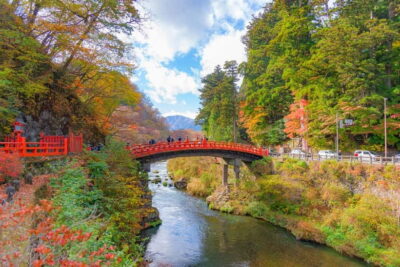
Nikko: Kegon Falls, Lake Chuzenji & Toshogu Temple
Read our review →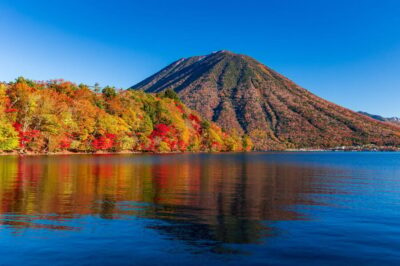
Tokyo: Nikko Toshogu Shrine and Kegon Waterfall Tour
Read our review →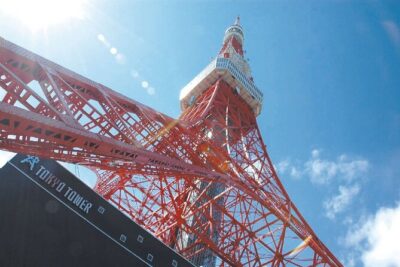
Tokyo Panoramic 1 Day: Meiji Shrine, Asakusa, Odaiba and SKYTREE®
Read our review →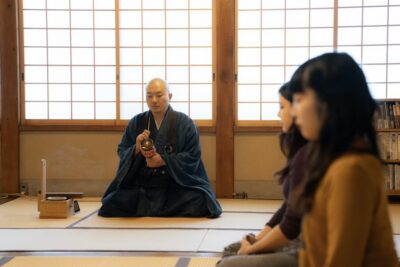
Tokyo: Zen Meditation at a Private Temple with a Monk
Read our review →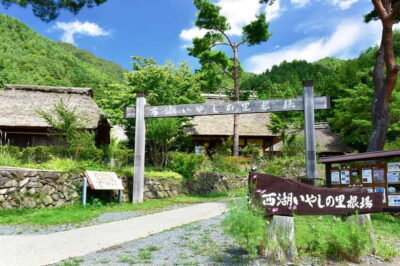
Mt. Fuji Heritage Tour: Traditional Villages, Lakes & Shrine
Read our review →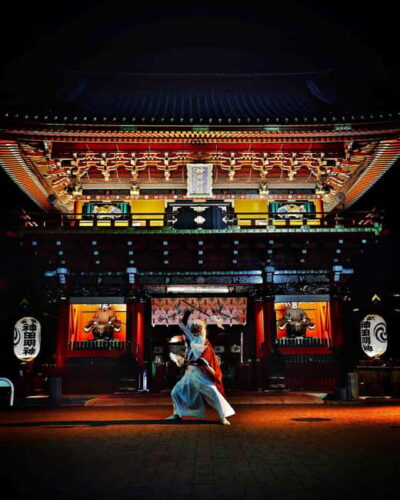
Tokyo: Samurai Entertainment Night Show in Kanda Shrine
Read our review →
Tokyo: Asakusa and Tokyo’s Oldest Temple Senso-ji Tour
Read our review →
Tokyo: Imperial Palace, Sensō-ji Temple, & Tokyo Tower Tour
Read our review →This tour also ranks in