
Review · TOKYO
Tokyo: Asakusa and Tokyo’s Oldest Temple Senso-ji Tour
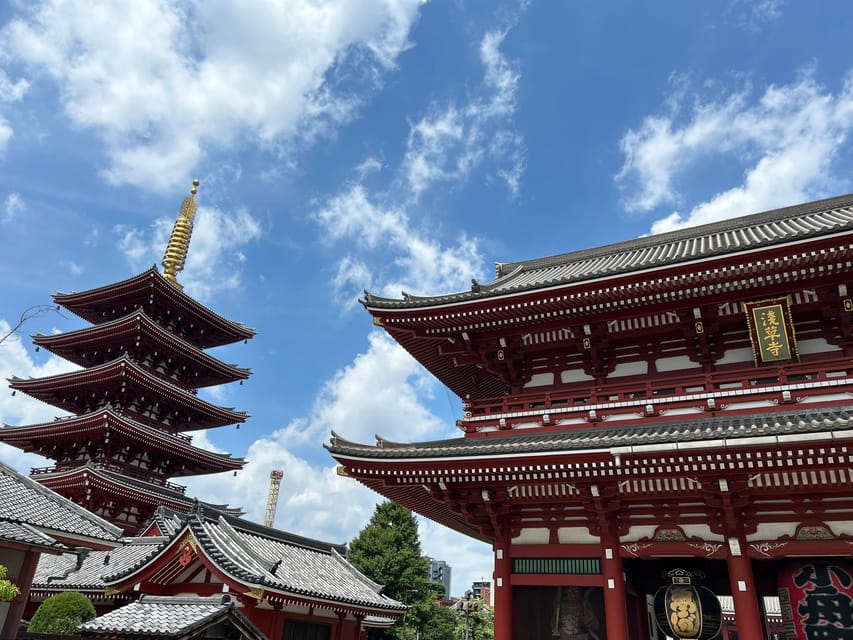
Asakusa gives you Tokyo’s traditional side in one compact walk. You pass beneath the huge Kaminarimon Gate, follow Nakamise Street toward Senso-ji Temple, and learn how this old district survived war, change, and the rise of modern Tokyo. I like the way the tour connects famous sights with small customs, such as how to approach a temple and where local snacks fit into the visit.
I also like the small group of up to 10, which matters on crowded streets. Guides such as Shino, Embla, Nicolas, Aska, and Joe are praised for clear English, good pacing, and practical food and souvenir advice. The main drawback is the setting itself: Asakusa can be packed, and two hours gives you a useful introduction rather than a full day in the neighborhood.
Key points to know before booking
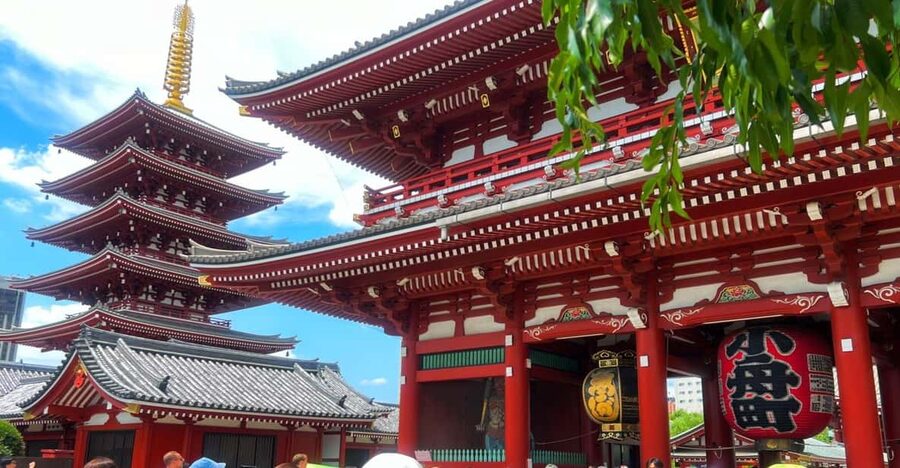
- A compact route through four important stops: Kaminarimon, Nakamise Street, Senso-ji Temple, and Asakusa Shrine.
- Local customs made clear: You can learn how to approach the temple and shrine, handle basic prayer rituals, and understand the difference between the two.
- Guides vary by departure: Shino, Embla, Nicolas, Aska, Joe, and other English-speaking guides lead the walks.
- Small groups help in crowded Asakusa: The group is limited to 10, making it easier to hear the guide and stay together.
- Useful neighborhood advice: Guides point out local sweets, food specialties, souvenirs, and places you might want to return to later.
- Good value at $14: The price is low for two hours of guided sightseeing, especially if this is your first visit to Tokyo.
Why Asakusa is one of the best places to begin in Tokyo
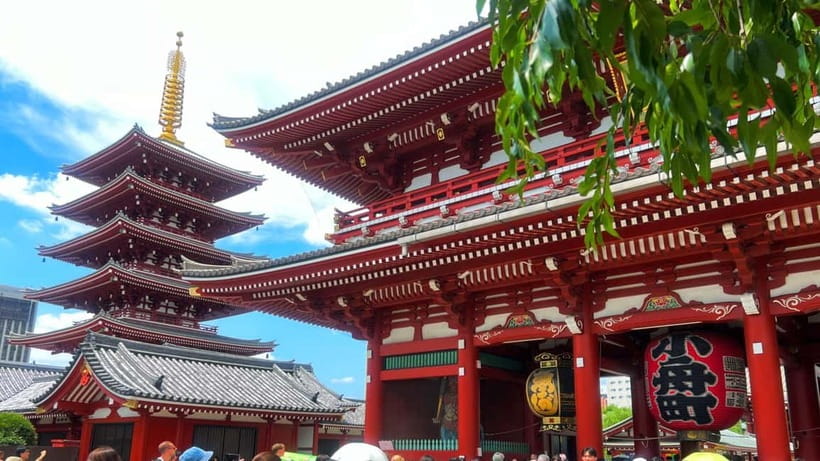
Tokyo can feel hard to read at first. The city is enormous, fast, and full of districts that each have their own mood. Asakusa offers a friendlier starting point because its main sights sit close together and its older traditions remain visible in the streets.
This is the part of Tokyo associated with Edo, the city that later became Tokyo. The tour uses Asakusa’s temples, alleys, shops, and stories to explain how the area changed from a historic center into a major sightseeing district.
You will not get a broad tour of all Tokyo. Instead, you get a focused look at one neighborhood, with context that helps the buildings and rituals make sense. That focus is useful on a first day, but it also works for someone who has already visited Senso-ji and wants to notice more than the main gate and temple hall.
The guide adds the most value here. Senso-ji is easy to reach on your own, but it is harder to understand why certain gates, customs, and nearby buildings matter. Guides including Shino have explained local traditions and pointed out less obvious places. Embla has been praised for keeping a small group organized, while Nicolas is known for detailed temple explanations and patient answers.
Guide assignments can change, so you should not book on the assumption that one particular person will lead your departure. The important point is that the activity is conducted in English and the guide’s role goes beyond pointing at buildings.
More Meiji Shrine and Senso-ji Tours in Tokyo:
- Tokyo: Asakusa Walking Tour with Sensoji Temple Visit
★ 4.8 · 1,583 reviews - Tokyo Panoramic 1 Day: Meiji Shrine, Asakusa, Odaiba and SKYTREE®
★ 4.5 · 1,222 reviews - Tokyo: Meiji Shrine Walking Tour — Shinto & Imperial System
★ 4.9 · 266 reviews
Meeting at Asakusa Station and getting oriented
The walk begins in front of the Starbucks closest to Asakusa Station. The coordinates supplied for the meeting point are 35.7119461, 139.7979446. You should allow enough time to find the correct Starbucks, since a large station area can make a simple meeting point less simple than it sounds.
WhatsApp is requested before the meeting so the guide and group can connect smoothly. That is worth doing in advance rather than trying to install or set up the app while everyone is waiting.
The tour lasts two hours. It is a walking activity, with no transport between the listed stops. Wear comfortable shoes, and remember that the route includes busy public areas where the group may need to pause, regroup, and move at the guide’s pace.
The small-group limit is a real advantage. On one departure, a solo visitor found the group had only two participants, while another group had seven. The size can vary, but the maximum of 10 keeps this from feeling like a large flag-following procession.
Kaminarimon Gate: Tokyo’s grand first impression
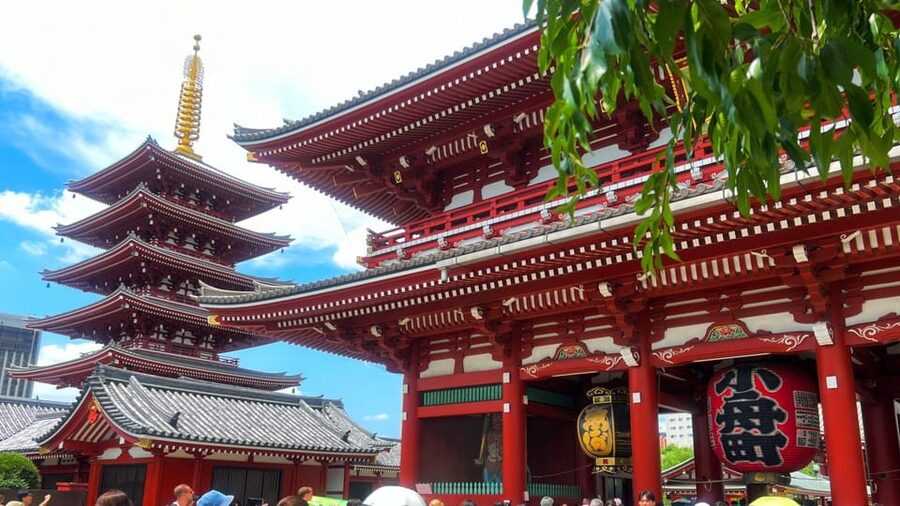
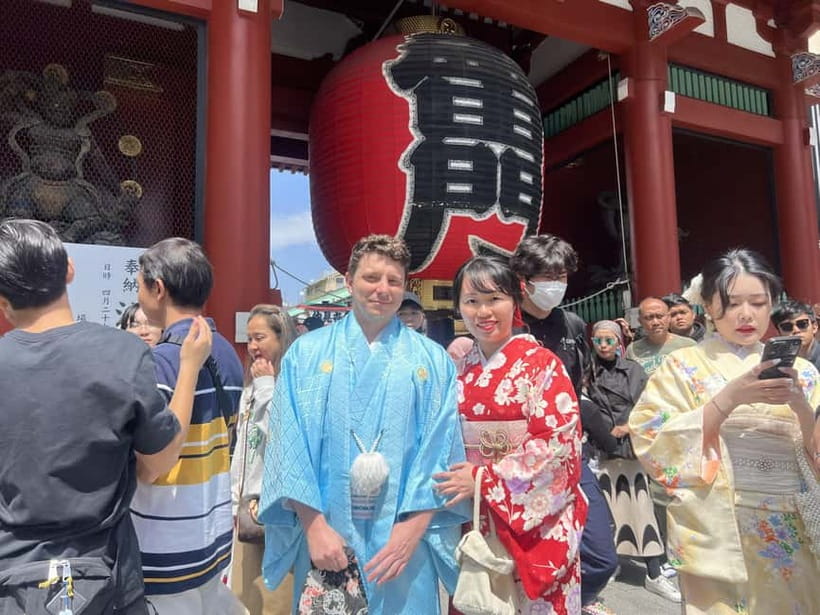
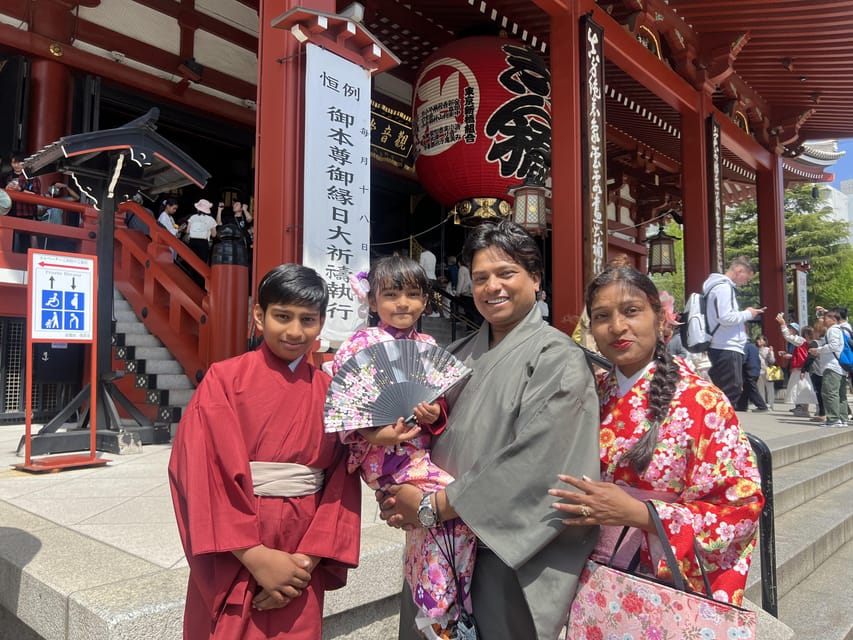
Kaminarimon, or Thunder Gate, is the dramatic entrance to Senso-ji. Its enormous red lantern is the obvious photo subject, but the gate also works as a useful introduction to the relationship between public space, religious sites, and tourism in Asakusa.
The scheduled visit here takes about 30 minutes, including the photo stop and explanation. That may sound long for one gate, but it gives the guide time to explain what you are seeing rather than rush you through a photograph.
Expect crowds. Kaminarimon is one of Asakusa’s best-known meeting and photo points, and the approach can be crowded with people moving in several directions. A guide who keeps checking the group is helpful here. Connie was praised for making sure nobody was left behind, and several guides have been noted for handling the crowd carefully.
This is also where you begin to see the blend of old and new that defines the area. The gate is deeply tied to the temple complex, yet it sits within a busy modern district filled with shops, stations, restaurants, and visitors.
Nakamise Street: snacks, souvenirs, and a little patience
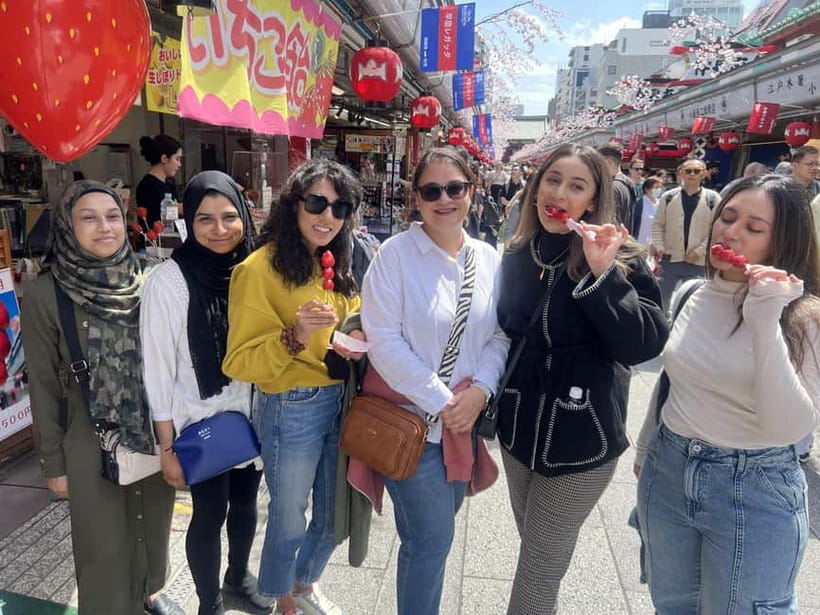
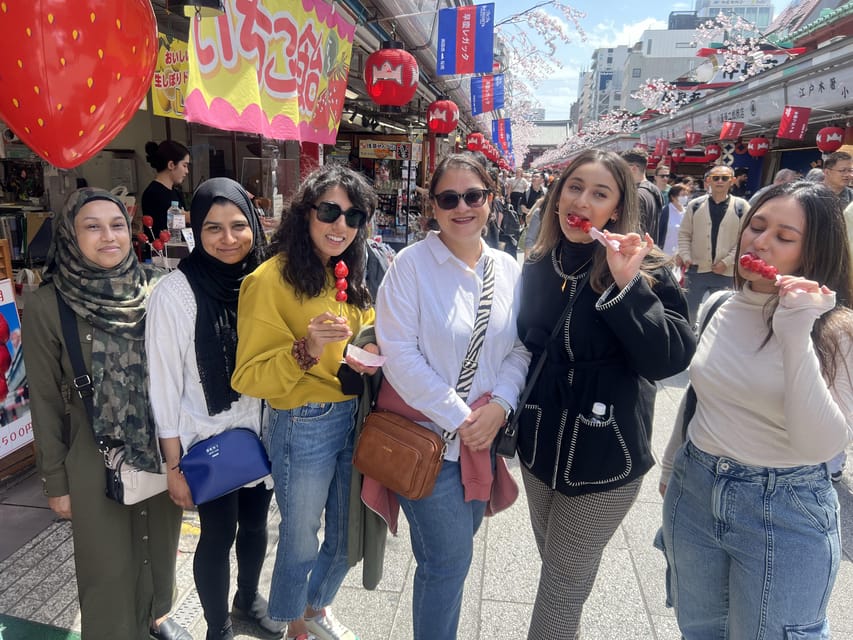
From Kaminarimon, you follow Nakamise Shopping Street toward the temple. The street is lined with traditional-style shops, colorful displays, local sweets, and small souvenirs. It is one of the most enjoyable parts of the route if you like to connect sightseeing with food.
The scheduled stop is about 20 minutes. That is enough for an introduction and for the guide to identify specialties, but it is not enough for a relaxed shopping session. If you see something you want, make a note of the shop and plan to return after the tour.
Guides have pointed out foods such as ningyo-yaki, a small red bean-filled cake associated with the area. You can also ask for suggestions about souvenirs with a genuine local meaning rather than buying the first temple-themed item you see.
The street can be crowded, and the shopfronts may distract you from the guide. Stay close enough to hear the explanation, especially when the group stops near a popular stall. The best use of this part of the tour is not a shopping spree. It is learning what you are looking at, then returning later with time to browse.
More Temple Tours around Tokyo:
- Nikko: Kegon Falls, Lake Chuzenji & Toshogu Temple
★ 4.6 · 1,577 reviews - Tokyo: Nikko Toshogu Shrine and Kegon Waterfall Tour
★ 4.5 · 1,266 reviews - Tokyo: Zen Meditation at a Private Temple with a Monk
★ 5.0 · 510 reviews - Mt. Fuji Heritage Tour: Traditional Villages, Lakes & Shrine
★ 4.5 · 509 reviews
Senso-ji Temple: the heart of the two-hour walk
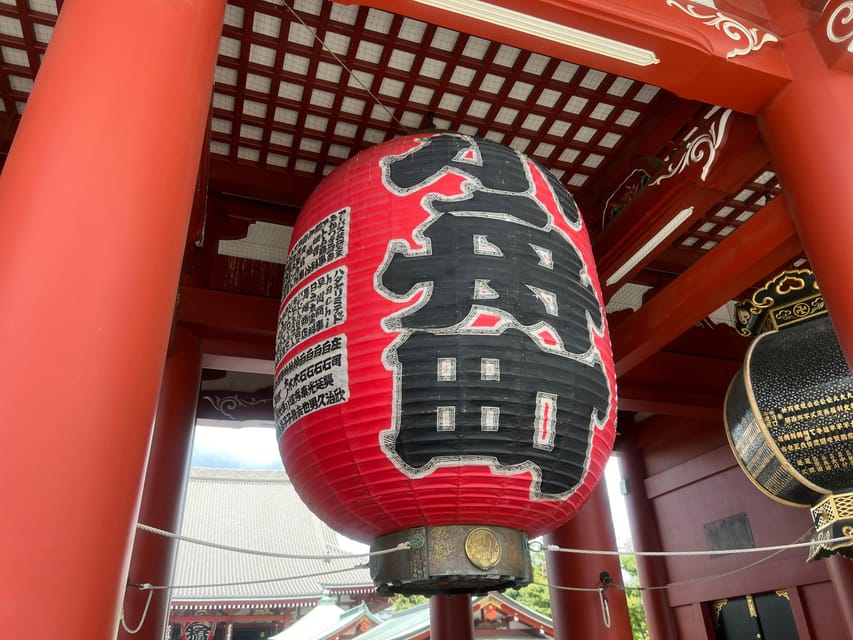
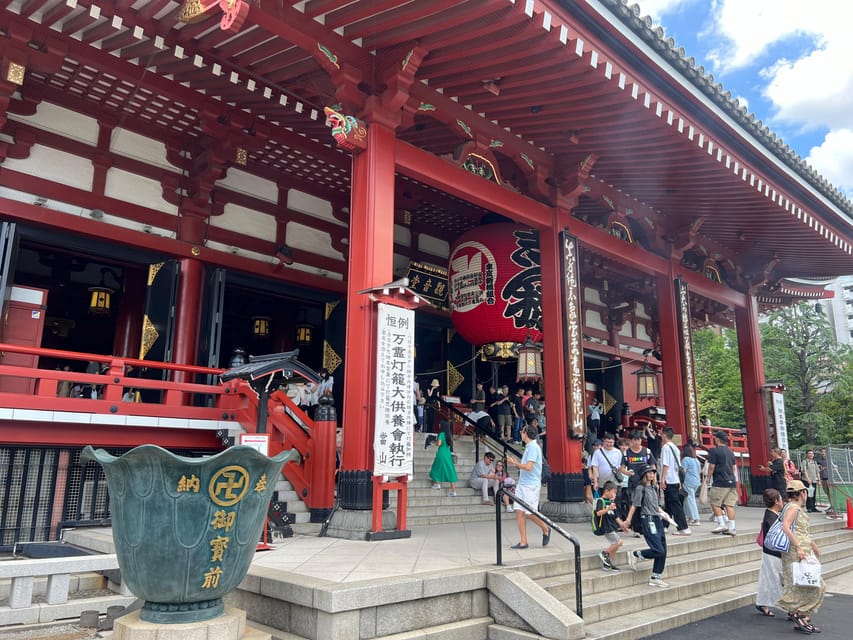
Senso-ji is the main reason many people come to Asakusa. Founded in the seventh century, it is one of Tokyo’s oldest temples and one of the city’s most important religious and cultural landmarks.
The tour allows about 30 minutes for a guided visit, walking, and photographs. That gives you a clear introduction to the complex, though not enough time to explore every corner or linger for a long personal visit.
This is where the guide’s explanation makes the biggest difference. You can learn about Buddhism, the temple’s place in Tokyo’s past, and the basic steps for approaching and praying respectfully. Nicolas has been especially praised for explaining Buddhism and the customs around visiting the temple. Other guides, including Aska and Shino, have taught visitors how to pray and explained details that are easy to miss in a guidebook.
You may also encounter the fortune practice at the temple. One visitor especially enjoyed getting a fortune, though the activity does not promise that this is included as a formal part of the tour. If you choose to try it, ask the guide how it works.
Senso-ji is an active religious site as well as a sightseeing stop. The crowds, cameras, incense, and movement can make it feel like a major attraction, but the guide helps keep attention on its religious purpose. I appreciate that balance. You can take photographs while also learning how to behave respectfully.
Asakusa Shrine: a quieter contrast nearby
The final main stop is Asakusa Shrine, with about 30 minutes for a photo stop and guided visit. Its closeness to Senso-ji makes it easy to visit both, but they are not the same kind of place.
Senso-ji is a Buddhist temple. Asakusa Shrine is a Shinto shrine. The tour uses the two sites to explain differences in Japanese religious practice and the customs connected with each. This is one of the most useful parts for first-time visitors, since temples and shrines can look similar when you do not yet know what signs to notice.
The shrine also helps widen the story beyond the most famous temple. The guide may connect the site with local legends, neighborhood traditions, and the way Asakusa changed over the centuries. The route is not only about ancient buildings. It also covers the area’s connection to samurai-era Tokyo, old entertainment districts, geisha areas, and post-war recovery.
You should expect this stop to remain part of a working city neighborhood, not a silent museum. The contrast between religious sites and modern Tokyo is part of the experience.
What the guides add to the walk
The strongest feature of this activity is the human explanation. The buildings are impressive, but a good guide gives you a reason to care about the details.
Shino, who was born and raised in Tokyo, has shared local food suggestions, souvenir ideas, customs, and less obvious places around Asakusa. That sort of advice is useful if you want to return for lunch or shopping after the walk.
Embla has been praised for clear organization, strong English, and answering questions without rushing. Nicolas has been described as an engaging storyteller who gives careful explanations of Tokyo’s past and temple traditions. Aska has been appreciated for sharing smaller details that guidebooks often leave out, while Joe has been described as friendly, energetic, and easy to talk with.
The range of guide styles means your experience can vary. Some people prefer a structured history lesson. Others want an informal walk with food suggestions and neighborhood tips. The feedback points to guides who can handle both, but you should still expect the exact personality and emphasis to depend on the person leading your group.
A small issue can arise when the group includes slow walkers or people who talk while the guide is speaking. One account described the guide staying calm and becoming more assertive when the tour needed to continue. That is a reasonable tradeoff in a crowded district. The guide has to keep 10 people moving while making sure nobody is lost.
How much you get for $14
At $14 per person, this is inexpensive for a two-hour guided walk in central Tokyo. The value is not in paid attractions alone. Senso-ji and Nakamise Street are public sights you can visit independently, so the real question is whether the explanations and local guidance improve your visit.
For a first visit to Tokyo, I think the answer is yes. The tour gives you a route, basic religious etiquette, historical background, and practical ideas for food and souvenirs. It can also save you time by showing you what deserves a closer look.
The price is less compelling if you already know Asakusa well and prefer to explore alone. Still, one repeat visitor joined the walk and learned new information, so returning visitors should not dismiss it automatically.
The tour includes the guide, walking tour, and admission to the listed Asakusa sights and Senso-ji. You should think of the $14 as payment for interpretation and organization rather than an expensive entry ticket.
Timing, weather, and the crowd factor
Two hours is a good length for a first look. You get enough background to understand the district without giving up half a day. The route ends back at the Starbucks near Asakusa Station, making it easy to continue with lunch, shopping, or another Tokyo stop.
Asakusa’s crowds are the main practical concern. Even a small group cannot make the temple district quiet. Stay alert at Kaminarimon and Nakamise Street, and keep the guide in sight when the route turns or pauses.
Weather also affects comfort. One summer account described very hot conditions, with the guide taking care of the group’s pace and comfort. You should still prepare sensibly for the forecast, since this is an outdoor walk with no promise of extended indoor shelter.
The activity is offered at different starting times, depending on availability. Morning departures can fit well with a full sightseeing day, while an afternoon walk may work better if you prefer a slower start. Check the available time before booking.
Free cancellation is available up to 24 hours before the start time, and you can reserve now and pay later. Those terms are useful if your Tokyo schedule is still shifting.
Who should book this Asakusa walk
I would recommend it most strongly to first-time visitors, solo travelers, couples, and families who want a short introduction without committing to a full-day tour. The small group is especially useful for solo visitors who want company but do not want a large bus-style outing.
It also suits anyone curious about Japanese temple and shrine customs. The practical instruction on how to approach the sites can make the rest of your Japan trip easier and more respectful.
Food-focused visitors will appreciate the advice on local sweets and neighborhood specialties, though this is not a tasting tour. You get recommendations and time to notice the food stalls, not a meal included in the price.
I would be more cautious if you dislike crowds, want long periods for photography, or expect a detailed tour of every part of Senso-ji. The route is compact and public, and the guide must keep moving.
Should you book it?
Book this tour if you want a well-priced introduction to traditional Tokyo and prefer learning the meaning behind the sights rather than simply taking photographs. The combination of Kaminarimon, Nakamise Street, Senso-ji, and Asakusa Shrine gives you a clear picture of why the neighborhood matters.
Skip it if you already know Asakusa, want complete freedom to shop, or would rather spend two hours exploring at your own pace. For most first-time visitors, though, the low price, small group, English guidance, and practical local advice make this a sensible way to begin.
FAQ
How long does the Asakusa and Senso-ji tour last?
The walking tour lasts two hours.
What language is the tour conducted in?
The live tour guide speaks English.
Where is the meeting point?
The group meets in front of the Starbucks closest to Asakusa Station. The supplied coordinates are 35.7119461, 139.7979446.
Which places are visited?
The route includes Kaminarimon, Nakamise Shopping Street, Senso-ji Temple, and Asakusa Shrine. The walk returns to the Starbucks near Asakusa Station.
How large is the group?
The activity is a small-group tour limited to 10 participants.
Can I cancel the booking?
You can cancel up to 24 hours in advance for a full refund. Reserve now and pay later is also available.
Temple visits we reviewed lately in Tokyo
- From Asakusa: Old Tokyo, Temples, Gardens and Pop Culture★ 4.6 · 15 reviews
- Tokyo: Nagano Snow Monkeys and Zenkoji Tour with Temples★ 4.9 · 19 reviews
- Nagano: Snow Monkeys, Zenkoji Temple & Sake Day Trip★ 5.0 · 4 reviews
- From Tokyo: Nagano, Zenkoji Temple, Snow Monkeys Day Trip.★ 4.3 · 4 reviews
- Tokyo/Nagano: private Tour with Snow Monkey Park & Temples★ 4.8 · 13 reviews
- Make a temple stamp book with artist★ 4.9 · 10 reviews
- Kamakura Temples Private Guided Tour from Tokyo★ 4.8 · 21 reviews
- Join a Unique Cultural Ceremony at Tokyo’s Meiji Shrine★ 5.0 · 9 reviews
Tokyo Temple Tours, compared.
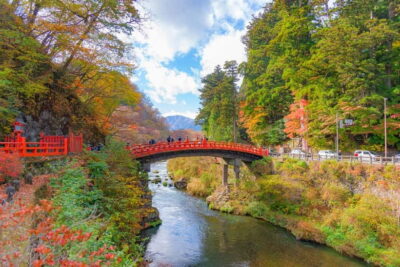
Nikko: Kegon Falls, Lake Chuzenji & Toshogu Temple
Read our review →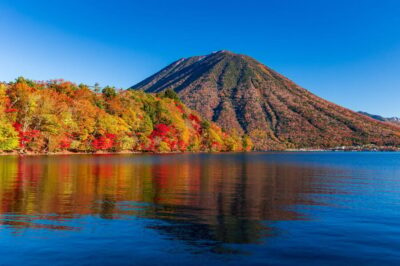
Tokyo: Nikko Toshogu Shrine and Kegon Waterfall Tour
Read our review →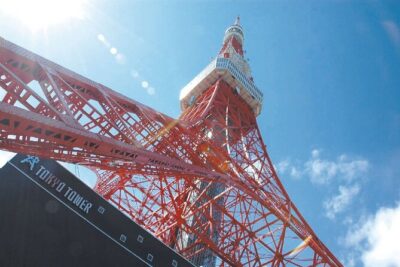
Tokyo Panoramic 1 Day: Meiji Shrine, Asakusa, Odaiba and SKYTREE®
Read our review →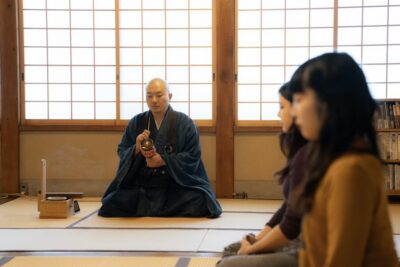
Tokyo: Zen Meditation at a Private Temple with a Monk
Read our review →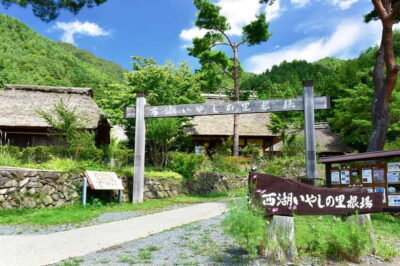
Mt. Fuji Heritage Tour: Traditional Villages, Lakes & Shrine
Read our review →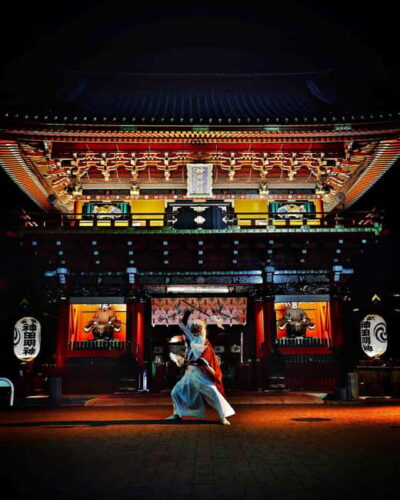
Tokyo: Samurai Entertainment Night Show in Kanda Shrine
Read our review →
Tokyo: Imperial Palace, Sensō-ji Temple, & Tokyo Tower Tour
Read our review →
Tokyo: Meiji Shrine Walking Tour — Shinto & Imperial System
Read our review →This tour also ranks in