
Review · OSAKA
Osaka Temple :Warm Bamboo Oil Massage – Deep Restore〈90min〉
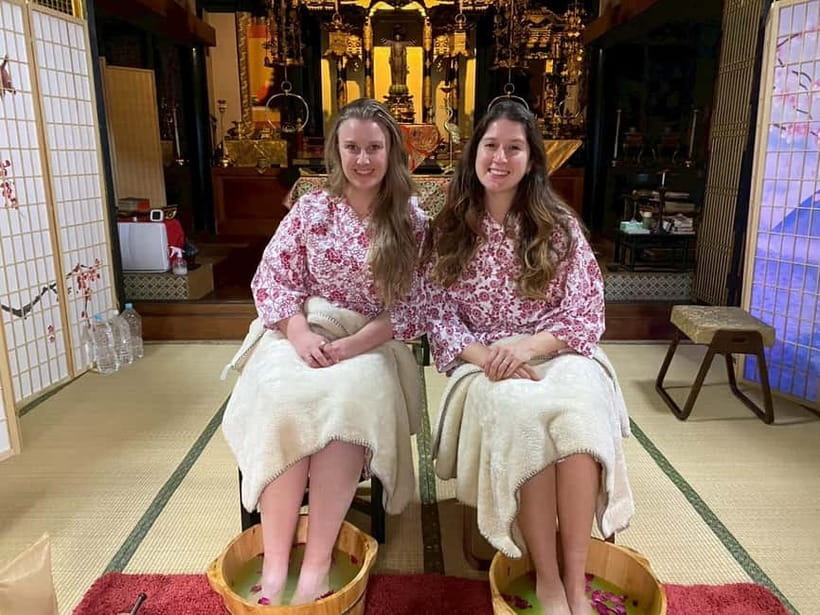
The unusual part comes first: this is not simply a massage in a spa room. You change into a simple yukata, offer incense at a temple, sit for Zen meditation, and then settle in for warm bamboo and hand oil work. The session finishes with matcha, Japanese sweets, and a small photo keepsake.
I like the way the visit joins hands-on relaxation with Japanese customs. I also like the small group limit of three, which gives the setting a quiet feel and leaves room for explanations about worship, tea, and temple life. The main consideration is timing: the massage itself is 90 minutes, while the full appointment lasts about two hours, so this is a cultural wellness visit rather than a straight two-hour massage.
Key points at a glance
- Warm bamboo myofascial work: Bamboo tools are used with oil and hand massage for a full-body treatment.
- Temple rituals before the treatment: Incense offering, a foot bath, kneaded incense, and meditation set the pace.
- A real tea lesson: Matcha, traditional sweets, and explanations about Japanese tea culture are part of the visit.
- Yukata and smartphone photos: You receive a simple yukata and complimentary photos to take home.
- Small groups: The normal group size is limited to three, though meditation may be shared with other people.
- Easy booking flexibility: Cancellation is free up to 24 hours before the appointment, and you can reserve now and pay later.
Why this Osaka temple visit feels different
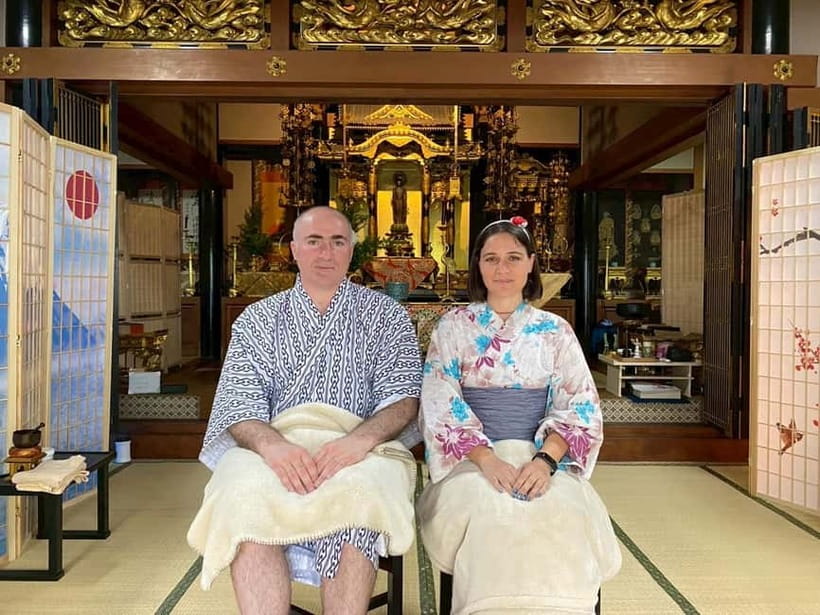
Many massage appointments begin with paperwork, a treatment room, and a quick question about pressure. Here, the opening is slower and more ceremonial. You arrive, receive a welcome drink, change into a yukata, and learn a little about the temple and Japanese worship customs before the bodywork begins.
That order matters. It gives you time to stop thinking about Osaka’s streets and settle into the room. The incense offering and bell-led meditation are not just decorative extras. They provide a clear transition from sightseeing to rest.
The setting also changes the tone. You are not being asked to rush from one tourist stop to the next. Instead, the visit asks you to sit still, listen, and notice small details. If you want a spa treatment with a strong Japanese cultural setting, this has more character than a standard hotel massage.
More temple days that end with a massage in Osaka:
- Osaka Temple Head Spa &Matcha Facial – Refresh & Glow〈90min〉
★ 5.0 · 24 reviews - Osaka Temple :Warm Bamboo Oil Massage – Deep Restore〈60min〉
★ 4.9 · 19 reviews - Osaka: Japanese Zen Massage and Facial at the Temple/180-min
★ 4.8 · 10 reviews
Arriving at the correct entrance
The meeting point requires care. In Google Maps, enter Japanese Massage -the one&only- rather than the temple name. Searching only for the temple can send you to the back entrance, where it is easy to get turned around.
If the map still causes trouble, search for the restaurant Tossa de coracao. The meeting point is right next to it. This is a small but important tip, especially if you are arriving on a tight schedule or after dark.
The provider is japanese massage 唯一無二, also described as the one&only. English and Japanese are available, so you can ask questions about the sequence, pressure, or cultural customs without relying entirely on gestures.
The first ritual: yukata, incense, and meditation
The visit starts with a welcome drink and a change into a simple yukata. Do not expect an elaborate costume rental or a long dressing lesson. The yukata is part of the atmosphere and gives the appointment a distinctly Japanese feel without turning it into a costume show.
Next comes a temple visit with an incense offering. You receive an introduction to the temple’s history and to Japanese worship culture, so the ritual has some context rather than feeling like a photo opportunity. If you have never used incense in a Japanese religious setting, this is a useful chance to learn the basic meaning and manners.
Zen meditation follows, with a bell and kneaded incense. The meditation may be shared with other people unless you request a private arrangement. That means the quiet is not guaranteed to be completely exclusive, but the small-group format keeps the gathering limited.
I would treat this section as a gentle reset, not as an intensive meditation class. You are given a taste of temple stillness before the massage. For someone who wants a practical introduction to Zen customs, that balance works well. For someone seeking a silent retreat, the shared format may feel less private than expected.
Foot bath and scrub massage
Before the full-body work, you receive a foot bath and scrub massage. This is a simple but effective bridge between the temple rituals and the longer treatment. Warm water helps you shift attention into the body, while the scrub adds a tactile beginning before the oil is applied.
The foot treatment also makes sense after a day of walking around Osaka. It is not presented as a medical foot therapy, and you should not book it expecting diagnosis or clinical treatment. Think of it as a soothing preparation for the massage that follows.
This portion is one reason the two-hour appointment should not be judged by massage minutes alone. The total visit includes several small stages, and each one helps create a slower rhythm.
More temple trips with a massage in Osaka:
- Bangkok: Wat Pho Thai Massage in Your Hotel Room
★ 4.6 · 68 reviews
The 90-minute warm bamboo oil massage
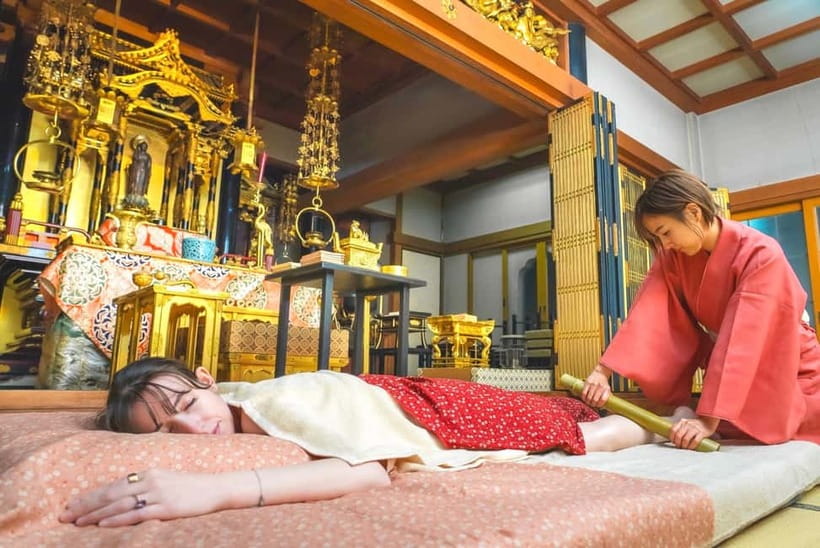
The main treatment combines full-body oil massage, hand work, and warm bamboo tools. The bamboo is used for myofascial release, with the goal of working through areas that may feel tight or overworked. Warm tools can provide a different sensation from hands alone, while the oil allows longer, smoother movements.
The treatment is listed as 90 minutes, which makes it the clear centerpiece of the appointment. You should tell the practitioner if you prefer lighter or firmer pressure, especially if you are new to bamboo massage. The service is designed for relaxation and restoration, not as a replacement for medical care.
One practitioner named in the feedback is Arisa. She was specifically praised for both massage skill and guidance through the cultural parts of the visit. Staff are also repeatedly described as warm and caring, which matters here because the appointment involves several transitions and customs.
The wording also mentions Reiki, described as a non-contact Japanese energy method intended to support relaxation and emotional balance. The main treatment details focus on the oil massage, bamboo, and myofascial work, so if Reiki is important to you, ask how it fits into your particular appointment rather than assuming it replaces any part of the massage.
The strongest reason to book is simple: the bodywork has substance. You are not paying only for a temple backdrop and a cup of matcha. You receive a lengthy massage, with the bamboo technique providing something different from a standard oil treatment.
Matcha, sweets, and the art of slowing down
After the massage, the visit moves to a traditional Japanese tea ceremony. Matcha is served with original Japanese sweets, and the cultural and historical background of the ceremony is explained.
This is not merely a snack at the end. Tea preparation gives the visit a calm finish and lets you understand why the movements, utensils, and serving order matter. You do not need prior knowledge of tea culture. The point is to watch, listen, taste, and ask questions.
The sweets are an especially nice touch because they balance matcha’s earthy bitterness. They also keep the tea portion connected to Japanese hospitality rather than making it feel like a generic beverage stop.
If you have already attended a formal tea ceremony in Kyoto, this may feel introductory. That is not a flaw. The shorter, more welcoming format suits a first encounter and fits neatly around the massage.
The yukata photo keepsake
Complimentary smartphone photos are included, so you can take home a record of the temple visit and your yukata. This is a small inclusion, but it gives the appointment a clear memory beyond the relaxed feeling that may fade once you return to the city.
The photos are taken with a smartphone, not described as a formal professional portrait session. Keep your expectations at that level. You receive a personal keepsake rather than a staged photography package.
For couples, the yukata and photo can make the visit feel more shared and less like separate spa appointments. The format has worked well for couples seeking quiet time during a trip, though the usual small-group setting means not every part of the visit is automatically private.
Price, timing, and what you are really buying
At $129 per person, the value depends on how much you want from the visit. If your only goal is the lowest-cost 90-minute massage, you may find simpler options elsewhere. This price also covers the temple setting, cultural explanations, meditation, incense, foot bath, matcha, sweets, yukata, and photos.
I think the price makes the most sense for someone who would otherwise pay for both a massage and a cultural activity. You receive both in one appointment, with the benefit of not having to arrange separate transport between them.
The advertised duration is two hours, while the massage is 90 minutes. The remaining time is used for the welcome, changing, temple customs, meditation, foot bath, tea ceremony, and photos. Plan around the full two hours, not just the treatment length.
The small group limit of three is another part of the value. You are not booking a large class or a crowded wellness session. Still, meditation may be shared with other people unless you request a private format, and reservations for three people are handled by email.
Booking is flexible: you can cancel up to 24 hours ahead for a full refund, and reserve now while paying later. Starting times depend on availability, so check the schedule before building the rest of your Osaka day around it.
Who will enjoy this most
I would recommend this to you if you want:
- A serious massage with a clear cultural setting
- A gentle introduction to Zen meditation and incense customs
- A special activity for a couple
- A quiet break after several busy sightseeing days
- A small-group appointment in English or Japanese
- A memorable alternative to a standard spa treatment
It is also a good fit if you enjoy learning through small rituals. The tea, incense, yukata, and meditation are not long lectures. They are short activities that let you understand Japanese customs by taking part.
You may want another option if you dislike oil massage, find changing clothes inconvenient, or want complete privacy throughout. The meditation can be shared, and the experience includes cultural elements that take time away from the massage itself.
It is less suitable for anyone seeking medical massage or treatment for a specific injury. The service is framed around relaxation, body release, and emotional balance, not clinical assessment.
Practical advice before you go
Wear clothing that is easy to change out of, even though a simple yukata is provided. Arrive with enough time to find the correct entrance, since the temple name may lead you to the back of the property.
Tell the practitioner about your preferred pressure before the oil massage begins. Bamboo work can feel different from a hand-only massage, and a short conversation at the start can help shape the session.
If you are booking for three people, contact the provider by email. If privacy during meditation is important, request a private experience ahead of time rather than assuming the small group limit guarantees it.
Give yourself room after the appointment. The treatment and meditation are intended to leave you calm, and rushing straight into a packed schedule may undercut that feeling. The activity lasts about two hours, but I would allow extra time afterward if your schedule permits.
Should you book the Osaka temple massage?
Book it if you want more than bodywork. The strongest features are the 90-minute warm bamboo oil massage, the calm temple setting, and the thoughtful progression from incense and meditation to tea and sweets. The small group size and English support make the cultural side approachable.
Skip it if you want a private two-hour massage with no ceremony, or if $129 feels high for a treatment that includes 90 minutes of massage rather than two full hours. For the right person, though, this is a well-balanced Osaka activity: restorative, personal, and connected to Japanese customs without demanding a full day.
FAQ
How long does the Osaka temple massage activity last?
The full activity lasts about two hours. The main warm bamboo and oil massage lasts 90 minutes, with the remaining time used for the welcome, yukata, temple visit, meditation, foot bath, tea ceremony, sweets, and photos.
What is included in the massage?
The treatment includes a foot bath and scrub massage, warm bamboo work, hand oil massage, and full-body oil massage with myofascial release.
Is a yukata provided?
Yes. A simple yukata is included, and you can have a commemorative smartphone photo taken during the visit.
Is matcha included?
Yes. The activity includes a traditional Japanese tea ceremony with matcha, original Japanese sweets, and explanations about the ceremony’s cultural and historical background.
Can I request a private meditation?
Zen meditation may be shared with other people unless a private experience is requested. Ask for a private format when arranging your booking.
What languages are available?
The provider offers support in English and Japanese.
How do I find the meeting point?
Search Google Maps for Japanese Massage -the one&only-. Using the temple name may take you to the back entrance. You can also search for the restaurant Tossa de coracao, which is next to the meeting point.
Temple visits we reviewed lately in Osaka
- Osaka Temple Head Spa &Matcha Facial – Refresh & Glow〈90min〉★ 5.0 · 24 reviews
- Osaka Temple :Warm Bamboo Oil Massage – Deep Restore〈60min〉★ 4.9 · 19 reviews
- Osaka: Temple Tour and Traditional Calligraphy Lesson★ 4.9 · 24 reviews
- Osaka: Sumiyoshi, Osaka’s Most Iconic Shrine – Private Tour★ 4.7 · 4 reviews
- Osaka: Mind & Spirit Balance Temple Reiki Healing★ 5.0 · 41 reviews
- Osaka: Private Tour of Shitennoji, Osaka’s Oldest Temple★ 4.5 · 6 reviews
- Osaka Morning Tour: Shitennoji Temple, Shinsekai &Doutonbori★ 5.0 · 23 reviews
- Osaka: Japanese Zen Massage and Facial at the Temple/180-min★ 4.8 · 10 reviews
Osaka Temple Tours, compared.
Kyoto: Full-Day English Guided Tour of Kyoto’s Highlights
Read our review →
Osaka: Minoh, Katsuoji Temple, & Minoh Falls Full-day Tour
Read our review →Full Day Kyoto Tour : Bamboo Forest, Golden Temple, Fushimi Inari
Read our review →
Osaka Temple Cool Foot Bath & Matcha Experience〈45min〉
Read our review →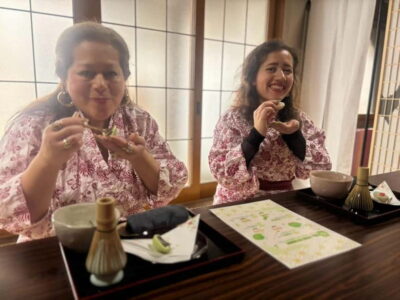
Osaka: Mind & Spirit Balance Temple Reiki Healing
Read our review →
Osaka: Minoh Waterfall & Katsuo-ji Temple Half-Day Tour
Read our review →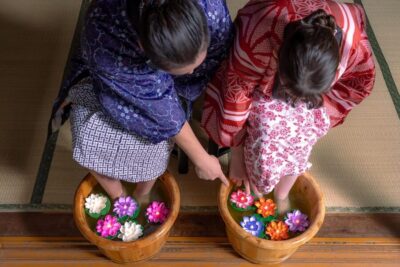
Osaka Temple Head Spa &Matcha Facial – Refresh & Glow〈90min〉
Read our review →
Osaka: Temple Tour and Traditional Calligraphy Lesson
Read our review →This tour also ranks in