
Review · OSAKA
Get to know Minoo from Osaka. Katsuoji Temple, Ryuanji Waterfall and Ryuanji Temple
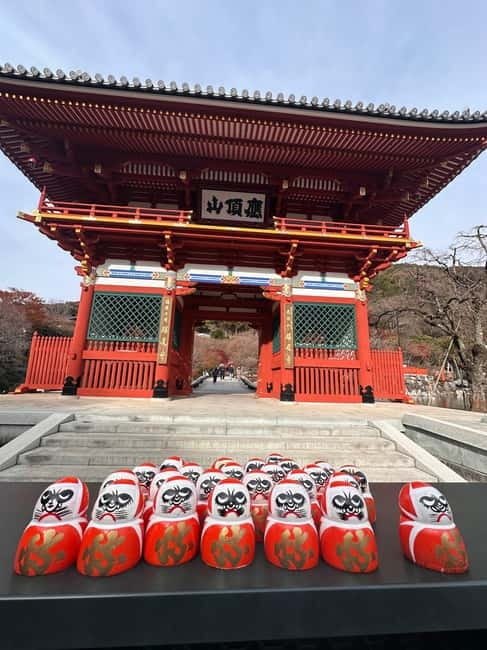
Thousands of red darumas wait among the mountain gardens of Katsuoji Temple, giving this six-hour outing a look unlike anything in central Osaka. You combine Japanese religious tradition with a forest walk to Minoo Waterfall, all in a small group led in Spanish.
I like the unusual temple setting, where daruma dolls appear on steps, shelves, walls, and garden corners. I also like the chance to try momiji tempura, a local Minoo snack, on the way to the waterfall. The main consideration is transport: trains and buses are part of the day, transport costs are extra, and punctuality matters because services are limited.
Key points to know
- Katsuoji Temple is filled with darumas: Learn why these round figures are linked with wishes, effort, and victory.
- Minoo Waterfall takes you beyond Osaka: A scenic trail leads through nature to one of the area’s best-known waterfalls.
- Momiji tempura is a local specialty: You have the chance to taste fried maple leaf, a snack associated with Minoo.
- The group is limited to seven people: That keeps the walk and explanations more personal than a large coach tour.
- The tour is conducted in Spanish: Guides including Manuel and Albert have led this experience, and Manuel is also noted for helping with photos and cultural questions.
- Public transport is part of the adventure: Bring an ICOCA, SUICA, or PASMO card, or allow time to obtain one with help from the guide.
Why this outing feels different from an Osaka city tour
Osaka is easy to enjoy from its shopping streets, food districts, and tall buildings. This trip gives you a different side of the region without requiring a full day away from the city. You leave from the main gate of HEP FIVE, then make your way by subway and bus toward the mountains.
That change of pace is the real appeal. The tour is not only a sightseeing transfer between two attractions. You spend time learning about Japanese religious customs at Katsuoji, then walk through nature toward Minoo Falls. The two parts work well together: one is highly visual and cultural, while the other gives you space to walk, breathe, and take photographs.
The Spanish-speaking format is important if you want more than a quick look. The guide explains what you are seeing and answers questions about Japanese history and religion. That can make a major difference at a temple, where a display of dolls and decorations may otherwise seem attractive but confusing.
The small group, limited to seven participants, also helps. It is easier to stay together on public transport, hear the guide, and ask for help. Past tour leaders have included Manuel and Albert. Manuel is especially noted for patient explanations, help with photography, and practical recommendations for places to eat and visit in Osaka.
More Temple and Waterfall Tours in Osaka:
- Osaka: Minoh Waterfall & Katsuo-ji Temple Half-Day Tour
★ 4.7 · 27 reviews - Ubud: Waterfalls, Water Temple & Rice Terraces Private Tour
★ 5.0 · 5,484 reviews - Tokyo: Nikko Toshogu Shrine and Kegon Waterfall Tour
★ 4.5 · 1,266 reviews
Starting at HEP FIVE in Osaka
Your day begins at the main gate of the HEP FIVE shopping mall. The exact meeting point is shown in the tour photos, and the guide contacts the group the day before to confirm it.
Allow extra time to reach HEP FIVE. This is a city meeting point, not a quiet station entrance, and Osaka’s busy streets can make a simple rendezvous take longer than expected. Arriving early is wise because the day depends on catching the right subway, bus, and train connections.
From HEP FIVE, the first subway ride takes about 20 minutes. You then continue by bus for roughly 30 minutes toward Katsuoji. The transport is public rather than private, and those fares are not included in the $76 price.
You should have a transport card ready. ICOCA, SUICA, and PASMO are all mentioned as useful options. If you do not have one, the guide can help you get one, but do not treat that as a reason to arrive late. There are not many buses and trains serving the temple area, so a missed connection can affect the whole group.
Katsuoji Temple and its thousands of darumas
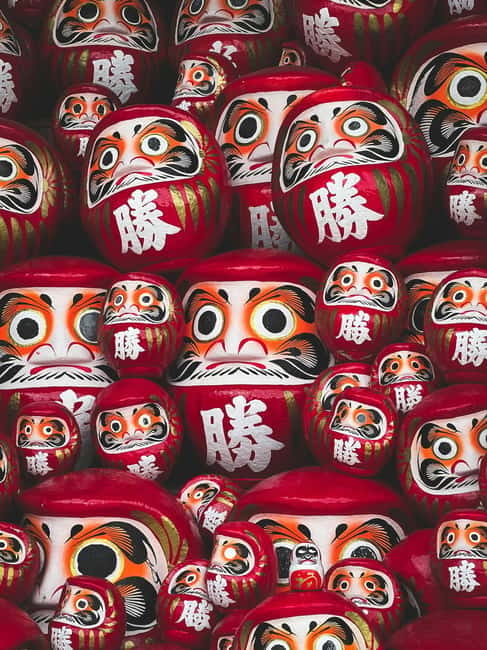
Katsuoji is the visual centerpiece of the morning. The temple is known as the Temple of Victory, and its grounds are filled with daruma dolls. These small, round figures are traditionally connected with making a wish, setting a goal, and continuing until the goal is reached.
The darumas create a memorable setting. You see them placed around the temple grounds and gardens, where their bright faces contrast with the surrounding mountain scenery. This is not simply a stop for taking a quick photograph. The guide gives you the cultural background that helps explain why the dolls matter.
The temple visit lasts about two hours and 15 minutes, giving you enough time to walk, listen, and look closely. The gardens are described as dreamlike, but the practical point is simpler: you have room to slow down after the city commute and notice details you might miss on your own.
A small activity at the temple involves stamping a postcard. One guide even prepared a postcard for a participant’s friend who could not attend. It is a modest detail, but it gives the visit a personal touch and creates a simple souvenir beyond photographs.
The entrance fee to Katsuoji is included in the tour price. That helps keep the cost clear, although you still need to budget for public transport, food, and any personal purchases.
The religious and cultural side of the visit
You do not need to know much about Japanese Buddhism or temple customs before joining. The tour is designed to introduce you to Japanese spirituality in an accessible way, using the daruma tradition as a starting point.
That matters because Katsuoji is more than a photogenic collection of dolls. The Temple of Victory idea connects the figures with hope, persistence, and personal aims. A guide can explain those ideas in context instead of leaving you to guess why the darumas are there.
The Spanish language also makes the cultural side more useful for Spanish-speaking visitors. Questions about religion, history, and local customs can be answered as you go. Some people who do not speak Spanish fluently have still found the explanations manageable, with help in English when needed, but Spanish is the stated tour language.
You should expect a walking visit rather than a formal indoor lecture. Comfortable clothes and shoes are essential. Water is also worth carrying, especially during warmer weather, because the tour includes the temple grounds, a trail, and several public transport changes.
More Temple Tours around Osaka:
- Osaka: Minoh, Katsuoji Temple, & Minoh Falls Full-day Tour
★ 4.9 · 172 reviews - Full Day Kyoto Tour : Bamboo Forest, Golden Temple, Fushimi Inari
★ 5.0 · 84 reviews - Osaka Temple Cool Foot Bath & Matcha Experience〈45min〉
★ 4.9 · 82 reviews - Osaka: Mind & Spirit Balance Temple Reiki Healing
★ 5.0 · 41 reviews
The walk toward Minoo Waterfall
After Katsuoji, you continue by public transport for about 20 minutes before reaching the Minoo area. The second major section of the experience is a guided walk of around two hours.
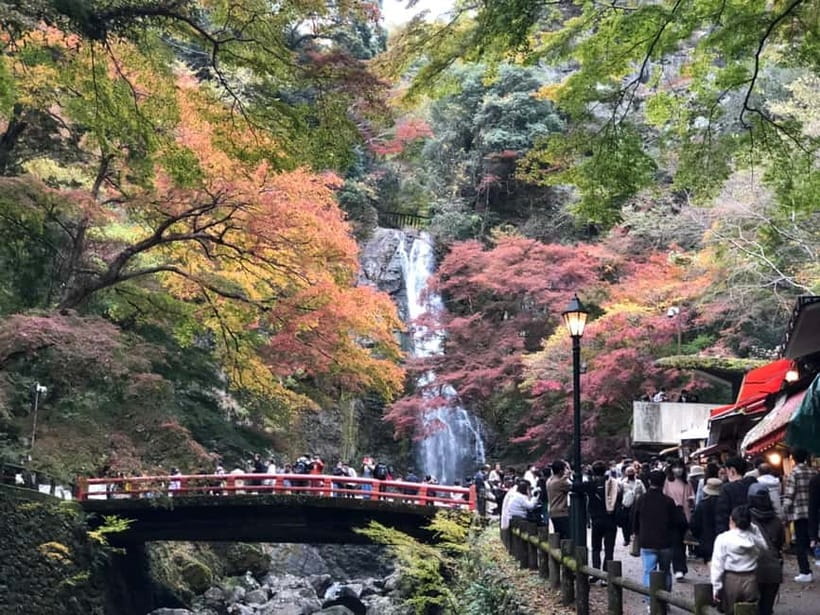
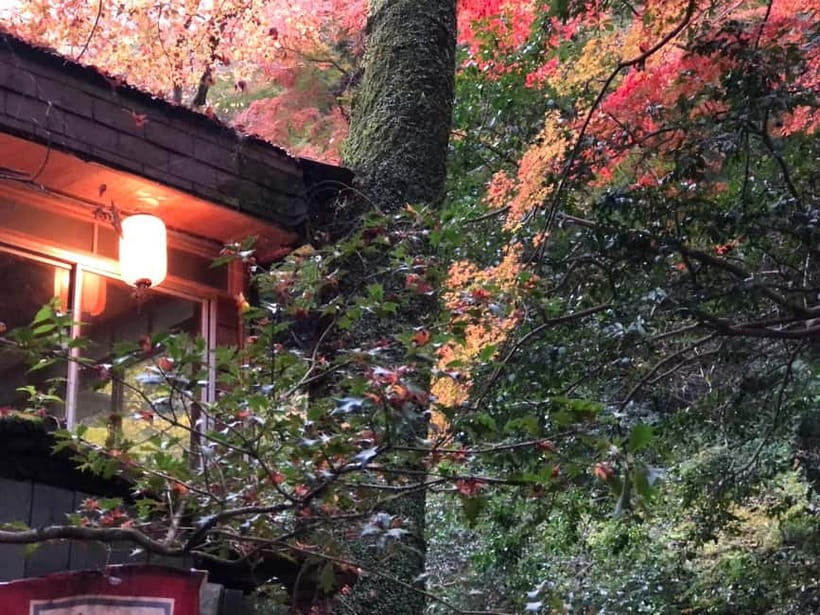
The route leads through nature toward Minoo Waterfall. This is where the day feels far removed from Osaka’s urban center. You are not simply stepping off a bus beside a viewpoint. The walk gives you time to enjoy the path and see how the temple area connects with the wider natural setting.
Minoo Waterfall is one of the region’s best-known waterfalls. Its height and calm surroundings provide a clear contrast with Katsuoji’s colorful darumas. The stop is well suited to photographs, but it also offers a quiet pause. You can sit, look at the water, and let the guide point out the connection between the waterfall and the nearby Ryaunji Temple.
The supplied description refers to Ryaunji Temple as historically linked with the Minoo waterfall. In practical terms, the day combines the religious and natural attractions associated with this area. You should check the exact walking sequence with the guide on the day, since the listed itinerary gives the main stops as Katsuoji and Minoo Falls rather than setting out a separate timed visit for Ryaunji.
Trying momiji tempura in Minoo
One of the most distinctive details of the outing is momiji tempura. This local snack uses maple leaf and is associated with Minoo. It is the kind of small food experience that gives a place its own character, rather than something you are likely to find on a standard Osaka food tour.
Do not expect it to replace lunch. Lunch is not included, and the tour information does not specify a full meal stop. Bring cash for food and snacks, including momiji tempura, and ask the guide how much time is available for eating.
The cash advice is useful beyond food. Small purchases and transport arrangements can be easier when you are not relying only on a card. You should also carry water, since the day includes a walk and several transfers.
Is the six-hour schedule comfortable?
The advertised duration is six hours, including the travel from HEP FIVE and the return to Osaka. The basic timing is:
- About 20 minutes by subway from HEP FIVE
- About 30 minutes by bus to Katsuoji
- Around two hours and 15 minutes at Katsuoji
- About 20 minutes by public transport to the Minoo area
- Around two hours at Minoo Waterfall
- About 20 minutes by subway to return to HEP FIVE
The schedule gives you proper time at both major stops, but it is not a slow, private excursion. You need to stay on time, especially when buses and trains are infrequent. If you dislike public transport or want complete control over the pace, a private car outing may suit you better.
For most people, the transport is part of the value. You see how residents move between Osaka and the surrounding area, and the journey helps the day feel like a local outing rather than a packaged transfer. Still, you should be ready to stand or walk between connections, and you should keep your belongings easy to carry.
What the $76 price includes
At $76 per person, the tour offers a six-hour guided day, a small group of no more than seven people, and admission to Katsuoji Temple. The value depends on how much help you want with transport and cultural interpretation.
If you visit both places alone, you would still pay for transport and temple admission, then need to manage the connections and work out the meaning of the darumas yourself. The tour adds a Spanish-speaking guide, route planning, explanations, and help during the public transport sections.
The price does not include transportation during the tour or lunch. That is the most important budget detail. Plan for transit fares, food, momiji tempura, and personal spending. The entrance fee is covered, but the day is not all-inclusive.
The small group improves the value for anyone who likes to ask questions. It also helps with photographs. Several comments about the experience highlight the guide’s patience and skill with photos, especially Manuel. That is useful if you want a few well-composed memories without handing your phone to strangers.
Who will enjoy this tour most?
I would recommend this experience to you if you want a break from Osaka’s shopping and food districts, but do not want to commit to a full-day excursion. It is a strong choice for Spanish speakers who want cultural explanations while visiting a temple and walking in nature.
It also suits you if you like unusual details. Katsuoji’s darumas and Minoo’s maple leaf tempura are more distinctive than a standard shrine-and-shopping itinerary. The postcard stamping activity adds another small, hands-on element.
The outing may be less suitable if you have difficulty with walking, public transport, or keeping to a fixed timetable. Baby carriages are not allowed, and pets are not allowed except assistance dogs. Comfortable shoes are not optional advice here. The temple grounds, trail, and station connections make footwear a real part of your preparation.
Rain does not necessarily cancel the appeal. One participant found the day enjoyable even in very rainy weather, but wet conditions can make the walk less comfortable. Bring clothing that suits the forecast, and remember that the guide cannot control the weather or the transport schedule.
Practical details before you reserve
The activity lasts six hours, has a Spanish-speaking live guide, and limits the group to seven people. The guide confirms the meeting point one day before the tour.
You can cancel up to 24 hours before the start for a full refund, and the reserve-now, pay-later option keeps you from paying at the time of booking. Check the available start times before choosing your date.
Bring:
- Comfortable walking shoes
- Water
- Comfortable clothing
- Cash
- An ICOCA, SUICA, or PASMO card if you already have one
The most important preparation is simple: arrive early and be ready to move. This is a public transport day, not a door-to-door bus tour.
Should you book the Katsuoji and Minoo tour?
Book it if you want to see a quieter side of the Osaka area, enjoy a small group, and value explanations in Spanish. Katsuoji’s darumas are the main draw, while the waterfall, forest path, and momiji tempura give the day a good second half.
Think twice if you want lunch included, private transport, or a completely flexible schedule. At $76, the tour is worthwhile for the guidance, temple admission, route support, and small-group attention, but you must add transit and food costs.
For the right person, this is a well-balanced Osaka escape: a colorful temple, a local snack, a waterfall, and enough walking to make the city feel pleasantly far away.
FAQ
How long does the Katsuoji and Minoo tour last?
The tour lasts six hours, including the public transport journeys from HEP FIVE and the return to Osaka.
Where is the meeting point?
The meeting point is at the main gate of the HEP FIVE shopping mall in Osaka. The guide contacts the group one day before the tour to confirm it.
Is transportation included in the price?
No. Transportation during the tour is not included. You should bring an ICOCA, SUICA, or PASMO card, or get help obtaining one before taking the bus to Katsuoji.
Is lunch included?
No. Lunch is not included. Bring cash for food, snacks, and personal purchases.
What language is the tour conducted in?
The live tour guide speaks Spanish. Some information may also be provided in its original language.
How large is the group?
The tour is limited to seven participants.
What should I bring, and what is not allowed?
Bring comfortable shoes, water, comfortable clothing, and cash. Pets and baby carriages are not allowed, although assistance dogs are permitted.
Temple visits we reviewed lately in Osaka
- Osaka Temple :Warm Bamboo Oil Massage – Deep Restore〈60min〉★ 4.9 · 19 reviews
- Osaka: Temple Tour and Traditional Calligraphy Lesson★ 4.9 · 24 reviews
- Osaka Temple Head Spa &Matcha Facial – Refresh & Glow〈90min〉★ 5.0 · 24 reviews
- Osaka: Sumiyoshi, Osaka’s Most Iconic Shrine – Private Tour★ 4.7 · 4 reviews
- Osaka Temple :Warm Bamboo Oil Massage – Deep Restore〈90min〉★ 5.0 · 14 reviews
- Osaka: Mind & Spirit Balance Temple Reiki Healing★ 5.0 · 41 reviews
- Osaka: Private Tour of Shitennoji, Osaka’s Oldest Temple★ 4.5 · 6 reviews
- Osaka Morning Tour: Shitennoji Temple, Shinsekai &Doutonbori★ 5.0 · 23 reviews
Osaka Temple Tours, compared.
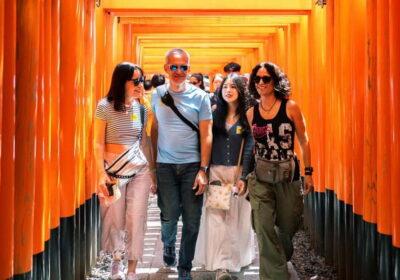
Kyoto: Full-Day English Guided Tour of Kyoto’s Highlights
Read our review →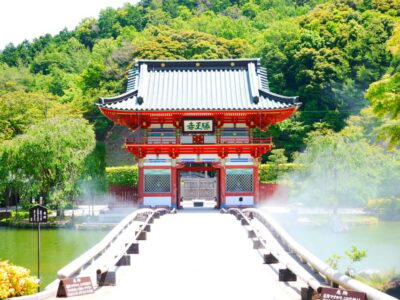
Osaka: Minoh, Katsuoji Temple, & Minoh Falls Full-day Tour
Read our review →Full Day Kyoto Tour : Bamboo Forest, Golden Temple, Fushimi Inari
Read our review →
Osaka Temple Cool Foot Bath & Matcha Experience〈45min〉
Read our review →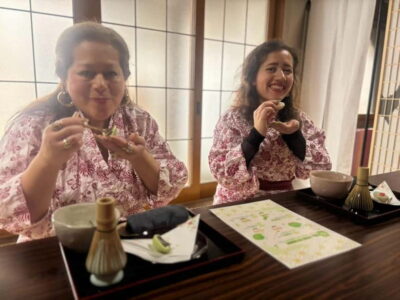
Osaka: Mind & Spirit Balance Temple Reiki Healing
Read our review →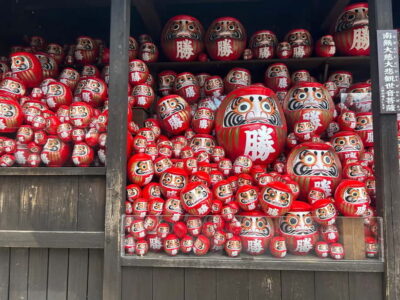
Osaka: Minoh Waterfall & Katsuo-ji Temple Half-Day Tour
Read our review →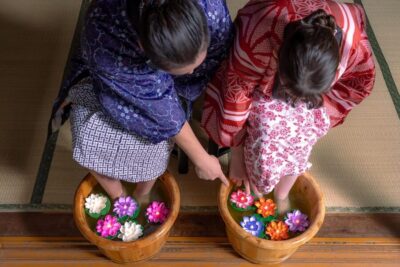
Osaka Temple Head Spa &Matcha Facial – Refresh & Glow〈90min〉
Read our review →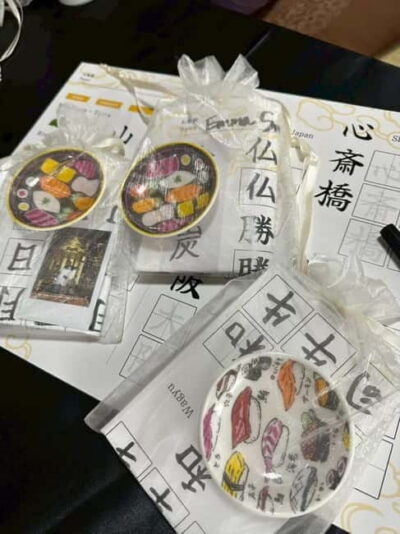
Osaka: Temple Tour and Traditional Calligraphy Lesson
Read our review →This tour also ranks in