
Review · TOKYO
From Tokyo: Fuji Mountain Area – FujiQ – Lake Kawaguchiko – Chureito Pagoda
Mount Fuji is the star here, but the best part is seeing it from several very different angles in one day. You get flower-framed views at Oishi Park, clear spring water at Oshino Hakkai, and the famous red pagoda composition at Chureito Pagoda.
I like the privacy of a Toyota Alphard with hotel pickup, especially for families or small groups. I also like the flexible pace. Guides such as Marcelo, Hiroshi, Anderson, Cami, and Camila have been praised for patience, photos, safe driving, and help in Spanish, Portuguese, English, or Japanese. The main drawback is time: seven hours is a tight window for Tokyo traffic, several stops, and the two-hour trip back.
Key points
- Several classic Fuji viewpoints in one day: Oishi Park, Lake Kawaguchiko, Oshino Hakkai, and Chureito Pagoda each show the mountain differently.
- Private transport from Tokyo: You travel with your own party in a black Toyota Alphard, with fuel, tolls, water, cookies, and Wi-Fi included.
- Flexible guiding: You can ask to adapt the route within the tour schedule, and FujiQ Highland may suit younger people or anyone seeking rides.
- Strong language coverage: Live guiding is available in English, Portuguese, Spanish, and Japanese.
- Good support in changing conditions: Marcelo helped a group find a solution when snow blocked parts of the Fuji area.
- A full day with a real road component: The route includes long drives, so comfortable clothes and shoes matter.
Why this private Fuji day works from Tokyo
A Mount Fuji outing from Tokyo is not just about reaching a viewpoint. It is about choosing how much time you want to spend on the road, how many stops you can reasonably make, and how much control you want over the day.
This private trip is aimed at people who want the main Fuji sights without handling train connections, local buses, or a rental car. Your driver collects you from a hotel or Airbnb in Tokyo’s 23 wards and returns you to your accommodation or another requested place within those wards.
The private format matters. You are not tied to the pace of a large bus group, and the guide can make small changes if your party needs more time at a photo stop or prefers to move on. The tour also offers multilingual support, which can make a big difference when you want to ask questions or discuss changes on the road.
The tradeoff is distance. Tokyo to the Fuji area takes about 105 minutes at the beginning, and the return drive is listed at about two hours. Traffic can change the day, especially on weekends or during busy sightseeing periods. You should think of this as a scenic road trip with several stops, not seven uninterrupted hours beside Mount Fuji.
More Temple Tours around Tokyo:
- Tokyo: Asakusa Walking Tour with Sensoji Temple Visit
★ 4.8 · 1,583 reviews - Nikko: Kegon Falls, Lake Chuzenji & Toshogu Temple
★ 4.6 · 1,577 reviews - Tokyo: Nikko Toshogu Shrine and Kegon Waterfall Tour
★ 4.5 · 1,266 reviews
Oishi Park, where flowers frame the mountain
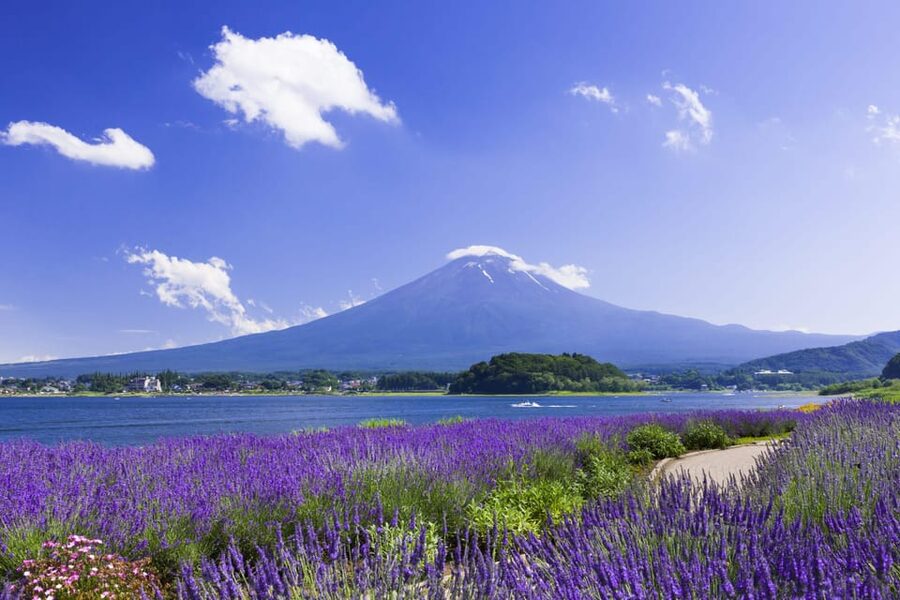
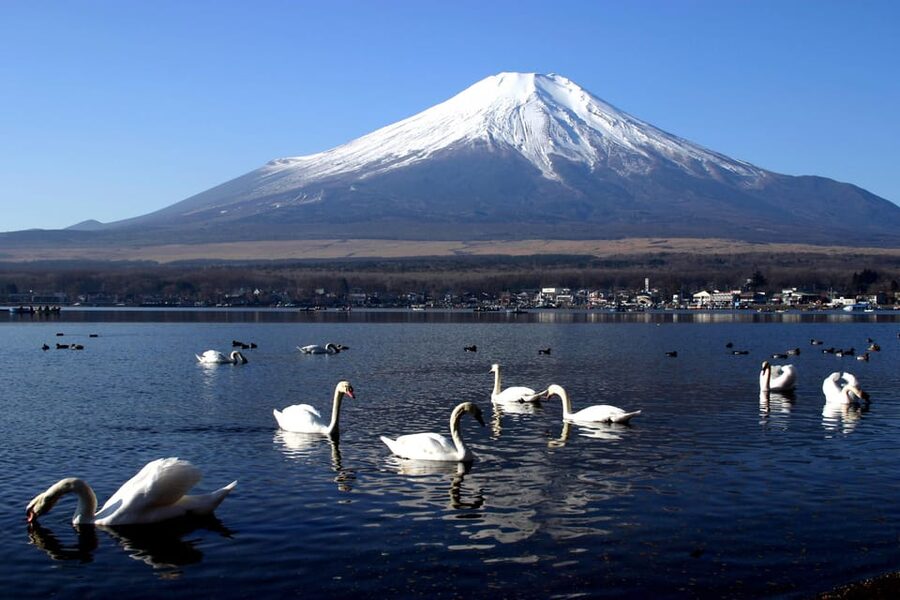
Oishi Park is one of the strongest early stops because it gives you a clean, classic view of Mount Fuji over Lake Kawaguchiko. Seasonal flowers add color to the foreground, while the mountain rises behind them. The exact look changes with the season, so you may see spring flowers, summer color, or autumn tones.
This is a good place to slow down after the drive from Tokyo. You can walk, take photos, and enjoy the open view without needing a long hike. The park is particularly useful for anyone who wants a polished Fuji photograph without a difficult approach.
Snow on the upper slopes can make the view especially striking, but Fuji visibility is never guaranteed. The tour description places strong emphasis on the mountain with snow at the top, yet weather and clouds can change what you see. A private vehicle helps because the guide can make the most of the clear moments, but it cannot control the sky.
Plan to spend about an hour here. That is enough for a walk and photographs, though you may wish you had more time if the flowers are at their best.
Lake Kawaguchiko and the choice of a water view
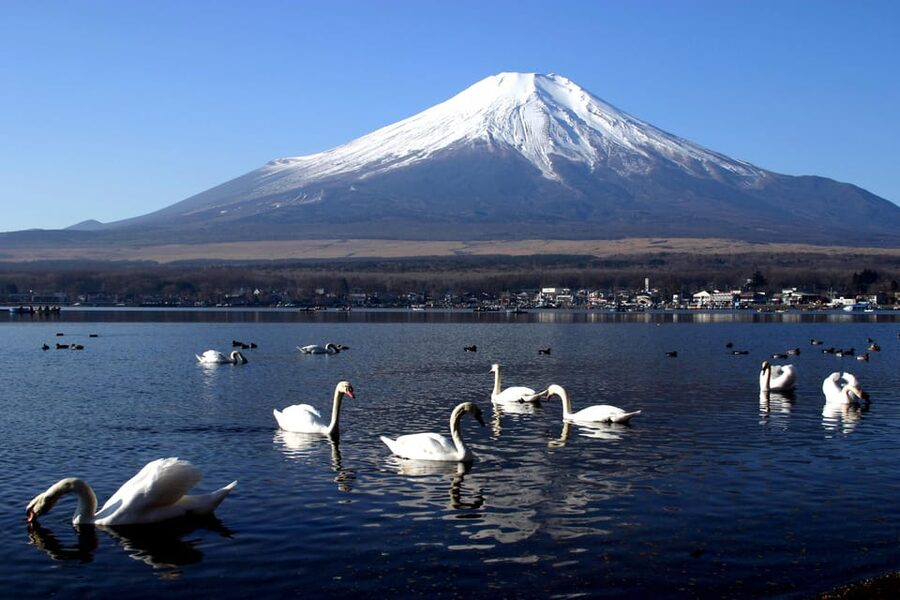
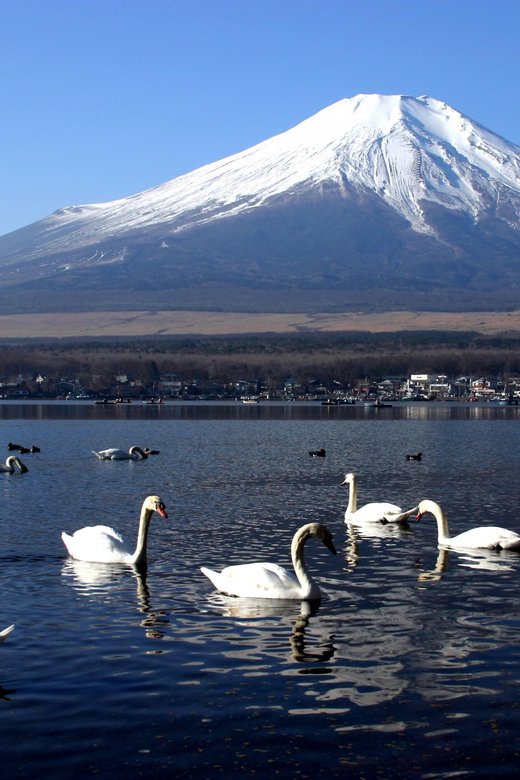
Lake Kawaguchiko gives you a different sense of the Fuji area. Instead of viewing the mountain from a park, you see it across calm water, with reflections possible when conditions are right. The fresh air and quiet shoreline provide a pleasant change after the drive.
The tour allows time for walking and sightseeing around the lake. It also mentions optional lake activities, including a telephone ride for a higher view and an APPARE boat trip. The wording provided does not give ticket prices or confirm that either activity is included, so treat these as optional paid choices and check availability before you go.
This flexibility is useful for mixed groups. One person may want a photo walk, another may prefer a ride, and children may appreciate an activity that breaks up the sightseeing. Still, optional attractions can consume the schedule. If your priority is Chureito Pagoda at the end of the day, you should tell the guide early how much time you want to spend by the lake.
Oshino Hakkai and the springs from Mount Fuji
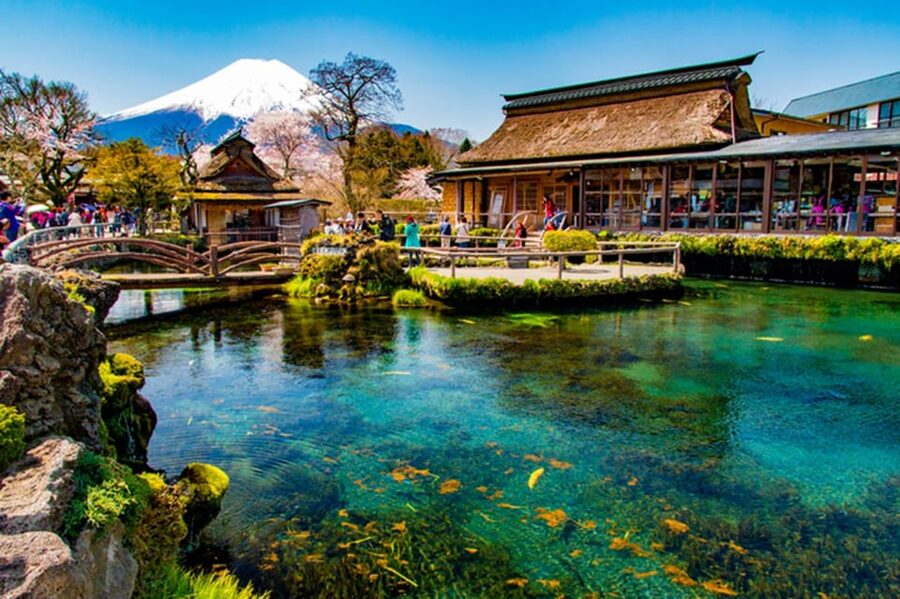
Oshino Hakkai adds culture and local scenery to what could otherwise be a sequence of viewpoints. The village is known for clear spring ponds fed by water from Mount Fuji. Bridges, traditional-style buildings, and small shopping areas give the stop a more grounded feel than a single lookout.
You can walk among the ponds, take photographs, and hear about the connection between the springs, the mountain, and local spiritual traditions. The water is the main draw, and the clarity can be impressive. This is also one of the better places to buy small Japanese sweets or browse local products during the trip.
The planned visit lasts about 90 minutes. That gives you enough time to see the springs and walk around, but not enough for a slow, extended meal and detailed shopping. Personal expenses are not included, so bring money for anything you want to eat or buy.
Oshino Hakkai can feel busy at popular times. That is not a flaw in the site, but it does mean the experience is less quiet than Oishi Park. I would treat it as a short village visit with scenic and cultural value, not as a secluded nature stop.
Same sacred ground, another way to see it:
- Tokyo:Mt.Fuji,Kawaguchiko Oishi Park,Arakurayama Sengen Park
★ 4.4 · 2,682 reviews - Tokyo Panoramic 1 Day: Meiji Shrine, Asakusa, Odaiba and SKYTREE®
★ 4.5 · 1,222 reviews - Tokyo: Zen Meditation at a Private Temple with a Monk
★ 5.0 · 510 reviews - Mt. Fuji Heritage Tour: Traditional Villages, Lakes & Shrine
★ 4.5 · 509 reviews
Fujiyoshida and the route toward Chureito
The Fujiyoshida portion is scheduled for about an hour and includes a photo stop, sightseeing, walking, and scenic views along the way. The information does not specify one single attraction in this part of the route, so the exact stop may depend on the guide and the timing of the day.
That flexibility can work in your favor. Guides have been praised for suggesting places, taking photos, and adjusting the route to suit the group. Marcelo, in particular, was noted for allowing a relaxed pace and helping with photographs. Hiroshi was praised for punctuality, communication, safe driving, and even providing a phone charger in the vehicle.
Do not expect a large standalone attraction here based on the information provided. Think of Fujiyoshida as a useful bridge between the village and the pagoda, with opportunities for views and photographs rather than a fixed museum visit.
Chureito Pagoda and the view everyone wants
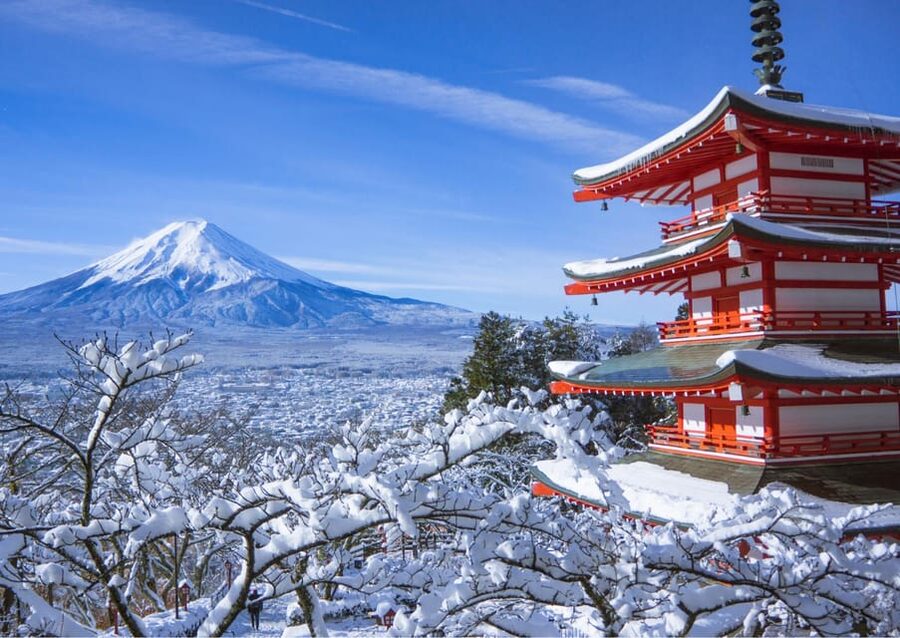
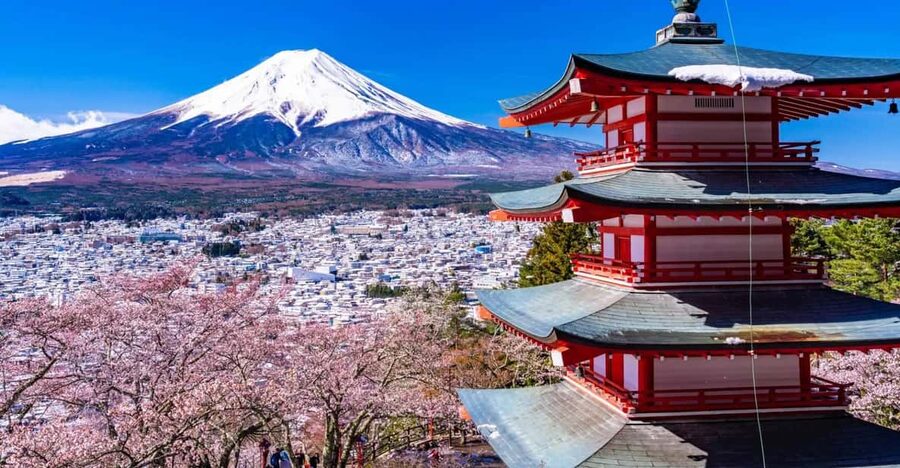
Arakurayama Sengen Park and Chureito Pagoda provide the tour’s most recognizable composition: the red pagoda in the foreground, Mount Fuji behind it, and the town below. This is the image many people picture when they think of Fuji and Japan together.
The pagoda requires walking, and the tour recommends comfortable shoes and clothes. The planned visit is about 90 minutes, with time for photographs, sightseeing, and a self-guided visit. The schedule also mentions sunset, which can give the final stop a warm and memorable feel if the timing and weather cooperate.
The famous viewpoint is popular for a reason, but it is not a private corner. You may need patience for photographs, and the climb can feel tiring after a full day of walking. The payoff is strong when the mountain is visible, especially with snow on the summit.
I would not judge the whole tour by one photograph. Clouds can cover Fuji, sunset timing can shift with traffic, and the pagoda area may be busy. What you do get is a strong final stop with a clear visual link between modern Fujiyoshida, traditional Japanese religious architecture, and the mountain.
FujiQ Highland for families and thrill seekers
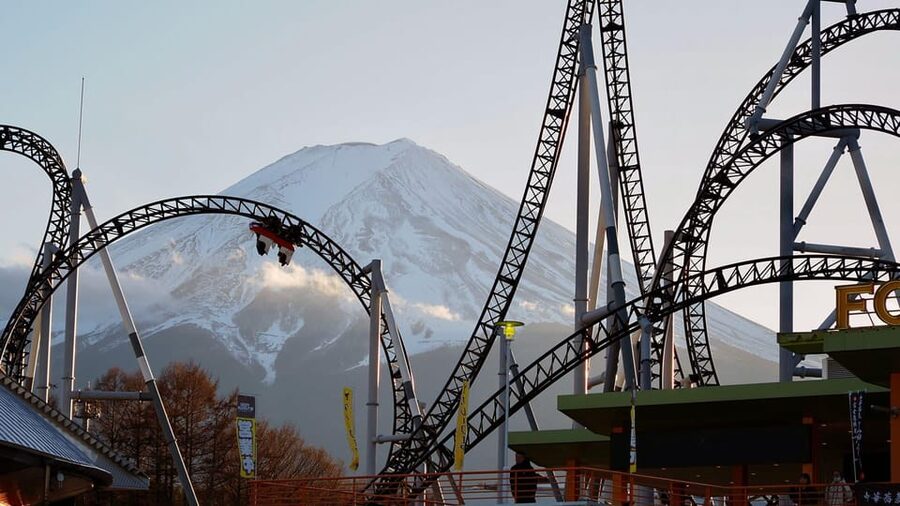
FujiQ Highland is offered as an optional addition for younger people or anyone who wants an adrenaline break. This creates an unusual split-day possibility: some people in your group can enjoy the theme park while others take a quieter route, then everyone returns together in the private vehicle.
That option is best discussed before the tour begins. The standard plan already includes Oishi Park, Lake Kawaguchiko, Oshino Hakkai, Fujiyoshida, and Chureito Pagoda. Adding a theme park stop may mean reducing time at one or more of those places.
The information does not state that FujiQ rides or entrance tickets are included. Attraction tickets are listed as extra, so budget separately and confirm the plan with the provider.
What the private vehicle adds
The black Toyota Alphard is more than a way to get from one stop to the next. You have a private space to rest between walks, keep your belongings together, and stay connected with the included Wi-Fi. Water, cookies, and Japanese sweets are also provided.
Fuel and toll costs are included, which makes the $292 per person price easier to assess. The value improves for a small family or group because the private vehicle, driver, pickup, and return are bundled together. For a solo visitor, the cost is harder to justify unless privacy and convenience matter more than saving money.
The vehicle also protects you from managing several connections in an unfamiliar area. On the other hand, you are still spending a good part of the day seated. If you want a long mountain hike or extended time at one lake, this is not the right format.
Guides, languages, and the human side of the day
The guide can shape this experience as much as the scenery. Support is available in English, Portuguese, Spanish, and Japanese. Several named guides have received specific praise for friendly communication and practical help.
Marcelo was noted for calm handling of a snow-related disruption, Spanish-language support, flexible pacing, conversation, and photographs. Anderson was described as kind and helpful, while Hiroshi was praised for punctuality, safe driving, communication, and a phone charger. Cami and Camila were also praised for energy, explanations, and attentive service.
These details matter because this is a private tour with considerable drive time. A driver who communicates clearly and respects your pace can make the road sections feel easy. If you need a specific language, request it when booking rather than assuming a particular guide will be assigned.
Is $292 per person good value?
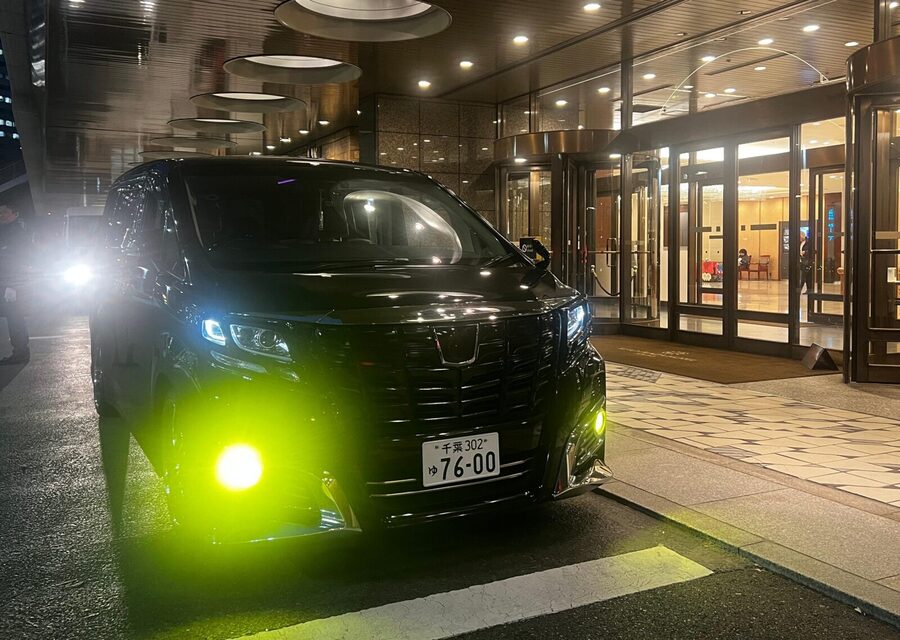
At $292 per person, this is not a budget Fuji outing. The price makes more sense when you calculate what is included: private pickup and drop-off, a fully insured vehicle, a multilingual resident driver, fuel, tolls, Wi-Fi, water, snacks, and a route covering several major Fuji-area sights.
It can be good value for a family or small private group that would otherwise need to arrange a car, driver, or several public transport connections. The ability to return to a Tokyo hotel without changing trains is a real benefit after a long day.
The price does not include personal spending, attraction tickets, or extra places outside the main plan. You should also account for the possibility that traffic cuts into sightseeing time. If your top priority is the lowest possible price, a bus or train-based plan may suit you better. If your priority is convenience, privacy, and several viewpoints in one day, the cost is easier to defend.
Who should book this Fuji tour?
I would recommend it to families, couples, and small groups who want a private day with a flexible guide. It is also a good match for people who do not want to drive in Japan or work out the transport connections around the Fuji Five Lakes area.
It suits visitors who want photographs, gentle walks, village scenery, lake views, and cultural stops. Spanish and Portuguese speakers may find the language choice especially helpful.
I would think twice if you want a slow, single-location visit, a serious hike, or a low-cost outing. The route is full, and the long return to Tokyo can be tiring. FujiQ Highland fans should also confirm how the theme park fits with the main sights before paying for tickets.
Cancellation is free up to 24 hours before departure, and you can reserve now and pay later. Pickup is available from hotels or Airbnbs in Tokyo’s 23 wards, with return to your accommodation or another requested place within those wards.
Should you book it?
Book this tour if you want to see Mount Fuji from Oishi Park, Lake Kawaguchiko, Oshino Hakkai, and Chureito Pagoda without managing transport yourself. The private vehicle, multilingual support, flexible pacing, and strong attention to photos are the main reasons to choose it.
Before booking, accept two facts: the day includes a lot of driving, and the mountain may hide behind clouds. If that sounds reasonable, this is a practical way to pack several classic Fuji views into one private outing from Tokyo.
FAQ
How long is the tour?
The advertised duration is seven hours, or 450 minutes. The detailed schedule includes the stops and driving time, so the day is tightly planned.
Where does pickup take place?
Pickup is available from your hotel or Airbnb in Tokyo’s 23 wards.
Where does the tour end?
You can be returned to your accommodation or another requested location within Tokyo’s 23 wards.
Is the tour private?
Yes. The experience is arranged for a private group rather than a shared bus group.
What vehicle is used?
Pickup is provided in a black Toyota Alphard.
Which languages are available?
Live guiding is available in English, Portuguese, Spanish, and Japanese.
Are fuel and tolls included?
Yes. Gas and toll costs are included in the tour price.
Are attraction tickets included?
No. Entrance fees and attraction tickets are not included.
Can the itinerary be changed?
The provider says the route can be adapted within the tour schedule. Extra places outside the main itinerary may cost more or may not fit into the available time.
Is FujiQ Highland part of the tour?
FujiQ Highland is available as an optional choice, especially for people seeking rides and adrenaline. Confirm the timing and ticket costs before adding it.
Temple visits we reviewed lately in Tokyo
- From Asakusa: Old Tokyo, Temples, Gardens and Pop Culture★ 4.6 · 15 reviews
- Tokyo: Nagano Snow Monkeys and Zenkoji Tour with Temples★ 4.9 · 19 reviews
- Nagano: Snow Monkeys, Zenkoji Temple & Sake Day Trip★ 5.0 · 4 reviews
- From Tokyo: Nagano, Zenkoji Temple, Snow Monkeys Day Trip.★ 4.3 · 4 reviews
- Tokyo/Nagano: private Tour with Snow Monkey Park & Temples★ 4.8 · 13 reviews
- Make a temple stamp book with artist★ 4.9 · 10 reviews
- Kamakura Temples Private Guided Tour from Tokyo★ 4.8 · 21 reviews
- Join a Unique Cultural Ceremony at Tokyo’s Meiji Shrine★ 5.0 · 9 reviews
Tokyo Temple Tours, compared.
Nikko: Kegon Falls, Lake Chuzenji & Toshogu Temple
Read our review →
Tokyo: Nikko Toshogu Shrine and Kegon Waterfall Tour
Read our review →
Tokyo Panoramic 1 Day: Meiji Shrine, Asakusa, Odaiba and SKYTREE®
Read our review →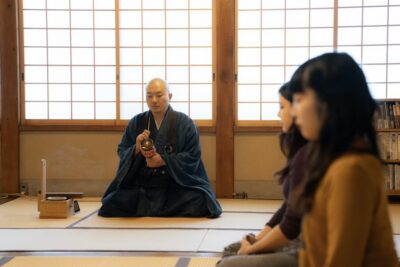
Tokyo: Zen Meditation at a Private Temple with a Monk
Read our review →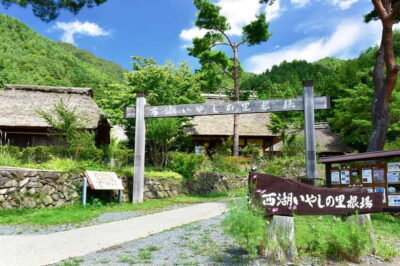
Mt. Fuji Heritage Tour: Traditional Villages, Lakes & Shrine
Read our review →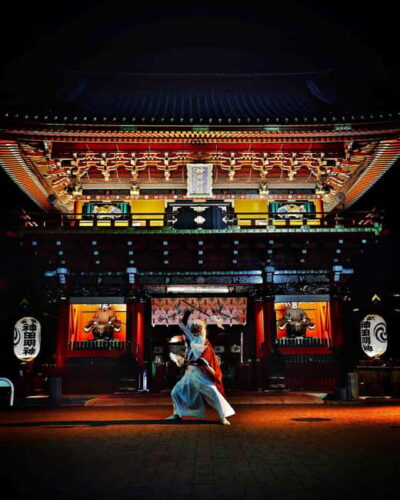
Tokyo: Samurai Entertainment Night Show in Kanda Shrine
Read our review →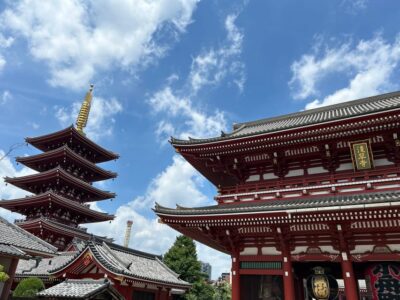
Tokyo: Asakusa and Tokyo’s Oldest Temple Senso-ji Tour
Read our review →
Tokyo: Imperial Palace, Sensō-ji Temple, & Tokyo Tower Tour
Read our review →This tour also ranks in