
Review · PORTUGAL
“Porto: Fado Show with Guided Tour in a Historic Monastery”
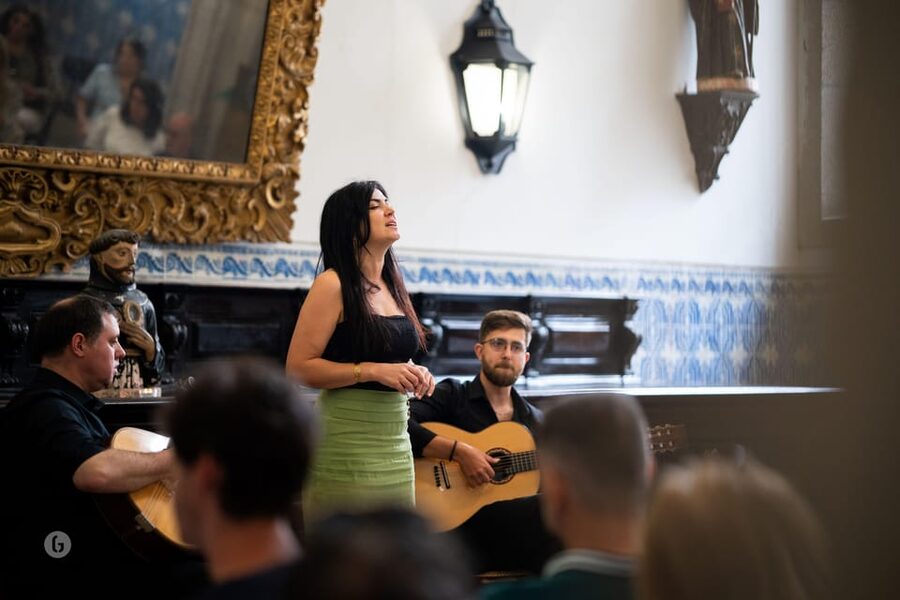
Porto’s Fado shows usually happen in restaurants or small music houses. This one puts the music inside the Monastery of São Bento da Vitória, a national monument where old stone, church art, and quiet acoustics give the performance a very different mood. You first tour the monastery with a local guide, then hear an hour of Fado with a singer, Portuguese guitar, and Fado viola.
I like the combination of monastery history and live music, since you get more than a concert. I also like the unusually good value: the $15 price includes Port wine and a tasting of Singeverga liqueur made by Benedictine monks. The main drawback is practical rather than artistic: the large church can make the guide hard to hear, and the experience is not suitable for children under 6 or wheelchair users.
Key points to know before booking
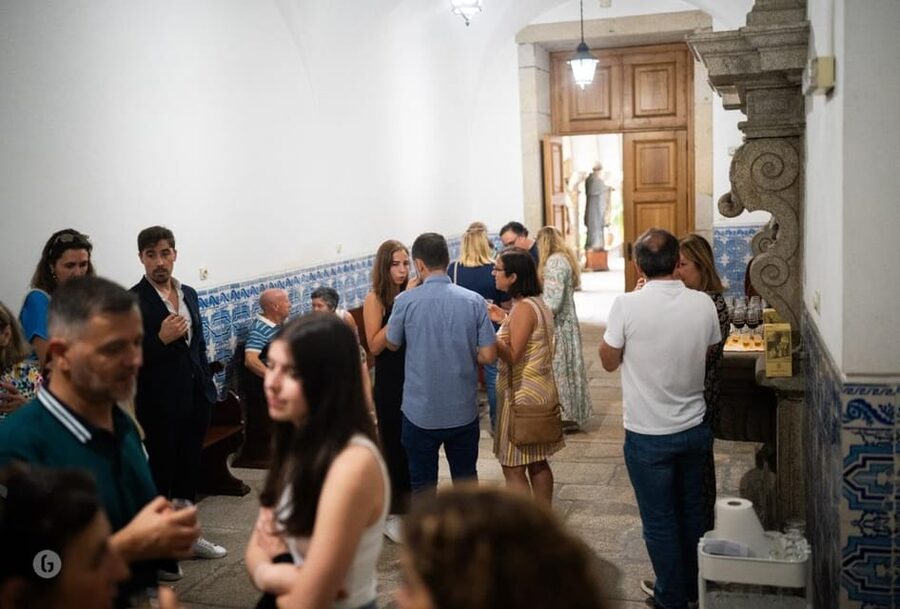
- The setting changes the Fado experience: The performance takes place in a historic monastery, with one review noting a small side chapel and pleasing acoustics.
- You get two Portuguese drinks: A glass of Port wine and a small tasting of Singeverga liqueur are included.
- The visit has two clear parts: A guided monastery tour comes first, followed by about one hour of traditional Fado.
- The music is a classic trio format: Expect a singer accompanied by Portuguese guitar and Fado viola.
- Plan to arrive early: You are advised to arrive 10 minutes before the start, and the entrance is at the back of the monastery.
- The price is unusually modest: At $15 per person, the included drinks and guided visit add real value.
Why this Fado show feels different in Porto
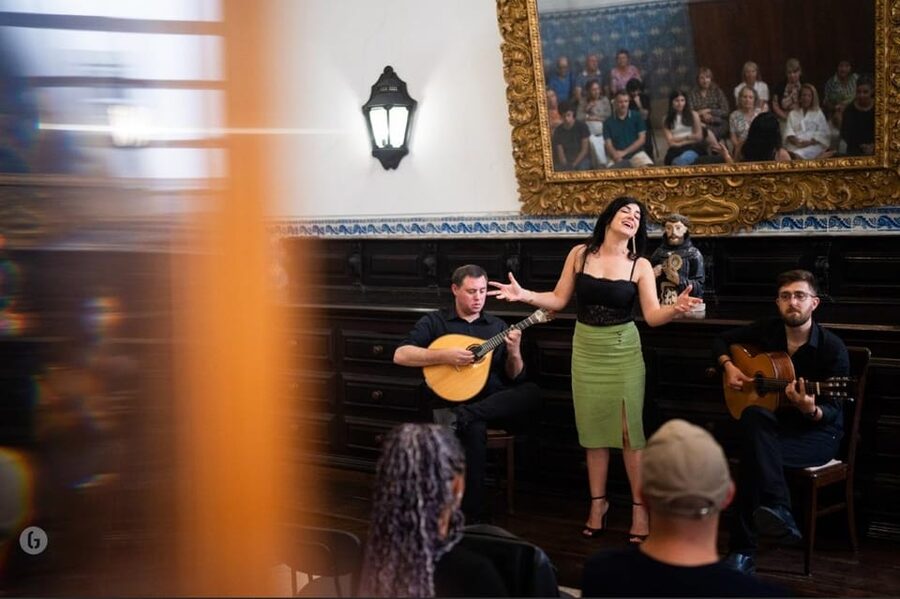
Fado depends heavily on atmosphere. The music is often associated with intimate rooms, close attention, and a certain quiet seriousness. Here, the setting does much of that work before the first note is played.
The Monastery of São Bento da Vitória gives you a sense of place that a standard evening venue cannot match. You are not simply sitting down for a concert. You are entering a national monument, learning about its religious past, and then hearing traditional Portuguese music in one of its interior spaces.
That combination is the main reason to choose this experience. If you already plan to visit churches and historic buildings in Porto, this gives you a musical reason to see one more. If Fado is new to you, the guided introduction makes the evening easier to understand.
The setting is also intimate. The performance is not presented as a large stage show with elaborate production. You sit close to the singer and musicians, with the building’s character providing the decoration. That suits Fado well, since the focus stays on voice, melody, and the sound of the two guitars.
More History Tours in Portugal:
- Chiang Mai: Historic Temples and City Guided Walking Tour
★ 4.7 · 650 reviews - Mt. Fuji Heritage Tour: Traditional Villages, Lakes & Shrine
★ 4.5 · 509 reviews - Malta: Prehistoric Temples, Limestone Heritage & Blue Grotto
★ 4.2 · 412 reviews
Touring São Bento da Vitória before the music
The first part is a guided visit to the Monastery of São Bento da Vitória. The tour is conducted in Portuguese and/or English, while the host or greeter may also speak Spanish.
The exact guiding style can vary, but the purpose is clear: you learn about the monastery and its place in Portuguese religious and cultural life before the music begins. The visit includes the church, and you may see features such as the impressive organ mentioned by one attendee. The monastery itself is one of the main attractions, not just a waiting room for the concert.
I like this order. Seeing the building first helps you notice the setting once the performance begins. You have already looked at the church and considered the work of the monks, so the later tasting of Singeverga liqueur feels connected to the place rather than added as a random drink.
Allow enough attention for the guide. One practical weakness is the church’s size and acoustics. A guide may be clear and informative, yet some words can be difficult to catch when spoken in a large space. If you care most about the historical part, stand or sit close to the guide and avoid drifting toward the back.
You should also arrive 10 minutes early. The entrance is at the back of the monastery, an easy detail to miss if you approach the building from the front. The experience includes skip-the-line entry, but it does not include hotel pickup or transportation, so you need to make your own way there.
The church, organ, and monastic connection
The church gives the visit much of its visual weight. Its scale contrasts nicely with the smaller performance area, and the organ is one of the details worth looking for during the tour.
The monastery is still connected with Benedictine monks, which gives the liqueur tasting a direct link to the place and to living religious traditions in Portugal. Singeverga liqueur is handcrafted by monks at the Singeverga Monastery, not at São Bento da Vitória, so it is useful to keep that distinction in mind. The tasting offers a small sample, rather than a full drink.
You also have the chance to visit a shop with products made by monks in Portugal. This is a modest but useful addition. It gives you time to look at items connected to monastic production, and it may suit you if you like buying something with a clear local or religious connection. The shop is not a separate sightseeing stop, so do not expect a long retail visit.
The history section will appeal most to you if you enjoy churches, religious buildings, and cultural context. If you only want a quick concert, the first part may feel like extra time before the music. For most visitors, though, the monastery is what makes this different from a regular Fado booking.
An hour of traditional Fado in a small chapel
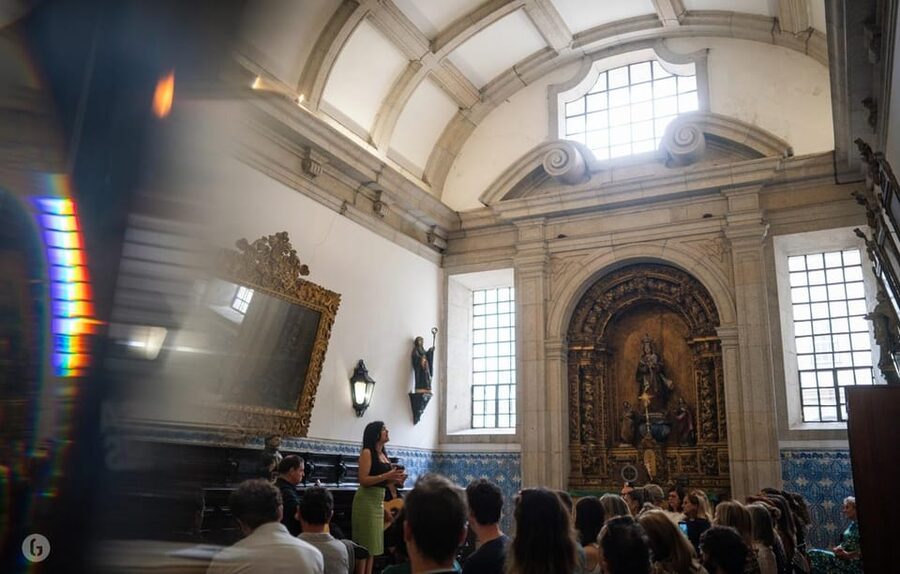
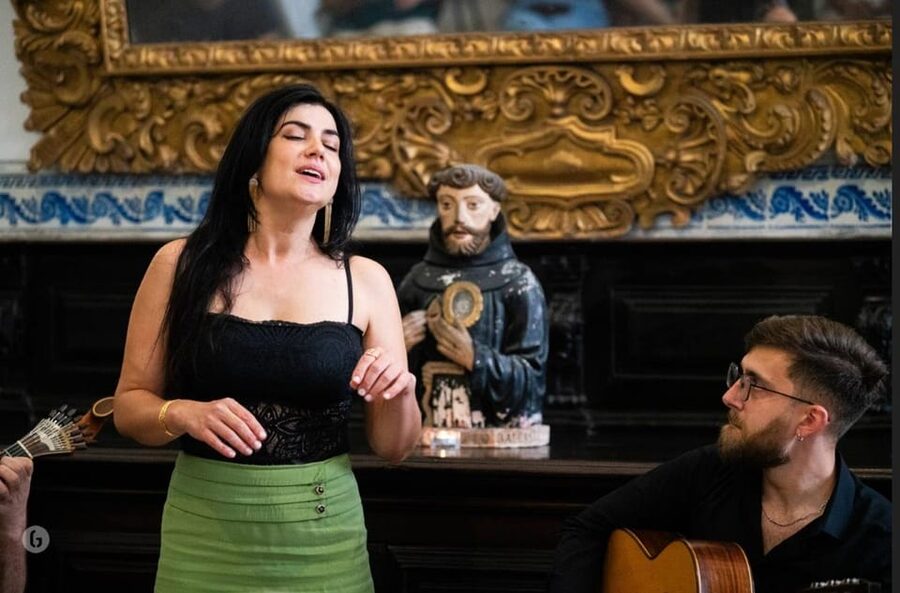
After the tour, you move into the performance portion. The show lasts about one hour and features a Fado singer with Portuguese guitar and Fado viola.
The Portuguese guitar has a bright, ringing sound that gives Fado much of its character. The Fado viola provides the second guitar part, supporting the singer and adding weight beneath the higher notes. You do not need to know the instruments in advance to notice the contrast. The sound is clear and distinctive, especially in a small chapel with natural acoustics.
The performance area has been described as intimate and serene, with one account placing the show in a small side chapel. That scale matters. You are close enough to watch the singer and musicians rather than viewing them as distant figures on a stage.
The acoustics are one of the strongest parts of the evening. A historic religious space can add resonance without requiring loud amplification. The result should feel more reflective than a noisy bar show, which is exactly what many people want from Fado.
You are expected to remain quiet during the music. Smoking, flash photography, and making noise are not allowed. Party groups, including bachelor and bachelorette groups, are also not suitable for this activity. This is an evening for listening, not for treating the venue as a party room.
One useful point for first-time Fado listeners is that the songs may not be explained in detail. A couple of comments about wanting more information about the songs show why you should not expect a full musical lecture. The guide explains the monastery, but the show itself appears to focus on the performance rather than translating or introducing every song.
If understanding the words is essential to you, this may leave you wanting more context. If you are happy to listen to the voice, guitars, and mood, the lack of explanation is less of a problem.
More Temple Tours around Portugal:
- Lisbon: Jerónimos Monastery Entrance Ticket
★ 4.1 · 14,164 reviews - Lisbon: Jerónimos Monastery E-Ticket and Audio Guide
★ 3.7 · 660 reviews - Lisbon: Belém Walking Tour with Jerónimos Monastery Ticket
★ 4.9 · 637 reviews - Lisbon: Belem Walking Tour with Jeronimos Monastery Ticket
★ 4.7 · 490 reviews
Port wine and Singeverga liqueur
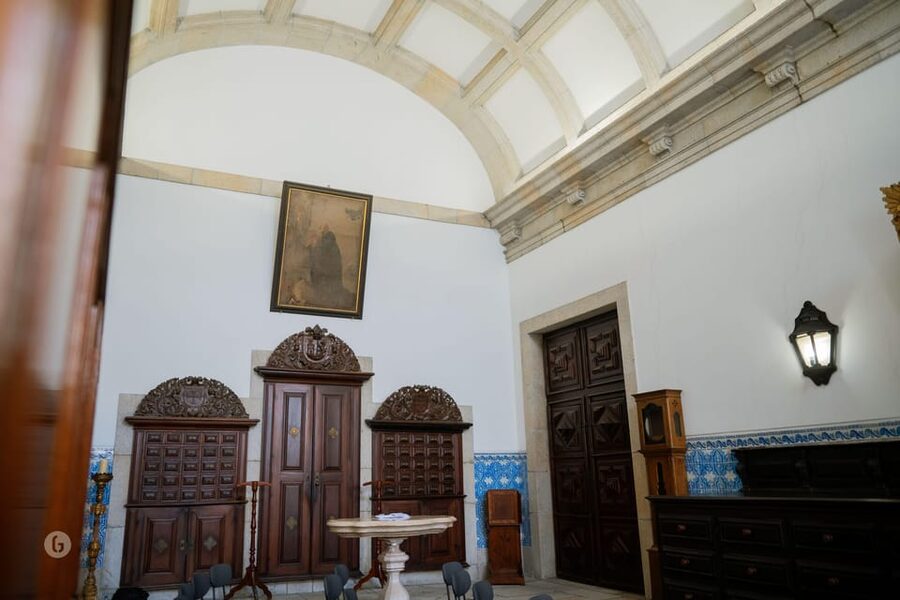
Two included drinks help make the $15 price especially appealing.
You receive a glass of Port wine during the experience, with details indicating that it may be served during the performance or around a break. Port is a natural match for an evening in Porto, and it gives you a small taste of one of Portugal’s best-known drinks without requiring a separate tasting visit.
You also receive a tasting of Singeverga liqueur, made by Benedictine monks. This is a smaller serving, sometimes described as a shot-sized tasting, so think of it as an introduction rather than a full drink. It is the more unusual inclusion because it connects your refreshment with Portuguese monastic production.
The drink service is a bonus, not the reason to book. You should not expect a meal, and other drinks are not included. If you want dinner before or after the show, you need to arrange that separately.
The staff appear attentive to timing. If you arrive late because of a transport problem, you may miss the opening liqueur tasting, though the experience provider has shown flexibility in bringing it later. That is not something to count on, so arriving early remains the best plan.
What the $15 price really gives you
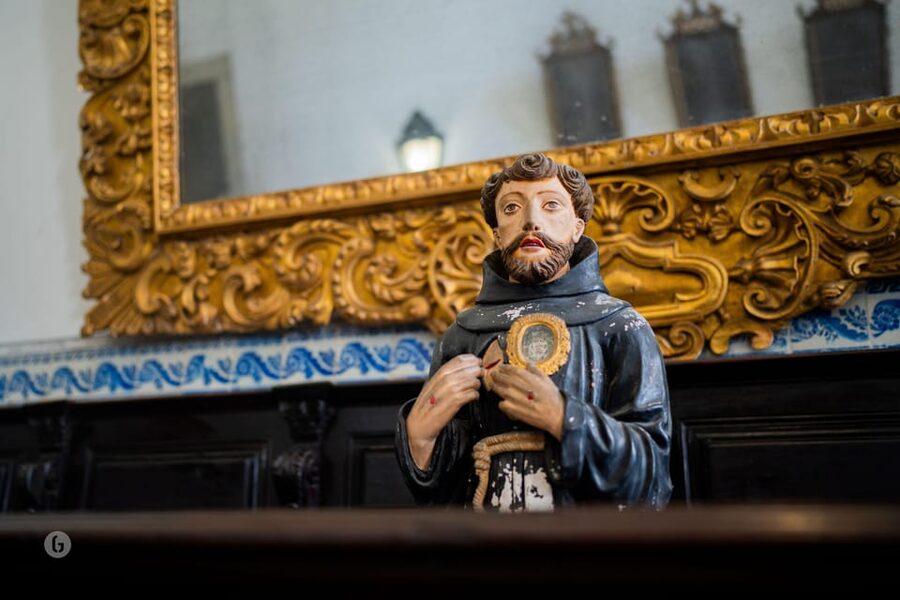
At $15 per person, this is inexpensive for Porto, especially because it combines three elements: a historic site, a guided visit, and a live performance.
A separate Fado concert can easily be worth that price on its own, depending on the venue. Here you also receive two drinks and access to a monastery that you might otherwise have to visit as a separate stop. That makes the experience particularly strong for you if you have limited time in Porto and want one compact cultural outing.
The value is less about luxury. This is not presented as a dinner show, private concert, or premium tasting. You get a relatively short 90-minute program, and the guided tour and music share the same booking. The reward is variety and atmosphere, not an elaborate production.
The timing also works well for a busy Porto schedule. Ninety minutes is long enough to give the monastery and concert proper attention without taking up an entire evening. You can add a meal before or after, since food is not part of the booking.
Free cancellation up to 24 hours before the start and the option to reserve now and pay later make the booking less rigid. Starting times vary, so check the available schedule before you plan dinner or another evening activity.
Who will enjoy this most
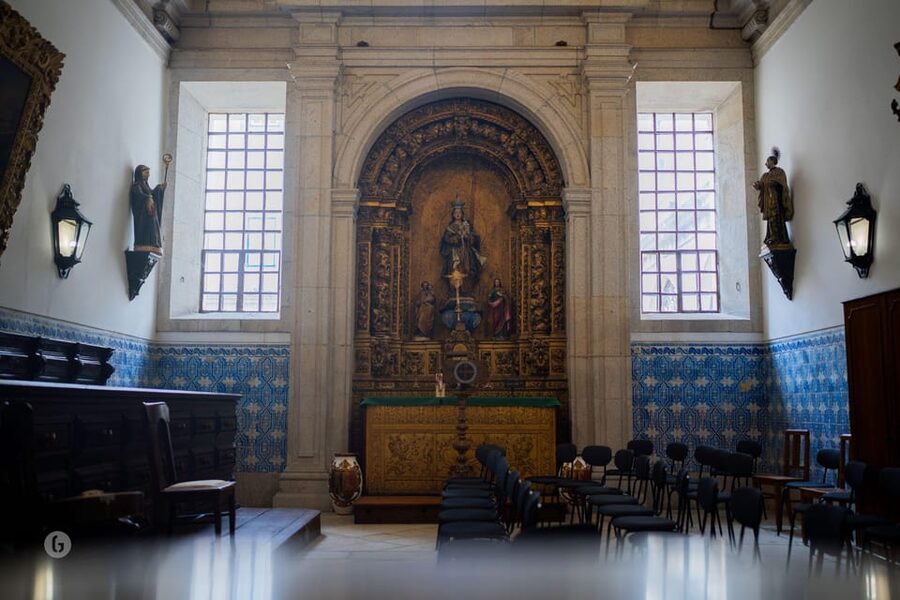
I would choose this for you if you like history, religious buildings, traditional music, or small cultural experiences. It is also a good introduction to Fado if you do not want to commit to a long evening at a dedicated music house.
Couples may especially like the quiet setting and short length. The music, church, and drinks create an intimate evening without the cost of a formal dinner show. Solo visitors can also enjoy it, since the focus is on listening rather than taking part in a group activity.
It suits adults and older children, but children under 6 are not allowed. You should also know that wheelchair users cannot take part, so accessibility needs to be confirmed before booking.
This is less suitable for you if you want a lively nightlife experience, a full explanation of every song, or a meal with your music. It is also not a good match for a group hoping to celebrate loudly. The rules against noise and party groups protect the atmosphere, but they also make the limits clear.
Useful planning advice for the monastery visit
Arrive 10 minutes early and look for the back entrance. That is the most important practical tip, since approaching the building from the front may not take you to the correct entry point.
The tour is available in English and Portuguese, with Spanish listed among the host or greeter languages. Since the guide may speak in Portuguese and/or English, check the language arrangement when booking if that matters to you.
During the monastery portion, stay near the guide so you can hear the explanation in the church. The building’s size can soften voices, and even a good guide may be difficult to follow from far away.
Keep your camera use discreet. Flash photography is not allowed, and noise is discouraged during the performance. The experience works best when you treat the monastery as an active religious and heritage space rather than simply as a concert hall.
Should you book this Porto Fado experience?
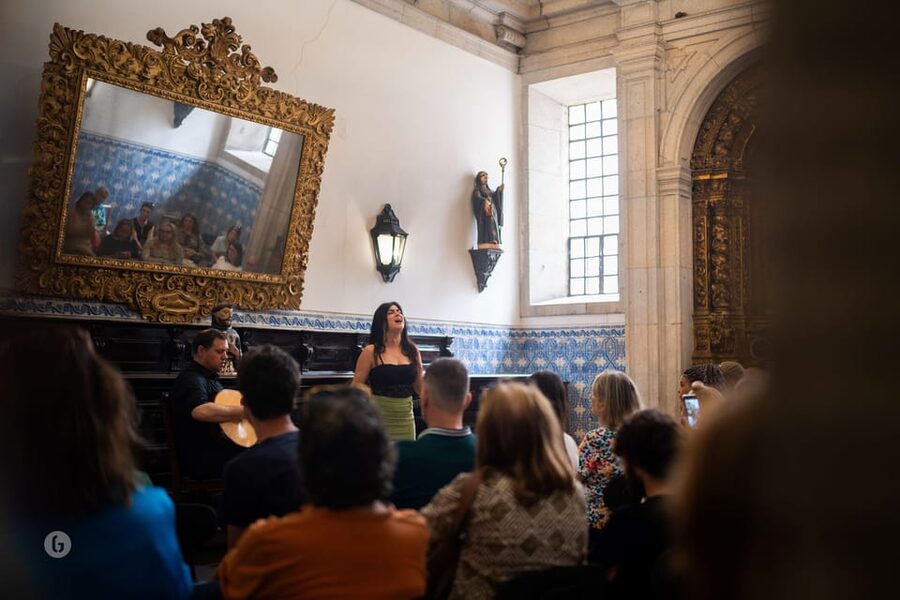
Yes, if you want traditional Fado in an unusual setting and you value cultural context as much as the music. The strongest parts are the monastery, the small performance space, the Portuguese guitar, and the excellent price with both Port and monk-made liqueur included.
Book it with realistic expectations. You get 90 minutes, not a full evening of music and dinner. The song meanings may not be explained in detail, the church guide can be hard to hear in places, and the experience is not accessible to wheelchair users.
For most visitors, the balance is unusually good: a national monument, a local guide, a sincere Fado performance, and two Portuguese tastings for $15. If you want one compact way to connect Porto’s religious heritage with its music, this is an easy choice.
FAQ
How long does the experience last?
The total duration is 90 minutes. This includes the guided monastery visit and a one-hour Fado performance.
Where does the experience take place?
It takes place at the Monastery of São Bento da Vitória in Porto, in Portugal’s Norte Region. The Fado performance is held inside the monastery, with information indicating a small side chapel or similar intimate interior space.
What is included in the booking?
The booking includes a guided tour of the monastery, a one-hour Fado show, a glass of Port wine, a Singeverga liqueur tasting, and a visit to a shop with products made by monks.
Is food included?
No. Meals and other drinks are not included.
What instruments accompany the Fado singer?
The singer is accompanied by the Portuguese guitar and the Fado viola.
What languages are available?
The guided tour is conducted in Portuguese and/or English. English, Portuguese, and Spanish are listed for the host or greeter.
Where is the entrance?
The entrance is at the back of the monastery.
How early should I arrive?
Arrival 10 minutes before the scheduled start is recommended.
Can children join the experience?
Children under 6 are not allowed to participate.
Is the experience accessible to wheelchair users?
No. The activity is not suitable for wheelchair users.
Are photography and smoking allowed?
Smoking is not allowed, and flash photography is prohibited. Making noise is also not allowed during the experience.
Temple visits we reviewed lately in Portugal
- Belém: Jeronimos Monastery, Tickets and Guided tour★ 4.9 · 30 reviews
- Lisbon: Skip-the-line Jerónimos Monastery Tour with Tickets★ 5.0 · 4 reviews
- Lisbon: Tour of Belem and Jerónimos Monastery★ 3.2 · 5 reviews
- Lisbon: Belém Private Walking Tour & Jerónimos Monastery★ 4.5 · 83 reviews
- From Lisbon: Évora, Chapel of Bones, & Roman Temple Tour★ 5.0 · 8 reviews
- From Lisbon: Fátima Sanctuary and Batalha Monastery (UNESCO)★ 5.0 · 5 reviews
- Lisbon: Belem Tour with Pastéis at Jerónimos Monastery★ 4.7 · 96 reviews
- Between Life & Death: Roman Temple, Cathedral & Bone Chapel★ 4.9 · 6 reviews
Portugal Temple Tours, compared.
Lisbon: Jerónimos Monastery E-Ticket and Audio Guide
Read our review →
Lisbon: Belém Walking Tour with Jerónimos Monastery Ticket
Read our review →Lisbon: Belem Walking Tour with Jeronimos Monastery Ticket
Read our review →
Lisbon: Belem, Jeronimos Monastery, and Coach Museum Tour
Read our review →
Belem and Jeronimos Monastery Guided Small Group Walking Tour
Read our review →
Fatima, Valinhos, Nazaré, Óbidos on Private tour
Read our review →
This tour also ranks in