
Review · MALAYSIA
Ipoh Cave Temples Tours
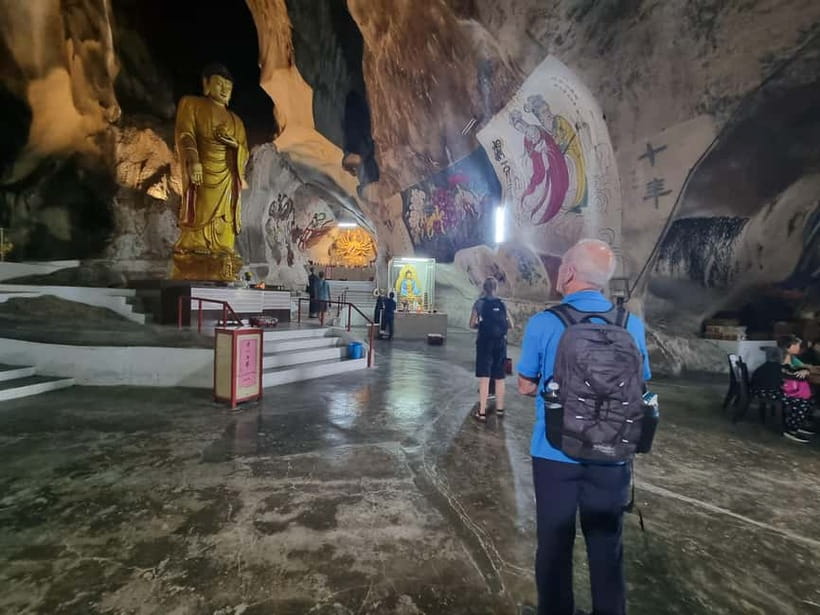
Ipoh’s cave temples give you three very different stops in one outing: a high viewpoint reached by 450 steps, a temple with natural rock formations, and one of the city’s oldest cave shrines. The caves are not polished museum pieces. Their worn surfaces, colorful statues, and daily religious use are part of the experience.
I like the relaxed pace and the chance to stop for pictures instead of being hurried from one site to the next. I also like the local touches, especially breakfast when needed, white coffee, snacks, and time to feed fish or tortoises.
The main drawback is that some areas can feel untidy and visually garish if your taste runs toward quiet, restrained temples. The stair climb is manageable for many people, but it is still a workout, and Mirror Lake adds RM30 per person to the cost.
Key points at a glance
- Three distinct cave temples: See Perak Tong, Sam Poh Tong, and another historic Ipoh cave shrine, each with a different character.
- A 450-step viewpoint: Climb above the temple for broad views over Ipoh and the surrounding area.
- Natural cave formations: One stop preserves stalactites and stalagmites within the temple setting.
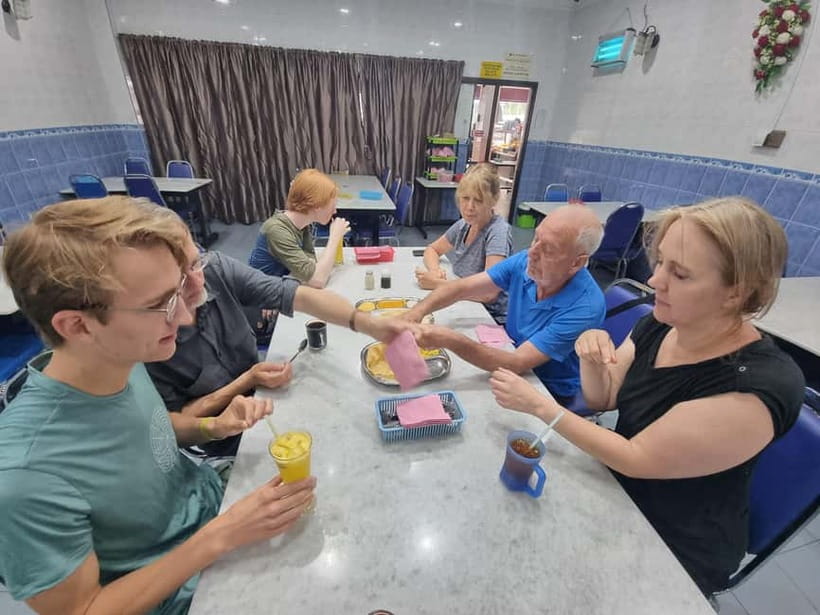
- Local food included: If your accommodation does not provide breakfast, the tour includes a local-style morning meal.
- Mirror Lake costs extra: The lake entry ticket is RM30 per person, paid at the counter.
- Fazly’s personal guiding: Guide Fazly is known for a friendly, funny approach and for giving visitors time to look around.
Why Ipoh’s cave temples are worth your morning
Ipoh is especially well suited to a cave-temple tour because the religious sites are tied closely to the limestone hills around the city. The rock is not just a backdrop. It forms the walls, ceilings, chambers, stairways, and natural shapes that make each temple feel different.
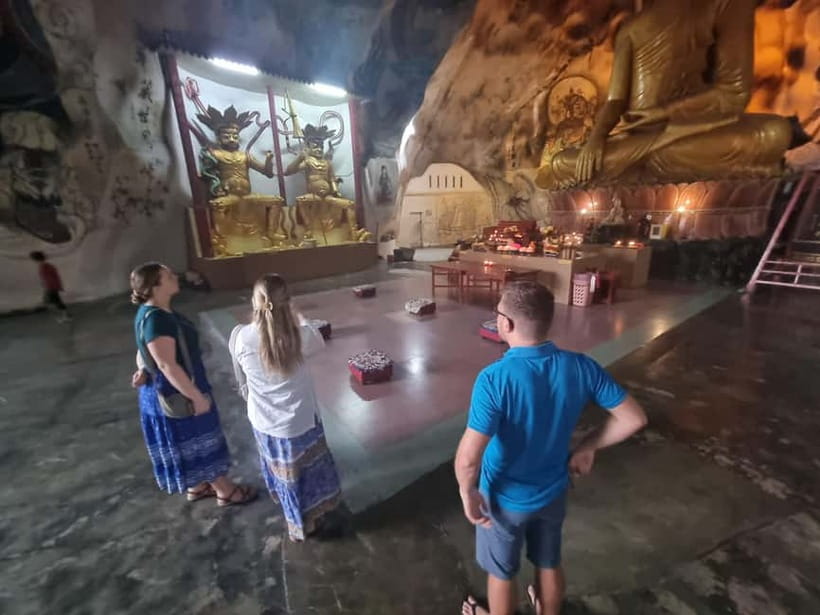
You are not simply visiting three versions of the same place. One temple asks you to climb for the view. Another draws attention to the cave itself, with stalactites and stalagmites left in place. The oldest shrine has architectural details that look more at home in China than in a modern Malaysian city.
I would choose this experience if you want culture, scenery, and a little food in the same outing. It is also a useful way to see several major Ipoh sights without working out transport between them.
More Temple Tours around the world:
- Lisbon: Jerónimos Monastery Entrance Ticket
★ 4.1 · 14,164 reviews - Angkor Wat Sunrise or Sunset Tour with Guide from Siem Reap
★ 5.0 · 12,109 reviews - Teotihuacan, Guadalupe Shrine & Tlatelolco Day Tour with Lunch
★ 5.0 · 11,603 reviews
Perak Tong and the 450-step climb
Perak Tong is the stop that provides the clearest physical challenge and one of the best payoffs. You climb roughly 450 steps to reach the higher viewpoint, so comfortable shoes are not a small detail here. Sandals or stiff city shoes can make the ascent less pleasant.
The climb is not presented as a race. Fazly gives you time to go at your own pace, stop for photographs, and catch your breath. That matters because the point is not merely reaching the top. You want enough energy left to enjoy the view and notice how the temple sits within the limestone surroundings.
From the higher point, you can look out over Ipoh and appreciate the city from above. The view gives the visit a sense of place that an indoor temple tour alone would miss.
You should still be honest with yourself about the stairs. The climb is described as doable, but it can feel demanding if you have knee, balance, or stamina concerns. The tour is not the best fit if you want a completely flat morning.
Inside the cave, take your time with the statues and rock surfaces rather than rushing straight toward the stairs. The guide explains the temple as you walk, which helps connect the religious setting with the physical cave.
Sam Poh Tong, rock formations, and quiet details
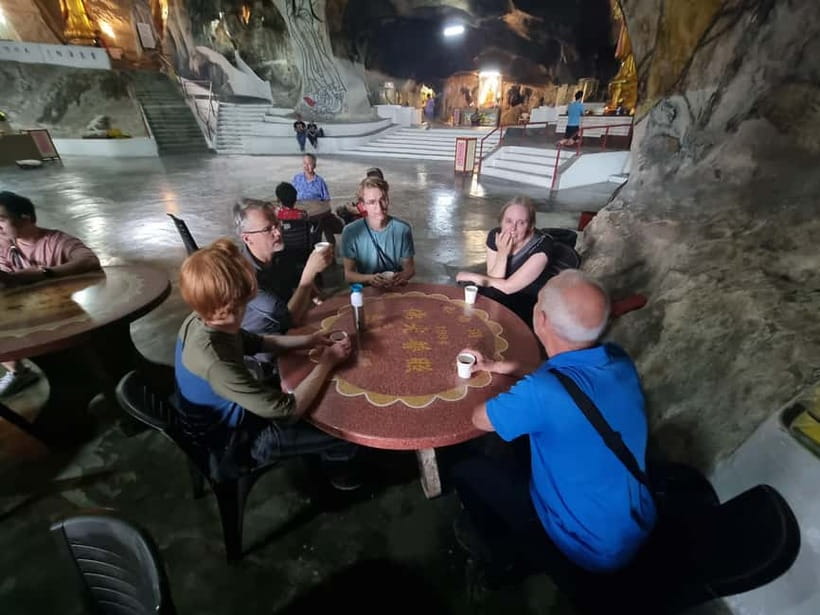
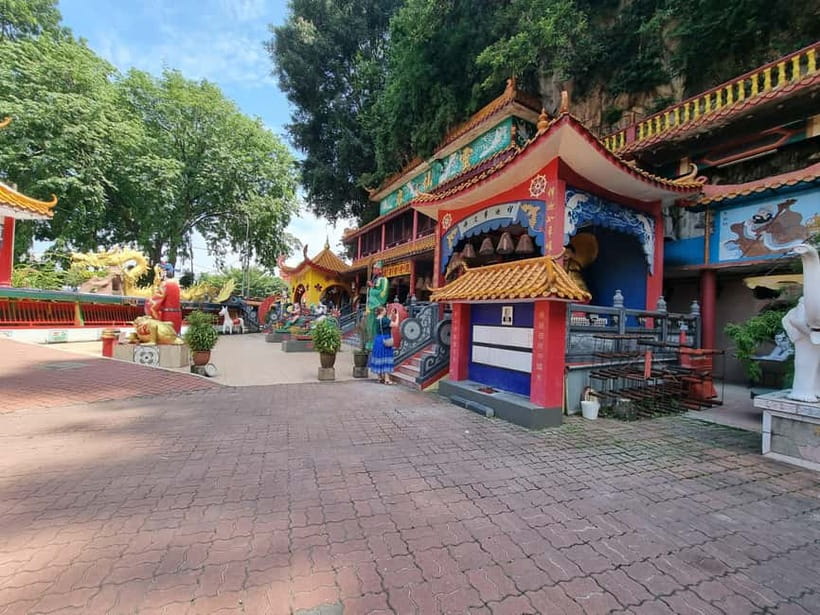
Sam Poh Tong offers a different kind of visit. Here, the cave itself receives much of your attention, with stalactites and stalagmites kept as natural features of the site.
This is a good place to slow down. Look up at the ceiling, check the shapes along the walls, and notice how the temple uses the existing rock rather than treating it as a blank room. Natural formations make the setting feel older and less controlled than a purpose-built hall.
A pagoda at Sam Poh Tong is another highlight. Its design gives you a strong visual contrast with the rough cave surfaces, and it is one of the places where you will want to keep your camera ready.
The grounds may include fish and tortoises, and Fazly has been known to help visitors feed them. That small detail can make the stop especially enjoyable for families, since children get something active to do beyond looking at statues and stone.
Do not expect every corner to feel pristine. Some parts of the temple grounds can look worn, and rubbish may be visible. I see that as a useful expectation to set before booking: this is a living, aging religious site, not a freshly restored attraction built for perfect photographs.
Ipoh’s oldest cave temple
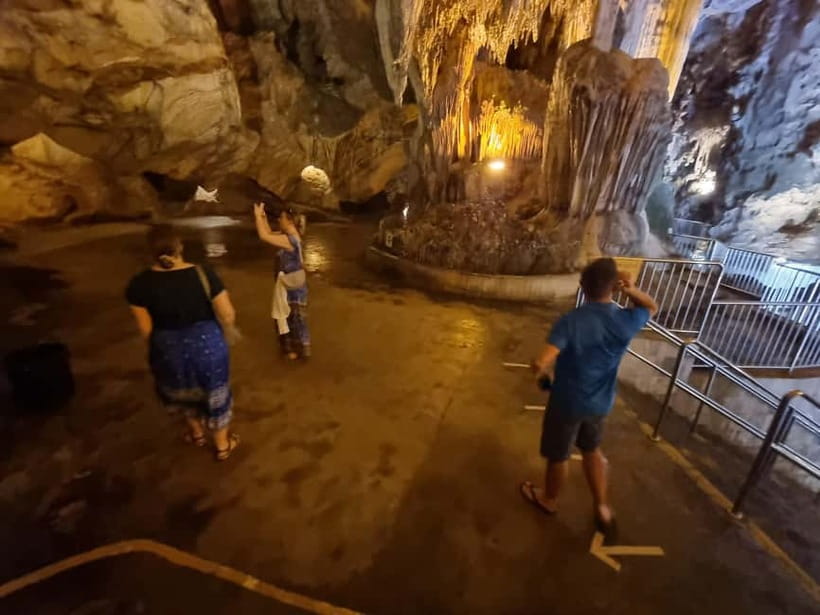
The third temple is described as the oldest of the three in Ipoh. Its structure and decorative details are especially notable because much of the style feels distinctly Chinese.
This stop adds historical weight to the outing. The cave is not only a natural chamber with religious objects placed inside. Its design, layout, and visual language show how Chinese religious traditions took root in Ipoh.
The contrast with the other temples is what makes the three-stop plan work. Perak Tong gives you the climb and the view. Sam Poh Tong focuses on rock formations and its pagoda. The oldest temple gives you a stronger sense of older Chinese architectural influence.
You should allow yourself time to look closely. Fazly’s style is to explain the temples while walking with you, not simply drop you at the entrance and wait outside. That makes a difference when you want to understand what you are seeing rather than collect three quick photographs.
Same sacred ground, another way to see it:
- From Bangkok: Ayutthaya Temples Guided Tour with Lunch
★ 4.7 · 10,535 reviews - Siem Reap: Angkor Wat: Small-Group Sunrise or Sunset Tour
★ 5.0 · 9,444 reviews - Athens: Cape Sounion & Poseidon Temple Sunset Half-Day Trip
★ 4.8 · 8,241 reviews - Ubud: Monkey Forest, Jungle Swing, Rice Terrace, and Water Temple
★ 5.0 · 7,160 reviews
Mirror Lake adds a calmer finish
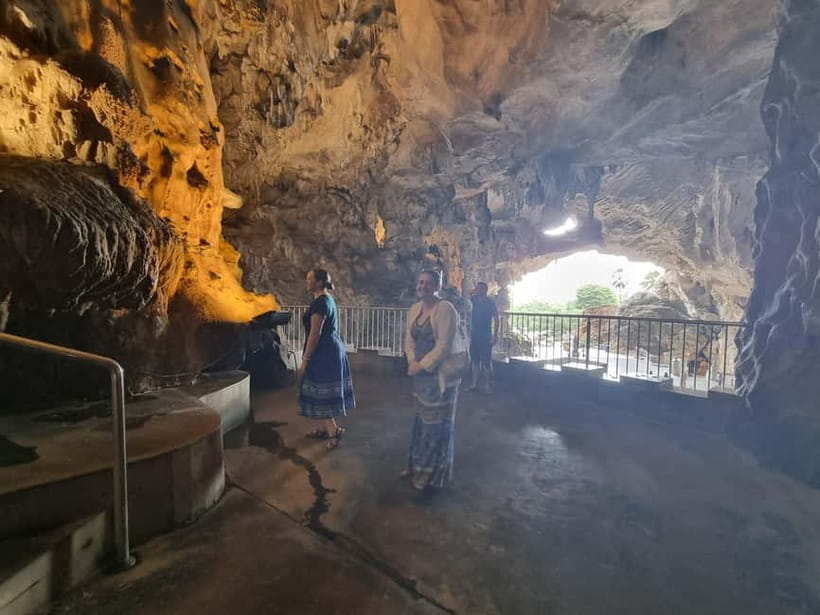
Mirror Lake is included in the outing, but its entry fee is separate. The ticket costs RM30 per person and is paid at the counter, so include that amount when comparing the total price with other Ipoh tours.
The lake offers a change of mood after the caves and stairs. Instead of religious artwork, stone chambers, and climbing, you get a more peaceful setting where you can slow down and enjoy the scenery.
A boat ride may be available as part of the Mirror Lake visit, and the area has a cafe. White coffee and local food are commonly folded into the experience, giving you a chance to try something associated with Ipoh rather than eating only familiar breakfast fare.
White coffee is particularly worth trying if you have not had it before. It gives the morning a distinctly local finish, and the cafe beside the lake can be useful for a rest after the temple visits.
Because the Mirror Lake ticket is extra, ask yourself what sort of morning you want. If you only care about the temples, you may prefer to skip the lake and save RM30. If you want a slower scenic ending, the extra cost may be worthwhile, especially when the boat ride and cafe appeal to you.
Breakfast, snacks, and local food
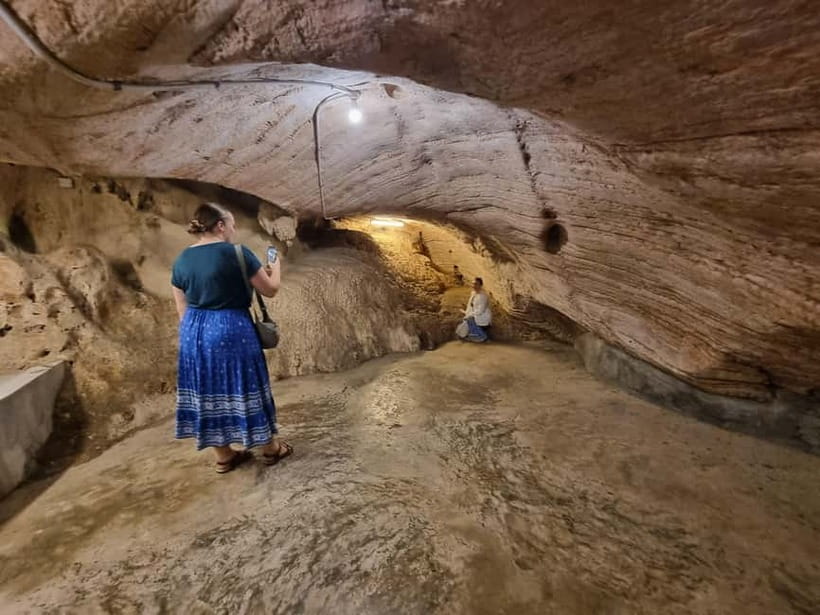
Hotel pickup is included, which makes the start of the day simple. If your accommodation does not provide breakfast, the tour includes a local-style morning meal.
That is a practical benefit, not just a food bonus. Cave temples and stairs are more enjoyable when you are not starting hungry, and local breakfast gives you an early taste of Ipoh beyond the major sights.
Fazly may also bring snacks during the day. Small food stops can be helpful with children or anyone who needs a little energy after the climb.
You may also have the chance to try local dishes, white coffee, and pomelo. The exact food selection can vary, so do not book this as a dedicated food tour. Think of the meals and snacks as useful local additions to a temple-and-scenery outing.
What the guide adds to the experience
Guide Fazly is the person most often named in connection with this experience. His approach is friendly, humorous, and attentive. He answers questions, gives practical tips for onward travel, and takes time to explain what you are seeing.
That personal style matters at cave temples because the sites do not always explain themselves clearly. A statue, pagoda, rock formation, or shrine can look interesting without telling you why it is there. A guide who walks with you and points out details can turn a quick stop into a more meaningful visit.
Fazly also seems comfortable adjusting the pace. You are not expected to hurry through each temple. You can take pictures, look around, and enjoy the scenery without feeling that the group is already waiting at the vehicle.
Families may appreciate his attention to children, including snacks and opportunities to feed fish or tortoises. Solo visitors may value the conversation and help with onward travel plans.
The experience is offered in English. If you want a highly formal lecture with extensive academic detail, this may not be the right format. It sounds more like an easygoing guided day, with explanation mixed with humor, food, and practical help.
Comfort, clothing, and the pace of the day
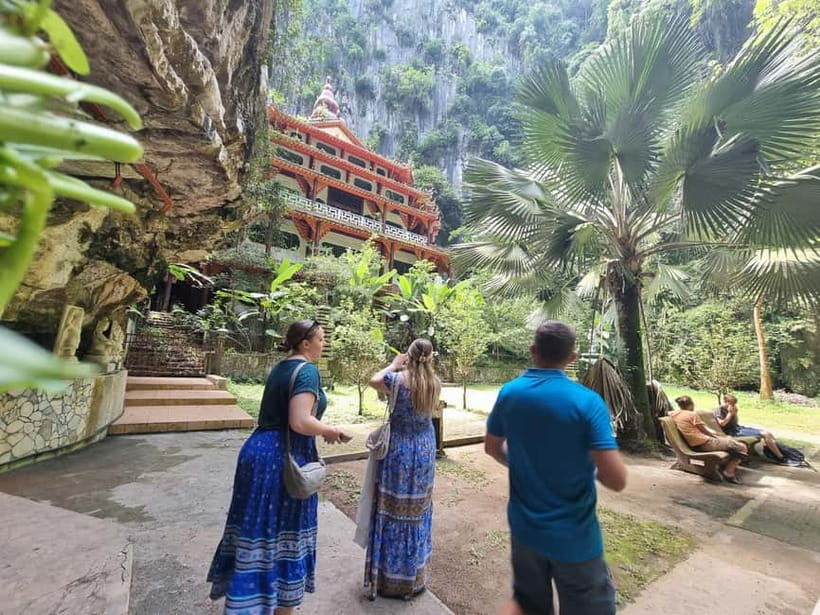
Wear comfortable shoes. This is essential for the 450-step climb, uneven temple areas, and general walking between cave spaces.
Comfortable clothes are also recommended. Religious sites call for respectful dress, and loose, practical clothing will make the stairs and warm outdoor sections easier.
Bring a camera, but do not let photography take over the visit. The caves have natural shapes, statues, temple structures, and views that reward patience. Since the pace is not rushed, you can take several minutes to frame photographs properly.
A small bottle of mineral water is provided, though you may still want to carry water if you drink often. The supplied water is described as small, so it is sensible not to rely on one bottle for the entire outing.
The tour is best for people who enjoy a mix of walking, cultural sites, scenery, and casual local food. It is less suitable for anyone seeking a luxury temple experience, a completely flat route, or a tightly scripted historical lecture.
Is the RM30 Mirror Lake fee good value?
The separate RM30 charge is easy to overlook, so factor it into your budget before booking. It is not a hidden cost, since the ticket is paid at the counter, but it does change the final price.
Value depends on what you want from the day. For the temple visits alone, the main value comes from hotel pickup, guiding, transport between sites, local context, and the time saved by not arranging three separate stops yourself.
Mirror Lake makes the day broader and more relaxed. If you enjoy scenery, a boat ride, and a cafe stop with white coffee, RM30 may feel reasonable. If your main interest is Chinese religious architecture and cave formations, you can decide based on the price at the time of booking.
The flexible cancellation policy also reduces the risk of committing too early. You can cancel up to 24 hours in advance for a full refund, and the reserve-now, pay-later option helps keep your plans open.
Who should book this cave-temple tour?
I would recommend it to first-time visitors to Ipoh who want to see the major cave temples without arranging their own transport. It also suits families, thanks to the relaxed pace, food stops, and chances to see fish and tortoises.
It is a good match for photographers and people who like natural settings with cultural meaning. The cave formations, pagoda, old Chinese-style structure, and hilltop view give you plenty of visual variety.
You should think twice if stairs are a serious concern. The 450-step climb is a central part of the day, even though you can take it slowly.
You should also expect some rough edges. Parts of the temples may look worn or untidy, and the colorful decoration may not suit everyone. If you prefer highly polished attractions, this could feel less comfortable. If you value real, active religious places with age and character, those same imperfections may make the visit more interesting.
Should you book it?
Book this tour if you want an easy way to combine Ipoh’s three main cave-temple experiences with local breakfast, snacks, and Mirror Lake. Fazly’s friendly guiding and unhurried pace are strong reasons to choose it, especially if you like asking questions and stopping for photographs.
Before booking, make sure you are comfortable with the 450 steps and remember the extra RM30 Mirror Lake fee. For most visitors who want culture, scenery, and a taste of local life in one day, this is a well-rounded Ipoh outing with a personal touch.
FAQ
Where does the tour take place?
The tour takes place in Ipoh, in the Malaysian state of Perak.
How many cave temples will I visit?
You will visit three cave temples. They are described as Perak Tong, Sam Poh Tong, and Ipoh’s oldest cave temple.
Is Perak Tong part of the tour?
Yes. Perak Tong is one of the cave temples visited during the experience.
How many steps are there to the viewpoint?
The climb to the viewpoint involves about 450 steps.
Is Mirror Lake included?
Mirror Lake is included in the tour plan, but its entry ticket costs RM30 per person and is paid at the counter.
Is breakfast included?
If your accommodation does not provide breakfast, the tour includes a local-style breakfast.
Is hotel pickup provided?
Yes. Pickup is provided from your hotel or accommodation.
What language is the tour offered in?
The tour is offered in English.
What should I wear and bring?
Wear comfortable shoes and comfortable clothes. Small mineral water is provided for guests.
Temple visits we reviewed lately in the world
- Shanghai: Yuyuan, City God Temple Old City Tour-Tip Based★ 5.0 · 10 reviews
- Seoul Sunrise & Sunset Hike + Temple & K-Food Adventure★ 4.8 · 6 reviews
- Seoul: UNESCO Sites tour: Palace, Shrine & Bukchon Village★ 4.8 · 26 reviews
- Seoul: War Memorial, Jogyesa Temple & Tapgol Park Tour★ 4.8 · 56 reviews
- Seoul: Vegan Temple Food Class, Jogyesa & Changdeokgung Tour★ 4.6 · 34 reviews
- Seoul: Temple & Starfield COEX Mall Gourmet Tour in Gangnam★ 4.7 · 22 reviews
- SEMARANG SHORE TOURS: BOROBUDUR TEMPLE EXCURSIONS★ 5.0 · 3 reviews
- Seoul: Night Bongeunsa Temple Guided Tour★ 5.0 · 11 reviews
Malaysia Temple Tours, compared.
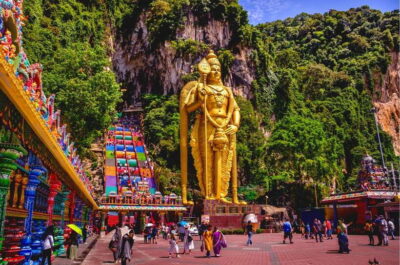
From Kuala Lumpur: Batu Caves Cultural Temple Tour
Read our review →
Penang: Kek Lok Si Temple and Penang Hill Guided Tour
Read our review →
Private Half-Day Temples and Cultural Tour in Kuala Lumpur
Read our review →
Penang City & Temple Tour With Penang Hill(Fast Lane)
Read our review →
Kuala Lumpur: Batu Caves, Thean Hou Temple & National Mosque
Read our review →
Private Penang City Tour with Kek Lok Si Temple
Read our review →
Penang: Private Highlights Tour with Temples, Hill & Gardens
Read our review →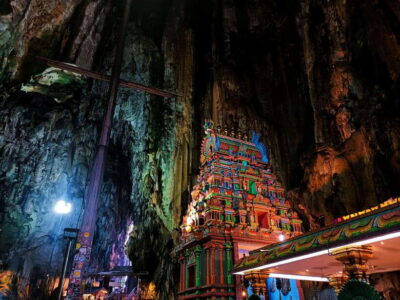
Kuala Lumpur: Temple & Shrine Private Half Day Tour
Read our review →This tour also ranks in