
Review · CHINA
Shanghai: Yuyuan, City God Temple Old City Tour-Tip Based
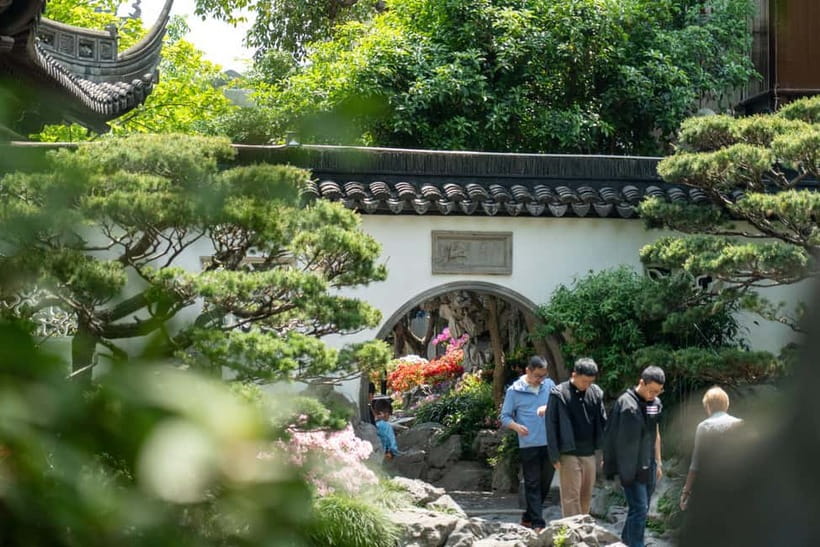
Shanghai’s old city is at its best when you move between grand religious sites and ordinary corners of daily life. This two-hour walk takes you from Yuyuan Old Street to the City God Temple, then through garden paths, a medicine shop, and a small-goods market. You get a quick look at how old Shanghai living spaces changed over time, rather than seeing only polished tourist sights.
I like the focus on Taoist and folk traditions, including the Chinese zodiac animals, temple customs, gods, and common celebrations. I also like the practical finish: guide Jie offers travel tips and personal recommendations, and the group stays small, with no more than 10 people. The main drawback is pace. Two hours is enough for an introduction, but not enough for a slow, thorough visit to every corner of Yuyuan Garden or the surrounding old city.
Key points at a glance
- City God Temple in context: Learn how Taoism, local gods, folk beliefs, wishes, and celebrations connect.
- A taste of old Shanghai: Walk past Yuyuan Old Street, small shops, local craft goods, and changing residential spaces.
- Traditional medicine stop: Visit Tonghan Chuntang and sample the king of herbs.
- Garden landmarks: See the 9 Zig-Zag Bridge and Mid-Lake Pavilion Tea House.
- Personal guidance: English-speaking guide Jie is known for clear explanations, cultural comparisons, and useful Shanghai advice.
- Low upfront price: At $2.36 per person, the tip-based format offers strong value if you want a short orientation walk.
Starting at Yuyuan Metro Station
The meeting point is Yuyuan Garden Metro Station Exit 1, served by Lines 10 and 14. Look for the red umbrella near the exit. The address in Chinese is 豫园, 1号出口, 上海市黄浦区. If you use a taxi, showing the Chinese address should make the destination clear.
The location is practical because Yuyuan is one of Shanghai’s easiest old-city areas to reach by metro. Still, give yourself time to find Exit 1. Large stations can have several exits, and the supplied meeting details identify Exit 1 specifically. The activity information also mentions Exit 3 in one place, so I would confirm the exact exit with the provider before setting out.
You will spend the tour on foot, often in crowded shopping and temple areas. Wear comfortable shoes and keep your phone, wallet, and passport secure. Smoking is not allowed, and the route is not suitable for people with mobility impairments.
More Temple Tours around China:
- Mini Group Xian Day Tour to Terracotta Army, City Wall, Pagoda and Muslim Bazaar
★ 5.0 · 1,320 reviews - Beijing: The Temple of Heaven or Summer Palace Entry Ticket
★ 4.6 · 1,286 reviews - Beijing Classic Full-Day Tour including the Forbidden City, Tiananmen Square, Summer Palace and Temple of Heaven
★ 4.0 · 610 reviews
Yuyuan Old Street and Shanghai’s changing homes
The walk opens on Yuyuan Old Street, with about 30 minutes of guided explanation. This is a useful place to begin because it gives you the visual contrast that shapes much of old Shanghai: traditional-looking commercial streets beside newer buildings, shops, and updated living spaces.
The guide explains how residents’ homes changed over time. That detail matters. You are not just looking at old facades and decorative roofs. You are also considering how people lived, moved, shopped, and adapted as the city grew. A guide can point out the difference between an attractive historic setting and a place that still has a connection to local life.
This area is also a good introduction to the rhythm of the tour. You will hear short pieces of history, pause for photographs, and move through busy public spaces rather than sit through a long lecture. The group size is limited to 10, which should make it easier to hear the guide and ask questions.
Yuyuan Old Street can feel commercial, especially around popular shops and food stalls. That is part of the experience, but you should not expect a quiet, untouched old quarter. The value comes from having someone explain what you are seeing and help you separate local customs from tourist decoration.
Tonghan Chuntang and the king of herbs
The next stop is Tonghan Chuntang, a traditional Chinese medicine shop, with about 20 minutes of guided time. Here you learn about Chinese medicinal herbs and sample the king of herbs.
The experience is brief, but it adds a useful layer to the tour. Chinese medicine is not presented as an abstract idea. You see it in a working shop setting and get a small sensory introduction through the herb sample. The stop can help you understand why herbal shops remain part of the city’s cultural picture.
Keep your expectations measured. This is a sampling and explanation, not a medical consultation or a treatment session. You should also avoid treating a brief taste as personal health advice. The appeal is cultural: you get to see a traditional practice that many city tours skip.
This stop works well for visitors who enjoy food, medicine, craft, and everyday customs. If your main interest is architecture, it may feel less important than the temple and garden portions. Still, I like the change of subject because it keeps the walk from becoming a string of temple facts.
City God Temple and the beliefs behind it
The City God Temple receives about 40 minutes, making it the longest stop. It is the heart of the tour and the place where the guide explains Taoism, folk religion, local gods, rituals, and common celebrations.
The City God is a local protective figure, and the temple offers a way to see how religious practice can connect with city life. The tour focuses on traditions and beliefs rather than asking you to accept them. That distinction helps. You can learn why people make wishes, honor gods, and take part in temple customs while keeping your own point of view.
The guide also introduces the Chinese 12 Zodiac animals, each shown with its own costume. This gives you an easy way into a subject that can otherwise seem complicated. You can identify your zodiac animal and ask how the signs fit into local custom and conversation.
You may also have a chance to make a wish. That small act gives the visit a personal touch without turning the tour into a formal religious event. The most useful part is the explanation around the ritual: what people do, why they do it, and how Taoist ideas mix with broader folk practice.
Guide Jie is particularly suited to this section. The available tour details describe clear English explanations, extensive travel experience, and a friendly style that helps with questions about different cultures. Past comments also point to her ability to make temple and cultural subjects easy to follow. That is important here, since religious sites can be confusing when you do not know which figures, offerings, or ceremonies you are looking at.
The temple area is likely to be one of the busiest parts of the walk. You should expect people shopping, taking pictures, and visiting for personal reasons. The guide can explain the setting, but the tour cannot control the noise or crowd levels.
Same sacred ground, another way to see it:
- Temple of Heaven Ticket
★ 5.0 · 482 reviews - Temple Heaven, Lama Temple, Summer Palace & Peking Duck Bus Tour
★ 5.0 · 377 reviews - Best of Shanghai Day Tour, including Jade Buddha Temple & Bund & Yuyuan Garden
★ 4.0 · 338 reviews - Temple Heaven, Summer Palace, Lama Temple, Hutong Bus Tour
★ 4.7 · 319 reviews
The 9 Zig-Zag Bridge and Mid-Lake Pavilion
After the temple, the route moves toward the garden setting around the 9 Zig-Zag Bridge and Mid-Lake Pavilion Tea House. The guided time here is about 20 minutes.
The bridge is one of the most recognizable features in the Yuyuan area. Its turns create changing views as you walk, and the route gives you a short pause from the shop-lined streets. The Mid-Lake Pavilion adds a classic garden scene, with water, traditional design, and a more restful mood.
I would not treat this as a full garden tour. The schedule gives the tea house and garden views only about 20 minutes, so the guide is selecting key points rather than covering every path, rock, building, and courtyard. If you want a slow look at Yuyuan Garden itself, you will need extra time beyond this experience.
That limitation is also part of the tour’s strength. You get a structured introduction without spending half a day on one site. The route lets you see the garden’s most recognizable visual elements while keeping attention on the wider old city.
Small goods, craft, and the everyday side of Yuyuan
The Yuyuan Garden smallware area receives another 20 minutes. Here you browse a Shanghai small-product market and see local craftsmanship.
This section is less formal than the temple visit. It gives you time to look at objects, shop displays, and the kind of small goods that make tourist districts feel connected to local commerce. The guide can help explain what you are seeing and may point you toward useful places to return to later.
You should think of this as browsing time with cultural context, not as a dedicated shopping tour. Prices, product quality, and authenticity can vary, so take your time before buying anything. The benefit of having a guide nearby is that you can ask for practical advice instead of making every choice cold.
The market also helps balance the spiritual side of the City God Temple. Shanghai’s old city is not only about monuments. It is a place of commerce, food, craft, souvenirs, and ordinary errands. This stop shows that more down-to-earth side.
Ending at Shanghai Ancient City Park
The walk finishes at Shanghai Ancient City Park. The park brings together old relics and a quieter setting, so it is a sensible place to end after the noise of the temple and market.
A final park stop matters because a short city tour can otherwise feel rushed from one attraction to the next. Here, you get a calmer close and a chance to ask for recommendations. Guide Jie can help you decide what to see next in Shanghai, where to eat, or how to shape the rest of your day, based on the information provided for the experience.
The tour does not include a return transfer. You finish at the park, so check your onward route before the walk begins. Since the group is small, this final conversation may be one of the more useful parts of the experience for first-time visitors.
What the $2.36 price really offers
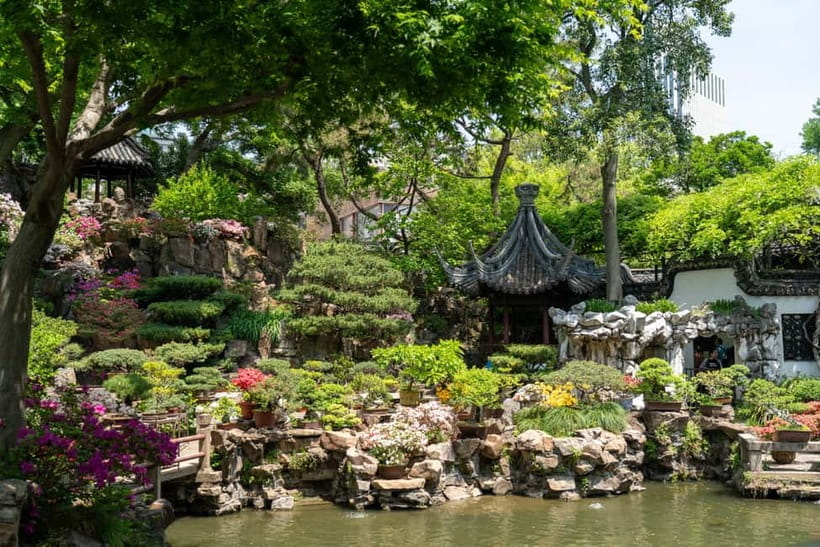
At $2.36 per person, this is an unusually inexpensive way to get a two-hour introduction to one of Shanghai’s best-known historic districts. The price gives you an English-speaking guide, cultural explanations, a traditional medicine sampling, a small-group setting, group photos at attractive landmarks, and practical recommendations.
The tip-based structure is important to understand. The low price should be seen as an entry point rather than the full measure of the guide’s work. If you value Jie’s explanations and advice, plan your budget with the tip-based format in mind.
The strongest value comes from the local interpretation. You can walk through Yuyuan Old Street and the temple area on your own, but you may miss the meaning behind the zodiac animals, religious figures, herbal shop, and garden design. A guide turns a series of sights into a connected introduction to Shanghai’s old city.
There are limits. This is not a private tour, and the maximum group size is 10. It is also not a full food walk, a full Chinese medicine lesson, or an extended garden visit. You are paying for a compact overview with personal guidance.
Free cancellation is available up to 24 hours before the activity for a full refund, and you can reserve now and pay later. Starting times depend on availability. These terms are useful if your Shanghai plans are still shifting.
Who should book this old-city walk?
I would choose this tour if you want a quick cultural orientation during your first days in Shanghai. It suits you especially well if you are curious about Taoism, local gods, Chinese zodiac traditions, traditional medicine, and the way old neighborhoods change.
It also works for solo visitors and small groups who want human contact without committing to a long day. The friendly group atmosphere, clear English, and chance to ask personal questions are meaningful advantages in a short tour.
You may want something else if you need step-free access, dislike crowded commercial areas, or want a detailed architectural study. The route is on foot, and the activity is not suitable for people with mobility impairments. You should also add separate time if Yuyuan Garden is a major priority, since this walk only covers selected garden sights.
FAQ
Where does the tour meet?
The meeting point is Yuyuan Garden Metro Station Exit 1 in Shanghai. Look for the red umbrella. The station is served by Metro Lines 10 and 14.
What language is the tour in?
The live tour guide speaks English.
How long does the experience last?
The tour lasts two hours.
How large is the group?
The activity is a small-group tour limited to 10 participants.
What places are included?
The route includes Yuyuan Old Street, Tonghan Chuntang, the City God Temple of Shanghai, Lake Pavilion Tea House, Yuyuan Garden smallware, and Shanghai Ancient City Park.
Is the tour suitable for people with mobility impairments?
No. The activity is listed as not suitable for people with mobility impairments. Comfortable walking shoes are recommended.
Can I cancel or pay later?
Yes. You can cancel up to 24 hours in advance for a full refund, and you can reserve now and pay later.
Should you book it?
Book this walk if you want a short, affordable introduction to Shanghai’s old city with a strong focus on temple customs and local culture. The combination of City God Temple, zodiac traditions, herbal medicine, garden views, and personal tips gives the two hours real variety.
I would skip it only if you need accessible transportation, a quiet garden visit, or a long, detailed tour. For most visitors with two spare hours, the low price and small group make it a sensible first look at Yuyuan and the City God Temple area.
Temple visits we reviewed lately in China
- Shanghai: Yu Garden and City God Temple Walking Tour★ 4.9 · 27 reviews
- Private Tour to Yinshan Pagoda Forest w/Optional Activities★ 5.0 · 5 reviews
- Private Tour Datong Hengshan Hanging Temple Yungang Grottoes★ 5.0 · 4 reviews
- Private Tour: Longmen Grottoes, Shaolin Temple & Kungfu Show★ 4.8 · 17 reviews
- Private ForbiddenCity&TempleofHeaven&SummerPalace Day Tour★ 5.0 · 4 reviews
- Pingyao: Shuanglin Temple Tour or Entry Ticket Only Option★ 4.5 · 3 reviews
- Luoyang Private Day Tour to Shaolin Temple&Longmen Grottoes★ 5.0 · 10 reviews
- Louyang Day Tour from Xian: Longmen Grottoes, Shaolin Temple★ 5.0 · 3 reviews
China Temple Tours, compared.
Beijing: The Temple of Heaven or Summer Palace Entry Ticket
Read our review →
Beijing Classic Full-Day Tour including the Forbidden City, Tiananmen Square, Summer Palace and Temple of Heaven
Read our review →
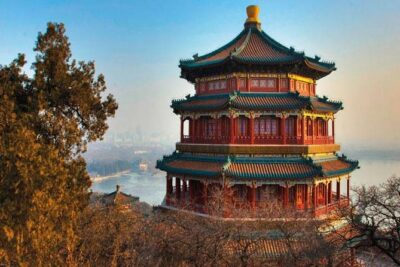
Temple Heaven, Lama Temple, Summer Palace & Peking Duck Bus Tour
Read our review →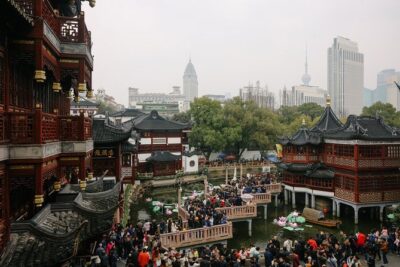
Best of Shanghai Day Tour, including Jade Buddha Temple & Bund & Yuyuan Garden
Read our review →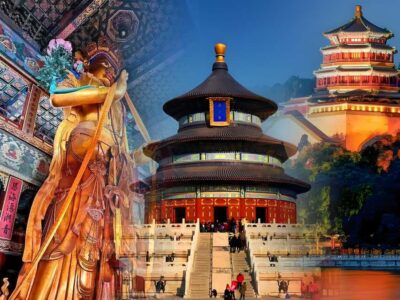
Temple Heaven, Summer Palace, Lama Temple, Hutong Bus Tour
Read our review →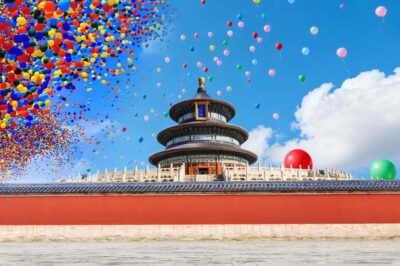
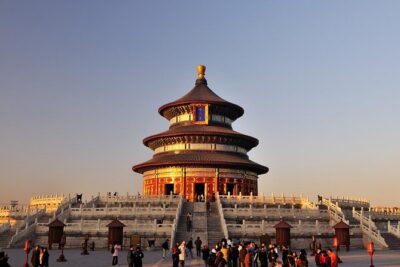
Temple of Heaven, Summer Palace, Lama Temple, Hutong Tours
Read our review →This tour also ranks in