
Review · TEMPLES WORLDWIDE
Eltville: Eberbach Monastery Entry Ticket
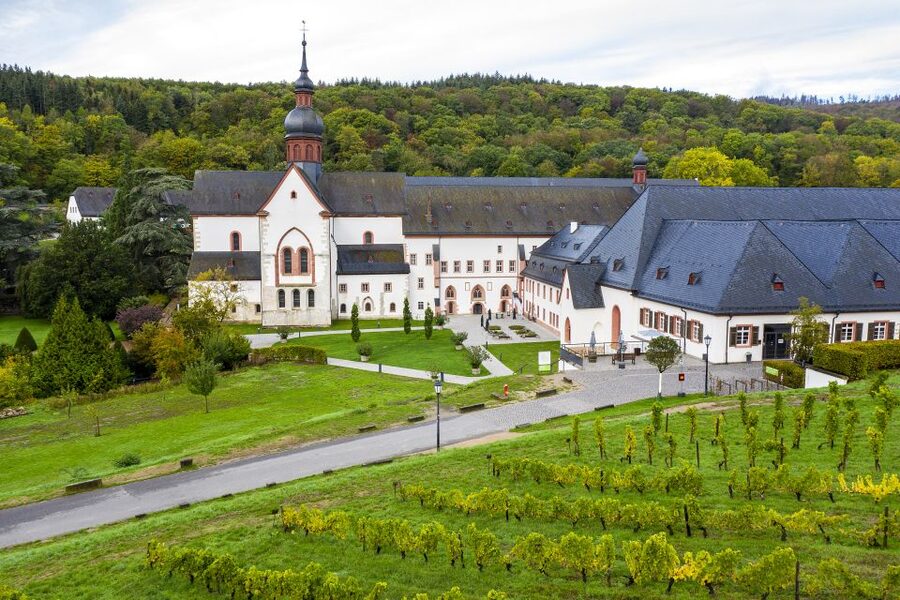
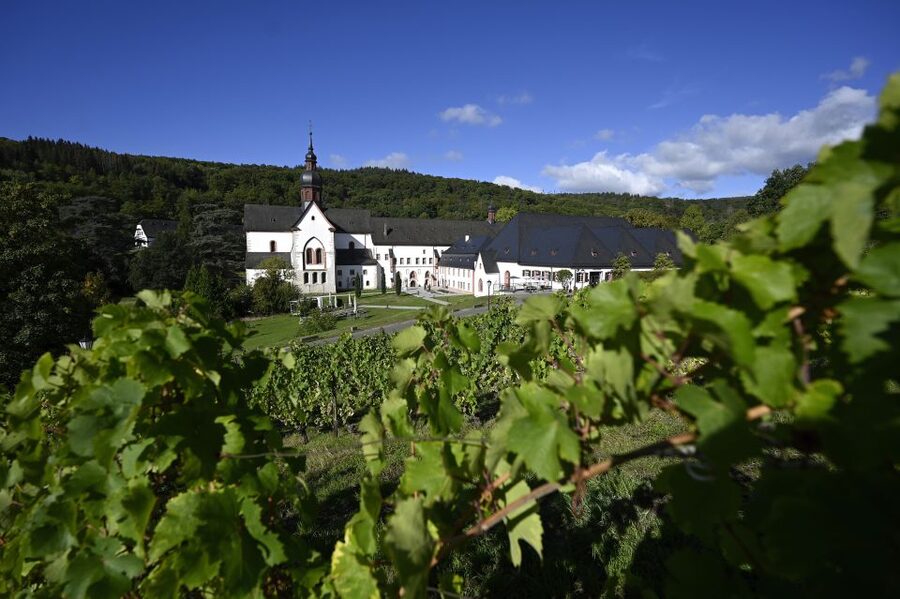
Eberbach Monastery is more than a pretty old church. Its wine cellars, giant presses, and monkish dining rooms show how work, worship, and wine shaped life here. Film fans will also recognize rooms used for The Name of the Rose, while the Abbey Museum adds paintings, sculptures, and religious objects.
I like the freedom of a self-paced visit, and I like the mix of serious medieval architecture with a very practical wine story. You can study the basilica, pause in the cloister, then stand beside huge presses and barrels without being rushed. The main catch is transport: parking is limited, and the QR code has occasionally failed at the entrance, though staff issued replacement tickets promptly.
Key points to know before you go
- Film setting: Several rooms were used for The Name of the Rose, making the visit especially appealing to cinema fans.
- Wine from the abbey: Historic presses, storage barrels, an ice cellar, and a treasure chamber connect the monastery to local wine production.
- Art and sacred objects: The Abbey Museum displays documents, paintings, sculptures, and religious pieces connected with Eberbach.
- Self-guided pace: Your ticket is valid for one day, so you can take your time rather than follow a fixed route.
- Public transport option: Bus 172 runs hourly from Eltville train station to the Kloster Eberbach, Barockpforte stop.
- Ticket tip: Keep both a paper and digital copy if possible, since some QR codes have not worked at the entry gate.
Why Eberbach Monastery feels different from a standard church visit
The first thing you notice at Eberbach is the scale of the place. This is not simply a church with a few side rooms. The complex lets you move through spaces tied to prayer, sleep, meals, storage, wine production, art, and daily chores.
That range gives the visit its appeal. You can stand in the basilica and consider the spiritual purpose of the monastery, then walk into a cellar where enormous presses and barrels explain the economic side of monastic life. The contrast is useful. It keeps the visit from becoming a string of empty rooms and dates.
I especially like that the route makes the monks easier to picture. Their bedrooms and dining hall are not just architectural shells. They offer a sense of how a religious community organized its ordinary days. You are not asked to imagine only grand ceremonies. You also see where people ate, slept, stored goods, and worked.
The ticket is valid for one day, but this is not a guided tour with a stated starting time. You explore at your own pace. That suits anyone who likes to stop for photographs, read display panels, or spend extra time in a room connected with The Name of the Rose.
More Entry Tickets in the world:
- Lisbon: Jerónimos Monastery Entrance Ticket
★ 4.1 · 14,164 reviews - Bali: Kecak Fire Dance Show & Uluwatu Temple Entry Ticket
★ 4.2 · 3,023 reviews - Montserrat Museum and Monastery Entry Ticket
★ 4.5 · 1,740 reviews
The basilica and cloister: start with the quiet spaces
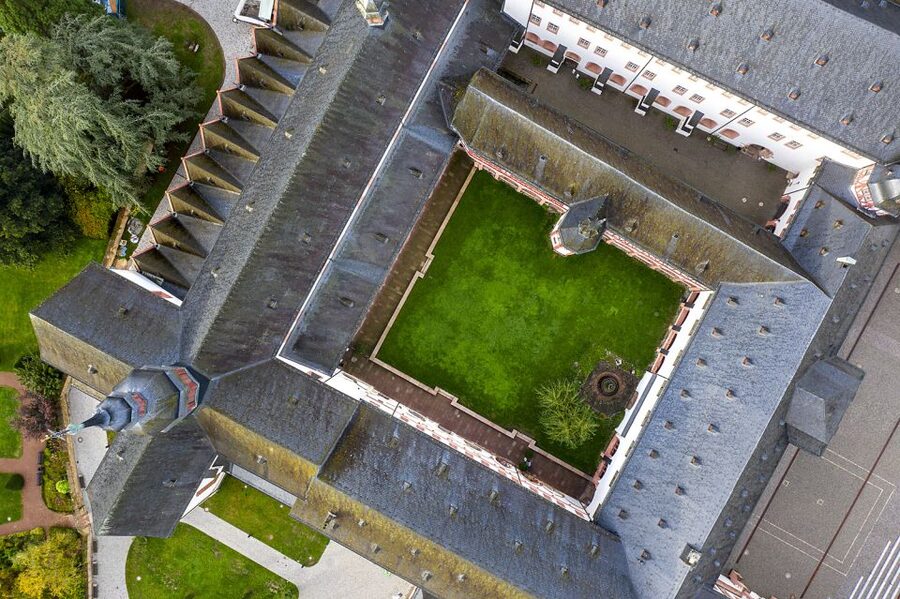
Begin with the basilica, one of the monastery’s central architectural experiences. The visit is not only about decoration. The building helps you understand the setting in which the monks worshipped and lived under a strict religious routine.
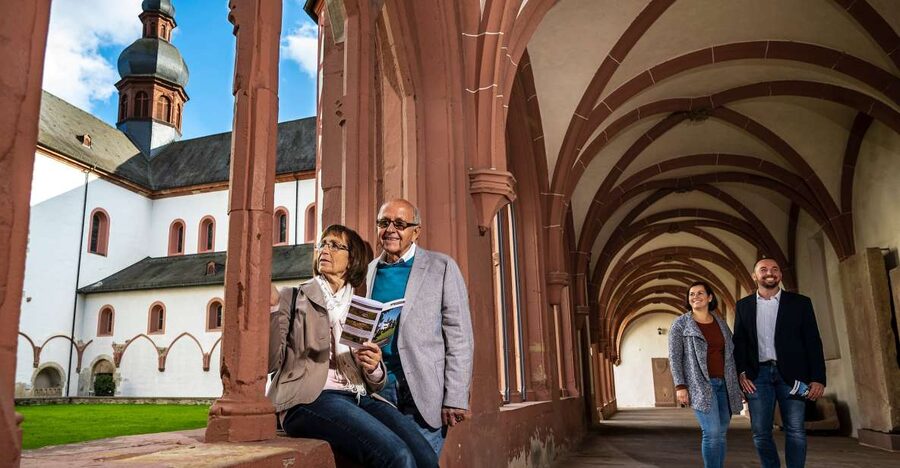
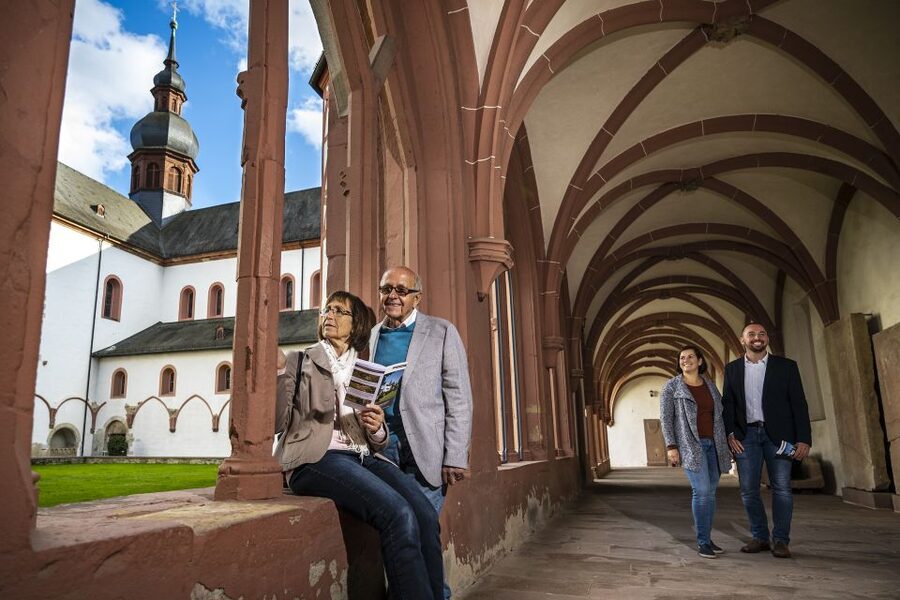
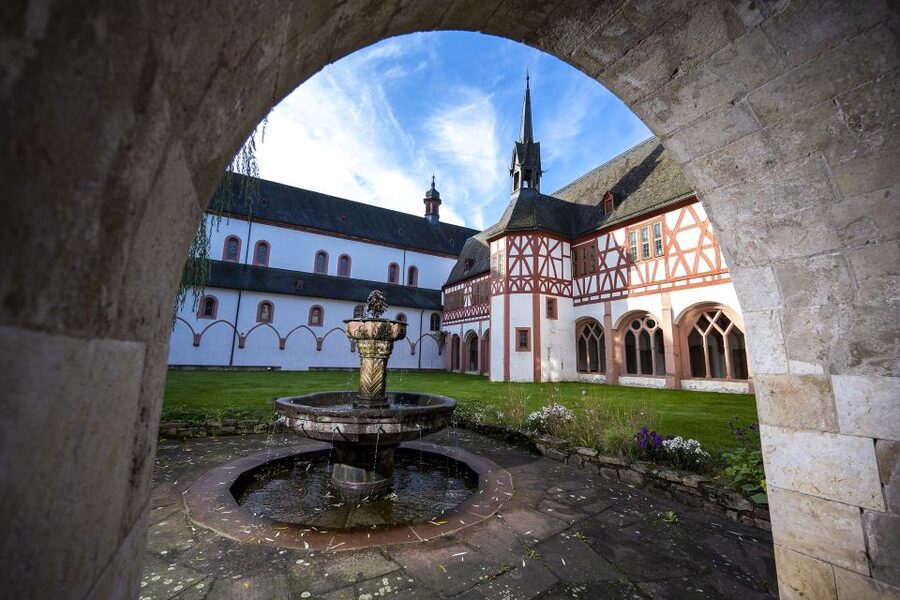
Next, make time for the cloister. Its arcades create a calmer, more enclosed feeling than the larger rooms, and one of its windows was designed by the internationally known artist Thomas Bayrle. That modern artistic detail gives the old monastery a useful point of contrast.
I would not rush through the cloister simply because the wine cellars sound more exciting. The change in mood matters. The basilica and cloister show the monastery as a place of contemplation, while the later rooms explain its practical systems.
The self-guided format works well here. You can look closely at the architecture without trying to keep up with a group. If you prefer a strong historical narrative, a guided visit may add more structure. A visit led by Herr Susenberger received especially warm praise for bringing the events to life, but the basic entry ticket itself does not promise his services or include a guide.
Monks’ bedrooms and dining hall: ordinary life behind the stone
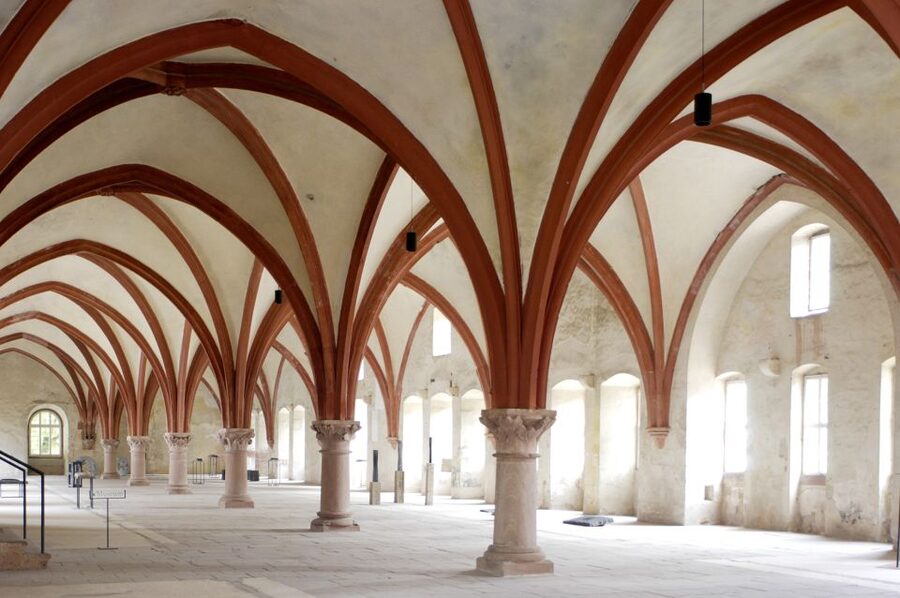
The monks’ bedrooms are among the most helpful spaces for understanding the human side of Eberbach. Grand religious buildings can make medieval life seem distant. Rooms connected with sleeping and eating bring it back to a daily scale.
The dining hall is particularly memorable because it also contains giant Baroque wine presses. This is one of the monastery’s strongest visual contrasts. A room associated with communal meals also reveals the machinery behind wine production.
Take your time here. Look at the presses as working objects, not just decorations. Their size tells you that winemaking was not a minor side activity. It required equipment, labor, storage, and planning.
The experience does not turn the monastery into a wine museum alone. Religious life remains at the center, but wine helps explain how the community functioned. You see a place where devotion and agriculture were closely linked.
Cellars, barrels, and the treasure chamber
The wine cellars are a major reason to choose this ticket instead of visiting only the basilica. You can see historic barrels and the spaces used to hold the monastery’s production. The atmosphere changes as you move from bright public rooms into lower, more enclosed areas.
The ice cellar adds another small but telling detail. It helps you think about how the monastery handled food and storage before modern refrigeration. You should also look for the treasure chamber, described as a cellar full of wine bottles. It is a fitting stop because it joins the old storage system with the modern pleasure of tasting local wine.
At the monastery wine house, you can try wine grown at Eberbach itself. The tasting is not included in the $18 entry price, so plan for it as an optional extra rather than part of the admission. Still, it gives the visit a satisfying finish. You have seen the presses, barrels, and cellars, then you can connect those objects with the drink in your glass.
I would save the wine house for the end. That order gives the tasting more meaning, and it avoids trying to hurry through the historic rooms before closing.
More Temple Tours around the world:
- Angkor Wat Sunrise or Sunset Tour with Guide from Siem Reap
★ 5.0 · 12,109 reviews - Teotihuacan, Guadalupe Shrine & Tlatelolco Day Tour with Lunch
★ 5.0 · 11,603 reviews - From Bangkok: Ayutthaya Temples Guided Tour with Lunch
★ 4.7 · 10,535 reviews - Siem Reap: Angkor Wat: Small-Group Sunrise or Sunset Tour
★ 5.0 · 9,444 reviews
The Abbey Museum and its changing exhibitions
The Abbey Museum adds a more formal art and history component. Inside, you can see documents, paintings, sculptures, and religious objects preserved at Eberbach. Other pieces come from public, church, and private collections.
This is where the monastery’s story becomes more detailed. Architecture shows how the place feels, while museum objects help explain its people, beliefs, and changing role. If you enjoy close looking, allow enough time for the artworks and display materials rather than treating the museum as a quick indoor stop.
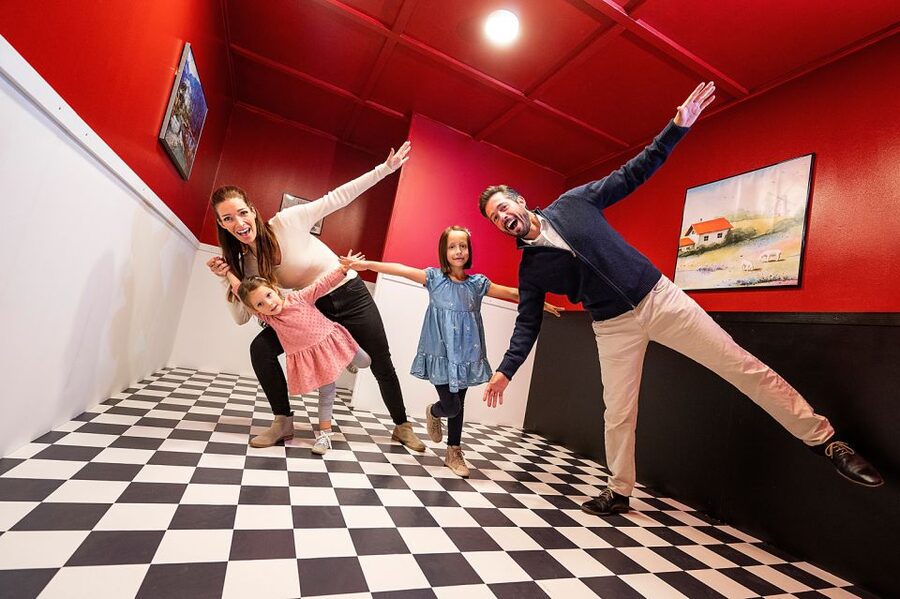
The supplied information also describes a temporary optical illusion exhibition called VERTRICKST!, which began on September 24, 2022, for one year. It included more than 100 exhibits, moving images, kaleidoscopes, augmented reality, mirror rooms, slanted rooms, black-light displays, and works by Yunuen Esparza and Martin Hartmann.
Because that exhibition was scheduled for a specific one-year period, you should not assume it is still running. Check current museum information before planning your visit around it. The permanent museum displays and monastery rooms are the more dependable reasons to go.
If the illusion exhibition is operating during your visit, it would add a playful change of pace, especially for families and younger visitors. The temporary show was designed to explain visual phenomena as well as entertain, so it was not simply a collection of photo opportunities.
Following the trail of The Name of the Rose
Eberbach served as a filming location for Sean Connery’s The Name of the Rose. The film connection is not a separate tour, but it changes the way you look at the monastery.
You may recognize rooms and be able to match certain scenes to the basilica, cloister, or other interiors. One recent visitor even found it possible to connect filming scenes directly with specific rooms. That makes the visit especially rewarding if you know the film.
You do not need to be a devoted film fan to enjoy this feature. The movie connection gives you another way to read the building. Instead of seeing only stone, arches, and old furniture, you can consider how the same spaces worked on screen.
Bring the film knowledge with you if that is part of your interest, but keep the larger visit in view. The monastery is not merely a movie set. Its wine production, museum collection, and religious architecture give it substance beyond the screen.
Getting there from Eltville, Wiesbaden, or Frankfurt
Transportation is not included, so plan this part before you book. By car, you can drive directly to Eberbach Monastery, but on-site parking is very limited. It becomes an even bigger concern during major public events.
Public transport is straightforward from Eltville. From Eltville train station, bus 172 runs hourly to the Kloster Eberbach, Barockpforte stop. Check the Rhein-Main-Verkehrsverbund timetable for the exact departure and return times, using the stop name and your travel date.
Long-distance connections are recommended from Wiesbaden, Mainz, or Frankfurt rather than relying on a direct long-distance route to the monastery. Build in time for the hourly bus pattern. Missing one bus can affect your return plans.
At the main entrance, show your paper or digital ticket. Since QR code problems have occurred, I would keep the booking available in more than one form. At least one visitor had a code rejected at the gate, but the staff issued replacement tickets and resolved the problem quickly. That is reassuring, but it is still better to arrive prepared.
Wear comfortable shoes. The site includes several rooms and cellar areas, and the recommended packing list also includes water, comfortable clothing, and a packed lunch. The ticket does not include transportation or food.
Is $18 good value for one day?
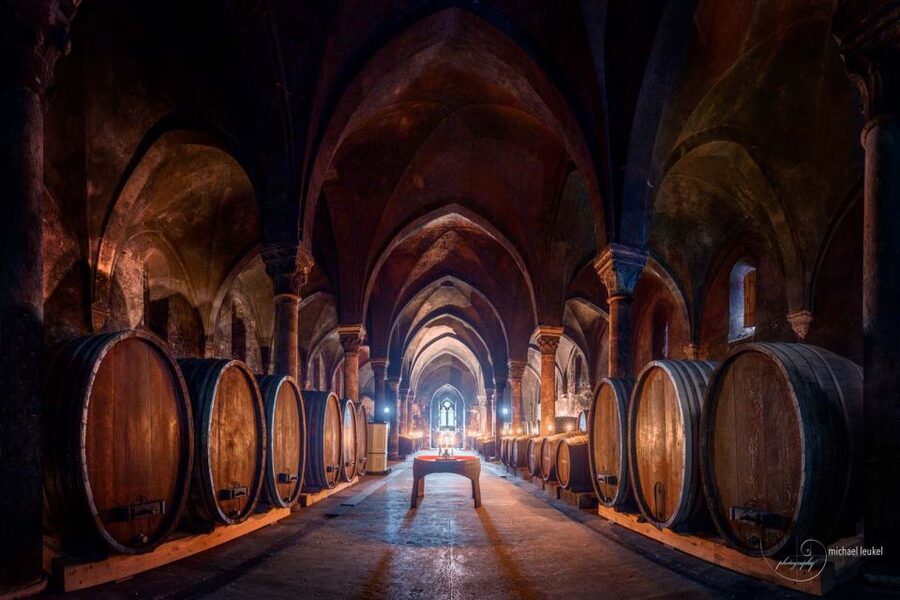
At $18 per person, the ticket offers solid value if you plan to see more than the basilica. You are paying for access to the wider monastery complex, including the cloister, monks’ rooms, dining hall, wine areas, and Abbey Museum.
The value is strongest for visitors who enjoy variety. In one place, you get architecture, religious art, film history, wine production, and local tasting opportunities. A person interested only in a quick church stop may find the ticket less compelling, while anyone who likes to read and explore can make good use of the full day.
The wine tasting is an extra consideration. Since it is not included, budget separately if you want to try monastery-grown wine at the wine house. The tasting makes sense as part of the visit, but you are not forced to pay for it.
The price also gives you flexibility. You do not have to squeeze the monastery into a short timed tour. That matters if you are coming by bus or want to combine the visit with a relaxed meal or museum stop.
Who will enjoy this visit most?
I would recommend Eberbach Monastery to:
- Film fans who know The Name of the Rose
- Visitors interested in medieval religious buildings
- Wine lovers who want to see presses, barrels, and cellars
- Museum visitors who enjoy paintings, sculpture, and sacred objects
- Families, especially if a temporary interactive exhibition is running
- Independent visitors who prefer setting their own pace
It is less suitable if you need a wheelchair-accessible experience, since the activity is not suitable for wheelchair users. It may also disappoint anyone expecting transportation, a guaranteed guided tour, or wine tasting included in the admission.
Practical verdict: book it if you want the whole monastery
Book this ticket if you want to connect Eberbach’s worship spaces with its wine cellars, museum objects, and film locations. The best visit is not a quick photo stop. Give yourself time for the basilica, cloister, monks’ rooms, presses, barrels, museum, and wine house.
I would be especially keen to go with a film fan or someone interested in German wine culture. Check transport carefully, carry a backup copy of the ticket, and avoid arriving by car during a major event if possible. At $18, the visit earns its price through variety, self-guided freedom, and access to spaces that tell more than one story.
FAQ
Where is Eberbach Monastery located?
Eberbach Monastery is in Hessen, Germany, near Eltville.
How long is the ticket valid?
The entry ticket is valid for one day.
What does the entry ticket include?
It includes entry to Eberbach Monastery, including its visitor areas such as the wine cellars and Abbey Museum.
Is transportation included?
No. You must arrange your own transport to the monastery.
How can I reach the monastery by public transport?
From Eltville train station, take bus 172 to the Kloster Eberbach, Barockpforte stop. The bus runs hourly, but you should check the current timetable for your date.
Can I drive to Eberbach Monastery?
Yes, you can drive there. Parking is available on site but very limited, especially during major public events.
Is wine tasting included?
No. You can try wine at the Eberbach Monastery wine house, but wine tasting is not included in the entry ticket.
Is the site suitable for wheelchair users?
No. The activity is listed as not suitable for wheelchair users.
Can I cancel the booking?
Yes. You can cancel up to 24 hours in advance for a full refund. Reserve now and pay later may also be available, subject to the booking terms.
Temple visits we reviewed lately in the world
- Shanghai: Yuyuan, City God Temple Old City Tour-Tip Based★ 5.0 · 10 reviews
- Seoul Sunrise & Sunset Hike + Temple & K-Food Adventure★ 4.8 · 6 reviews
- Seoul: UNESCO Sites tour: Palace, Shrine & Bukchon Village★ 4.8 · 26 reviews
- Seoul: War Memorial, Jogyesa Temple & Tapgol Park Tour★ 4.8 · 56 reviews
- Seoul: Vegan Temple Food Class, Jogyesa & Changdeokgung Tour★ 4.6 · 34 reviews
- Seoul: Temple & Starfield COEX Mall Gourmet Tour in Gangnam★ 4.7 · 22 reviews
- SEMARANG SHORE TOURS: BOROBUDUR TEMPLE EXCURSIONS★ 5.0 · 3 reviews
- Seoul: Night Bongeunsa Temple Guided Tour★ 5.0 · 11 reviews