
Review · CHIANG MAI
Chiang Mai – Doi Suthep Temple & Wat Pha Lat Hike
The best part of this half-day outing is the contrast: you move from a quiet forest path and waterfall at Wat Pha Lat to the gold-and-marble grandeur of Wat Phra That Doi Suthep. The traditional red songthaew ride adds a real Chiang Mai touch, with open sides, mountain switchbacks, and no air-conditioning.
I like the gentle forest walk and the guides, who bring the temples to life with stories about Buddhism, carvings, monks, and local customs. I also like the choice of timing: sunrise can bring chanting and nearly empty temple grounds, while a later departure may give you sunset or city lights. The main catch is that the trail can be muddy, rocky, and steep in places, and the listed price does not include temple admission or the THB 100 Monk’s Trail fee.
Key points to know before you go
- Wat Pha Lat feels genuinely peaceful: This forest temple has statues, gardens, a waterfall, and views through the trees.
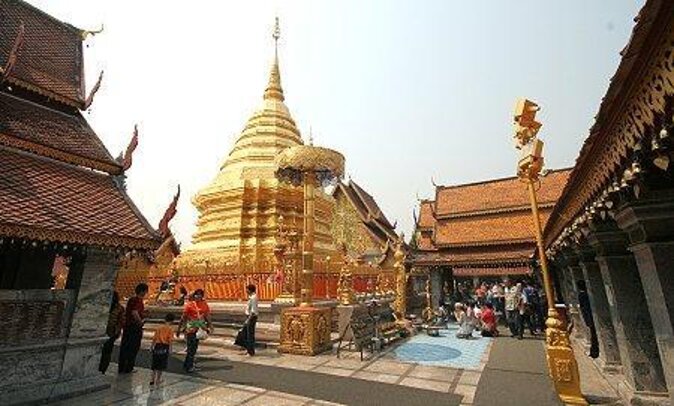
- Doi Suthep delivers the big Chiang Mai view: The golden stupa and mountain-top lookout are the tour’s grand finale, or its opening act on the sunrise schedule.
- The sunrise option starts at 5:00 a.m.: You visit Doi Suthep first, then walk downhill from Wat Pha Lat.
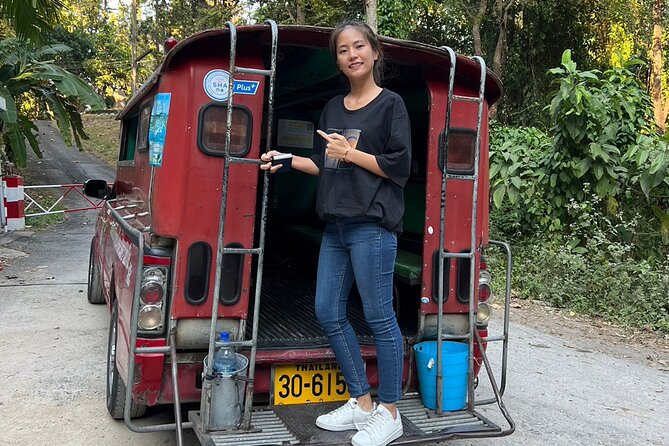
- Your ride is a real songthaew: Expect bench seating in an open-sided pickup truck, not a private air-conditioned minibus.
- Guides are a major strength: Jane, Margaret, Saman, Nancy, Bright, and others are praised for clear explanations, helpful photos, humor, and care with mixed-ability groups.
- Budget for extras and dress properly: Bring cash, cover shoulders and knees, and wear shoes suited to mud and uneven ground.
Two temples, two very different moods
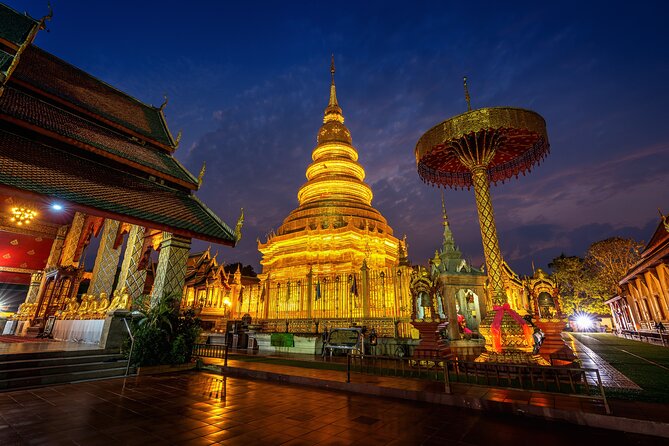
This tour works because the two temples offer different experiences. Wat Pha Lat is quiet, leafy, and spread through the forest. Doi Suthep is a major sacred site with a stronger sense of ceremony, more visitors, grand architecture, and a famous view over Chiang Mai.
You are not simply checking off two religious sites. You get a look at how temples can fit into the mountain itself, from a small retreat beside a stream to a major pilgrimage destination high above the city. That contrast gives the morning or afternoon a clear shape.
The experience lasts about four hours, though traffic can stretch the return. One afternoon group collected at 1:30 p.m. reached town after 6 p.m. because of evening congestion. Leave some space in your schedule after the tour, especially if you choose a later departure.
More Doi Suthep Temple Tours in Chiang Mai:
- Chiang Mai: Doi Suthep and Wat Umong Enchanting Evening Tour
★ 4.6 · 1,811 reviews - Chiang Mai: Doi Suthep, Wat Umong, and Pha Lat Sunrise Tour
★ 4.7 · 1,425 reviews - Chiang Mai: Wat Pha Lat & Wat Phra That Doi Suthep Tour
★ 4.8 · 1,207 reviews
Riding uphill in a red songthaew
Transport is part of the character of the outing. You ride in a Chiang Mai songthaew, often called a red car or baht bus. It is a converted pickup with two benches in the back, open sides, and no air-conditioning.
The ride up Doi Suthep includes plenty of curves and switchbacks. You get passing glimpses of Chiang Mai and the wooded mountain roads, but this is not luxury transport. Sit securely, keep your belongings close, and expect a shared ride rather than a private vehicle.
That trade-off is worthwhile if you want a local-style journey. It also explains why pickup timing can be broad. Eligible hotel pickups may begin as much as 45 minutes before the scheduled start, and pickup is limited to hotels in the old city or just outside the center.
If your accommodation falls outside that area, the meeting point is in front of Burger King at Thapae Gate. Confirm your hotel details when booking so the operator can tell you which arrangement applies.
Walking the Monk’s Trail to Wat Pha Lat
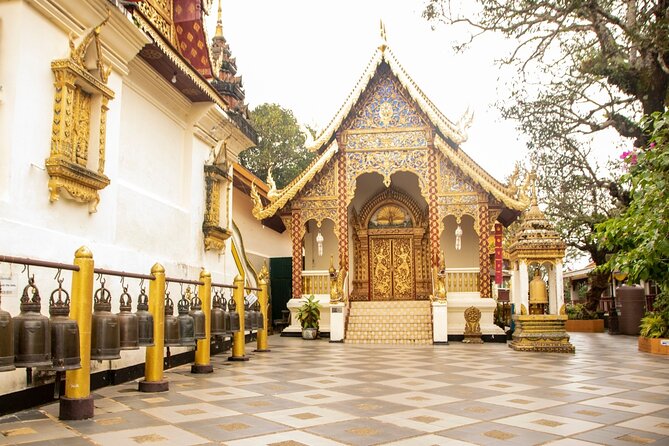
The path to Wat Pha Lat is the outing’s most memorable section. You walk through woodland on the Monk’s Trail, passing toward a temple tucked among trees, rocks, and flowing water. The route is often described as light, but that does not mean it is smooth.
After rain, the trail can turn muddy and slippery. Some sections are rocky, and the walk includes uneven ground and steps. Several people found the downhill route especially pleasant, while others pointed out that the rough terrain requires at least a modest level of fitness. Proper walking shoes are far better than sandals or smooth-soled trainers.
The sunrise schedule changes the order. You visit Doi Suthep first, then continue to Wat Pha Lat, where the walk goes downhill rather than uphill. That is a smart arrangement for an early start, when you are likely to appreciate the easier direction.
At Wat Pha Lat, slow down. The temple is not about one enormous building. Its appeal comes from the setting: statues in a garden, old structures, forest, and a waterfall nearby. You may see monks, dogs, and small signs of daily religious life. The place feels quieter than Doi Suthep, and the guide can help explain the figures and symbols that might otherwise blur together.
Bring mosquito repellent, especially for the forest section. It is also wise to carry a small amount of cash for the THB 100 Monk’s Trail entrance fee, which is not included in the tour price.
Visiting golden Wat Phra That Doi Suthep
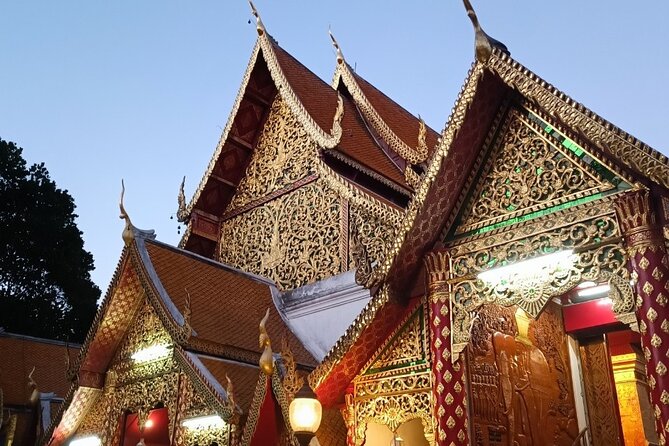
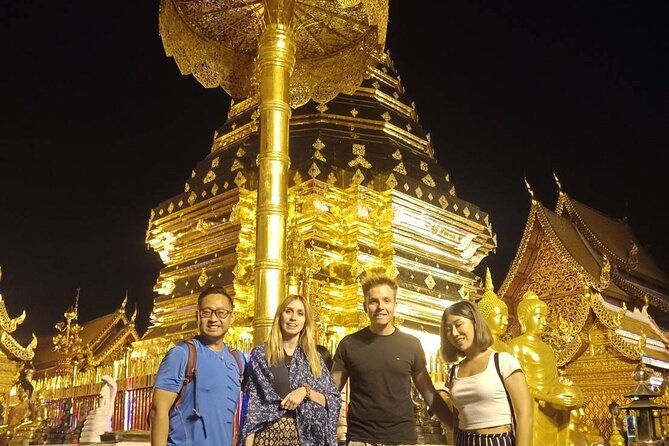
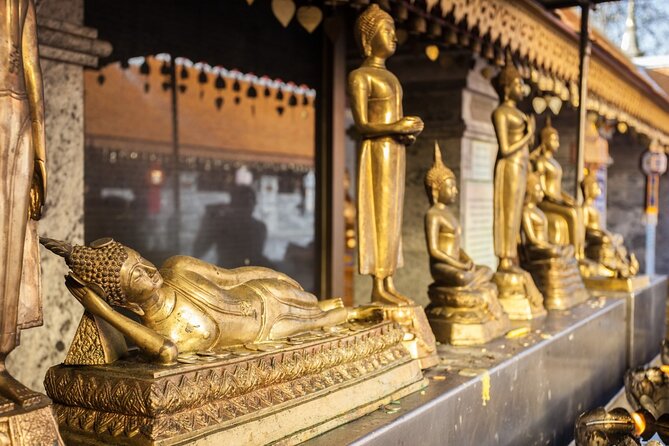
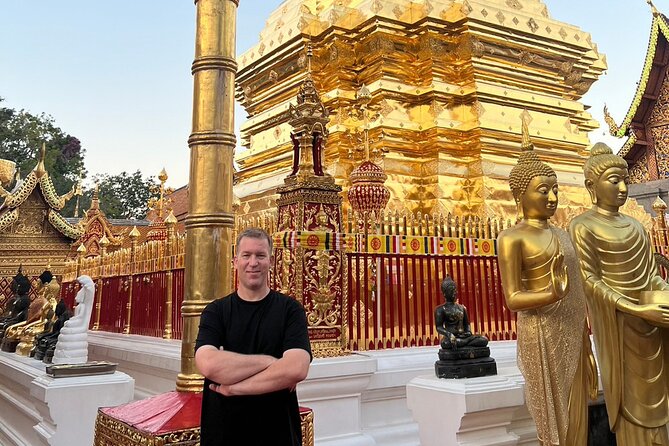
Wat Phra That Doi Suthep is the mountain’s main attraction and one of northern Thailand’s most sacred temples. The golden stupa is the visual focus, but the visit also gives you time to study the temple architecture, carvings, and Buddhist imagery.
This is where a good guide matters. Jane, Margaret, Saman, Bright, Ata, and others are praised for explaining symbolism, temple history, Buddhist practice, and the way the site matters to Thai people. Some guides also have experience as former monks, which can add useful perspective on monastic life.
You should have time to explore on your own as well as listen. Guides such as Margaret and Jane are noted for keeping groups together without hovering, while still allowing people space for photographs and quiet observation. Solo visitors benefit from this balance, since guides often offer to take pictures.
The temple involves stairs, although a cable car or funicular is available for an additional fee. The entrance fee and cable car are not included in the $25 tour price, so bring cash and expect to pay separately. If stairs are difficult, tell the guide early. The tour information also says you can take a songthaew up the mountain instead of hiking.
Temple clothing is not optional. Cover your shoulders and knees, and do not wear a sleeveless shirt. A light cover-up can be useful, particularly for the early morning when the mountain may feel cool. One guide even lent a jacket to a visitor who needed more coverage, but it is better to arrive prepared.
More temple hikes and treks in Chiang Mai:
- Chiang Mai – Doi Suthep Temple & Wat Pha Lat Hike
★ 5.0 · 657 reviews - Chiang Mai Doi Suthep Temple and Wat Pha Lat Hike
★ 5.0 · 299 reviews - Monk trails hike, Wat Phalat, Monk chanting, Wat Doi Suthep.
★ 5.0 · 3 reviews - From Barcelona: Montserrat Monastery, Easy Hike, Cable Car
★ 4.9 · 1,021 reviews
Sunrise, afternoon, or evening?
The 5:00 a.m. sunrise departure is the most distinctive choice. You reach Doi Suthep before the day gathers pace, watch the sun rise over Chiang Mai, and may hear monks chanting or see morning alms giving. The early hour can create a calm, almost hushed atmosphere around a site that is much busier later.
The payoff is excellent if you enjoy quiet places, photography, and religious ceremony. The cost is obvious: you need to get up very early, and cloud or rain can block the view. Still, the early schedule sometimes places you among the first people at the temple, which can be special.
An afternoon or late-day departure is easier on your sleep. Depending on the season and exact timing, you may catch sunset, evening light, or Chiang Mai’s city lights. The temple can feel more crowded, and traffic back into town may be slow. One late tour missed sunset because the group left too late, so do not assume every afternoon departure guarantees a sunset.
I would choose sunrise if the mountain view and temple atmosphere matter most. Choose later if you want a relaxed start and prefer not to sacrifice a night’s sleep. The city-light option can also be attractive, but allow extra time for the return.
How strong are the guides?
The guide quality is one of the clearest strengths of this experience. The named guides include Jane, Margaret, Saman, Nancy, Bright, Ata, Tomtam, Jean, Layla, Lyla, and others. The specific person assigned to you will vary, but the repeated pattern is clear: expect an English-speaking guide who explains the sites rather than simply leading you from one gate to the next.
The best guides add context without turning the visit into a lecture. Bright explained carvings and Buddhist ideas during a small-group visit. Margaret helped a group adjust its route during heavy rain and supported a solo visitor with photographs. Nancy was praised for checking that everyone felt included and comfortable. Layla made the experience work well for a family with a two-and-a-half-year-old child.
That does not remove the need to ask questions. If a statue, ritual, or symbol catches your eye, speak up. The format works best when you treat the guide as a conversation partner rather than waiting for a constant stream of facts.
Group size can be small, sometimes around six people, though the booking information does not promise a fixed number. A compact group makes the forest walk easier and gives you more access to the guide. It also means the pace may reflect the slowest person in the group, which is fair but worth remembering if you want a fast hike.
Is $25 good value?
At $25 per person, the tour is well priced for a four-hour guided trip that includes transport from central Chiang Mai, an English-speaking guide, and drinking water. You are paying for the connection between two mountain temples, the songthaew ride, route planning, and help with the cultural details.
The price is not all-inclusive. You need extra cash for the Wat Phra That Doi Suthep entrance fee and cable car, the THB 100 Wat Pha Lat Monk’s Trail fee, and personal expenses. Since the exact temple admission amount is not supplied here, check the current total before setting out.
The value is strongest if you want both transport and explanation. You could arrange your own ride, but you would need to manage the mountain route, decide how to connect the two temples, and interpret what you are seeing without the guide. If you already have a driver and prefer independent visits, the tour may be less useful.
Free cancellation up to 24 hours before departure and the reserve-now, pay-later option make the booking less rigid. One customer reported an extra charge when rescheduling during extreme rain and flooding, so ask about weather changes before committing to a new date.
Fitness, weather, and accessibility
You do not need to be an experienced trekker, but you should be comfortable walking for part of the visit on uneven ground. The forest route is short enough for many people, yet rain can make it slippery. Proper walking shoes are the single most important item to bring.
If you cannot manage the hike, the information says you can go up by songthaew instead. The tour is also listed as wheelchair accessible, but the Monk’s Trail itself includes rough and muddy sections, so clarify the exact route and alternatives before booking if you use a wheelchair or have limited mobility.
Young children may manage the experience with support, and one family completed it with a two-and-a-half-year-old. Still, the trail, stairs, heat, and open-sided vehicle require attention. The guide can help with pacing, but this is not a stroller-friendly nature walk.
Rain can change the views and the trail conditions. A wet day may mean no broad panorama from Doi Suthep, but it can also make Wat Pha Lat feel especially peaceful. Pack a light rain layer, protect your phone, and keep your expectations flexible.
Who should book this Chiang Mai tour?
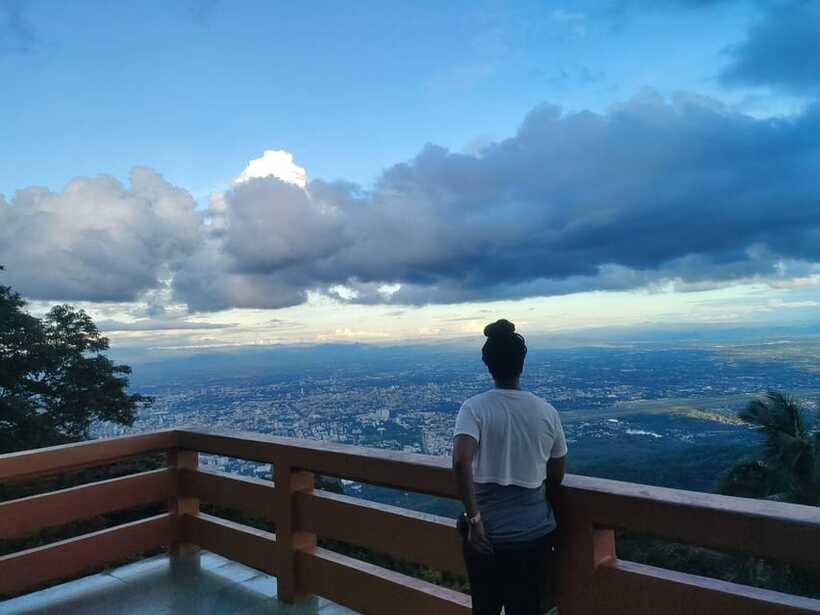
I would book this for a first visit to Chiang Mai if you want a compact mix of nature, Buddhist culture, mountain views, and local transport. It suits solo visitors particularly well because the guide often helps with photos and makes it easier to feel part of the group.
It is also a good fit for anyone who wants more than a quick temple photo. The explanations about iconography, rituals, and monastic life give the sites more meaning. The walk adds a welcome change from city streets and paved courtyards.
I would think twice if you dislike shared open-air transport, cannot tolerate mountain curves, or want a guaranteed sunset. I would also avoid the hike unless you have suitable shoes and are comfortable with mud and uneven ground. For a purely relaxed temple visit, arrange transport directly to Doi Suthep and skip the trail.
With a 4.6 rating from 740 ratings, the experience has a strong record, and the praised elements are practical rather than flashy: organized timing, friendly guides, useful explanations, small groups, and help for solo or mixed-ability visitors. The tour is worth booking if you value those details and understand the extra fees.
FAQ
How long does the Doi Suthep and Wat Pha Lat tour last?
The scheduled duration is four hours. Return time can run longer if evening traffic slows the songthaew on the way back to Chiang Mai.
What time does the sunrise tour begin?
The sunrise program starts at 5:00 a.m. It visits Wat Phra That Doi Suthep first, then continues to Wat Pha Lat for the downhill Monk’s Trail walk.
Is hotel pickup included?
Pickup is included only for hotels and accommodations in Chiang Mai’s old city or just outside the city center. If you are outside the service area, meet the group in front of Burger King at Thapae Gate.
What transportation is used?
The tour uses a traditional Thai songthaew, a converted pickup truck with two rear benches, open sides, and no air-conditioning.
Are temple entrance fees included in the $25 price?
No. The Doi Suthep entrance fee and cable car are extra. The Wat Pha Lat Monk’s Trail fee is also extra and listed as THB 100 per person.
Do I have to hike the entire route?
No. If you cannot do the hike up the mountain, you can go by songthaew. On the sunrise program, the walk from Wat Pha Lat is downhill.
What should I wear to the temples?
Cover your shoulders and knees, and do not wear a sleeveless shirt. Comfortable walking shoes are recommended for the forest trail.
Is the tour suitable for people with limited mobility?
The activity is listed as wheelchair accessible, but the Monk’s Trail has rough, rocky, and muddy sections. Ask about the transport alternative and exact route before booking if you have limited mobility.
Can I cancel the booking?
You can cancel up to 24 hours in advance for a full refund. The reserve-now, pay-later option allows you to hold a place without paying immediately.
Temple visits we reviewed lately in Chiang Mai
- Red, Blue, White Temples & Hot Spring Trip from Chiang Mai★ 4.4 · 143 reviews
- Monk trails hike, Wat Phalat, Monk chanting, Wat Doi Suthep.★ 5.0 · 3 reviews
- Long Neck Village, Silver Temple & Chiang Mai Top Sites★ 4.7 · 17 reviews
- Lalita Cafe & Chiang Rai Temple(White+Blue) from Chiangmai★ 4.8 · 5 reviews
- Private : Sticky Waterfall & Secret Temple & Karen Village.★ 5.0 · 9 reviews
- Chiang Mai: Temples & Culture Tour★ 4.7 · 64 reviews
- Half Day Morning Wat Pha Lat & Wat Phra That Doi Suthep Tour★ 4.8 · 269 reviews
- From Chiang Mai: White Temple, Blue Temple & Black House★ 4.5 · 15 reviews
Chiang Mai Temple Tours, compared.
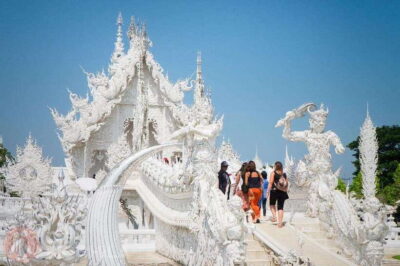
Chiang Mai: Chiang Rai Temples, Karen Tribe and Hot Springs
Read our review →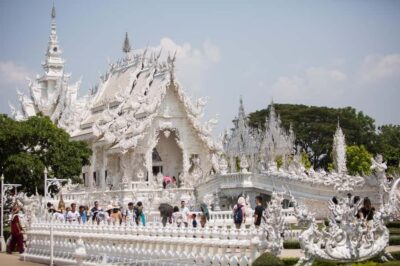
Chiang Rai White Temple and Blue Temple Day Tour
Read our review →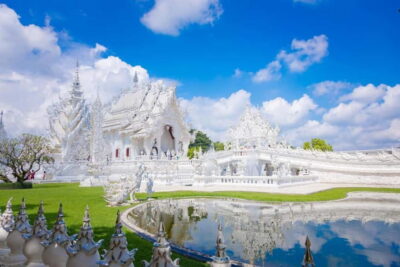
Chiang Mai: White, Red/Black & Blue Temples Tour with Lunch
Read our review →
Chiang Mai: Doi Suthep and Wat Umong Enchanting Evening Tour
Read our review →
Chiang Mai: 3 Hour Old City and Temples Guided Walking Tour
Read our review →
Chiang Mai: Doi Suthep, Wat Umong, and Pha Lat Sunrise Tour
Read our review →
Chiang Rai Temples: Private Tour from Chiang Mai
Read our review →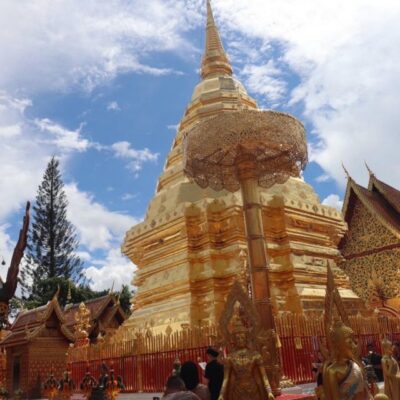
Chiang Mai: Wat Pha Lat & Wat Phra That Doi Suthep Tour
Read our review →This tour also ranks in