Review · CHIANG MAI
Private : Sticky Waterfall & Secret Temple & Karen Village.
Bua Thong Sticky Waterfall is the star here: you can climb directly up the limestone cascade because its mineral-coated surface gives your feet and hands an unusual grip. Add a Karen Long Neck village and a quiet cave temple, and you get a busy but varied half-day outside Chiang Mai.
I especially like the private format, which lets your guide adjust the pace, and the local lunch, with khao soi appearing as a favorite choice. Guides Kiki, Chris, and May are singled out for their warmth, local insight, driving, and photography. The main drawback is time: five hours covers three quite different stops, so none receives a long, leisurely visit.
Key points to know before booking
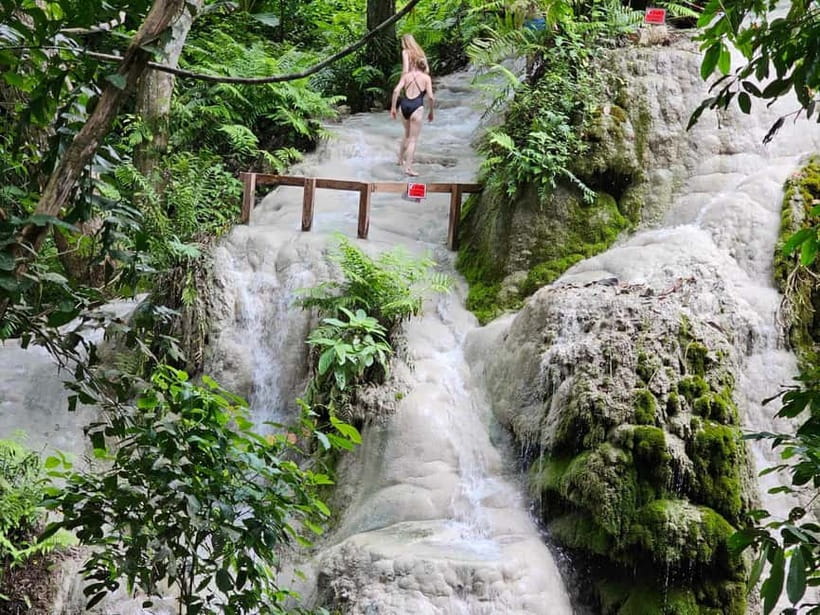
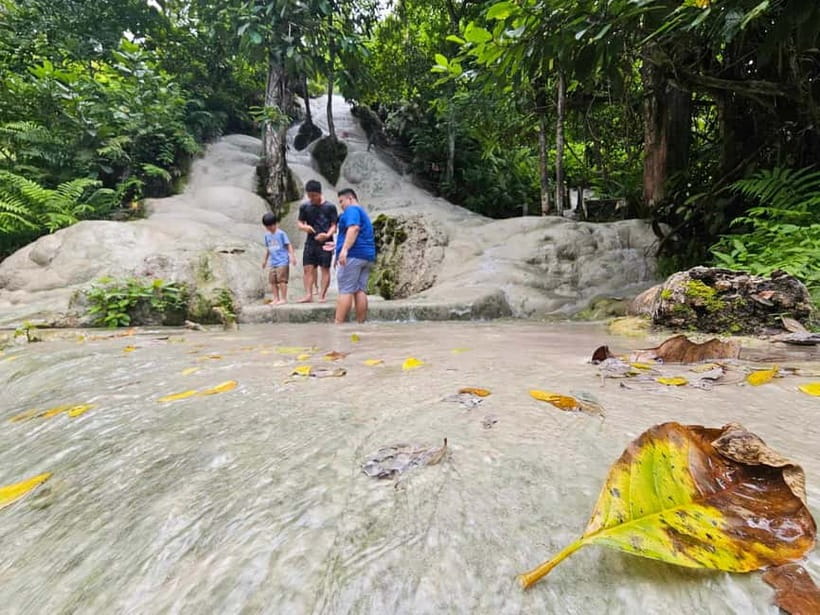
- The waterfall is climbable limestone: You can walk up the cascade barefoot or in water shoes, with a small pool at the bottom for swimming.
- The Seven-Colored Fountain needs a short hike: A wooded trail leads to the spring that feeds the waterfall, with birdsong along the way.
- The Karen village visit has a cultural and ethical dimension: You can learn about brass neck rings, community life, and local crafts while supporting a refugee livelihood.
- The temple is reached by Naga steps: Buddha images fill a quiet cave used mainly by local people for meditation.
- Lunch is part of the price: The meal is included, and khao soi is a popular local dish on this outing.
- You need practical clothing: Bring swimwear, a towel, insect repellent, sun protection, and clothing that covers shoulders and knees for the temple.
A five-hour outing with three very different stops
This private tour works because it avoids the usual single-sight routine. In one half-day, you move from a living cultural site to a playful natural attraction, then into a forest temple where the mood becomes still and reflective.
The experience costs $64 per person. That price includes hotel pickup in Chiang Mai city, a car with driver, an English-speaking guide, entrance to the Karen village, and lunch. For a private outing, that is a useful bundle, especially if you value door-to-door transport and do not want to arrange separate rides to sites outside the city.
The tradeoff is a tight schedule. The planned visits give you about an hour at the Karen village, one hour at the waterfall, a 40-minute break, and another 30 minutes for the spring and temple portions. Your guide can make the day feel personal, but you should not expect a slow, full-day exploration of each place.
More Temple and Waterfall Tours in Chiang Mai
- Chiang Mai: Doi Suthep Temple and Waterfall by Songtaew Trio
★ 4.7 · 429 reviews - Chiang Mai: Elephants, Sticky Waterfalls, Market and Temple
★ 4.9 · 227 reviews - Visit Dantewada(Angel Land), Blue Temple, and Sticky Waterfall
★ 5.0 · 120 reviews
Meeting your guide in Chiang Mai
Pickup is included from hotels in Chiang Mai city. You wait in the hotel lobby from five minutes before the arranged time, then meet your English-speaking guide and driver.
A private car matters here. The waterfall and village are not attractions you want to reach through a chain of unrelated transfers, especially if you are carrying towels, spare clothes, and sun protection. You can leave the city in a vehicle arranged for your group and keep the day moving without collecting other passengers.
The guide is an important part of the experience. Kiki is praised for sharing local stories and taking care of small details throughout the day. Chris is noted for taking photographs at the waterfall, while May is described as friendly and insightful. The provider is KiKi CM Tour, and the exact guide depends on the date.
The tour is listed as five hours, though the pace may feel full. If you want extra time at the waterfall, say so early. A private group gives you more room to discuss the order and tempo, but the overall schedule still has to fit the transfer and sightseeing time.
Meeting the Karen community
The first major stop is a Karen Long Neck village, with about an hour for sightseeing and an arts and crafts market.
The brass neck rings are the feature most people notice first. They form part of a tradition with cultural meaning, and the visit offers a chance to see the practice directly rather than reducing it to a picture or a quick explanation. The women decide for themselves whether to wear the rings, according to the tour information, and the custom remains connected to identity and community.
You should approach this stop with respect. It is not a theatrical performance arranged only for a camera. The village earns income from admission, local crafts, and other purchases, and that income helps support Karen people living as refugees in Thailand. This economic role is especially important during difficult periods.
The crafts market gives the visit a practical side. You can look at handmade goods and choose to buy something, but do not feel that you must spend beyond your budget. The value of the stop comes from listening, observing, and allowing your guide to explain the context.
There is also an ethical point worth keeping in mind. Supporting the village can provide direct income, yet the subject deserves more thought than a simple photo opportunity. Ask before taking close-up photographs, listen to your guide, and treat the people you meet as hosts and community members rather than displays.
One hour is enough for an introduction, not a full cultural study. If you are mainly interested in local life and conversation, this stop may feel brief. If you want a compact visit paired with nature and food, the timing fits the day well.
Climbing Bua Thong Sticky Waterfall
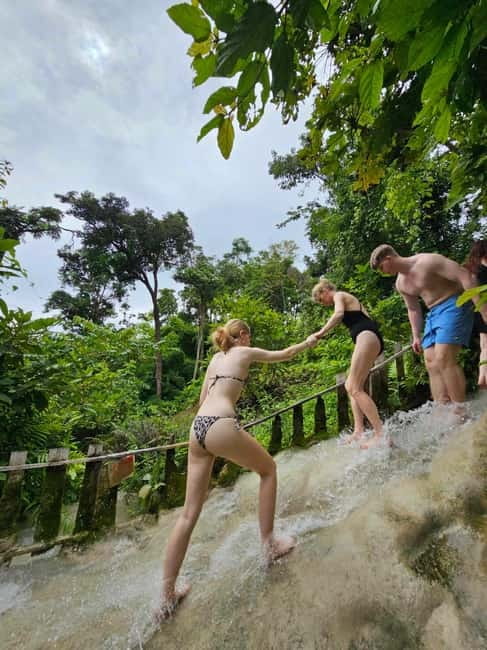
Then comes the tour’s most unusual physical activity: Bua Thong Sticky Waterfall.
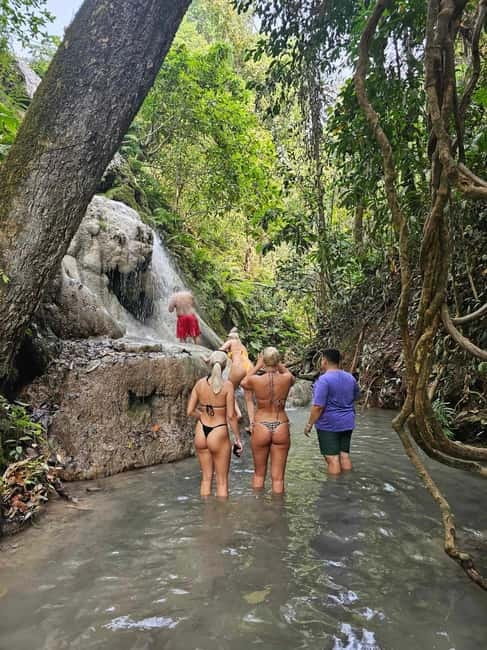
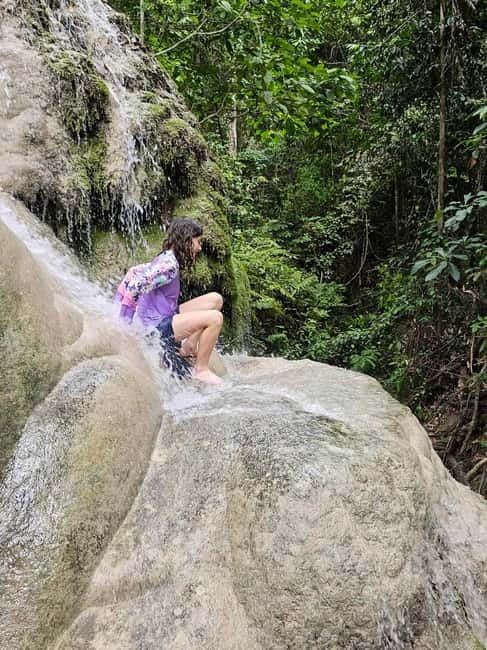
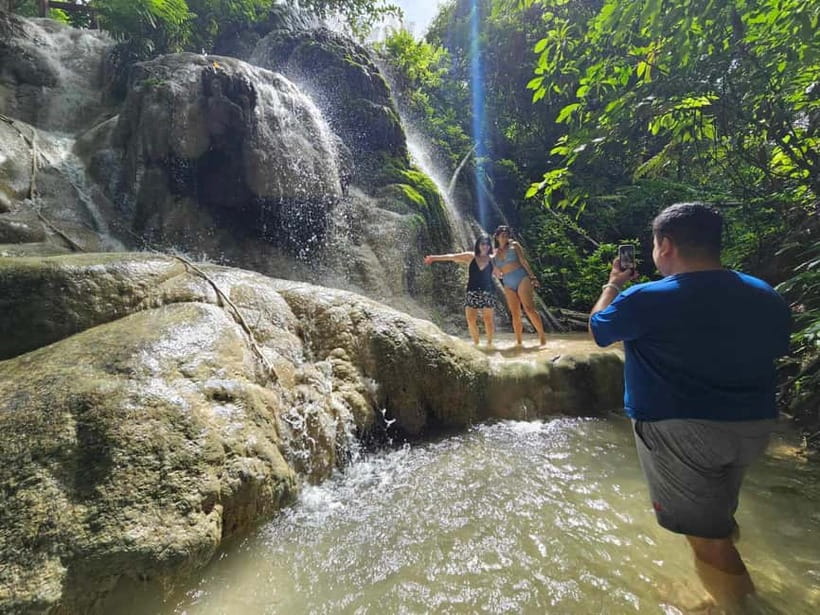
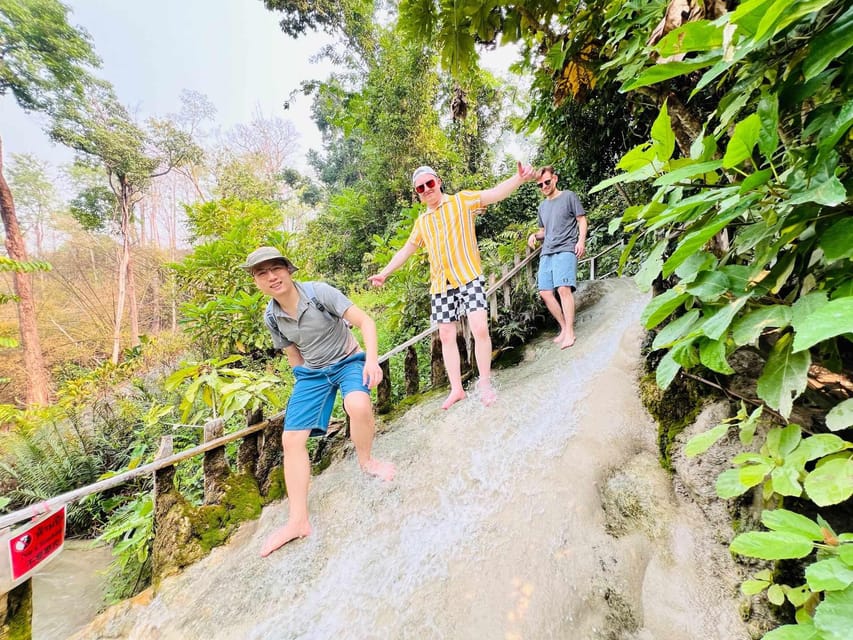
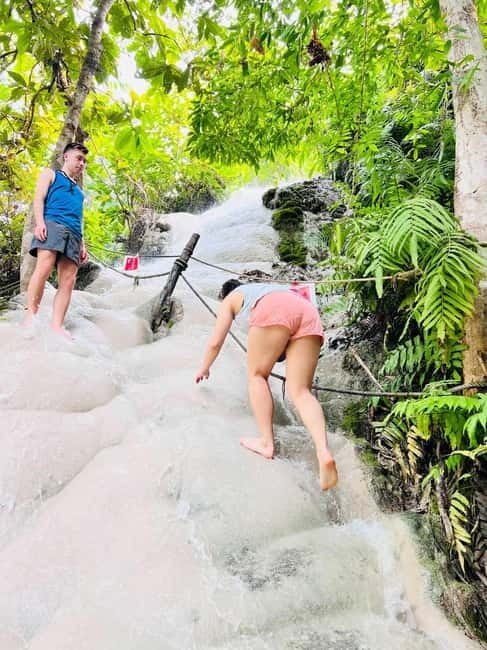
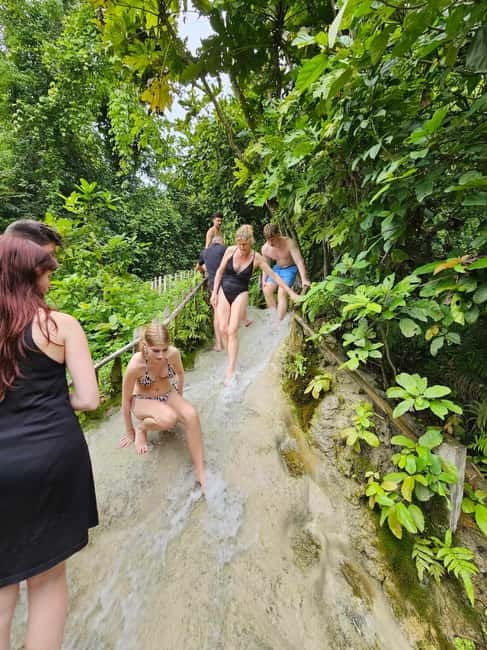
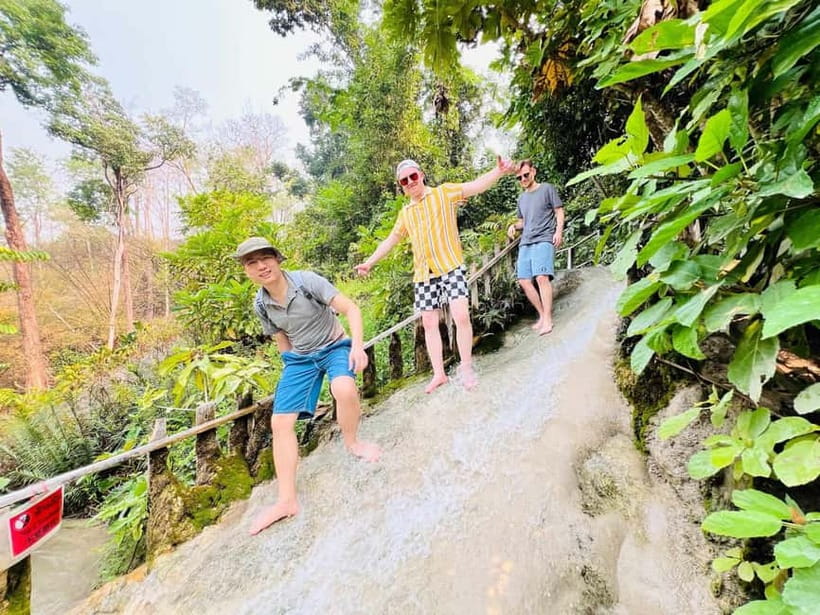
The waterfall runs over limestone coated with mineral deposits. That surface gives you traction, so you can climb sections of the cascade without the usual fear of polished, slippery rock. The experience feels strange at first. Water runs down the stone, yet your bare feet can grip in places where you expect to slide.
You do not need advanced climbing skills. The guide can show you where to place your feet and help you manage the route. The limestone is not perfectly safe or dry, though, and the information for this outing still describes parts of it as slightly slippery. Stay within your comfort level and follow the guide’s advice.
You can climb barefoot, or bring water shoes if you have them. Water shoes may give you a little protection from rough stone, but the key benefit comes from the limestone surface itself. Regular sandals are less useful if they shift under your feet.
The cascade can leave you damp, but you do not have to get soaked. A small swimming pool sits at the bottom, so you can choose between a climb, a swim, or simply watching others make their way up. Bring a swimsuit and towel if you want to enter the water. If not, regular clothes are fine.
The waterfall is a strong choice for people who enjoy hands-on sightseeing. You are not just looking at a natural feature from a platform. You are feeling the rock, testing your balance, and finding your own route upward.
It is less ideal if you dislike wet surfaces, have difficulty walking on uneven ground, or want a quiet, passive stop. The guide can assist you, but the activity still involves walking, climbing, and managing your footing.
More Temple and Waterfall Tours in Thailand
- Doi Suthep Temple and Bau Thong Waterfalls Private Tour
★ 5.0 · 114 reviews - Chiang Mai: Sticky Waterfall scenic loop unseen lake &temple
★ 4.9 · 94 reviews - Chiang Mai: Doi Suthep Temple & Sticky Waterfall Trip
★ 4.6 · 91 reviews - From Chiang Mai: Temples, Sticky Waterfall, and Orchid Farm
★ 4.8 · 52 reviews
Finding the Seven-Colored Fountain
After the main waterfall area, a short trail leads through the trees toward the spring that feeds the cascade. This is the calmer side of Bua Thong.
The path takes you to the Seven-Colored Fountain, described as the source of the waterfall. You may hear birds along the route, which adds a welcome change from the noise and movement of the climbing area.
The hike is brief, but you should still wear sensible footwear and carry insect repellent. Forest paths can feel warm and humid, and the day may include walking in direct sun as well as under trees.
This stop gives the waterfall a bit more meaning. Instead of treating it only as a fun climbing spot, you see where the water begins and how the forest setting shapes the place. The 30-minute guided section is not a long walk, but it rounds out the nature portion of the tour.
Lunch with a local touch
Lunch is included, which makes the $64 price easier to assess. You are not paying only for transport and entrance tickets, then searching for food while watching the clock.
The meal is described as local cuisine, and khao soi has been a popular choice on this outing. This northern Thai noodle dish is a useful introduction to Chiang Mai food culture, with a curry broth, noodles, and a mixture of textures. Your exact meal may vary, but the tour is designed to include a proper lunch rather than a snack.
Food also gives you a chance to slow down. The waterfall involves movement, the village involves observation, and lunch creates a simple pause between them. Ask your guide about the dish and the local food scene if you want more context.
The meal may not suit every dietary need, since the provided information does not list vegetarian, vegan, allergy, or halal arrangements. If you have restrictions, raise them when booking rather than assuming the included food will meet them.
Walking up the Naga steps to the forest temple
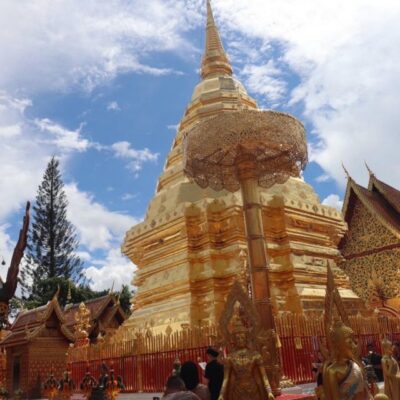
The final part takes you to a temple in the mountain forest, used mainly by local people for meditation.
The approach includes Naga steps, the serpent-shaped stairways common at Thai Buddhist temples. At the upper cave, Buddha images are placed inside the rock shelter, creating a more enclosed and contemplative setting than a large city temple.
This is not a grand architectural tour. Its appeal comes from the quiet forest location, the cave, and the sense of a working religious place. On important Buddhist holidays, the upper cave can be especially striking, but the temple’s peaceful character is the main reason to visit.
You need to dress properly. Women should cover their shoulders and knees before entering the temple area. I would suggest that everyone carry a light cover-up, since respectful clothing is the simplest way to avoid an awkward change of plan.
The steps and forest walk may be challenging for anyone with limited mobility. The information does not provide accessibility details, so ask the provider if that is important for you. The tour is also not suitable for children under two.
What makes the private format worthwhile
A shared tour can cost less, but this outing gains something from being private. You can spend more time asking about the Karen community, pause when you need a break at the waterfall, and receive direct help on the limestone.
The guides are another reason the format matters. Kiki is associated with local stories, careful attention, and strong knowledge of the area. Chris can take photographs during the waterfall visit, which is useful when your hands are busy with climbing. May brings a friendly, informative approach. These details turn the car ride and transitions into part of the day rather than dead time.
You should still keep expectations realistic. A private guide cannot remove every natural hazard, guarantee a particular dish, or turn a five-hour trip into a full day. What you get is a more personal way to connect several nearby experiences without handling the transport yourself.
Packing for water, sun, and a temple visit
Pack lightly, but bring the right things. The most useful items are:
- Swimwear and a towel if you plan to use the pool
- Water shoes, or footwear you can remove for barefoot climbing
- Insect repellent for the forest walk
- Sunscreen, sunglasses, or an umbrella for sunny periods
- Clothing covering shoulders and knees for the temple
- A change of clothes if you expect to get wet
The waterfall can be enjoyed without swimming, so do not bring swimwear unless you want it. A small bag with dry clothes is still sensible if you are unsure how wet you will become.
The day includes walking in the sun, uneven ground, limestone, stairs, and a short forest trail. I would choose comfort over style and keep valuables to a minimum around the water.
Who should book this experience?
I would recommend it to you if you want several kinds of Chiang Mai experiences in one compact outing. It suits couples, families with older children, and private groups who want a guide rather than a self-guided visit. People who enjoy light adventure will get the most from the waterfall.
It is also a good fit if you care about local context. The Karen village raises questions about culture, migration, income, and responsible tourism. The temple offers a quiet counterpoint, while the lunch adds a taste of northern Thai food.
I would hesitate if your main goal is a long nature walk, extensive time at the waterfall, or a detailed study of Karen culture. The schedule is efficient rather than leisurely. You should also reconsider if climbing wet limestone or using stairs is uncomfortable for you.
Cancellation is free up to 24 hours before the start, and you can reserve now and pay later. Those terms help if your Chiang Mai schedule is still changing, but the more important booking question is simple: do you want an active, culturally focused half-day rather than a single major attraction?
Should you book the Sticky Waterfall and Karen Village tour?
Book it if you want a private day with hands-on nature, local food, and cultural context. The limestone waterfall is unusual, the Karen village adds a human dimension, and the cave temple gives the outing a quiet finish.
The strongest value comes from the combination of included lunch, entrance fees, hotel transfers, driver, and English-speaking guide for $64 per person. Kiki, Chris, or May can also make a real difference to the day through local stories, waterfall assistance, and photographs.
Skip it if you need a slow schedule or have difficulty with uneven ground, stairs, or climbing. For everyone else, this is a lively and practical way to get beyond Chiang Mai’s city center without giving up comfort or personal attention.
FAQ
How long does the tour last?
The experience lasts five hours, including pickup from Chiang Mai city, the Karen Long Neck village, Bua Thong Sticky Waterfall, the forest walk, lunch, and the return journey.
Is hotel pickup included?
Yes. Pickup is included from hotels in Chiang Mai city. You should wait in the hotel lobby from five minutes before the scheduled pickup time.
Is the tour private?
Yes. This is a private group experience with an English-speaking guide and a car with driver.
Can I swim at the Sticky Waterfall?
Yes. There is a small swimming pool at the bottom of the waterfall. Bring swimwear and a towel if you want to swim. You can also visit and climb without swimming.
What should I wear to the temple?
Women should wear clothing that covers the shoulders and knees before entering the temple area. Comfortable clothing and suitable footwear are also useful for the waterfall and forest walk.
Are entrance fees and lunch included?
Yes. The Karen Long Neck village ticket and lunch are included. Personal expenses are not included.
Temple visits we reviewed lately in Chiang Mai
- Red, Blue, White Temples & Hot Spring Trip from Chiang Mai★ 4.4 · 143 reviews
- Monk trails hike, Wat Phalat, Monk chanting, Wat Doi Suthep.★ 5.0 · 3 reviews
- Long Neck Village, Silver Temple & Chiang Mai Top Sites★ 4.7 · 17 reviews
- Lalita Cafe & Chiang Rai Temple(White+Blue) from Chiangmai★ 4.8 · 5 reviews
- Chiang Mai: Temples & Culture Tour★ 4.7 · 64 reviews
- Half Day Morning Wat Pha Lat & Wat Phra That Doi Suthep Tour★ 4.8 · 269 reviews
- From Chiang Mai: White Temple, Blue Temple & Black House★ 4.5 · 15 reviews
- From Chiang Mai: Chiang Rai Famous Temples Guided Tour★ 4.4 · 59 reviews
Chiang Mai Temple Tours, compared.
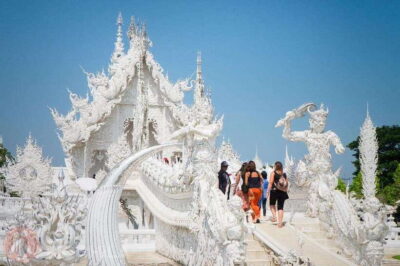
Chiang Mai: Chiang Rai Temples, Karen Tribe and Hot Springs
Read our review →
Chiang Rai White Temple and Blue Temple Day Tour
Read our review →
Chiang Mai: White, Red/Black & Blue Temples Tour with Lunch
Read our review →
Chiang Mai: Doi Suthep and Wat Umong Enchanting Evening Tour
Read our review →
Chiang Mai: 3 Hour Old City and Temples Guided Walking Tour
Read our review →
Chiang Mai: Doi Suthep, Wat Umong, and Pha Lat Sunrise Tour
Read our review →
Chiang Rai Temples: Private Tour from Chiang Mai
Read our review →