
Review · CHIANG MAI
Chiang Mai: Doi Suthep Temple Guided Tour
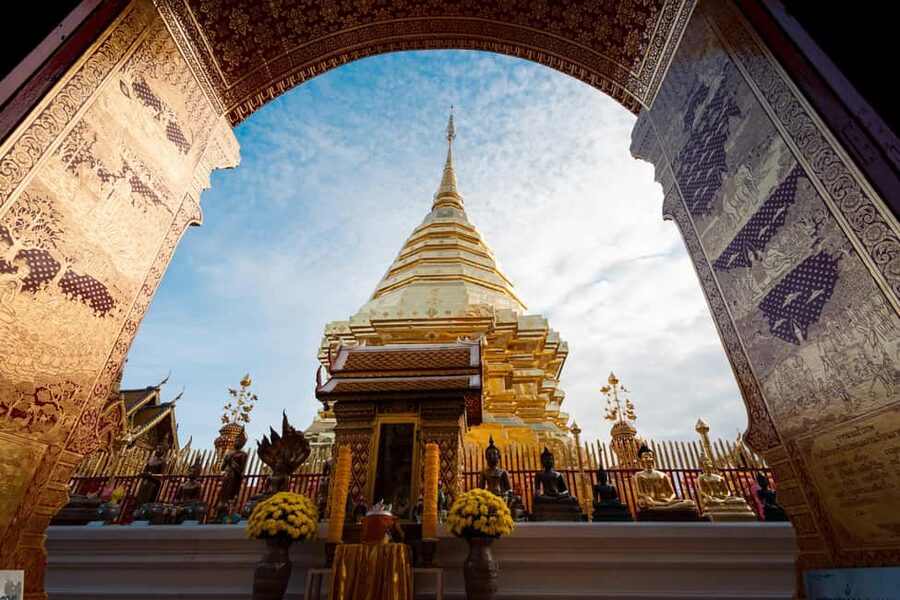
Wat Phra That Doi Suthep rises above Chiang Mai at about 3,500 feet, reached by a winding mountain road and 306 steps guarded by giant naga serpents. The reward is a beautiful temple complex with a golden pagoda, ringing bells, and broad views over the city and countryside. I like the way this tour combines a major sacred site with a simple half-day schedule, and I like that transport, admission, and an English-speaking guide are bundled into the $28 price. The main catch is the climb: the steps are a real part of the visit, so this is not the best choice if stairs are difficult for you.
The four-hour trip gives you enough time to see Doi Suthep without using your whole day. A clear-speaking guide can add useful meaning to the temple’s relic, pagoda, parasols, and religious symbols, while the ride keeps you out of the heat for much of the outing.
Key points to know before you book
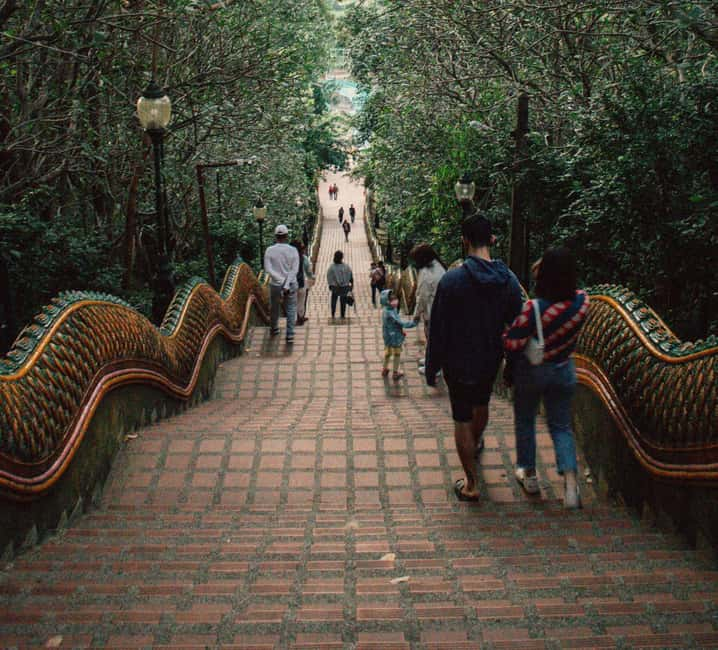
- 306 naga-guarded steps: The temple gateway sits at the top of a long staircase, so wear comfortable shoes and bring water.
- A 3,500-foot mountain setting: The drive through Doi Suthep-Pui National Park adds scenery before you reach the temple.
- Golden details at every turn: Look for pillars, six-foot gongs, rows of bells, and five-tiered golden parasols.
- Wide views from the temple grounds: You can look across Chiang Mai and the surrounding countryside from the hilltop.
- Good four-hour value: At $28, the tour includes selected-hotel pickup and drop-off, transport, guide service, and both listed admission fees.
- English-language guidance: The tour is conducted in English, with clear communication especially important when learning about a sacred place.
Why Doi Suthep matters to Chiang Mai
Doi Suthep is not just a viewpoint with a temple on top. Wat Phra That Doi Suthep is the most sacred and famous temple in Chiang Mai, and its importance comes through in the details you see inside the complex.
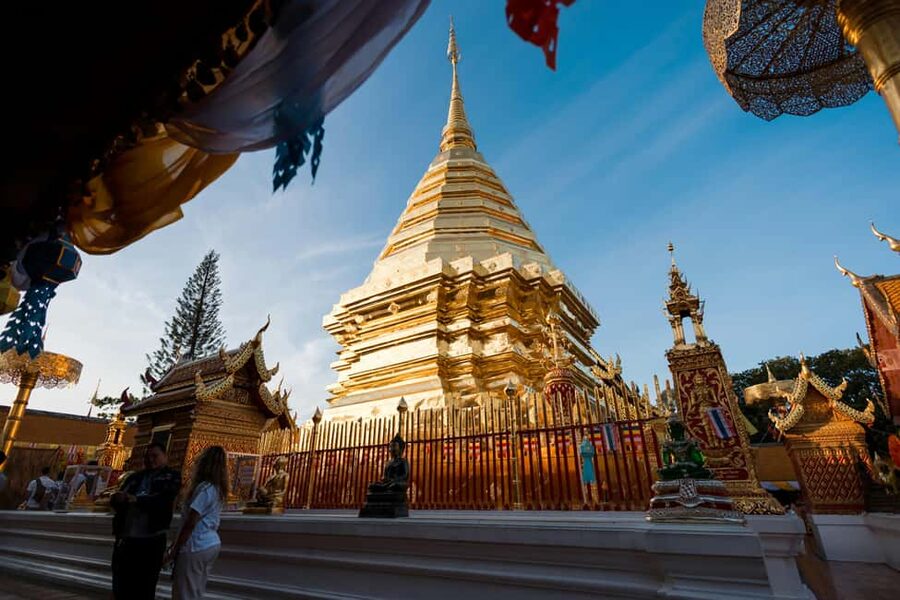
The temple was built in 1383. At its heart is a golden pagoda that enshrines a holy relic of the Lord Buddha. The pagoda can be seen from far away, making it both a religious center and one of the clearest symbols of Chiang Mai.
You do not need to be an expert in Thai Buddhism to appreciate the visit. The guide helps connect the objects around you with the purpose of the temple. The golden pillars, bells, gongs, parasols, and pagoda are not random decoration. Together, they create a place meant for reverence, ceremony, and reflection.
I especially like that the visit is not limited to a quick photo stop. You have time to walk through the grounds and notice small features as well as the large golden structures. The temple feels best when you slow down for a moment, listen to the bells, and take in the view beyond the courtyard.
More Doi Suthep Temple Tours in Chiang Mai:
- Chiang Mai: Doi Suthep and Wat Umong Enchanting Evening Tour
★ 4.6 · 1,811 reviews - Chiang Mai: Doi Suthep, Wat Umong, and Pha Lat Sunrise Tour
★ 4.7 · 1,425 reviews - Chiang Mai: Wat Pha Lat & Wat Phra That Doi Suthep Tour
★ 4.8 · 1,207 reviews
The mountain road to Doi Suthep-Pui National Park
Your outing begins with pickup in Chiang Mai from selected hotels. From there, an air-conditioned vehicle carries you toward Doi Suthep-Pui National Park and up the mountain road.
The ride matters because it changes the feel of the day. You begin in the city, then gradually move into a higher setting, finishing at roughly 3,500 feet above sea level. The winding drive is part of the experience, not simply a transfer between two points.
The tour lasts about four hours, so the route is planned as a focused half-day visit. You will not spend the whole day at the park, but you get enough time for the temple and its main features before returning to Chiang Mai.
An air-conditioned vehicle is useful in Chiang Mai’s heat, especially after the climb. It also means you do not have to arrange a taxi, negotiate a return fare, or work out the mountain route yourself. Pickup and drop-off are included for selected hotels, so check that your accommodation qualifies before booking.
The drive can be winding. If you are sensitive to mountain roads, keep that in mind. The vehicle takes you much of the way, but the final approach to the temple is on foot.
Climbing the 306 naga-guarded steps
The staircase is one of the most memorable parts of the visit. You climb 306 steps to reach the temple gateway, with large naga serpents running along the stairway as guardians.
The naga design gives the approach a sense of ceremony. You are not simply walking into a building. You are moving upward toward a sacred hilltop complex, with the serpents guiding the route on both sides.
The climb is manageable for many people, but it should not be treated as a minor detail. Three hundred and six steps can take effort, especially in warm weather or if you are wearing poor footwear. Bring water, use sunscreen, and choose comfortable shoes as the tour information advises.
The climb also shapes the pace of the visit. You may want a short pause before entering the temple grounds. That pause is worthwhile because the staircase gives the arrival a clear sense of progress. Once you reach the top, the gateway, golden details, and mountain air feel like a reward.
If stairs are a serious concern, think carefully before booking. The supplied information highlights the staircase rather than offering an alternative route, so you should not assume that the climb can be avoided.
Golden pillars, giant gongs, and rows of bells
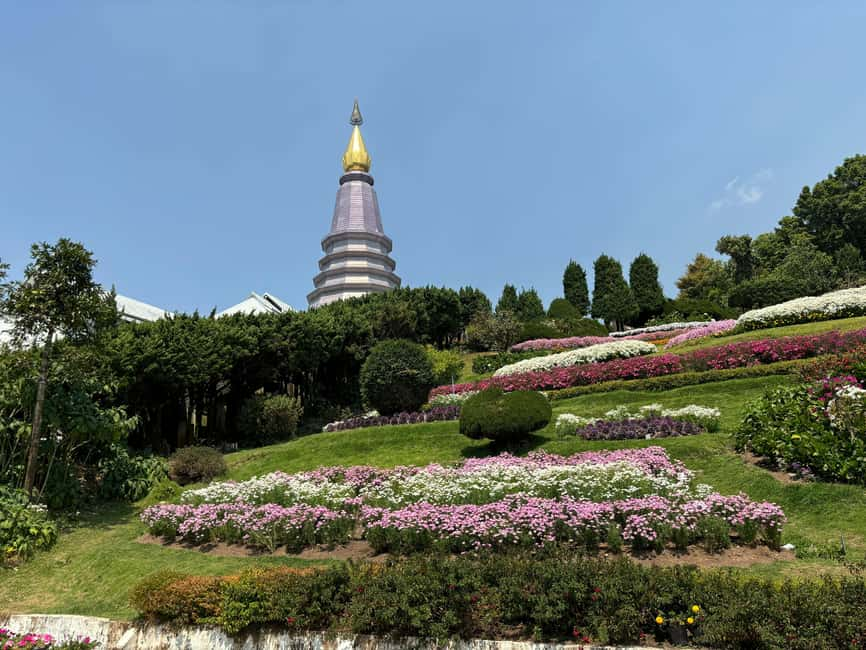
Inside the temple grounds, the visit shifts from the physical effort of the climb to close observation. You pass golden pillars and imposing gongs, including gongs described as six feet tall.
The gongs give the complex a strong visual presence. They are large enough to catch your attention immediately, while the rows of bells add a lighter, more delicate detail. As you move through the grounds, the bells help create the sense that this is an active religious site rather than an empty historic monument.
I would give yourself time to look up, down, and across the courtyard. The gold catches the light in different ways, and the temple’s details are easy to miss if you treat the stop as a single photo opportunity.
Your English-speaking guide is particularly useful here. The guide can point out what you are seeing and explain why these objects matter. Two early 2026 visits praised the guides for being friendly, informative, and easy to understand in English. One guide was specifically noted for speaking very clearly, which is valuable during a walking tour where you may be listening while moving through crowded or visually busy spaces.
No guide name is provided for this experience, so you should expect a professional English-speaking guide rather than a particular named host.
More Temple Tours around Chiang Mai:
- Chiang Mai: Chiang Rai Temples, Karen Tribe and Hot Springs
★ 4.7 · 5,401 reviews - Chiang Rai White Temple and Blue Temple Day Tour
★ 4.6 · 3,366 reviews - Chiang Mai: White, Red/Black & Blue Temples Tour with Lunch
★ 4.2 · 2,017 reviews - Chiang Mai: 3 Hour Old City and Temples Guided Walking Tour
★ 4.6 · 1,568 reviews
The five-tiered golden parasols and the central pagoda
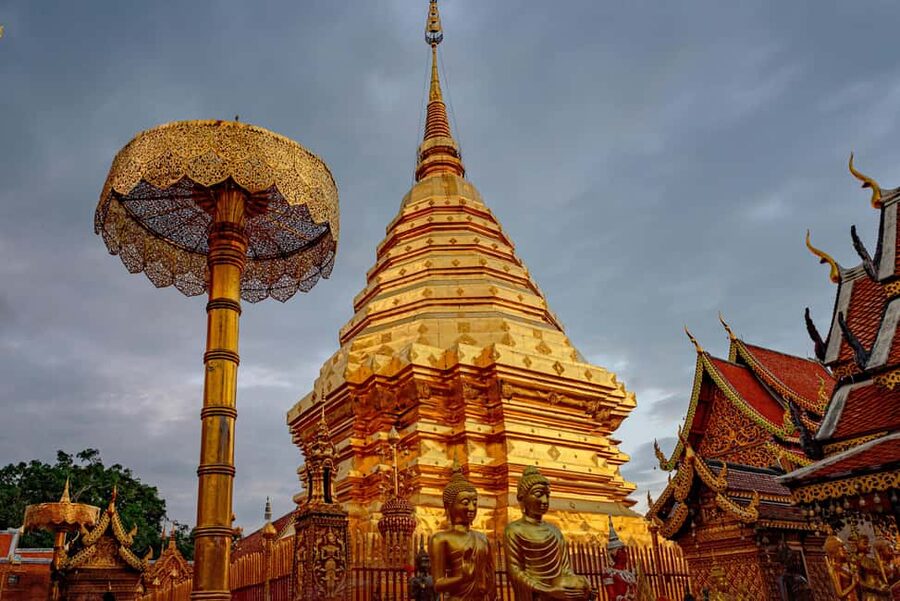
The inner courtyard contains five-tiered golden parasols. These are among the most distinctive features to look for during your visit.
The parasols rise above the courtyard and add a formal, ceremonial quality to the temple. Their layered design also gives you a good reason to study the courtyard from several angles. From one position, you may focus on the goldwork. From another, the parasols frame the pagoda or surrounding temple buildings.
The golden pagoda is the spiritual center of the complex. It enshrines a holy relic of the Lord Buddha and can be seen from miles around. That makes the pagoda more than a striking structure for photographs. It explains why Doi Suthep has such importance in Chiang Mai’s religious life.
A guide can help you approach this part of the visit with the right level of respect. You can admire the craftsmanship and take pictures where permitted, but this remains a place of worship. Keep your behavior quiet and considerate while you explore.
The supplied information does not specify a dress code, photography rules, or an exact amount of free time in the courtyard. Follow your guide’s instructions on the day, and avoid assuming that every area has the same rules.
The panoramic view over Chiang Mai
The temple grounds offer a panoramic view of Chiang Mai and the countryside around it. After walking through the gold-filled courtyards, the view gives you a different way to understand the city.
From above, Chiang Mai appears connected to the broader area rather than enclosed by the old town. The city and countryside spread below the temple, while the mountain setting explains why Doi Suthep feels separate from the urban streets.
Weather matters here. On a clear day, the view can be one of the strongest parts of the trip. One recent visit benefited from perfect weather, which made both the temple and the outlook especially rewarding. Cloud, haze, or rain could reduce the distance you can see, so keep your expectations flexible.
The view is also a good reason not to rush directly back down after seeing the pagoda. Take a moment to enjoy the height and the change of perspective. You came for a temple, but the hilltop setting is an important part of what makes this visit memorable.
What the $28 price includes
At $28 per person, this is a solid-value half-day outing if you want a guided visit rather than an independent taxi trip.
The price includes an English-speaking guide, an air-conditioned vehicle, pickup and drop-off from selected Chiang Mai hotels, entry to Doi Suthep-Pui National Park, and entry to Wat Phra That Doi Suthep. Those inclusions remove several costs and planning tasks that you would otherwise handle yourself.
The value is strongest for you if you are staying in Chiang Mai and want a straightforward way to reach a mountain temple. You receive transport, interpretation, and admission in one four-hour package.
The price is less compelling if you already have private transport and prefer to explore alone. An independent visit may give you more control over timing, but it would not include the same built-in guide service. The best choice depends on how much you value ease and context.
The schedule is compact. You will see the main temple grounds and viewpoint, but this is not a long cultural program with several stops. Think of it as a focused introduction to Doi Suthep, not a full-day tour of the entire mountain area.
Who should book this temple visit
I would recommend this experience to first-time visitors who want to see Chiang Mai’s most important hilltop temple without spending a full day arranging transport.
It also suits you if you enjoy history and religious architecture but prefer a guide to explain what you are seeing. The clear English noted in the feedback is a useful strength, particularly when the guide is describing a sacred relic or the meaning of temple features.
The tour works well for people who want a scenic drive, a major cultural sight, and a city view in one outing. It is also a practical choice if you value hotel pickup and an air-conditioned vehicle.
You should think twice if you have trouble with 306 steps, dislike winding mountain roads, or want a slow independent visit with complete control over how long you spend in each courtyard. The four-hour duration keeps the trip efficient, but it also limits flexibility.
Bring comfortable shoes, a hat, sunscreen, water, and a camera. Smoking, smoking in the vehicle, alcohol, and drugs are not allowed.
Booking flexibility and cancellation
You can reserve now and pay later, which helps if you want to keep your plans flexible. Free cancellation is available up to 24 hours in advance for a full refund.
Starting times depend on availability. Since pickup is offered only from selected hotels in Chiang Mai, confirm the pickup details before you finalize the reservation.
The experience is operated by Sun Leisure World Corporation. The tour language is English, and the listed duration is four hours.
Should you book the Doi Suthep tour?
Book it if you want an easy, reasonably priced introduction to Chiang Mai’s sacred mountain temple. The combination of a professional English-speaking guide, air-conditioned transport, included admissions, golden temple architecture, and a broad city view gives you a lot in four hours.
The strongest reasons to choose it are the well-organized half-day format and the guide service. Recent feedback praised the guides for being friendly, informative, and clear in English, while the driver was described as professional. Those details matter because the visit includes both a mountain transfer and a religious site where context improves what you see.
Skip it if the 306-step climb is beyond your comfort level or if you want a long, unhurried independent exploration. For most visitors who can manage the stairs, though, this is a practical way to reach Doi Suthep and see one of Chiang Mai’s defining sights without fuss.
FAQ
How long does the Doi Suthep tour last?
The tour lasts four hours, including the visit to Doi Suthep-Pui National Park, Wat Phra That Doi Suthep, and the return to Chiang Mai.
What is included in the price?
The $28 price includes an English-speaking guide, an air-conditioned vehicle, pickup and drop-off from selected Chiang Mai hotels, entry to Doi Suthep-Pui National Park, and entry to Wat Phra That Doi Suthep.
Is hotel pickup available?
Yes. Pickup and drop-off are included from selected hotels in Chiang Mai. Check that your hotel is included when you book.
How many steps lead to the temple?
You climb 306 steps to reach the temple gateway. The staircase is guarded by naga serpent figures.
What language is the tour conducted in?
The tour is conducted in English with a live English-speaking guide.
What should I bring?
Bring comfortable shoes, a hat, a camera, sunscreen, and water.
Can I cancel the booking?
Yes. You can cancel up to 24 hours in advance for a full refund. You can also reserve now and pay later.
Temple visits we reviewed lately in Chiang Mai
- Red, Blue, White Temples & Hot Spring Trip from Chiang Mai★ 4.4 · 143 reviews
- Monk trails hike, Wat Phalat, Monk chanting, Wat Doi Suthep.★ 5.0 · 3 reviews
- Long Neck Village, Silver Temple & Chiang Mai Top Sites★ 4.7 · 17 reviews
- Lalita Cafe & Chiang Rai Temple(White+Blue) from Chiangmai★ 4.8 · 5 reviews
- Private : Sticky Waterfall & Secret Temple & Karen Village.★ 5.0 · 9 reviews
- Chiang Mai: Temples & Culture Tour★ 4.7 · 64 reviews
- Half Day Morning Wat Pha Lat & Wat Phra That Doi Suthep Tour★ 4.8 · 269 reviews
- From Chiang Mai: White Temple, Blue Temple & Black House★ 4.5 · 15 reviews
Chiang Mai Temple Tours, compared.
Chiang Mai: Chiang Rai Temples, Karen Tribe and Hot Springs
Read our review →
Chiang Rai White Temple and Blue Temple Day Tour
Read our review →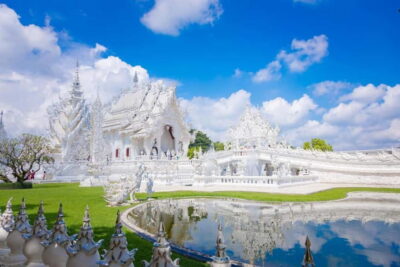
Chiang Mai: White, Red/Black & Blue Temples Tour with Lunch
Read our review →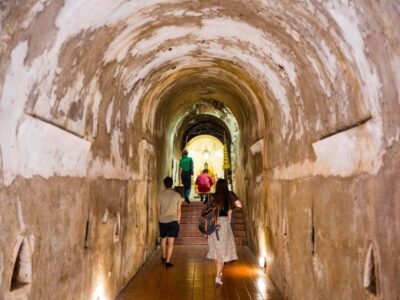
Chiang Mai: Doi Suthep and Wat Umong Enchanting Evening Tour
Read our review →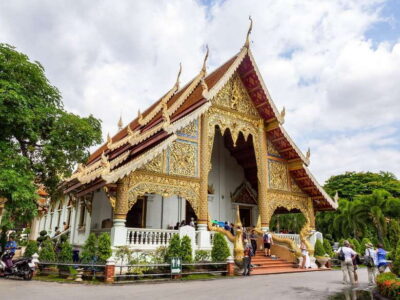
Chiang Mai: 3 Hour Old City and Temples Guided Walking Tour
Read our review →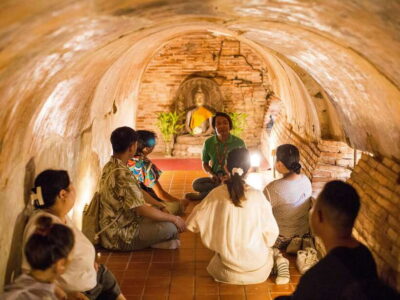
Chiang Mai: Doi Suthep, Wat Umong, and Pha Lat Sunrise Tour
Read our review →
Chiang Rai Temples: Private Tour from Chiang Mai
Read our review →
Chiang Mai: Wat Pha Lat & Wat Phra That Doi Suthep Tour
Read our review →This tour also ranks in