
Review · CHIANG MAI
Chiang Mai: Doi Suthep, Wat Pha Lat & Wat Umong Spanish Tour
Chiang Mai’s best temple day is not only about the famous golden pagoda. This tour links quiet Wat Umong, a jungle monastery, and Doi Suthep in one well-paced outing, then adds a local lunch by Huai Tung Tao Lake and a stop at Warorot Market. I like the mix of major sights and peaceful corners, and I like having Spanish explanations at places where Buddhist customs can otherwise be easy to miss.
I also like the small group, limited to nine people, and the hotel pickup in an air-conditioned vehicle. The main caution is value: at $112 per person, this is a premium day out in Chiang Mai, and the quality depends heavily on your assigned guide. One Spanish-speaking guide, Lucky, received especially warm praise, while another booking raised concerns about weak explanations and an unpleasant lunch setting.
Key points at a glance
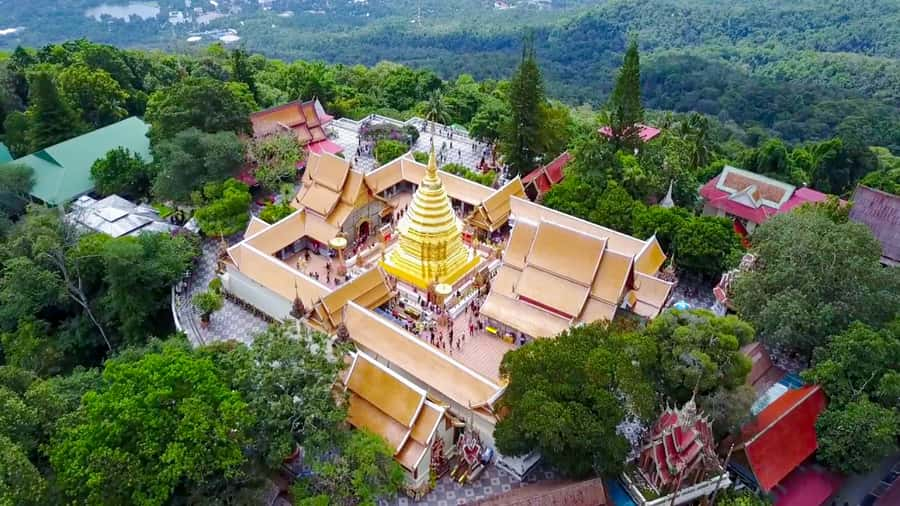
- Three very different temples: Compare the cave meditation compound at Wat Umong, the forest setting of Wat Pha Lat, and the grand hilltop shrine at Doi Suthep.
- Spanish-speaking guidance: Guides named Lucky and Turco have been praised for clear Spanish, cultural knowledge, and a friendly manner.
- Small-group format: The group is limited to nine, making questions and hotel transfers easier than on a large coach tour.
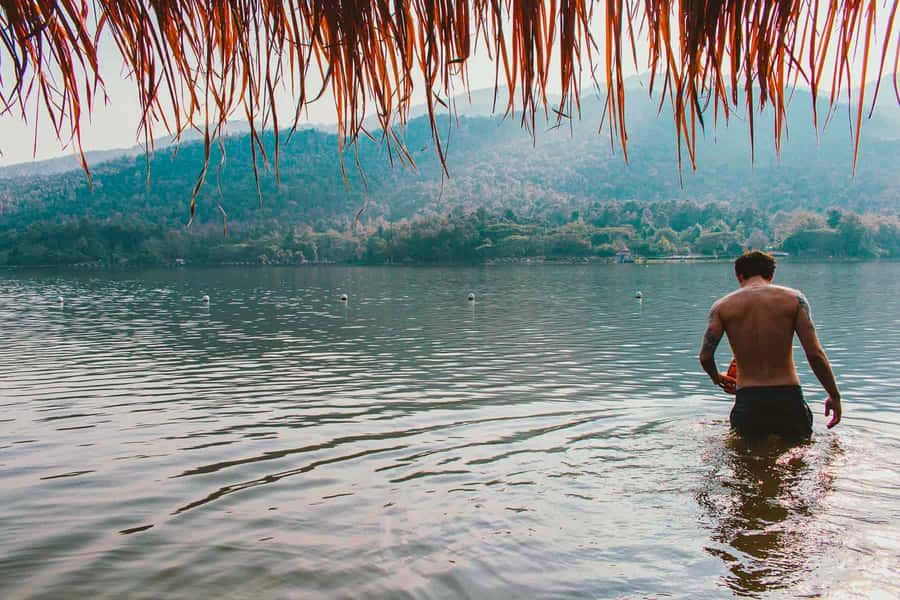
- Lunch beside Huai Tung Tao Lake: Eat Thai food in a bamboo house beside a lake popular with local residents.
- A useful Chiang Mai viewpoint: Doi Suthep gives you a broad view over the city from high on the mountain.
- Market finish: The day ends at Warorot Market, a practical place to see local foods, products, and souvenirs.
Why this seven-hour temple route works
The smart feature here is the order of the stops. You begin at Wat Umong, continue to Wat Pha Lat, then climb to Wat Phra That Doi Suthep. The three temples do not feel like copies of one another.
Wat Umong gives you a calm start away from the main sightseeing rush. Wat Pha Lat adds forest paths, old buildings, meditation rooms, and a stream. Doi Suthep supplies the grand finish, with its gold pagoda and high view over Chiang Mai. After the temples, lunch and Warorot Market change the mood again.
You are picked up at your hotel and returned at about 4:00 PM. The seven-hour length is useful if you want a full day without committing to a long trip outside Chiang Mai Province. The air-conditioned vehicle also matters, since the route includes city streets and a drive up into Doi Suthep National Park.
The group limit of nine is a good middle ground. You get the structure of a guided outing without the feel of a large bus tour. Still, the tour is not private by default. One booking described it as private and found the experience less personal than expected, so clarify the group arrangement when booking if that point matters to you.
More Doi Suthep Temple Tours in Chiang Mai:
- Chiang Mai: Doi Suthep and Wat Umong Enchanting Evening Tour
★ 4.6 · 1,811 reviews - Chiang Mai: Doi Suthep, Wat Umong, and Pha Lat Sunrise Tour
★ 4.7 · 1,425 reviews - Chiang Mai: Wat Pha Lat & Wat Phra That Doi Suthep Tour
★ 4.8 · 1,207 reviews
Wat Umong begins the day quietly
Wat Umong is a meditation compound at the foot of the national park, on the outskirts of Chiang Mai. Its cave temple gives the first stop a different feel from the ornate shrine you will see later at Doi Suthep.
You walk around the grounds, look into the cave areas, learn about Buddhist practice, and have time for photos. The compound is described as receiving fewer tourists than the city’s headline sights, which makes it a sensible first stop for anyone who prefers a slower beginning.
I would pay attention to the guide here. Wat Umong is not simply a place to take a quick picture of a cave. The value comes from understanding why a meditation compound is laid out as it is and how it fits into Buddhist life in northern Thailand. The tour specifically includes explanations about Buddhism, so this is where a Spanish guide can make a real difference.
Do not expect the scale or decoration of Doi Suthep. Wat Umong’s appeal is its quiet grounds and reflective mood. If you want spectacular gold and a huge city view right away, this first stop may seem modest. If you want a calm introduction to Chiang Mai’s temple culture, it sets the right tone.
Wat Pha Lat brings you into the forest
Next comes Wat Pha Lat, a temple compound inside Doi Suthep National Park. It was once used as a resting place for pilgrims making their way up the mountain. Monks now live there, and you walk through the grounds to see its buildings, meditation rooms, river, and forest setting.
This is the most atmospheric stop of the day. The temple does not present itself like a polished city monument. Trees, water, older structures, and quiet corners shape the experience. You may also have the chance to speak with monks, though the tour information does not promise a formal conversation with one.
I like this stop because it gives you a sense of how religious sites can fit into the natural setting around Chiang Mai. The forest is not just background decoration. It helps explain why a place used for meditation and pilgrimage would be located here.
Wear practical clothing for all three temples. The tour does not list a specific dress code, but Thai temple visits generally call for respectful clothing that covers shoulders and knees. Comfortable walking shoes are also sensible because you will be moving around temple grounds and outdoor paths.
Doi Suthep delivers the big Chiang Mai view
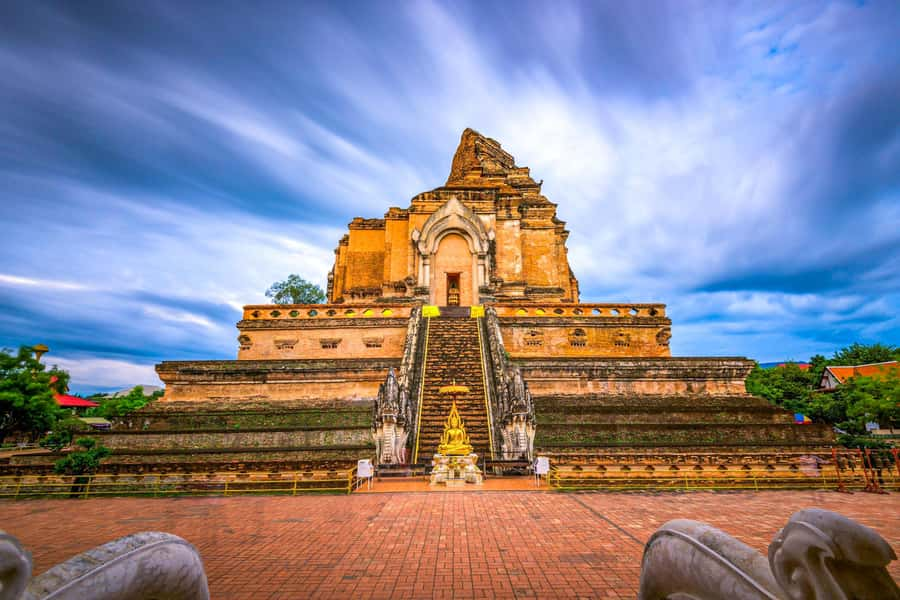
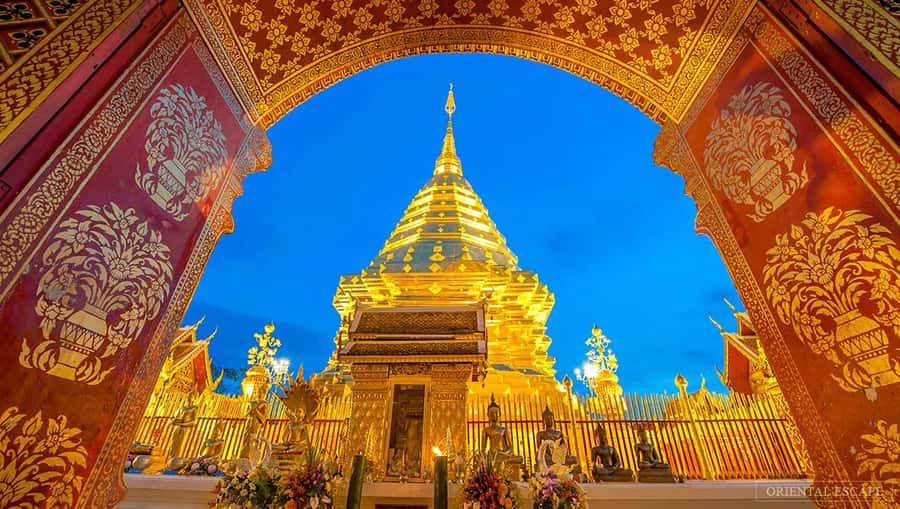
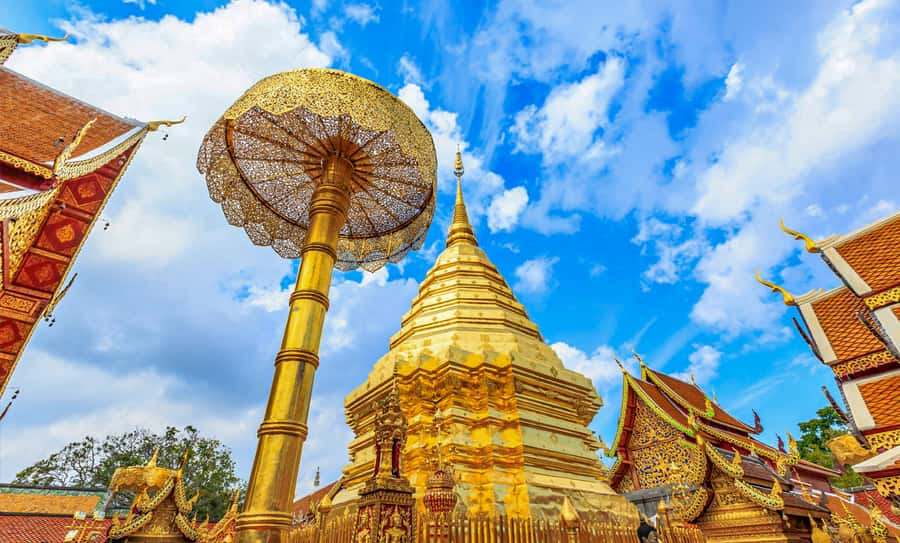
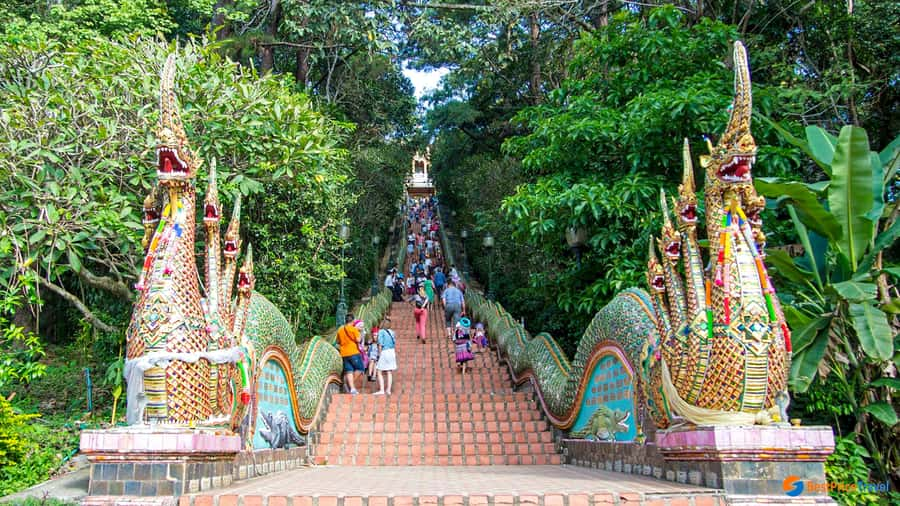
The drive then continues up the mountain to Wat Phra That Doi Suthep, the best-known temple on this route and one of Chiang Mai’s major religious landmarks. It sits high in Doi Suthep National Park and is known for its golden pagoda.
The viewpoint is the payoff. From here, you can look across Chiang Mai from above, giving you a useful sense of the city’s size and position. The view also helps connect the mountain temples to the urban area below. Bring your camera, but give yourself time to look beyond the standard photo.
Doi Suthep is the busiest and most famous stop, so it can feel less private than Wat Umong or Wat Pha Lat. That contrast is part of the reason the itinerary works. You see a quiet meditation site, a forest monastery, and then the grand public shrine that draws people from across the region.
A guide is particularly helpful at Doi Suthep because there is more to the visit than the pagoda itself. You can ask about Buddhist traditions, temple customs, and the role of the site in Chiang Mai. The strongest feedback for this tour focused on guides who explained Thai culture and traditions with passion. Lucky was praised for speaking excellent Spanish and sharing her temple knowledge generously. Turco also received strong praise for teaching about Thai culture and customs.
The weaker experience reported for another booking is worth keeping in mind. The issue was not the temple itself, but the guide’s limited explanations and poor Spanish. That means the assigned guide can affect the value of the whole day, especially since the price is built partly around language support.
More Temple Tours around Chiang Mai:
- Chiang Mai: Chiang Rai Temples, Karen Tribe and Hot Springs
★ 4.7 · 5,401 reviews - Chiang Rai White Temple and Blue Temple Day Tour
★ 4.6 · 3,366 reviews - Chiang Mai: White, Red/Black & Blue Temples Tour with Lunch
★ 4.2 · 2,017 reviews - Chiang Mai: 3 Hour Old City and Temples Guided Walking Tour
★ 4.6 · 1,568 reviews
Lunch at Huai Tung Tao Lake
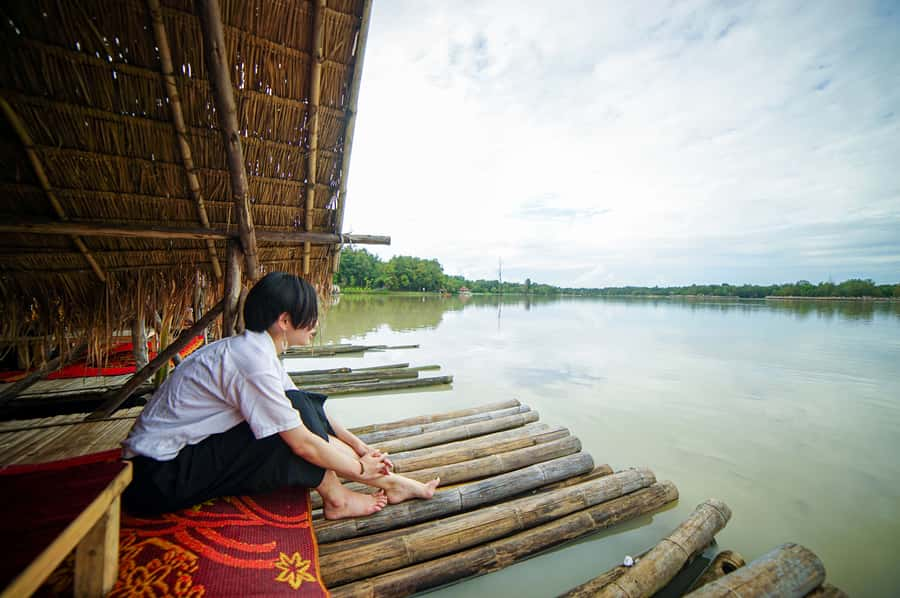
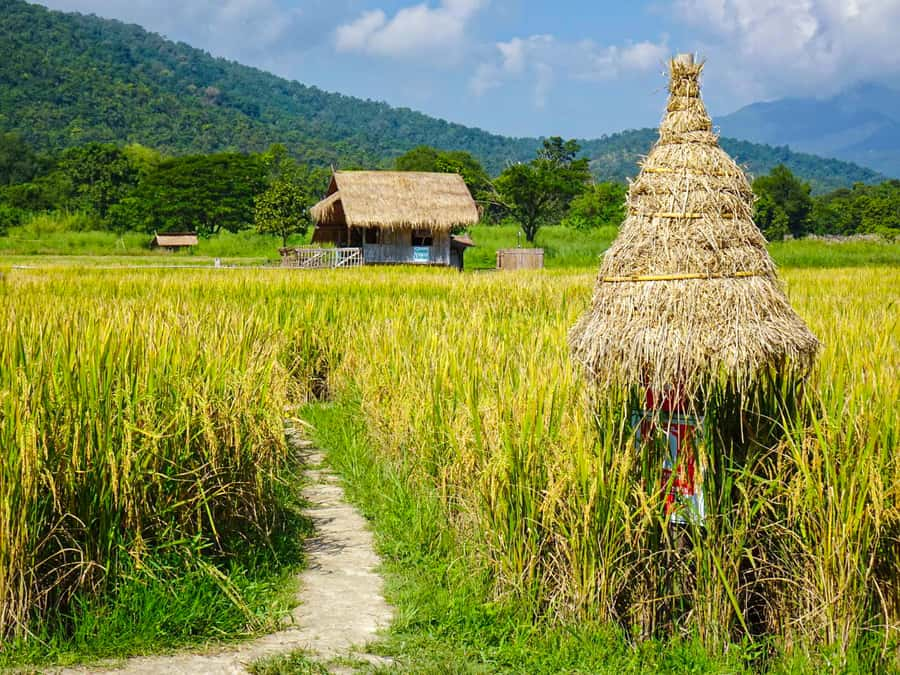
After the temples, you eat Thai lunch at Huai Tung Tao, a large lake surrounded by bamboo houses. Local residents visit the area on weekends, making this a change from the formal temple route.
The setting is one of the tour’s most appealing ideas. Instead of eating in a standard city restaurant, you sit beside the water in a bamboo house and take a break after the mountain visits. The lunch is included, along with drinking water, so you do not need to plan a separate meal.
There is one important caution. A serious complaint described the lake area as dirty, the food as poor, and a case of illness after the meal. One account cannot tell you what every group will experience, but it is enough to keep expectations sensible. The lake setting may be enjoyable, yet conditions can vary. If you have a sensitive stomach, ask your guide what is being served and use normal food and water precautions.
The tour includes Thai lunch but not alcoholic drinks. That is a minor point, though useful if you had imagined a leisurely drinks stop by the water. This is primarily a sightseeing meal, not a long restaurant experience.
Warorot Market closes the day with local color

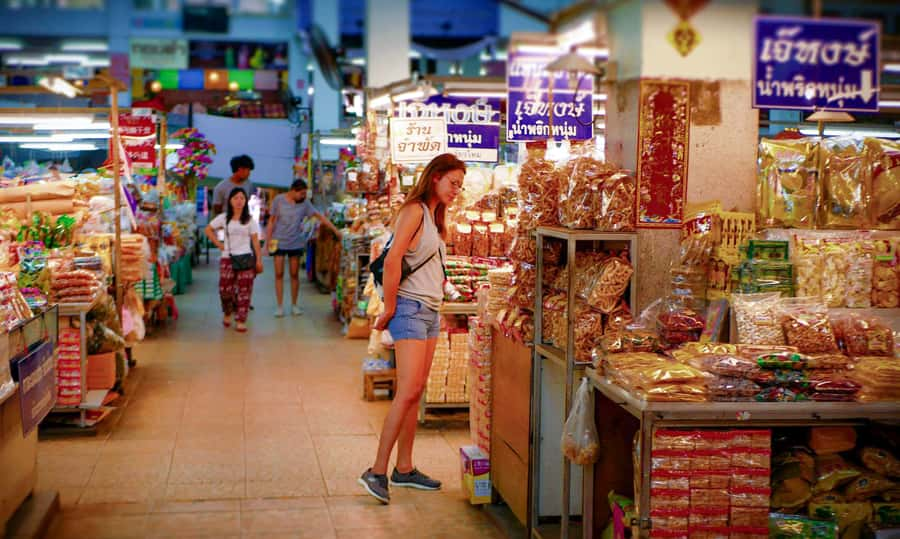
The final stop is Warorot Market, also known as the Chinatown area of Chiang Mai. Your guide takes you inside to see local products and souvenirs before returning you to your hotel.
This is a practical ending because the market gives you a chance to look at everyday goods rather than only temple art and religious buildings. You may find this more useful than another formal attraction, especially if you want snacks, small gifts, or a quick look at local shopping culture.
The stop is guided, but the information does not specify how much free shopping time you receive. If you are hoping to make a large purchase, ask your guide about the schedule. The stated arrival back at your hotel is around 4:00 PM, so the market visit is part of a fixed afternoon timetable rather than an open-ended shopping session.
Spanish guidance is the main reason to book
This tour makes the most sense for a Spanish-speaking visitor who wants cultural explanations without arranging transport and temple admissions separately. The best accounts highlight guides who speak Spanish naturally and explain Thai traditions with warmth.
Lucky is the clearest example. She was praised for excellent Spanish, strong temple knowledge, patience, and helpfulness. Turco was also credited with doing a very good job and teaching a great deal about local culture. Those are meaningful strengths because temple visits can otherwise become a sequence of names, photos, and brief walks.
At the same time, the tour does not guarantee either Lucky or Turco by name. The language is guaranteed as Spanish, but the exact guide may vary. One booking rated the experience poorly because the guide spoke weak Spanish and provided little information. I would treat this as the central risk, not a small detail.
If your Spanish is limited and you are happy to see the temples independently, you can compare the $112 price with arranging your own transport. If you want historical and cultural context in Spanish, the guided option has a clearer reason to cost more.
Is $112 good value?
At $112 per person, the tour is not the budget way to see Chiang Mai’s temples. The price includes hotel pickup and drop-off, an air-conditioned vehicle, a Spanish-speaking guide, all attraction admission fees, lunch, drinking water, and insurance.
That package saves you from arranging several separate rides and paying temple admission as you go. It also combines three sites that are spread between the outskirts, the mountain, and the city. For a small group of up to nine, the cost may be reasonable if the guide is excellent.
The value is weaker if you mainly want transport and photographs. Wat Umong, Wat Pha Lat, Doi Suthep, Huai Tung Tao, and Warorot Market make a full schedule, but independent visitors may prefer controlling their pace and meal choice. One booking described the experience as too expensive even though it was not entirely unsatisfactory.
My advice is simple: book it for the Spanish commentary and convenience, not merely for access to the temples. The admission tickets and lunch are useful extras, but the guide is what should justify the premium.
Practical details before you go
The tour lasts seven hours and normally returns you to your hotel around 4:00 PM. Starting times vary, so check availability for your chosen date.
Bring a passport or other identification, as requested in the tour information. Drinking water is provided, and alcohol is not included.
You should also prepare for a day with temple walking, outdoor areas, mountain roads, and a market visit. Respectful temple clothing and comfortable footwear are sensible choices, even though the supplied information does not list a formal dress code.
Free cancellation is available up to 24 hours before the tour for a full refund. You can also reserve now and pay later, which helps if your Chiang Mai plans are still shifting.
Who should book this Chiang Mai day tour?
I would recommend it to Spanish-speaking visitors who want a guided cultural day, prefer hotel pickup, and like the idea of seeing both major and quieter temples. It is also a good fit if you have only one full day for Chiang Mai’s mountain sights and want lunch and a market stop included.
I would think twice if you are highly price-conscious, want complete control over your schedule, or care more about food quality than convenience. The lunch complaint is serious enough to keep in mind, and the guide quality appears to matter greatly.
Book this tour if Spanish explanations and easy transport are your priorities. If you can visit the temples independently and do not need a Spanish guide, $112 may be more than you need to spend. Before paying, confirm the language support and, if possible, ask which guide is assigned. That single detail may decide whether this feels like a thoughtful cultural day or an expensive transfer between sights.
FAQ
How long does the Chiang Mai temple tour last?
The tour lasts seven hours and is expected to return you to your hotel at about 4:00 PM.
Which temples are included?
The route includes Wat Umong Cave Temple, Wat Pha Lat in Doi Suthep National Park, and Wat Phra That Doi Suthep.
Is the tour conducted in Spanish?
Yes. The tour includes a live Spanish-speaking guide. Guides named Lucky and Turco have been praised for their Spanish and cultural explanations, but the exact guide is not guaranteed in the supplied information.
What is included in the $112 price?
The price includes hotel pickup and drop-off, an air-conditioned vehicle, a Spanish-speaking guide, admission fees, Thai lunch, drinking water, and insurance.
Is the tour a small-group experience?
Yes. The group is limited to nine participants. The information also describes a small-group format, though one booking described the outing as private and expected a more personal experience.
Do I need to bring identification?
Yes. You should bring your passport or another form of identification.
Can I cancel the tour for a refund?
Yes. You can cancel up to 24 hours in advance for a full refund. The tour also offers a reserve-now, pay-later option.
Temple visits we reviewed lately in Chiang Mai
- Red, Blue, White Temples & Hot Spring Trip from Chiang Mai★ 4.4 · 143 reviews
- Monk trails hike, Wat Phalat, Monk chanting, Wat Doi Suthep.★ 5.0 · 3 reviews
- Long Neck Village, Silver Temple & Chiang Mai Top Sites★ 4.7 · 17 reviews
- Lalita Cafe & Chiang Rai Temple(White+Blue) from Chiangmai★ 4.8 · 5 reviews
- Private : Sticky Waterfall & Secret Temple & Karen Village.★ 5.0 · 9 reviews
- Chiang Mai: Temples & Culture Tour★ 4.7 · 64 reviews
- Half Day Morning Wat Pha Lat & Wat Phra That Doi Suthep Tour★ 4.8 · 269 reviews
- From Chiang Mai: White Temple, Blue Temple & Black House★ 4.5 · 15 reviews
Chiang Mai Temple Tours, compared.
Chiang Mai: Chiang Rai Temples, Karen Tribe and Hot Springs
Read our review →
Chiang Rai White Temple and Blue Temple Day Tour
Read our review →
Chiang Mai: White, Red/Black & Blue Temples Tour with Lunch
Read our review →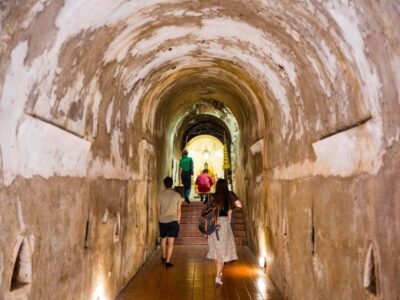
Chiang Mai: Doi Suthep and Wat Umong Enchanting Evening Tour
Read our review →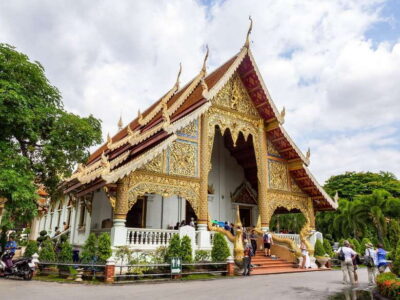
Chiang Mai: 3 Hour Old City and Temples Guided Walking Tour
Read our review →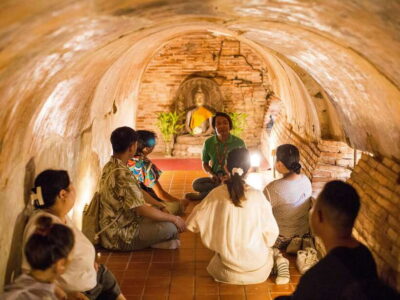
Chiang Mai: Doi Suthep, Wat Umong, and Pha Lat Sunrise Tour
Read our review →
Chiang Rai Temples: Private Tour from Chiang Mai
Read our review →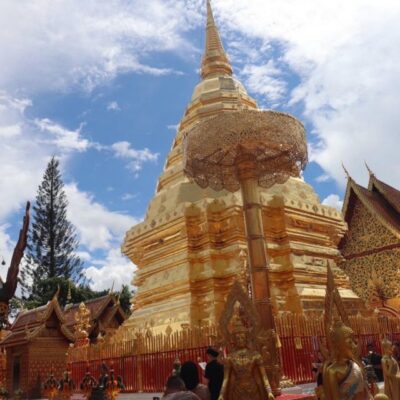
Chiang Mai: Wat Pha Lat & Wat Phra That Doi Suthep Tour
Read our review →This tour also ranks in