
Review · BAKU
Baku:Gobustan Mud Volcanoes Temple & Entry tickets included
A bubbling mud crater in the empty hills outside Baku is the star of this outing. Add ancient carvings, a mosque, a Zoroastrian fire temple, and flames burning from the ground, and you get a full day that explains why Azerbaijan is called the Land of Fire. Gobustan’s mud volcanoes feel genuinely strange, especially when a 4×4 takes you along rough tracks to an active site.
I like the broad sweep of the day. You see religion at Bibiheybat and Ateshgah, prehistoric art at Gobustan, and natural gas fires at Yanar Dag. I also like the guides’ role: Murad, Seymur, Sona, Javid, Aydin, and others are described as friendly, patient, and strong at explaining local history and culture. The main drawback is the pace. There are many stops, some road time, and a large mixed-language group can make the schedule feel hurried.
Key points before you book
- Active mud volcanoes: A 4×4 or SUV is needed for the rough approach, and an extra payment may apply.
- Four very different sights: Combine a mosque, prehistoric rock art, natural mud eruptions, and fire sites in one outing.
- About six hours on the road: The route covers Gobustan and Absheron, with a lunch stop if your selected option includes it.
- Entry options matter: Tickets and lunch are not automatically included in every booking choice.
- Baku night tour gift: An evening city tour may be included with the appropriate ticket option, but confirm the arrangement when booking.
- Best for curious first-time visitors: You get a wide introduction to Azerbaijan rather than a slow, specialist visit to one site.
Why this route makes sense from Baku
Baku is modern, polished, and full of grand stone buildings, but the most unusual sights lie beyond the city. This trip links two nearby regions, Gobustan and Absheron, so you can see the forces that shaped Azerbaijan’s culture and economy in one day.
The route begins with Bibiheybat Mosque, then heads south toward Gobustan. After the rock art and mud volcanoes, the vehicle returns toward the Absheron Peninsula for Yanar Dag and Ateshgah. That order gives the day a useful rhythm: sacred place, ancient human record, wild geology, lunch, then the fire sites.
The advertised duration is six hours, though the detailed schedule adds up to a very full day once driving, stops, and lunch are counted. Check the starting time and expected return when you reserve. This is not a quick city-side excursion.
More Entry Tickets in Baku:
- Lisbon: Jerónimos Monastery Entrance Ticket
★ 4.1 · 14,164 reviews - Bali: Kecak Fire Dance Show & Uluwatu Temple Entry Ticket
★ 4.2 · 3,023 reviews - Montserrat Museum and Monastery Entry Ticket
★ 4.5 · 1,740 reviews
Bibiheybat Mosque: a graceful first stop
The first visit is Bibiheybat Mosque, about 20 minutes from Baku. You get roughly 25 minutes here for a guided visit and photographs.
The mosque matters for more than its appearance. It introduces the religious life of Azerbaijan before the day turns toward prehistoric art and fire worship. The stop is short, so I would treat it as an orientation rather than a full architectural study. Your guide can explain its spiritual importance and place it within the country’s Islamic traditions.
Because this is an active religious site, dress and behavior should be respectful. The tour description does not set out a dress code, so bring a practical covering if you prefer not to be caught unprepared. The short stop also means you should listen closely rather than spend the whole time lining up photographs.
Gobustan rock art and the oldest chapter
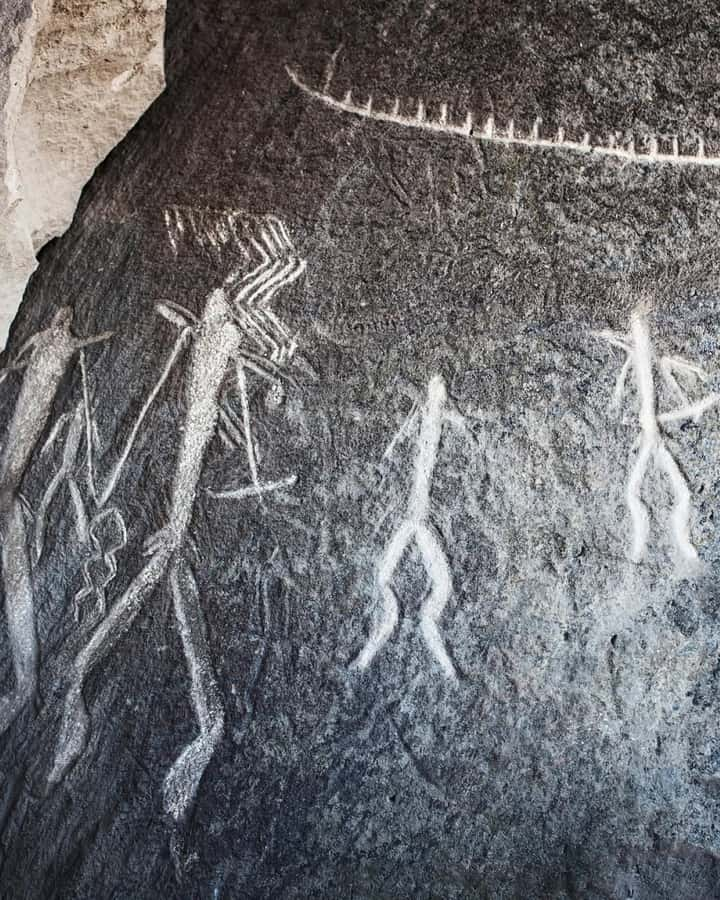
After about 40 minutes by coach, you reach the Gobustan Rock Art Cultural Landscape and museum. The scheduled visit lasts about an hour, with guided sightseeing and time for photographs.
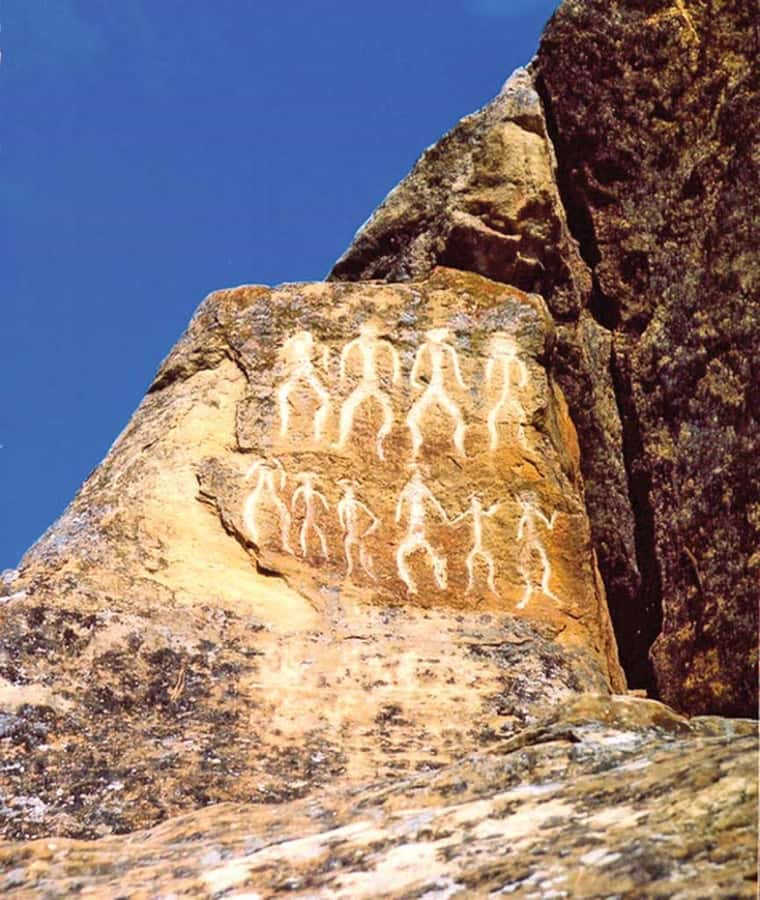
This is one of the most valuable stops because it gives meaning to the bare hills around you. The petroglyphs record people, animals, hunting scenes, and daily life from a distant prehistoric past. The museum helps you read what you are seeing instead of treating the carvings as random marks on stone.
I would give the guide your full attention here. The rock drawings are not large, and their importance comes from age, setting, and interpretation. A few visitors have wished for more time at the museum, which is a useful warning for anyone who enjoys archaeology. On a busy day, the hour can pass quickly.
Gobustan also helps explain the trip’s central theme. Human settlement, oil, gas, mud, and fire are not separate curiosities in Azerbaijan. They are connected to the ground beneath your feet.
The mud volcanoes and the roughest ride
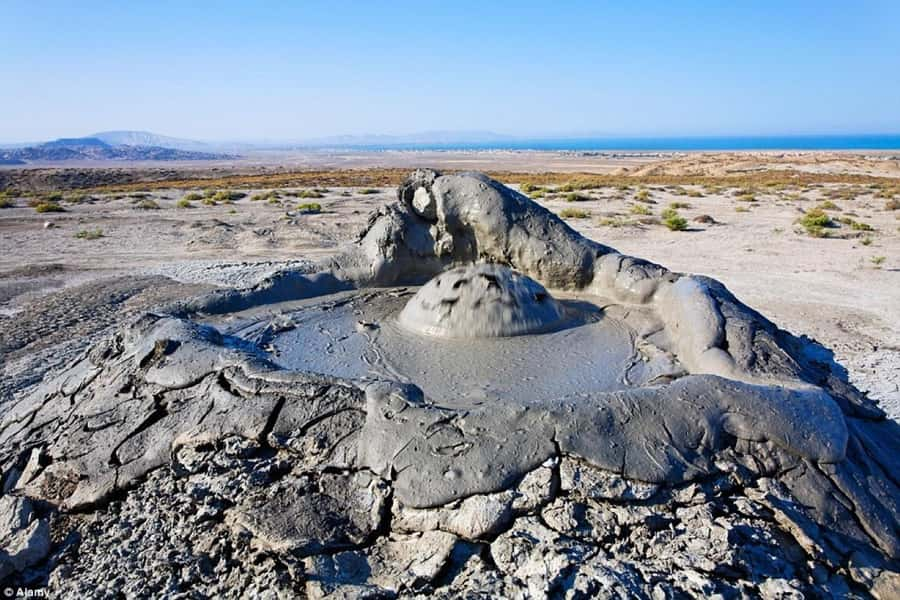
The road from Gobustan to the mud volcanoes takes about 15 minutes in a Jeep or SUV, though the actual road conditions are important. A 4×4 is required, and an additional payment may apply. Confirm that cost before you go, especially if the low headline price is influencing your decision.
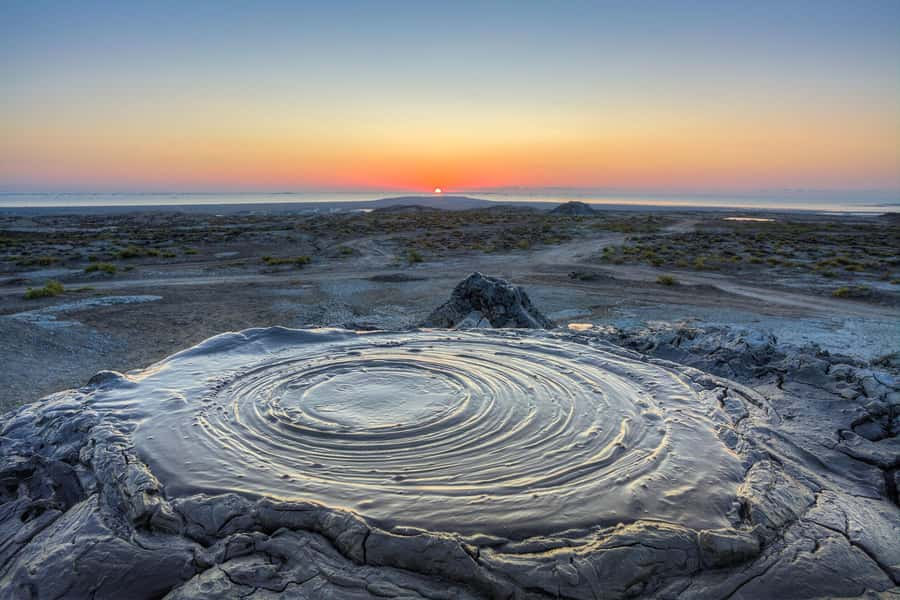
The stop itself lasts about 35 minutes. You walk around the craters, take photographs, and watch the thick gray mud bubble gently from the earth. Around 45 percent of the world’s mud volcanoes are located in Azerbaijan, according to the tour information, so this is not a minor local oddity. It is one of the country’s defining natural features.
The mud is not hot lava. It is a softer mixture linked to underground gas and geological pressure. Some people choose to put it on their face, arms, or body for supposed therapeutic benefits. I would treat that as optional fun, not as a medical treatment, and bring clothes and shoes you do not mind getting dirty.
This is the stop most likely to make you grin. The terrain can feel almost extraterrestrial, but the experience is not polished or heavily staged. That is part of its appeal. It is also why you should wear sturdy footwear and expect dust, uneven ground, and a short walk outside.
The biggest practical issue is timing. Thirty-five minutes is enough to see the craters, but not enough for a long wander or a careful geological study. If you want a slow nature visit, book a specialist excursion. If you want an unusual, accessible look at Azerbaijan’s geology, this stop earns its place.
More Temple Tours around Baku:
- Baku: Gobustan, Mud Volcano, Fire Mount, Temple Lunch Entry
★ 4.9 · 3,246 reviews - Baku: Gobustan, Volcanoes, Fire Temple and Yanardag Day Trip
★ 4.7 · 433 reviews - Gobustan & Mud, Fire Temple, Burning Mountain (Group & Private)
★ 4.5 · 418 reviews - Gobustan-Mud Volcan-Fire Temple and Mountain Tour/Entrance inc
★ 5.0 · 267 reviews
Lunch and the long middle transfer
The schedule allows about an hour at a restaurant after the volcanoes. Lunch is included only if you select the relevant option, so check the booking details rather than assuming it comes with the $9 base price.
The meal is useful for more than refueling. Several visitors have enjoyed local Azerbaijani dishes, and a traditional restaurant can add a cultural note to a day otherwise built around monuments and geology. Still, the exact restaurant and menu are not fixed in the supplied details. One person specifically preferred a less tourist-oriented restaurant, so expectations should stay sensible.
The coach ride after lunch lasts about 30 minutes before Yanar Dag. Transport is included, and the vehicle has generally been described as comfortable. That matters here because this route covers a lot of ground. The ride also gives you a break from walking, although a large group can create delays when everyone needs to return to the vehicle on time.
Yanar Dag: fire rising from the hillside
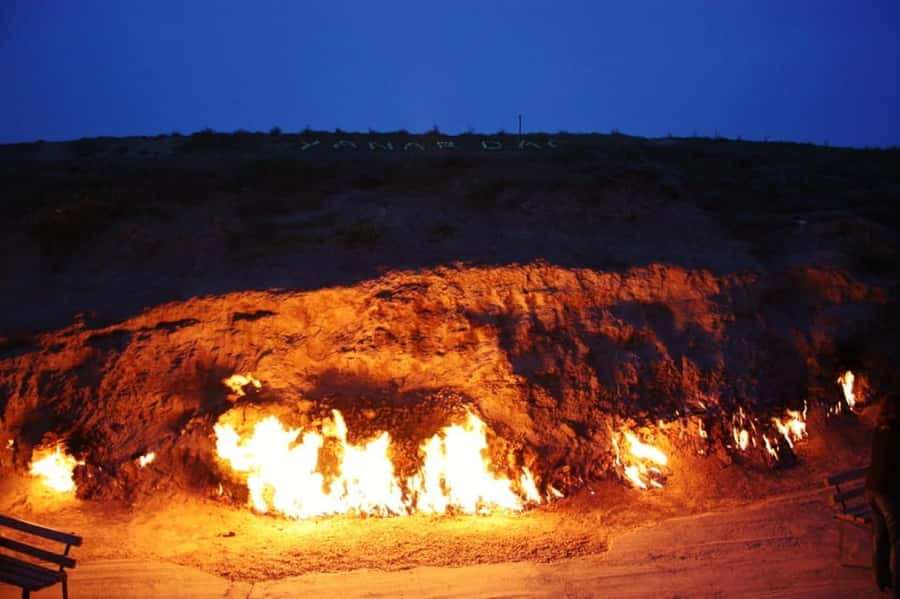
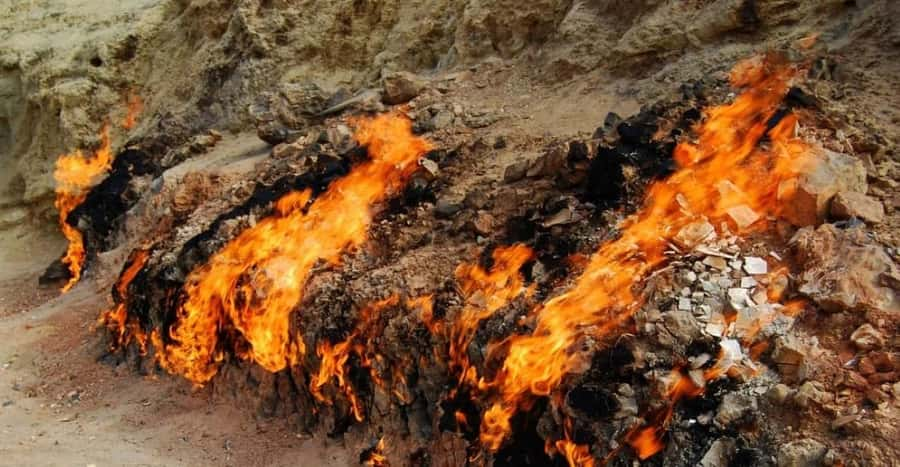
Yanar Dag, or Burning Mountain, is scheduled for about 25 minutes. Here, natural gas escapes from the ground and burns along the hillside. The flames are especially striking after sunset or in low light, though the stop can be visited during the day as well.
This is the most direct expression of Azerbaijan’s fire identity. You are not looking at a theatrical show or a torch lit for visitors. The appeal comes from seeing fire appear to come from the earth itself.
The stop is short, so use the time well. Watch the flames, listen to the explanation, and take photographs from the marked viewing area. You may want a little extra time if fire phenomena are your main reason for booking, but the schedule treats Yanar Dag as one part of a wider route.
Some descriptions refer to blue-hued flames. The exact color and intensity can vary with conditions and viewing distance, so do not expect a constant brilliant blue blaze. The important point is the natural gas fire and its connection to local beliefs and history.
Ateshgah Fire Temple and the Zoroastrian connection
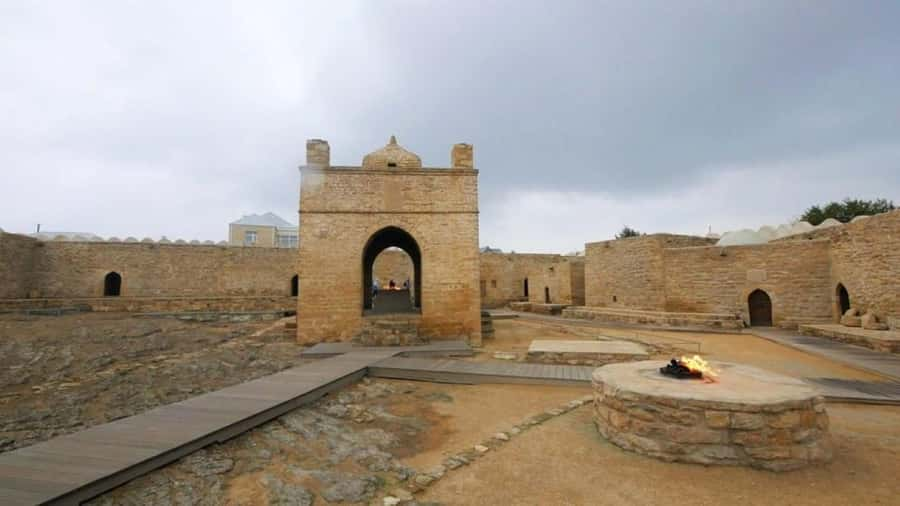
The final major sight is Ateshgah of Baku, reached after another 30-minute transfer. The visit is scheduled for about 20 minutes and may be timed around sunset.
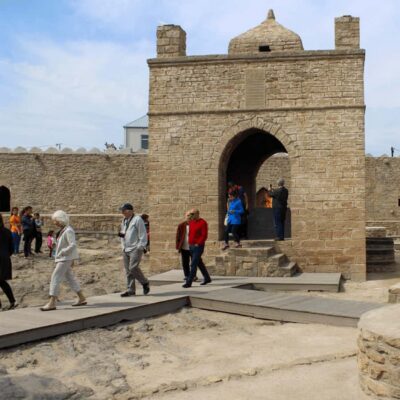
Ateshgah is a fire temple associated with Zoroastrian traditions and the long religious importance of natural flames in this region. It also reflects the movement of merchants and worshippers across the wider area. Your guide’s explanation is particularly useful here because the building’s significance is historical and religious, not simply visual.
Twenty minutes is enough for a focused visit, but it is not generous. If you want detailed time with every display, you may find this stop rushed. Still, its place at the end works well: after seeing natural fire at Yanar Dag, you encounter the human response to fire in a built sacred setting.
The route then returns to Baku in about 30 minutes. Drop-off is available at two Baku locations. If you stay in the Old City or on Nizami Street, cars cannot enter certain areas, so you may need to use the Gosha Gala meeting point at the Double Gates instead of expecting a vehicle to reach your door.
The optional Baku night tour
The tour includes a Baku night tour gift with the relevant package, and the timing can depend on your preference. This is a useful extra if you have limited time in the city. It lets you see Baku after the day trip, when the modern center and illuminated architecture take on a different mood.
Do not assume the evening tour is automatic with every $9 booking. The package choices can differ on entry tickets, lunch, and the night tour. One booking had to insist on arranging the night visit later, so confirm exactly what is included and when it will happen.
A private evening guide such as Nurlan may be assigned, but guide names are not guaranteed. Treat the night tour as a bonus, not the main reason to book the daytime route.
Guides, languages, and group size
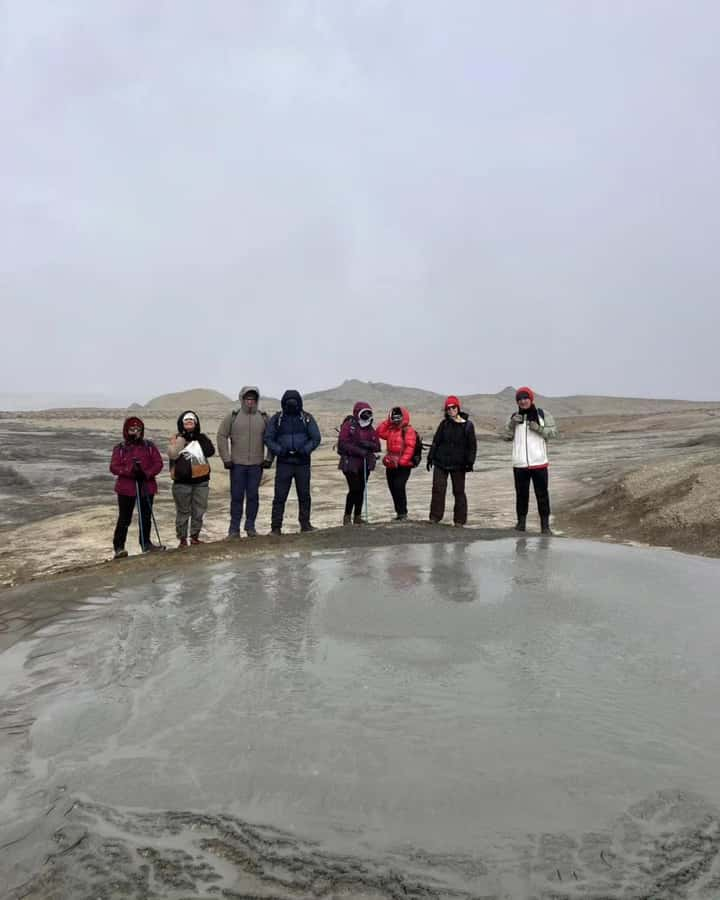
The strongest part of this experience is the guide service. English, Russian, Turkish, and Azerbaijani are central language options, with a wider list of languages shown for availability. Actual language coverage depends on the date and guide assigned.
Names connected with especially strong guiding include Murad, Seymur, Sona, Javid, Aylin, Aydin, Vusal, and Bhaktiyar. Their reported strengths include clear translation, patience with mixed groups, useful cultural context, and good coordination between stops. You cannot guarantee one particular guide unless the operator confirms it, but you can request a preferred language.
Private and small-group formats are available. I would choose private travel if you dislike waiting, want more time at the museum, or need a flexible pace. A shared group costs less and can be sociable, but the day may slow down when people linger at stops or when the guide repeats information in two languages.
The mixed-language issue deserves attention. A guide speaking English and Russian, for example, must divide explanations between groups. Good guides handle this well, but it naturally takes longer. If you want the most detail, ask about the language and group size before paying.
What the $9 price really means
At $9 per person, the headline price is unusually low for a route that includes transport, a guide, and several distant sights. It can be excellent value, but only if you read the option details carefully.
Entry tickets may be included only with a selected package. Lunch may also cost extra, and the 4×4 approach to the mud volcanoes requires additional payment. Bottled water is available on request rather than clearly guaranteed for every participant, so carry cash and bring your own water if you prefer certainty.
The value improves if you want many highlights in one day and do not plan to hire separate transport. You are paying for convenience, interpretation, and access to sites that are awkward to combine independently. The value drops if you expect every ticket, lunch, off-road transfer, and evening activity to be included in the basic fare.
Free cancellation up to 24 hours in advance and reserve-now-pay-later terms add flexibility. Still, the practical rule is simple: compare the exact package total, not only the advertised starting price.
Who should book this day trip?
I would recommend it to a first-time Baku visitor who wants context, variety, and a broad look at Azerbaijan beyond the capital. It suits people interested in archaeology, religion, geology, photography, and local food. You will get the most from it if you enjoy listening while moving between many different places.
It is less suitable if you want a relaxed countryside day with long pauses. The route is dense, and the main visits are short. Anyone with limited mobility should ask about the walking surfaces and vehicle arrangements before booking, while the published information specifically says it is not suitable for people over 95.
Bring cash, comfortable shoes, sun protection, and clothes that can handle dust or mud. Alcohol and drugs are not allowed. If you plan to touch the mud, pack something you can wash easily.
Should you book it?
Book this tour if you want to understand why Baku is surrounded by sacred fire, prehistoric markings, oil country, and bubbling earth. The mud volcanoes and Yanar Dag are the memorable oddities, while Gobustan and Ateshgah give the day its historical weight.
I would book the ticket-inclusive option if you want a simple budget calculation, and I would confirm the 4×4 charge, lunch, and night tour before payment. Choose a private or small-group format if time matters more than price. For most first visits, this is a strong use of one day outside Baku, provided you accept the brisk pace and check what the low base fare actually covers.
FAQ
How long does the Baku Gobustan and Absheron tour last?
The advertised duration is about six hours, with availability depending on the selected starting time. The detailed route includes transport, guided visits, lunch time, and the return to Baku.
Are entry tickets included?
Entry tickets are included only when you select the appropriate ticket option. Some outdoor locations on the route have free entry, so check the exact package before booking.
Is lunch included?
Lunch is included if you choose the option that lists it. The itinerary includes about one hour at a restaurant.
Do I need a 4×4 vehicle for the mud volcanoes?
Yes. A 4×4 vehicle is required because of the road conditions, and an additional payment may apply.
Is hotel pickup available in Baku?
Hotel pickup and drop-off are included, but vehicles cannot enter some parts of the Old City and Nizami Street. If you stay there, you may need to meet the vehicle at Gosha Gala, the Double Gates.
Is the Baku night tour included?
A Baku night tour is offered as a gift with the relevant package and can depend on your preferences. Confirm that it is included in your selected option and arrange the timing in advance.
Temple visits we reviewed lately in Baku
- Gobustan, Mud Volcano, Burning Land and Fire Temple Tour★ 5.0 · 4 reviews
- Gobustan & Mud, Fire Temple, Burning Mountain, H.A. Center★ 4.6 · 46 reviews
- Gobustan and Fire temple Tour with Italian speaking guide★ 5.0 · 4 reviews
- Gobustan and Fire temple Tour with Polish speaking guide★ 5.0 · 5 reviews
- Baku: Atashgah Fire Temple & Burning Mountain Half-Day Tour★ 4.0 · 35 reviews
- Baku: Gobustan, Mud Volcanoes, Fire Temple, & Yanar Dag Tour★ 4.8 · 36 reviews
- Baku: Burning Mountain & Zorastrian Temple Private Tour★ 4.9 · 34 reviews
- Baku: Gobustan, Mud Volcano, Fire Temple & Burning Mountain★ 4.2 · 11 reviews
Baku Temple Tours, compared.
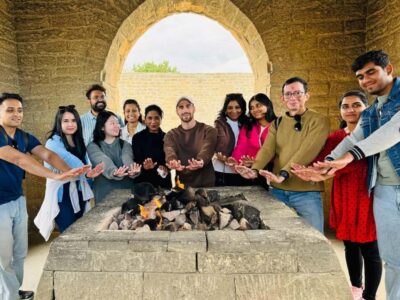
Baku: Gobustan, Mud Volcano, Fire Mount, Temple Lunch Entry
Read our review →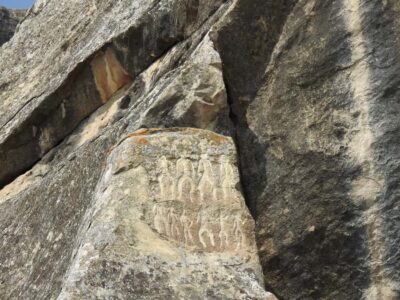
Baku: Gobustan, Volcanoes, Fire Temple and Yanardag Day Trip
Read our review →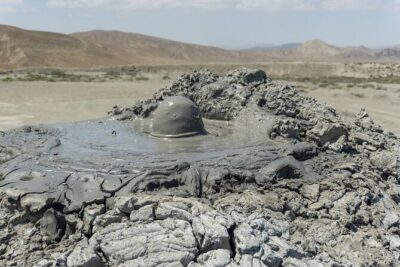
Gobustan & Mud, Fire Temple, Burning Mountain (Group & Private)
Read our review →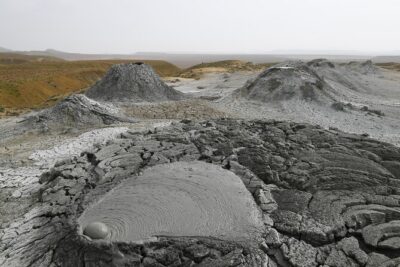
Gobustan-Mud Volcan-Fire Temple and Mountain Tour/Entrance inc
Read our review →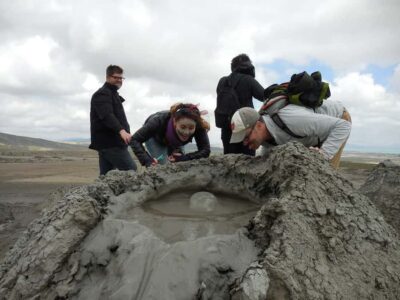
Gobustan & Mud, Fire Temple, Burning Mountain, H.A. Center
Read our review →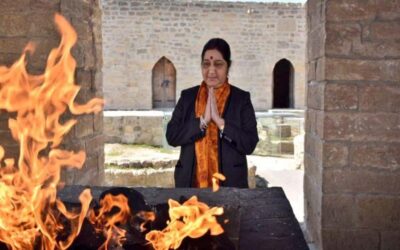
Baku: Gobustan, Mud Volcanoes, Fire Temple, & Yanar Dag Tour
Read our review →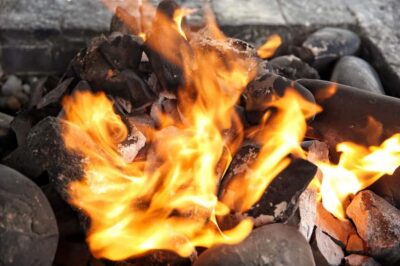
Baku: Atashgah Fire Temple & Burning Mountain Half-Day Tour
Read our review →This tour also ranks in