
Review · BAKU
Gobustan and Fire temple Tour with Polish speaking guide
Gobustan’s mud volcanoes are the tour’s strangest sight: gray cones bubble and ooze in a stark setting that feels far removed from Baku. You’ll then connect that natural oddity with ancient rock carvings, sacred fire sites, and the oil industry that helped shape modern Azerbaijan.
I like the broad sweep of the day, especially the pairing of Gobustan’s petroglyphs with the active mud volcanoes. I also like having a Polish-speaking guide, since the historical details at the mosque, oil well, fire temple, and Burning Mountain are far more useful when explained in your language.
The main drawback is that entry fees are not included unless you choose the ticket option. Without that option, budget an extra 30 AZN per person for Gobustan, Ateshgah, and Yanardagh, and remember that the packed schedule leaves no time to enter the Heydar Aliyev Center.
Key points to know before booking
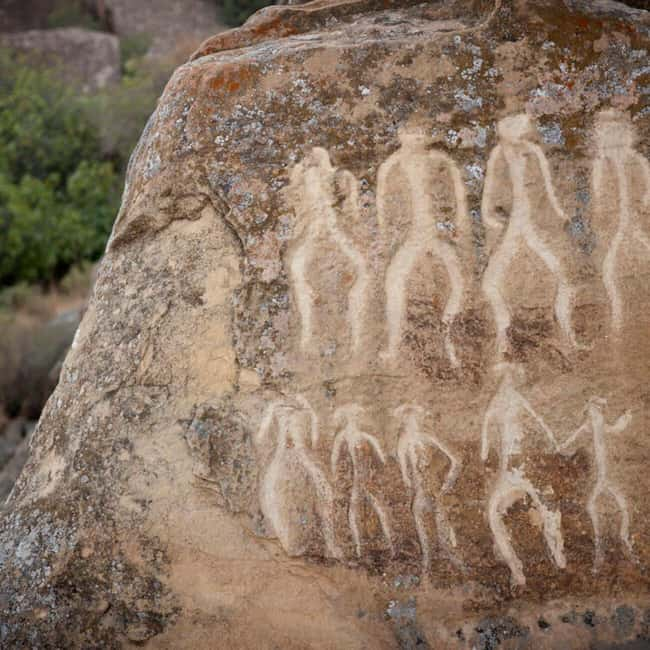
- Mud volcanoes and ancient carvings: See two very different sides of Gobustan, bubbling volcanic mud and petroglyphs made thousands of years ago.
- Polish-speaking guidance: Receive commentary in Polish throughout the day, with historical context at each major stop.
- Several major sights in one outing: The route links Gobustan, Bibiheybat Mosque, the first drilled oil well, Ateshgah, and Yanardagh.
- Fire shaped Azerbaijan’s identity: Ateshgah and Yanardagh show how natural gas and sacred flame became part of the country’s story.
- Transport is handled: Hotel pickup and drop-off, roundtrip transport, and a bottle of water are included.
- Tickets need attention: Entry costs are extra unless you select the option that includes them.
Why this route works for a day outside Baku
This is not a single-site excursion. It is a wide-ranging trip through the natural, religious, archaeological, and industrial stories around Baku.
That variety is the main reason to book it. You may begin among soft, bubbling mud, move on to prehistoric carvings, pause at a mosque, then finish with flames that have burned through natural gas. The stops do not all have the same mood, which keeps the day moving.
The route also gives you a better sense of Absheron and Gobustan than a short city tour can. Baku’s modern buildings tell one part of Azerbaijan’s story. This outing reaches farther back, to early human settlement, Zoroastrian worship, and the oil boom.
At $65 per person, the value depends on the ticket option and how much you want to see in one day. Hotel pickup, return transport, a Polish-speaking guide, and several major sites are included. If the entrance fees are not included, add 30 AZN, or 15 AZN for Gobustan’s rock art and mud volcanoes plus 15 AZN for Ateshgah and Yanardagh.
For someone who wants a broad introduction rather than a slow visit to one museum, that is a fair package. The tradeoff is pace. You will see many places, but you will not have unlimited time at each one.
More Temple Tours around Baku:
- Baku: Gobustan, Mud Volcano, Fire Mount, Temple Lunch Entry
★ 4.9 · 3,246 reviews - Baku: Gobustan, Volcanoes, Fire Temple and Yanardag Day Trip
★ 4.7 · 433 reviews - Gobustan & Mud, Fire Temple, Burning Mountain (Group & Private)
★ 4.5 · 418 reviews
Gobustan’s mud volcanoes: the oddest stop
The Gobustan mud volcanoes are a rare natural sight and one of the most memorable parts of the outing. These are not volcanoes filled with molten rock. They bubble and ooze mud, creating low cones and pools in muted shades of gray and brown.
The effect is strange and almost otherworldly. You can watch the surface move and hear the occasional release of gas. The attraction is less about a dramatic eruption and more about seeing geology at work in a quiet, exposed setting.
This stop is especially useful for anyone who has already seen Baku’s grand architecture and wants something completely different. The open setting also creates a sharp contrast with the city.
The $15 Gobustan admission covers the rock art and mud volcano section when tickets are purchased separately. Since the ticket price is clear, you can decide in advance if the natural and archaeological stops fit your interests.
Bring sensible shoes and keep your attention on the guide’s instructions around the mud. The tour information does not promise any special equipment or extended walking plan, so you should expect a sightseeing visit rather than a strenuous outdoor activity.
Gobustan rock art and the first people of the region
Gobustan’s petroglyphs shift the focus from geology to human history. The carvings date back thousands of years and offer clues about the people who lived in this part of the region long before modern Azerbaijan existed.
You can expect to see images cut into rock, with scenes and symbols linked to early human life. The value here is not only the carvings themselves. It is the chance to consider how people recorded hunting, movement, ritual, and daily life without written documents.
This is where a Polish-speaking guide can make a real difference. Rock art can look simple at first glance, especially if you do not know what you are viewing. Context helps you read the images as evidence of a vanished society rather than as random marks on stone.
The setting also matters. Gobustan is not a polished indoor museum. You encounter the carvings in the same broad region where they were made, which gives the visit a stronger sense of place.
The stop does require a separate admission fee if tickets are not selected in advance. The stated price is 15 AZN for the Gobustan rock arts and mud volcanoes together.
Bibiheybat Mosque and a living religious site
Bibiheybat Mosque brings a different kind of history into the day. Its architectural design gives you a chance to pause among decorative details and learn about an important religious site near Baku.
The mosque is presented as an architectural highlight, but it is worth treating it as more than a photo stop. A mosque carries meaning through its design, its place in local life, and the stories connected with it. Your guide can explain that significance in Polish instead of leaving you to guess from the building alone.
You should dress and behave respectfully at religious sites. The supplied information does not specify a dress code or visiting procedure, so follow the guide’s directions when you arrive.
This stop also gives the itinerary some visual balance. Gobustan is spare and earthy, while Bibiheybat offers a more crafted setting. The change helps prevent the day from feeling like a long sequence of archaeological sites.
Same sacred ground, another way to see it:
- Gobustan-Mud Volcan-Fire Temple and Mountain Tour/Entrance inc
★ 5.0 · 267 reviews - Baku:Gobustan Mud Volcanoes Temple & Entry tickets included
★ 4.8 · 178 reviews - Gobustan & Mud, Fire Temple, Burning Mountain, H.A. Center
★ 4.6 · 46 reviews - Ateshgah Fire temple and Burning mountain tour
★ 4.5 · 42 reviews
Azerbaijan’s first drilled oil well
The stop at the site of the world’s first drilled oil well connects the countryside with Azerbaijan’s modern economic story. Oil is not a side note here. It helped transform Baku and remains central to the way the country is understood.
At the well site, you can learn how early drilling shaped the oil industry and how that industry influenced Azerbaijan. The attraction may be less visually dramatic than the mud volcanoes or the fire temple, but the historical importance is strong.
I would treat this as a short context stop rather than a major monument. Its value comes from the explanation. Without a guide, a well site might seem easy to pass over. With the story attached, it helps explain why Baku grew into a major oil city.
This is one of the tour’s best examples of range. In the same day, you are looking at ancient carvings and then considering the industrial forces that shaped the modern era.
Ateshgah, the Fire Temple of Baku
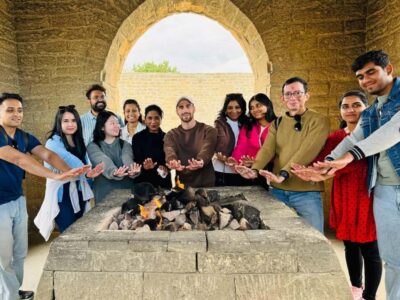
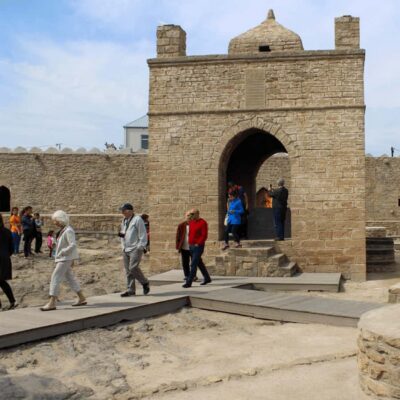
Ateshgah is one of the most distinctive cultural stops on the route. Known as the Fire Temple of Baku, it was used by Zoroastrians, Hindus, and Sikhs, and is linked to natural gas-fueled flames.
The temple’s importance comes from the meeting of religion and geology. In a place where gas escaped from the ground and burned, fire could be understood as sacred. Ateshgah lets you see how the natural resources of Absheron influenced spiritual practice.
The visit is not simply about looking at an old structure. It is about understanding why this location attracted worshippers from different traditions. The guide’s explanations should help you connect the architecture with the beliefs and communities associated with the site.
Ateshgah is included in the 15 AZN ticket bundle with Yanardagh when tickets are bought separately. If you want the day to remain simple, choose the option with entry tickets. If you prefer to pay on site, keep the additional 30 AZN total in your budget.
The temple is also a good place to slow down mentally after the quick visual impact of Gobustan. Its details reward attention, especially if you are interested in religion, trade routes, and the way beliefs develop around unusual natural features.
Yanardagh, the Burning Mountain
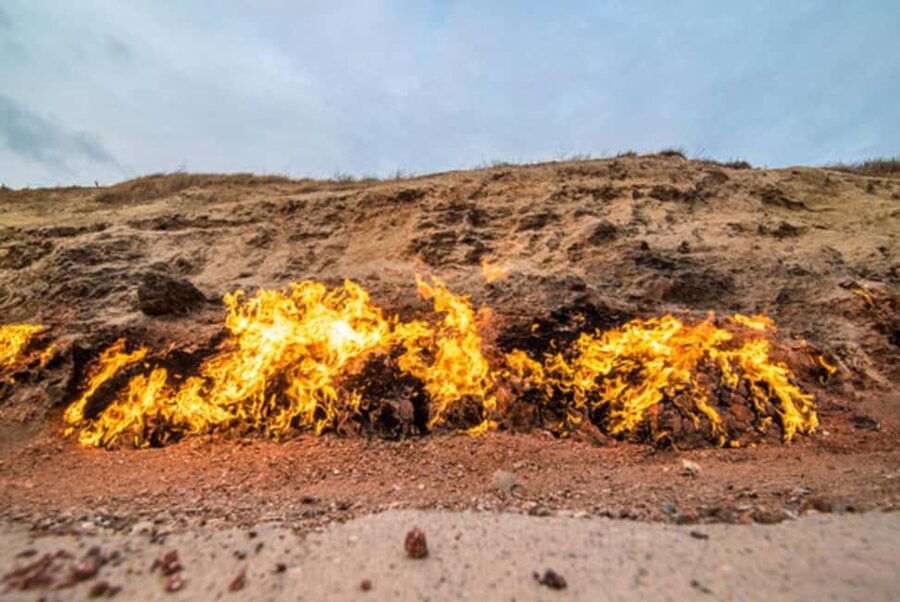
Yanardagh is known as the Burning Mountain, although the sight is a natural gas fire blazing on a hillside rather than a mountain burning from within.
The flame creates one of the tour’s most memorable images. It also completes the story begun at Ateshgah. At the temple, natural fire was connected with worship. At Yanardagh, you see the same basic force in a raw outdoor setting.
Expect a short sightseeing visit centered on the constantly burning gas fire. The attraction is visual, but your guide’s historical explanation adds meaning. For centuries, a fire that did not go out would have seemed mysterious and powerful.
Yanardagh shares the 15 AZN admission allocation with Ateshgah when fees are paid separately. Check the booking option carefully so you know if this cost is already covered.
This is a strong final major stop because it leaves you with something easy to remember. After petroglyphs, a mosque, and an oil site, the open flame provides a simple and striking ending to the historical route.
The Heydar Aliyev Center photo stop
The Heydar Aliyev Center is the final point and is visited for sightseeing and photographs. Groups do not enter the building because of the time limits of the route.
That detail matters if you are hoping to tour the interior. You will see the famous exterior and have a chance to take pictures, but this is not an admission visit to the center.
The building gives the day a modern finish. Gobustan and Ateshgah look back across centuries, while the center represents contemporary Baku and its bold architectural style.
If the center is high on your personal list, plan a separate visit at another time. On this tour, consider it a closing photo stop rather than a full cultural attraction.
What the transport and guide arrangement means for you
Hotel pickup and drop-off are included, as is roundtrip transportation. You can also use a central pickup point if that is the arrangement offered for your booking.
This is useful because the route covers several locations outside central Baku. Organizing separate taxis or buses would make the day more complicated, particularly when the stops are spread between Gobustan and Absheron.
A bottle of water is included. Still, you may want to bring anything else you need for a full day out, since the provided information does not list meals or snacks as included.
The guide is Polish-speaking, and the tour is described as multilingual in the inclusions. If you are booking specifically for Polish commentary, confirm that you have selected the Polish option. No guide name is provided, so you should not expect to choose a particular person.
The tour received a 5 out of 5 rating from five submitted ratings, with a clear recommendation for everyone. That is a small sample, but it supports the strongest practical point: the route works best when you want an organized, information-filled day with a Polish-speaking guide.
Tickets, payment, and practical value
The base price is $65 per person. Entry tickets are not included by default unless you select the option that includes them.
If you do not select that option, the stated extra cost is 30 AZN:
- 15 AZN for Gobustan rock art and mud volcanoes
- 15 AZN for Ateshgah and Yanardagh
Bibiheybat Mosque, the first drilled oil well, and the Heydar Aliyev Center photo stop are not listed with separate entrance charges in the tour information.
You can reserve now and pay later, which helps if your Baku plans are still changing. Cancellation is available up to 24 hours before the tour for a full refund.
Since no tour duration or group size is specified, ask for those details before booking if they matter to you. The description presents it as a full-day-style outing with many stops, but the exact departure and return times are not provided.
Who will enjoy this Gobustan and Fire Temple tour
I would recommend this outing if you want to cover several important sights without arranging transport yourself. It suits first-time visitors to Baku who want more than city architecture, especially if you are interested in archaeology, religion, geology, and oil history.
The Polish-language service makes it a particularly sensible choice for Polish-speaking visitors. You will get more from the petroglyphs and fire sites when you can follow the explanations without a language barrier.
Families and mixed-interest groups may also find the variety useful. One person can focus on the mud volcanoes, another on the mosque, another on the oil story, and everyone gets a few memorable visual stops.
I would hesitate if you prefer slow museum visits, long meals, or a single subject explored in depth. The route is broad by design. You will see the highlights, but you should not expect long independent periods at every location.
Should you book it?
Book this tour if you want a practical introduction to Gobustan and Absheron, need Polish-speaking guidance, and like the idea of combining mud volcanoes, petroglyphs, sacred fire, a mosque, oil history, and modern architecture in one day.
Before paying, check the ticket option and add 30 AZN if entrance fees are not included. Also confirm the pickup details and exact timing, since the tour covers a lot of ground.
For the strongest value, choose the ticket-included option if the price difference is reasonable for you. That keeps the day straightforward and lets you focus on the unusual sights rather than handling separate payments. If you prefer a wide view of Azerbaijan’s past and present, this is a well-focused choice.
FAQ
Is a Polish-speaking guide included?
Yes. The experience includes a Polish-speaking guide, and the tour information also describes the guide service as multilingual.
Is hotel pickup and drop-off included?
Yes. Hotel pickup and drop-off are included, along with roundtrip transportation. A central pickup location may also be used.
Are entrance tickets included in the $65 price?
Entry tickets are extra unless you select the option that includes them. If tickets are not selected, the stated cost is 30 AZN per person.
How much are the separate entrance fees?
The listed total is 30 AZN per person: 15 AZN for Gobustan rock art and mud volcanoes, and 15 AZN for Ateshgah and Yanardagh.
Does the tour enter the Heydar Aliyev Center?
No. The Heydar Aliyev Center is the final sightseeing and photo stop. Groups do not enter the building because of time limits.
Can I cancel the booking?
Yes. You can cancel up to 24 hours in advance for a full refund. You can also reserve the tour and pay later.
Temple visits we reviewed lately in Baku
- Gobustan, Mud Volcano, Burning Land and Fire Temple Tour★ 5.0 · 4 reviews
- Gobustan & Mud, Fire Temple, Burning Mountain, H.A. Center★ 4.6 · 46 reviews
- Gobustan and Fire temple Tour with Italian speaking guide★ 5.0 · 4 reviews
- Baku: Atashgah Fire Temple & Burning Mountain Half-Day Tour★ 4.0 · 35 reviews
- Baku: Gobustan, Mud Volcanoes, Fire Temple, & Yanar Dag Tour★ 4.8 · 36 reviews
- Baku:Gobustan Mud Volcanoes Temple & Entry tickets included★ 4.8 · 178 reviews
- Baku: Gobustan, Mud Volcano, Fire Temple & Burning Mountain★ 4.2 · 11 reviews
- Baku: Burning Mountain & Zorastrian Temple Private Tour★ 4.9 · 34 reviews
Baku Temple Tours, compared.
Baku: Gobustan, Mud Volcano, Fire Mount, Temple Lunch Entry
Read our review →
Baku: Gobustan, Volcanoes, Fire Temple and Yanardag Day Trip
Read our review →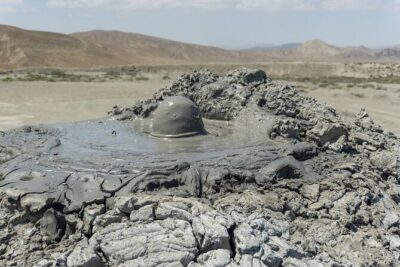
Gobustan & Mud, Fire Temple, Burning Mountain (Group & Private)
Read our review →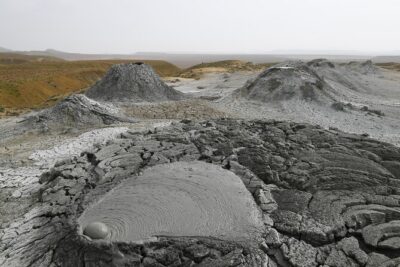
Gobustan-Mud Volcan-Fire Temple and Mountain Tour/Entrance inc
Read our review →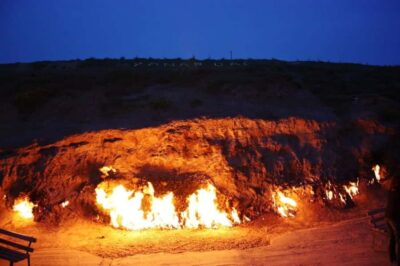
Baku:Gobustan Mud Volcanoes Temple & Entry tickets included
Read our review →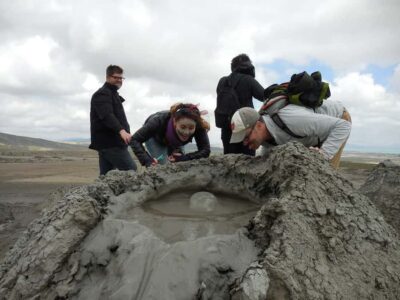
Gobustan & Mud, Fire Temple, Burning Mountain, H.A. Center
Read our review →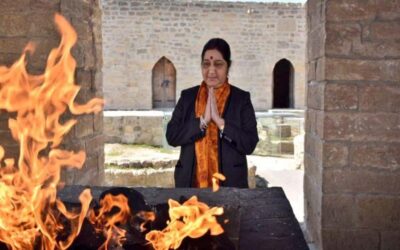
Baku: Gobustan, Mud Volcanoes, Fire Temple, & Yanar Dag Tour
Read our review →This tour also ranks in