
Review · BAKU
Baku: Gobustan, Volcanoes, Fire Temple and Yanardag Day Trip
Baku’s outer districts tell a stranger, more elemental story than the polished city center. In one day, you can see Stone Age carvings, bubbling mud volcanoes, an early oil well, a former fire-worshipping temple, and a hillside flame fed by natural gas. It is a lot of Azerbaijan in one long outing.
I like the no-shopping-stop promise, which keeps the day focused on history rather than sales pitches. I also like the mix of sites: Gobustan and the mud volcanoes are geological and archaeological, while Ateshgah and Yanardag explain why Azerbaijan is known as the Land of Fire. The main drawback is the tight schedule, and rain can cancel the volcano stop.
Key points at a glance
- Gobustan sits about 70 kilometers from Baku, making this an easy way to reach the country’s best-known prehistoric rock-art site without arranging several separate rides.
- The mud volcano visit uses rough access roads, and some departures use old Soviet Lada vehicles for the final approach, adding a memorable local touch.
- Bibi-Heybat connects the day to Azerbaijan’s oil story, with a stop near an early industrialized oil well and the famous mosque.
- Ateshgah and Yanardag are different kinds of fire sites, one shaped by religious practice and the other by natural gas.
- Guides are a major part of the experience, with Sayed, Leyla, Elcan, Mahabat, Musa, and others praised for clear explanations, humor, patience, and help with photographs.
- The $29 starting price is strong value, though lunch costs extra and you should check whether entrance tickets are included in the option you select.
Why this day trip works so well from Baku
Baku is easy to enjoy for two or three days, but its most unusual sights sit outside the center. Gobustan and the Absheron Peninsula are not places I would want to piece together with separate taxis, uncertain road conditions, and several admission arrangements.
This tour gathers them into a single 6 to 8 hour day. You receive hotel pickup and drop-off, transport, a professional guide, and guided visits at each major stop. Pickup is available from a long list of central hotels, hostels, restaurants, and meeting points, including the Courtyard by Marriott, JW Marriott Absheron, SAHIL Hostel, Hilton Baku, and Baku Marriott Boulevard.
The day is built around contrasts. Gobustan takes you far back into prehistory. The oil stop brings you into the industrial age. The mud volcanoes feel almost otherworldly. Ateshgah brings religious history, while Yanardag gives you a natural flame that still burns today.
That variety is the strongest reason to book this rather than a short Gobustan outing. You see more, but you also spend more time on the road. If you dislike full-day excursions or prefer lingering at one archaeological site, the schedule may feel brisk.
More Day Trips in Baku:
- Athens: Cape Sounion & Poseidon Temple Sunset Half-Day Trip
★ 4.8 · 8,241 reviews - From Aswan: Abu Simbel Temple Day Trip with Hotel Pickup
★ 4.4 · 2,807 reviews - From Malta: Gozo Day Trip Including Ggantija Temples
★ 4.2 · 2,399 reviews
Bibi-Heybat and Azerbaijan’s first oil chapter
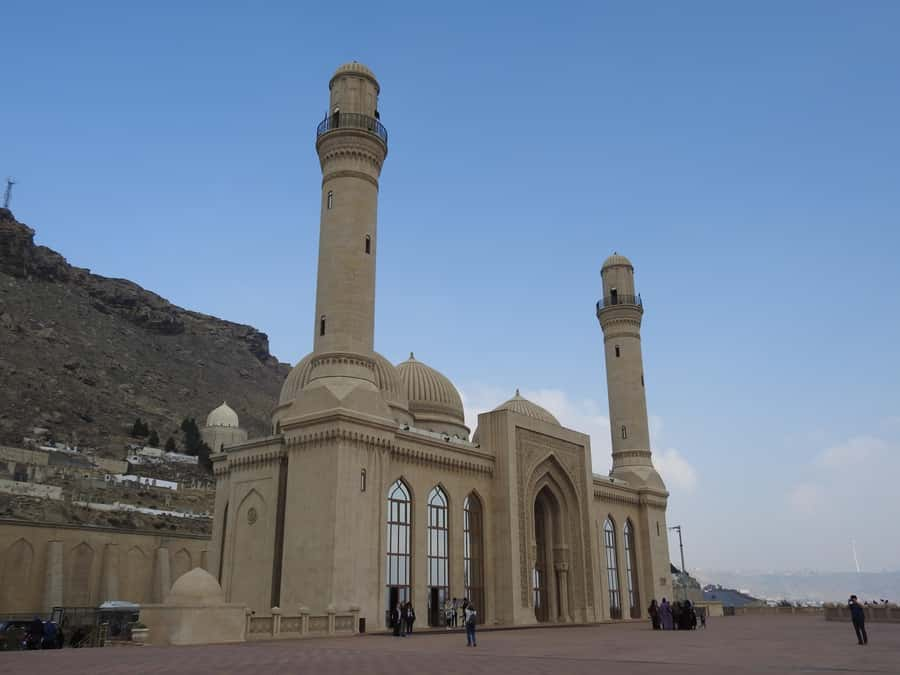
The first stop is Bibi-Heybat, where the tour visits an industrialized oil well close to the Bibi-Heybat Mosque. The guided portion lasts about 30 minutes.
This is a useful introduction because oil is not a side note in Azerbaijan. It helped shape Baku’s modern growth, and this stop gives you a physical link to that story before the day turns toward ancient sites and natural fire.
The mosque adds another layer. It gives the stop religious and architectural context, although the purpose here is primarily the oil well and surrounding area rather than a long mosque tour. Keep expectations in check: this is an opening stop, not a full morning at Bibi-Heybat.
Still, I like the way it sets up the rest of the day. You begin with the force that made modern Baku wealthy, then move toward older evidence of how people lived, worshipped, and understood the earth.
Gobustan Museum and the Stone Age carvings
Gobustan National Park Museum is the day’s main archaeological stop. It lies roughly 70 kilometers from Baku, and the guided visit lasts about an hour.
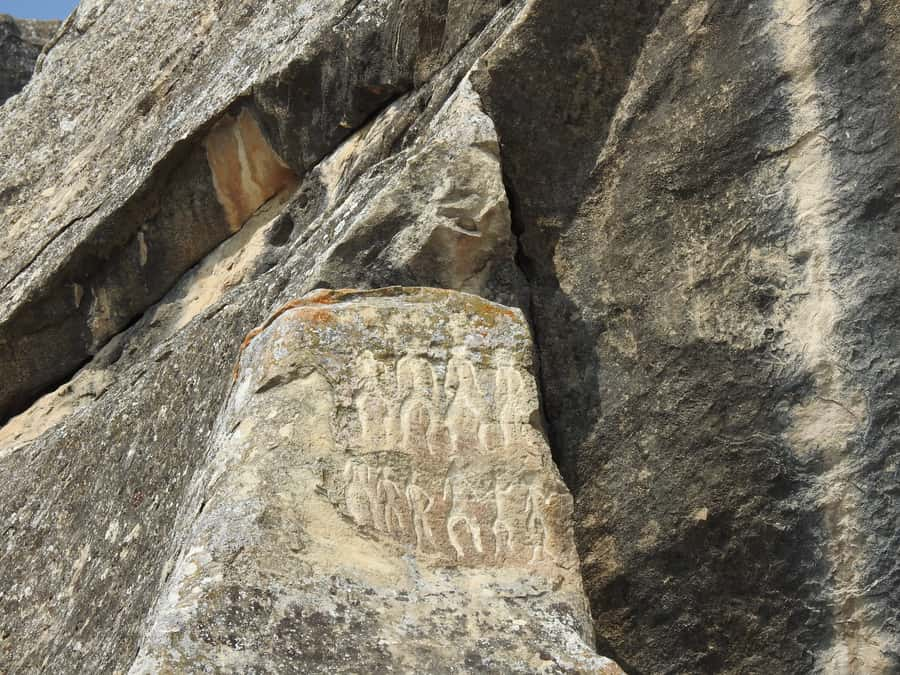
The indoor and outdoor museum helps you read the rock art rather than simply glance at markings on stone. The petroglyphs were carved by prehistoric people on cave walls and rocks. They show scenes and symbols tied to daily life, work, beliefs, and the way ancient communities viewed their surroundings.
This is where a good guide matters most. Without explanation, some carvings can look abstract or easy to miss. Guides such as Sayed, Leyla, Mahabat, and Elcan have been repeatedly praised for explaining details clearly, answering questions, and adding stories instead of rushing people from one panel to the next.
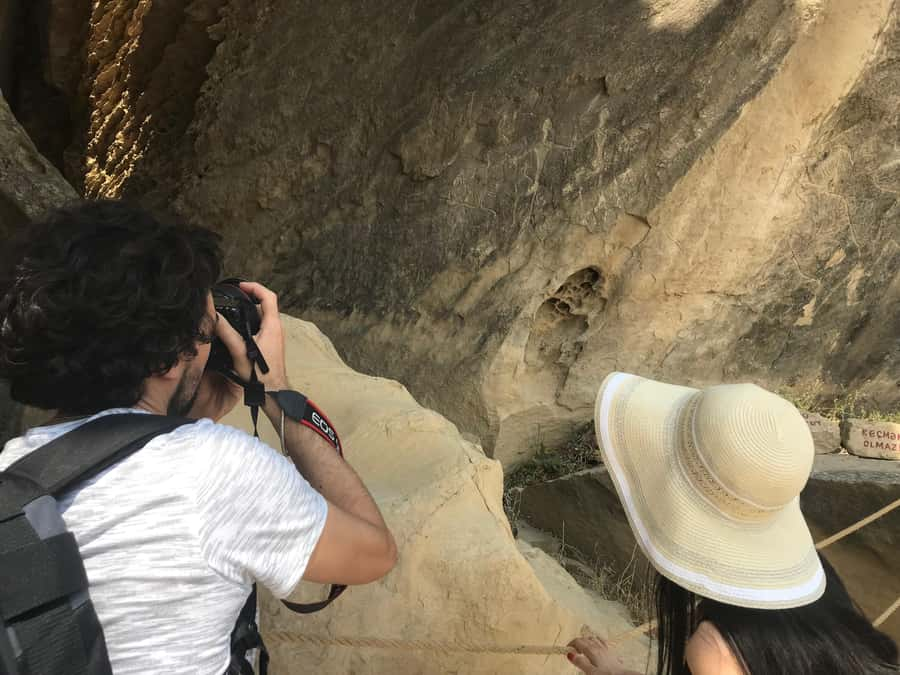
The visit is not designed for a long independent archaeological study. One hour goes quickly, especially if you want photographs and time to look closely. A crowded day can also make the museum feel less relaxed, though guides have handled busy conditions well.
Wear shoes that are comfortable for walking over uneven outdoor areas. The tour information does not specify a required level of fitness, but Gobustan is not only an indoor museum. Give yourself room to listen, look, and keep pace with the group.
Mud volcanoes and the roughest ride of the day
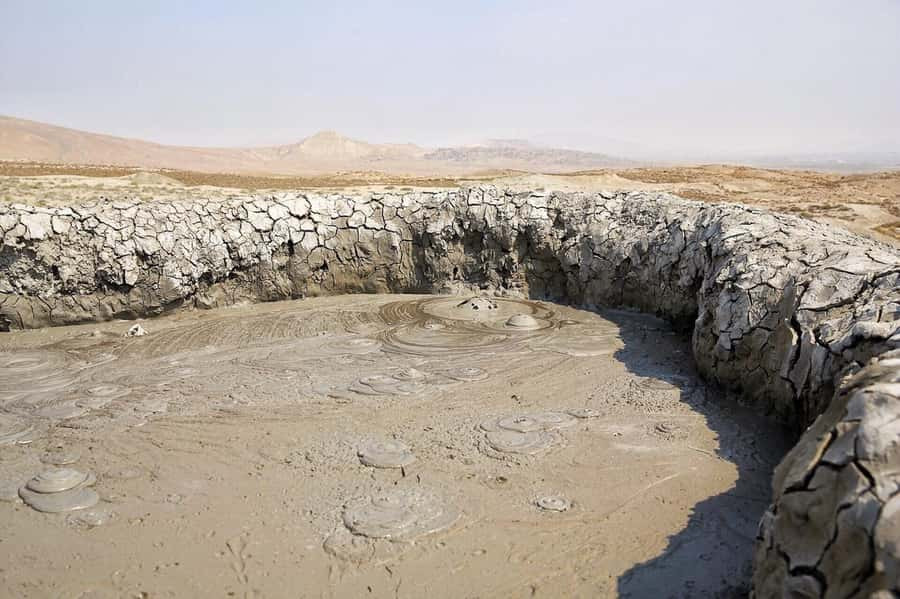
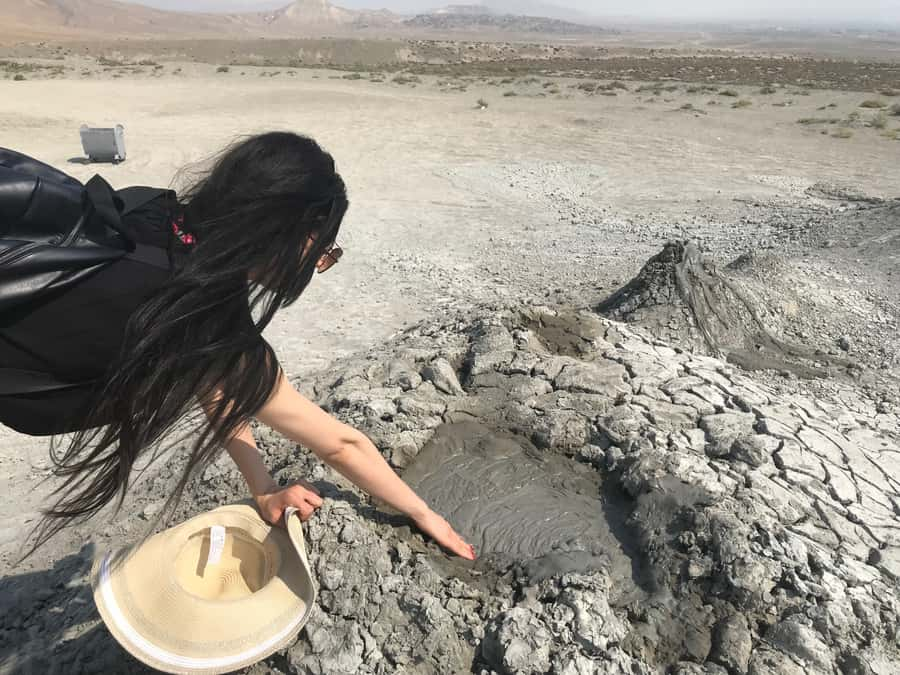
After Gobustan, the tour heads toward the coastal part of Azerbaijan, an area known for its unusually high number of mud volcanoes. The country is home to about 400 of them, and this stop lasts around 20 minutes.
A mud volcano is not a lava volcano. It pushes up cool mud, gases, and sediment instead of molten rock. The result is strange and low-key rather than dramatic in the Hollywood sense. You may see bubbling patches, small cones, and gray-brown mud formations spread across an open setting.
The access road is part of the fun. Several people have singled out the off-road ride in old Soviet Lada vehicles as one of the day’s highlights. That vehicle is not listed as a guaranteed inclusion for every departure, so think of it as a possibility rather than a promise. If your transport changes for this section, expect a rougher ride than in the main vehicle.
The 20-minute stop is short. You get a good look and photographs, but not a long geology lesson or extended walk. The ground can also be messy, and rain changes the plan. For safety, the mud volcano visit is skipped on rainy days. A substitute stop is not specified, so ask your guide what the day’s route will be if the weather turns bad.
This is one of the tour’s most unusual sights, but it is also the least predictable. If the volcanoes are a top priority, choose a dry-weather date and keep your plans flexible.
More Temple Tours around Baku:
- Baku: Gobustan, Mud Volcano, Fire Mount, Temple Lunch Entry
★ 4.9 · 3,246 reviews - Gobustan & Mud, Fire Temple, Burning Mountain (Group & Private)
★ 4.5 · 418 reviews - Gobustan-Mud Volcan-Fire Temple and Mountain Tour/Entrance inc
★ 5.0 · 267 reviews - Baku:Gobustan Mud Volcanoes Temple & Entry tickets included
★ 4.8 · 178 reviews
Lunch at a local buffet
Lunch comes at a buffet-style local restaurant after the mud volcanoes. It is not included in the $29 price, and the stated cost is about $8 to $12.
That price gives you an easy way to sample Azerbaijani dishes without searching for a restaurant during a tightly scheduled day. The buffet format also helps groups eat quickly, which matters when the afternoon still includes two major fire sites.
The food stop has generally been described as having plenty of choice, and some departures have found the meal delicious. At the same time, the lunch venue is the part most likely to divide opinion. Some people would prefer a more distinctive local restaurant rather than a practical buffet stop.
I would treat lunch as a convenient regional meal, not as the culinary centerpiece. If you have dietary needs or strong food preferences, ask what is available before filling your plate. The tour price remains good even with lunch added, but remember to budget for this extra cost.
Ateshgah, the temple of eternal fire
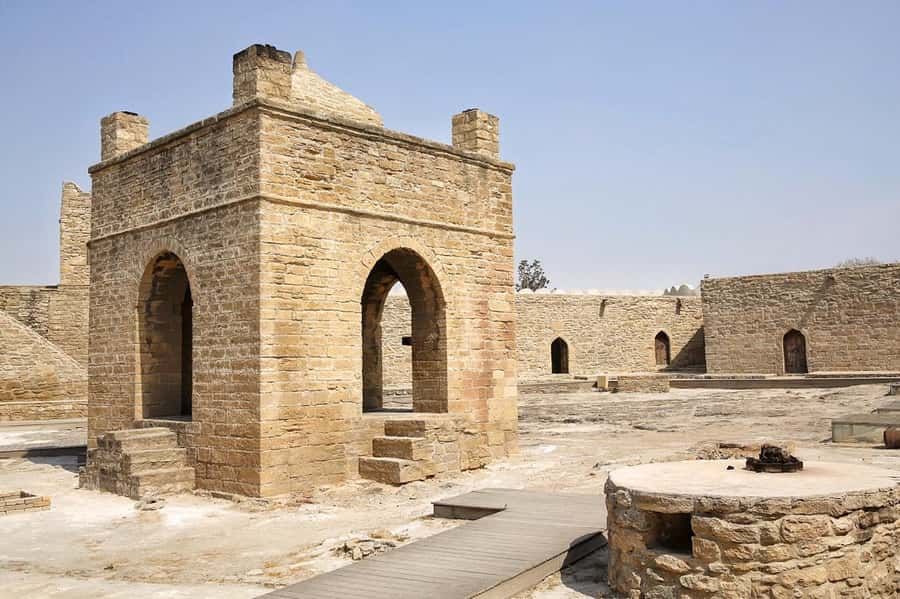
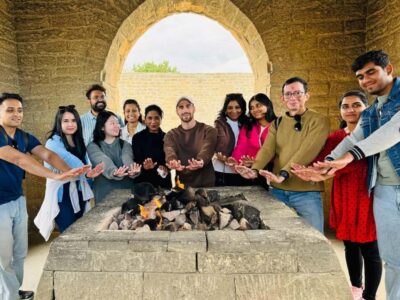
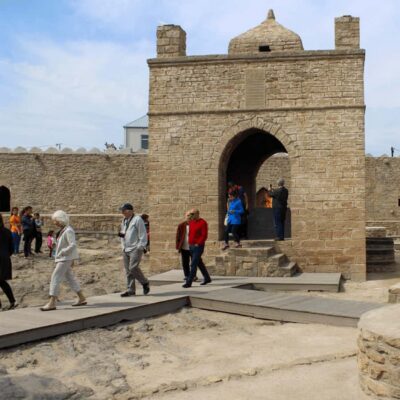
Ateshgah of Baku is the afternoon’s historical and religious highlight. The guided visit lasts about 40 minutes.
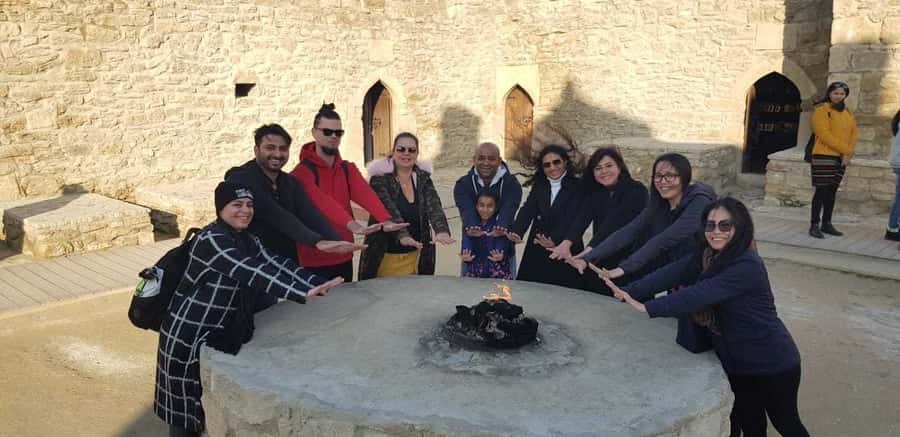
The site was once a holy place for fire worshippers, associated with Zoroastrian practice and the natural flames found in the Absheron area. The temple gives meaning to the day’s fire theme. At Yanardag, fire is a natural event. At Ateshgah, fire became part of human ritual, pilgrimage, and belief.
The temple is especially rewarding when your guide explains how religion, trade, and the region’s gas-fed flames shaped its importance. Guides including Sayed and Samir have been praised for bringing this material to life with clear explanations and personal enthusiasm.
Forty minutes is enough for a guided visit and photographs, but it is not a slow museum afternoon. Stay close enough to hear the explanation, then use any free minutes to look at the courtyard and building details.
This stop also gives the tour a welcome change of pace. Gobustan is about prehistoric marks in stone. Ateshgah is about ideas, worship, and the way people responded to a powerful natural resource.
Yanardag and the hillside flame
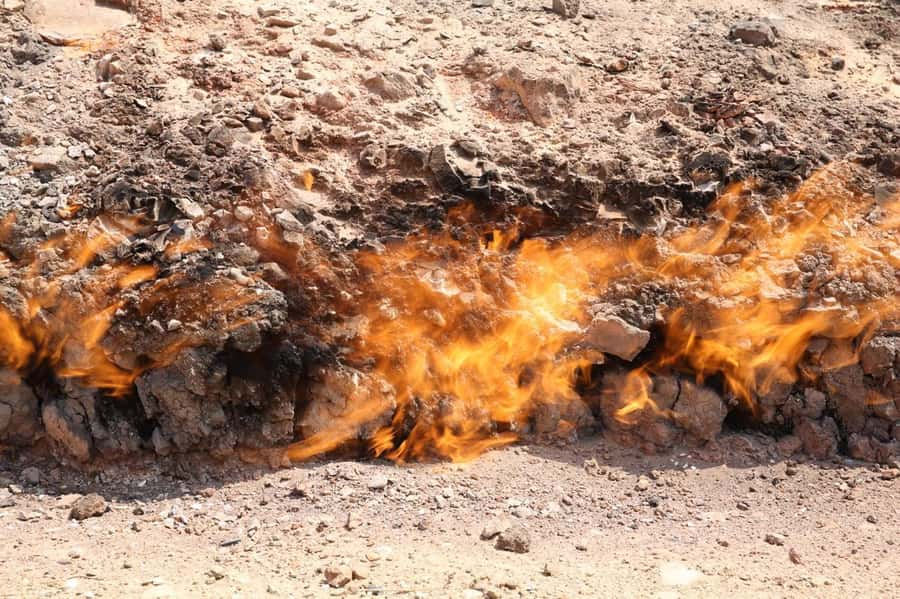
The final major sight is Yanardag, or the burning mountain. The visit lasts about 30 minutes.
Here, natural gas burns continuously on a hillside on the Absheron Peninsula. The fire is smaller and more controlled in appearance than some first-time visitors expect, but its persistence is the point. It is an immediate, visible explanation for Azerbaijan’s long association with fire.
I would save this stop for the end, as the itinerary does, because it ties together the day’s themes. You have already seen an oil well, mud volcanoes, ancient carvings, and a fire temple. Yanardag brings the geology and belief systems together in one final image.
Thirty minutes should give you enough time to see the flame and hear the explanation. It may feel brief if you want to linger, but the visit is focused and easy to fit into a long day.
Guides, vehicles, and the pace
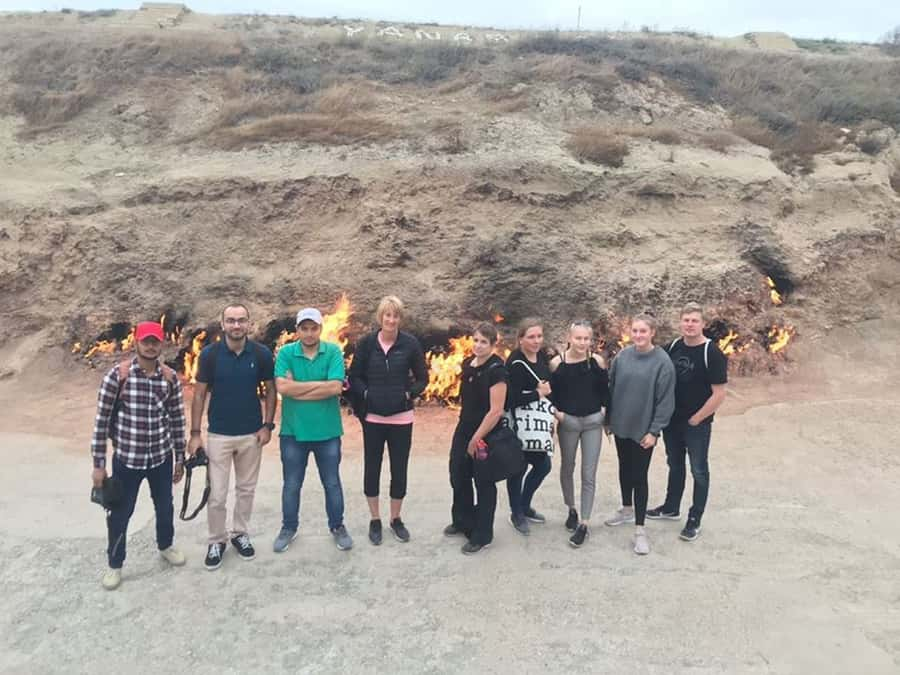
The guide can make or break a day with this many stops. The most warmly praised guides include Sayed, often also written as Said or Syed, along with Leyla, Elcan, Mahabat, Musa, Ughur, Samir, Aqil, and others. The common strengths are clear English, patience, humor, practical help, and a willingness to answer questions about Azerbaijan beyond the formal sites.
English and Russian are the stated tour languages. One departure also provided explanations in Turkish, but do not assume Turkish service is guaranteed unless confirmed before booking.
Transportation is included, and pickup takes place at your hotel lobby or selected meeting point. The provider contacts you a day before the trip to confirm the pickup time. This is important because the listed pickup points are numerous, and the exact order can depend on where people are staying.
The experience may run as a private tour or a small group. Small groups are particularly useful here because loading and unloading at five separate sightseeing stops takes less time. A group of four has been reported on one departure, while other outings used comfortable vans with more people.
The pace is efficient, sometimes tight. One person specifically found the schedule too compressed, while others felt the timing was comfortable and returned to the hotel as promised. I would not book this expecting long, quiet breaks at every site. Book it because you want to cover the major sights beyond Baku in one organized day.
What the $29 price really buys you
At $29 per person, this is a strong-value outing if the listed inclusions match the option you choose. Transport, hotel pickup and return, a guide, and the full route would cost more to arrange independently, especially once you factor in the distance to Gobustan and the Absheron sites.
Check the booking option carefully because museum tickets and entrance fees are included only if that option is selected. Lunch is separate at about $8 to $12. The real day cost is therefore higher than the headline price, but still reasonable for a full excursion.
The no-shopping-stop policy adds value. You are not giving up part of the day to carpet, souvenir, or jewelry sales. Every listed stop is connected to the region’s archaeology, geology, religion, or oil history.
The flexible cancellation policy allows a full refund when you cancel at least 24 hours ahead, and you can reserve now and pay later. Those terms are useful if the weather forecast looks uncertain, especially because rain can remove the mud volcano stop.
Who should book this excursion
I would choose this tour if you have limited time in Baku and want the broadest picture of the area outside the city. It suits first-time visitors, history fans, families wanting a simple plan, and anyone fascinated by unusual geology.
It is also a good match if you prefer a guide who explains the setting rather than simply drives you from one photo stop to the next. The strongest guide feedback centers on people such as Sayed, Leyla, Elcan, and Mahabat, who made the day friendly, informative, and easy to follow.
You should think twice if you want a slow archaeological visit, a high-end lunch, or guaranteed mud volcano access in wet weather. The day covers a lot, and the route can feel full from morning pickup to afternoon drop-off.
FAQ
How long does the Baku day trip last?
The tour lasts about 6 to 8 hours, depending on the starting time, traffic, group arrangements, and time spent at each stop.
What places are visited?
The route includes Bibi-Heybat and an early industrialized oil well, Gobustan National Park Museum, the mud volcanoes, Ateshgah Fire Temple, and Yanardag burning mountain.
Is lunch included in the tour price?
No. Lunch is taken at a buffet-style local restaurant and costs about $8 to $12.
What happens if it rains?
The mud volcano visit is skipped on rainy days for safety reasons. The supplied tour information does not specify a replacement stop.
Are entrance fees included?
Museum tickets and entrance fees are included if you select the option that includes them. Check the exact booking option before paying.
What languages are available?
The live guide service is offered in English and Russian. Private and small-group options are available.
Should you book this Baku day trip?
Book it if you want maximum variety for a low starting price and do not mind a full schedule. The combination of Gobustan rock art, mud volcanoes, oil history, Ateshgah, and Yanardag gives you a much broader sense of Azerbaijan than a city-only visit.
I would especially recommend it for a first stay in Baku, with one practical warning: check the ticket option, budget for lunch, and watch the weather if the mud volcanoes matter to you. If you accept those limits, this is one of the more efficient ways to reach the country’s most distinctive sights beyond the capital.
Temple visits we reviewed lately in Baku
- Gobustan & Mud, Fire Temple, Burning Mountain, H.A. Center★ 4.6 · 46 reviews
- Gobustan, Mud Volcano, Burning Land and Fire Temple Tour★ 5.0 · 4 reviews
- Gobustan and Fire temple Tour with Italian speaking guide★ 5.0 · 4 reviews
- Gobustan and Fire temple Tour with Polish speaking guide★ 5.0 · 5 reviews
- Baku: Atashgah Fire Temple & Burning Mountain Half-Day Tour★ 4.0 · 35 reviews
- Baku: Gobustan, Mud Volcanoes, Fire Temple, & Yanar Dag Tour★ 4.8 · 36 reviews
- Baku:Gobustan Mud Volcanoes Temple & Entry tickets included★ 4.8 · 178 reviews
- Baku: Burning Mountain & Zorastrian Temple Private Tour★ 4.9 · 34 reviews
Baku Temple Tours, compared.
Baku: Gobustan, Mud Volcano, Fire Mount, Temple Lunch Entry
Read our review →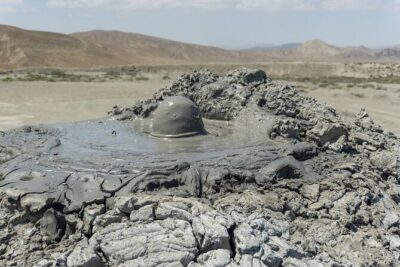
Gobustan & Mud, Fire Temple, Burning Mountain (Group & Private)
Read our review →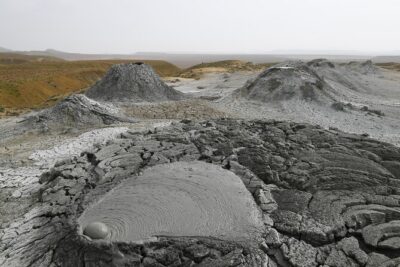
Gobustan-Mud Volcan-Fire Temple and Mountain Tour/Entrance inc
Read our review →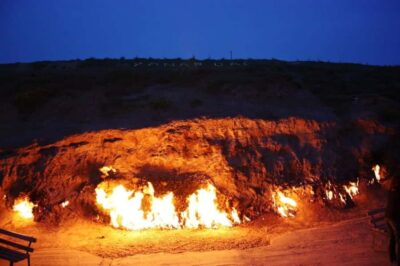
Baku:Gobustan Mud Volcanoes Temple & Entry tickets included
Read our review →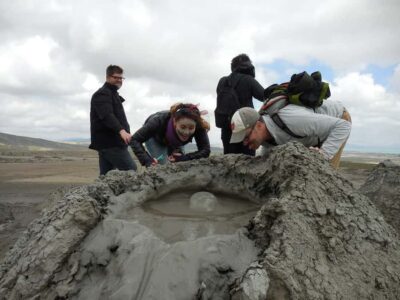
Gobustan & Mud, Fire Temple, Burning Mountain, H.A. Center
Read our review →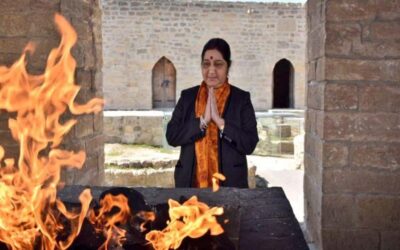
Baku: Gobustan, Mud Volcanoes, Fire Temple, & Yanar Dag Tour
Read our review →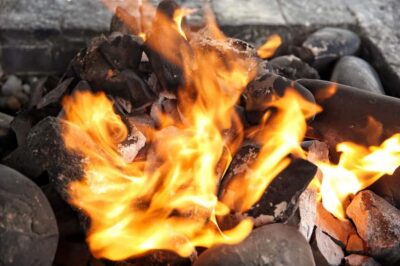
Baku: Atashgah Fire Temple & Burning Mountain Half-Day Tour
Read our review →This tour also ranks in