
Review · BAKU
Baku: Gobustan, Mud Volcanoes, Fire Temple, & Yanar Dag Tour
A hillside fire that burns from natural gas, mud volcanoes that look almost otherworldly, and rock carvings made thousands of years ago: this tour packs several of Azerbaijan’s best-known sights into one long day. I like the mix of ancient art and strange geology, and I like that transport and guiding are included at a very low starting price. The tour also gives you a quick look at the Absheron Peninsula beyond central Baku.
The catch is the extra cost. The advertised $6 price does not cover the main entrance fees or the mandatory mud-volcano vehicle charge, and the experience depends heavily on your guide. Vahid has earned especially warm praise for his explanations, while one poor account describes weak English, rushed visits, and unwanted extra stops with guide Aqil.
Key things to know before booking
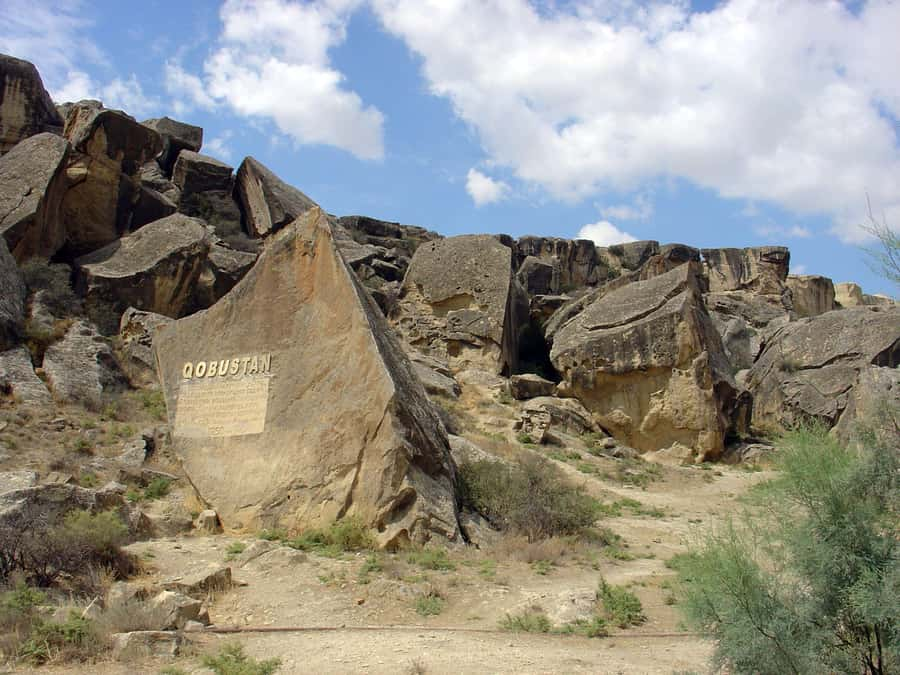
- Gobustan’s carvings are the day’s cultural anchor: Expect images of hunters, animals, ritual dances, caravans, bulls, the sun, and stars dating from roughly 5,000 to 20,000 years ago.
- The mud volcanoes require an extra 25 AZN in cash: You reach them in off-road cars, and this charge applies even if rain changes the visit to the Mud Volcanoes Complex.
- Ateshgah is a religious site, not simply an old stone building: Its courtyard and surrounding cells reflect Hindu, Sikh, and Zoroastrian use.
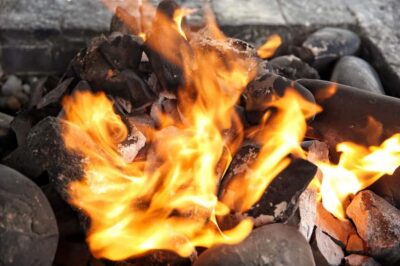
- Yanar Dag is a real gas fire on a hillside: Flames rise from porous sandstone, with gas in the air around the open fire.
- The $6 headline price is not the full cost: Main entry and vehicle fees add up to 50 AZN unless you choose the entrance-included option.
- Guide quality matters: English and Russian are available, but the most useful experience will come with a guide who explains the sites rather than simply moving you along.
Why this route makes sense from Baku
Azerbaijan’s most unusual sights sit outside the city. Gobustan is south of Baku, while Ateshgah and Yanar Dag lie on the Absheron Peninsula. Seeing them in one outing saves you the trouble of arranging several separate rides, and a guide can connect the ancient carvings, sacred fire, natural gas, and oil-rich ground into one story.
The route is ambitious. The listed visits include about an hour at Gobustan, 20 minutes at the mud volcanoes, a one-hour lunch break, 45 minutes at Ateshgah, and 20 minutes at Yanar Dag. Those times are enough for a first look, but not for slow exploration at every stop.
The activity details also contain an obvious timing error, listing a duration of eight minutes while describing a full-day tour with pickup, lunch, and a return to Baku. Treat this as a full-day outing and confirm the exact departure time before you go.
Pickup begins at Gosha Gala Gapysy, the Double Gates of Baku’s Old City. The tour uses a car for transport, and the exact vehicle size is not specified. Bring water, sunscreen, a hat, and comfortable shoes. Cash matters most for the mud-volcano vehicle fee.
More Temple Tours around Baku:
- Baku: Gobustan, Mud Volcano, Fire Mount, Temple Lunch Entry
★ 4.9 · 3,246 reviews - Baku: Gobustan, Volcanoes, Fire Temple and Yanardag Day Trip
★ 4.7 · 433 reviews - Gobustan & Mud, Fire Temple, Burning Mountain (Group & Private)
★ 4.5 · 418 reviews
Gobustan: reading Azerbaijan in stone
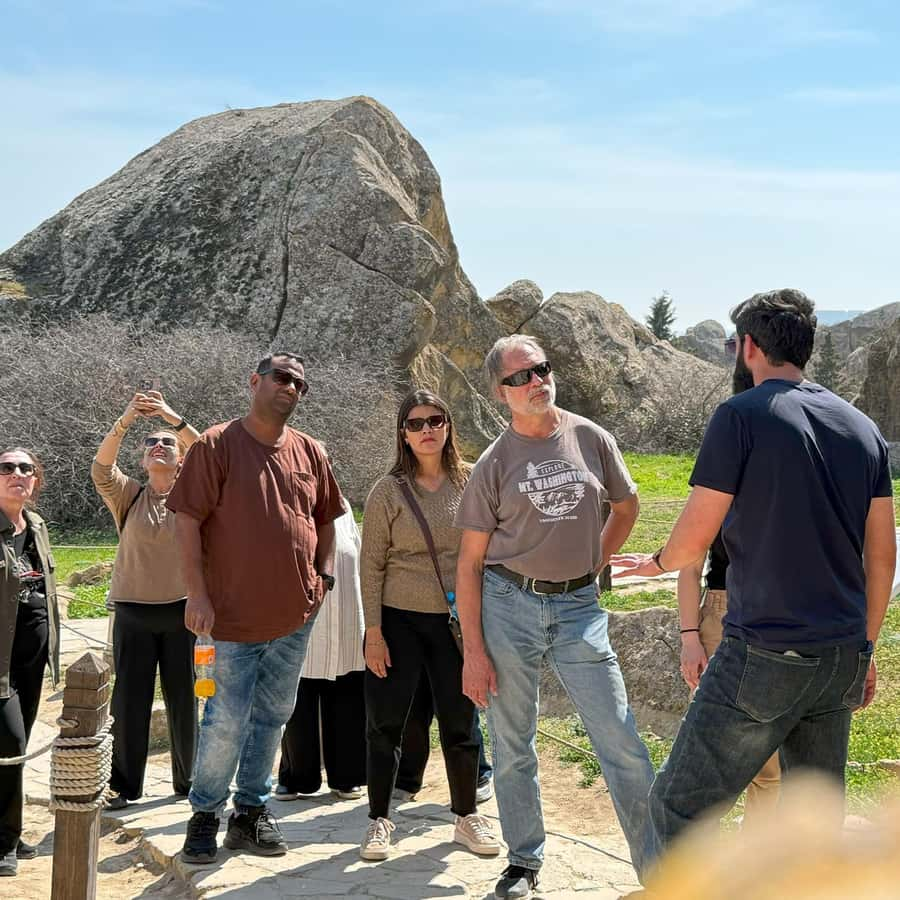
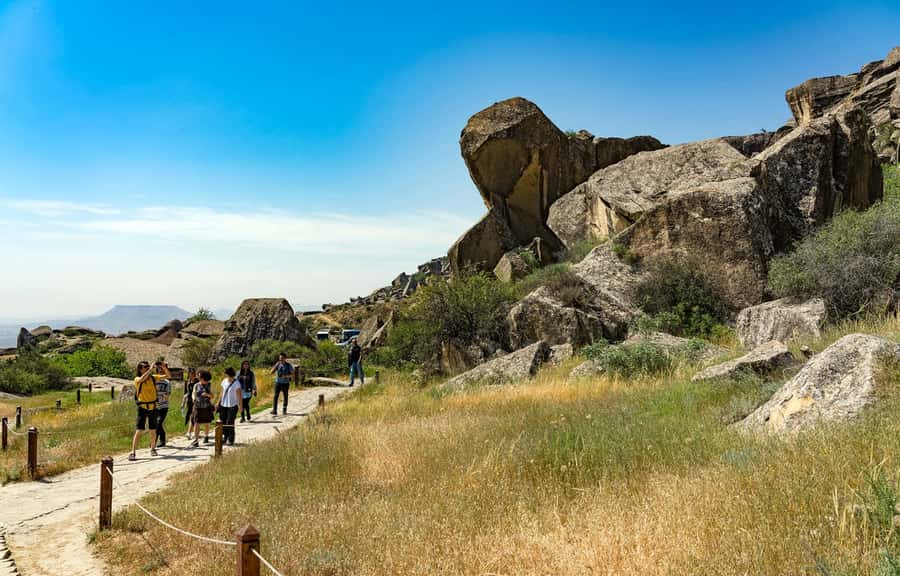
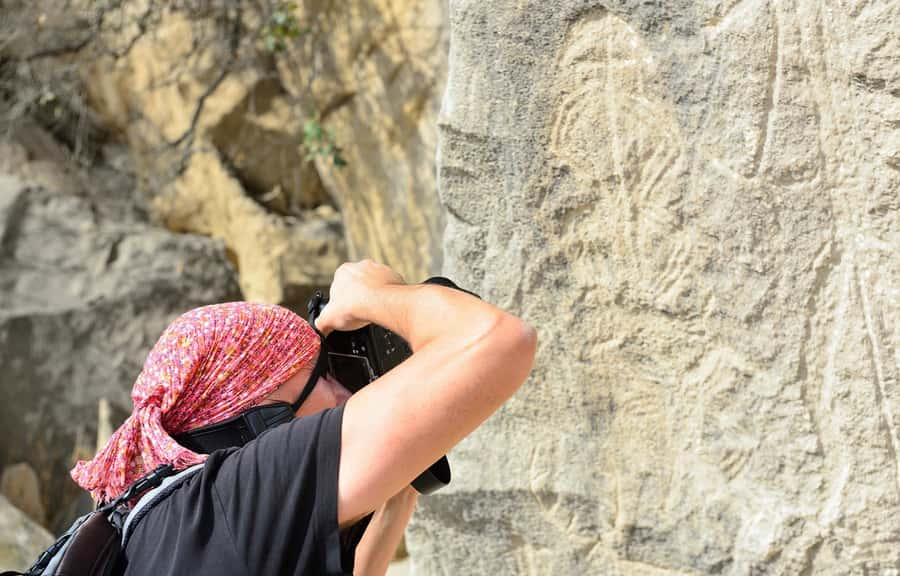
Gobustan Rock Art Cultural Landscape is the most important stop for anyone interested in early human life. The carvings show men with lances, animals, bull fights, camel caravans, ritual dancing, and signs connected with the sun and stars. They offer more than a scenic photo stop. You get a picture of what people watched, hunted, valued, and celebrated.
The dates given for the carvings range from 5,000 to 20,000 years ago. That is a broad span, so listen closely to the guide’s explanation of which images belong to which period. Gobustan represents prehistoric and medieval activity, and the site makes the passage of time visible in a way a museum display cannot.
I would give this stop your full attention. The carvings may not look dramatic from a distance, and the best details can be easy to miss without pointing and context. A good guide should identify the figures and explain how the images relate to daily life, ritual, animals, and movement through the region.
The scheduled visit is about one hour. That keeps the day moving, but it also means this is a guided introduction rather than a long archaeological visit. Wear shoes with a good grip and bring water. The information provided specifically advises comfortable shoes, a hat, sunscreen, and a camera.
Entry to Gobustan is not included in the base price. The stated fee is 10 AZN. You can either pay on site or select the entrance-included option when booking.
Mud volcanoes and the extra 25 AZN
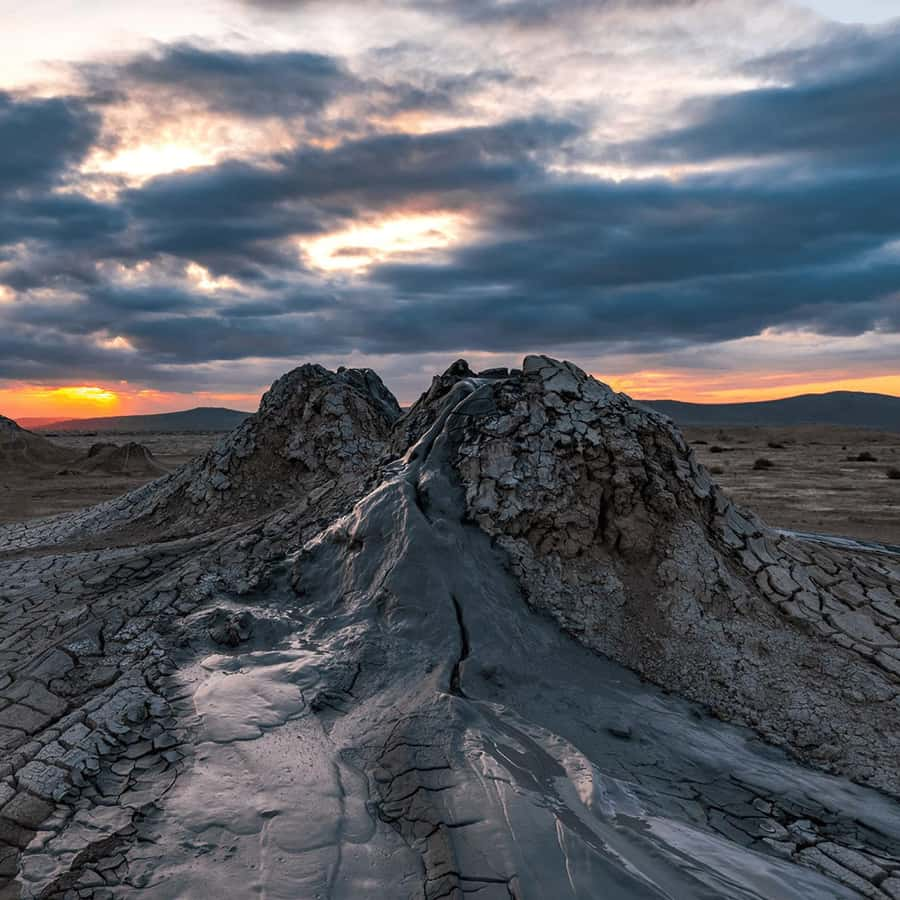
Azerbaijan is famous for its mud volcanoes, and the country is said to contain 350 of the world’s 700 mud volcanoes. These are not lava volcanoes. They are low, muddy formations linked to underground gases and pressure, and they give the countryside an unusual, almost lunar appearance.
The visit is short, listed at about 20 minutes, and access requires off-road cars. The separate vehicle charge is 25 AZN in cash, collected at the start of the tour. This is the fee most likely to surprise people who book by the low headline price, so budget for it from the beginning.
Rain changes the plan. In wet weather, the tour visits the Mud Volcanoes Complex instead, but the 25 AZN charge still applies. That is worth knowing before you commit, since the mud-volcano stop is one of the tour’s main selling points.
This is not the place to expect a long walk or a carefully presented visitor center. The value comes from seeing a rare natural feature in person, then hearing how it fits Azerbaijan’s geology. Your guide’s explanation matters here because the formations may look like simple muddy cones without context.
Bring shoes that you do not mind getting dusty or dirty. The information does not promise a specific amount of walking or the exact condition of the ground, so practical footwear is the safe choice.
The lunch break in Baku
The itinerary returns to Baku for a one-hour lunch break before the fire sites. Lunch is not included, and you pay for your own meal. The details do not name a restaurant or provide a fixed menu, so treat this as free time rather than a planned food experience.
A one-hour pause is useful after Gobustan and the off-road visit. It gives you a chance to eat, drink water, and reset before the afternoon stops. It also means the tour is not an uninterrupted chain of sightseeing.
If you are trying to keep the total cost close to the advertised $6, lunch becomes another expense to plan for. The price is attractive, but it works best when you read it as transport and guiding only, not as an all-inclusive day.
Same sacred ground, another way to see it:
- Gobustan-Mud Volcan-Fire Temple and Mountain Tour/Entrance inc
★ 5.0 · 267 reviews - Baku:Gobustan Mud Volcanoes Temple & Entry tickets included
★ 4.8 · 178 reviews - Gobustan & Mud, Fire Temple, Burning Mountain, H.A. Center
★ 4.6 · 46 reviews - Ateshgah Fire temple and Burning mountain tour
★ 4.5 · 42 reviews
Ateshgah Fire Temple and the story of sacred flames
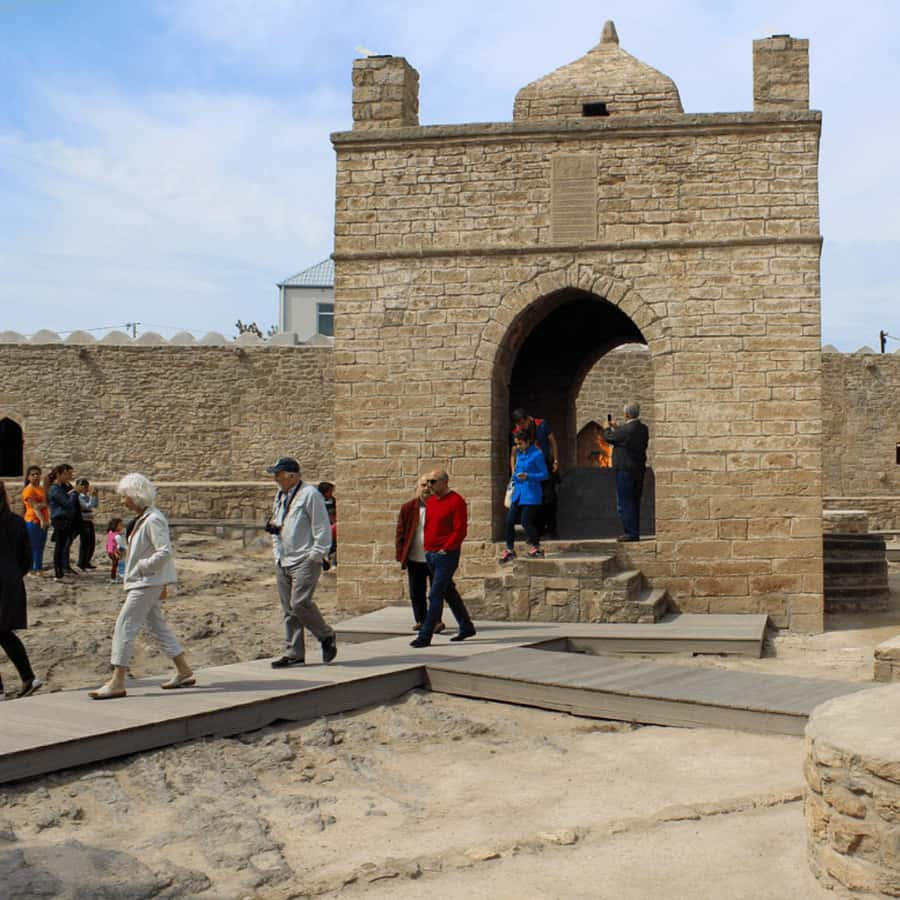
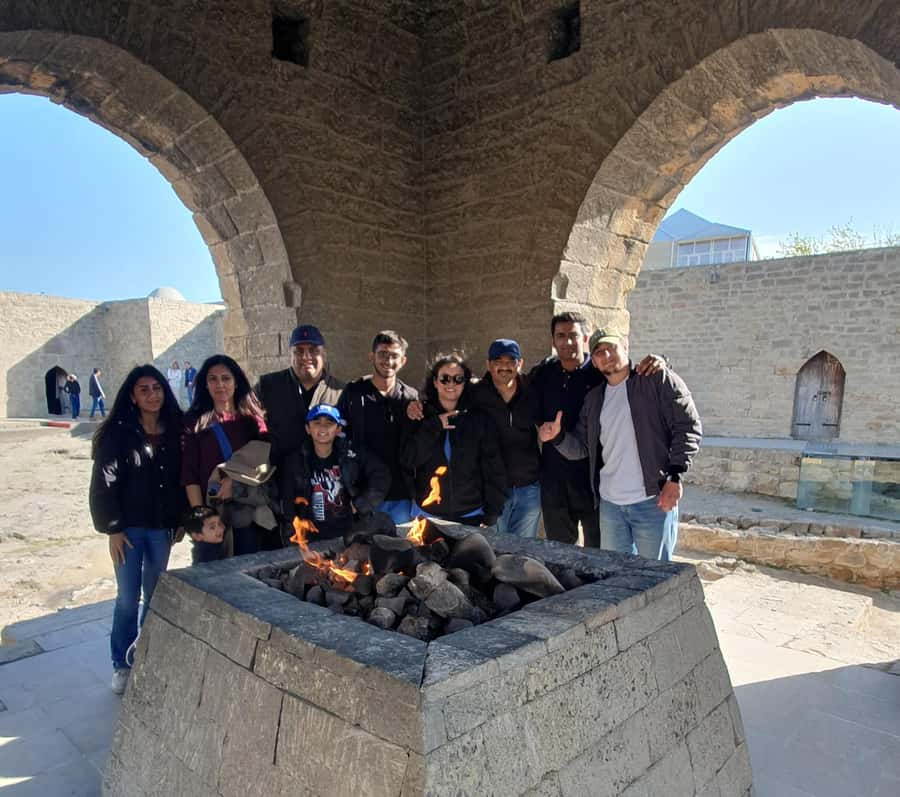
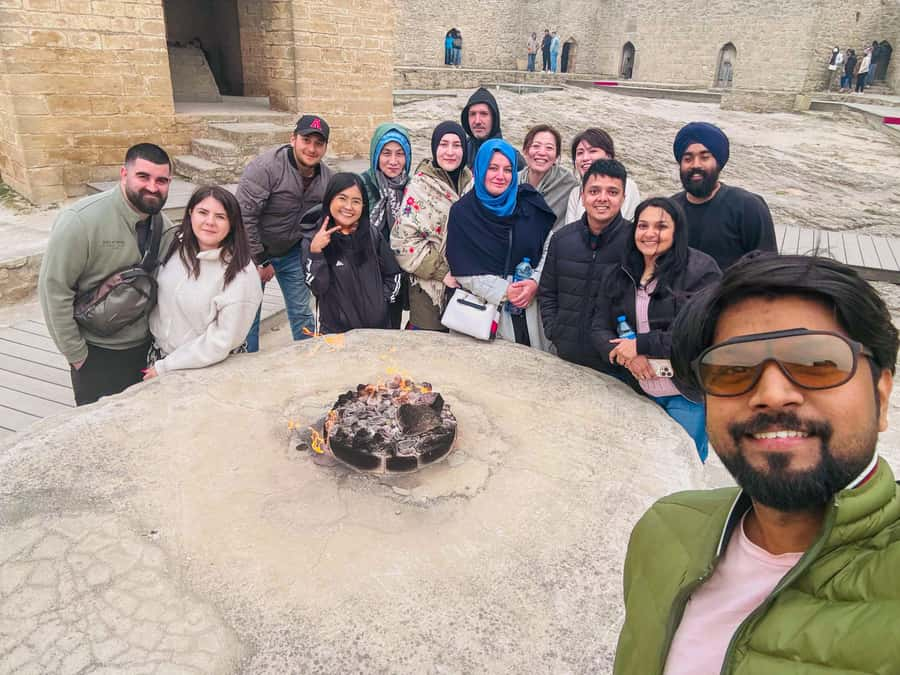
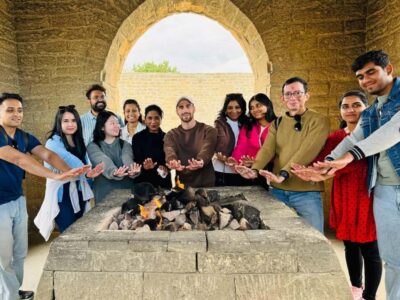
Ateshgah, often called the Fire Temple of Baku, is a castle-like complex in Surakhany. Its pentagonal plan surrounds a courtyard, with small cells around the edges and an altar in the center. The layout gives you a clear sense of how religious visitors and residents once used the site.
The temple is associated with Hindu, Sikh, and Zoroastrian worship. Iranian and Indian inscriptions help explain that mix, reflecting the movement of people and beliefs through this part of the region. This is why Ateshgah deserves more than a quick photograph. It connects trade, religion, migration, and the natural gas that once burned here.
The original natural flame went out in 1969 after long use of the area’s petroleum and gas. The fire now seen at the site is supplied by gas piped from nearby Baku. That detail does not make the temple less interesting. It helps you separate the ancient sacred setting from the modern method used to keep the flame burning.
The scheduled visit lasts about 45 minutes. That should allow time to walk through the courtyard and hear the main story, though not to study every inscription in detail. Entry to Ateshgah is grouped with Yanar Dag at a stated cost of 15 AZN.
The site is best for people who like history with a physical setting. If you want a living place of worship, adjust your expectations. This is a historic religious complex, with the current flame maintained by a modern gas supply.
Yanar Dag: a fire that meets the open air
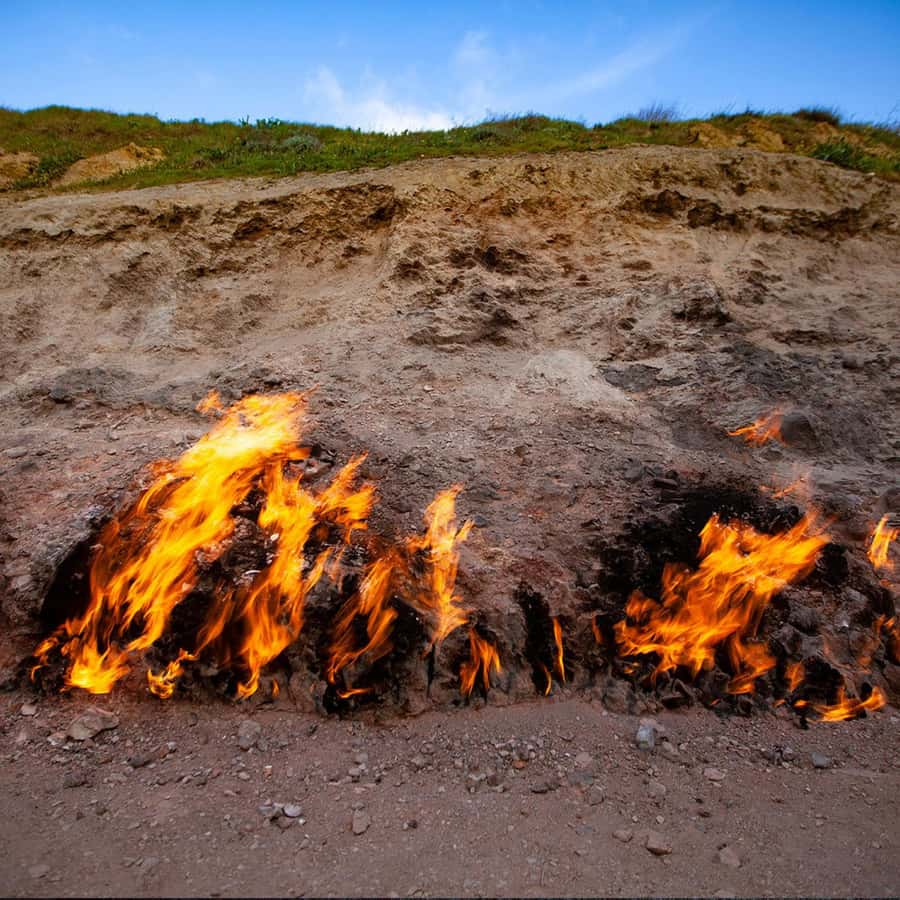
Yanar Dag means Burning Mountain. It is a natural gas fire on a hillside near the Caspian Sea, and it burns from vents in a porous sandstone layer. The flames are described as rising several meters into the air along the base of a scarp about 10 meters wide.
The sight is direct and memorable. You are not looking at a flame inside a lamp or behind glass. You see fire coming from the ground, and you can smell gas in the air around it. The fire is described as continuous, though the modern site’s flame is still a natural gas phenomenon rather than a campfire.
The visit is scheduled for only 20 minutes. That is enough to see the fire, take photographs, and listen to an explanation, but it is not a long nature walk. Keep close to the guide so you do not miss the background about the geology and the cultural meaning of fire in Azerbaijan.
Yanar Dag is one of the tour’s strongest photo stops, especially because the setting is so unusual. It is also a reminder that Azerbaijan’s fire traditions are tied to the ground beneath the Absheron Peninsula, not just to legend.
The real price: calculate it before you book
The base price is listed as $6 per person, which is remarkably low for a day using private transport and a guide. But the included items are transport by car and professional guiding. Personal expenses, lunch, and the key admission charges are separate.
The stated additional costs are:
- Gobustan Rock Art: 10 AZN
- Off-road cars for the mud volcanoes: 25 AZN in cash
- Ateshgah and Yanar Dag: 15 AZN
That adds up to 50 AZN per person before lunch. If you choose the entrance-included option, the stated benefit also includes a complimentary Baku Old City Tour. Compare the final booking price with the base fare rather than judging the tour by $6 alone.
Even with the added fees, the package may offer good value if you want all four major stops in one day. You avoid arranging transport to scattered sites, and a guide can provide useful context. If you prefer long visits, quiet photography, or full control over timing, a private arrangement may suit you better.
Guide quality can shape the whole day
The available guide languages are English and Russian. Feedback gives a mixed but useful picture of what to expect. Vahid receives repeated praise for being helpful, clear, and generous with information. If you can request or confirm Vahid, that may be worth doing.
Another account describes guide Aqil as difficult to understand, too brief in his explanations, and rushed at the main sights. It also describes extra stops at a mosque and an oil extraction site that extended the day by about an hour. Those stops are not part of the stated route, so ask at the beginning if the plan is limited to Gobustan, the mud volcanoes, Ateshgah, and Yanar Dag.
The vehicle condition may also vary. One otherwise positive account noted that the outside of the car was so dirty that it reduced visibility through the windows. That is a small issue compared with poor guiding, but it can affect a long sightseeing day.
The overall rating is 4.8 from 36 reviews, with many strong comments about organization and guide performance. Still, the outlier criticism is specific enough to take seriously. This is a low-cost tour where the individual guide makes a real difference.
Who should book this day trip?
I would recommend it to a first-time visitor who wants to see Azerbaijan’s signature sights outside Baku without managing several separate trips. It suits you if you like a brisk schedule, unusual geology, archaeology, religious architecture, and practical transport in one package.
It is also a good fit for budget-conscious visitors who understand the extra fees. The tour offers a lot of range for the money, from prehistoric carvings to a live hillside fire.
I would hesitate if you use a wheelchair, since the activity is not suitable for wheelchair users. It is also not suitable for people over 95 years old. Anyone who dislikes off-road travel, short visits, or fixed schedules should consider a slower private tour.
The tour is available in English and Russian. You should confirm the language you need, the final fee option, the departure time, and the guide if possible.
Should you book it?
Book this tour if you want a broad, affordable introduction to Gobustan and the Absheron Peninsula, and you are happy to pay the 50 AZN in listed entrance and vehicle fees on top of the advertised price. The strongest version of the day will include a guide such as Vahid, who can make the carvings, temple, volcanoes, and fire feel like parts of one story.
Skip it if you want a leisurely archaeological visit, guaranteed guide quality, or a fully inclusive price from the start. For most independent visitors with one free day in Baku, though, this is a practical way to cover several hard-to-reach sights at once. Just budget honestly and confirm the details before leaving the Old City.
FAQ
Where does the tour start and finish?
The tour starts at Gosha Gala Gapysy in Baku and returns to the same location.
How long does the tour take?
It is described as a full-day tour. The activity information also lists a duration of eight minutes, which appears inconsistent with the detailed route, lunch break, and return to Baku. Confirm the exact timing before booking.
Which languages are available?
The tour is offered with live guides in English and Russian.
Is lunch included?
No. Lunch is not included, and the itinerary allows a one-hour lunch break in Baku.
Are entrance tickets included?
Not in the base price. Gobustan, Ateshgah, and Yanar Dag tickets must be purchased separately unless you choose the entrance-included option.
How much is the Gobustan entrance fee?
The stated entrance fee for Gobustan Rock Art is 10 AZN.
How much does the mud-volcano vehicle cost?
The off-road cars cost 25 AZN in cash. This fee is mandatory and still applies if rain changes the visit to the Mud Volcanoes Complex.
What happens if it rains?
The tour visits the Mud Volcanoes Complex instead of the usual mud-volcano site. The 25 AZN vehicle fee remains applicable.
Is the tour suitable for wheelchair users?
No. The activity is not suitable for wheelchair users.
Can I cancel for a refund?
You can cancel up to 24 hours in advance for a full refund. You can also reserve now and pay later.
Temple visits we reviewed lately in Baku
- Gobustan, Mud Volcano, Burning Land and Fire Temple Tour★ 5.0 · 4 reviews
- Gobustan & Mud, Fire Temple, Burning Mountain, H.A. Center★ 4.6 · 46 reviews
- Gobustan and Fire temple Tour with Italian speaking guide★ 5.0 · 4 reviews
- Gobustan and Fire temple Tour with Polish speaking guide★ 5.0 · 5 reviews
- Baku: Atashgah Fire Temple & Burning Mountain Half-Day Tour★ 4.0 · 35 reviews
- Baku:Gobustan Mud Volcanoes Temple & Entry tickets included★ 4.8 · 178 reviews
- Baku: Burning Mountain & Zorastrian Temple Private Tour★ 4.9 · 34 reviews
- Baku: Gobustan, Mud Volcano, Fire Temple & Burning Mountain★ 4.2 · 11 reviews
Baku Temple Tours, compared.
Baku: Gobustan, Mud Volcano, Fire Mount, Temple Lunch Entry
Read our review →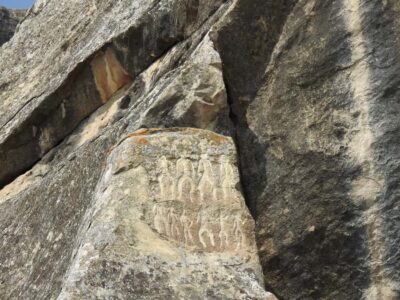
Baku: Gobustan, Volcanoes, Fire Temple and Yanardag Day Trip
Read our review →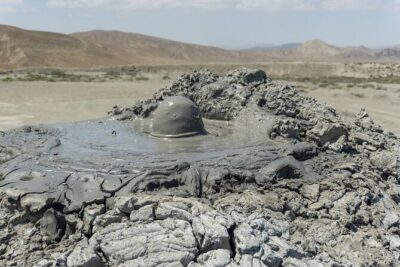
Gobustan & Mud, Fire Temple, Burning Mountain (Group & Private)
Read our review →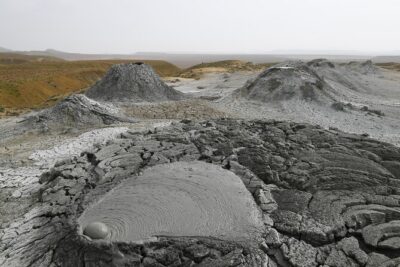
Gobustan-Mud Volcan-Fire Temple and Mountain Tour/Entrance inc
Read our review →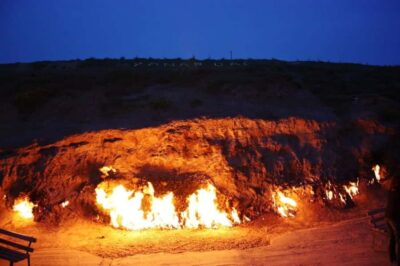
Baku:Gobustan Mud Volcanoes Temple & Entry tickets included
Read our review →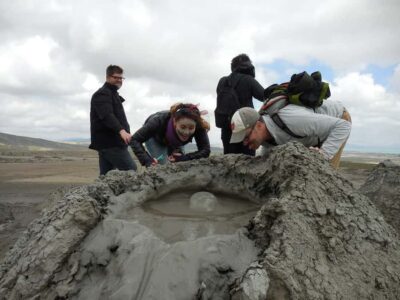
Gobustan & Mud, Fire Temple, Burning Mountain, H.A. Center
Read our review →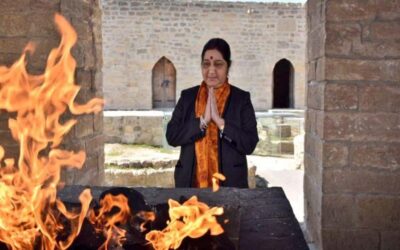
Baku: Atashgah Fire Temple & Burning Mountain Half-Day Tour
Read our review →This tour also ranks in