
Review · CHIANG MAI
Elephant care with Wat Umong, Doi Suthep and Night City view
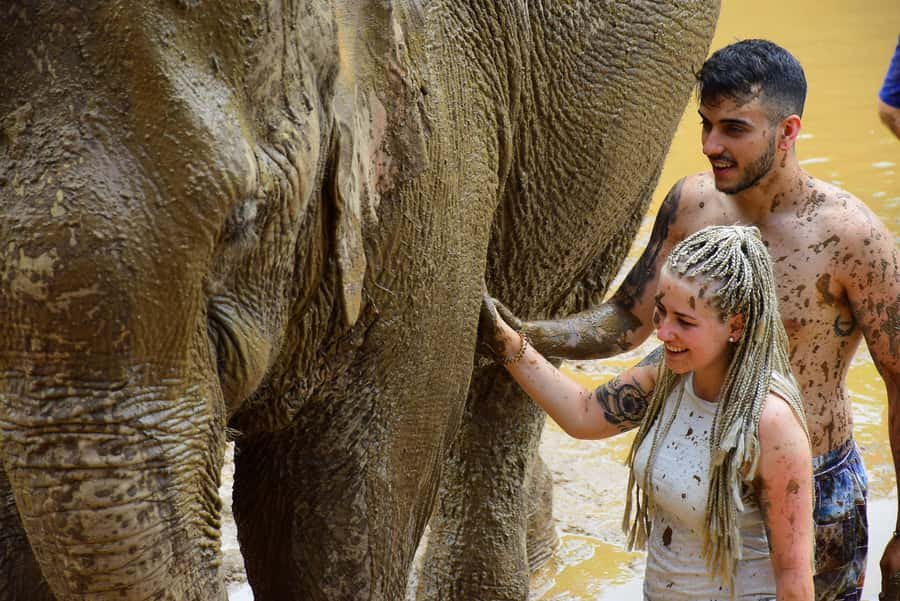
The day begins with one of Chiang Mai’s most hands-on animal experiences: preparing food, feeding elephants, and helping wash them in a mud pool. The activity is built around elephant care, not riding, and includes time with an adult elephant and a baby elephant. Later, the mood changes completely at Wat Umong, a quiet forest temple with tunnels, followed by a night view from Doi Suthep.
I like two things in particular. First, the schedule gives you real time with the elephants rather than a quick photo stop. Second, the evening temple visit adds culture and a fine city view to what could otherwise be a single-purpose animal outing. The English-speaking guide explains elephant behavior and care throughout, and the detailed guidance was a major strength in the available feedback.
The main drawback is the length. At 510 minutes, this is a full afternoon and evening, with about two hours of road travel between the main stops and a short wait between programs. Mud, water, sun, and temple dress rules also mean you need to pack carefully.
Key points at a glance
- Care comes before contact: Prepare food, herbal medicine, and healthy treats before feeding the elephants.
- Mud bathing is not forced: You may scrub mud onto an elephant only if the elephant chooses to take part.
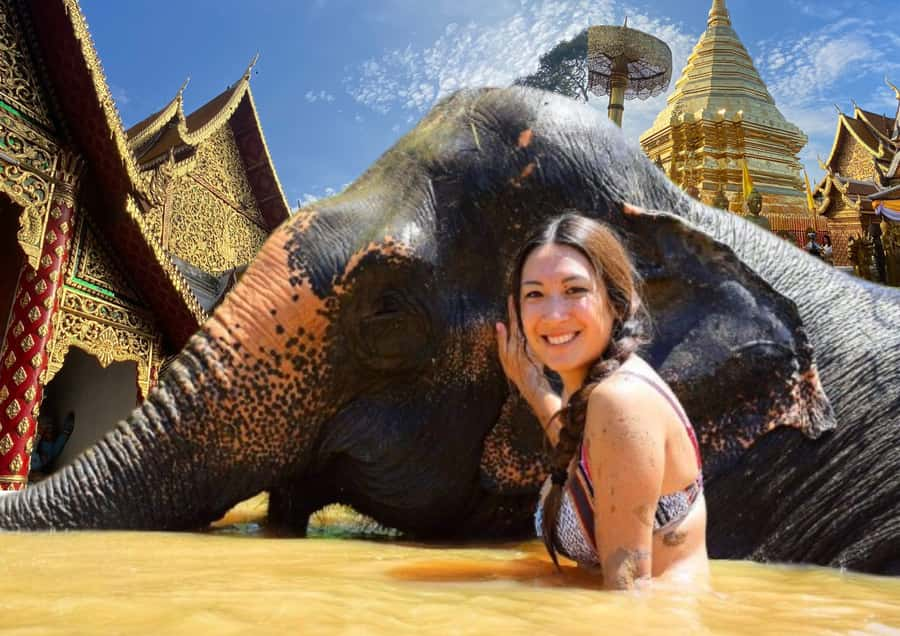
- Two very different temple stops: Wat Umong offers forest and tunnel calm, while Doi Suthep brings a high mountain city view at night.
- A full 8.5-hour outing: Pickup begins around noon, and hotel return is planned for about 9:00 pm.
- Pack for both settings: Bring swimwear and sun protection for the elephant program, plus long pants and a long shirt for the temples.
- The guide matters: The English-speaking guide explains elephant behavior, history, care, and the background of the temples.
An afternoon built around elephant care
Pickup is scheduled between 12:00 and 12:30 pm from your hotel. You should wait in the lobby 10 minutes before the planned time. The drive to the elephant camp takes about an hour, so this first stretch gives you a chance to settle in before the muddy part of the day begins.
At the camp, you change into local clothing. That is practical, not just decorative. You will be handling food, walking near water, and possibly getting covered in mud, so this is not an activity for your best sightseeing outfit.
The guide starts with an introduction to elephant behavior, elephant history, and proper care. That explanation gives the afternoon some useful context. You are not simply placed beside an elephant and told to smile for a photograph. You learn why food preparation matters, how the animals behave, and how contact should take place.
The elephant program includes an adult and a baby elephant. You prepare food, healthy treats, and herbal medicine before feeding them. While the elephants eat their baskets of bananas, you can take photographs, but turn off your camera flash. You can also touch and interact with the animals at your own pace while the guide explains what you are seeing.
That slower pace is valuable. Elephants are social and intelligent animals, and watching how they respond to food and one another is more interesting than collecting one rushed photograph. Keep your hands calm, listen to the guide, and let the animals set the tone.
More Doi Suthep Temple Tours in Chiang Mai:
- Chiang Mai: Doi Suthep and Wat Umong Enchanting Evening Tour
★ 4.6 · 1,811 reviews - Chiang Mai: Doi Suthep, Wat Umong, and Pha Lat Sunrise Tour
★ 4.7 · 1,425 reviews - Chiang Mai: Wat Pha Lat & Wat Phra That Doi Suthep Tour
★ 4.8 · 1,207 reviews
Mud, water, and a clear welfare rule
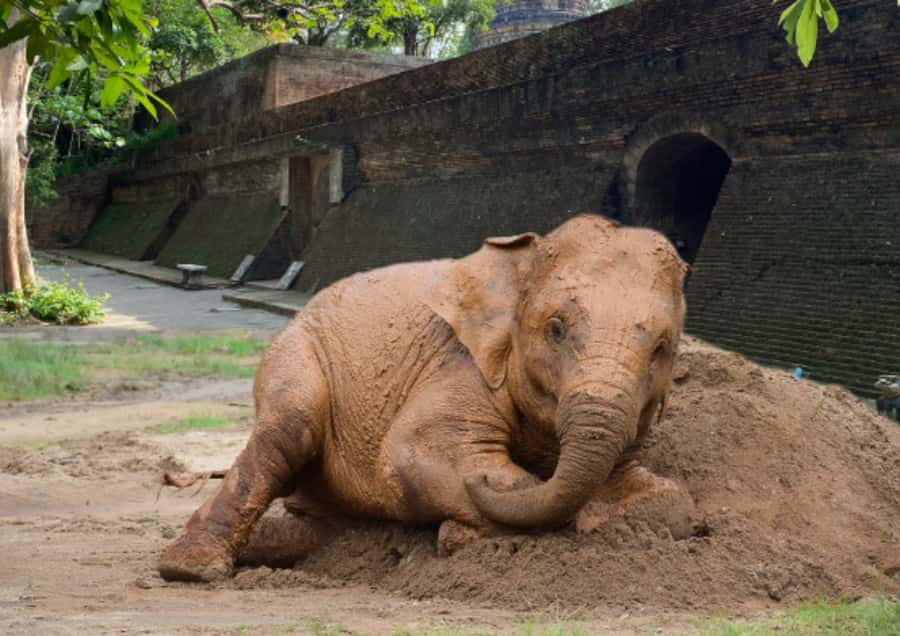
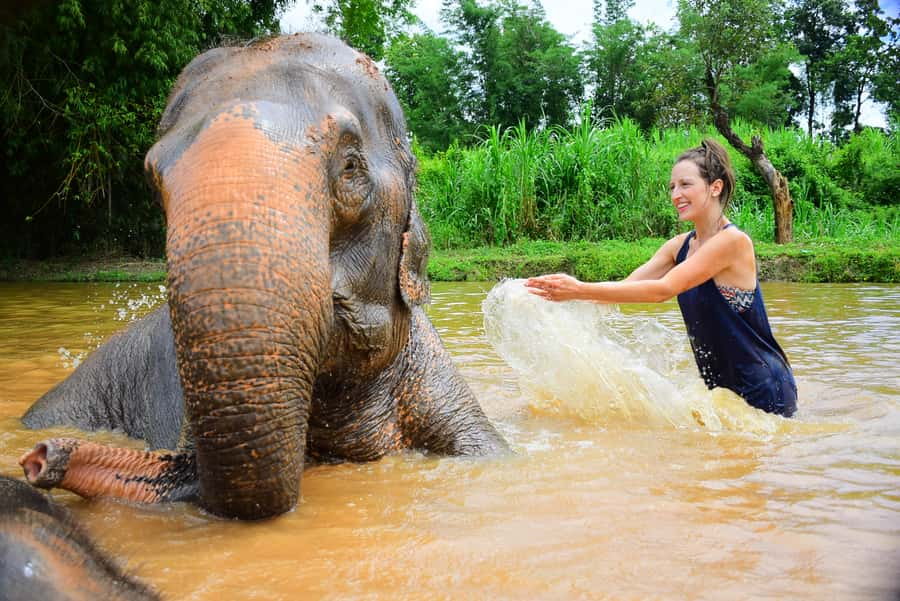
Around 2:30 pm, you walk with the elephants to the mud and sand spa. The activity includes helping clean the elephants’ skin and scrubbing mud onto their bodies. Mud helps protect elephant skin from insects, according to the program explanation.
The most important detail is that participation depends on the elephant. If the elephant wants to take part, you can join in. If not, you observe. That rule deserves attention because it keeps the animal’s choice at the center of the activity. You should be ready for the possibility that your role is watching rather than splashing.
This is also the messiest portion of the day. Wear swimwear underneath your activity clothes, use sunscreen, and bring insect repellent. Sunglasses and a sun hat are useful during the outdoor portion, though you may want to remove them when working close to the animals.
After the mud session, you change clothes and shower. This cleanup stop makes the long day easier. You will not have to carry mud and damp clothes through the temple visits, though you should still pack a dry change of clothing.
The transfer back to Chiang Mai
The return journey to the city takes about an hour, with arrival at the operator’s office for the next part of the program. The schedule allows roughly 10 minutes to relax there before pickup for the temple visit, planned between 5:00 and 5:40 pm.
This pause is useful, but it is not a full meal break. Food is included for the elephants, not described as a meal for you, so plan accordingly. The available details do not specify meal service for participants. If you need regular meals or snacks, ask about that before booking or bring something suitable.
A second drive of about 30 minutes takes you to Wat Umong. The change from animal care to religious sites is quite sharp, but that is also part of the appeal. You get a busy, physical afternoon followed by quieter cultural visits.
Wat Umong’s tunnels and forest setting
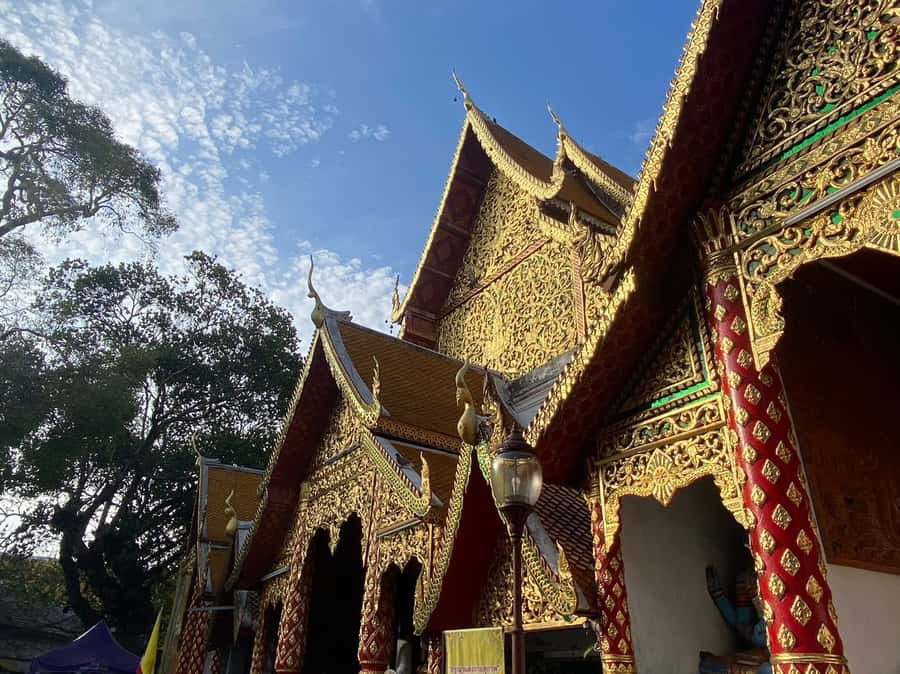
Wat Umong sits in the foothills of Doi Suthep, about 10 kilometers outside Chiang Mai. It is known for its forest setting and underground tunnel system, which makes it very different from a typical city temple visit.
The tunnel temple is the main attraction here. You enter a darker, enclosed space built into the temple grounds, then take time to appreciate the age and atmosphere of the place. The setting is quiet and shaded, a welcome contrast after the sun and mud of the elephant camp.
The guide explains the temple’s history and meaning in English. One of the best parts of this stop is its change of pace. You are not trying to see a long list of buildings. Instead, you have one distinctive site with a forest setting and tunnels that invite a slower look.
Dress matters. For the temple session, you need a long shirt and long pants. This is not optional packing advice. Wear or carry clothing that covers your shoulders and knees, and keep it clean and dry after the elephant activity.
More Temple Tours around Chiang Mai:
- Chiang Mai: Chiang Rai Temples, Karen Tribe and Hot Springs
★ 4.7 · 5,401 reviews - Chiang Rai White Temple and Blue Temple Day Tour
★ 4.6 · 3,366 reviews - Chiang Mai: White, Red/Black & Blue Temples Tour with Lunch
★ 4.2 · 2,017 reviews - Chiang Mai: 3 Hour Old City and Temples Guided Walking Tour
★ 4.6 · 1,568 reviews
Doi Suthep after dark
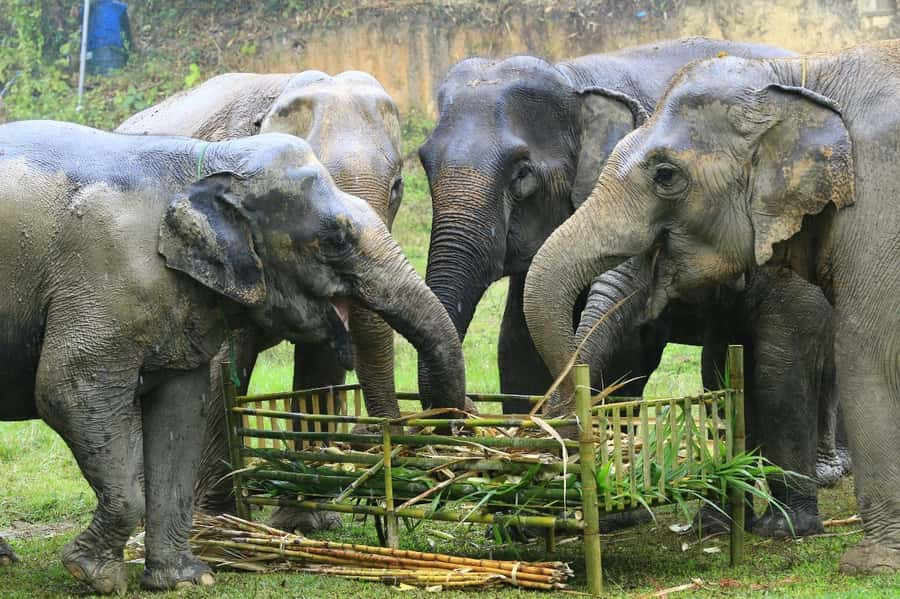
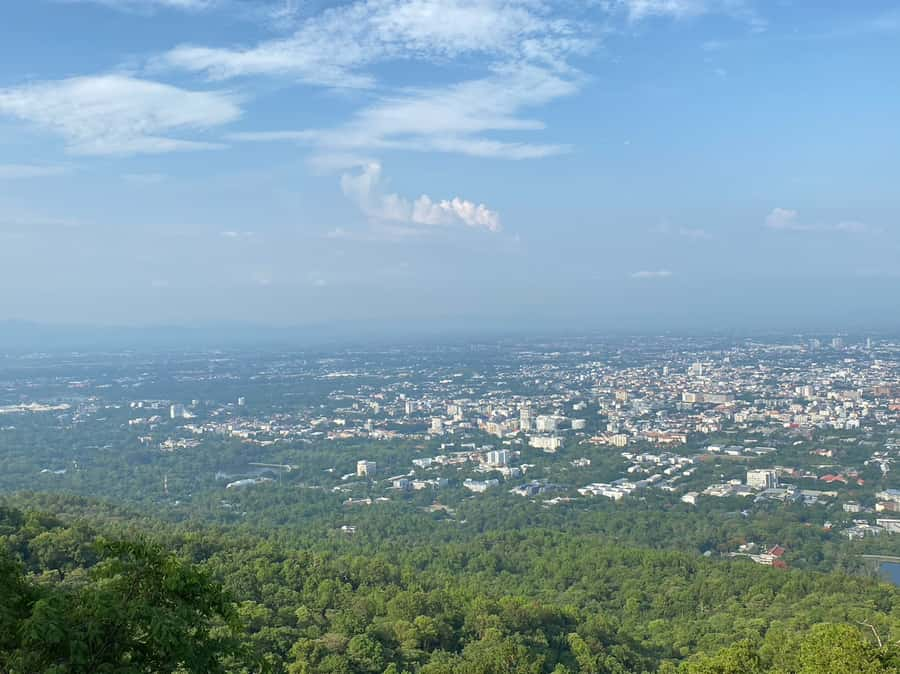
From Wat Umong, the drive to Doi Suthep takes about 45 minutes. The mountain rises west of Chiang Mai to about 1,676 meters, and the evening visit is planned to avoid the usual daytime crowds.
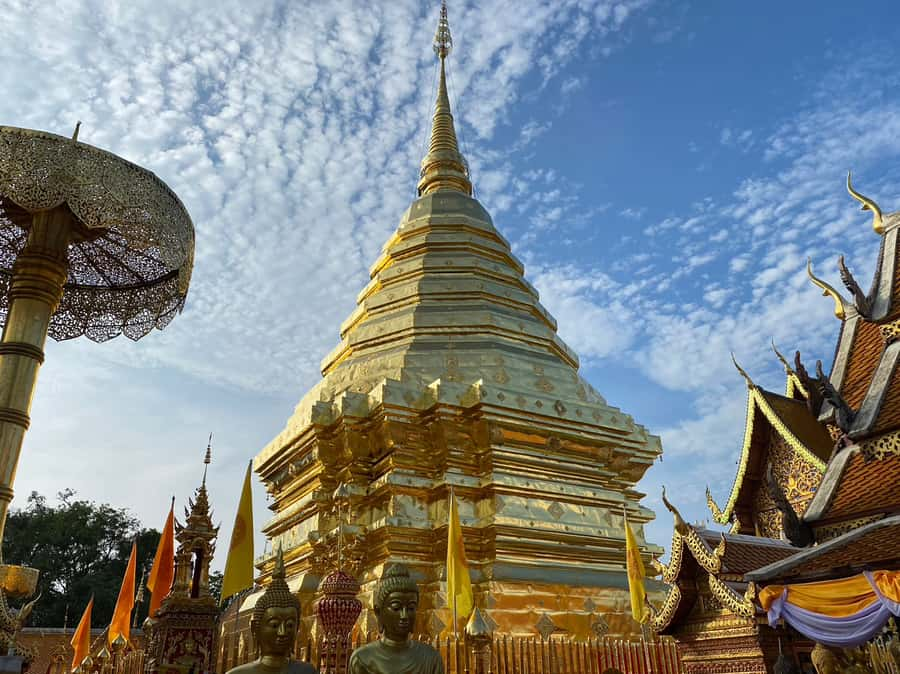
The temple visit gives you two things: sacred architecture and a view over Chiang Mai at night. The city lights are the reward after the uphill drive. This is a different experience from seeing Doi Suthep in bright daylight, when the mountain and temple details are easier to study but the site can feel busier.
The program describes this as a chance to enjoy the temple and the city view without the usual crowds. Keep expectations sensible. A night visit is best for atmosphere and lights, not for examining every decorative detail. Your guide can explain the important features, while you take in the cooler mountain setting and the broad view over the city.
The timing also works well. After an afternoon outdoors, a temple stop at night feels calmer and more reflective. If you want a packed temple circuit with extensive sightseeing, this is not that. If you want one unusual temple, one sacred mountain stop, and a city view in the same evening, the pairing makes sense.
What the $122 price covers
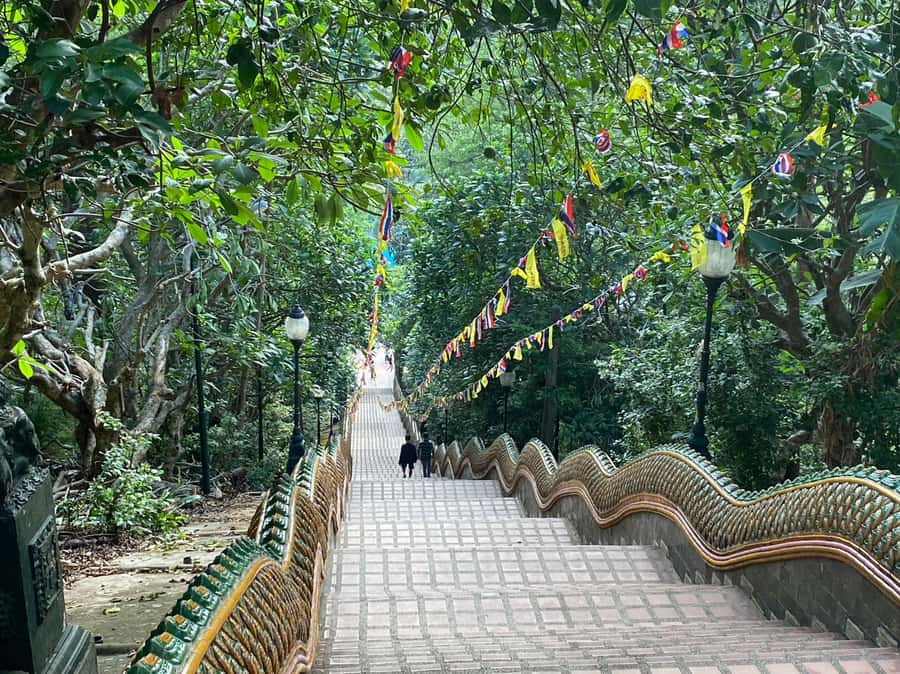
The price is $122 per person. That is not a budget half-day activity, but the program lasts 510 minutes and combines several services that would be difficult to arrange as neatly on your own.
Included are hotel pickup and drop-off, elephant food preparation, herbal medicines for the elephants, feeding, bathing, and the mud activity. Transportation to Wat Umong and Doi Suthep is also included, along with the night city view experience and an English-speaking guide.
The value depends on what you want from Chiang Mai. If your priority is a short elephant encounter, you may find this too long and too expensive. You are paying for a full afternoon and evening, not just an hour beside an elephant.
I see the strongest value in the combination. You receive an animal-care program, time to shower and change, a forest temple with tunnels, a mountain temple visit, and a night view. Separate transport for all these stops could be inconvenient, especially if you do not have your own vehicle.
The main value question is food and personal comfort. A meal for you is not listed, and the day stretches from noon until about 9:00 pm. Bring money or ask ahead about food arrangements so the long schedule does not become tiring.
Free cancellation is available up to 24 hours before the activity for a full refund. You can also reserve now and pay later, which helps if your Chiang Mai plans are still shifting.
What to pack for both halves of the day
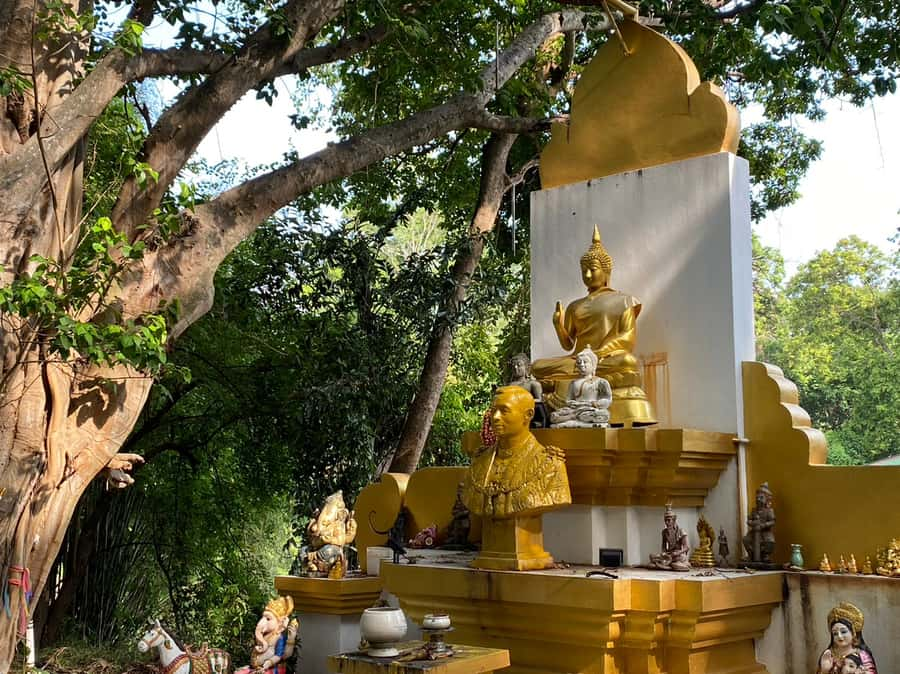
The packing list is longer than for a normal temple tour because the first half is wet and muddy, while the second half requires modest dress.
Bring:
- Swimwear for the elephant bathing and mud activity
- Long pants and a long shirt for the temples
- Sunscreen, sunglasses, and a sun hat
- Insect repellent
- A dry change of clothing
- Comfortable clothing that can get dirty
- A camera with the flash turned off near the elephants
The program specifically asks you to wear long pants and a long shirt at the temple. It is easiest to carry those clothes separately and change after the shower.
Alcohol and drugs are not allowed, and alcoholic drinks cannot be brought into the vehicle. That rule is simple, but keep it in mind if you have been out sightseeing earlier in the day.
Guide quality and the shape of the experience
The guide is central to this outing. You need clear instructions around the elephants, practical help during the feeding and mud activity, and useful explanations at both temples. The available feedback gives particular praise to the guide’s detailed explanations and friendly manner.
No individual guide name is provided, so you should not book expecting a specific person. You can expect an English-speaking guide who covers elephant behavior, elephant history, proper care, and the temple visits.
The schedule is quite structured. Pickup, food preparation, feeding, mud time, showering, transfers, temple visits, and hotel return all have planned windows. That structure helps you fit a lot into one day, but it leaves less room for spontaneous stops.
For photography, the elephants provide the most active scenes. Bananas, mud, water, and a baby elephant create plenty of visual interest. At Wat Umong, the tunnels offer a more atmospheric setting. At Doi Suthep, the night city view is the main image to take home. Again, do not use flash around the elephants.
Who should book this outing
I would recommend it to you if you want more than an elephant photo opportunity and like pairing nature, animal care, culture, and city views in one long day. Families with older children may appreciate the hands-on food preparation and mud activity, though everyone should be comfortable with getting wet and dirty.
It also suits first-time visitors who want transport handled for them. The route includes several stops outside central Chiang Mai, and the evening return means you do not have to arrange a second ride back from Doi Suthep.
You may want to skip it if you prefer a slow day, dislike mud, or want a detailed temple tour in daylight. The long transfers and the gap between programs also mean this is not the most compact choice.
Most important, book only if you are comfortable with the welfare approach described: you may feed, touch, bathe, and help scrub mud only within the program’s rules, and the elephant decides whether to join the mud activity. That is the right way to approach this kind of visit.
Should you book Elephant Care with Wat Umong and Doi Suthep?
Book this tour if you want a full Chiang Mai day with a clear change of mood: hands-on elephant care in the afternoon, forest tunnels at Wat Umong, and a mountain city view after dark.
The strongest reasons to go are the extended elephant session, the chance to prepare food and herbal medicine, the animal-led mud activity, and the guide’s detailed explanations. The temple visits prevent the day from feeling like a single commercial animal stop.
Think twice if $122 feels high for your budget, if you need a meal included, or if 8.5 hours sounds tiring. Pack long temple clothes, swimwear, sun protection, insect repellent, and a dry change of clothes, and this becomes a well-organized way to join several Chiang Mai highlights in one outing.
FAQ
How long does the experience last?
The activity lasts 510 minutes, or about 8.5 hours. Pickup begins around 12:00 to 12:30 pm, and return to the hotel is planned for about 9:00 pm.
Is hotel pickup and drop-off included?
Yes. Hotel pickup and drop-off are included. You should wait in the hotel lobby 10 minutes before your scheduled pickup time.
What language does the guide speak?
The live tour guide speaks English.
Can I feed the elephants?
Yes. You help prepare food, healthy treats, and herbal medicines, then feed the elephants. Bananas are included among the food prepared for them.
Does the experience include bathing an elephant?
Yes. The program includes bathing with the elephant and a mud and sand spa activity.
Can I join the elephant in the mud pool?
You can join the mud activity if the elephant wants to take part. You may help scrub mud onto the elephant’s skin, but participation depends on the elephant.
What should I wear to the temples?
You need to wear a long shirt and long pants for the temple session. It is practical to bring these clothes and change after the elephant activity.
What should I bring?
Bring sunglasses, a sun hat, swimwear, sunscreen, insect repellent, and long pants. A dry change of clothing is also useful after the mud and bathing activities.
Can I cancel for a refund?
Yes. You can cancel up to 24 hours in advance for a full refund. The activity also offers a reserve now and pay later option.
Temple visits we reviewed lately in Chiang Mai
- Red, Blue, White Temples & Hot Spring Trip from Chiang Mai★ 4.4 · 143 reviews
- Monk trails hike, Wat Phalat, Monk chanting, Wat Doi Suthep.★ 5.0 · 3 reviews
- Long Neck Village, Silver Temple & Chiang Mai Top Sites★ 4.7 · 17 reviews
- Lalita Cafe & Chiang Rai Temple(White+Blue) from Chiangmai★ 4.8 · 5 reviews
- Private : Sticky Waterfall & Secret Temple & Karen Village.★ 5.0 · 9 reviews
- Chiang Mai: Temples & Culture Tour★ 4.7 · 64 reviews
- Half Day Morning Wat Pha Lat & Wat Phra That Doi Suthep Tour★ 4.8 · 269 reviews
- From Chiang Mai: White Temple, Blue Temple & Black House★ 4.5 · 15 reviews
Chiang Mai Temple Tours, compared.
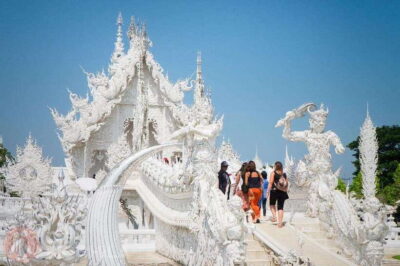
Chiang Mai: Chiang Rai Temples, Karen Tribe and Hot Springs
Read our review →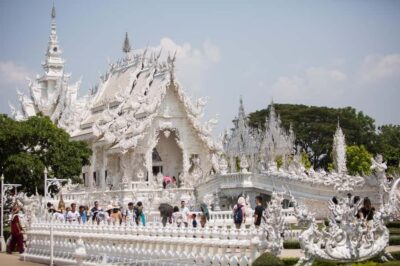
Chiang Rai White Temple and Blue Temple Day Tour
Read our review →
Chiang Mai: White, Red/Black & Blue Temples Tour with Lunch
Read our review →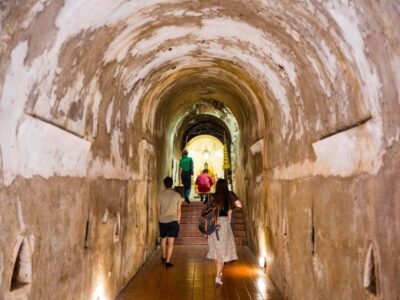
Chiang Mai: Doi Suthep and Wat Umong Enchanting Evening Tour
Read our review →
Chiang Mai: 3 Hour Old City and Temples Guided Walking Tour
Read our review →
Chiang Mai: Doi Suthep, Wat Umong, and Pha Lat Sunrise Tour
Read our review →
Chiang Rai Temples: Private Tour from Chiang Mai
Read our review →
Chiang Mai: Wat Pha Lat & Wat Phra That Doi Suthep Tour
Read our review →This tour also ranks in