
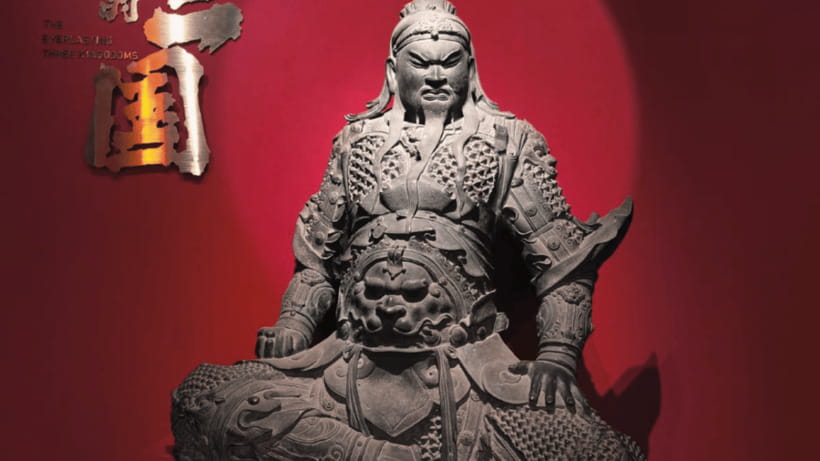
Review · CHINA
Chengdu: Wuhou Shrine Museum From Three Kingdoms Era
Wuhou Shrine Museum brings the Three Kingdoms era to life through statues, relics, old buildings, and the story of Shu Han. Its red walls and leafy grounds give the visit a calm setting, while the displays explain why Zhuge Liang and Liu Bei still matter in Chinese culture.
I like the mix of history and scenery, and I like that a one-day ticket lets you set your own pace. The main consideration is the booking process: your passport name and number must be sent in time, and the supplied QR code is not valid for entry.
Key points to know before you go
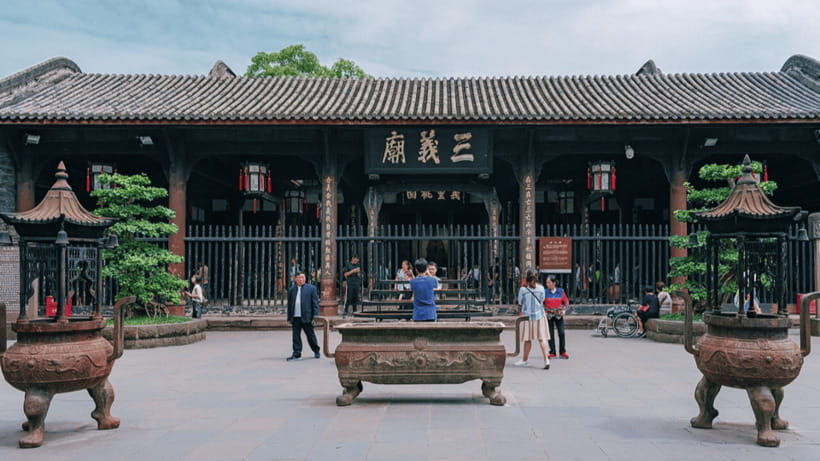
- See the Shu Han story through artifacts: Exhibits connect objects, statues, and relics with the Three Kingdoms period.
- Visit a shrine linked to Zhuge Liang and Liu Bei: The site honors both the famous chancellor and Shu Han’s founding emperor.
- Photograph Chengdu’s red-walled architecture: The old walls and planted grounds give the museum a strong visual character.
- Use a flexible one-day admission ticket: You can choose an available starting time and keep the day open around the museum visit.
- Plan carefully with your passport: Your full passport name and passport number are required to complete the booking.
- Check special exhibition costs: Standard admission does not cover every temporary or special display.
Why Wuhou Shrine matters in Chengdu
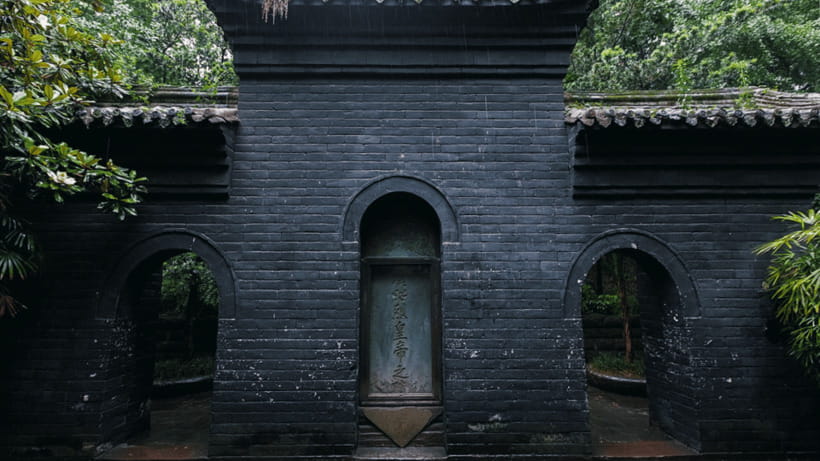
Wuhou Shrine Museum is more than a collection of old objects. It is a place built around memory, loyalty, government, and military strategy during one of China’s best-known periods of political conflict.
The Three Kingdoms era followed the collapse of the Han Dynasty and saw China divided among competing states. Shu Han controlled the area around present-day Sichuan, with Chengdu as its center. Liu Bei served as its emperor, while Zhuge Liang became its most celebrated chancellor and strategist.
You do not need to arrive as a Three Kingdoms expert. The museum gives you a clear starting point through its displays and historical relics. If you already know the stories, the visit offers a physical setting for familiar names and events. If you do not, the combination of figures, buildings, and explanatory exhibits helps you understand why this period remains important.
The site also shows how history becomes part of local identity. Shu Han is not presented only as a long-ago dynasty. Its people, leaders, and ideals continue to shape cultural memory in Chengdu and Sichuan.
More Museum Visits in China:
- Beijing: Lama Temple, Confucius Temple and Guozijian Museum
★ 5.0 · 23 reviews - Montserrat Museum and Monastery Entry Ticket
★ 4.5 · 1,740 reviews - Lisbon: Belem, Jeronimos Monastery, and Coach Museum Tour
★ 4.8 · 478 reviews
Entering the red-walled museum grounds
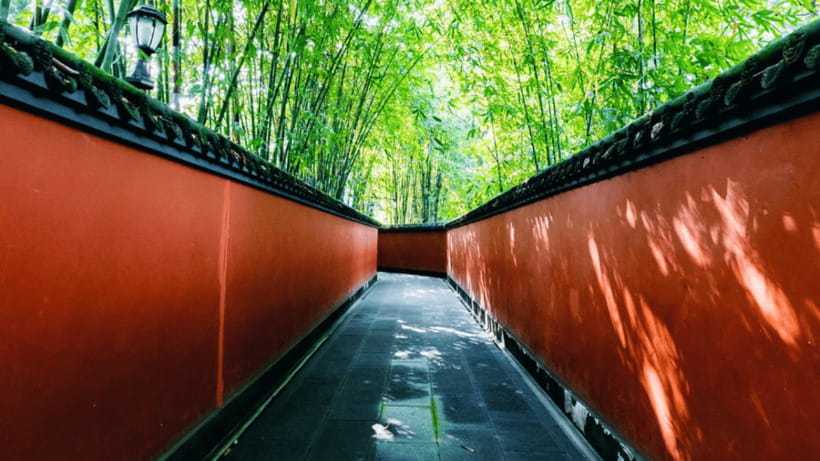
The first impression comes from the architecture. Ancient red walls guide your eye through the grounds, while trees and planted areas soften the formal buildings. This is a place where the setting matters as much as the displays.
I would allow time simply to walk and look before rushing toward the exhibition rooms. The red walls create strong photo backgrounds, and the greenery offers a change of pace after reading about battles, rulers, and political struggles.
The grounds also help you understand the character of a shrine museum. This is not just a modern hall filled with objects under glass. Buildings, paths, walls, and courtyards form part of the experience. You can notice how the physical setting frames the people being honored.
Bring a camera if you enjoy architectural photographs. The supplied information specifically recommends one, and you will have plenty of visual details to record, from the old walls to the arrangement of the grounds. Pets are not allowed, so plan accordingly.
Meeting Zhuge Liang and Liu Bei through the displays
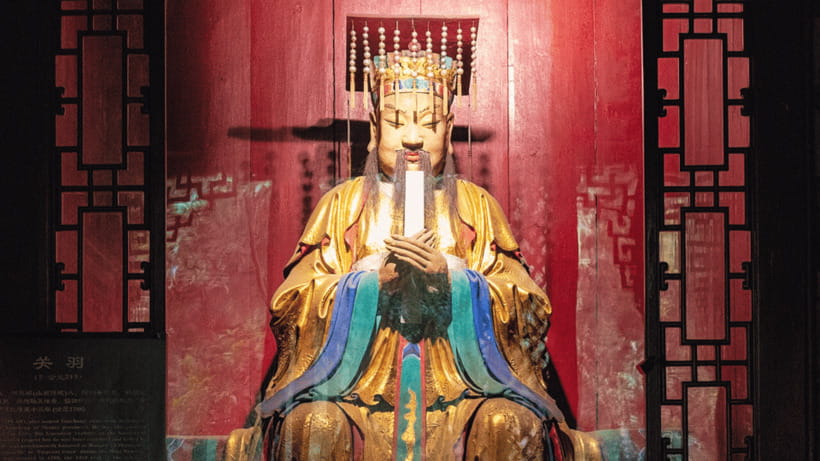
The museum is dedicated to Zhuge Liang and Liu Bei, two central figures in the Shu Han story. Liu Bei is remembered as the dynasty’s emperor, while Zhuge Liang is known as its chancellor and leading strategist.
The displays, statues, and relics give these names a physical presence. Rather than encountering them only in a book or film, you can see how the museum presents their roles and their importance to Shu Han culture.
Zhuge Liang will likely be the main focus for many people. His reputation reaches beyond military planning. He is also associated with service, discipline, and political judgment. Liu Bei represents the imperial side of the story, and the museum places both men within the wider story of Shu Han.
You may find the exhibits easier to appreciate if you keep one question in mind: how does a society choose the people it remembers? The answer here comes through architecture, statues, written material, and the care given to historical objects.
No individual guide is named for this activity. Free guided services are included, but the information provided does not specify the format, schedule, language, or group size. If having a live guide is important to you, confirm those details before you go.
Reading the Three Kingdoms exhibitions
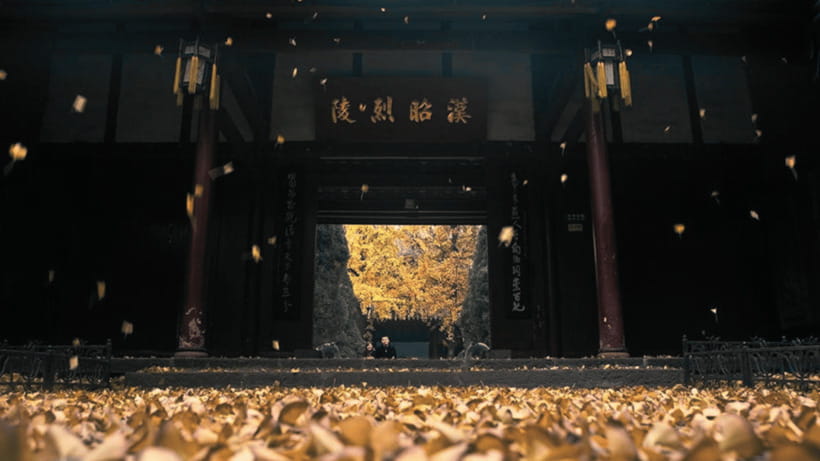
Admission includes the Three Kingdoms exhibitions and viewing of historical relics and ancient architecture. This gives you the core experience promised by the ticket, rather than only access to the outdoor grounds.
The exhibitions are useful because they connect the museum’s physical setting to the larger political story. You can move from buildings and statues to objects tied to the period, then return to the wider cultural meaning of Shu Han.
I would not treat this as a quick photo stop. The museum works best when you give yourself time to read and compare the displays. The experience is designed for people interested in history, scholars, and anyone who wants more context than a simple monument visit can provide.
At the same time, the information supplied does not list every gallery, artifact, or exhibit title. That means you should avoid arriving with a fixed expectation of seeing a particular object. Think of the visit as a broad introduction to Shu Han and the Three Kingdoms, supported by relics and historic buildings.
Special exhibitions may require an additional fee. Standard admission covers the main exhibitions, but check the cost of any temporary display before entering it.
More Temple Tours around China:
- Mini Group Xian Day Tour to Terracotta Army, City Wall, Pagoda and Muslim Bazaar
★ 5.0 · 1,320 reviews - Beijing: The Temple of Heaven or Summer Palace Entry Ticket
★ 4.6 · 1,286 reviews - Beijing Classic Full-Day Tour including the Forbidden City, Tiananmen Square, Summer Palace and Temple of Heaven
★ 4.0 · 610 reviews - Temple of Heaven Ticket
★ 5.0 · 482 reviews
What the museum reveals about Shu Han culture
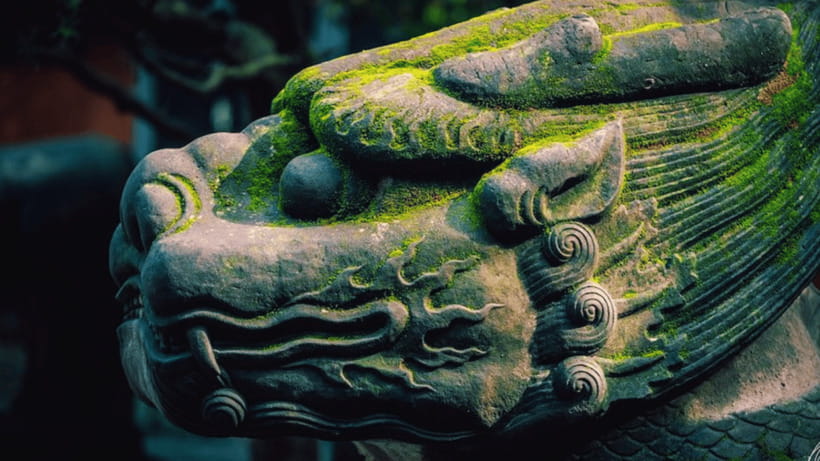
The museum’s value lies in the way it links political history with cultural impact. Shu Han was one of three competing states, but the museum shows how its people and leaders became part of a much longer cultural story.
Artifacts help make that story concrete. A relic can show craftsmanship, official practice, religious respect, or the way later generations preserved the memory of important figures. The displays are not only about dates and battles. They also give you a sense of how ancient Chinese civilization recorded power and honor.
The museum’s setting adds another layer. Red walls, traditional architecture, statues, and planted grounds create a physical expression of respect. You can see how a site can function both as a historical museum and as a place of remembrance.
This makes Wuhou Shrine especially useful if you are visiting Chengdu and want more than modern city life. It gives you a direct connection to a local story that reaches far beyond the museum gates.
Making the most of a one-day visit
The ticket is valid for one day, and you can check available starting times when booking. That flexibility matters because it lets you fit the museum around other plans instead of committing to a tightly timed guided tour.
I would set aside enough time for three parts: the grounds, the Three Kingdoms exhibitions, and the relics and architecture. Start outdoors so you can appreciate the layout. Continue indoors or into the exhibition areas for the historical material. Finish with another walk through the red-walled sections and any areas you want to photograph.
The exact visit length is not specified, so avoid building a complicated schedule around a precise duration. A history enthusiast may want a slower visit, while someone mainly interested in architecture and photographs may move faster.
Comfortable shoes are recommended. You may spend much of the visit walking between buildings and along paths, and practical footwear will make it easier to focus on the museum instead of your feet.
There is no food included, and souvenirs are not included either. Plan your spending separately if you want refreshments or something to take home. The ticket covers admission and the listed guided services, not every purchase connected with the visit.
Is $17 good value?
At $17 per person, the admission is reasonable if you want a focused cultural visit in Chengdu. The price includes entry to the Three Kingdoms exhibitions, access to historical relics and ancient architecture, and free guided services.
The value is strongest for people who care about Zhuge Liang, Liu Bei, the Shu Han Dynasty, or ancient Chinese history. You are paying for access to a major cultural site with both displays and historic surroundings, not just a single monument.
The value is less clear if you want a full-day escorted tour with transport, meals, or a named specialist guide. None of those are included in the supplied details. This is best understood as a museum admission experience with optional guided support, not an all-inclusive sightseeing package.
Special exhibitions may cost extra, so budget a little more if those are important to you. Food and souvenirs also come separately.
Booking details that can affect your visit
The most important practical point is that the GetYourGuide QR code is not valid for entry. You need to communicate with the provider or wait for the confirmation email and follow the instructions supplied for admission.
You must send your full name exactly as it appears on your passport, along with your passport number, to complete the booking. If those details are not received on time, the booking may be canceled and a cancellation fee may apply.
Bring your passport to the museum. It is listed as a required item, and the booking depends on matching your personal details correctly.
Advance booking is recommended on weekends and holidays. Seniors over 60 and children under 1.3 meters can enter free without a reservation, according to the supplied information. If that applies to someone in your party, check the entry requirements before booking the paid ticket.
The activity offers free cancellation up to 24 hours in advance and a reserve-now, pay-later option. Those terms help if your Chengdu plans are still shifting, but they do not remove the need to submit passport information promptly.
Who will enjoy Wuhou Shrine most?
I would recommend this experience to anyone who enjoys historic buildings, political stories, traditional Chinese culture, and museums that connect objects with a real place.
It is also a good choice if you have read about the Three Kingdoms era or encountered its characters in books, television, games, or Chinese popular culture. Seeing Zhuge Liang and Liu Bei honored in Chengdu adds a useful local dimension.
Families may find the grounds easier to enjoy than a purely indoor museum, though children’s interest will depend on how much they enjoy historical displays. The admission policy gives free entry to children under 1.3 meters without a reservation.
Photographers will appreciate the red walls and planted grounds. Visitors who prefer a detailed guided explanation should confirm the free guided service before booking, since no guide name, language, schedule, or group size is provided.
This is not the right pick if you want transport, meals, shopping, or a packed itinerary of several Chengdu attractions. The experience centers on one museum and its Three Kingdoms subject.
Should you book this Chengdu museum visit?
Book it if you want a flexible, affordable visit focused on Shu Han, Zhuge Liang, Liu Bei, and the Three Kingdoms era. The combination of relics, statues, historic buildings, red walls, and leafy grounds gives you both substance and good photo opportunities.
Think twice if you are uncomfortable sending passport details or if you need a fully explained tour with a named guide and fixed schedule. The booking instructions require care, and the included guided service is not described in enough detail to promise a particular format.
For most history-minded visitors, $17 is a fair price for a one-day cultural visit. Send your passport information early, bring comfortable shoes and your passport, and leave room in your schedule to look beyond the main displays.
FAQ
Where is Wuhou Shrine Museum located?
Wuhou Shrine Museum is in Chengdu, in southwestern China.
What is the museum dedicated to?
The museum is dedicated to Zhuge Liang, the renowned chancellor of Shu Han, and Liu Bei, the Shu Han emperor.
What historical period does the museum focus on?
It focuses on the Three Kingdoms era and the Shu Han Dynasty.
What does the admission ticket include?
The ticket includes admission to the Three Kingdoms exhibitions, viewing of historical relics and ancient architecture, and free guided services.
Is food included?
No. Food is not included in the admission price.
Are souvenirs included?
No. Souvenirs are not included.
Do special exhibitions cost extra?
Additional fees may apply to special exhibitions.
How long is the ticket valid?
The ticket is valid for one day.
Can I cancel the booking?
Yes. You can cancel up to 24 hours in advance for a full refund.
What must I provide to complete the booking?
You must provide your full name as it appears on your passport and your passport number. You should also bring your passport to the museum.
Temple visits we reviewed lately in China
- Shanghai: Yuyuan, City God Temple Old City Tour-Tip Based★ 5.0 · 10 reviews
- Shanghai: Yu Garden and City God Temple Walking Tour★ 4.9 · 27 reviews
- Private Tour to Yinshan Pagoda Forest w/Optional Activities★ 5.0 · 5 reviews
- Private Tour Datong Hengshan Hanging Temple Yungang Grottoes★ 5.0 · 4 reviews
- Private Tour: Longmen Grottoes, Shaolin Temple & Kungfu Show★ 4.8 · 17 reviews
- Private ForbiddenCity&TempleofHeaven&SummerPalace Day Tour★ 5.0 · 4 reviews
- Pingyao: Shuanglin Temple Tour or Entry Ticket Only Option★ 4.5 · 3 reviews
- Luoyang Private Day Tour to Shaolin Temple&Longmen Grottoes★ 5.0 · 10 reviews
China Temple Tours, compared.
Beijing: The Temple of Heaven or Summer Palace Entry Ticket
Read our review →
Beijing Classic Full-Day Tour including the Forbidden City, Tiananmen Square, Summer Palace and Temple of Heaven
Read our review →
Temple Heaven, Lama Temple, Summer Palace & Peking Duck Bus Tour
Read our review →
Best of Shanghai Day Tour, including Jade Buddha Temple & Bund & Yuyuan Garden
Read our review →
Temple Heaven, Summer Palace, Lama Temple, Hutong Bus Tour
Read our review →
Temple of Heaven, Summer Palace, Lama Temple, Hutong Tours
Read our review →This tour also ranks in