
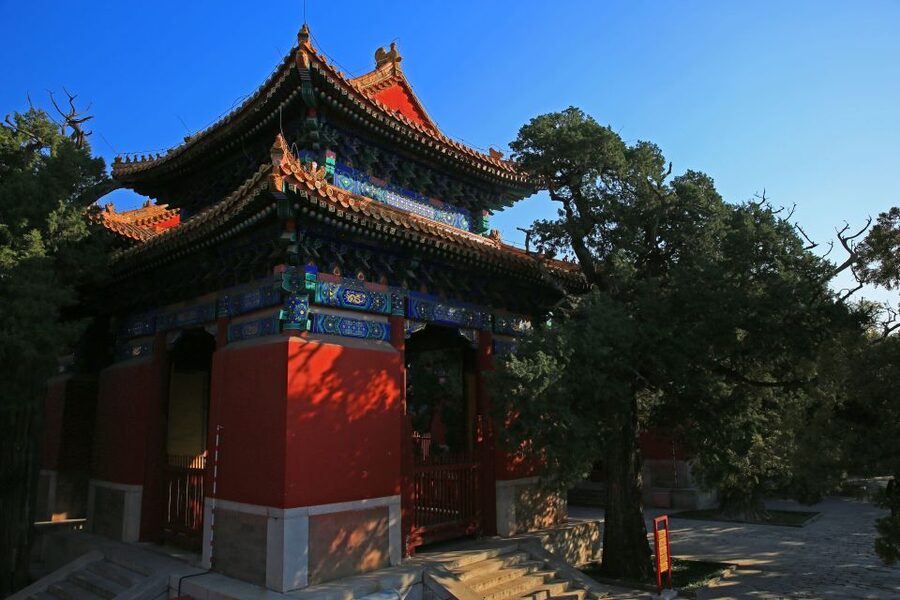
Review · BEIJING
Beijing: Lama Temple, Confucius Temple and Guozijian Museum
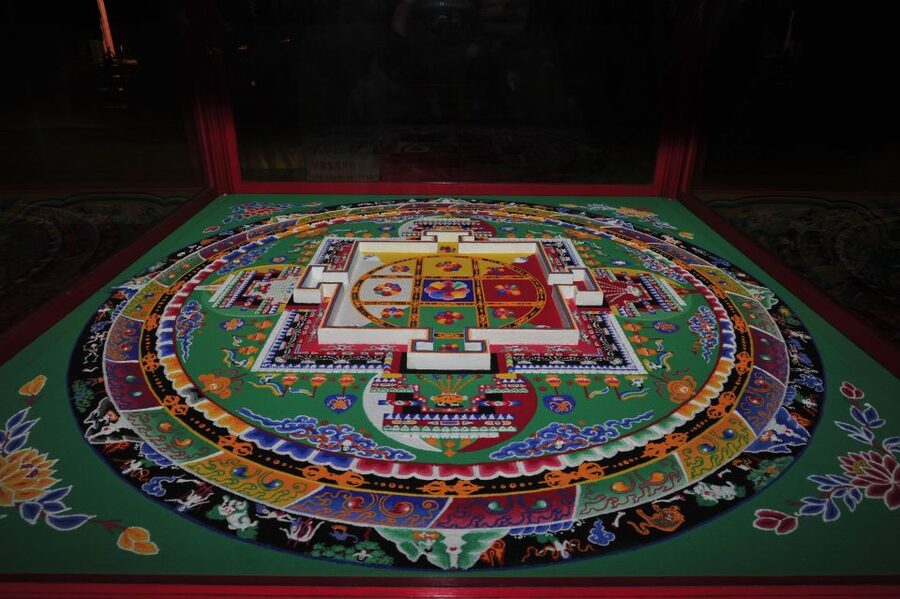
The tour’s biggest surprise is a 54-foot wooden Buddha, carved from one sandalwood log brought from Nepal. You’ll see it at Beijing’s Lama Temple, along with worshippers burning incense and making offerings. I like the direct look at living religious practice, and I like that the route links it with the Confucius Temple and Imperial College instead of treating each site as a separate stop.
The tour also gives you a look at hutong life between the major sights, which makes the morning feel more connected to present-day Beijing. The main drawback is time: four hours moves quickly, and the walking, temple visits, and transport leave little room for lingering. The private format helps, but you should still expect a focused introduction rather than a slow, complete study of each site.
Key points to know before you book
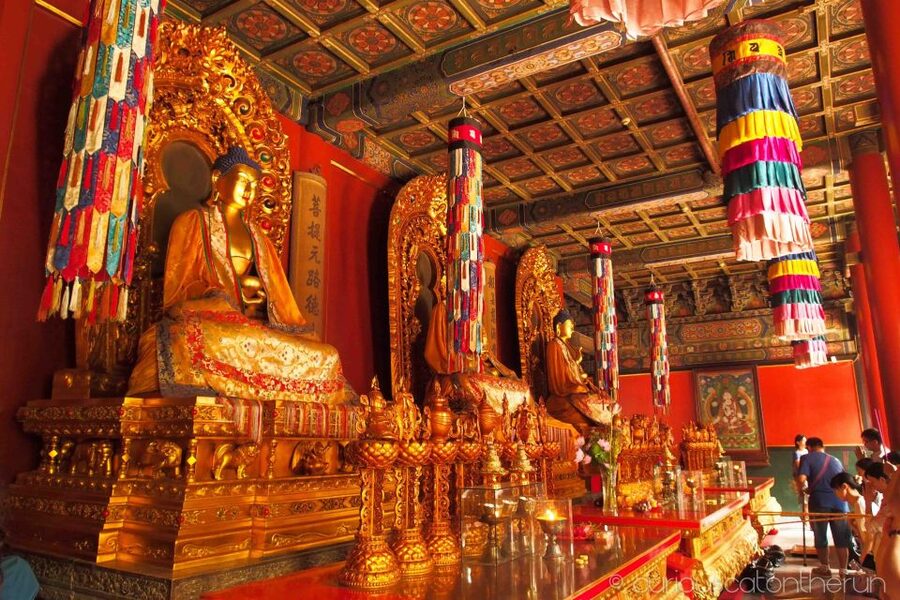
- See the 54-foot Maitreya Buddha: The statue is carved from a single white sandalwood log and is the visual high point of the Lama Temple visit.
- Watch local worship in progress: You are not only looking at old buildings. You can see how people pray and make offerings at an active Buddhist temple.
- Connect religion, education, and city life: The route joins Lama Temple with the Confucius Temple and Guozijian, the former imperial college.
- Walk through Beijing hutongs: Quiet lanes between the sites offer a look at local neighborhoods and traditional street patterns.
- Enjoy a private four-hour tour: An English-speaking guide meets you at your hotel, and the itinerary can be adjusted with taxi, subway, or private-car transport options.
- Consider adding dim sum: You can choose an option that combines the sightseeing with a dim sum meal.
Why the Lama Temple is the right place to begin
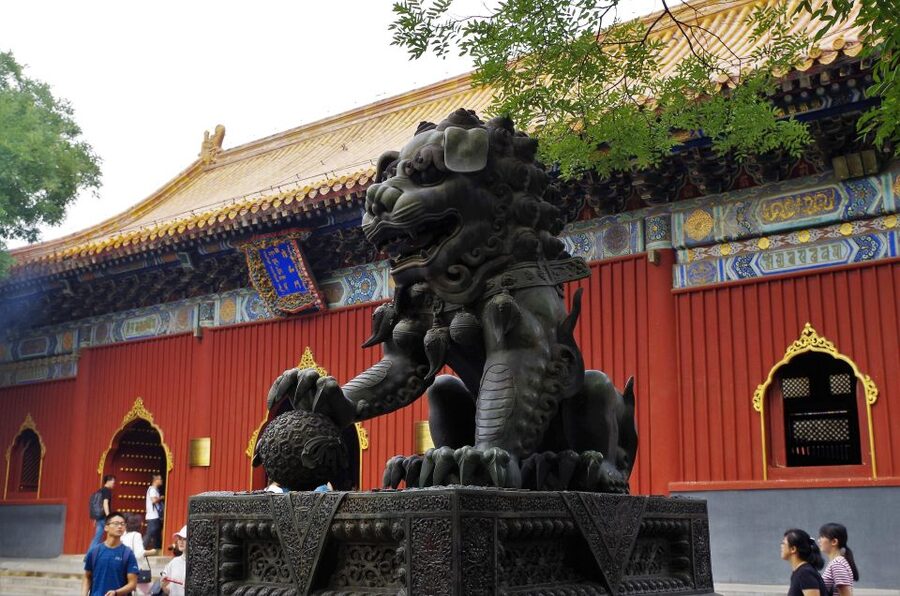
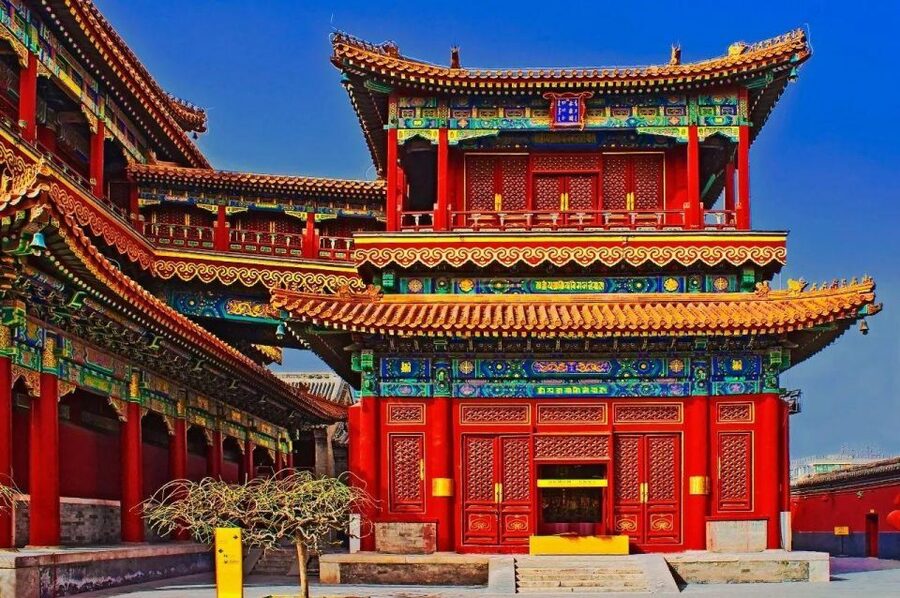
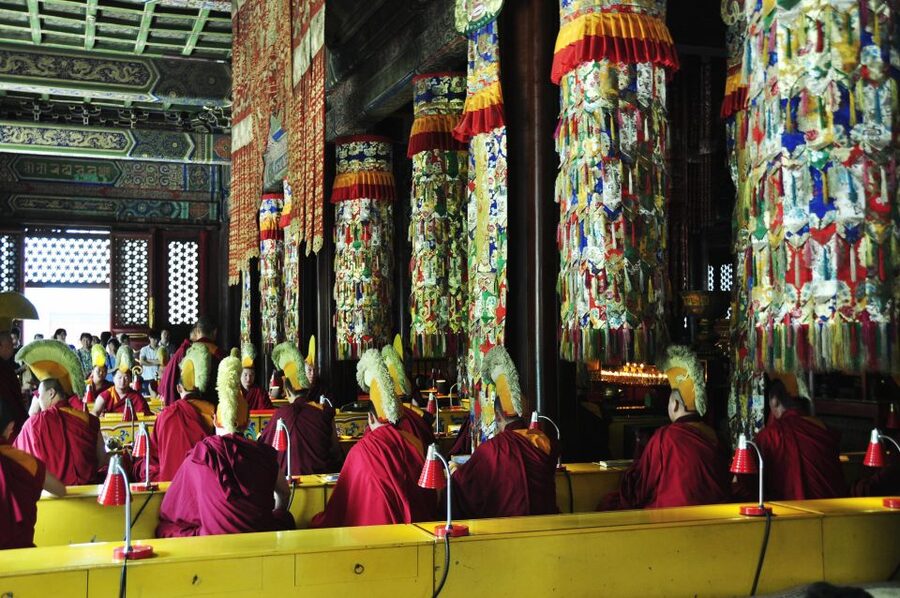
The Lama Temple gives this tour an immediate sense of place. You enter a working Buddhist site, pass through courtyards and halls, and see statues connected with Buddhist beliefs. Your guide explains what you are seeing while also helping you understand how the temple functions today.
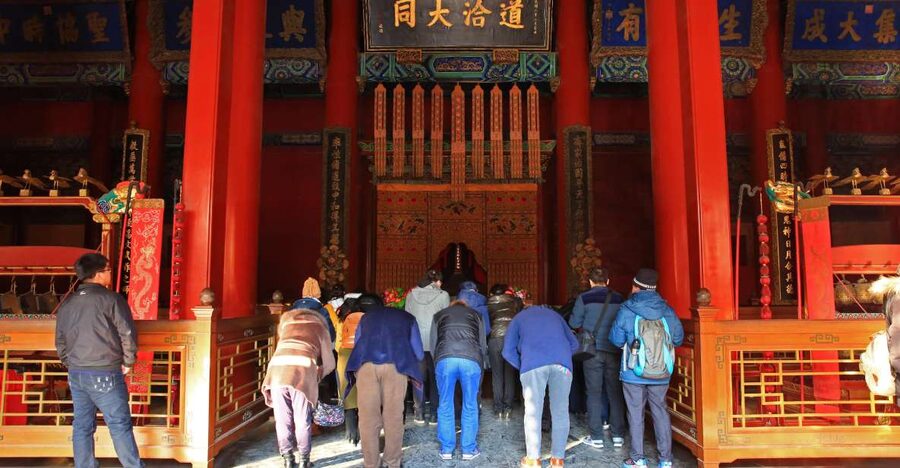
That distinction matters. Beijing has plenty of grand historic buildings, but the Lama Temple is not simply a museum. You can watch local people worship, burn incense, and take part in familiar religious customs. Your guide can explain the meaning behind those actions, so you are less likely to mistake a religious practice for a sightseeing ritual.
The Maitreya Buddha is the temple’s main visual prize. At 54 feet high, it was carved from one precious white sandalwood log from Nepal. The scale is hard to grasp from a description alone. Inside the hall, look up and take in how the statue dominates the space. This is the kind of detail that makes a guide useful, since the story of the material and its construction adds much more than a quick photograph.
You will also visit other courtyards and halls, where your guide explains the Buddhist statues and their stories. The exact pace depends on your group and the crowd, but the private format lets you ask questions instead of simply following a fixed line.
One practical point: the Lama Temple can be crowded. Anne, one of the guides praised for keeping the visit moving on a crowded day, is a good example of why guide skill matters here. The tour is not only about knowing facts. It is also about finding a workable pace when the courtyards fill up.
More Temple of Heaven Tours in Beijing:
- Beijing: The Temple of Heaven or Summer Palace Entry Ticket
★ 4.6 · 1,286 reviews - Beijing Classic Full-Day Tour including the Forbidden City, Tiananmen Square, Summer Palace and Temple of Heaven
★ 4.0 · 610 reviews - Temple of Heaven Ticket
★ 5.0 · 482 reviews
From Buddhist worship to Confucian learning
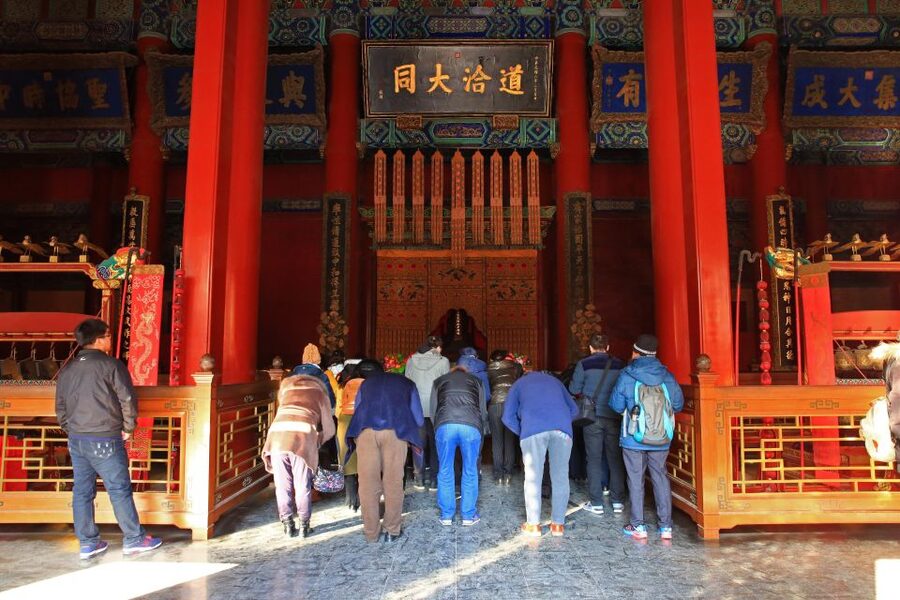
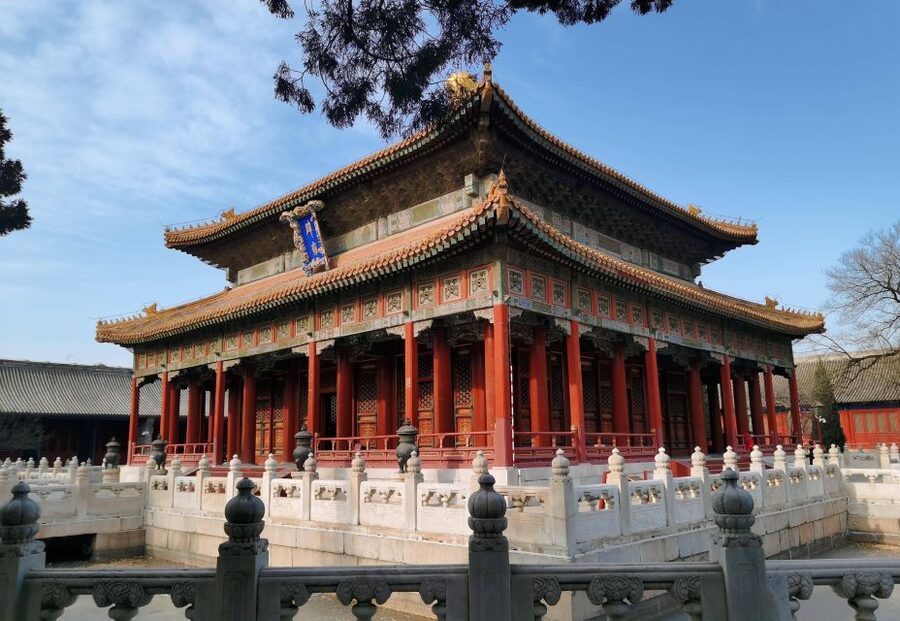
After Lama Temple, the route continues through a quiet hutong lane toward the Temple of Confucius and Guozijian Museum. This change of subject is one of the tour’s strengths. You move from Buddhist worship to Confucian thought and the old educational system that trained officials for imperial government.
The Temple of Confucius is tied to the teachings and influence of Confucius, while Guozijian was the supreme academy during the Yuan, Ming, and Qing dynasties. The former college was built in 1306 by the grandson of Kublai Khan. Those facts can sound dry in a guidebook, but they become easier to grasp when you walk from the temple courtyards into the place associated with imperial education.
Your guide fills in the story behind the buildings and explains why the academy mattered. I particularly like this part for visitors who want more than decorative architecture. The stop gives you a way to think about how learning, official rank, and government were linked in imperial China.
The two sites also provide a useful contrast. Lama Temple focuses your attention on devotion and sacred images. The Confucius Temple and Guozijian point toward ethics, education, order, and public service. A good guide can draw those connections without turning the visit into a lecture. Several guides named in the feedback, including Mike, Cassie, Aurora, and Anne, were praised for clear explanations and an engaging style. Your assigned guide may be different, but the private setup gives you a chance to ask for more detail if a subject catches your interest.
Do not expect a full museum day here. The tour has four hours to cover three major places and the hutongs between them. You will get an informed overview, not every room, inscription, or architectural detail.
The hutong walk adds the human scale
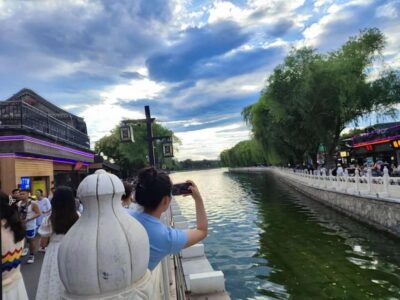
The short walks between the sites are not wasted time. You pass through hutong lanes and get a look at the street pattern and daily life of these traditional Beijing neighborhoods.
This is where the tour moves away from major monuments. The lanes help you see how the city works at ground level, with homes and local streets replacing grand gates and ceremonial halls. The description of the tour promises a beautiful and quiet alley, followed by more hutong exploration near the end.
The final area includes Wudaoying Hutong. The tour ends there, and you can stay longer if you want to explore on your own. Your guide can suggest how to reach your next destination, which is useful if you are building a day around this part of Beijing.
I like having the option to continue independently. It means the four-hour tour does not force you to return immediately to your hotel. At the same time, the tour does not include a hotel drop-off when you choose the option without a private car, so plan your next move before you leave. The guide can help with directions, but onward transport is your responsibility under that option.
The hutong section is also a reminder to keep expectations realistic. You are not signing up for a long neighborhood walk or a full residential tour. You are getting a compact introduction alongside the temples and college. That balance works well for a first visit, especially if you want several kinds of Beijing experience in one morning.
A private format with several transport choices
The guide meets you in your hotel lobby, holding a sign with your name. Hotel pickup is included, and the group is private, so you are not folded into a large coach party.
You can reach the Lama Temple by taxi or subway, or select the option with a private car. The choice affects both cost and ease. Taxi or subway travel keeps the basic tour price lower, while the private-car option makes the morning simpler if you prefer door-to-door transport. Private transfer is included only when you choose the related option.
The tour price is $80 per person. For that amount, the basic package includes the English-speaking guide, hotel pickup, entrance fees, and the private group format. That is fair value if you care about explanation and want to connect several sites without working out the route yourself.
The value is less obvious if you only want entry to the temples. You could spend less by visiting independently, but then you would need to arrange transport, handle the sites without an English-speaking guide, and work out the meaning behind the worship practices and imperial college. The tour earns its price through context and convenience rather than through a long duration.
If you add the private car, the total cost rises, but the tradeoff is straightforward. You pay for easier movement. The optional dim sum meal also changes the shape of the outing, giving you food as a follow-up to the cultural visits. The supplied details do not specify the restaurant or meal menu, so ask for those particulars before booking that option.
More Museum Visits in Beijing:
- Montserrat Museum and Monastery Entry Ticket
★ 4.5 · 1,740 reviews - Lisbon: Belem, Jeronimos Monastery, and Coach Museum Tour
★ 4.8 · 478 reviews - From Sofia: Rila Monastery and Optional Museum, Cave or Spa
★ 4.6 · 270 reviews - Takua Pa: Food Market, Tsunami Museum, Temple, & Old Town
★ 4.9 · 165 reviews
What the four-hour schedule feels like
Four hours is enough for a useful first look, but it is not generous. You will start with hotel pickup, travel to Lama Temple, tour its courtyards and halls, walk through hutongs, visit the Confucius Temple and Guozijian Museum, and finish near Wudaoying Hutong.
The route works because the stops are close enough to connect on foot in part of the itinerary. The quiet lanes help break up the formal temple visits, and the private guide can explain what you are seeing as the day progresses.
Still, you should wear comfortable shoes and keep your expectations focused. The information provided does not give a detailed walking distance or exact time at each site, so I would not book this as a relaxed, all-day outing. It is better for a morning or afternoon when you want a strong cultural introduction before moving on to another Beijing sight.
Starting times depend on availability. You select a time when booking, and the guide meets you in the hotel lobby. Since the tour is private, you can raise questions and ask for clarification in a way that is harder to do in a large group.
The clearest praise for the guiding comes from the comments about explanations. Cassie was described as offering good context and making the day joyful. Aurora was praised for explaining every detail in an understandable way, and another visitor singled out the excellent narrative. Those details point to the tour’s real purpose: not just taking you to buildings, but helping you understand them.
Who will get the most from this tour
I would choose this tour if you are visiting Beijing for the first time and want a compact cultural route. It suits you particularly well if you are curious about how Buddhist worship, Confucian learning, imperial government, and neighborhood life fit into one city.
It is also a good choice if you prefer asking questions as you go. The private group means the guide can spend more time on subjects that interest you, whether that is the Maitreya Buddha, religious customs, the old academy, or hutong life.
Families and mixed-interest groups may also like the variety. The huge statue provides a strong visual moment, the temple courtyards keep the route moving, and the hutong walk adds a less formal part of Beijing. The four-hour length is easier to fit into a busy schedule than a full-day tour.
You might skip it if you already know these sites well, want a slow photography session, or prefer to visit every hall without a time limit. Independent visitors who enjoy researching religious symbolism and imperial education may not need a private guide. For most first-time visitors, however, the explanations are the point.
The guide’s personality can shape the experience. Names praised in the feedback include Ranee, Mike, Cassie, Aurora, and Anne. You cannot assume you will receive one of those guides, but the comments consistently point to clear English, patience, strong explanations, and an ability to keep the schedule working on crowded days.
Booking details worth checking
The tour is offered in English with a live guide, and it is organized as a private group. Hotel pickup is included, with the guide meeting you in the lobby and holding a sign with your name.
Entrance fees are included. If you select the version without a private car, transfer and hotel drop-off are not included. Taxi or subway travel to Lama Temple is possible, while a private-car option is available for a simpler trip.
You can cancel up to 24 hours in advance for a full refund. You can also reserve now and pay later, which gives you some flexibility while arranging a Beijing itinerary. The tour offers free cancellation under those terms, but check the selected option carefully, especially if you add transport or dim sum.
The experience has a rating of 5 from 23 reviews, with especially strong praise for guide communication, historical explanation, patience, and handling busy conditions. I would treat that as a useful sign about the guide service, while remembering that the exact guide assigned to you can vary.
Should you book the Lama Temple and hutong tour?
Book it if you want a well-organized four-hour introduction to several sides of Beijing. The 54-foot sandalwood Buddha gives you a memorable first stop, the Confucius Temple and Guozijian explain the city’s intellectual and imperial traditions, and the hutong walk brings the route back to everyday streets.
The $80 price makes the most sense when you value a private English-speaking guide, included entrance fees, and a clear route from your hotel. Choose the private-car option if convenience matters more than keeping the basic cost down. Add dim sum if you want the outing to continue over a meal.
Skip it if you want a long, unhurried visit to one site or are happy handling transport and interpretation yourself. For a first visit, though, this is a smart way to connect Beijing’s religious life, old education system, and traditional neighborhoods in one manageable half-day.
FAQ
How long does the tour last?
The tour lasts four hours.
What sites does the tour include?
It includes Lama Temple, the Temple of Confucius, Guozijian Museum, and hutong lanes in the surrounding area, including Wudaoying Hutong near the end.
What is the main highlight at Lama Temple?
The main highlight is a 54-foot Maitreya Buddha carved from one white sandalwood log from Nepal.
Is hotel pickup included?
Yes. The English-speaking guide meets you in your hotel lobby while holding a sign with your name.
Is the tour private?
Yes. It is offered as a private group experience.
What language does the guide speak?
The live guide speaks English.
Can I travel to Lama Temple by subway or taxi?
Yes. You can travel by taxi or subway, or choose the option with a private car.
Is private transfer included?
Private transfer is included only if you choose the related private-car option. Transfer and hotel drop-off are not included with the option without a private car.
Are entrance fees included?
Yes. Entrance fees are included.
Can I add a meal to the tour?
Yes. You can choose an option that combines the tour with a dim sum meal.
Temple visits we reviewed lately in Beijing
- Private Tour to Yinshan Pagoda Forest w/Optional Activities★ 5.0 · 5 reviews
- Private ForbiddenCity&TempleofHeaven&SummerPalace Day Tour★ 5.0 · 4 reviews
- Forbidden City, Summer Palace & Temple of Heaven Tour★ 4.9 · 177 reviews
- Beijing: Temple of Heaven ticket; fast and smooth★ 3.4 · 23 reviews
- Chinese Kungfu class in old temple beside Forbidden Ci★ 4.8 · 53 reviews
- Beijing:Temple of Heaven+Forbidden City Private City Tour★ 5.0 · 4 reviews
- Beijing: Temple of Heaven Ticket with 5 UNESCO Site Options★ 5.0 · 130 reviews
- Beijing:Forbidden City Tour—Temple, Summer Palace&Great Wall★ 4.8 · 6 reviews
Beijing Temple Tours, compared.
Beijing: The Temple of Heaven or Summer Palace Entry Ticket
Read our review →
Beijing Classic Full-Day Tour including the Forbidden City, Tiananmen Square, Summer Palace and Temple of Heaven
Read our review →
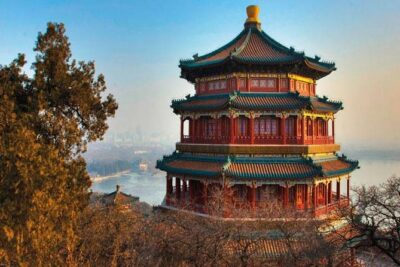
Temple Heaven, Lama Temple, Summer Palace & Peking Duck Bus Tour
Read our review →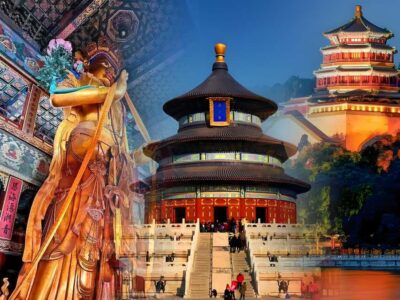
Temple Heaven, Summer Palace, Lama Temple, Hutong Bus Tour
Read our review →
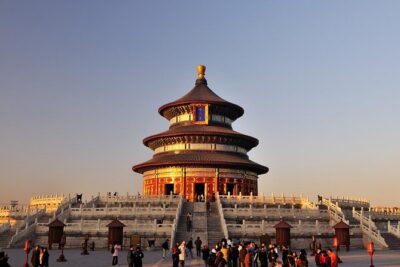
Temple of Heaven, Summer Palace, Lama Temple, Hutong Tours
Read our review →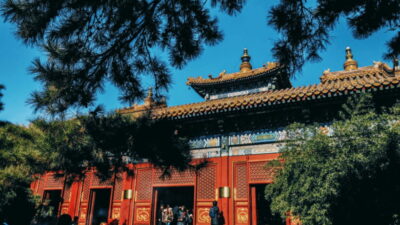
Beijing: Lama Temple (Yonghe Temple) Admission Ticket
Read our review →This tour also ranks in