Review · KARANGASEM
Bali: Mount Agung Sunrise Trekking Tour via Besakih Temple
Mount Agung gives you Bali’s biggest sunrise challenge: a midnight climb to the island’s highest point, at 3,032 meters. From the summit, you can watch dawn spread over Bali, Lombok, and Java, with Denpasar, Ubud, Lovina, and Amed far below.
I like two things here. First, the route begins at Besakih Temple, Bali’s Mother Temple, rather than at a busy resort trailhead. Second, the changing terrain makes the climb feel like a real mountain outing, from tropical jungle to loose volcanic sand and steep rock.
The catch is simple: this is a serious physical test, not a casual sunrise walk. The descent can be very slippery, and you need warm rain gear, strong footwear, snacks, a flashlight, and enough water for a long night on the mountain.
Key points before you book
- The summit sits at 3,032 meters, making this Bali’s highest climb and a demanding overnight adventure.
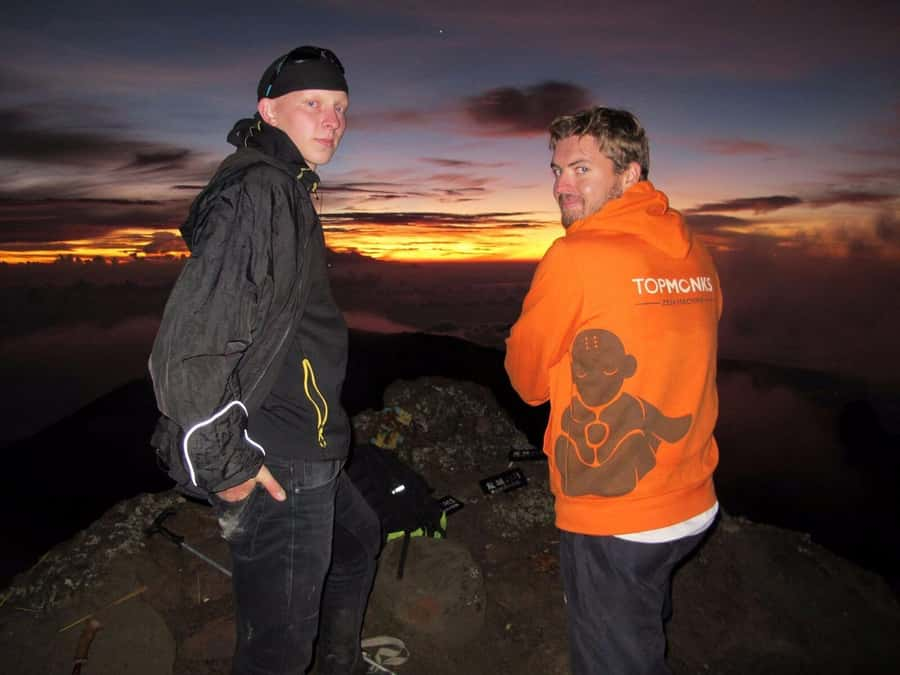
- The hike starts around 11 PM, with the goal of reaching the top as the sky turns red and orange.
- The Besakih route is rough and steep, with jungle, volcanic sand, slippery rock, and a punishing descent.
- Private groups and a live English-speaking guide give you a more personal setup, though guide language ability can vary.
- The $60 price includes useful basics, such as entrance fees, safety equipment, a first aid kit, breakfast, drinks, and a local guide.
- Your own equipment matters greatly, especially shoes, warm clothing, rain protection, snacks, and at least several liters of water.
Why Mount Agung is a different Bali climb
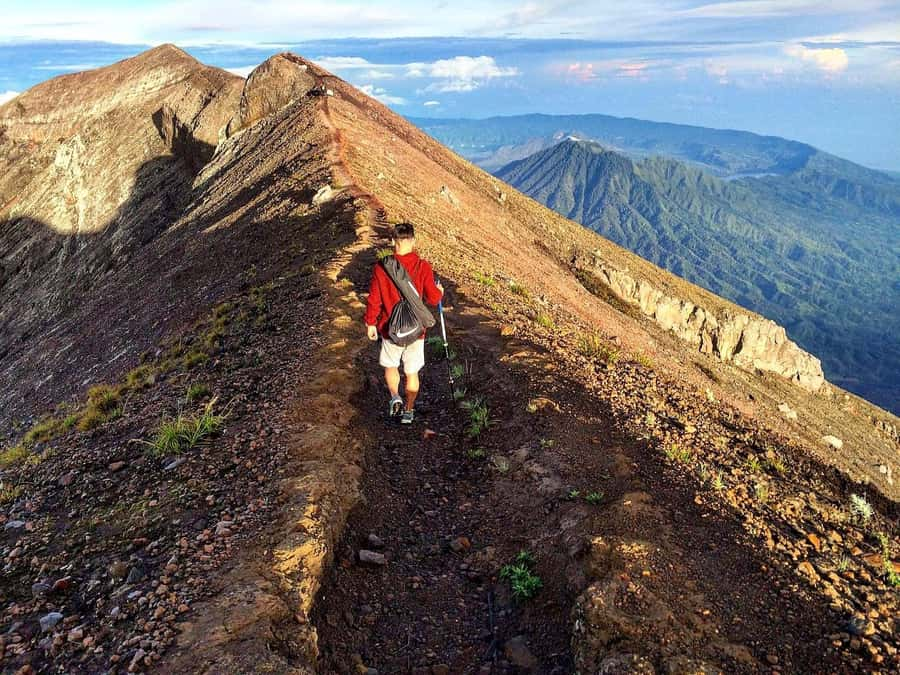
Mount Batur is the better-known sunrise mountain in Bali, but Mount Agung asks much more from you. This climb reaches the island’s highest point, and the route from Besakih is long, steep, and rough underfoot.
The reward is not just a sunrise photo. You get a sense of Bali’s scale from above, with views toward Denpasar, Ubud, Lovina, and Amed, plus the neighboring islands of Lombok and Java when the air is clear.
I also like the setting at the start. Besakih is Bali’s most important temple complex, and the meeting point is Pura Pengubengan Besakih. You do not spend the whole day sightseeing there, but beginning at this sacred site gives the climb a stronger sense of place than a generic mountain pickup.
This is an experience for people who want a hard physical outing. The mountain is the main attraction, not a smooth tour structure or a comfortable night in the hills.
More Temple Sunrise Tours in Indonesia
- North Bali: Sunrise Tour with Dolphins, Waterfalls & Temples
★ 4.6 · 831 reviews - Borobudur ClimbUP guaranteed (sunrise option)& Prambanan Day Tour
★ 5.0 · 142 reviews - Yogyakarta; Sunrise from Borobudur Temple & Prambanan Guided
★ 4.9 · 80 reviews
The 10 PM meeting point at Pura Pengubengan Besakih
The scheduled meeting point is Pura Pengubengan Besakih at 10 PM. If you choose hotel pickup, the drive can begin earlier. One pickup was arranged for 9:30 PM, which gives you an idea of how late the evening starts.
Pickup is available from many Bali hotels, but not from Lovina, Jembrana, or the Balian Beach area. Check the pickup choice carefully before paying, especially if your hotel is on the island’s far western or northern side.
At the temple, you meet the local guide and prepare for the ascent. The tour is described as a private group, which is useful if you want the pace and stops to fit your own party. Still, do not assume that every guide will speak fluent English. One outing had a guide who spoke no English, despite English being the advertised tour language.
That makes a practical difference on a climb. You need clear instructions about pace, slippery sections, rest points, and the timing at the summit. Confirm the guide language before departure if detailed communication matters to you.
From tropical jungle to loose volcanic ground
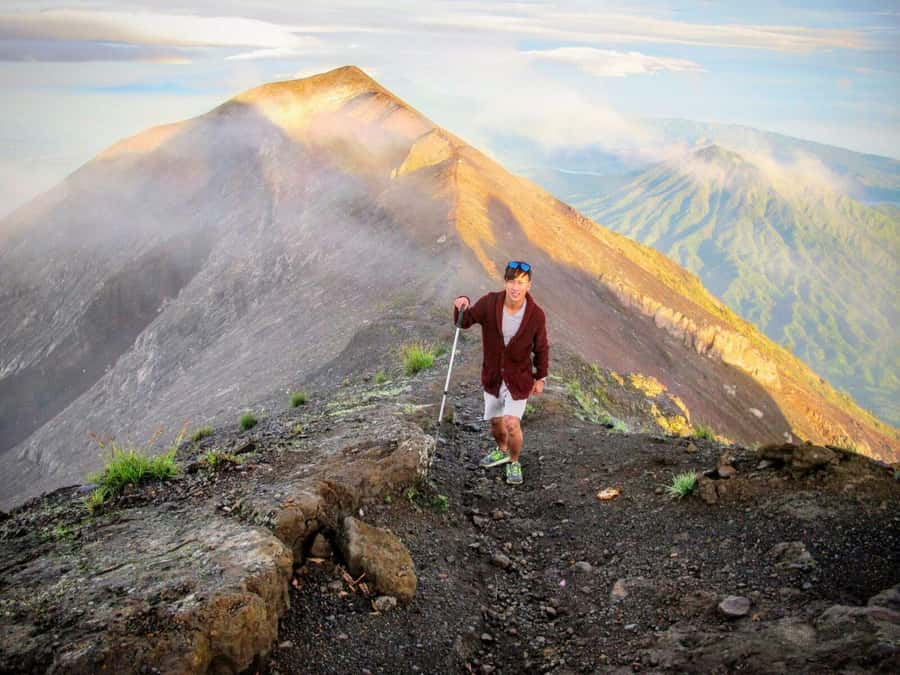
The first part of the walk moves through dense tropical jungle. At this hour, you will see little beyond the beam of your flashlight, so the forest is more about sound, darkness, and the physical work of climbing than about sightseeing.
Bring your own flashlight even if the guide has one. A headlamp is especially useful because you need both hands free on steep or uneven sections, though the supplied information only specifically requires a flashlight.
As you gain height, the vegetation gives way to volcanic sand and steeper terrain. This is where footwear becomes important. Loose volcanic ground can shift beneath your feet, and the final sections include slippery rock.
A runner with ultramarathon experience and a previous 3,000-meter climb found the route extremely difficult. That is a useful warning for fit people who might otherwise treat this as a standard Bali excursion. You do not need to be an elite athlete, but you should be comfortable with a long, steep hike through unstable terrain.
Pack a large backpack. One practical account found that carrying more than 3 liters of water, plus substantial snacks or lunch, required a bigger bag than expected. Small daypacks may leave you short on space and comfort.
Reaching 3,032 meters before sunrise
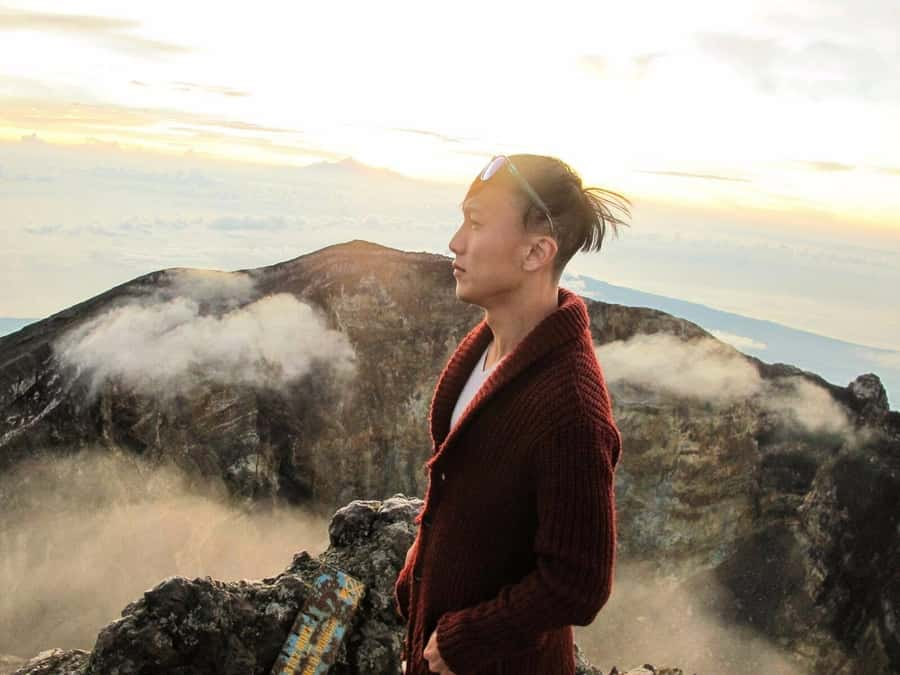
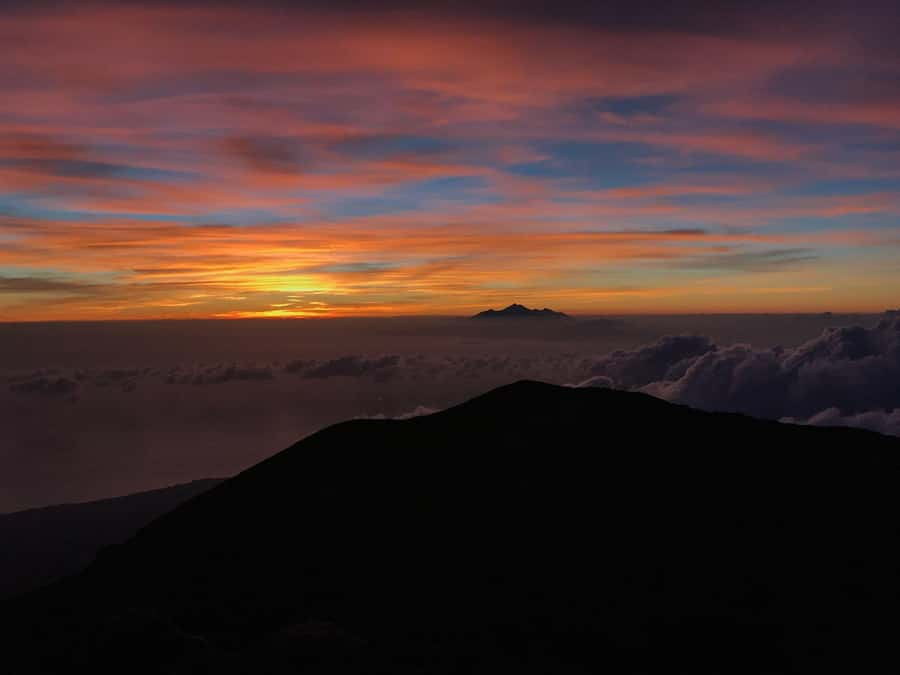
The goal is to reach Mount Agung’s summit before sunrise. At the top, the reward is a broad view across Bali and toward Lombok and Java, with the first light changing from darkness to red, orange, and bright morning color.
The summit experience depends heavily on weather. Clouds can hide the distant islands, and rain can make the rock far more difficult. The trip is subject to weather conditions, so a clear view is never guaranteed.
Timing can also feel awkward. One climb stopped at about 2,600 meters and waited nearly two hours in the cold to avoid reaching the summit too early. If your guide uses a similar plan, you may spend a long period sitting or standing without much shelter.
This is why warm clothing matters even in tropical Bali. Bring a warm layer, rain protection, and clothing that can handle wind and wet conditions. A thin shirt and light jacket are not enough preparation for a long predawn wait at high altitude.
The sunrise itself received the strongest praise in the available feedback. The view can be spectacular, but you should understand the tradeoff: the scenery is excellent when conditions cooperate, while the route and timing can be uncomfortable.
More Uluwatu and Tanah Lot Temple Tours in Karangasem:
- Bali: Lempuyang Temple, Tirta Gangga, and Temesi Waterfall …
★ 4.9 · 120 reviews - East Bali: Lempuyang Temple, Tirta Gangga, and Taman Ujung
★ 4.9 · 35 reviews - Bali : Eastern Bali and Pura Besakih Temple Tour
★ 4.8 · 20 reviews - East Bali Tour: Besakih Temple, Lempuyang Gate, Tirta Gangga
★ 4.6 · 13 reviews
The descent is often harder than the climb
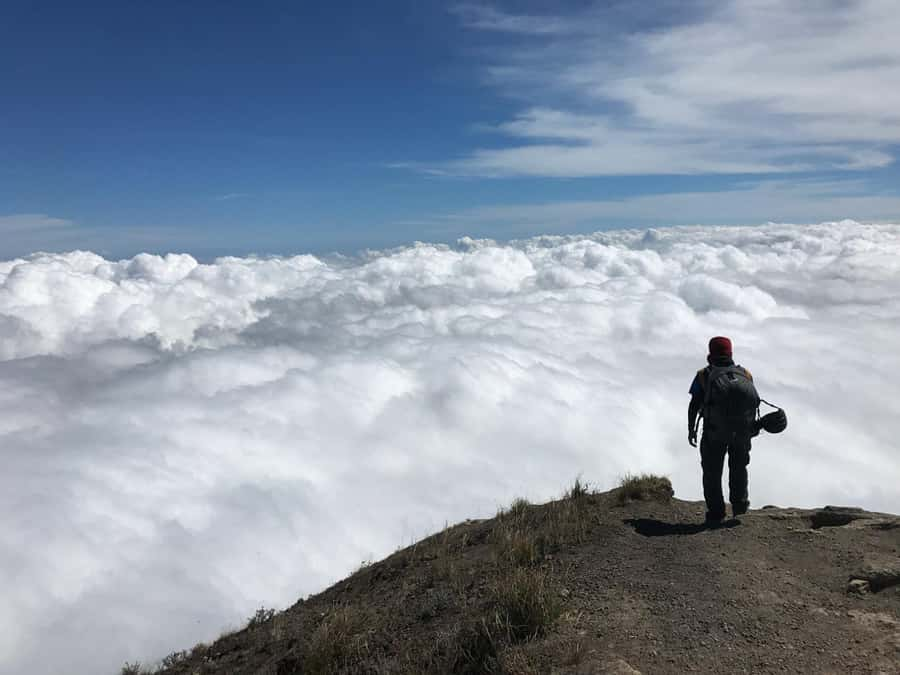
After sunrise, you begin the walk back to the starting point. This sounds easier than going up, but the loose sand and slick rock can make the descent the toughest section.
On wet ground, every step needs care. Good hiking shoes with firm grip are far more suitable than running shoes or casual trainers. The right footwear will not remove the difficulty, but it can reduce sliding and help protect your feet during the long way down.
Use trekking poles if you already own them and can carry them comfortably. They are not listed as included equipment, so you should not expect the operator to provide them.
Your knees and thighs may also feel the descent more than the climb. Take controlled steps rather than rushing, and tell the guide when you need a short rest. A private group should give you more room to manage your pace, but the guide may still move quickly. One party felt its guide was hurrying to finish, so speak up early if the pace is too fast.
The full outing takes about 12 to 16 hours. That includes transportation if selected, the climb, the summit wait, sunrise, and the return. You should not schedule another demanding activity for the same day.
What the $60 price really covers
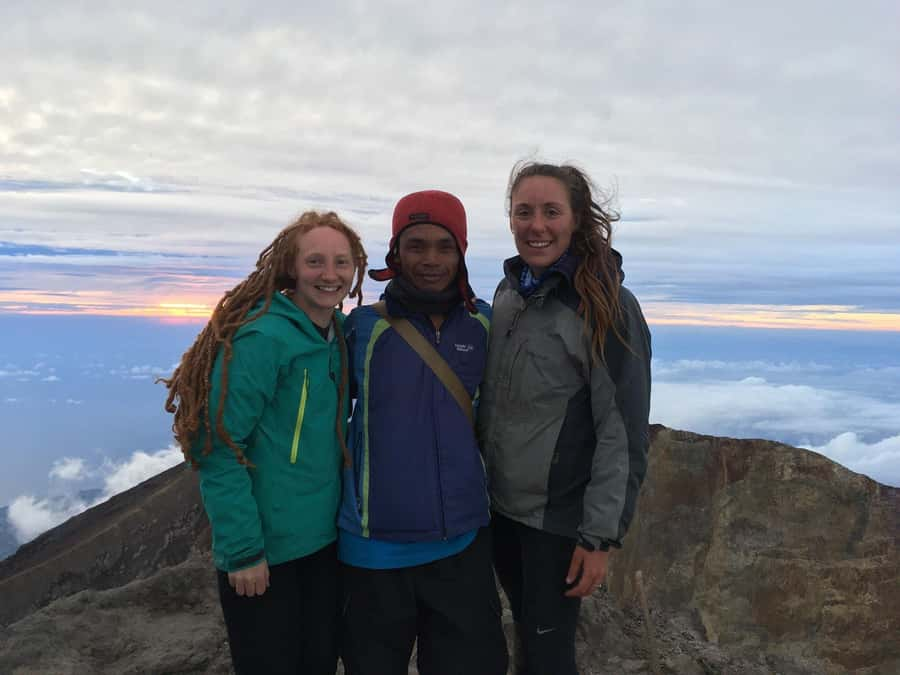
At $60 per person, the tour offers reasonable value if you need a guide and transport support for a difficult mountain route. The listed inclusions cover an experienced local guide, safety equipment, a first aid kit, entrance fees, breakfast, mineral water, tea, and coffee.
Those basics matter on a night climb. Entrance fees and safety equipment save you from arranging separate payments, while the first aid kit gives the group a basic safety backup.
The value drops if you arrive expecting a fully equipped expedition. You are responsible for personal expenses, and you should bring your own snacks and additional water. Breakfast is included, but do not treat it as a full food plan for a 12 to 16-hour outing.
Food planning needs particular care. A vegan request was not properly met on one outing, with only two bananas suitable for that diet. If you have dietary restrictions, carry your own meal and snacks rather than relying on the included breakfast.
There was also a dispute over a drop-off charge when the return point differed from the pickup point, even though the alternate arrangement had been agreed in advance. Confirm your pickup and drop-off locations, and keep the agreement available on your phone.
The tour allows free cancellation up to 24 hours before departure, and you can reserve now and pay later. Those policies help if the forecast looks uncertain, but they do not change the physical demands of the mountain.
The equipment you should bring
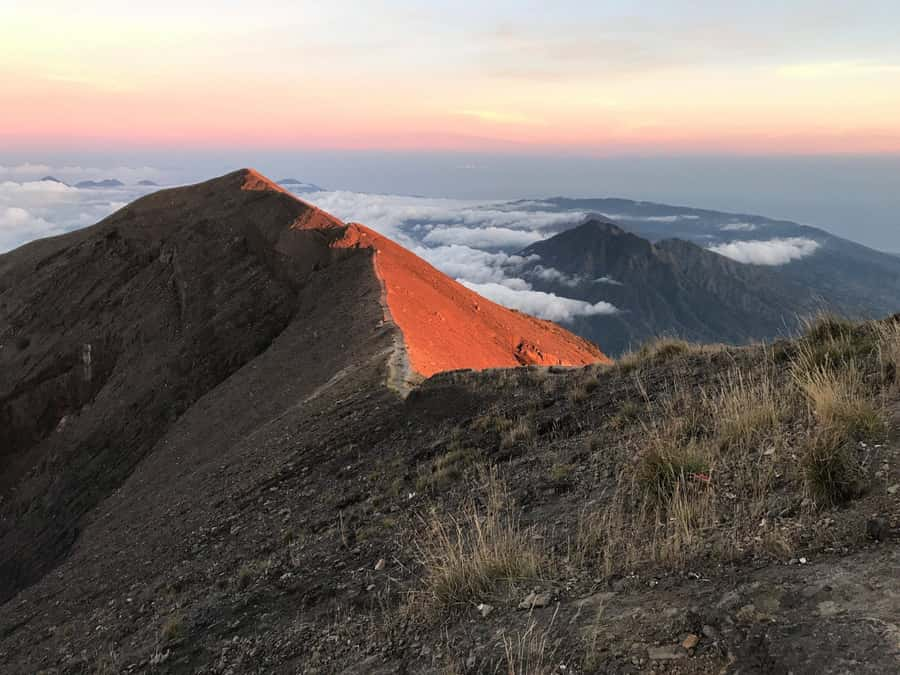
The supplied packing advice is short, but I would take it seriously. Your comfort and safety depend more on your own gear than on the included breakfast or tea.
Bring:
- Sturdy trekking shoes with strong grip
- Warm layers for the summit and any waiting period
- Waterproof or rain-protective clothing
- A flashlight, ideally a headlamp
- A large backpack
- Several liters of water
- High-energy snacks and a packed meal
- Basic trekking gear you already use
The activity information says to bring water and snacks, while the practical experience from the route suggests carrying at least 3 liters of water. That is a lot, but the climb is long and there are no stated refill points.
Do not rely on the listed mineral water to cover the whole day. Treat it as a helpful inclusion, then carry enough water for the complete ascent and descent.
The rules are straightforward. Smoking, alcohol, drugs, and littering are not allowed. That fits the setting, and carrying every wrapper back down is part of being a responsible climber on a heavily used volcanic route.
Who should choose this Mount Agung experience
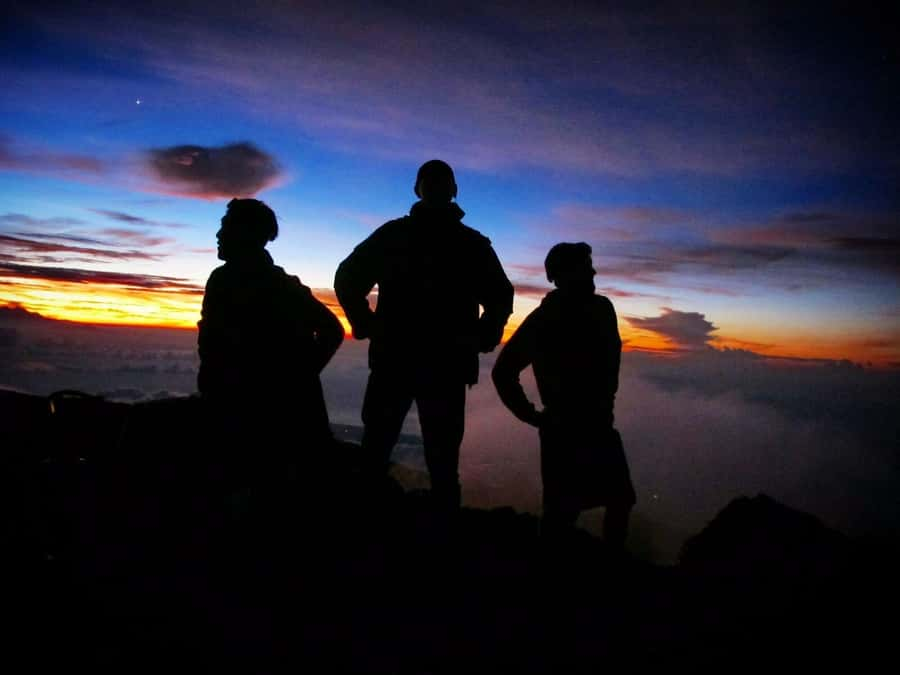
I would recommend this to fit adults who want a hard challenge and care more about reaching Bali’s highest summit than about comfort. It also suits private groups that want a guide and a flexible pace rather than a large organized outing.
It is not suitable for children under 12, pregnant women, people with heart problems, or people with a low level of fitness. The operator specifically requires physical fitness, and the route supports that warning.
You should also think twice if you dislike cold, darkness, long waits, or unstable footing. The sunrise can be beautiful, but you earn it through a demanding night with limited rest.
This is a poor choice if you want a simple tourist activity with easy transport and a polished meal service. The uneven guide communication, possible waiting at altitude, and difficult descent mean you need to be self-reliant.
Small details that can make the night better
Eat a proper meal before pickup, then carry compact foods you know you can tolerate during exertion. Breakfast is included, but the timing and contents may not suit your needs.
Dress in layers rather than wearing one thick item. You can remove clothing in the lower jungle, then add it again during the cold summit wait. Rain protection is important even when the evening begins dry.
Keep your phone and other essentials protected from rain. You may want them for photos at sunrise, but the mountain should come first. Put safety and footing ahead of getting the perfect picture.
Ask about the pace and planned stopping points before setting off. If the guide speaks limited English, agree on simple signals for rest, water, and slowing down.
Finally, confirm the return arrangement. The tour has two possible drop-off locations listed, Bali and Besakih, and a different drop-off from pickup may lead to extra cost or confusion if it was not clearly settled in advance.
Should you book the Mount Agung sunrise trek?
Book it if you want Bali’s highest summit, a genuine overnight mountain challenge, and wide sunrise views toward several islands. The $60 price is fair for a private guided climb with entrance fees, basic safety equipment, drinks, breakfast, and transport options.
Do not book it for an easy morning outing. The route can be extremely difficult, the descent can be slippery for most of the way, and the summit wait may be cold and exposed.
My advice is to book only after checking the guide’s English, pickup and drop-off details, weather policy, and food arrangements. Arrive with serious footwear, warm rain gear, a large pack, several liters of water, and enough food. With that preparation, Mount Agung offers one of Bali’s strongest sunrise challenges. Without it, the same mountain can become an unnecessarily rough night.
FAQ
Where does the Mount Agung trek meet?
The meeting point is Pura Pengubengan Besakih. You should meet there at 10 PM.
What time does the hike begin?
The hike starts at around 11 PM so you can reach the summit for sunrise.
How high is Mount Agung’s summit?
The summit is 3,032 meters above sea level, making it the highest point in Bali.
How long does the whole activity take?
The stated duration is 12 to 16 hours, depending on the selected option and schedule.
Is hotel pickup available?
Optional hotel pickup is available, except for hotels in Lovina, Jembrana, and the Balian Beach area.
Is the tour private?
Yes. The activity is offered as a private group experience.
Is an English-speaking guide included?
A live English-speaking guide is listed as included. You should confirm the guide’s actual English ability before departure if detailed communication is important to you.
What is included in the price?
The price includes a local guide, safety equipment, a first aid kit, entrance fees, breakfast, mineral water, tea, and coffee.
What should I bring?
Bring comfortable trekking shoes, warm clothing, snacks, water, a flashlight, and trekking gear. Rain protection and a large backpack are also wise choices for this long climb.
More temple hikes and treks in Karangasem
- From Barcelona: Montserrat Monastery, Easy Hike, Cable Car
★ 4.9 · 1,021 reviews - From Barcelona: Montserrat Monastery & Scenic Mountain Hike
★ 4.9 · 978 reviews - Chiang Mai – Doi Suthep Temple & Wat Pha Lat Hike
★ 4.6 · 740 reviews - From Sharm: Mount Moses Trekking, Sunrise & Monastery Visit
★ 4.2 · 698 reviews
More Temple Sunrise Tours in Karangasem
- Angkor Wat Sunrise or Sunset Tour with Guide from Siem Reap
★ 5.0 · 12,109 reviews - Siem Reap: Angkor Wat: Small-Group Sunrise or Sunset Tour
★ 5.0 · 9,444 reviews - Siem Reap: Angkor Wat 2-Day Tour with Sunrise and Sunset
★ 4.9 · 4,429 reviews - Angkor Wat Sunrise tour with Small – Group and Guide tours
★ 5.0 · 3,655 reviews
Temple visits we reviewed lately in Karangasem
- Lempuyang Temple: Gate of Heaven★ 5.0 · 3 reviews
- EAST BALI TRIP : BESAKIH TEMPLE/LAKE BATUR/TIRTA EMPUL★ 4.6 · 4 reviews
- East Bali: Lempuyang temple, Tirta Gangga, Taman Ujung★ 4.8 · 10 reviews
- East Bali: Temples, Springs and Beaches★ 4.5 · 6 reviews
- East Bali Tour: Besakih Temple, Lempuyang Gate, Tirta Gangga★ 4.6 · 13 reviews
- Bali: Private Tour to Lempuyang Temple, Tirta Gangga, and …★ 4.7 · 4 reviews
- Bali: Lempuyang Temple, Tirta Gangga, Taman Ujung & Beach★ 4.7 · 6 reviews
- Bali: Lempuyang Temple, Tirta Gangga, and Goa Lawah Tour★ 5.0 · 3 reviews
Karangasem Temple Tours, compared.
Bali/Amed: Underwater Temple Snorkeling Experience
Read our review →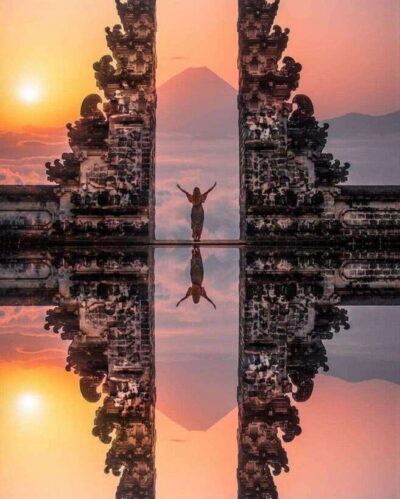
Bali: Lempuyang Temple, Tirta Gangga, and Temesi Waterfall …
Read our review →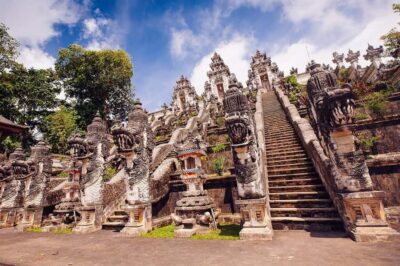
East Bali: Lempuyang Temple, Tirta Gangga, and Taman Ujung
Read our review →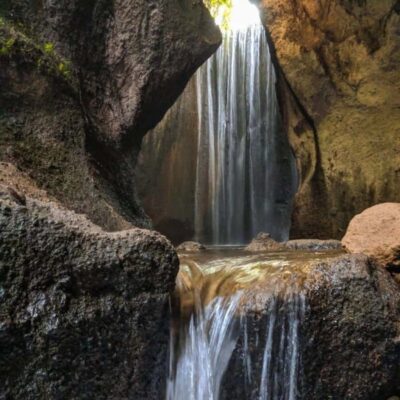
Bali : Eastern Bali and Pura Besakih Temple Tour
Read our review →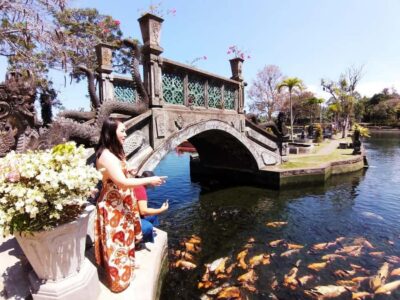
East Bali Tour: Besakih Temple, Lempuyang Gate, Tirta Gangga
Read our review →
Bali: Besakih temple, Tukad Cepung waterfall, Penglipuran
Read our review →