Review · SIEM REAP
Siem Reap: Angkor Wat 2-Day Tour with Sunrise and Sunset
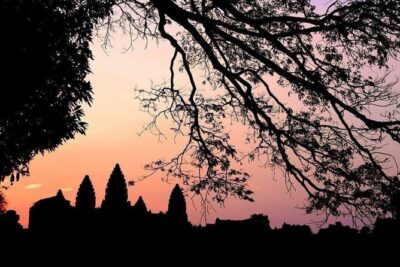
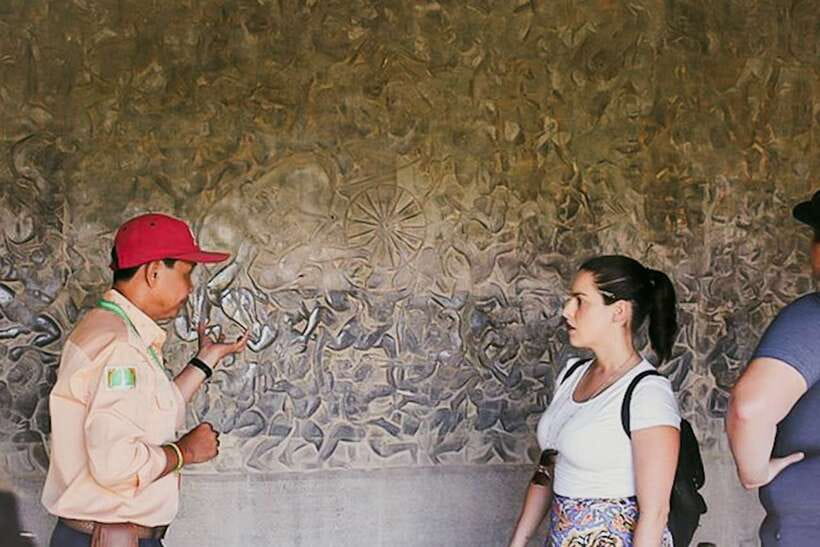
Angkor Wat at sunrise is the hook, but the real value comes from the two-day sweep through 11 temples. I like the early start, which brings cooler air and a better chance of reaching key viewpoints before the largest crowds. I also like having guides such as Sary, Sok, Sam, Vone, and Pheap explain the carvings, faiths, rulers, and daily life behind the stones.
The catch is simple: these are long, hot days. Day one runs roughly 4:30 a.m. to 1 p.m., and day two from 10:30 a.m. to 7 p.m. The $34 price is excellent for the guiding and transport, but you still pay separately for your Angkor temple pass and meals.
Key points to know before booking
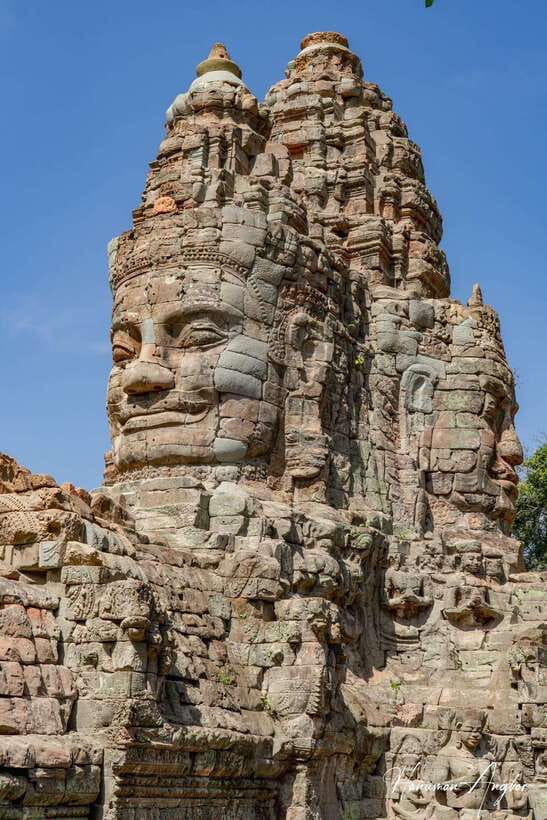
- Sunrise begins around 4:30 a.m. and combines Angkor Wat with Ta Prohm, Bayon, Ta Keo, and Angkor Thom’s South Gate.
- Day two shifts to quieter temples, including Preah Khan, Neak Pean, Ta Som, East Mebon, and Pre Rup.
- English-speaking guides add the real context, with guides such as Nick, Sam, Pheap, and Vone praised for clear stories and good photo spots.
- Air-conditioned minibus transport matters after hours of walking in the heat, and cold water plus refreshing towels are provided.
- The tour visits 11 temples, making it a strong choice if you want an organized introduction instead of arranging separate tuk-tuk trips.
- The temple pass is not included, and suitable clothing means covered shoulders and knees.
Why two days works better than one
Angkor is not one temple. It is a huge archaeological area filled with monuments from different periods, rulers, and religious traditions. A one-day visit can give you Angkor Wat, Bayon, and Ta Prohm, but the experience often becomes a fast march between famous names.
This two-day plan gives you the major sights first, then makes room for the less famous temples. I like that rhythm. Day one gives you the photographs most people come to Siem Reap hoping for. Day two lets you slow down and notice how different the temples can feel.
The three-day temple pass is useful here. You use it across the two guided days, then still have the option of resting on the third day, returning to a favorite site, or hiring a private tuk-tuk for places you want to see again. That extra flexibility is valuable because two full days of ruins can test your legs, attention, and tolerance for heat.
The group may be private or small, depending on the booking. A small group keeps the price low while still giving you a guide to answer questions and point out details that are easy to miss alone.
More Temple Sunrise Tours in Siem Reap
- Angkor Wat Sunrise or Sunset Tour with Guide from Siem Reap
★ 5.0 · 12,109 reviews - Siem Reap: Angkor Wat: Small-Group Sunrise or Sunset Tour
★ 5.0 · 9,444 reviews - Angkor Wat Sunrise tour with Small – Group and Guide tours
★ 5.0 · 3,655 reviews
Day one begins before dawn at Angkor Wat
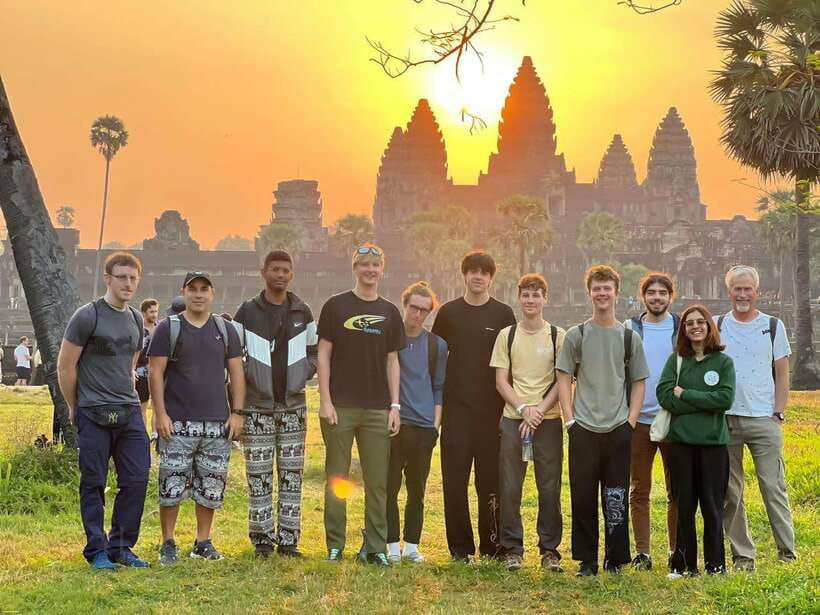
Pickup begins early, around 4:30 a.m. You should be ready at your hotel up to 30 minutes before the stated start time, especially since pickup depends on the address you provide. The first reward is the approach to Angkor Wat while the sky is still dark.
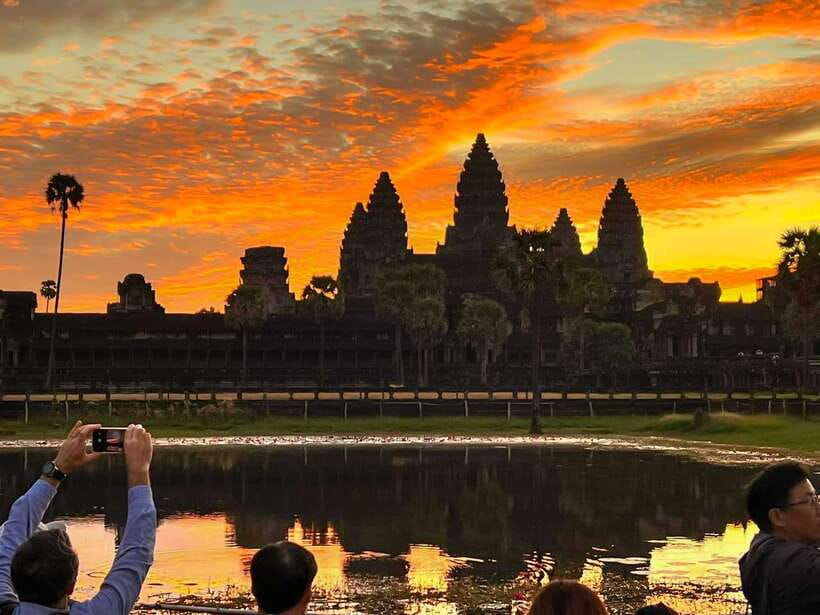
Sunrise is never guaranteed to produce a perfect orange sky. One day may bring clouds or a muted horizon. Still, the sight of Angkor Wat’s towers gradually appearing in the morning light is powerful, and the setting gives the guide a natural place to begin explaining the temple’s role in the Khmer empire.
You will have time for photographs, but do not treat the sunrise stop as the whole event. The temple is worth exploring after the sky brightens, when you can see the galleries, towers, reliefs, and long lines of stone more clearly.
A guide such as Pheap may also help you find a better angle for photographs and explain what you are looking at. This is one of the tour’s strongest features. At Angkor Wat, a guide can connect the building’s design to Hindu belief, royal power, and the later Buddhist use of the site instead of leaving you with a series of impressive but disconnected pictures.
Ta Prohm brings the jungle into the story
Ta Prohm is the temple most associated with the Tomb Raider film, but the movie is only part of its appeal. Trees push through walls and wrap around old stones, showing how the site looked before large-scale conservation work changed some of the ruins.
The tour aims to reach Ta Prohm earlier than some other group outings. That can make a real difference at the best photo points, though this is still one of Angkor’s most popular stops. Move at a steady pace and listen for the guide’s meeting instructions, since it is easy to become absorbed in the corridors and tree-covered walls.
I especially like Ta Prohm as a counterpoint to Angkor Wat. Angkor Wat feels planned, ordered, and grand. Ta Prohm feels more fragile and tangled. The contrast helps you understand that Angkor is not a single visual style.
Bayon, Angkor Thom, and the meaning of the faces
Bayon Temple is famous for its enormous carved faces, many with a calm, almost smiling expression. The faces appear from different angles as you walk through the structure, and your guide can explain the temple’s place under King Jayavarman VII.
Bayon was a Buddhist state temple, which makes it important in the wider story of Angkor’s changing religious life. The complex also carries traces of Hindu influence, and a good guide helps you follow those changes without turning the visit into a lecture.
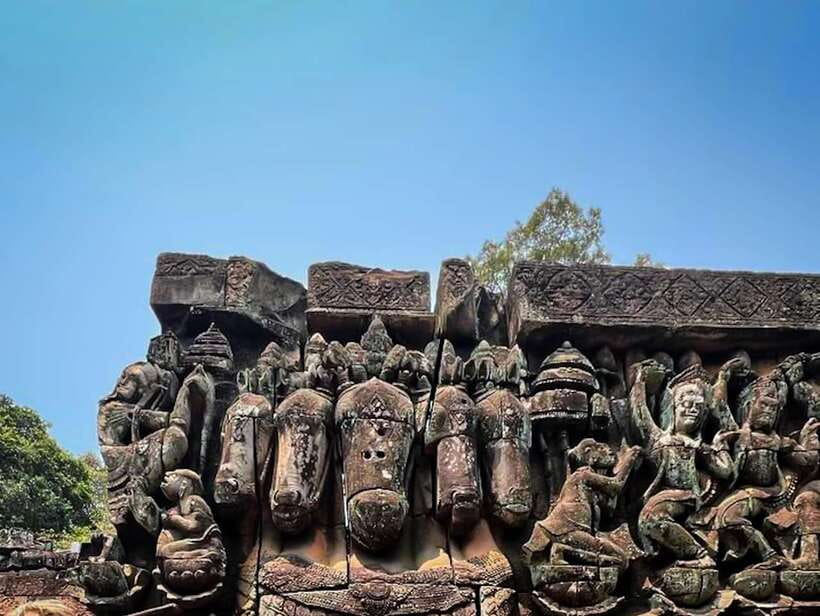
The surrounding Angkor Thom area gives you more than one photo stop. You will also see the South Gate, reached by a bridge lined with figures of gods and demons holding a seven-headed naga. It is a memorable entrance, but it can also be crowded. Your guide may adjust the order or timing to avoid the thickest flow of people.
Several people praised guides including Nick, Sayon, and Sok for keeping the day organized and finding viewpoints away from the heaviest crowds. That skill matters most at Angkor Thom, where a few minutes can change the feel of a stop.
More Temple Sunset Tours in Siem Reap
- Siem Reap: Full-Day Angkor Wat Guided Tour with Sunset
★ 4.9 · 3,803 reviews - Angkor Wat Sunset Small Group Tour with Lunch Included
★ 5.0 · 3,059 reviews - Siem Reap: Angkor Wat Sunrise or Sunset Guided Tour
★ 4.9 · 2,123 reviews - Full-Day Guided Sunset Tour of Angkor Wat
★ 5.0 · 1,507 reviews
Ta Keo adds a climb and a change of pace
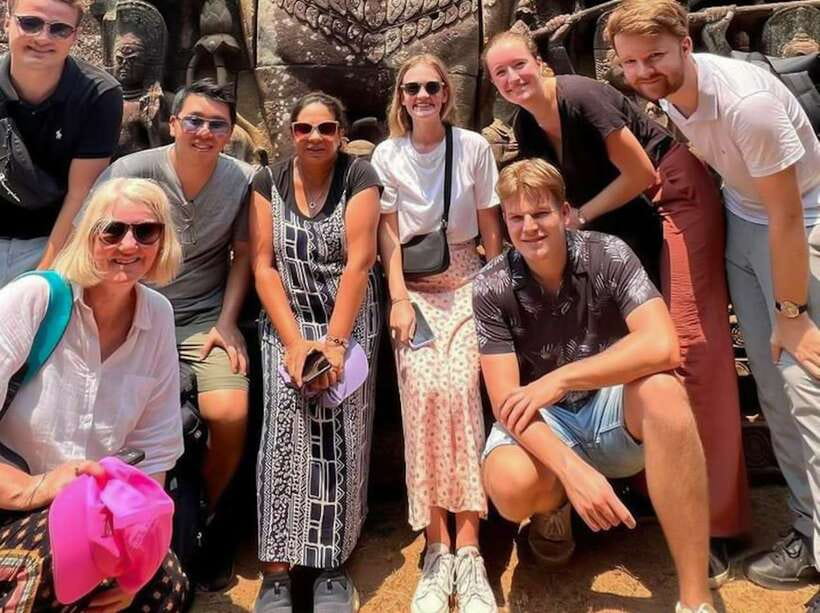
Ta Keo is a 10th-century mountain temple with steep steps. The climb is not the longest part of the day, but after an early start and several temple walks, it can feel demanding.
You should wear shoes and clothes suited to uneven ground. The tour information asks you to avoid shorts, short skirts, and sleeveless shirts, both for local temple standards and practical sun protection. Covered clothing also helps during the long hours outside.
Ta Keo is less about delicate jungle growth or famous faces and more about height, mass, and strong geometric lines. Its unfinished or stark appearance gives you another useful comparison within the Angkor area.
Day one finishes around 1 p.m., which is welcome. You can return to your hotel, eat, rest, and recover before the second outing. Do not underestimate that break. The schedule is efficient, but it is not light.
Day two reaches the quieter outer temples
The second day begins around 10:30 a.m. and continues until about 7 p.m. This later start gives you a chance to sleep in after sunrise day, and the route focuses on temples that often feel calmer than Angkor Wat, Bayon, and Ta Prohm.
Preah Khan is one of the largest stops on this circuit. Long corridors, carved details, and partially restored areas give you a sense of how extensive the complex was. The temple was built by King Jayavarman VII for his father, adding a personal element to the royal and religious story.
Neak Pean is smaller and more unusual. The temple sits on an island surrounded by water, which was used for bathing and health during the Angkor period. It is a good reminder that these sites were not only places for worship. Water management, ritual, health, and royal planning were tied together.
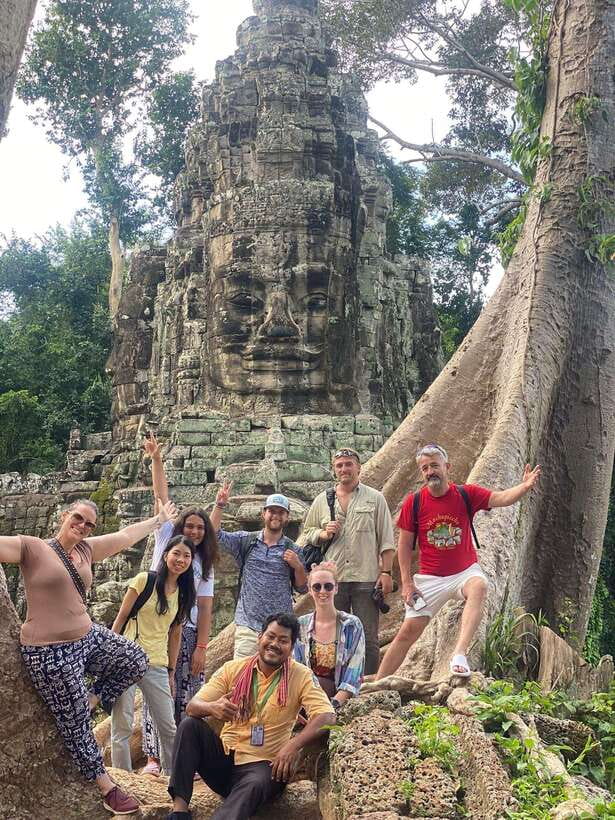
Ta Som has a memorable eastern gate with a large tree growing over it. The temple also contains many carved dancers with long hair and was built for the king’s sister. Compared with Angkor Wat, Ta Som is a more intimate stop, and you can often spend time looking closely at details rather than trying to absorb a huge monument all at once.
East Mebon and Pre Rup explain royal ambition
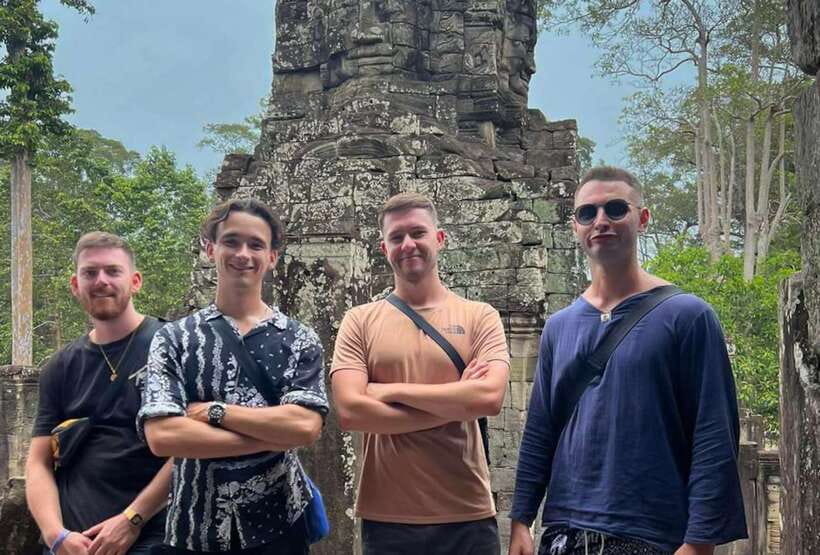
East Mebon once sat in the middle of a reservoir. Today, you see a temple on dry ground, but the original setting helps explain how water shaped Angkor’s power and daily life.
The temple was built for the ancestors and dates to the 10th century. Its position, towers, and surviving carvings reward a slower look. Ask your guide to explain what changed when the reservoir disappeared from the modern view. Without that context, the site can seem isolated from the larger system around it.
Pre Rup was built by a king for himself. Its stepped form is easy to compare with Ta Keo, though the two temples have different details and associations. The site is sometimes mistaken for a crematorium because of a stone structure resembling a coffin. The explanation given here connects it to Hindu meditation during the full moon, not simply to death or burial.
These stops are where a strong English-speaking guide becomes especially useful. Sam, Vone, John, and Pheap are among the guides praised for making religious ideas and royal timelines easier to follow. You do not need to arrive with a background in Cambodian history. You do need to stay curious and ask questions.
Sunset at Phnom Bakheng finishes the second day
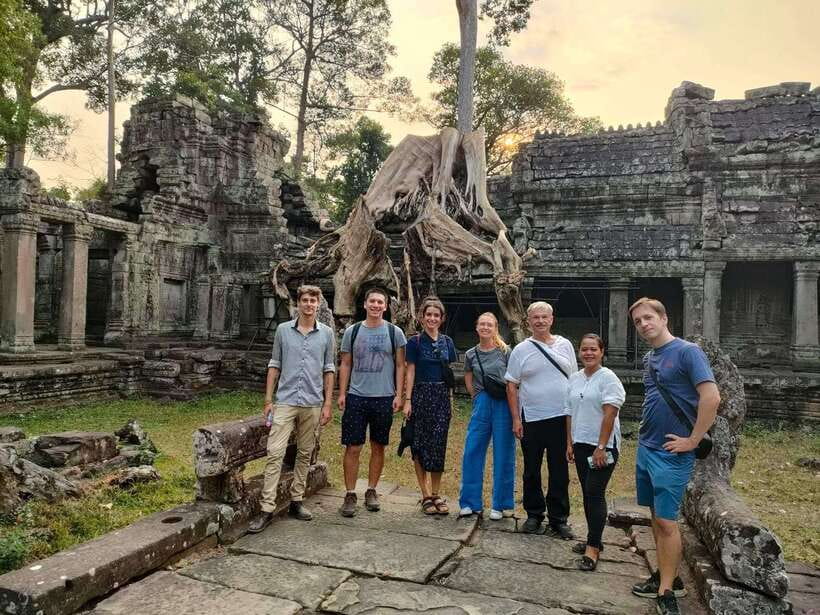
Phnom Bakheng sits on a hill, and the climb gives you a different view from the flat temple grounds. Its 33 towers are associated with the heavens, and the elevated setting makes sunset a fitting final stop.
The sunset is weather dependent, just like the sunrise. If clouds cover the horizon, the climb and the view can still be worthwhile, but you should not book this expecting a guaranteed postcard sky.
The hill and the late hour can make this part tiring. After two days of temples, it is reasonable to treat the sunset as a quiet ending rather than one more item to rush through. The tour returns around 7 p.m., so plan on a late meal and an easy evening.
The supplied schedule describes sunrise on day one or sunset on day two, while the detailed plan includes both. Confirm the exact arrangement when booking, especially if the sunrise and sunset are essential to your plans.
What the $34 price really covers
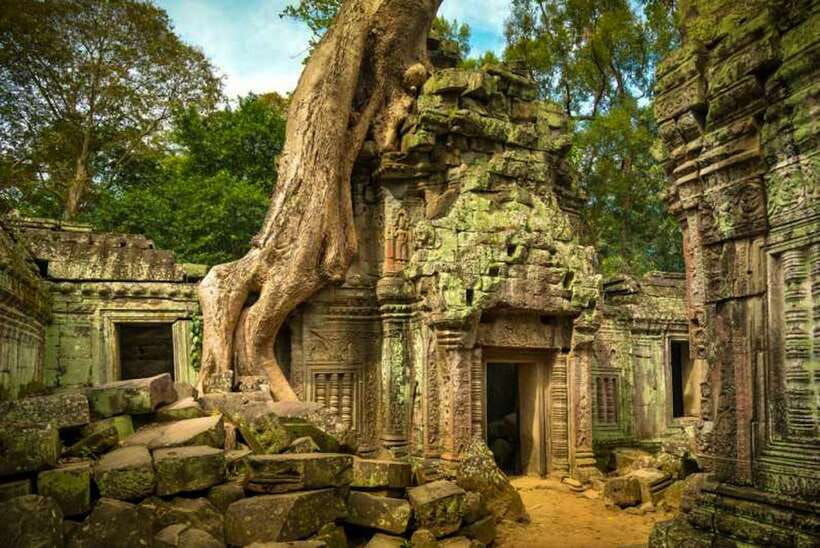
At $34 per person, this is a strong-value way to cover a large section of Angkor. The cost includes hotel pickup and drop-off, an air-conditioned minibus, an English-speaking guide over two days, visits to 11 temples, bottled water, refreshing wipe towels, and local tax.
The main extra cost is the Angkor Archaeological Park entry pass. You buy it yourself online through the Cambodian government’s Angkor Enterprise website or at the ticket office after pickup. Meals are also separate.
The air conditioning is not a minor perk. Reviews repeatedly praise the cool vans, safe drivers, and regular cold water. After walking across open courtyards and climbing temple steps, returning to a cool vehicle can reset your energy for the next stop.
The tour also keeps the transport simple. You do not need to negotiate a separate tuk-tuk for each day or find a guide at every temple. At this price, the combination of transport and interpretation is more useful than the low headline cost alone suggests.
Heat, clothing, and physical effort
Prepare for long days outside. Bring sunglasses, sunscreen, comfortable clothing, and a charged smartphone. Water is supplied, but you should still make use of every rest stop and food break.
The schedule includes occasional pauses, and cold water and wipe towels are provided. Guides have also helped people who needed to slow down on steps or manage the heat. Still, this is not a gentle sightseeing ride. You walk on uneven ground, climb temple steps, and remain outdoors for hours.
The information is inconsistent about accessibility. It says the activity is wheelchair accessible, but it also says it is not suitable for wheelchair users and people over 70. Because the temples have uneven paths and steps, anyone with mobility concerns should confirm the actual arrangements before paying.
The clothing rules are firm: no shorts, short skirts, or sleeveless shirts. Dress for temple access and sun protection. Alcohol and drugs are not allowed.
Which guide style will suit you
The guide can shape the entire experience. Sary, Sok, Sam, Vone, Pheap, Nick, Sayon, and John are all named among the guides leading these outings. Their strengths vary, but the best feedback centers on clear English, humor, historical context, photo help, and careful timing.
Nick, also called Kosal, is praised for keeping the group on schedule while explaining mythology in an entertaining way. Pheap is noted for finding sunrise viewpoints, taking group photographs, and telling vivid stories. Sam is often described as strong on temple origins and religious context, while Vone is praised for making complex subjects easy to follow.
You may have a different guide on each day. That is not a problem here. Day one and day two cover different types of temples, and two guide voices can keep the material fresh.
Should you book this Angkor tour?
Book it if you want the main Angkor sights plus several quieter temples without arranging transport and guides yourself. It is especially useful for first-time visitors, solo visitors who prefer a small group, and anyone staying in Siem Reap long enough to use the three-day pass.
Think twice if you dislike pre-dawn starts, long walks, hot weather, or set schedules. A private tuk-tuk and a more flexible plan may suit you better, but you would need to arrange the guiding and temple explanations separately.
For most people, I would choose this tour when the goal is to understand Angkor rather than simply photograph it. The price is low, the route is broad, and the air-conditioned transport makes the physical demands easier. Just buy the temple pass separately, dress correctly, protect yourself from the sun, and keep your expectations realistic about sunrise and sunset weather.
FAQ
How long does the tour last?
The experience runs over two days. Day one is scheduled from about 4:30 a.m. to 1 p.m., and day two runs from about 10:30 a.m. to 7 p.m.
Does the $34 price include the Angkor temple pass?
No. You must purchase the Angkor Archaeological Park entry ticket separately, either online through the government website or at the ticket office.
How many temples does the tour visit?
The tour includes visits to 11 temples across the two days.
Is hotel pickup included?
Yes. Hotel pickup and drop-off are included. You should be ready up to 30 minutes before the start time and provide the correct hotel address.
Is transportation air-conditioned?
Yes. The tour uses an air-conditioned minibus.
Are meals included?
No. Meals are not included, though the schedule allows occasional food and rest breaks.
Is the tour available with a private group?
Yes. Private and small-group options are available.
What language does the guide speak?
The live tour guide speaks English.
What clothing should I wear?
Wear comfortable clothing that covers your shoulders and knees. Shorts, short skirts, and sleeveless shirts are not allowed.
More two-day temple trips in Siem Reap
- 2 Days Exclusive Temple Highlights with Sunset and Sunrise Tour
★ 5.0 · 1,157 reviews - Siem Reap: Angkor Sunrise 1- or 2-Day Guided Temples Tour
★ 4.9 · 1,132 reviews - 2-Day Angkor Wat With Small, Big Circuit and Banteay Srei Tour
★ 5.0 · 545 reviews - Siem Reap: 2-Day Temple Highlights Sunrise and Sunset Option
★ 4.9 · 445 reviews
More Angkor Wat Tours in Siem Reap
- Angkor Wat Highlights and Sunrise Guided Tour from Siem Reap
★ 5.0 · 3,213 reviews - Full-Day Angkor Wat Sunrise Private Tour with Guide from Siem Reap
★ 5.0 · 2,920 reviews - Angkor Wat Sunrise & 3 Main Temples with Breakfast – Small Group
★ 5.0 · 2,857 reviews - Siem Reap: Angkor Wat Sunrise and Full-Day Sightseeing Tour
★ 4.9 · 2,828 reviews
Temple visits we reviewed lately in Siem Reap
- Angkor Wat Tour by Tuk-Tuk with English Speaking Driver★ 4.5 · 65 reviews
- Private Sunrise Angkor Wat Tour★ 4.6 · 16 reviews
- Private One Day Tour with Sunrise at Angkor Wat★ 5.0 · 3 reviews
- Siem Reap Tour Guide: Angkor Wat Sunrise Tour & Beng Mealea★ 5.0 · 4 reviews
- Siem Reap Private Tour: Angkor Wat Sunrise And Banteay Srei★ 5.0 · 3 reviews
- Private Angkor Wat Sunset Tour with Lunch and Snack Included★ 5.0 · 3 reviews
- Private Angkor Wat Sunrise Tours And Sunset Floating Village★ 5.0 · 3 reviews
- Private Angkor Wat Temple Tour★ 5.0 · 35 reviews
Siem Reap Temple Tours, compared.
Angkor Wat Sunrise or Sunset Tour with Guide from Siem Reap
Read our review →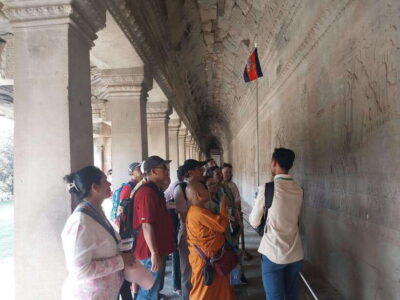
Siem Reap: Angkor Wat: Small-Group Sunrise or Sunset Tour
Read our review →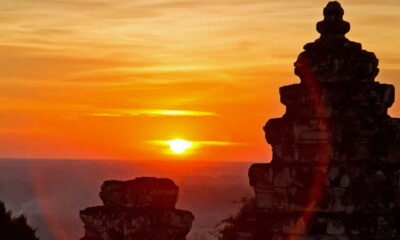
Siem Reap: Full-Day Angkor Wat Guided Tour with Sunset
Read our review →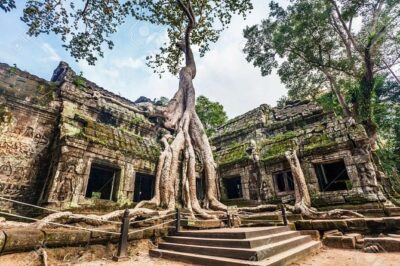
Angkor Wat Sunrise tour with Small – Group and Guide tours
Read our review →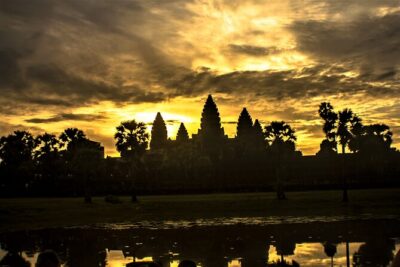
Angkor Wat Highlights and Sunrise Guided Tour from Siem Reap
Read our review →
Angkor Wat Sunset Small Group Tour with Lunch Included
Read our review →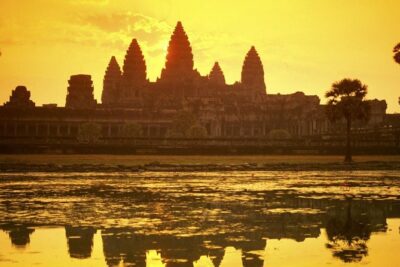
Full-Day Angkor Wat Sunrise Private Tour with Guide from Siem Reap
Read our review →