
Review · SIEM REAP
2-Day Angkor Wat With Small, Big Circuit & Banteay Srei Tour
Angkor Wat is only the beginning here. Over two long days, you see the famous temple at sunrise, follow jungle-covered paths at Ta Prohm, walk through the old center of Angkor Thom, and reach far-flung temples such as Banteay Srei and Ta Som. A private English-speaking guide lets you adjust the pace and focus.
I like the careful routing, with one day devoted to Angkor Wat, the Small Circuit, and Angkor Thom, then a second day for the Big Circuit and countryside temples. I also like the practical touches: air-conditioned transport, cold water, and cool towels after hot walks.
The main consideration is cost. The $136 price covers your vehicle, guide, and hotel transfers, but not food or the temple pass, which costs $62 per person for two or three days. You also need stamina: this is a full two-day program with early starts, long walks, stairs, and plenty of sun.
Key points at a glance
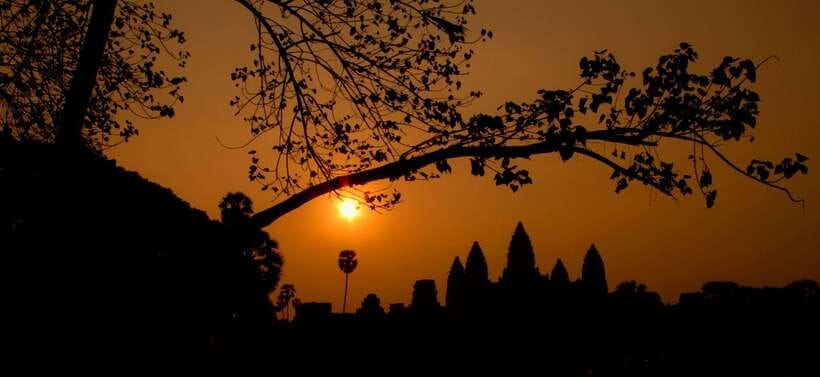
- Sunrise and sunset in one two-day plan: Begin with sunset at Phnom Bakheng, then return early the next morning for sunrise at Angkor Wat.
- A private guide named Chhay or Bunhak may shape the day: Guides can adjust the pace, explain religious symbolism, and help you find useful photo positions.
- Ta Prohm delivers the jungle-temple drama: Giant tree roots cover parts of the temple made famous by Tomb Raider.
- Angkor Thom packs in several major sights: Bayon, Baphuon, the Reclining Buddha, the Royal Enclosure, and the Elephant Terrace all fit into one walking route.
- Banteay Srei adds a different style: Its pink sandstone carving and connection to Hindu goddesses make it unlike the larger gray temples.
- The $136 price excludes two important costs: Budget separately for the Angkor temple pass and meals at local restaurants.
Two days that make sense for Angkor
Angkor is too large for a quick morning visit. The temples are spread across a broad area, and the strongest experience comes from seeing different styles, periods, and settings rather than rushing from Angkor Wat to one other monument.
This tour gives you two full days with a private vehicle and guide. That matters in Cambodia’s heat. You can walk through a temple, return to the car for a cold drink and towel, then continue without spending time finding a taxi or waiting for a larger group.
The plan also has a sensible rhythm. Day one covers the best-known temples and the old royal city. Day two moves farther out to the Big Circuit, Banteay Srei, Banteay Samre, and Banteay Kdei. Since this is a private group, you can ask your guide to slow down at a place that catches your interest or move on when a temple feels less important to you.
The tour has a rating of 4.3 from six bookings, with strong praise for guides Chhay and Bunhak, drivers including That and Sreang, the clean van, picture stops, and the refreshing towels and water. The names are useful to know, though your assigned guide may be different.
More Angkor Wat Tours in Siem Reap:
- Angkor Wat Sunrise or Sunset Tour with Guide from Siem Reap
★ 5.0 · 12,109 reviews - Siem Reap: Angkor Wat: Small-Group Sunrise or Sunset Tour
★ 5.0 · 9,444 reviews - Siem Reap: Angkor Wat 2-Day Tour with Sunrise and Sunset
★ 4.9 · 4,429 reviews
Morning at Angkor Wat, the great first stop
Your first morning starts with hotel pickup in Siem Reap and a drive to Angkor Wat, the largest religious temple in the program and one of the defining monuments of Cambodia.
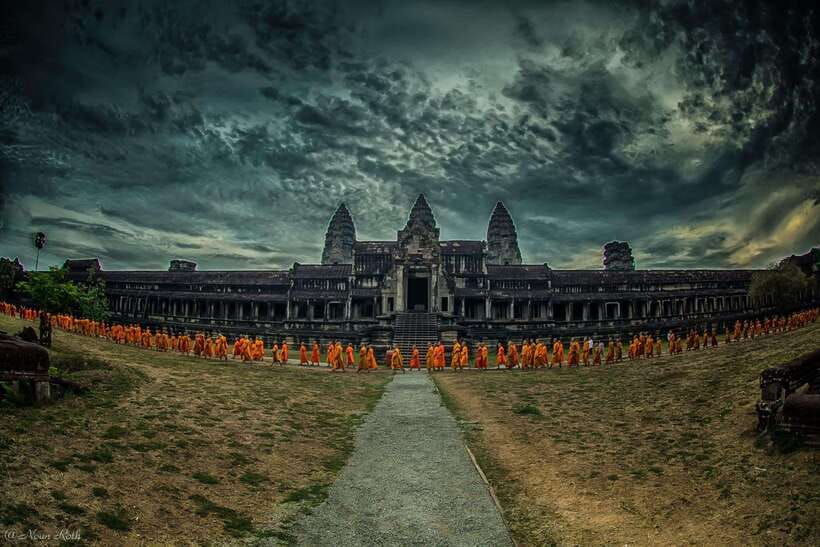
Give yourself several hours here. Angkor Wat is not a single room or viewpoint. You move through galleries, courtyards, towers, and long stone corridors, with carved scenes and religious imagery appearing at different points along the route. Your guide can explain the temple’s Hindu origins, its later Buddhist use, and the meaning behind its layout.
This is where a guide earns the fee. Without help, it is easy to see only giant walls and impressive towers. A licensed English-speaking guide can connect the carvings, architecture, and religious traditions to Cambodian culture. Guides such as Chhay and Bunhak are also praised for giving historical, mythological, and cultural explanations in English.
Wear shoes suited to uneven temple paths. Bring sun protection and be ready for a substantial amount of walking. The air-conditioned vehicle is welcome between stops, but much of the actual sightseeing happens outdoors.
Ta Prohm and the Small Circuit
After Angkor Wat, the route continues around the Small Circuit. The emotional centerpiece is Ta Prohm, the temple associated with Tomb Raider.
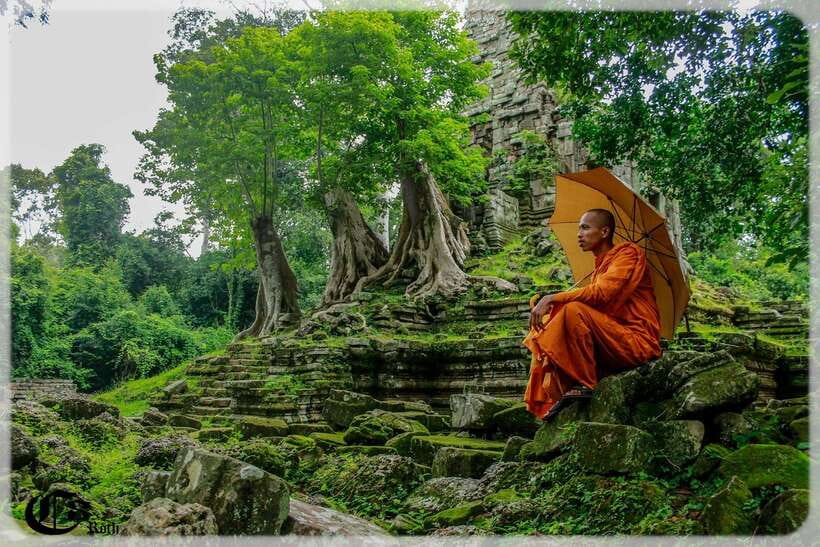
Ta Prohm has a different mood from Angkor Wat. Here, stone galleries and doorways sit among large trees, and thick roots curl over walls and towers. The trees are not decorative landscaping. They are part of the visual power of the place, showing how the temple looked after long periods of neglect and exposure to the forest.
I like Ta Prohm because it gives you a clear sense of nature pressing into the ruins. The famous film connection draws plenty of attention, but the temple is worth your time even if you have never seen the movie.
You then continue to Ta Nei, a smaller and quieter temple on the circuit. It is a useful contrast after the size of Angkor Wat and the drama of Ta Prohm. Since the schedule is private, you can ask for more time for photographs or a shorter stop if the heat is building.
Lunch is taken at a local restaurant, and the cost is not included. The tour does not name a fixed restaurant or set menu, so plan to pay directly and allow some flexibility in the day. Cold water and face towels are included, which is a small but welcome comfort after the morning’s walking.
Angkor Thom, Bayon, and the old royal center
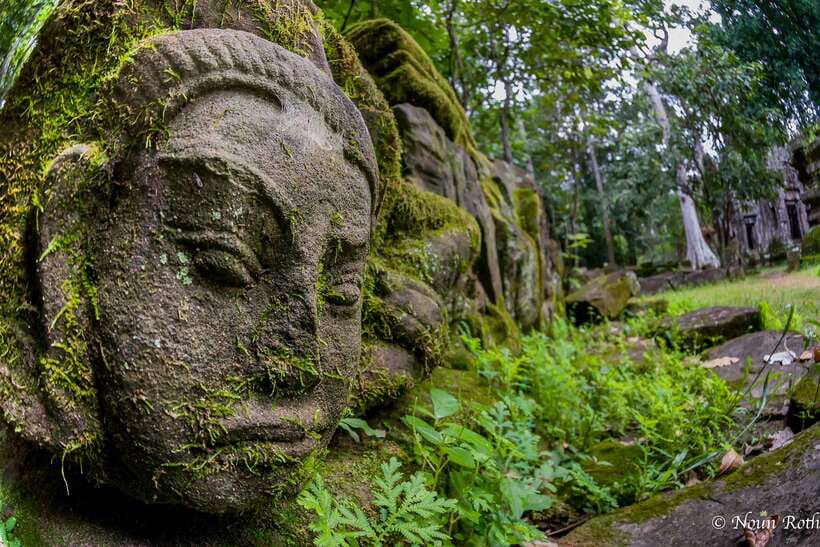
The afternoon continues to Ta Nei and Angkor Thom, the great walled city at the heart of the Angkor complex. You enter through either the Victory Gate or the Death Gate, depending on the route selected for the day.
Bayon is the major stop inside Angkor Thom. Its towers carry the famous smiling faces, and the program identifies 49 smiling towers. The temple can feel confusing at first, with passages and towers crowding together. A guide helps you see the faces from different angles and understand how the temple’s plan differs from Angkor Wat.
Nearby, Baphuon offers a different architectural experience. Behind it is a large Reclining Buddha, an unusual feature that is easy to miss if you simply follow the main path. Your guide can point out the Buddha and explain how the monument fits into the wider religious setting.
The route then passes through several parts of Angkor Thom:
- The Royal Enclosure Wall
- Phimeanakas
- The Elephant Terrace
- The Leper King Terrace
- Palilay
This is a lot to cover in one afternoon. Some stops are brief views rather than long temple explorations, so tell your guide what interests you most. If you care about royal ceremonies, defensive walls, sculpture, or religious buildings, the private format lets you make that preference clear.
More two-day temple trips in Siem Reap:
- 2 Days Exclusive Temple Highlights with Sunset and Sunrise Tour
★ 5.0 · 1,157 reviews - Siem Reap: Angkor Sunrise 1- or 2-Day Guided Temples Tour
★ 4.9 · 1,132 reviews - 2-Day Angkor Wat With Small, Big Circuit and Banteay Srei Tour
★ 5.0 · 545 reviews - Siem Reap: 2-Day Temple Highlights Sunrise and Sunset Option
★ 4.9 · 445 reviews
Phnom Bakheng at sunset
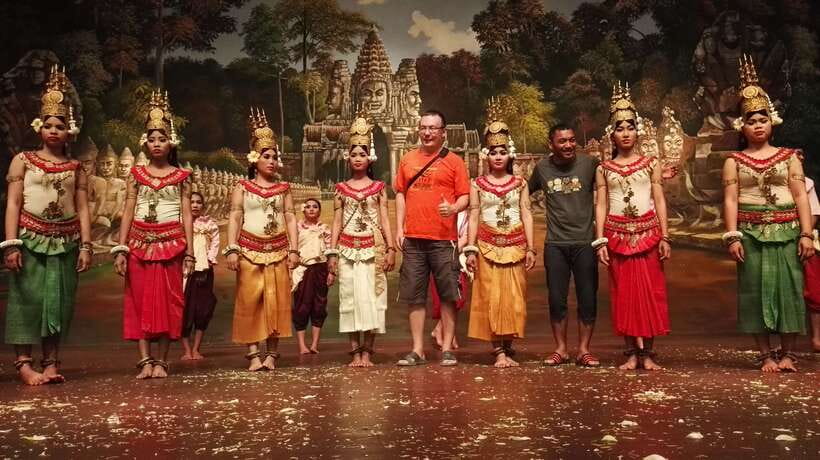
The first day finishes at Phnom Bakheng for sunset. The hill gives you a wide view over the surrounding area and a chance to end the day away from the tight corridors of the temples.
Sunset timing depends on the season and the day’s pace. After a morning and afternoon of temple walking, the climb can feel demanding. You may find the light and view worth the effort, but it is wise to treat this as an optional highlight rather than a guaranteed quiet moment.
The tour description calls for a beautiful sunset view, but conditions can change. Clouds, heat, and the number of people at the hill all affect the experience. Your guide can help you decide how much time to spend here and how quickly to leave for the vehicle afterward.
Angkor Wat sunrise, then back to breakfast
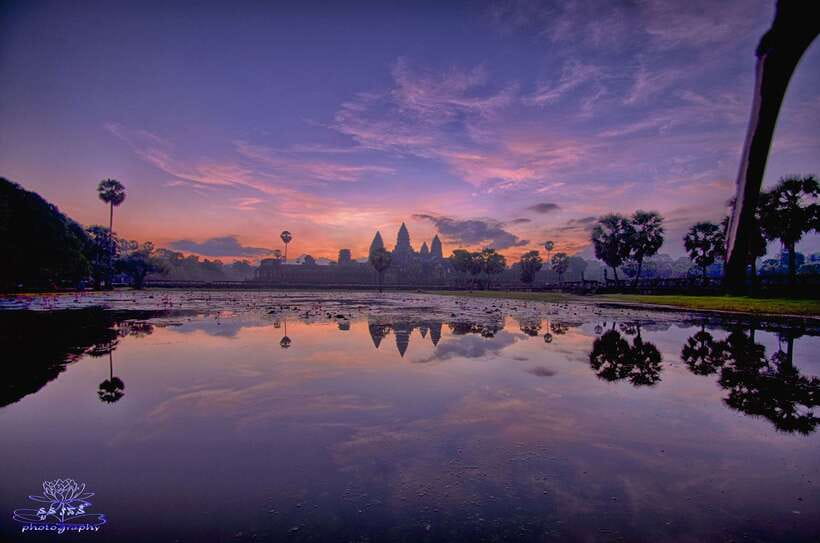
Day two begins early with sunrise at Angkor Wat. This is the tour’s most popular photo moment, so your guide and driver take you back to the temple before the day becomes hot.
The best part of a private arrangement is flexibility. Your guide can help position you for a view of the temple as the sky brightens, then get you back to the car when you are ready. One guide, Bunhak, is praised for finding good photo spots, a useful quality at a crowded sunrise site.
After sunrise, you return to your hotel for breakfast or stop at a restaurant. Breakfast is not included. Be clear about your preference when arranging the morning, because the rest of the day includes several temples and a drive into the countryside.
Sunrise and sunset on consecutive days make the schedule demanding, but they also give you two different views of Angkor Wat. Morning light changes the color and mood of the towers, while sunset at Phnom Bakheng provides a broader view from above.
The Big Circuit: Preah Khan to Pre Rup
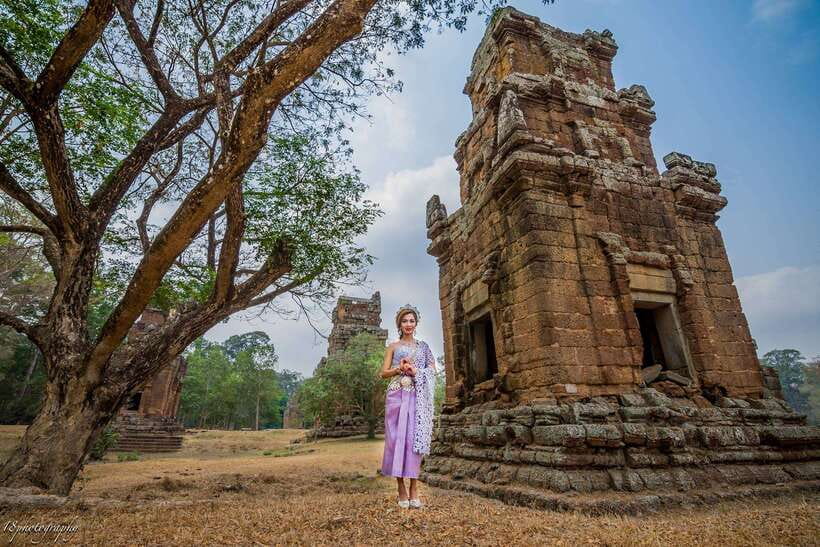
Once breakfast is finished, the second day turns to the Big Circuit. The first major stop is Preah Khan, a large temple complex with long corridors, carved details, and a less compact feel than Bayon. You need time to walk through it properly, so do not judge it from the entrance alone.
Neak Pean is a smaller and more unusual stop. Its design centers on water, with a central structure reached across a raised path. It offers a change of pace after the larger temple compounds.
Ta Som brings back the jungle-temple feeling. Like Ta Prohm, it shows the close relationship between stone ruins and trees, though the scale is smaller. I find this kind of stop valuable because it lets you compare two tree-covered temples instead of treating Ta Prohm as the only example.
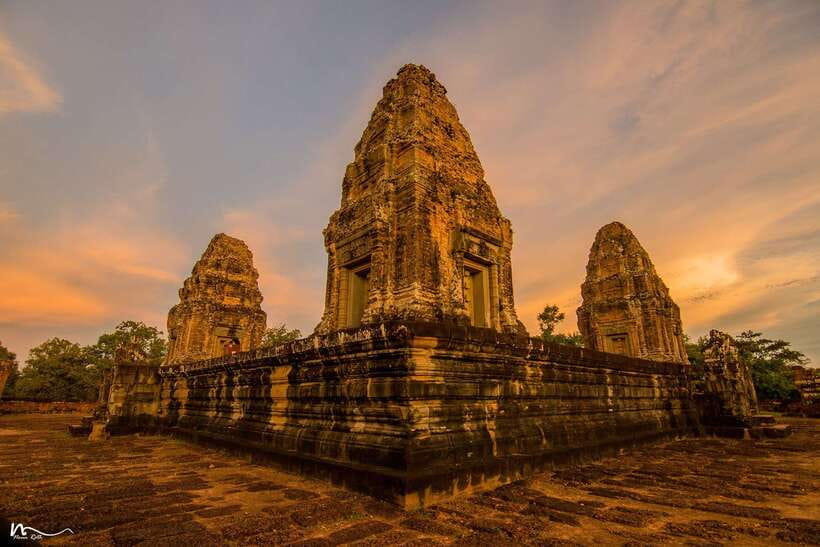
East Mebon and Pre Rup are built from a different visual vocabulary, with strong brick and stone forms and raised platforms. They are particularly useful if you want to compare temple construction across the Angkor area. The steps can be steep, so you should expect more effort than a simple roadside photo stop.
Lunch follows at a local restaurant and is not included. Carrying some Cambodian riel or another accepted payment method may be sensible, though the tour information does not specify restaurant prices or payment types. Ask your guide about the lunch stop and timing as the day unfolds.
Banteay Srei and the countryside drive
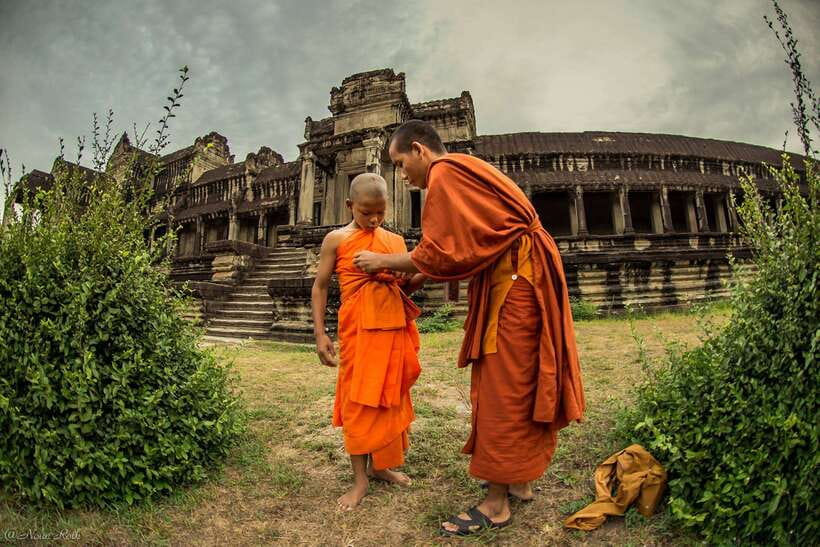
After lunch, the vehicle leaves the main temple route and heads through villages and rice-paddy fields toward Banteay Srei. This is one of the most useful changes in the itinerary because you see more than monumental ruins. The drive gives you a look at the countryside around Siem Reap, rather than keeping you inside the central temple zone all day.
Banteay Srei is often called the Ladies Temple. Its pink sandstone is the key visual difference. The carvings are fine and detailed, and the smaller scale can make the temple feel more intimate than Angkor Wat or Preah Khan.
The temple is dedicated to Hindu goddesses, adding another layer to the religious story of the Angkor area. You will want time to study the carved doorways and decorative stonework, so tell your guide if detail matters more to you than a quick checklist of sites.
The road to Banteay Srei makes this day longer. That is the tradeoff. You spend more time in the vehicle, but you gain a distinctive temple and a countryside setting that cannot be replicated by staying on the Small Circuit.
Banteay Samre and Banteay Kdei
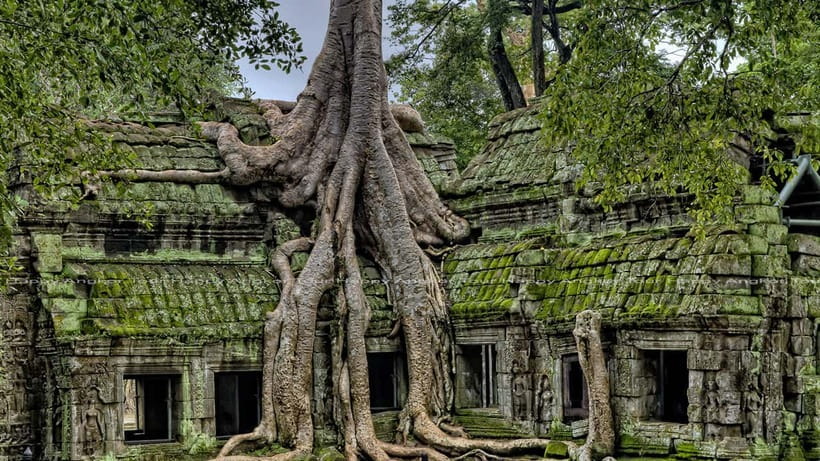
The route continues to Banteay Samre, another temple with a different feel from the central Angkor monuments. It gives you one more chance to look at the variations in temple plans, towers, galleries, and carved stone.
The final listed stop is Banteay Kdei. By this point, you may be tired, especially after the sunrise start and the long drive. That is exactly where the private format helps. You can ask for a shorter visit, or take enough time to make the final temple worthwhile instead of racing through it.
Because the order includes several temples on day two, ask your guide to explain which stops deserve a full walk and which are better treated as shorter visits. A good pace is more valuable than collecting every photograph.
What the $136 price really covers
At $136 per person, this is not a budget temple transfer. It is a private two-day service with hotel pickup and drop-off, an air-conditioned vehicle, a guide, cold drinking water, and face towels.
The price does not include the Angkor temple pass. A two or three-day pass costs $62 per person, while children under 12 enter free. Add that amount when comparing this tour with a driver-only option.
Food is also separate. You buy lunch at local restaurants on both days, and breakfast after sunrise is not included. The total cost therefore depends partly on where you eat and what you order.
I see the strongest value in the private vehicle and guide rather than the entrance itself. You are paying for transport between widely separated temples, cultural explanations, flexible pacing, and relief from arranging a new ride at every stop. The cool towels may sound minor, but in Cambodia’s heat they become one of the best features of the day.
Who should book this private tour
I would choose this tour if you want to see the major Angkor sights in two days without joining a large group. It suits first-time visitors who want structure but still want to ask questions and adjust the pace.
It is also a good match for anyone interested in religious art, Cambodian history, temple architecture, and photography. The itinerary covers the famous sites, but it also includes Ta Nei, Ta Som, Neak Pean, East Mebon, Pre Rup, Banteay Samre, and Banteay Kdei.
You should be comfortable with early mornings and long days. Sunrise on day two follows a full first day, and the second day combines walking with a longer drive to Banteay Srei. If you prefer slow mornings or one temple per day, this schedule may feel too packed.
The tour is conducted in English, with a private group and a licensed guide. Pickup is available from hotels and other accommodations in Siem Reap. Give the operator your hotel name, address, phone number, and website, then wait in the lobby about 10 minutes before pickup.
Free cancellation is available up to 24 hours before the start, and you can reserve now and pay later. Those terms help if your Siem Reap plans are still moving around.
Should you book it?
Book this tour if you want maximum coverage in two days, private transport, and a guide who can explain what you are seeing rather than simply point at a temple. The best reasons are the well-planned route, sunrise and sunset stops, Banteay Srei, and the comfort of cold water and towels.
Think twice if you dislike early starts, long temple days, or paying extra for meals and the temple pass. For most first-time visitors with only two days in Siem Reap, though, the combination of major monuments, smaller temples, countryside roads, and private pacing makes the $136 base price a reasonable way to handle a very large archaeological area.
FAQ
How long is the Angkor Wat tour?
The experience lasts two days. Starting times vary, so you need to check availability when booking.
Is this a private tour?
Yes. The tour is for a private group, with a private English-speaking guide and private air-conditioned transportation.
Which languages are available?
The listed tour language is English.
Is hotel pickup included?
Yes. Hotel pickup and drop-off are included. You should provide your accommodation address, hotel name, phone number, and website, and wait in the lobby 10 minutes before pickup.
Is the temple pass included?
No. The temple pass is separate. A two or three-day pass costs $62 per person, and children under 12 have free entrance.
Are meals included?
No. Food is available for purchase at local restaurants. Breakfast after the second-day sunrise is also not included.
What does the tour visit on the first day?
Day one includes Angkor Wat, Ta Prohm, Ta Nei, Angkor Thom, Bayon, Baphuon, the Reclining Buddha, the Royal Enclosure Wall, Phimeanakas, the Elephant Terrace, the Leper King Terrace, Palilay, and sunset at Phnom Bakheng.
What does the tour visit on the second day?
Day two includes sunrise at Angkor Wat, Preah Khan, Neak Pean, Ta Som, East Mebon, Pre Rup, Banteay Srei, Banteay Samre, and Banteay Kdei.
Can I cancel or pay later?
You can cancel up to 24 hours in advance for a full refund. You can also reserve now and pay later.
Temple visits we reviewed lately in Siem Reap
- Angkor Wat Tour by Tuk-Tuk with English Speaking Driver★ 4.5 · 65 reviews
- Private Sunrise Angkor Wat Tour★ 4.6 · 16 reviews
- Private One Day Tour with Sunrise at Angkor Wat★ 5.0 · 3 reviews
- Siem Reap Tour Guide: Angkor Wat Sunrise Tour & Beng Mealea★ 5.0 · 4 reviews
- Siem Reap Private Tour: Angkor Wat Sunrise And Banteay Srei★ 5.0 · 3 reviews
- Private Angkor Wat Sunset Tour with Lunch and Snack Included★ 5.0 · 3 reviews
- Private Angkor Wat Sunrise Tours And Sunset Floating Village★ 5.0 · 3 reviews
- Private Angkor Wat Temple Tour★ 5.0 · 35 reviews
Siem Reap Temple Tours, compared.
Angkor Wat Sunrise or Sunset Tour with Guide from Siem Reap
Read our review →
Siem Reap: Angkor Wat: Small-Group Sunrise or Sunset Tour
Read our review →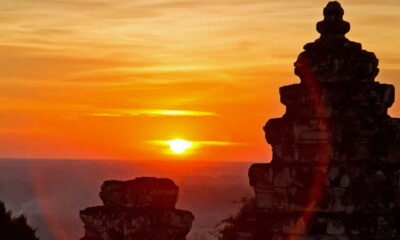
Siem Reap: Full-Day Angkor Wat Guided Tour with Sunset
Read our review →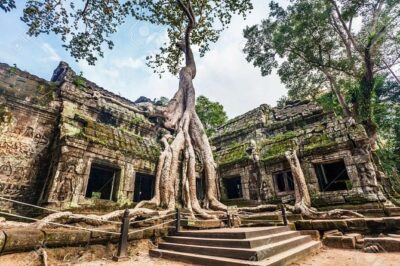
Angkor Wat Sunrise tour with Small – Group and Guide tours
Read our review →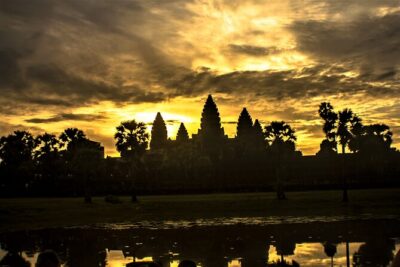
Angkor Wat Highlights and Sunrise Guided Tour from Siem Reap
Read our review →
Angkor Wat Sunset Small Group Tour with Lunch Included
Read our review →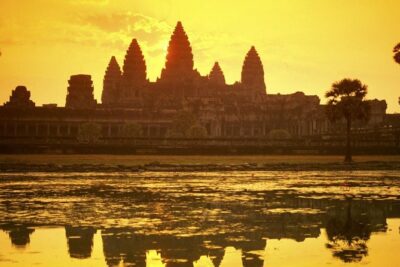
Full-Day Angkor Wat Sunrise Private Tour with Guide from Siem Reap
Read our review →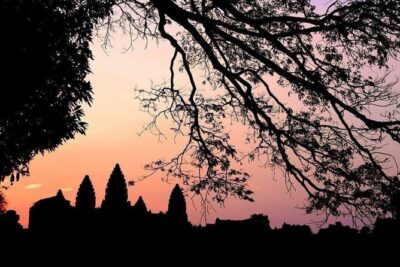
Angkor Wat Sunrise & 3 Main Temples with Breakfast – Small Group
Read our review →This tour also ranks in