
Review · KATHMANDU
Sacred Pashupatinath: Aarati,Cremation Rites & Boudha Stupa
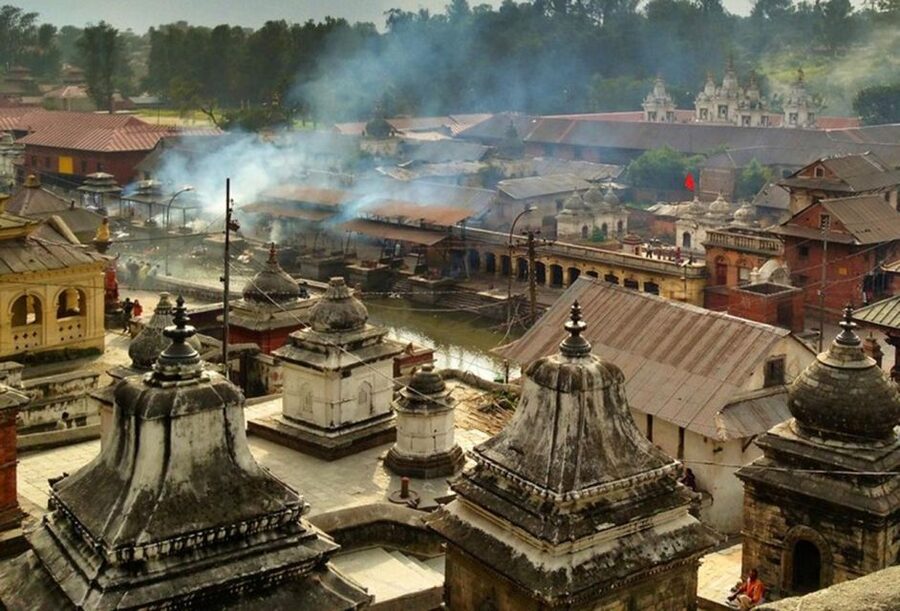
Pashupatinath is the heart of this experience. Along the Bagmati River, Hindu cremation fires burn in public view while bells, chants, and conch shells fill the temple grounds. At Boudhanath, the mood changes completely: pilgrims circle the huge white stupa, prayer wheels turn, and colorful flags move above the rooftops. I like the sharp contrast between these two sacred places and the way guides such as Razz, Pranav, Karma, and Anish explain what you are seeing. The main consideration is emotional weight, especially during the cremation rites and Aarati.
I also like that the tour adds everyday Kathmandu life around the monuments. You can visit monastery courtyards, browse shops selling religious art, see Thangka painters at work, and pause at a rooftop café near Boudhanath. The $11 tour price is low, but remember that the two entrance fees are extra, and transport depends on the option you choose.
Key points to know before you go
- Boudhanath begins with the kora: Walk clockwise around the stupa, turn prayer wheels, and watch Tibetan Buddhist practice unfold around you.
- Pashupatinath is an active sacred site: The temple is not a museum, and cremation rites take place along the Bagmati River.
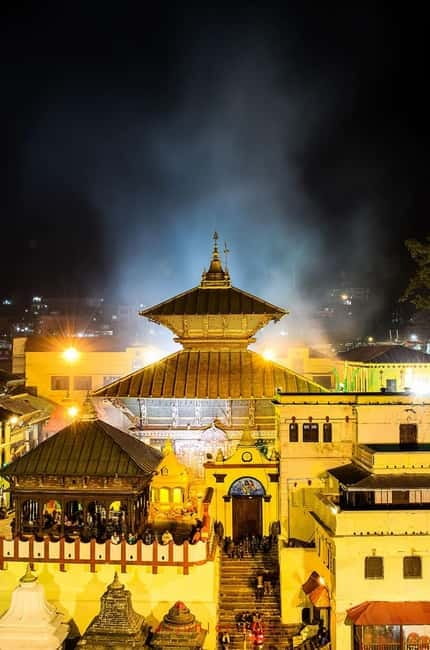
- Aarati can be powerful: Evening lamps, music, bells, and chanting create a moving ceremony, but the setting can feel intense.
- The main Hindu shrine is restricted: Non-Hindus may explore the outer temple complex but cannot enter the central sanctum.
- The guide makes the difference: Razz, Pranav, Karma, Sudhir, and Anish are specifically praised for clear explanations, friendly manners, and strong English.
- Budget for extra costs: The stated admission fees are NRs 1,000 for Pashupatinath and NRs 400 for Boudhanath, with food, drinks, shopping, and transport possibly costing more.
Two holy sites, two very different moods
This is a compact Kathmandu culture tour built around contrast. Boudhanath offers a steady, meditative rhythm. Pashupatinath feels more immediate and emotionally charged, especially when the evening Aarati begins beside the river.
The sites are close enough to combine in one outing, but they do not feel alike. Boudhanath is shaped by Tibetan Buddhism, with pilgrims circling the stupa and turning prayer wheels. Pashupatinath is Nepal’s most important Hindu shrine dedicated to Lord Shiva in his form as Pashupati, protector of animals.
I would not treat this as a simple sightseeing walk. You are being asked to watch religious life as it happens. That means staying quiet at the right moments, dressing respectfully, and accepting that some scenes may stay with you long after the tour ends.
The advertised duration ranges from two to five hours. The shorter version may suit you if you want a focused visit to both places. A longer outing gives you more time for the stupa, local shops, temple grounds, and Aarati. Check the starting time carefully because the experience may be arranged around the evening ceremony.
More Temple Tours around Kathmandu:
- Kathmandu Spiritual Sites: Bodhnath & Pashupatinath Tour
★ 5.0 · 185 reviews - Kathmandu: Chandragiri Cable Car and Monkey Temple Tour
★ 4.8 · 139 reviews - From Kathmandu: 2 Stupas and Kopan Monastery Spiritual Tour
★ 4.8 · 115 reviews
Starting at Boudhanath Stupa
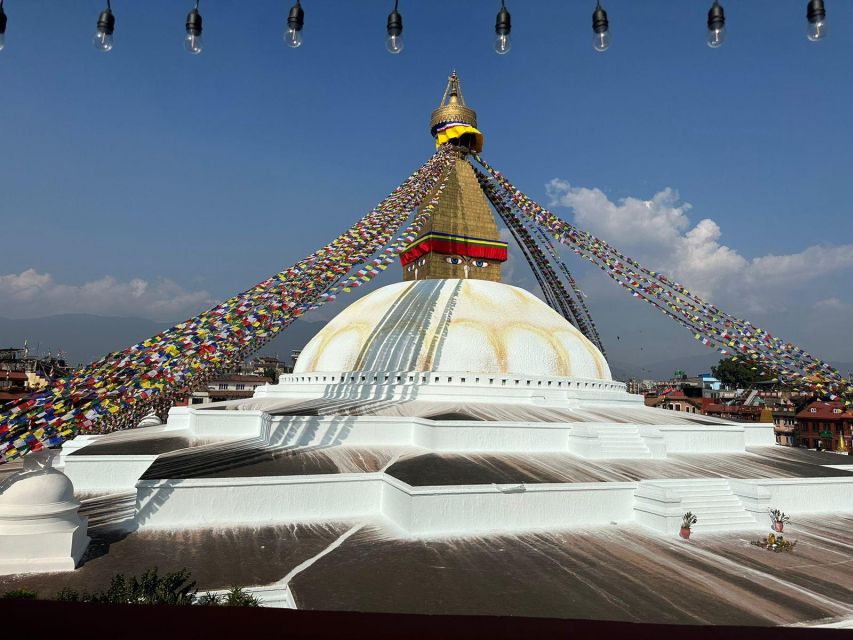
Boudhanath is one of the largest Buddhist stupas in the world and a central place of Tibetan Buddhism in Nepal. Its white dome and golden spire rise above the surrounding buildings, so you get your first sense of its scale before reaching the central square.
Your guide will help you understand the symbols rather than simply point them out. The painted eyes on the tower, the prayer wheels, the flags, and the structure of the stupa all carry meaning. Without an explanation, you might see an impressive monument. With one, the daily movement around it becomes easier to read.
The traditional walk around the stupa is called a kora. Walk clockwise with the flow of worshippers. You may see people turning prayer wheels, touching sacred objects, reciting prayers, or completing the circuit at their own pace. This is a working place of worship, so it is better to observe quietly than to treat the walkway like a photo set.
I like this part of the tour because it gives you room to settle into Kathmandu. The sound and movement are steady rather than loud or hurried. Take time to look into the monastery courtyards, where permitted, and notice the small shrines and religious objects near the square.
Rooftop views, monastery courtyards, and local shops
The area around Boudhanath has plenty to occupy you after the main circuit. You might find rooftop cafés with views over the stupa, along with shops selling prayer items, statues, singing bowls, and other religious goods.
One experience included a short singing bowl meditation and massage. Another included time watching artists paint Dalai Lama Thangka paintings. These activities may not be part of every version of the tour, so consider them possible additions rather than guaranteed stops.
The market is useful for seeing how worship and commerce meet in this part of Kathmandu. You will find beautiful objects, but you may also encounter sales pressure. The practical answer is simple: if you do not want anything, say no clearly. The market sellers are described as accepting that response respectfully.
Your guide can help separate religious objects from ordinary souvenirs and explain how items are used. That makes a quick shop visit more meaningful, even if you buy nothing. I recommend keeping your attention on the stupa and the surrounding religious life rather than letting shopping take over the visit.
Entering Pashupatinath’s outer complex
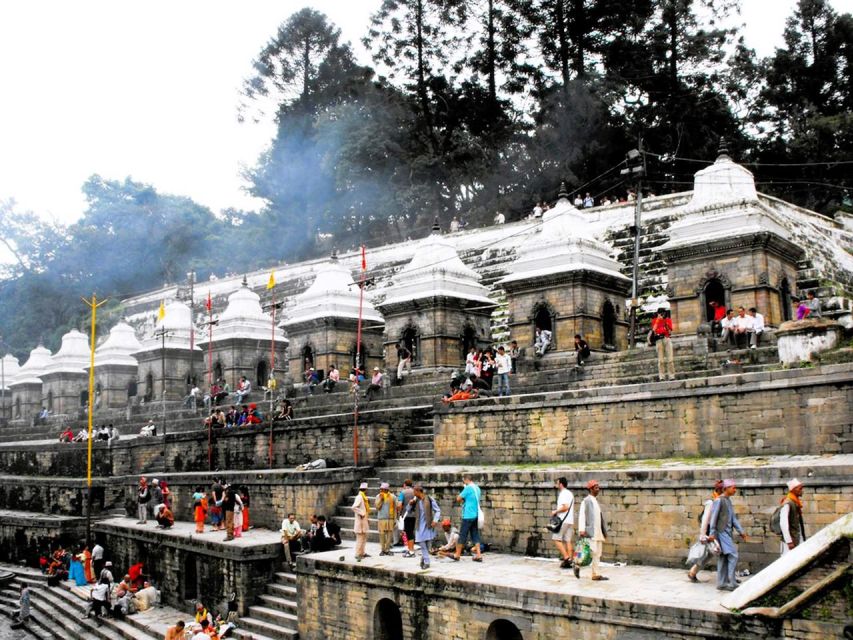
The tour then moves to Pashupatinath Temple, on the bank of the sacred Bagmati River. The complex includes shrines, statues, courtyards, and traditional architectural details that your guide will explain as you walk.
Non-Hindus cannot enter the main sanctum. That restriction matters, but it does not make the visit empty. The outer complex and riverbank provide much of the setting, and the guide can point out the temple’s role in Hindu worship and Nepalese life.
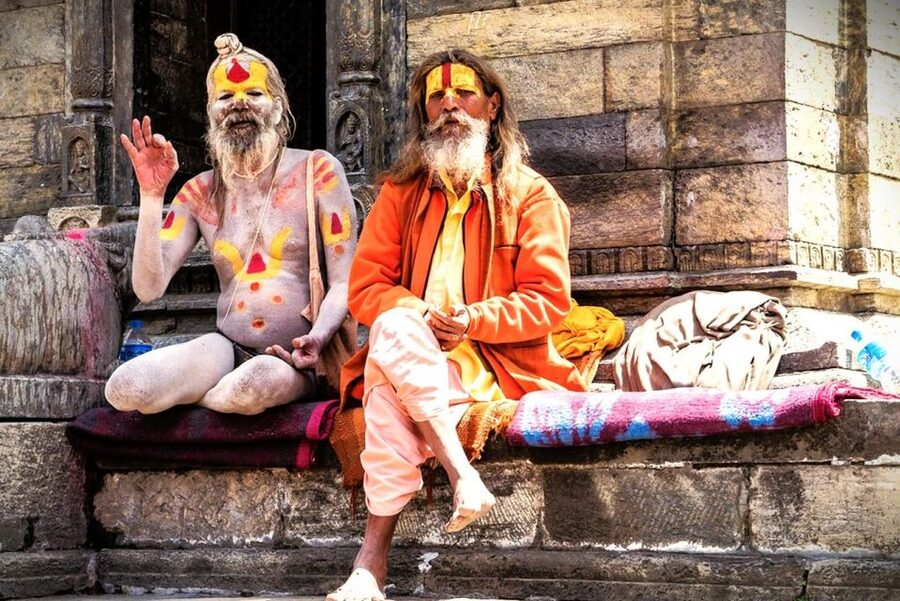
Pashupatinath is not arranged like a quiet gallery. People come here to pray, perform rites, meet holy men, and say farewell to family members. You may see sadhus, or Hindu holy men, among the temple buildings. The atmosphere can shift from calm to crowded and ceremonial within a few steps.
This is where a good guide matters most. Pranav is praised for taking time to explain the large complex and each stage of the Aarati. Razz is described as clear and easy to follow. Karma is praised for being friendly and ready to answer questions. Sudhir and Anish are also specifically noted for strong cultural explanations and a professional manner.
The supplied meeting instructions say the guide meets you at the Pashupatinath ticket counter and takes you on the temple and Aarati visit. If you choose a version beginning at Boudhanath, confirm the exact meeting point in advance. Hotel pickup and drop-off are optional on selected versions, while independent transport may be required on others.
Same sacred ground, another way to see it:
- Lunch with Nuns – Monastery
★ 5.0 · 75 reviews - Kathmandu: Pashupatinath Temple Evening Aarati Tour
★ 5.0 · 36 reviews - Chandragiri Cable Car & Monkey Temple Tour- Private/Group
★ 5.0 · 32 reviews - Kathmandu: Pashupatinath Temple Aarti Night Tour
★ 4.8 · 29 reviews
Seeing cremation rites beside the Bagmati River
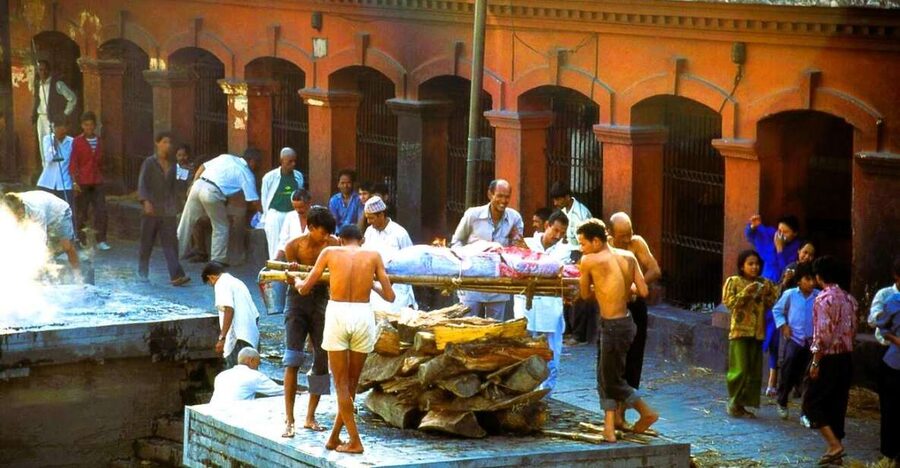
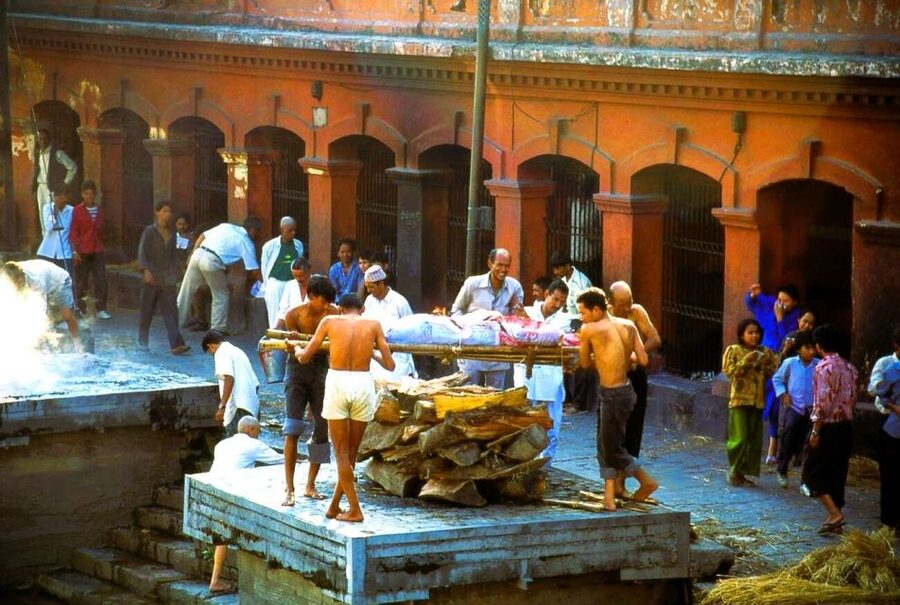
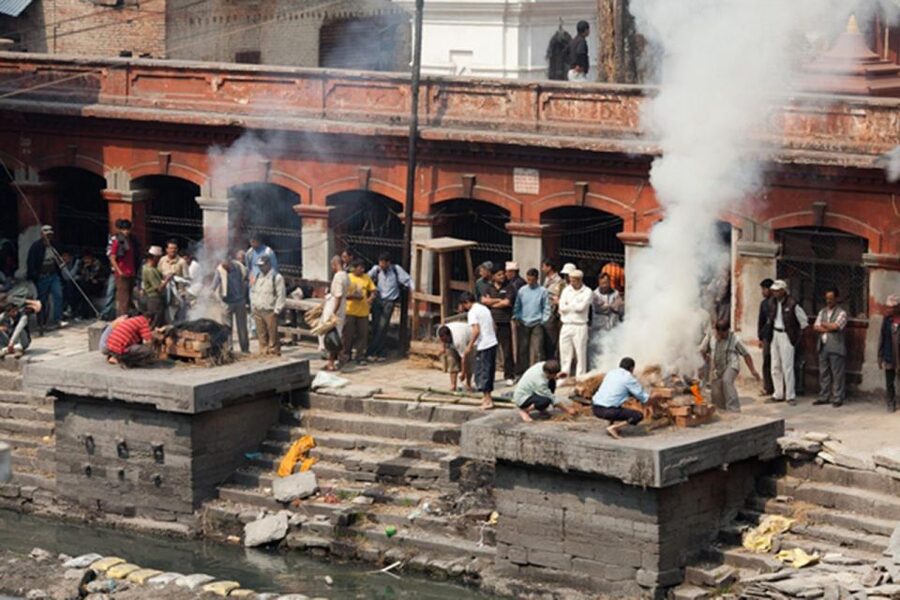
The cremation ghats are the most serious part of the outing. Hindu cremation ceremonies take place in the open along the river, and you may see the sacred fire and the ritual process from the public viewing areas.
Your guide explains the role of the fire, the Bagmati River, and the beliefs connected with the soul’s passage. This context helps, but it does not remove the emotional force of the scene. One account describes being allowed to watch respectfully, while another calls the experience moving and difficult to watch.
You should not approach this as unusual entertainment. Keep your voice low, follow the guide’s instructions, and be careful with photography. The supplied information does not state a specific photography rule, so ask before taking pictures near any ceremony.
This part may not suit everyone. The tour is not recommended for children under 12 or people with respiratory issues. The smoke, the setting, and the direct view of death can be physically or emotionally demanding. If you know that cremation scenes will be too much, ask whether you can spend more time in another part of the complex.
Still, I think the cremation ghats are important to understanding Pashupatinath. Death is not hidden away here. It is part of public religious life, connected to family duty, belief, and the river. That openness can be confronting, but it also gives the visit its lasting force.
Aarati at sunset and after dark
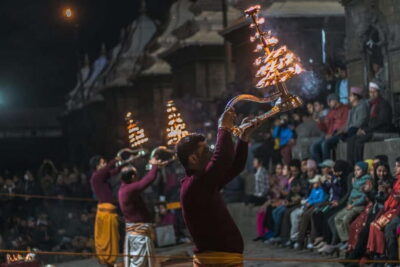
The Aarati is the likely high point of the tour. As daylight fades, priests perform a ritual with lamps beside the Bagmati River. Chants, bells, and conch shells add sound and movement, and the temple grounds take on a different character.
Aarati can feel beautiful, solemn, and heavy at the same time. One description calls it emotional and a little dark, which is a fair warning. You are not simply watching a staged cultural show. The ceremony takes place in a living place of worship, alongside the realities of the cremation ghats.
A guide can improve this part by explaining the sequence and helping you find a suitable viewing position. Pranav is especially praised for explaining each step and making sure the viewing spot worked well. If you are most interested in Aarati, choose a tour time that clearly includes the ceremony rather than assuming every daytime departure will do so.
The exact length of the ceremony and the amount of free time are not specified. The overall activity can last two to five hours, so allow flexibility rather than planning another fixed appointment immediately afterward.
What the $11 price really covers
At $11 per person, this is an inexpensive way to add a guide to two major Kathmandu sites. The value is strongest if you want cultural explanation, help with the temple layout, and guidance during a ceremony that can be hard to understand on your own.
The price does not include the entrance fees. You should allow NRs 1,000 for Pashupatinath and NRs 400 for Boudhanath, according to the supplied costs. Food and drinks are also extra, as are purchases in the markets.
Transport is the main point to clarify before booking. Some options include hotel pickup and drop-off, while the meeting instructions say you may need to arrange your own transport to the Pashupatinath ticket counter. An agency transfer can be purchased at an additional reasonable rate, but the exact price is not provided.
Private and small-group versions are available. A private option should suit you if you want to ask many questions or need a slower pace. A small group may be better value if you are comfortable sharing the guide’s time.
The booking terms are flexible: you can cancel up to 24 hours before the activity for a full refund, and reserve now while paying later. That helps if your Kathmandu plans are still shifting.
Practical advice for a respectful visit
Bring your passport or an identification card. A copy is accepted. Leave large bags and luggage behind, since they are not allowed. Drones, alcohol, drugs, and nudity are also prohibited.
Wear clothing that feels respectful for both a Buddhist stupa and a Hindu temple complex. The supplied rules do not spell out a dress code, but modest clothing is the sensible choice at active religious sites.
Keep your schedule open around the tour. The length can vary, and Aarati depends on timing. If you are meeting the guide at Pashupatinath, confirm the ticket counter location and whether you need to arrange transport yourself.
The available guide languages are English, Chinese, Hindi, and Russian. Several guides are praised for their English, but guide assignment is not guaranteed. If you have a language preference, request it when booking.
I would also bring water, though food and drinks are not included. You may want money for a café or market purchase, but there is no need to buy anything to make the outing worthwhile.
Who should book this Kathmandu tour?
I would recommend it to you if you want more than landmark photos. It suits people who are curious about Hindu and Buddhist practice, comfortable observing religious ceremonies, and willing to handle an honest look at death and mourning.
It is especially useful on a first visit to Kathmandu because the two sites show different sides of the valley’s spiritual life. Boudhanath gives you a calmer introduction through the kora and prayer wheels. Pashupatinath adds temple worship, sadhus, cremation rites, and Aarati.
I would hesitate if you want a light, easygoing sightseeing trip. The cremation ghats can be upsetting, the main Pashupatinath shrine is closed to non-Hindus, and transport details vary by booking option. Children under 12 and people with respiratory issues should not take this tour.
Book it if the cultural context matters to you and you want a guide to explain what you are seeing. Skip it if you would rather visit temples without witnessing funerary rites. For most suitable visitors, the low tour price, strong guide feedback, and access to both Boudhanath and Pashupatinath make this a worthwhile Kathmandu experience, provided you arrive prepared for its serious side.
FAQ
How long does the Sacred Pashupatinath and Boudhanath tour last?
The activity lasts between two and five hours. The exact duration depends on the selected option and availability.
What sites are included?
The tour includes Boudhanath Stupa and Pashupatinath Temple. Activities can include the kora, sightseeing, guided visits, local market time, cremation rites, and Aarati, depending on the selected option and timing.
Can non-Hindus enter Pashupatinath Temple?
Non-Hindus cannot enter the main sanctum. You can explore the outer complex with the guide.
Are cremation ceremonies included?
The tour includes the chance to witness Hindu cremation rituals at Pashupatinath with a guide. The ceremonies take place along the Bagmati River.
Are the entrance fees included in the tour price?
No. The stated fees are NRs 1,000 for Pashupatinath and NRs 400 for Boudhanath. Food, drinks, and personal purchases are also excluded.
Is hotel pickup available?
Hotel pickup and drop-off are available only with selected options. Otherwise, you may need to arrange your own transportation to the Pashupatinath ticket counter.
Which languages are available for the guide?
Guides are available in English, Chinese, Hindi, and Russian. Private and small-group options are offered.
What should I bring, and what is not allowed?
Bring a passport or identification card, and a copy is accepted. Large bags, luggage, drones, alcohol, drugs, and nudity are not allowed.
Temple visits we reviewed lately in Kathmandu
- Pashupatinath: Evening tour of temple and Aarati ceremony★ 5.0 · 3 reviews
- Kathmandu: Pashupatinath Temple Evening Aarati Tour★ 4.7 · 11 reviews
- Kathmandu: Pashupatinath Temple Aarti Night Tour★ 4.8 · 29 reviews
- Kathmandu: Pashupatinath Temple Evening Aarati Tour★ 5.0 · 36 reviews
- Kathmandu: Guided Walking Tour with Monkey Temple★ 5.0 · 18 reviews
- Kathmandu: Chandragiri Cable Car and Monkey Temple Tour★ 5.0 · 9 reviews
- Pokhara: Pagoda, Waterfall & Cave – Private Short Trip★ 3.9 · 3 reviews
- Chandragiri Cable Car & Monkey Temple Tour- Private/Group★ 5.0 · 32 reviews
Kathmandu Temple Tours, compared.
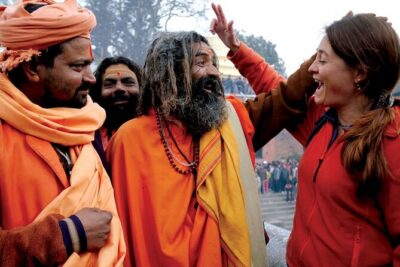
Kathmandu Spiritual Sites: Bodhnath & Pashupatinath Tour
Read our review →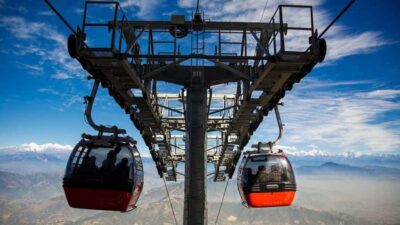
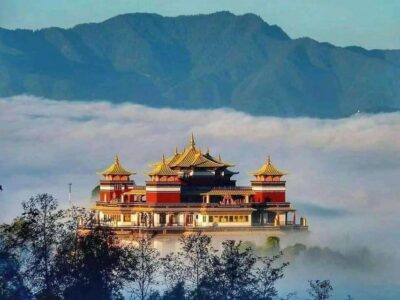
From Kathmandu: 2 Stupas and Kopan Monastery Spiritual Tour
Read our review →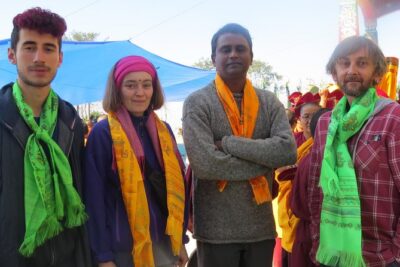
Kathmandu: Pashupatinath Temple Evening Aarati Tour
Read our review →
Chandragiri Cable Car & Monkey Temple Tour- Private/Group
Read our review →
Kathmandu: Pashupatinath Temple Aarti Night Tour
Read our review →
Kathmandu: Guided Walking Tour with Monkey Temple
Read our review →This tour also ranks in