
Review · KATHMANDU
Kathmandu: Pashupatinath Temple Evening Aarati Tour
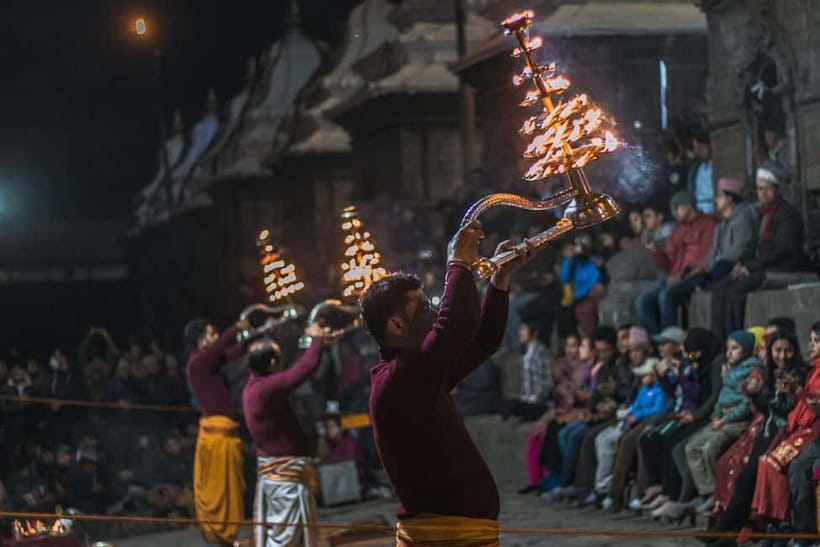
Pashupatinath’s evening Aarati is a public Hindu ceremony of chants, bells, incense, and fire, performed beside the Bagmati River as daylight fades. The ceremony has a strong sense of place: temple views, riverbank activity, music, and hundreds of people gathered for worship.
I like the private three-hour format, which gives you a guide who can explain what you are seeing instead of leaving you to guess. I also like the timing, since you arrive before the ceremony, walk through the temple complex, and get a better view of the rituals. The main drawback is that the event draws a large crowd, so the atmosphere can feel packed and photography may be limited to permitted areas.
Key points about the Pashupatinath Aarati tour
- A riverside evening ceremony: Watch priests wave oil lamps beside the Bagmati River while Vedic mantras, hymns, bells, and classical instruments fill the air.
- A private group: You receive personal attention from an English-speaking guide rather than joining a large shared tour.
- Guides with strong personal praise: Ramesh, Rajat, and Anjan are named in bookings as patient, friendly, and clear when explaining Hindu customs.
- A useful arrival time: The tour begins in the late afternoon, leaving time for the temple complex before the Aarati begins around 6 p.m.
- Photography with limits: You can take memorable images in permitted places, but this remains a living religious ceremony, not a staged show.
- Good value at $45: Hotel pickup, return transport, guide, temple entry, taxes, and service charges are included.
Why the Bagmati River ceremony matters
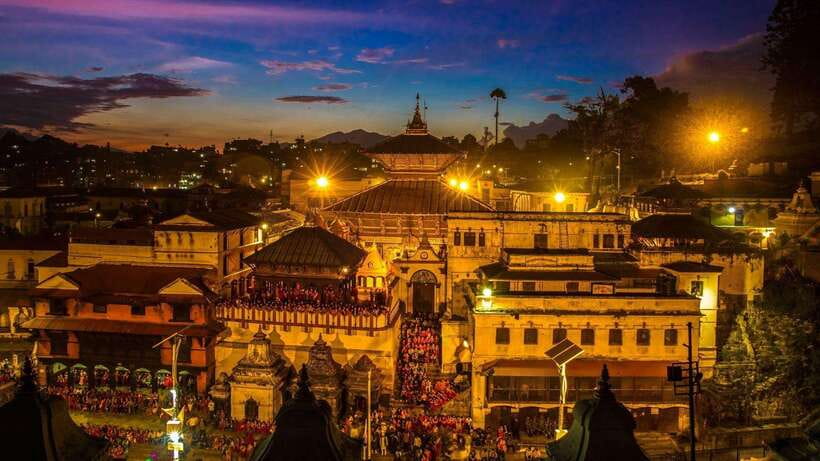
Pashupatinath Temple is one of Nepal’s most important Hindu religious sites, and the evening Aarati gives you a way to see the temple as an active place of worship. This is not simply an old monument lit for visitors. People gather along the eastern side of the temple grounds to take part in a nightly ritual centered on prayer, light, sound, and devotion.
The ceremony is held on the bank of the Bagmati River. As evening arrives, priests recite Vedic mantras and move oil lamps before the idol of Lord Shiva. Incense burns, bells ring, musicians play classical instruments, and hymns are sung to the gods.
You do not need to be Hindu to appreciate the ceremony, but you should approach it with the same respect you would bring to any religious service. Your guide can help explain the order of events and the meaning behind the lamps, prayers, music, and gestures. That context makes a major difference. Without it, you may see a striking display of fire and sound. With it, you begin to understand why the ceremony matters to local worshippers.
The riverbank setting adds to the experience. You have views toward the temple and can watch the crowd gather as the light changes. The setting is scenic, but it is also serious and devotional. Keep your voice low during prayers, follow your guide’s instructions, and ask before photographing people.
More Temple Tours around Kathmandu:
- Kathmandu Spiritual Sites: Bodhnath & Pashupatinath Tour
★ 5.0 · 185 reviews - Kathmandu: Chandragiri Cable Car and Monkey Temple Tour
★ 4.8 · 139 reviews - From Kathmandu: 2 Stupas and Kopan Monastery Spiritual Tour
★ 4.8 · 115 reviews
Arriving from Kathmandu in the late afternoon
The tour includes pickup from your Kathmandu hotel and transport to Pashupatinath Temple. That takes away one of the evening’s main hassles: arranging your own ride and finding the correct part of the temple complex before the ceremony begins.
The tour lasts three hours, including the drive, temple visit, Aarati, and return to Kathmandu. Exact travel time can vary, so do not plan a tightly timed dinner reservation immediately afterward. The activity includes return transport, which is especially useful after dark.
The late afternoon start is well judged. You are not rushed straight into the ceremony. Instead, you arrive with time to see the temple area, hear an explanation of its religious importance, and find a suitable place for the Aarati.
Because this is a private group, you can ask questions as you go. That matters at a place where many details are easy to miss. A guide can explain what is happening without turning the visit into a lecture.
Walking through the Pashupatinath complex
Your guide leads a sightseeing walk through the temple complex before the ceremony. This portion gives the evening some shape. You first learn where you are and why the site matters, then you watch the ritual with a clearer sense of its setting.
Expect a mix of temple views, religious activity, and time to look around independently. The experience is not presented as a quick photo stop. You have a chance to pause, ask questions, and take in the setting before the riverbank becomes the focus.
The temple is dedicated to Lord Shiva, and the Aarati is performed before his idol. Your guide can connect the site’s religious importance with the evening ceremony, helping you understand why the river, lamps, chants, and temple views belong together.
This is also the point where expectations matter. You are visiting a working religious site, not an attraction designed only for sightseeing. Some areas may have rules about entry or photography. The supplied information confirms that photography is possible in permitted areas, so bring a camera if you like, but be ready to put it away when requested.
Ramesh is specifically praised for giving extra explanations about Hindu culture and rituals. Rajat is also noted for being friendly and clear when answering questions. Anjan is praised for explaining the Aarati and Hindu religion in accessible English. Your assigned guide may differ, but these names give you a useful idea of the personal approach available on this tour.
Finding your place for the Aarati
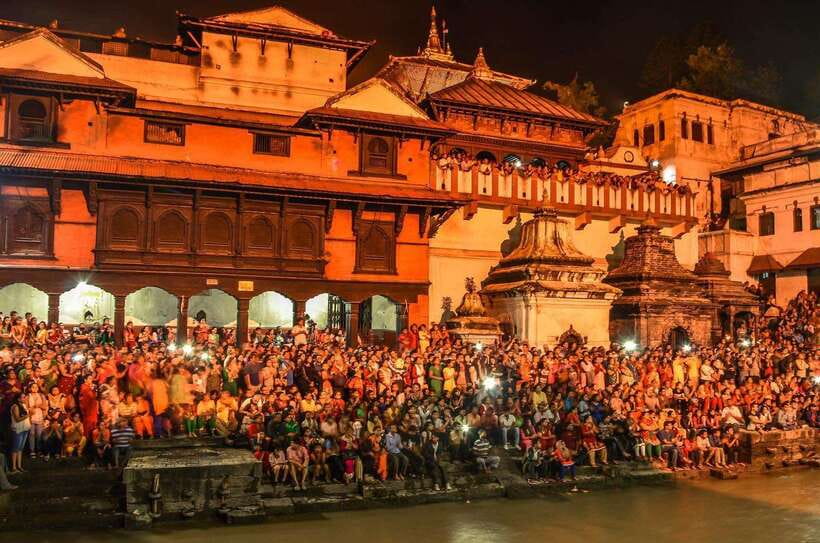
The Aarati takes place around 6 p.m., although starting times should be checked when booking. People gather along the Bagmati River on the eastern side of the temple area, and the crowd can grow quickly.
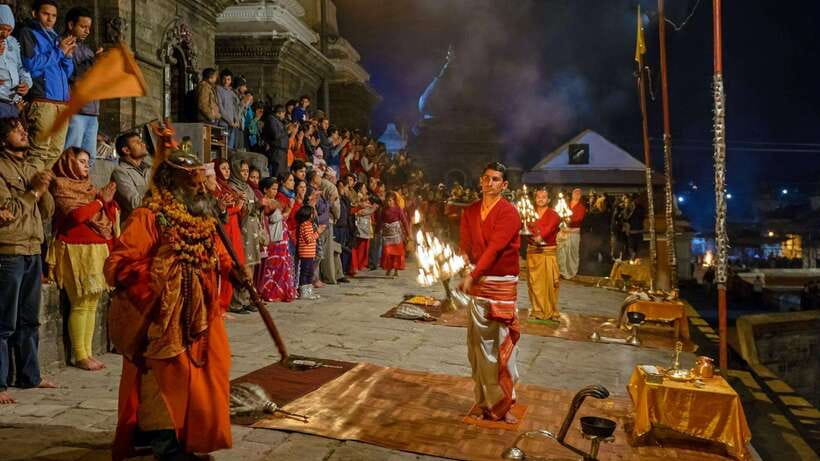
Your guide helps you find a suitable viewing position. One important advantage of joining before the ceremony is that you do not have to arrive at the last minute and try to work out the layout alone. You can settle in, watch the preparations, and keep your attention on what is happening.
The event is visually striking, but it is not silent or still. You will hear bells, prayers, music, and hymns. The priests move oil lamps in repeated patterns, while incense and the gathering crowd create a strong sensory experience.
If you are hoping to take photographs, tell your guide early. One booking specifically describes a guide accommodating extensive photography requests, giving the photographer time and help. That does not mean every location or moment is available for pictures, but it does suggest that the private format can work well for people who want to photograph respectfully.
The best photographs may come from the wider scene rather than close shots of worshippers. Temple views, lamps, riverbank activity, and the changing evening light can tell the story without intruding on private devotion.
Same sacred ground, another way to see it:
- Lunch with Nuns – Monastery
★ 5.0 · 75 reviews - Chandragiri Cable Car & Monkey Temple Tour- Private/Group
★ 5.0 · 32 reviews - Kathmandu: Pashupatinath Temple Aarti Night Tour
★ 4.8 · 29 reviews - Sacred Pashupatinath: Aarati,Cremation Rites & Boudha Stupa
★ 5.0 · 18 reviews
Understanding the lamps, music, and mantras
The word Aarati refers to a Hindu worship ritual involving light. Here, the lamps are central. Priests wave oil lamps before the idol of Lord Shiva as prayers are recited.
The ceremony also uses sound to create its structure. Vedic mantras, bells, classical instruments, and sung hymns work together. Even if you do not understand the words, the guide’s explanation can help you follow the progression.
This is where the tour earns its price. You could watch the ceremony independently, but you might not know what each action means or why the crowd responds as it does. A good guide gives you enough information to follow the ritual while allowing you to experience it without constant interruption.
The strongest praise for this experience focuses on the guides’ ability to explain without making the evening feel stiff. Ramesh is described as patient and conversational. One booking also notes that he could speak in both Spanish and English, which may be useful for some visitors, though English is the listed tour language.
The cultural benefit is modest but real. In three hours, you will not become an expert in Hindu traditions. You can, however, gain a clear introduction to one important ritual and the religious setting around it.
What the private format adds
A private group is useful here because the ceremony has several layers. You may want to ask about Hindu customs, the temple, the river, the music, or the order of the prayers. In a large group, it is harder to stop and ask.
The private setup also helps if your interests are specific. Photographers can discuss where pictures are allowed. First-time visitors can ask basic questions without feeling self-conscious. People interested in religion and culture can request more explanation.
The experience still has limits. A private tour does not give you a private ceremony. The Aarati is public, and the riverbank can become crowded. You will share the space with worshippers and other people attending the event.
That mixture is part of the point. You are seeing a living ceremony, not a performance arranged for your group. The guide can improve your understanding and help with timing, but cannot control the crowd or guarantee a completely unobstructed view.
Is $45 a fair price?
At $45 per person, the price is reasonable if you value guidance and easy transport. The fee includes hotel pickup and drop-off, transportation, an English-speaking licensed guide, entry to Pashupatinath, taxes, and service charges.
That package matters in Kathmandu, where a low headline price can look attractive until you add transport, admission, and the cost of hiring a guide. Here, the main extras are food and drinks, which are not included.
You are paying less for a long sightseeing route and more for timing, explanation, and access to a well-planned evening. The temple visit and ceremony fit into three hours, so you can add the tour to a wider Kathmandu schedule without giving up an entire day.
The value is strongest for first-time visitors, people interested in Hindu culture, and photographers who want help navigating the setting. If you are comfortable arranging your own ride and observing without interpretation, you may prefer to visit independently. The guide is the reason to choose this organized option.
The tour also offers free cancellation up to 24 hours before departure and a reserve-now, pay-later option. Those terms make it easier to fit the evening into a changing Kathmandu itinerary.
Practical advice for a respectful visit
Wear clothing suitable for a religious site. The supplied details do not specify a dress code, but modest clothing is the sensible choice for any temple visit.
Arrive ready for an evening outdoors beside the river. The ceremony includes standing or waiting while people gather, and the tour does not include food or drinks. Have water before you go, especially if you have spent the day sightseeing.
Tell your guide if photography is important to you. Arturo’s experience shows how useful that conversation can be, since his guide made time for his photography requests and concerns. Still, respect any instruction about where cameras can be used.
Do not treat the ceremony like a stage show. Avoid loud conversation, keep your camera from blocking other people’s view, and ask before photographing individuals. The strongest experience comes when you pay attention to the prayers and music as well as the lamps.
The temple complex and riverbank may feel crowded. That is a consideration for anyone who dislikes busy public ceremonies. On the other hand, the gathering is part of what makes the Aarati feel like a real community ritual rather than a private demonstration.
Who should book this evening tour?
I would recommend it to you if you want more than a quick temple photo. The guide-led walk and explanation give the evening purpose, especially if Hindu rituals are unfamiliar to you.
It suits visitors who want a short cultural activity after a day in Kathmandu, photographers who prefer private guidance, and anyone who values hotel pickup and return transport. It is also a good choice if you want to ask questions about Hindu customs without joining a large group.
You may want to skip it if you dislike crowds, have little interest in religious ceremonies, or want a completely independent visit. The Aarati is the main event, so it is not ideal for someone looking only for architecture or a quiet temple tour.
Should you book the Pashupatinath Aarati tour?
Book it if the idea of watching a Hindu light ceremony beside the Bagmati River appeals to you and you want help understanding what you see. The best features are the private format, the late afternoon arrival, the included transport, and guides such as Ramesh and Rajat, who are praised for patience and clear cultural explanations.
Go with realistic expectations. You will share the riverbank with a crowd, photography has limits, and the ceremony is a religious service rather than a tourist performance. For $45, though, you receive a focused, well-timed introduction to one of Kathmandu’s most meaningful evening experiences.
FAQ
How long does the Pashupatinath Aarati tour last?
The tour lasts three hours, including hotel pickup, transport to Pashupatinath Temple, the guided visit, the Aarati ceremony, and the return to Kathmandu.
What time does the Aarati ceremony begin?
The ceremony begins around 6 p.m. Starting times can vary, so check availability when booking.
Is hotel transportation included?
Yes. Hotel pickup and drop-off in Kathmandu, along with transportation to and from Pashupatinath Temple, are included.
Is the tour private?
Yes. The activity is offered as a private group tour with a live English-speaking guide.
Is temple entry included in the price?
Yes. The entry ticket to Pashupatinath Temple is included, along with taxes and service charges.
Can I take photographs during the ceremony?
Photography is possible in permitted areas. You should follow your guide’s instructions and respect any restrictions during the religious ceremony.
Temple visits we reviewed lately in Kathmandu
- Sacred Pashupatinath: Aarati,Cremation Rites & Boudha Stupa★ 5.0 · 18 reviews
- Pashupatinath: Evening tour of temple and Aarati ceremony★ 5.0 · 3 reviews
- Kathmandu: Pashupatinath Temple Evening Aarati Tour★ 4.7 · 11 reviews
- Kathmandu: Pashupatinath Temple Aarti Night Tour★ 4.8 · 29 reviews
- Kathmandu: Guided Walking Tour with Monkey Temple★ 5.0 · 18 reviews
- Kathmandu: Chandragiri Cable Car and Monkey Temple Tour★ 5.0 · 9 reviews
- Pokhara: Pagoda, Waterfall & Cave – Private Short Trip★ 3.9 · 3 reviews
- Chandragiri Cable Car & Monkey Temple Tour- Private/Group★ 5.0 · 32 reviews
Kathmandu Temple Tours, compared.
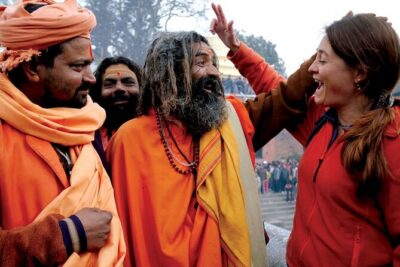
Kathmandu Spiritual Sites: Bodhnath & Pashupatinath Tour
Read our review →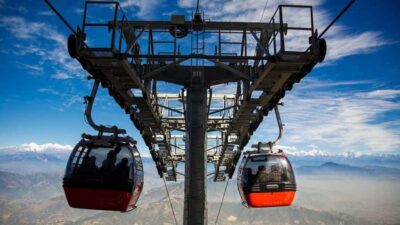
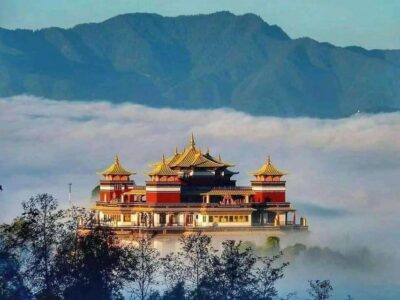
From Kathmandu: 2 Stupas and Kopan Monastery Spiritual Tour
Read our review →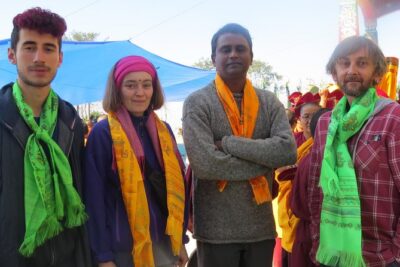
Chandragiri Cable Car & Monkey Temple Tour- Private/Group
Read our review →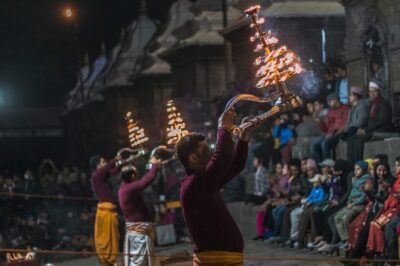
Kathmandu: Pashupatinath Temple Aarti Night Tour
Read our review →
Kathmandu: Guided Walking Tour with Monkey Temple
Read our review →
Sacred Pashupatinath: Aarati,Cremation Rites & Boudha Stupa
Read our review →This tour also ranks in