
Review · KATHMANDU
Kathmandu: Pashupatinath Temple Evening Aarati Tour
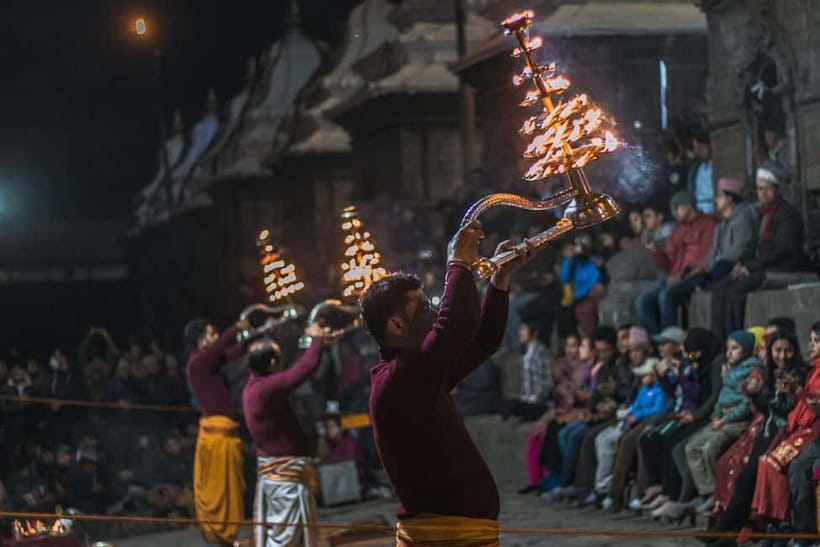
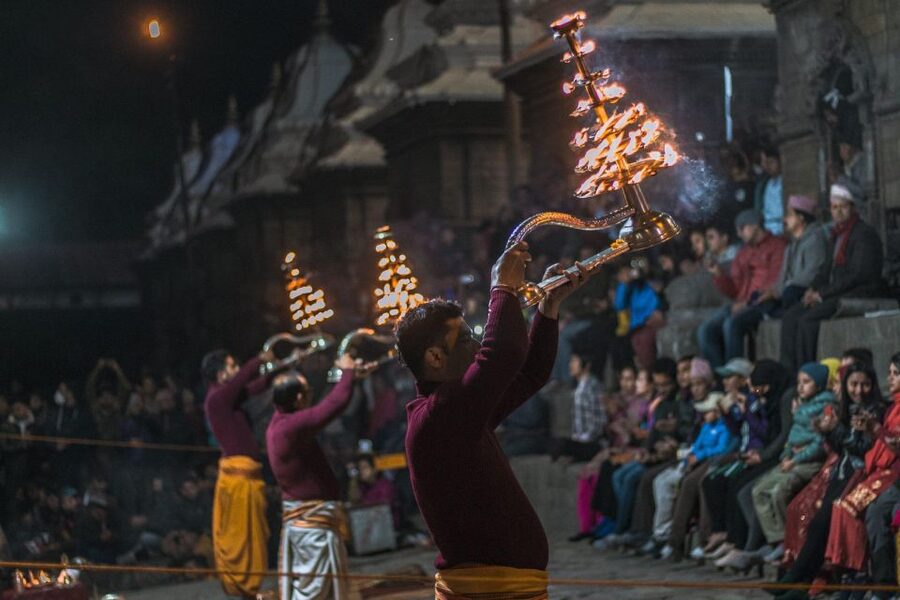
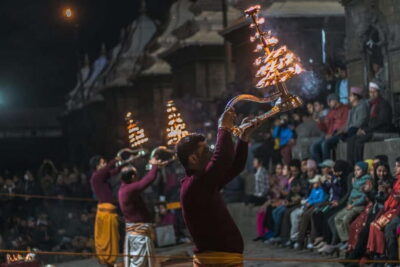
The striking part of this evening tour is the Bagmati Aarati, performed beside the river at Pashupatinath. Priests raise oil lamps in slow circles while sacred chants and bhajans fill the air. It is not a staged cultural show. It is a living Hindu prayer service, and the best guides help you understand what you are seeing without turning it into a lecture.
I like the easy hotel pickup and the way a guide can explain the ceremony, Hindu gods, cremation customs, and the role of the Bagmati River in plain English. I also like the practical value: for $22, you get transport, a guide, and three hours focused on one of Kathmandu’s most important religious sites.
The main consideration is that non-Hindus cannot enter the central temple, and the monument fee of NPR 1,000 per person is extra. The riverbank can also become very crowded, especially on Saturdays, Mondays, and festival evenings, so your view depends partly on arriving early and finding a good place to sit.
Key points to know before booking
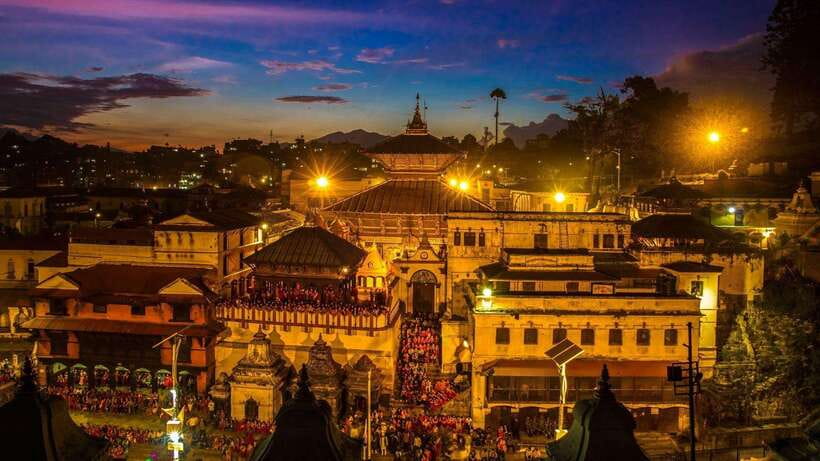
- The Aarati begins around 6:00 to 6:30 PM, with the exact time changing by season.
- The ceremony is viewed from the Bagmati River banks, not from inside the main temple.
- Guides such as Razz, Ravi, and Shankar have been praised for clear explanations and helpful service.
- Hotel pickup and drop-off are available in central Kathmandu, Thamel, and Boudhha.
- NPR 1,000 for monument entry is paid separately on the day.
- Modest clothing matters: cover your shoulders and knees at this sacred Hindu site.
Why the Bagmati Aarati is worth your evening
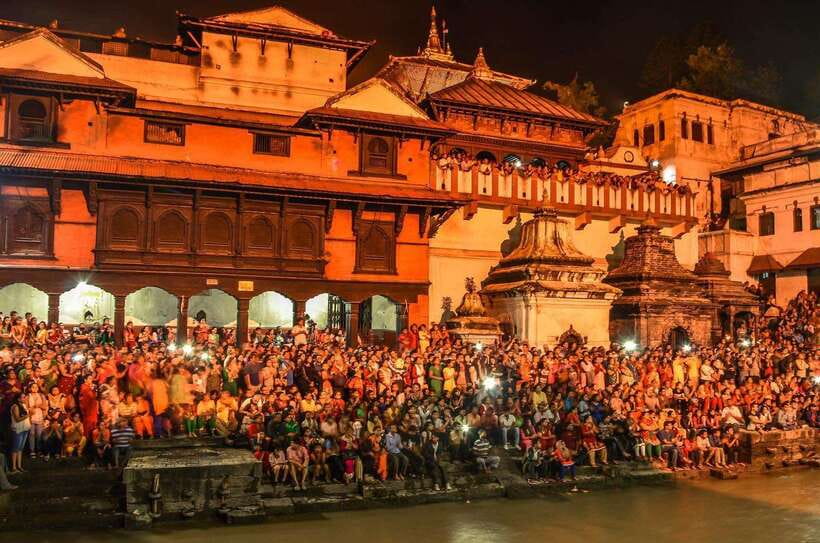
Pashupatinath is one of Nepal’s most important Hindu religious sites, but the evening Aarati gives you a focused way to experience it. Instead of trying to cover every shrine and courtyard, you spend the evening learning about one ritual and watching it unfold beside the river.
Aarati is a Hindu worship ritual using light, sound, and movement. During the ceremony, priests hold oil lamps and move them in circular patterns as they chant sacred words. Devotees join in with bhajans, or religious songs. The combination of flame, music, incense, and riverbank setting creates a calm mood, even when the surrounding area is crowded.
The ceremony honors both Pashupatinath, a form of Lord Shiva, and the holy Bagmati River. Hindu belief holds that bathing in the river can wash away sins. The Aarati also expresses gratitude and asks for the well-being of all souls, so its message is wider than a simple prayer to one deity.
You may also see references to the Tandav, Lord Shiva’s divine dance. This adds another layer to the ritual, linking movement, devotion, and the power associated with Shiva. For someone unfamiliar with Hindu worship, these details make the ceremony far easier to follow.
The Bagmati Aarati began in 2000 and became a regular tradition in 2006. That recent start is worth knowing. The ceremony is rooted in older Hindu beliefs, but this particular public riverside tradition is not an ancient ritual unchanged over thousands of years.
More Temple Tours around Kathmandu:
- Kathmandu Spiritual Sites: Bodhnath & Pashupatinath Tour
★ 5.0 · 185 reviews - Kathmandu: Chandragiri Cable Car and Monkey Temple Tour
★ 4.8 · 139 reviews - From Kathmandu: 2 Stupas and Kopan Monastery Spiritual Tour
★ 4.8 · 115 reviews
Pickup from Thamel, Boudhha, or central Kathmandu
The tour begins with hotel pickup from Kathmandu city center, Thamel, or Boudhha. You receive transport in a private, air-conditioned vehicle, which is useful in Kathmandu’s traffic and evening heat.
The exact pickup time depends on the season and the ceremony schedule. Since the Aarati usually starts around 6:00 to 6:30 PM, the vehicle must leave early enough to handle traffic and reach the riverbank before the crowd thickens.
Pickup from areas outside central Kathmandu may cost extra. Confirm your hotel location before booking if you are staying on the city’s outskirts. The published pickup choices are Kathmandu, Thamel, and Boudhha, with return drop-off available in those same general areas.
One strong point is the convenience. You do not need to work out the route to Pashupatinath at dusk or find a taxi after the ceremony. That matters because the visit ends in the evening, when traffic and crowds can make independent transport less predictable.
The trade-off is that the tour lasts three hours from pickup through drop-off, not three hours of uninterrupted temple time. Much of the value comes from avoiding transport headaches and having someone explain the site as you go.
Entering Pashupatinath with the right expectations
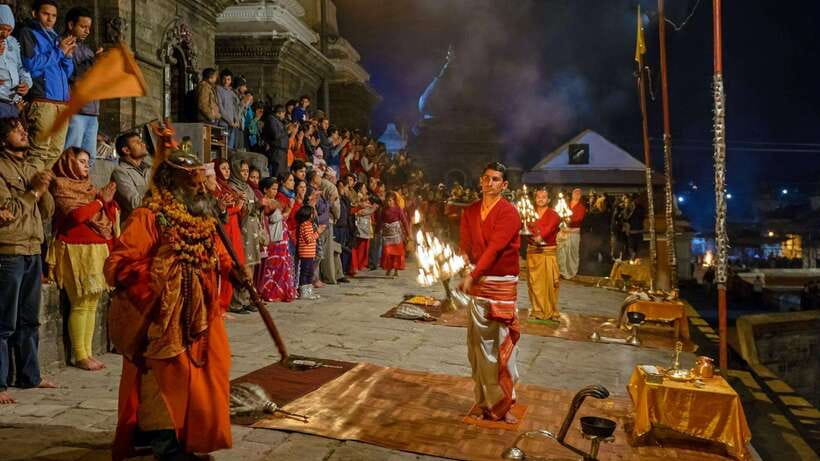
Pashupatinath is a sacred Hindu temple complex, not simply an old monument to inspect. You should dress with care by covering your shoulders and knees. This is basic courtesy, and it also helps you avoid an awkward start to the evening.
Non-Hindus are not allowed inside the main temple. That rule is important when deciding if this tour suits you. You will watch the Aarati from the Bagmati River banks, where the ritual remains visible and audible, but you will not enter the central temple building.
The experience is therefore about the wider sacred setting as much as the temple interior. Your guide can help explain the religious meaning of the river, the temple, the chants, and the lamps. A good explanation is especially useful if you have never attended a Hindu prayer ceremony.
Photography is generally allowed, but you need to use judgment. Ask before photographing people closely, avoid interrupting worship, and put your camera away if the guide signals that a moment calls for quiet. The ceremony is public, but it is still a serious act of devotion.
Incense smoke and chanting are part of the setting. If you are sensitive to smoke or prefer quiet sightseeing, prepare for a sensory experience rather than a silent visit. The music and prayers are central to the event, not background entertainment.
Watching the lamps by the Bagmati River
The ceremony takes place on the river side of Pashupatinath. As the priests move the lamps in circles, the flame becomes the visual focus. The river, the evening light, the chanting, and the gathered worshippers give the scene its power.
The ceremony attracts large numbers of people each year. On a busy Saturday night, finding a good place to sit can be difficult. One practical advantage of a capable guide is help with positioning. Razz, in particular, has been praised for securing a good sitting place during a very busy evening.
Arrive early when possible. You cannot control the size of the crowd, but you can improve your view by reaching the riverbank before the main ritual begins. Mondays and major religious festivals can be especially busy, with Maha Shivaratri and Haritalika Teej drawing large crowds.
Do not expect a private, quiet ceremony. This is a communal event with people singing, praying, moving around, and taking photographs. The atmosphere can shift between stillness and crowd noise. I consider that part of the experience, but it may disappoint you if you are expecting a secluded spiritual retreat.
The Aarati’s closing prayers focus on the welfare of all souls and express thanks for divine kindness. That ending helps explain why the ceremony feels collective. It is not only a priest performing for an audience. It is a shared act of prayer.
Same sacred ground, another way to see it:
- Lunch with Nuns – Monastery
★ 5.0 · 75 reviews - Kathmandu: Pashupatinath Temple Evening Aarati Tour
★ 5.0 · 36 reviews - Chandragiri Cable Car & Monkey Temple Tour- Private/Group
★ 5.0 · 32 reviews - Kathmandu: Pashupatinath Temple Aarti Night Tour
★ 4.8 · 29 reviews
What the guide adds to the visit
The guide is the difference between watching lamps and understanding the ceremony. Without context, you can still appreciate the sight, but you may miss why the river matters, why the lamps move in circles, and how the prayers connect to Lord Shiva and Hindu ideas about divine presence in all living beings.
Razz has received especially warm praise for explaining Hindu and Buddhist traditions in clear English. That combination is useful in Kathmandu, where religious life often overlaps in the same neighborhoods and monuments. His approach has been described as kind, careful, and easy to follow.
Shankar has also been praised for explaining religion, gods, and the cremation process. Ravi has been associated with efficient hotel pickup and driving. The exact guide is not guaranteed, so do not book solely on the assumption that you will receive one particular person. Still, the repeated praise for guide service is a real strength of this experience.
The tour may include views or explanations connected with cremation activity near the temple. One account describes seeing cremations at close range before the Aarati. This is a serious part of Pashupatinath’s religious life, not a sightseeing stunt. If the subject is difficult for you, tell the guide and keep a respectful distance.
A good guide should explain rather than pressure you. Be alert around shopping stops or informal purchases. One serious complaint involved a guide allegedly steering a customer toward an overpriced rudraksha purchase and receiving a commission. The complaint is not proof of a general pattern, but it is sensible advice: do not buy religious objects under pressure, and ask clearly if a shopping stop is part of the plan.
The three-hour itinerary in practical terms
The route is simple:
- Pickup at your hotel in central Kathmandu, Thamel, or Boudhha
- Transfer to Pashupatinath Temple
- Guided visit and riverside Aarati
- Return to Kathmandu, Thamel, or Boudhha
The temple visit is listed as a three-hour activity, though the total time can include driving. Traffic, pickup locations, and crowd conditions affect the schedule. Keep your evening flexible rather than planning a tightly timed dinner or flight immediately afterward.
The benefit of this short format is focus. You do not spend a whole day moving between distant sites. You see Pashupatinath at a meaningful time of day, receive cultural background, and return in the evening.
The limitation is depth. Pashupatinath is a large and complicated sacred complex, and three hours cannot cover every shrine, story, and ritual. If you want a full architectural survey or extended temple visit, you may prefer a longer daytime tour.
For most people, though, the evening timing is the point. The flames and chanting are more memorable than a quick daytime walk through empty courtyards, and the guide can connect the physical site to the ceremony taking place in front of you.
Is $22 a good value?
The advertised price is $22 per person. That includes hotel pickup and drop-off, private air-conditioned transportation, an English-speaking guide, and taxes. The NPR 1,000 monument entrance fee is extra, as are meals, drinks, and personal purchases.
I consider the price reasonable for a three-hour evening outing, especially if you are staying in central Kathmandu. Transport alone can become a nuisance in Kathmandu, and the guide adds meaning to an event that could otherwise be confusing.
The value is strongest if you are traveling alone or as a couple and want a simple, organized visit. It is also useful if you are new to Hindu customs and want explanations without arranging a private guide separately.
The value is weaker if you are comfortable arranging your own taxi and already understand Hindu ritual. In that case, you could potentially visit independently, but you would need to handle transport, entry payment, timing, and finding a suitable riverbank position yourself.
Remember the real cost is $22 plus NPR 1,000 per person for entry. Bring local currency or confirm the accepted payment method before setting out. Also allow for personal spending if you buy food, drinks, or souvenirs, though shopping is not part of the advertised inclusions.
Who will appreciate this tour most
I would recommend this experience to first-time visitors to Kathmandu who want cultural context without committing to a full-day tour. The evening schedule also works well if you spend the daytime visiting other parts of the city.
It suits you if you enjoy religious ceremonies, photography, guided sightseeing, and learning how local traditions work. It is particularly useful for people who might otherwise feel unsure about where to stand, what to photograph, or how to behave during worship.
Families with older children may also find it worthwhile, provided everyone understands that this is a sacred ceremony rather than a performance. The smoke, crowds, chanting, and cremation activity may not suit young children or anyone who wants a quiet outing.
You should think twice if entering the main temple is essential to your visit. Non-Hindus cannot go inside, and the Aarati is viewed from the riverbank. You should also reconsider if you dislike crowds or want a tightly controlled schedule.
Practical tips for a respectful visit
Wear clothing that covers your shoulders and knees. Comfortable shoes are useful because you may walk through crowded areas and stand or sit near the riverbank.
Plan to arrive early, especially on weekends, Mondays, and festival dates. A good place to view the ritual matters, and an early arrival gives you more time to settle before the chanting begins.
Keep some space around worshippers and avoid pushing toward the front. Photography is generally permitted, but do not let a camera turn a prayer service into a photo session.
Expect incense smoke, loud chanting, and changing crowd conditions. If you have respiratory sensitivities, carry anything you normally use for smoke exposure.
Bring money for the NPR 1,000 entry fee. The tour includes taxes and transport, but not the monument fee, food, drinks, or personal expenses.
The booking terms are flexible: you can cancel up to 24 hours ahead for a full refund, and you can reserve now and pay later. That is useful when Kathmandu plans are still shifting, though you should still check the available start time for your date.
Should you book the Pashupatinath Aarati Tour?
Book it if you want an easy, guided introduction to one of Kathmandu’s most important religious experiences. The strongest reasons are the riverside ceremony, the included central-city transport, and the chance to have a guide explain Hindu worship, cremation customs, and the meaning of the Bagmati River.
Go in with clear expectations. You will not enter the main temple if you are not Hindu, the extra NPR 1,000 fee matters, and the riverbank may be packed. Treat the Aarati as a real act of worship, not a show, and the evening can be deeply moving.
I would choose this tour over an unplanned independent visit if you are new to Kathmandu or want help finding a good viewing place. If you already know the temple complex well, prefer complete freedom, or dislike crowds, arrange your own visit instead.
FAQ
What time does the Pashupatinath Aarati start?
The evening Aarati usually starts around 6:00 to 6:30 PM. The exact time can change by season, so check availability for your date.
Can non-Hindus enter Pashupatinath Temple?
Non-Hindus are not permitted inside the main temple. You can view the Aarati from the banks of the Bagmati River.
Is the monument entrance fee included?
No. The monument entry fee is NPR 1,000 per person and must be paid separately on the day of the visit.
Where does hotel pickup take place?
Pickup is available from central Kathmandu, Thamel, and Boudhha. Pickup from areas outside central Kathmandu may cost extra.
What does the $22 price include?
The price includes hotel pickup and drop-off, private air-conditioned transportation, an English-speaking guide, and taxes. Meals, drinks, personal expenses, and monument entry are not included.
What should I wear to Pashupatinath?
Dress modestly and cover your shoulders and knees. This is a sacred Hindu site, so respectful clothing is important.
Can I cancel the booking?
You can cancel up to 24 hours in advance for a full refund. The activity also offers a reserve-now, pay-later option.
Temple visits we reviewed lately in Kathmandu
- Sacred Pashupatinath: Aarati,Cremation Rites & Boudha Stupa★ 5.0 · 18 reviews
- Pashupatinath: Evening tour of temple and Aarati ceremony★ 5.0 · 3 reviews
- Kathmandu: Pashupatinath Temple Aarti Night Tour★ 4.8 · 29 reviews
- Kathmandu: Pashupatinath Temple Evening Aarati Tour★ 5.0 · 36 reviews
- Kathmandu: Guided Walking Tour with Monkey Temple★ 5.0 · 18 reviews
- Kathmandu: Chandragiri Cable Car and Monkey Temple Tour★ 5.0 · 9 reviews
- Pokhara: Pagoda, Waterfall & Cave – Private Short Trip★ 3.9 · 3 reviews
- Chandragiri Cable Car & Monkey Temple Tour- Private/Group★ 5.0 · 32 reviews
Kathmandu Temple Tours, compared.
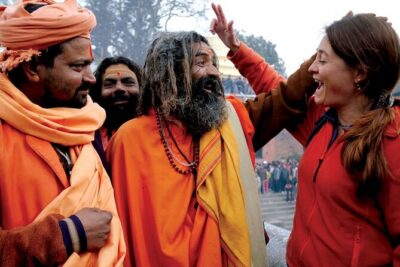
Kathmandu Spiritual Sites: Bodhnath & Pashupatinath Tour
Read our review →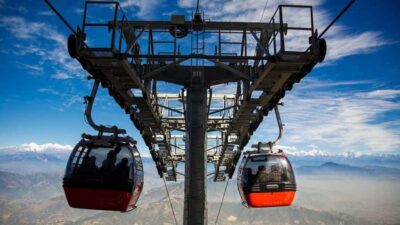
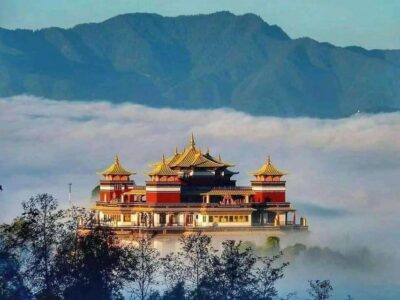
From Kathmandu: 2 Stupas and Kopan Monastery Spiritual Tour
Read our review →
Kathmandu: Pashupatinath Temple Evening Aarati Tour
Read our review →
Chandragiri Cable Car & Monkey Temple Tour- Private/Group
Read our review →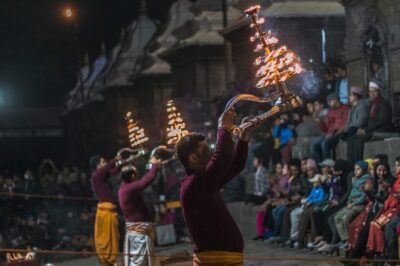
Kathmandu: Pashupatinath Temple Aarti Night Tour
Read our review →
Kathmandu: Guided Walking Tour with Monkey Temple
Read our review →This tour also ranks in