
Review · SPAIN
From Madrid: Escorial Monastery and the Valley of the Fallen
El Escorial is not simply a grand palace. It is a monastery, royal burial place, basilica, library, art collection, and political statement rolled into one severe granite complex. The second stop, the Valley of the Fallen, shifts the story from Felipe II and Spain’s Golden Age to the Spanish Civil War and present-day democracy.
I like this tour for two clear reasons: the history is explained on site, and the bus links two difficult places to reach together without making you rent a car. The guides, including Cristina, Beatriz, Sergio, Rafael, and Oscar, have been repeatedly praised for clear English, good pacing, and a respectful approach to painful subjects.
The main drawback is time. Five hours gives you a useful introduction, but the Valley of the Fallen in particular can feel rushed. There are also many steps, and this is not a good choice for wheelchair users or anyone with serious walking difficulties.
Key points to know before booking
- Two very different monuments: El Escorial presents royal power, Catholic devotion, art, and dynastic burial. The Valley of the Fallen confronts the legacy of the Spanish Civil War.
- A practical half-day from Madrid: The ride takes about 45 minutes each way, with a short transfer between the two sites.
- Strong guide element: The tour is offered in English or Spanish, with headsets and a live guide. Cristina, Beatriz, Sergio, Rafael, and Oscar are among the guides praised for their explanations.
- Expect a lot of walking: The route includes stairs and large interior spaces. Comfortable shoes are essential.
- Good value at $73: Round-trip transport, entry to both sites, skip-the-line access, Wi-Fi on the bus, a guide, and headsets are included.
- A serious second stop: The Valley of the Fallen is visually dramatic, but its Civil War and Franco-era associations call for attention and respect, not just photographs.
Why these two sites belong together
At first glance, El Escorial and the Valley of the Fallen seem like an odd pair. One is tied to a 16th-century king and the Spanish monarchy. The other is a 20th-century monument built around the memory and political legacy of the Civil War.
That contrast is the point. In a single morning, you move through more than 600 years of Spanish history. You begin with Felipe II, whose reign helped shape Spain’s religious and imperial identity, then confront a monument linked to the country’s civil conflict and later democracy.
I find this much more useful than visiting El Escorial as an isolated architectural sight. Without context, you may notice the granite, paintings, royal tombs, and enormous basilica but miss why the complex was built with such purpose. At the Valley of the Fallen, historical explanation matters even more because the site remains politically sensitive.
The tour does not pretend these are light sightseeing stops. You are looking at royal power, religious belief, national identity, war, burial, and memory. That gives the outing more weight than a standard palace visit.
More Temple Tours around Spain:
- Montserrat Monastery Half Day Experience from Barcelona
★ 5.0 · 6,014 reviews - Montserrat Monastery Small Group or Private Tour Hotel pick-up
★ 5.0 · 5,144 reviews - Escorial Monastery and the Valley of the Fallen Tour from Madrid
★ 5.0 · 2,494 reviews
Leaving Madrid and reaching San Lorenzo de El Escorial
The meeting point is outside the Commercial Gallery at San Bernardo Street 7. From there, the air-conditioned coach takes roughly 45 minutes to San Lorenzo de El Escorial, a small town in the Sierra de Guadarrama area.
The bus is an important part of the value. Both monuments are outside central Madrid, and reaching them independently takes more planning than many first-time visitors expect. The tour removes the need to work out connections between the two sites, and Wi-Fi is available on the bus.
You make a short bathroom stop on arrival before beginning the monastery visit. That is a sensible pause, since the first guided visit lasts about 105 minutes and the complex involves plenty of walking.
Do not expect a scenic free morning in the town. This is a focused excursion, not a relaxed day trip with time for cafés and wandering. The schedule is designed to get you inside both monuments and back to Madrid in five hours.
El Escorial, Felipe II’s severe royal project
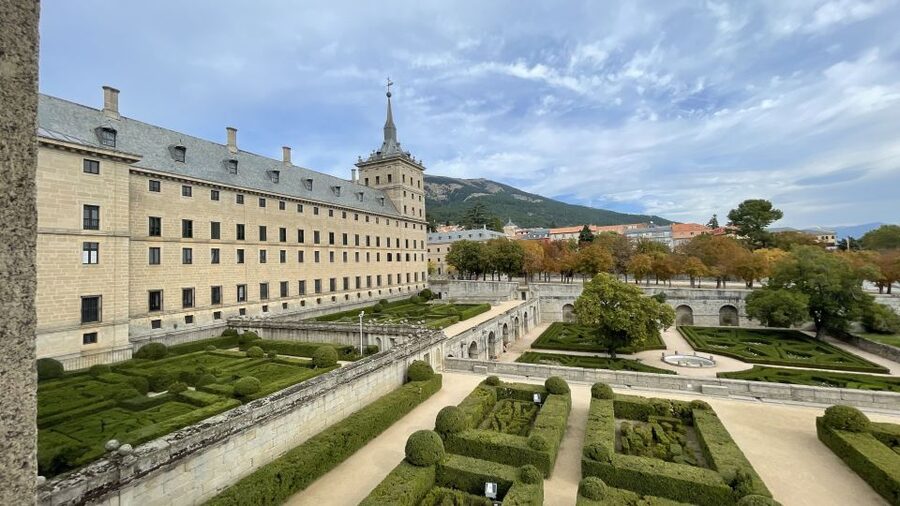
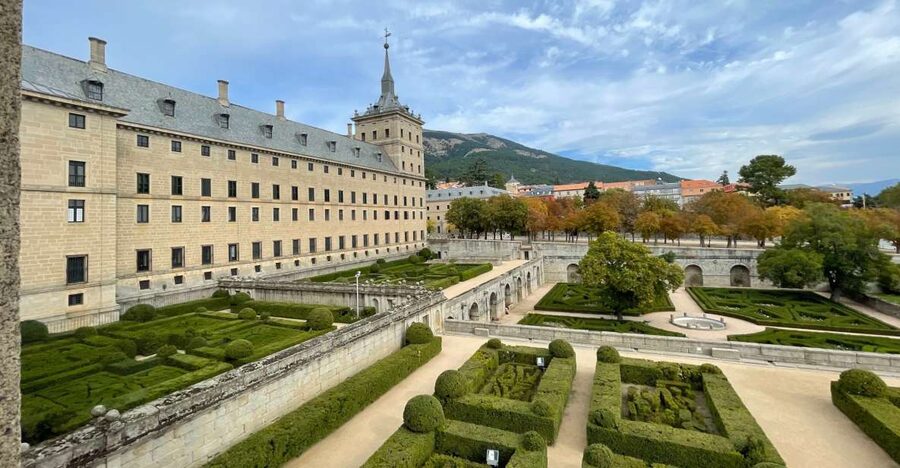
The Monastery of San Lorenzo de El Escorial is the heart of the tour. Built during the reign of Felipe II, it expresses the religious and political ambitions of Spain’s Golden Age in stone, paintings, tombs, courtyards, and carefully planned spaces.
The building is often described as a royal residence, but that label does not quite capture it. You are also seeing a monastery, basilica, library, burial complex, and center of royal devotion. Its scale can be hard to grasp until you move from one formal space to another.
The visit includes several major areas:
- The Patio de Reyes, the formal entrance courtyard
- The cloister
- The Chapter Rooms
- The basilica, except on Sundays
- The Pantheon of Kings and Pantheon of Infants
- The Royal Rooms
Your guide provides the thread connecting these rooms. That matters because the building can otherwise feel like a long sequence of impressive interiors. The stories of Felipe II, the monarchy, Catholic worship, and royal burial help each part make sense.
The basilica is a major highlight, but it is not guaranteed on Sundays according to the tour details. If seeing it is important to you, check the operating arrangements for your date before booking.
Paintings, pantheons, and the Royal Rooms
Art lovers should pay close attention inside El Escorial. The paintings are one of the most praised parts of the visit, even though the tour is primarily historical and architectural rather than a specialist art tour.
If you have studied Spanish art or architecture, you may wish the guide had more time for individual paintings. The schedule gives you a broad understanding of the collection and building, not an extended art-history lecture.
The Pantheon of Kings and Pantheon of Infants add a different mood. These burial spaces make the monastery’s role as a royal institution clear. You are not only looking at where a monarch lived or prayed. You are seeing how the Spanish monarchy presented its continuity across generations.
The Royal Rooms offer another change in tone. They connect the huge public and religious complex with the private life of the royal household. The rooms are part of a larger message: Felipe II’s authority was tied to faith, monarchy, administration, and ceremony.
The cloister and Chapter Rooms help show how the monastery functioned beyond royal symbolism. I recommend staying close to the guide and using the headset. Large interiors can make it difficult to hear every detail without one.
Same sacred ground, another way to see it:
- Montserrat Museum and Monastery Entry Ticket
★ 4.5 · 1,740 reviews - Montserrat Small Group: Monastery, Black Madonna & Natural Park
★ 5.0 · 1,690 reviews - Madrid: Flamenco Show at Tablao Sala Temple with Drink
★ 4.8 · 1,206 reviews - From Seville: Italica Roman City & Medieval Monastery Tour
★ 4.5 · 1,051 reviews
The 15-minute ride to the Valley of the Fallen
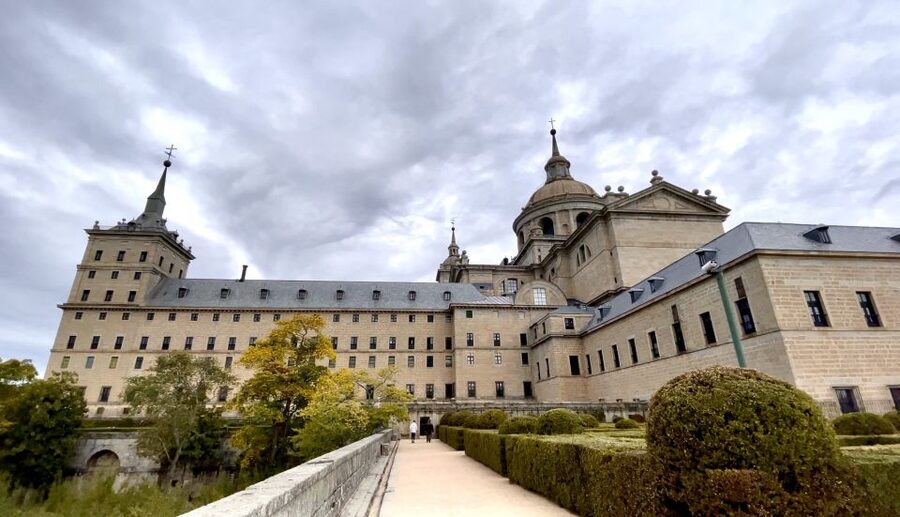
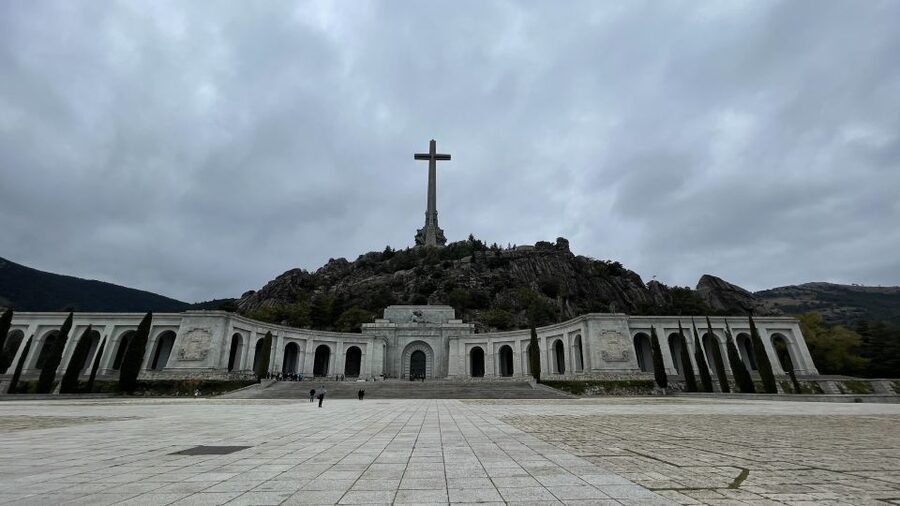
After El Escorial, the bus drives about 15 minutes to the Valley of the Fallen, located in the Peña de Cuelgamuros. The short transfer gives you a quick change of subject and setting.
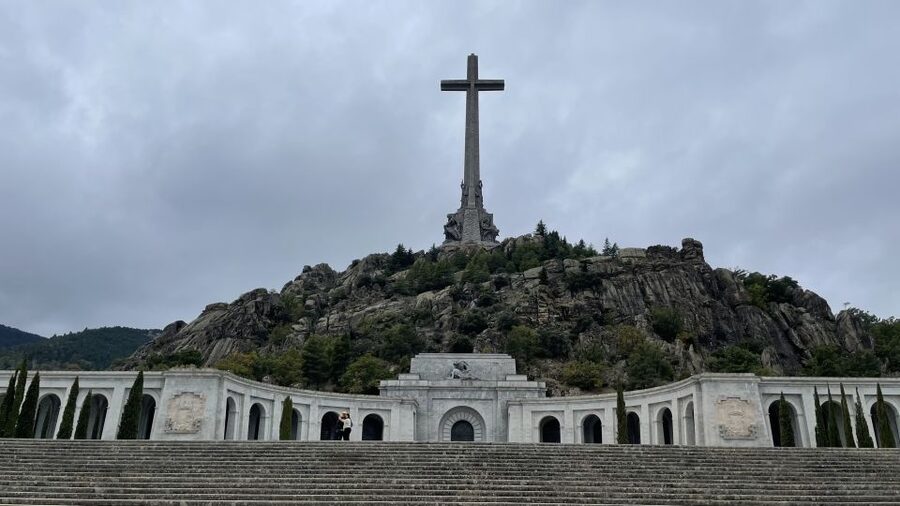
The monument is visible before you fully understand it. Its great granite cross can be seen from many kilometers away, and the scale is deliberately overwhelming. The basilica is carved into the rock, creating an interior unlike the monastery you have just left.
You visit the surrounding area and the basilica with the guide. The guided portion lasts about one hour. That is enough to understand the site and see its defining features, but it does not leave much room for an independent wander.
This is the point in the outing where expectations matter. The Valley of the Fallen is not simply a beautiful church in the mountains. It is also a burial place for 33,847 people who died in the Spanish Civil War, and its association with Franco-era Spain makes it one of the country’s most debated monuments.
A good guide needs to explain the facts without turning the visit into a political argument. The strongest guide feedback describes this balance well. Cristina in particular has been praised for presenting the history clearly in both English and Spanish, while other guides, including Beatriz, Sergio, and Rafael, have been described as informative, friendly, and respectful.
What the Valley of the Fallen feels like
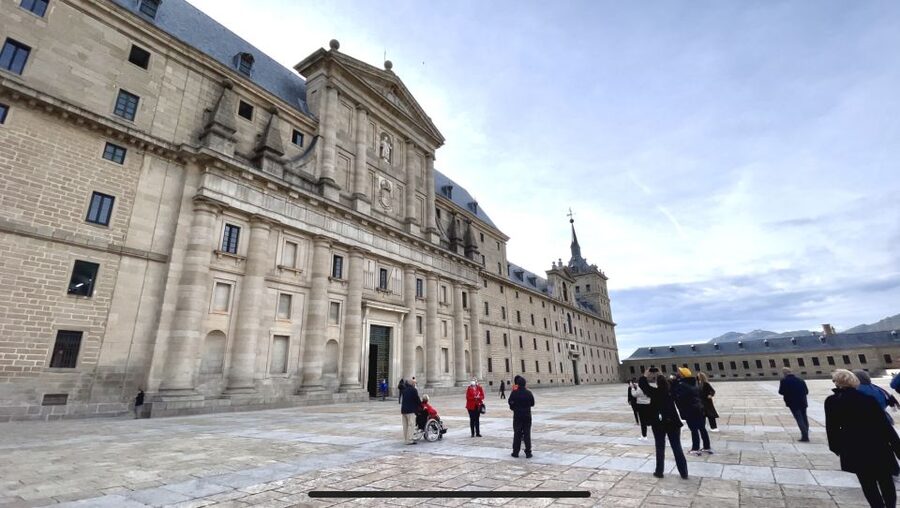
The basilica carved into the granite is the visual surprise of the second stop. Its setting and scale make it memorable, but the emotional effect comes from knowing what the place represents.
You should allow yourself time to look carefully, but remember that the group must keep to the coach schedule. One practical criticism of this tour is that the Valley of the Fallen can feel too short, especially if you want additional photographs or quiet time inside and around the monument.
The area may also feel very different in poor weather. Rain, cold, or low cloud can reduce the views and make outdoor sections less comfortable. Bring clothing suited to the day, rather than assuming Madrid’s city-center weather will be the same outside the capital.
The site deserves a slower, thoughtful visit, but this excursion gives you the essential structure: the cross, the rock-cut basilica, the surrounding setting, and the historical explanation. If you want extended time for reflection or photography, consider visiting independently on another day.
Guides, headsets, and bilingual touring
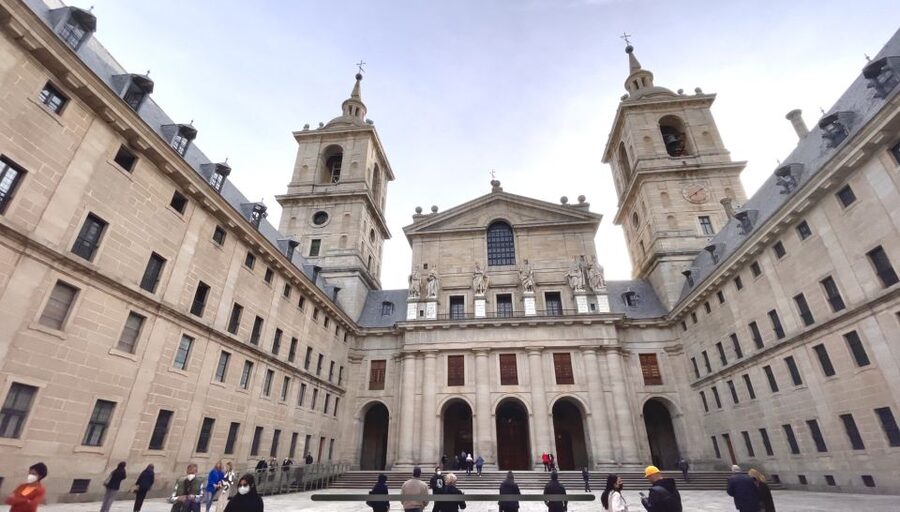
The guide is the main reason to choose this organized visit instead of simply buying admission. El Escorial has enough rooms and history to overwhelm a first-time visitor, while the Valley of the Fallen requires careful explanation.
The tour operates in English and Spanish. A live guide leads the group, and headsets are included. Several guides have received especially strong praise for their ability to switch between the two languages, keep the group moving, and answer questions.
Cristina is often singled out for clear bilingual explanations, humor, and a respectful presentation of the Valley of the Fallen. Beatriz has been praised for her historical detail, while Sergio and Rafael are noted for keeping the pace friendly and engaging. The guide assigned to your departure can vary, so treat these names as examples rather than a guarantee.
The pace sounds well judged for most people. You have enough time for photographs and a quick look around, but you are not left to wander for long periods. That is a benefit if you want structure. It is a limitation if you prefer museums at your own speed.
Some audio equipment has been reported to include background noise, so sit near the guide when possible and pay attention during transitions. The headsets are still useful, especially in large rooms or when the group spreads out.
How much walking should you expect?
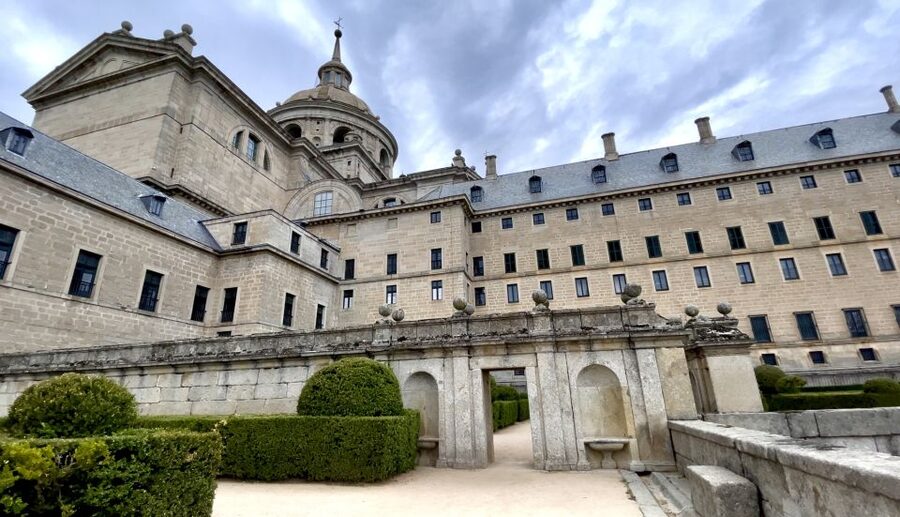
This is not a low-effort bus excursion. You will walk through a large monastery, move between rooms, visit the basilica and burial areas, and explore the Valley of the Fallen complex.
There are many steps at both sites. The tour is specifically not suitable for wheelchair users or people with mobility impairments. If stairs, long indoor routes, or keeping up with a group are difficult for you, choose a different Madrid day trip.
Wear comfortable shoes and comfortable clothes. The advice sounds basic, but it matters here. You do not need hiking equipment, yet flimsy shoes will make the monastery and monument less enjoyable.
The bus provides welcome rest between visits. The short ride from El Escorial to the Valley of the Fallen is especially useful because you move directly into the second guided visit rather than spending time navigating on foot or by public transport.
Is $73 a fair price?
At $73 per person, the tour offers solid value for a five-hour outing. The price includes round-trip transport, entry tickets to both sites, skip-the-line access through a separate entrance, a live guide, headsets, and Wi-Fi on the bus.
The key value is transportation and interpretation. If you rented a car, you would gain more freedom but still need to pay admission and arrange your own route. You would also miss the guide’s explanation unless you joined separate tours or did extensive preparation.
Food and drinks are not included. The schedule does not center on a meal stop, so eat before departure and carry what you need, within the rules of the sites. There is a bathroom stop at El Escorial, but this is not a food-focused excursion.
The price makes the most sense for first-time visitors to Madrid who want both monuments in one morning. It is less ideal for someone who already knows Spanish history and mainly wants long, quiet stretches for photography or independent research.
Free cancellation up to 24 hours before departure and the option to reserve now and pay later add useful flexibility. These are practical advantages, but the real question is still how much structure you want.
Who should book this half-day trip?
I would recommend it to you if you want to understand Spain through its buildings rather than only through city museums. It suits first-time Madrid visitors, history students, families with older children, and anyone without a car.
It is also a good choice for people who like a clear timetable. You leave Madrid, visit El Escorial, transfer to the Valley of the Fallen, and return to the same central meeting point. The route is efficient and avoids the stress of arranging two out-of-town visits yourself.
Families should consider the subject matter. The Civil War and burial aspects of the second stop may be too serious for very young children, while older teenagers may find the connection between monarchy, dictatorship, and democracy meaningful.
I would not choose it if you want a leisurely mountain day, a long lunch, or deep independent time at either site. I would also avoid it if you have trouble walking or need step-free access.
Should you book it?
Book this tour if you want historical context, simple transport, and two major sites in one morning. El Escorial alone is worth the trip, and the Valley of the Fallen adds a difficult but important chapter to the story of modern Spain.
The strongest reason to go with a guide is not merely convenience. It is the chance to understand why these places were built, how they served Spain’s monarchy and religion, and why the second monument remains controversial.
You will need to accept the trade-off: efficient timing instead of a slow visit. For $73, that is a fair exchange for most Madrid visitors, especially if you do not have a car. Just wear good shoes, expect steps, and reserve another visit if the Valley of the Fallen deserves more time than a half-day schedule allows.
FAQ
How long does the tour take?
The full activity lasts about five hours, including the bus rides from Madrid, the guided visit to El Escorial, the visit to the Valley of the Fallen, and the return to Madrid.
Where does the tour begin and end?
It begins and ends at Fun and Tickets outside the Commercial Gallery at San Bernardo Street 7 in Madrid.
Is transportation included?
Yes. Round-trip transportation in an air-conditioned bus is included, along with Wi-Fi on the bus.
Which languages are available?
The live tour guide and audio guide are available in English and Spanish. Headsets are included.
Is the tour suitable for wheelchair users?
No. The tour is not suitable for wheelchair users or people with mobility impairments. There are many steps at both locations.
Is food included?
No. Food and drinks are not included in the price.
Temple visits we reviewed lately in Spain
- San Lorenzo de El Escorial: Monastery and Site Guided Tour★ 4.8 · 127 reviews
- Santander: Picos, Santo Toribio Monastery and Potes Day Tour★ 4.8 · 261 reviews
- Private Bécquer’s route, Trasmoz, Veruela’s Monastery +food★ 5.0 · 5 reviews
- Montserrat Monastery Ticket with Escolania Boys’ Choir★ 4.4 · 55 reviews
- Montserrat: PRIVATE TOUR – Monastery, Cable Car & Soft Hike★ 5.0 · 4 reviews
- Private Montserrat Monastery with pickup + Winery or Caves★ 4.9 · 4 reviews
- Món Sant Benet Monastery Tickets★ 5.0 · 7 reviews
- Medieval Route in Navarre: Olite, Ujué, Javier Castle, and Monastery of Leire★ 4.8 · 6 reviews
Spain Temple Tours, compared.
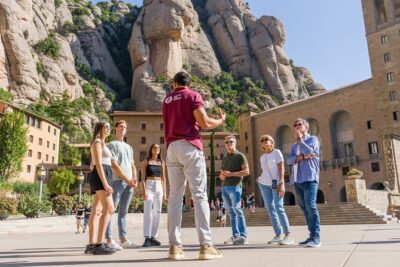
Montserrat Monastery Half Day Experience from Barcelona
Read our review →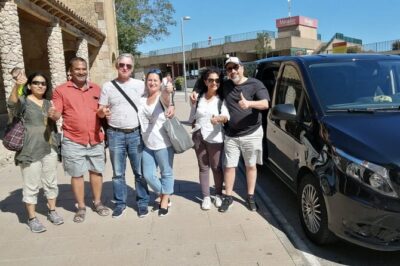
Montserrat Monastery Small Group or Private Tour Hotel pick-up
Read our review →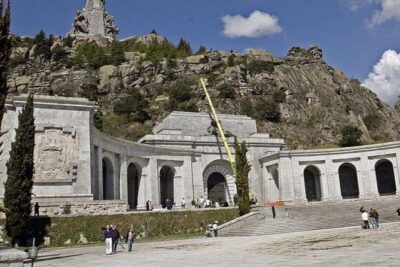
Escorial Monastery and the Valley of the Fallen Tour from Madrid
Read our review →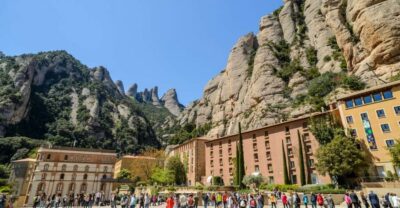
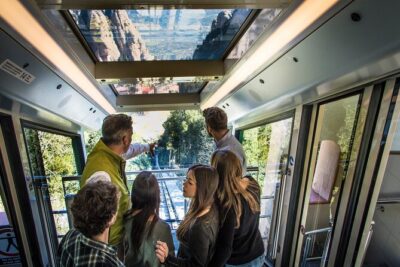
Montserrat Small Group: Monastery, Black Madonna & Natural Park
Read our review →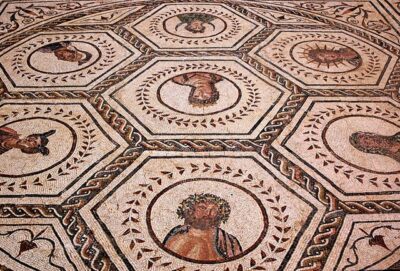
From Seville: Italica Roman City & Medieval Monastery Tour
Read our review →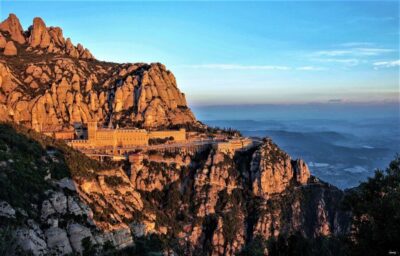
From Barcelona: Montserrat Monastery, Easy Hike, Cable Car
Read our review →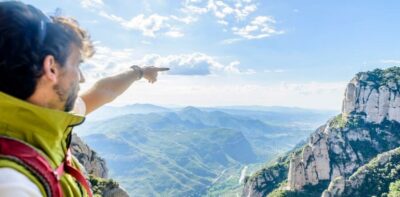
From Barcelona: Montserrat Monastery & Scenic Mountain Hike
Read our review →This tour also ranks in