
Review · SPAIN
From Seville: Italica Roman City & Medieval Monastery Tour
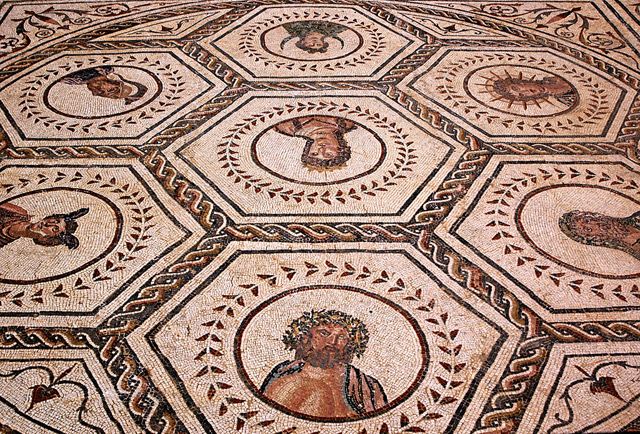
Italica gives you something Seville itself cannot: a walk through an ancient Roman city where the streets, mosaics, houses, and amphitheater still make sense on the ground. The huge arena, built for about 25,000 spectators, is the star, but the detailed floor mosaics may be the real surprise. Trajan and Hadrian were born here, which gives the ruins unusual importance.
I like the easy 20-minute ride from Seville and the fact that your admission, transport, and guide are bundled into one half-day outing. I also like the pairing with San Isidoro del Campo, a medieval monastery with Mudejar, Gothic, and Baroque touches. The main drawback is time: 105 minutes at Italica is enough for a guided overview, but not always enough for lingering photographs, quiet wandering, and every corner of the site.
Key points
- Roman emperors began here: Italica was founded in 206 BC and was the birthplace of Trajan and Hadrian.
- The amphitheater is enormous: Underground passages and the former lion den help you picture the arena in use.
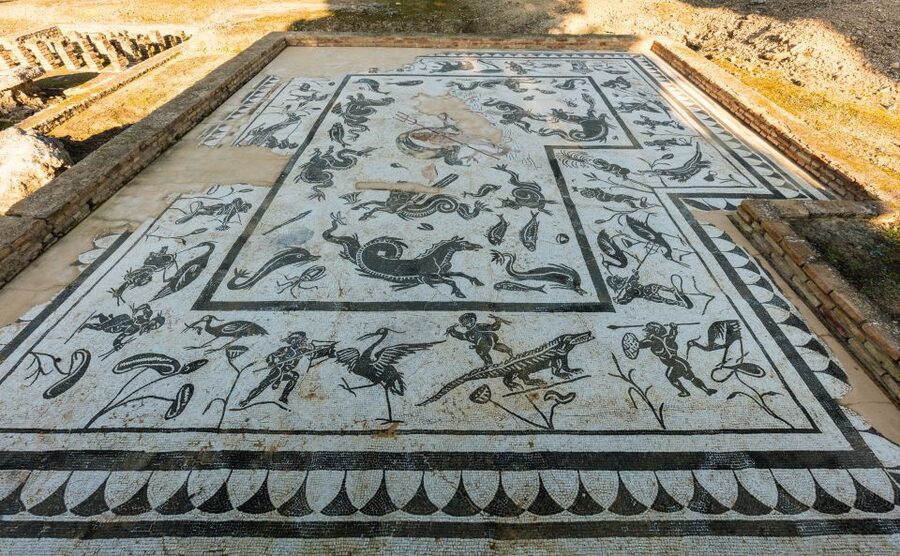
- The mosaics are a major highlight: Carefully preserved floors give the ruins color and detail.
- Game of Thrones fans get a bonus: The amphitheater served as the Dragonpit in season seven.
- The monastery changes the mood: San Isidoro del Campo brings medieval religious art and architecture into the same outing.
- The guides make the difference: Guides such as Carlos, Miguel, Alberto, Jesus, and Jose Luis have been praised for clear storytelling, humor, and strong historical knowledge.
Why Italica is worth leaving Seville for
Italica sits close enough to Seville to make this a practical half-day trip rather than a major expedition. You spend roughly 20 minutes on the coach going out, then arrive at one of Spain’s most important Roman archaeological sites.
The city began in 206 BC, founded by the Roman general Publius Cornelius Scipio. It later became associated with two emperors, Trajan and Hadrian. That connection matters because you are not simply looking at scattered stones. You are walking through a place tied to the highest levels of Roman power.
The ruins are especially rewarding if you like seeing how a city worked. You follow ancient streets, look into homes, study mosaic floors, and approach the amphitheater from several angles. The site is not presented as one polished monument. It is a large archaeological area, with excavated sections alongside parts still awaiting more work.
That unfinished quality is part of the appeal. You can see the scale of the city without it feeling like a reconstructed theme park. At the same time, it means the experience depends heavily on your guide. A good guide explains what is visible, what archaeologists believe, and how the pieces fit together.
More Temple Tours around Spain:
- Montserrat Monastery Half Day Experience from Barcelona
★ 5.0 · 6,014 reviews - Montserrat Monastery Small Group or Private Tour Hotel pick-up
★ 5.0 · 5,144 reviews - Escorial Monastery and the Valley of the Fallen Tour from Madrid
★ 5.0 · 2,494 reviews
The 105-minute walk through Roman Italica
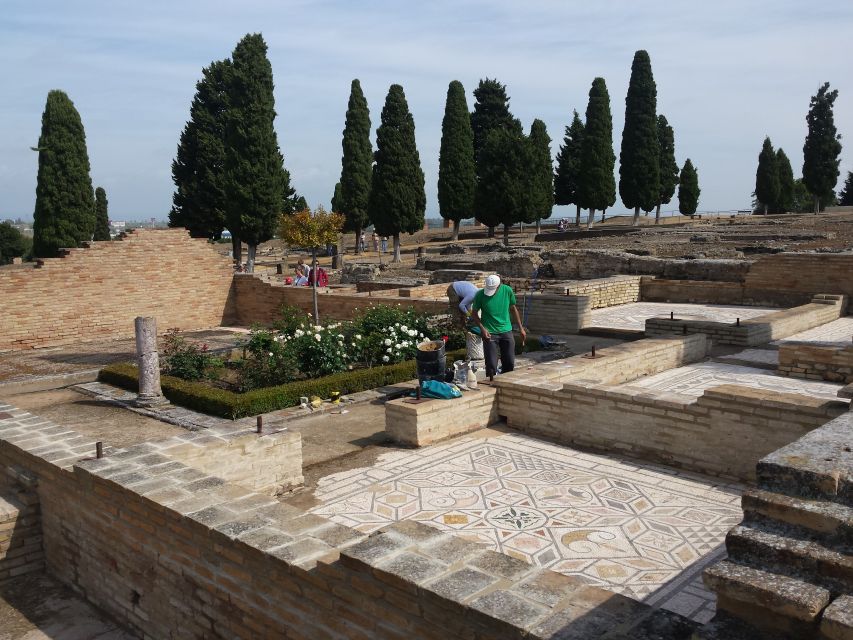
The guided visit lasts about 105 minutes. That is a sensible amount of time for an introduction, though you should not expect hours of independent exploration.
Your guide leads you through the ancient streets and points out the remains of houses and public spaces. The mosaics are a major reason to come. Their patterns and colors survive far better than many visitors expect, and they make it easier to picture the homes as lived-in places rather than empty foundations.
The amphitheater is the dramatic centerpiece. Its capacity was about 25,000 people, making it one of the largest in the Roman Empire. Even without a modern reconstruction, the curved seating, arena, and sheer footprint communicate the scale of public entertainment in Roman Spain.
You also enter the underground passages once used by gladiators. The den where lions were held before combat adds a darker, more physical detail to the visit. These spaces help you understand the machinery behind the spectacle: people, animals, equipment, and performers moved below the arena while the crowd watched above.
At the end of the main visit, you may have around 15 minutes for photographs or a short look around on your own, depending on the pace of the group. That is useful, but limited. One visitor with a walking aid found the guide attentive and considerate, yet still wished for more time to return to the amphitheater and photograph it from different levels.
I would treat the guided walk as the core experience and the free time as a bonus, not the other way around. If you like to compose photographs slowly, you may want to stay focused during the commentary so you can use the final minutes well.
The amphitheater as the Dragonpit
You do not need to watch Game of Thrones to enjoy Italica, but the filming connection adds a modern layer to the ancient arena. The amphitheater was used as the Dragonpit in season seven, including the tense summit scene involving several major characters.
The filming location is interesting because the real site already has the drama the show needed. The broad oval arena, underground corridors, and steep seating create a powerful setting without much added decoration.
Your guide can connect what you see to both Roman entertainment and the television production. For fans, this may be the moment that turns a good archaeological visit into a personal highlight. For everyone else, it remains a very large and unusually intact Roman amphitheater.
San Isidoro del Campo adds a different Spain
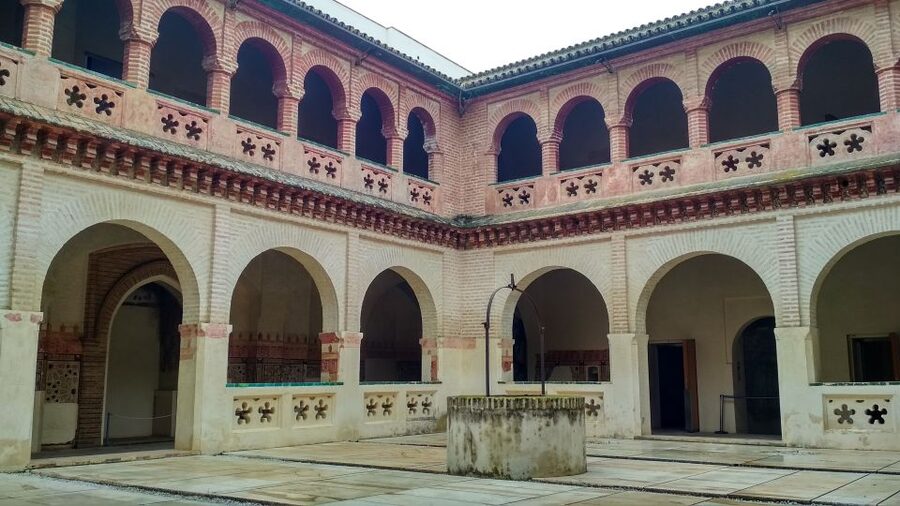
After Italica, the coach ride to the monastery takes about 10 minutes. The visit to San Isidoro del Campo lasts around 40 minutes, so it is shorter than the Roman site, but it gives the tour a useful change of pace.
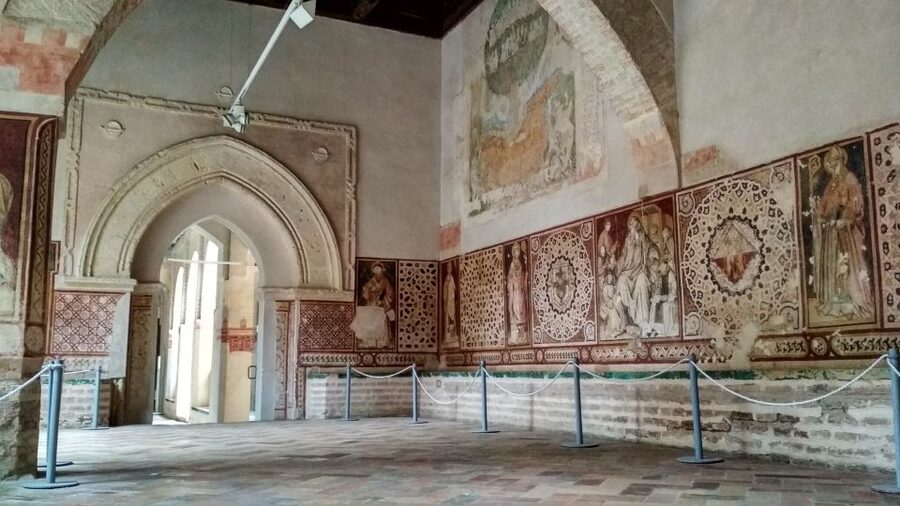
The monastery has the feel of a fortified religious complex. Its architecture brings together Mudejar, Gothic, and Baroque elements, reflecting different periods of construction and decoration. The contrast with Italica is the point. In the morning or afternoon, you move from Roman civic life and arena spectacles to medieval religious life and later artistic changes.
I find this pairing stronger than a tour that visits Roman ruins alone. Italica can leave you thinking about empire, engineering, and public entertainment. San Isidoro del Campo shifts the focus to worship, monastic life, architecture, and the long development of Andalusia.
The monastery is not as vast as the Roman site, and some areas are not open. Funding limitations affect what can be visited, so you should not expect access to every room or section. Even so, the 40-minute guided stop gives you enough context to appreciate the building rather than simply walk through it.
For some people, Italica will be the clear favorite. Others may prefer the monastery because its walls, decoration, and architectural details offer better close-up subjects for photography. The two stops suit different interests, which is why the combination works.
Same sacred ground, another way to see it:
- Montserrat Museum and Monastery Entry Ticket
★ 4.5 · 1,740 reviews - Montserrat Small Group: Monastery, Black Madonna & Natural Park
★ 5.0 · 1,690 reviews - From Madrid: Escorial Monastery and the Valley of the Fallen
★ 4.7 · 1,434 reviews - Madrid: Flamenco Show at Tablao Sala Temple with Drink
★ 4.8 · 1,206 reviews
What the guides add to the ruins
This is a history-heavy tour, and the guide matters. The strongest descriptions of the experience center on guides who explain clearly, answer questions, and use humor without turning the site into a comedy routine.
Carlos has been praised for connecting archaeology, art, and historical context, while Miguel is known for an entertaining and engaging style. Alberto has been described as especially strong on art history and Roman background. Jesus and Jose Luis have also been noted for bringing the Roman period to life with clear explanations and humor.
Those names do not guarantee who will lead your tour, but they give you an idea of the standard the company aims for. Guides speak English, French, Italian, or Spanish, and the same-language group requires at least four participants. If that minimum is not reached, you may be offered another language, another date, or a full refund.
A guide also helps you read the site. Without one, you can see the amphitheater and mosaics, but you may miss why the city was built in this form, how Roman homes were arranged, or what the underground passages tell you about the arena.
The coach ride and meeting points
Transport from Seville is included, which is one of the tour’s strongest practical features. The ride to Italica takes about 20 minutes, and the return to Seville takes about 20 minutes after the monastery. There is another short 10-minute transfer between the two sights.
The shared tour uses one of three meeting points in Seville, depending on the option you book. The private version can include hotel or apartment pickup if your accommodation is inside the pickup area. If it is outside that zone, you receive the nearest practical collection point.
The vehicle has been described as a large, comfortable coach, and one bus had USB charging ports. The shared coach may carry several groups before they divide by language at the site. That arrangement can make the initial ride feel larger than the walking group itself, so do not assume that every person on the bus will follow the same guide.
One small point deserves attention: meeting instructions need care. A visitor found that satellite navigation led slightly away from the correct meeting place. Check the exact instructions rather than relying only on your phone map, and arrive early enough to identify the group.
How the four hours usually work
The advertised duration is four hours, but you should leave some breathing room afterward. Traffic leaving Seville can delay the start, and one tour ran longer than expected while still giving the full visit rather than cutting time from the sights.
The basic rhythm is:
- Coach from Seville to Italica, about 20 minutes
- Guided visit at Italica, about 105 minutes
- Coach to San Isidoro del Campo, about 10 minutes
- Guided monastery visit, about 40 minutes
- Coach back to Seville, about 20 minutes
The schedule is well suited to a morning or afternoon in Seville, but I would avoid booking a restaurant reservation or train immediately after the planned return. A little extra time protects you from traffic, a delayed start, or a group that needs longer at the site.
There are toilets and a small exhibition at the archaeological site, but facilities are limited. The toilets have not always been in good condition. Since food and drinks are not included, eat before you leave or carry a snack if you tend to get hungry. The schedule does not appear to provide a proper meal stop, and the final part of the tour can feel long if you have not eaten.
Is $46 good value?
At $46 per person, this is a fair price for a four-hour outing that includes transport, entry tickets, and a live guide. Buying these parts separately might save money if you are comfortable arranging local transport and exploring without help, but the tour removes the planning work and adds context at both sites.
The value is strongest for first-time visitors to Seville who want to see Italica without working out the bus connection, opening details, and site layout. It is also good for anyone who wants the Roman ruins explained rather than simply photographed.
The private option costs more than the shared option, though the exact price depends on the booking choice. You gain a more personal format and possible accommodation pickup. Choose private if your group values flexible questions, a quieter pace, or door-to-door convenience.
Choose shared if you mainly want efficient transport and a well-organized introduction. With a 4.5 rating from 1,051 ratings, the experience has a strong overall record, but the occasional delay and limited free time are worth keeping in mind.
Who will enjoy this tour most
I would recommend it to:
- History fans interested in Roman Spain
- Game of Thrones fans who want to see the Dragonpit
- Families with older children or teenagers
- Visitors who prefer a guide at archaeological sites
- Photographers who enjoy mosaics and architectural detail
- Anyone with only half a day available outside Seville
The tour can also work well for visitors who usually prefer independent sightseeing. Italica has enough hidden meaning in its streets and ruins that a good explanation adds real value.
It may be less suitable if you want a slow, unstructured day. The schedule is organized, and the guided sections leave limited time for wandering alone. It is also worth thinking about your walking pace. The site involves moving through an archaeological area, and anyone using a walking aid should tell the guide early so the pace and route can be handled thoughtfully.
My verdict: book it if you want context, not just ruins
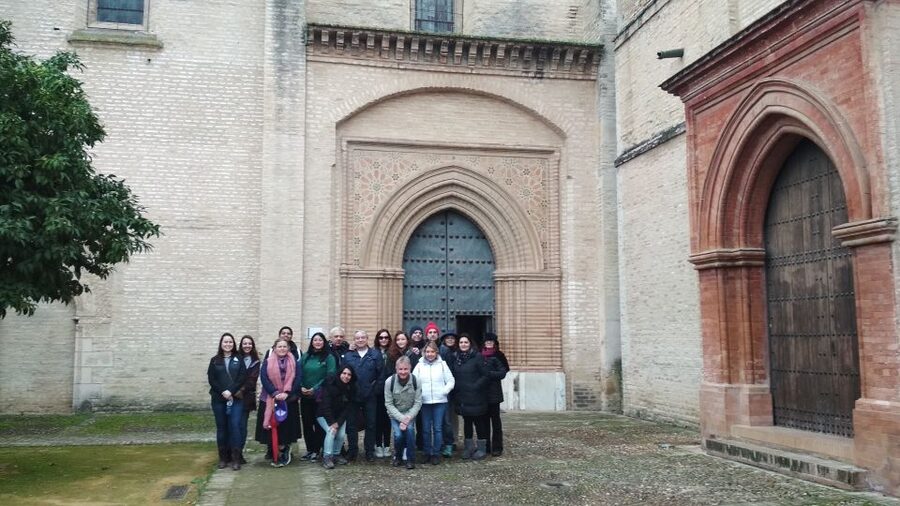
I would book this tour if you want an easy route from Seville, a strong introduction to Roman Italica, and a second historic site that keeps the outing from feeling one-note. The amphitheater and mosaics justify the trip, while San Isidoro del Campo adds architectural variety.
Book the shared option for the best balance of price and convenience. Choose private if pickup and personal attention matter more than keeping the cost low.
Skip it only if you already know Italica well or want several hours of independent photography. For most visitors, $46 buys a useful half-day, and the guides are likely to turn an impressive pile of ruins into a place you can actually understand.
FAQ
How long does the tour take?
The stated duration is four hours, including transport from Seville, the visit to Italica, the monastery stop, and the return journey.
How far is Italica from Seville?
The coach journey from Seville to Italica takes about 20 minutes.
What is included in the price?
Entry tickets, transport from Seville, and a local live guide are included.
Is food included?
No. Food and drinks are not included, and the schedule does not list a meal stop.
Which languages are available?
The tour is offered in English, French, Italian, and Spanish.
Is the tour private or shared?
You can choose a shared group tour or a private tour, depending on the option selected.
Is hotel pickup available?
Hotel or apartment pickup is available for the private tour option if the accommodation is within the pickup area. Otherwise, the nearest accessible meeting point is provided.
Where does the shared tour meet?
The shared tour uses one of three meeting points in Seville. The exact meeting point depends on the option booked.
What happens if there are fewer than four people speaking the selected language?
You may be offered an alternative language, a different date, or a full refund.
Can I cancel the booking?
You can cancel up to 24 hours in advance for a full refund. A reserve-now, pay-later option is also available.
Temple visits we reviewed lately in Spain
- San Lorenzo de El Escorial: Monastery and Site Guided Tour★ 4.8 · 127 reviews
- Santander: Picos, Santo Toribio Monastery and Potes Day Tour★ 4.8 · 261 reviews
- Private Bécquer’s route, Trasmoz, Veruela’s Monastery +food★ 5.0 · 5 reviews
- Montserrat Monastery Ticket with Escolania Boys’ Choir★ 4.4 · 55 reviews
- Montserrat: PRIVATE TOUR – Monastery, Cable Car & Soft Hike★ 5.0 · 4 reviews
- Private Montserrat Monastery with pickup + Winery or Caves★ 4.9 · 4 reviews
- Món Sant Benet Monastery Tickets★ 5.0 · 7 reviews
- Medieval Route in Navarre: Olite, Ujué, Javier Castle, and Monastery of Leire★ 4.8 · 6 reviews
Spain Temple Tours, compared.
Montserrat Monastery Half Day Experience from Barcelona
Read our review →
Montserrat Monastery Small Group or Private Tour Hotel pick-up
Read our review →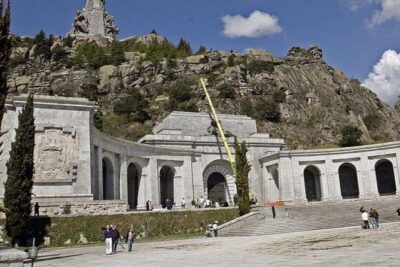
Escorial Monastery and the Valley of the Fallen Tour from Madrid
Read our review →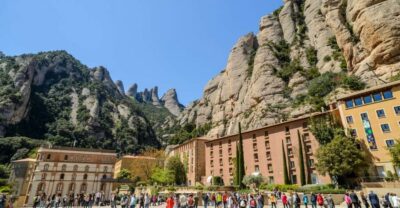
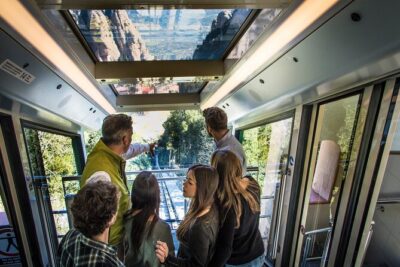
Montserrat Small Group: Monastery, Black Madonna & Natural Park
Read our review →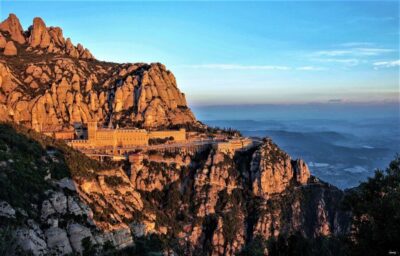
From Barcelona: Montserrat Monastery, Easy Hike, Cable Car
Read our review →
From Barcelona: Montserrat Monastery & Scenic Mountain Hike
Read our review →
Barcelona: Montserrat Monastery and Natural Park Day Trip
Read our review →This tour also ranks in