Review · LUXOR
Private Tour: Luxor West Bank, Valley of the Kings and Hatshepsut Temple
The best part of this four-hour West Bank tour is the chance to enter three painted royal tombs, then step back into the sun at Hatshepsut Temple, a striking cliffside monument built in broad terraces. I like the early start, which helps you beat some of the desert heat, and the private format, which lets you ask questions instead of following a fixed script.
I also like that the guide explains each tomb before you enter, since guides cannot go inside with you. The main drawback is the stop at an alabaster shop, which some people found too pushy. You should also budget extra for Tutankhamun’s tomb and expect only a short photo stop at the Colossi of Memnon.
Key points to know before booking
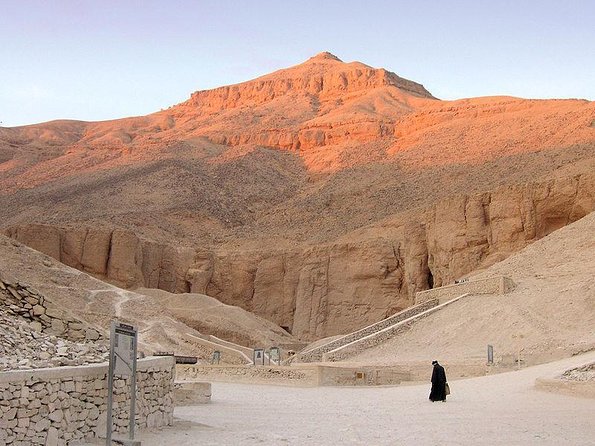
- Three royal tombs are included: Your guide explains what to look for, then you explore the decorated chambers independently.
- The 7:00 am start matters: Morning light and cooler temperatures make the West Bank easier to handle.
- Private means flexible: You can ask for more detail about pharaohs, religion, local life, or particular monuments.
- Tutankhamun costs extra: The tomb of King Tutankhamun is not part of the standard admission.
- Hatshepsut gets real time: About 1 hour and 20 minutes are set aside for the temple and its courtyards.
- The alabaster stop is optional in theory: It may be useful for souvenirs, but expect a sales pitch.
Why the Valley of the Kings deserves the first visit
Crossing the Nile from Luxor to the West Bank takes you from the modern city toward the old necropolis of Thebes. The scenery changes quickly, with cultivated land giving way to dry hills and the rugged mountains around the royal burial valley.
This order works well. You visit the Valley of the Kings before the heat has built up, and the morning light makes the trip more comfortable. The tour allocates about 1 hour and 30 minutes here, including the visitor center and time inside three tombs.
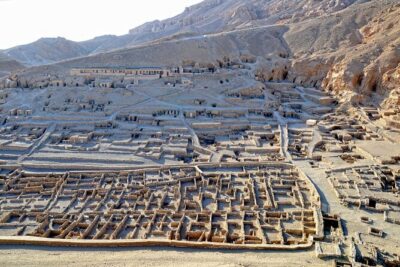
The Valley of the Kings was used as the burial place of ancient Egypt’s rulers. Rather than building huge pyramids in open view, pharaohs had tombs cut into the rock. Their builders created long corridors, painted chambers, and burial rooms hidden within the hills.
Your guide gives you the story on the way and can tailor the explanation to your interests. You might want more on royal succession, ancient burial customs, hieroglyphs, or the lives of the workers who created the tombs. A private guide is useful here because the setting can feel confusing at first, and the painted walls reward a little direction.
Guides cannot enter the tombs with you. That may sound like a limitation, but a good briefing before each visit makes a real difference. Your guide can point out the colors, symbols, and scenes to watch for, then leave you free to move through the chambers at your own pace.
That balance earned particular praise from people who liked having time alone inside. You are not forced to listen to a long talk in a tight corridor. Instead, you hear the explanation outside and inspect the artwork for yourself.
The standard visit covers three tombs. The exact tombs can vary, so you should not book this expecting a specific royal burial chamber unless the operator confirms it. The admission to Tutankhamun’s tomb is separate and paid directly if you choose to enter.
More Private Temple Tours in Egypt
- Private tour West Bank Luxor, Valley of the Kings, temples, lunch
★ 5.0 · 73 reviews - Private Day Trip to Abu Simbel Temple with Guide from Luxor
★ 4.5 · 67 reviews - Karnak And Luxor Temples Private Tour
★ 5.0 · 66 reviews
What you see inside the tombs
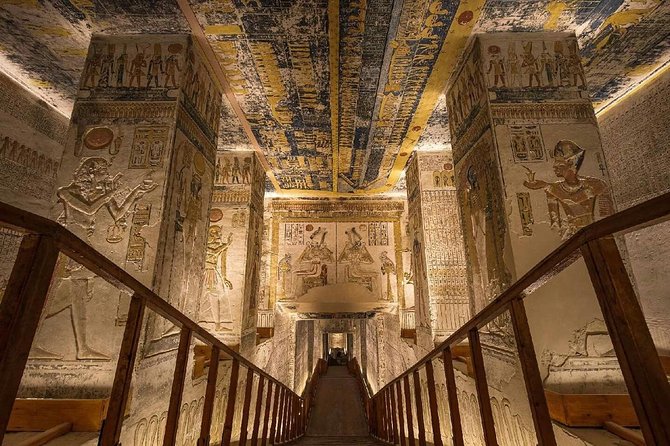
The tombs are not grand rooms filled with royal furniture. Their power comes from the walls. You move through narrow, rock-cut passages toward chambers covered with painted figures, hieroglyphs, and scenes linked to the pharaoh’s journey after death.
Some of the colors remain remarkably strong. Look closely at the painted details rather than rushing through for a quick photograph. The guide’s pre-entry explanation helps you understand that these images were not simple decoration. They carried religious meaning and helped the dead ruler pass into the next world.
Photography rules are important. One review specifically advises you not to expect photographs inside the tombs, so follow the instructions given at the site. Even without a camera, the close view of the painted walls is one of the strongest parts of the morning.
Tutankhamun’s tomb is a separate choice. The additional ticket lets you see the burial place associated with one of Egypt’s most famous pharaohs, but it is not included in the advertised tour price. If seeing King Tut’s mummy and tomb is high on your list, carry extra money in Egyptian pounds and confirm the current charge with your guide.
I would not skip the three included tombs simply because Tutankhamun is famous. The Valley of the Kings contains many royal burial sites, and the included visit gives you a proper sense of how the necropolis works. Add Tutankhamun if the story matters especially to you or if this is likely to be your only visit to Luxor.
Hatshepsut Temple and the story of a female pharaoh
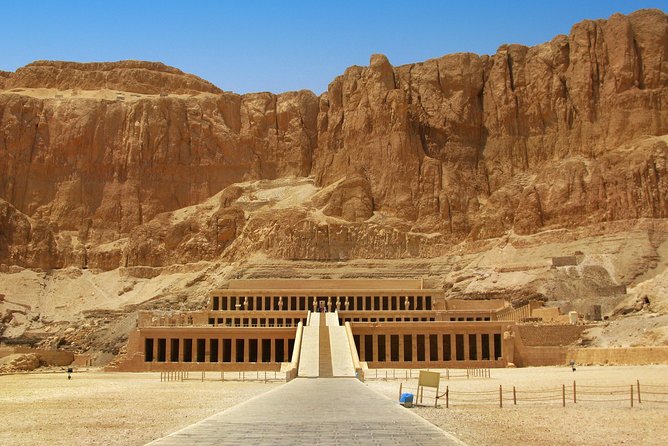
After the tombs, the minivan takes you to Deir el Bahari and the Temple of Hatshepsut. The tour allows about 1 hour and 20 minutes here, so you have more than a quick roadside look.
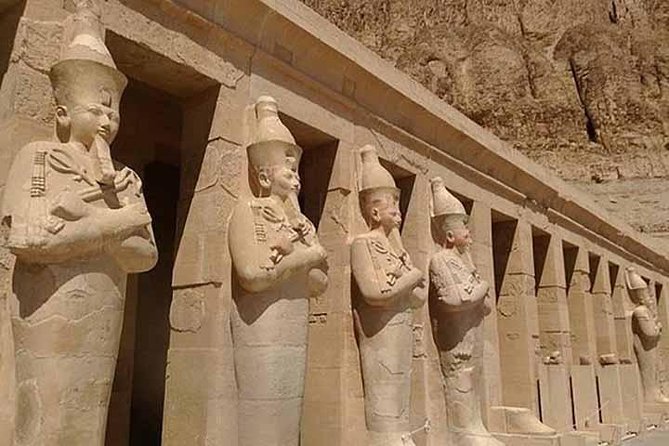
The temple is built in wide levels against the cliffs. Its straight lines and large terraces feel very different from the enclosed tombs. After the dark corridors of the Valley of the Kings, the open courtyards and pale stone can seem almost dazzling.
Bring sunglasses. One person found the bright stone hard on the eyes without them, and that is practical advice in this setting. You will be walking outside with little shade, so the early start is helpful.
Your guide explains the story of Hatshepsut, who became one of ancient Egypt’s most important rulers and presented herself in the traditional male form used by pharaohs. The temple helps explain how she presented royal power through architecture, statues, inscriptions, and ceremony.
You get free time to walk through the courtyards and terraces after the introduction. I like this arrangement because the temple is best appreciated at two speeds. First, listen for the basic story and the meaning of the carved scenes. Then stop and look at the columns, statues, and cliff setting without having to keep up with a group.
The temple can feel less emotionally intense than the Valley of the Kings. That is not a fault in the monument. The tombs put you face to face with ancient painted walls in confined spaces, while Hatshepsut’s temple is broad, open, and partly restored. If you prefer dramatic artwork close up, the Valley may be your favorite stop. If you enjoy architecture and royal politics, give Hatshepsut more attention.
A brief stop at the Colossi of Memnon
The final main stop is the Colossi of Memnon, two huge statues of Amenhotep III. They once guarded the entrance to his funerary temple, but the temple itself is gone. The statues remain as a simple, powerful reminder of the size of the complex that stood here.
You get about 20 minutes for the stop, mainly for photographs and a short explanation. Admission is not included, though the stop is generally presented as an exterior visit.
Keep your expectations in check. This is not another full archaeological site with rooms to explore. It is a roadside pause to see the statues, hear their story, and examine the Roman-era graffiti cut into the stone.
One person said the Colossi could easily be missed after the Valley of the Kings and Hatshepsut Temple. I understand that view. The stop is brief, and the statues may feel less impressive if you have just come from the decorated tombs. Still, it adds useful context to the West Bank and gives you a chance to see the remains of a lost funerary complex.
More Private Temple Tours in Luxor
- Luxor: Private Tour to Valley of Kings & Hatshepsut Temple.
★ 4.4 · 16 reviews - Luxor: East & West Bank Temples Private Tour with Tickets
★ 4.7 · 10 reviews
How the private guide changes the morning
The private format is the main reason to choose this tour over a larger bus outing. Only your group participates, and the guide can adjust the amount of explanation to your interests.
The strongest guide comments describe people such as Yolanda, Yulanda, Youla, and Ahmad as friendly, clear, flexible, and good at answering questions. Guide assignments can change, so you should not assume one particular person will lead your tour. Still, the feedback points to the value of having a local Egyptologist who can explain both the monuments and present-day life around Luxor.
A private guide is especially useful when you want to ask questions about religion, local customs, pharaohs, or the details painted inside the tombs. It also helps if someone in your group needs a slower pace. Several experiences were described as unhurried, with time to ask questions and explore independently.
The tour is not fully self-directed. You will still follow the planned route and visit the alabaster shop before returning, if that stop is included in your outing. Tell the guide early if you care more about archaeology than shopping. That may help keep the sales visit short, though the shop has been a point of irritation for some people.
The alabaster shop and what to expect
The visit to an alabaster factory or showroom is the one part I would treat cautiously. You may see hand-cut stone pieces and have the chance to buy a souvenir, but the sales approach can be forceful.
Some people enjoyed the stop, especially when it was described as part of a wider West Bank visit. Others disliked the hard sell and felt it interrupted an otherwise strong morning. You are not paying for this tour to shop, so do not feel obliged to buy anything.
If you like Egyptian stonework, the stop may be useful. If not, say so politely and keep your expectations clear. The tour price does not include food, drinks, or purchases.
Price, timing, and practical value
The listed price is $107.88 per person. That is not the cheapest way to see the West Bank, but you are paying for private transport, hotel or port pickup, an air-conditioned minivan, a qualified Egyptologist, and a four-hour route covering three major sites.
The value improves if you are traveling as a couple, family, or small group and want control over the pace. Group discounts are offered, so check how the price changes for your party. A private vehicle also makes the tour easier if you are staying at a Luxor hotel or arriving by river cruise.
The 7:00 am departure is sensible. You have a better chance of avoiding the harshest afternoon heat, and the open areas around Hatshepsut are much easier before the day becomes hotter. The tour lasts about four hours, though actual timing can vary with pickup, traffic, and how long you spend at each site.
Pickup and drop-off are offered from central Luxor hotels and the Luxor river port. That is useful for cruise passengers, but you should provide precise accommodation or ship details when booking. Confirmation is issued at booking, and most people can take part.
English is included in the stated price. French and other languages may be available, but a supplement of 1,000 Egyptian pounds applies to languages other than English. Check the language charge before you pay, since this can change the final cost significantly.
Free cancellation is available up to 24 hours before the start time for a full refund. Changes or cancellations made less than 24 hours before departure are not accepted for a refund.
Who should book this West Bank tour
I would choose this experience if you have one morning in Luxor and want the essential West Bank sights without joining a large group. It suits first-time visitors who want the monuments explained, but also want time to look around without a guide talking every second.
It is a good match for cruise passengers because pickup and drop-off at the river port are offered. It also works well for couples and families who want to ask personal questions or adjust the pace.
You may want a longer visit if you are deeply interested in archaeology. Four hours covers the major stops, but it does not allow a slow study of every tomb or a broad tour of the West Bank. The planned route gives you three tombs, Hatshepsut Temple, and the Colossi, not every archaeological site in the area.
Should you book it?
Book this tour if you want a focused, private introduction to Luxor’s West Bank, especially if the Valley of the Kings is your priority. The strongest features are the early departure, private Egyptologist, three included tombs, and useful free time at Hatshepsut Temple.
Before booking, remember three points: Tutankhamun’s tomb costs extra, the Colossi stop is brief, and the alabaster visit may include sales pressure. If you can accept those limits, $107.88 per person is a fair price for private transport and a guide-led morning at some of Egypt’s most important ancient sites.
FAQ
What time does the tour start?
The tour starts at 7:00 am.
How long does the tour last?
The experience lasts about four hours.
Where can pickup and drop-off take place?
Pickup and drop-off are offered from central Luxor hotels or the Luxor river port.
Is this a private tour?
Yes. Only your group participates.
How many Valley of the Kings tombs are included?
The visit includes three tombs at the Valley of the Kings.
Can I visit Tutankhamun’s tomb?
Yes, but the tomb of King Tutankhamun requires an additional ticket paid directly at the site.
Can the guide enter the tombs with me?
No. Guides are not permitted inside the tombs, but your Egyptologist explains what to look for before you enter.
Is the Temple of Hatshepsut included?
Yes. Admission to the Temple of Hatshepsut is included, with free time to explore its courtyards and terraces.
Are food and drinks included?
No. Food and drinks are not included unless specifically stated.
Is cancellation allowed?
You can cancel up to 24 hours before the experience starts for a full refund. Changes or cancellations made less than 24 hours before the start time are not accepted.
More Karnak and Valley of the Kings Tours in Luxor
- Luxor: Valley of the Kings and Hatshepsut Temple Day Tour
★ 4.4 · 1,404 reviews - Luxor: Valley of Kings, Hatchepsut Temple ,Karnak & Luxor-DayTour
★ 5.0 · 735 reviews - Full Day Tour of Luxor West Bank Temples and Tombs (Private)
★ 5.0 · 722 reviews - Luxor: Karnak Temple and Luxor Temple Tour with Lunch
★ 4.4 · 658 reviews
Temple visits we reviewed lately in Luxor
- Luxor: Karnak and Luxor Temples Private Half-Day Tour★ 4.7 · 27 reviews
- Marsa Alam: Valley of the Kings & Karnak Temples Luxor Tour★ 4.6 · 177 reviews
- Luxor: Tour to Edfu Temple & Lunch & Felucca & Entrance Fees★ 4.8 · 7 reviews
- Luxor: Valley of The Kings and Hatshepsut Temple Day Trip★ 4.3 · 55 reviews
- Luxor: Hot Air Balloon Ride Over Temple of Hatshepsut★ 4.8 · 185 reviews
- Luxor: Karnak and Luxor Temples Private Half-Day Tour★ 4.4 · 4 reviews
- Luxor: Private Tour to Valley of Kings & Hatshepsut Temple.★ 4.4 · 16 reviews
- Luxor: Temple of Hatshepsut QR Ticket – Skip The Line★ 4.8 · 5 reviews
Luxor Temple Tours, compared.
Luxor Day Tour: Valley of Kings & Queens & Hatchepsut Temples
Read our review →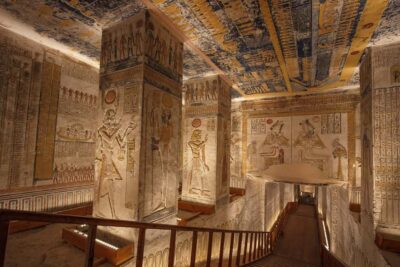
Luxor: Valley of the Kings and Hatshepsut Temple Day Tour
Read our review →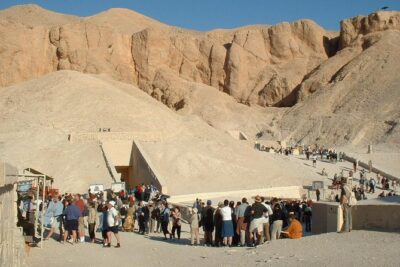
Luxor: Valley of Kings, Hatchepsut Temple ,Karnak & Luxor-DayTour
Read our review →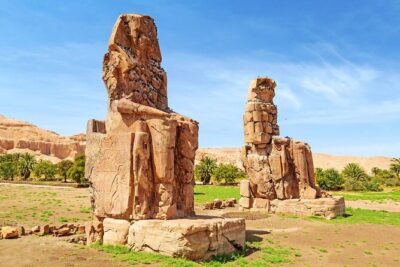
Full Day Tour of Luxor West Bank Temples and Tombs (Private)
Read our review →
Luxor: Karnak Temple and Luxor Temple Tour with Lunch
Read our review →
Luxor: Abu Simbel Temple Private Guided Day Trip with Lunch
Read our review →
From Luxor: Dendera Temple All-Inclusive Tour & Felucca Ride
Read our review →