
Review · SIEM REAP
Preah Vihear: Full-Day Preah Vihear and Koh Ker Temple Tour
Preah Vihear and Koh Ker give you a very different Cambodia day: one temple clings to a 700-meter-high cliff, while the other rises from a quiet forest setting in the northern countryside. The contrast is the point. You get big views at Preah Vihear, unusual pyramid architecture at Koh Ker, and far fewer people than at Angkor Wat.
I like the small group limit of six, which gives you room to ask questions and move at a sensible pace. I also like that the 4×4 ride is included, since the final climb to Preah Vihear is too steep for an ordinary tour van. The drawback is simple: this is a long road day, and lunch is not included.
Key points before you book
- Two very different temple settings: Preah Vihear offers a high ridge and wide views, while Koh Ker gives you a dramatic pyramid and quieter ruins.
- A genuine small-group format: The group is limited to six, and some departures may feel almost private.
- The 4×4 ride is included: You do not need to arrange or pay extra for the steep vehicle transfer to Preah Vihear.
- Budget at least $125 before food: The tour costs $100, then you pay $10 for Preah Vihear and $15 for Koh Ker.
- Guides are a major strength: Guides named Pip, Tola, Phyrom, Narah, Lok, and others are praised for clear history explanations and helpful photography.
- Pack snacks: The drive is long, lunch can come late, and food at Koh Ker may cost more than meals in Siem Reap.
Why this remote temple day is worth the long drive
The biggest appeal is not simply seeing two more Khmer temples. It is seeing how differently the ancient builders used place.
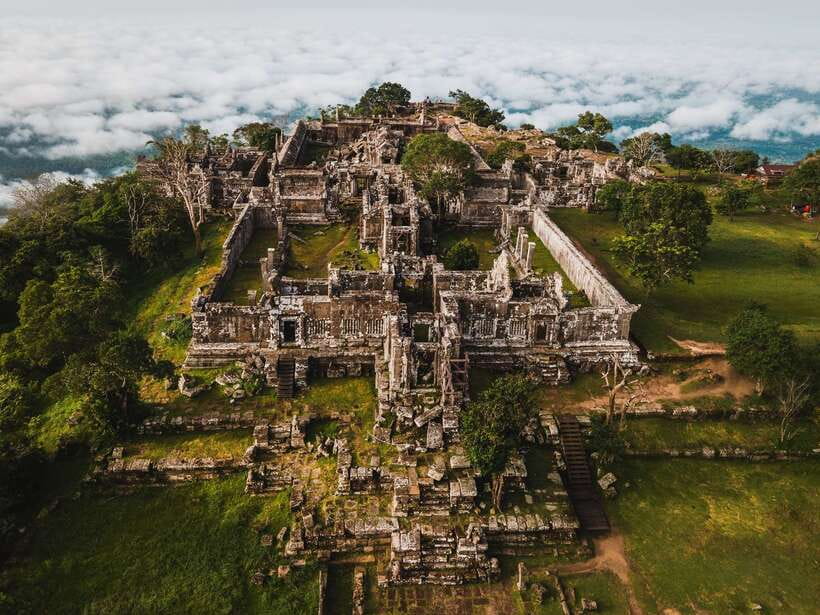
Preah Vihear follows a long ceremonial route up the side of a mountain. Koh Ker, by contrast, is known for its tall pyramid form and scattered ruins. You get one site shaped by height and procession, then another shaped by scale and isolation. I find that contrast more rewarding than adding another similar Angkor-style stop to a crowded temple schedule.
The tour leaves from central Siem Reap and takes about 11 hours. The road time is substantial, often described as five to six hours of driving in total. That sounds daunting, but the air-conditioned car or minivan, cold water, cold towels, and small group make the distance easier.
You should still be honest with yourself. This is not a relaxed half-day outing. If you want several hours beside a pool or a short transfer between sights, choose a closer Siem Reap excursion. If you have an extra day and want remote Khmer sites with breathing room, this trip earns its place.
The English-speaking guides vary by departure. Pip, Tola, Phyrom, Narah, Lok, Ry, and others have guided this route. The strongest part of their work is explaining the religious meaning, construction plans, Cambodian history, and the complicated border story around Preah Vihear. Several guides also take photographs, so you can ask for help with pictures at the viewpoints and temple entrances.
More Angkor Wat Tours in Siem Reap:
- Angkor Wat Sunrise or Sunset Tour with Guide from Siem Reap
★ 5.0 · 12,109 reviews - Siem Reap: Angkor Wat: Small-Group Sunrise or Sunset Tour
★ 5.0 · 9,444 reviews - Siem Reap: Angkor Wat 2-Day Tour with Sunrise and Sunset
★ 4.9 · 4,429 reviews
The climb to Preah Vihear and its cliff-top views
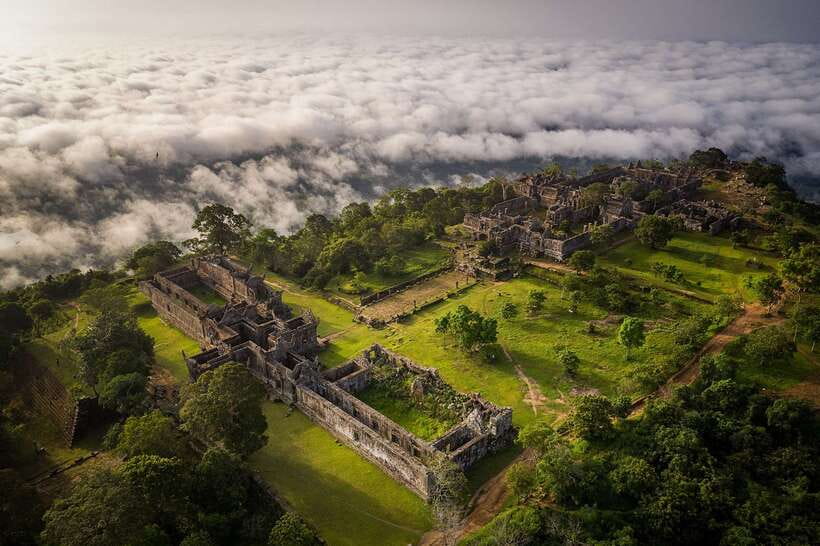
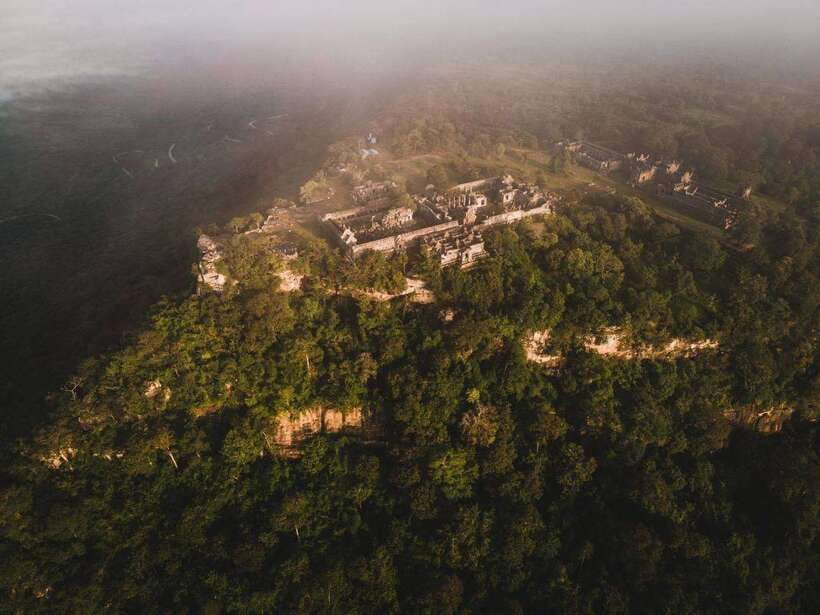
Preah Vihear is the morning headline. The temple sits high on the Dangrek range near the Thai-Cambodian border, and its setting immediately separates it from the temples around Siem Reap.
After the road journey, you transfer into a 4×4 for the steep approach. The ride is included in the tour price. One useful detail is that the route is on a solid road, but it is steep enough that a normal van cannot simply continue upward. This is not an extreme off-road stunt. Think of it as a short, practical mountain transfer with a bit of excitement.
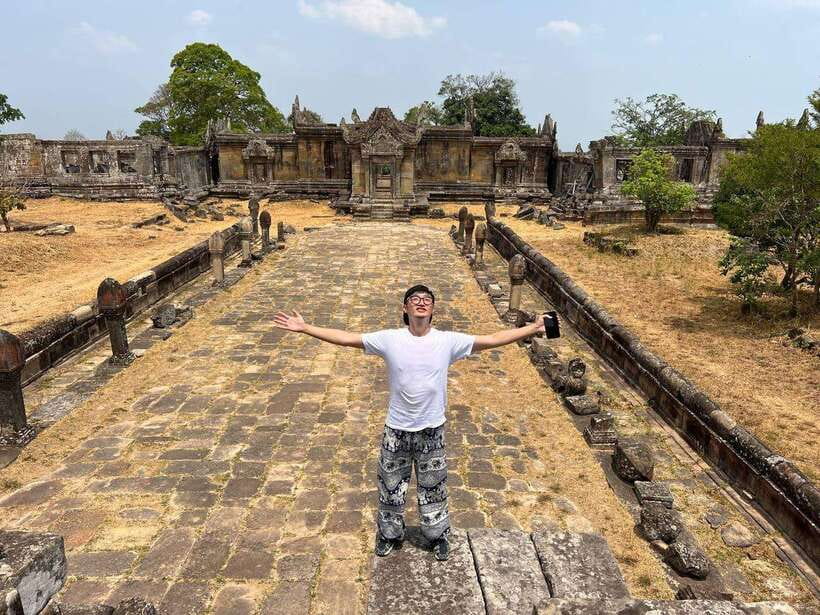
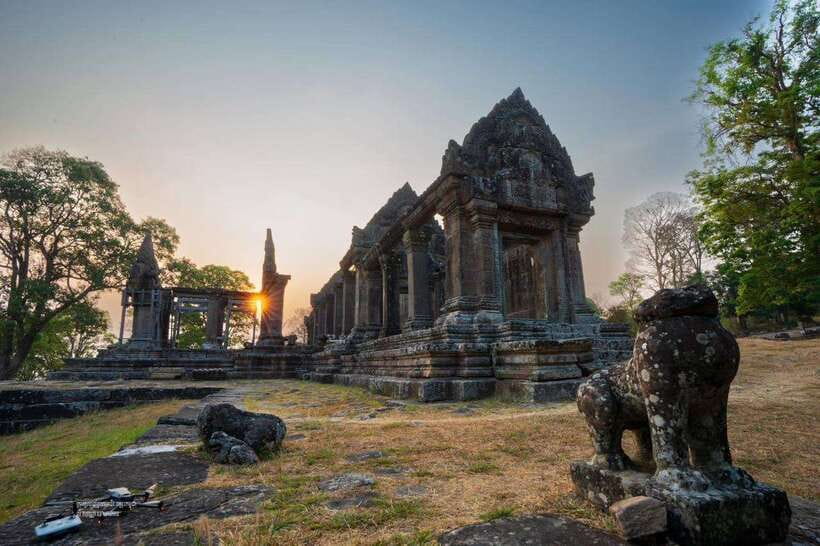
At the top, the temple is arranged along a rising axis. You pass through entrance pavilions, stairways, courtyards, and carved sandstone structures. The gradual ascent matters. Instead of encountering one huge central building all at once, you experience a sequence of thresholds that lead you higher.
Allow about two hours here. That gives you time to listen to the guide, inspect carvings, walk through the pavilions, and stop for photographs. Wear shoes with a firm sole. The combination of stairs, uneven stone, sun, and height can make this more tiring than the distance suggests.
The views are the prize. From the upper sections, you look across broad Cambodian scenery from a position far above the surrounding land. Binoculars can be useful, especially if you like to study distant features rather than only take wide photographs.
Preah Vihear also carries modern political weight. Its location near the border has been part of a long Cambodian-Thai dispute, and guides such as Tola have been praised for explaining that background clearly. This gives the visit more meaning than a quick look at carvings. You begin to understand why the temple’s location matters to Cambodia today as well as to its ancient builders.
People who are afraid of heights should think twice. The tour is also not suited to anyone with back problems, mobility impairments, altitude sickness, certain pre-existing medical conditions, or a pregnancy beyond six months. The supplied restrictions also advise against booking for people over 70, with a separate note excluding people over 95, so confirm your own suitability before paying.
Koh Ker’s pyramid and a quieter Khmer experience
After Preah Vihear, you descend and continue toward Koh Ker. The change in mood is striking. Instead of a temple route climbing a mountain, you find a group of structures spread through a remote area, with the famous pyramid temple as the visual anchor.
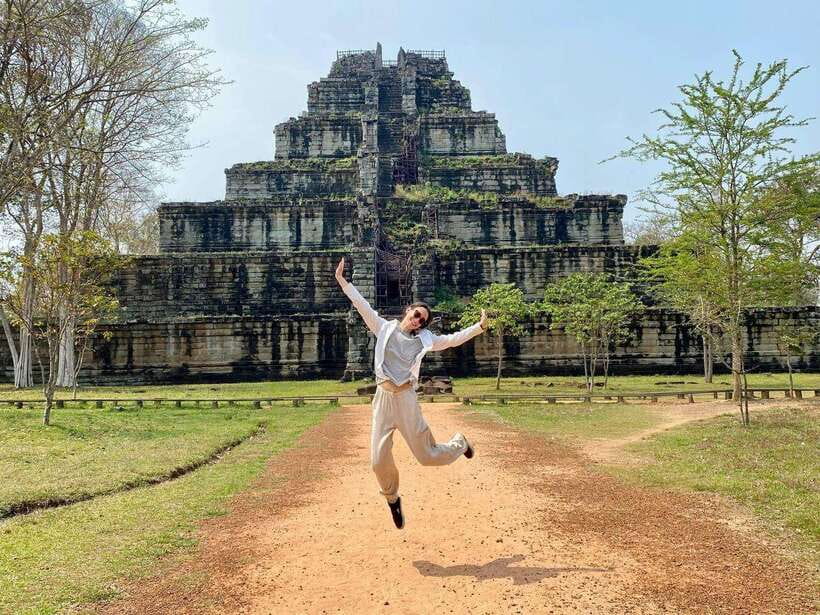
Koh Ker Temple receives about an hour and a half of attention. Its stepped, pyramid-like shape is unusual in Southeast Asia and makes a strong first photograph. The sandstone blocks are large and plainly visible, and the building feels more geometric than the long galleries many people associate with Angkor.
The climb and upper views are a highlight for many people. If you are comfortable with height and uneven surfaces, the elevated position gives you a useful sense of the temple’s form and its surroundings. Take care on the stone and follow local access rules. The experience is about seeing the structure clearly, not rushing to the top for one photograph.
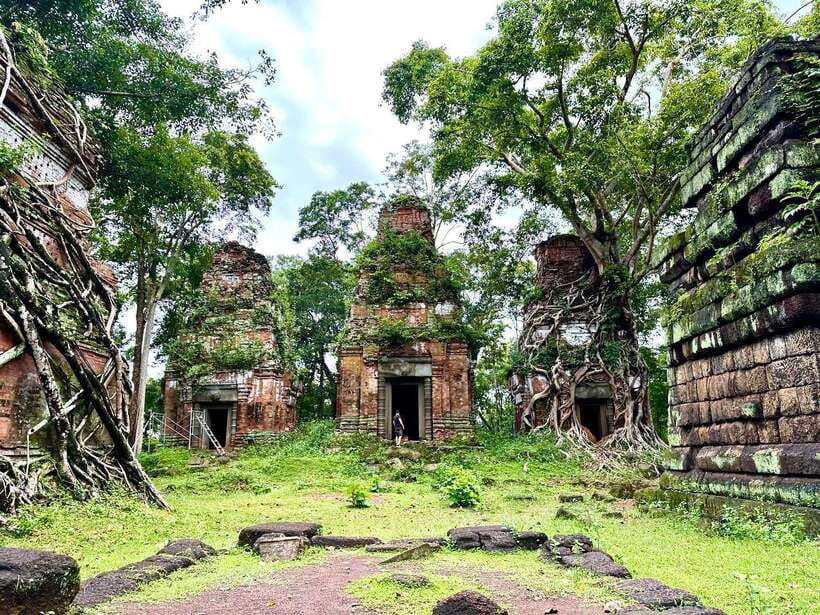
Koh Ker is not always as immediately grand as Angkor Wat or Bayon. I would not book this tour expecting a larger version of those famous monuments. Koh Ker’s appeal is its distinct design, quieter setting, and the chance to study a major Khmer site without the same crowds.
The guide can help you read the complex rather than simply walk around it. Look for the way the pyramid is built in levels, how the courtyards control movement, and how the carved stone gives the site a sense of order. Stories of kings, warriors, and religious practice become easier to follow when you can connect them to the actual buildings.
The smaller ruins around Koh Ker
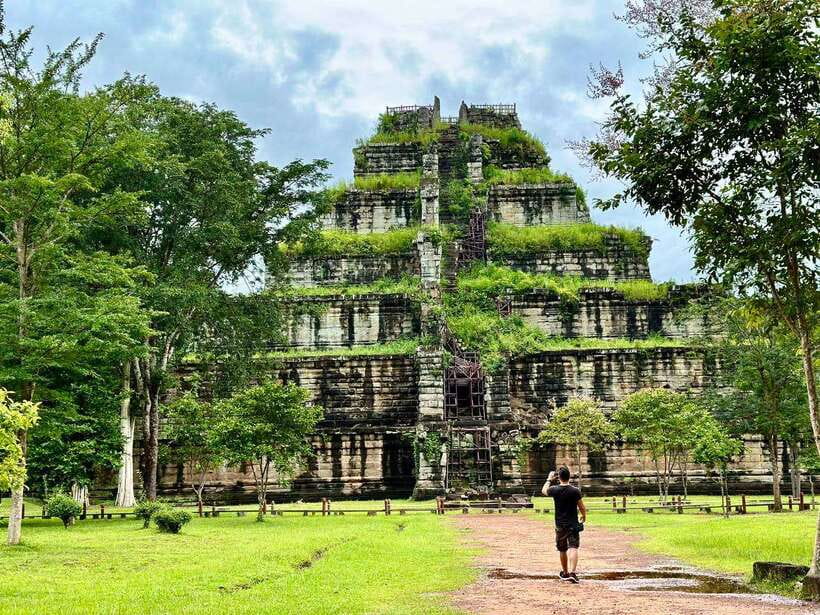
The tour does not stop at the main pyramid. It continues through several smaller sites, and these short visits are important because they show Koh Ker as a wider capital area rather than one isolated monument.
At Prasat Ling, also called Prasat Linga 1, you have about 30 minutes with a guide. The name points to the site’s Hindu associations, and your guide can explain the symbolism rather than leaving you to guess from the stones. Depending on the day, this stop may be listed as Prasat Thnoeng.
Prasat Balang 2, also called Prasat Linga 2, receives a shorter visit of about 10 minutes. It is mainly a quick look and photo stop, but it helps you see how several related structures fit into the wider complex.
You also pass through the Koh Ker area on a scenic drive. This section is not a major walking stop, but it gives you a better feel for the distance between the ruins. The road itself becomes part of the day, with Cambodian countryside replacing the dense temple traffic around central Siem Reap.
The final major visit is Prasat Aob Neang or Prasat Kraham, with about an hour set aside. This is where a flexible guide can add real value. Guides who know the area may select the most suitable ruin available that day, and some departures have included an extra small temple beyond the core schedule.
That flexibility is useful, but you should not expect every departure to follow precisely the same minor temple order. The main anchors are Preah Vihear and Koh Ker. The smaller sites add texture and variety.
More Full-Day Tours in Siem Reap:
- Siem Reap: Full-Day Angkor Wat Guided Tour with Sunset
★ 4.9 · 3,803 reviews - Full-Day Angkor Wat Sunrise Private Tour with Guide from Siem Reap
★ 5.0 · 2,920 reviews - Siem Reap: Angkor Wat Sunrise and Full-Day Sightseeing Tour
★ 4.9 · 2,828 reviews - Full-Day Guided Sunset Tour of Angkor Wat
★ 5.0 · 1,507 reviews
Transport, timing, and the real cost
The listed price is $100 per person. Add the $10 Preah Vihear pass and $15 Koh Ker pass, and your known cost becomes $125 before lunch or snacks. Hotel pickup and drop-off, the air-conditioned vehicle, guide, 4×4 transfer, bottled water, and cold towel are included.
That is fair value for a route that is difficult and expensive to arrange independently. You would otherwise need to coordinate a private vehicle, a guide, the mountain transfer, and transport between several remote ruins. The group limit also matters. A six-person maximum is far more manageable than a large coach, particularly when you are stopping at smaller temples.
The main cost is your time and energy. The drive may account for five or six hours of the day, and the return to Siem Reap can be around evening. Some departures have reached the city at about 7 p.m., while the total day has sometimes stretched closer to 12 hours. Build your evening around a late return rather than booking a fixed dinner or show.
Lunch is not included. Food at the Koh Ker stop has been described as tourist-priced, with a dish costing around $6.50 on one departure. Bring cash and a few snacks. Food is not allowed in the vehicle, so eat during designated stops rather than planning to snack in your seat.
The transport is one of the most praised parts of the experience. Drivers are described as safe, polite, and attentive, with clean vehicles and strong air conditioning. Cold water and towels appear when you return from a hot temple walk, which sounds minor until you are climbing sunlit stone in the middle of the day.
What your guide can add to the day
The guide makes a bigger difference here than on a simple photo stop. These temples are remote, and some structures are easier to appreciate when someone explains their purpose, order, and connection to Hindu belief.
Pip is repeatedly singled out for clear explanations and friendly service. Tola is praised for his history knowledge, calm manner, and ability to answer questions about Cambodia and the border conflict. Phyrom is noted for detailed explanations, good photographs, and a personable style. Narah, Lok, Ry, Chenda, Sopheap, and others have also led well-regarded departures.
You should not assume you will receive a particular guide unless the booking specifically confirms one. Still, the repeated pattern is encouraging: the company uses guides who can discuss more than dates and names. They can point out carvings, explain temple planning, discuss Cambodian customs, and help you understand what you are seeing.
Photography is another practical strength. Guides and drivers often help with pictures, and some guides have created short photo or video collections after the day. Bring a camera, but do not let the picture stops take over. The best photographs will come from giving yourself time to notice the changing views, carvings, and scale of the buildings.
Who should book this Preah Vihear and Koh Ker tour?
I would choose this tour if you have already seen the main Angkor circuit and want a day with fewer people and more road-based exploration. It also suits anyone with a strong interest in Khmer architecture, Hindu temple symbolism, border history, or unusual ancient structures.
It is a good match for photographers who want cliff views, carved sandstone, pyramid geometry, and open countryside. It also works well for solo visitors, couples, or small groups who prefer asking questions without competing with a large tour party.
I would hesitate if you dislike long drives, need easy walking, or want a leisurely lunch and plenty of free time. The route includes stairs, uneven stone, height, heat, and a full day in transit. People with mobility limitations, back trouble, fear of heights, or listed medical restrictions should choose another outing.
The quiet setting is a major advantage, but it is not a substitute for Angkor’s scale. Preah Vihear may impress you more through its location and design than through sheer size. Koh Ker may be your favorite if you like bold, unusual architecture. Go with those expectations and the day makes sense.
Should you book it?
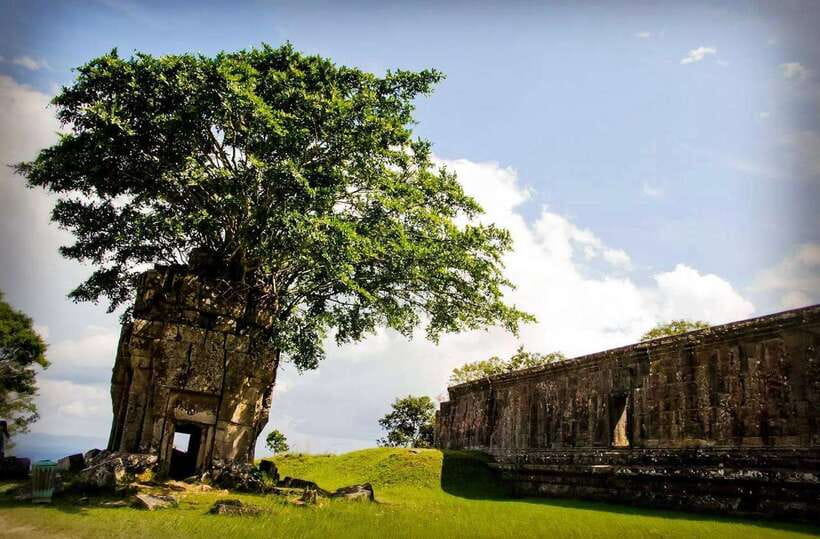
Yes, if you want to see Cambodia beyond Siem Reap’s familiar temple circuit and can accept a long day in the car. The combination of cliff-top Preah Vihear, pyramid-shaped Koh Ker, smaller surrounding ruins, a maximum group of six, and an included 4×4 transfer is hard to match for $100 before entrance fees.
I would book it especially for the setting, the quiet, and the guide support. I would not book it simply to collect two more temple names. Bring sun protection, sturdy shoes, cash, water-friendly patience, and snacks for the road. If that sounds like a fair trade for remote ruins and wide northern views, this is one of the better day trips from Siem Reap.
FAQ
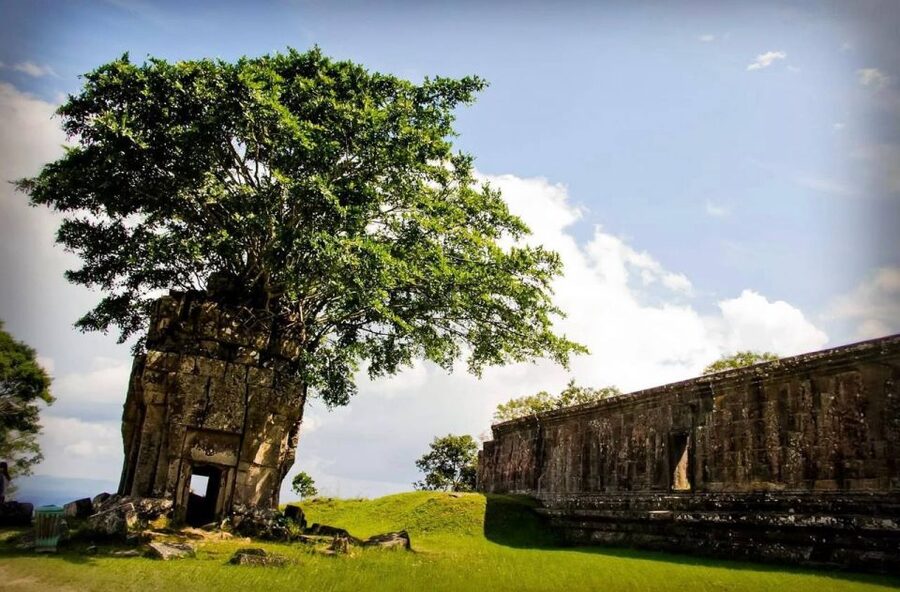
How long is the Preah Vihear and Koh Ker tour?
The advertised duration is 11 hours, with pickup and drop-off in Siem Reap. Because the temples are far from the city, some days can run closer to 12 hours, and returns may be around 7 p.m.
How much do the temple passes cost?
The Preah Vihear pass costs $10 per person, and the Koh Ker pass costs $15 per person. These are not included in the $100 tour price.
Is the 4×4 ride included?
Yes. The 4×4 transfer at Preah Vihear is included, along with hotel pickup and drop-off, air-conditioned transport, an English-speaking guide, cold bottled water, and a cold towel.
How many people are in the group?
The group is limited to a maximum of six participants. A departure may be smaller, depending on bookings.
Is lunch included?
No. Food is not included, so bring cash for lunch and snacks. Lunch may be later in the day, and food near Koh Ker can cost more than meals in Siem Reap.
What should I bring?
Bring sunglasses, a sun hat, sunscreen, a camera, sports shoes, cash, and binoculars if you want to study distant views. Baby strollers, drones, food in the vehicle, weapons, and sharp objects are not allowed.
Temple visits we reviewed lately in Siem Reap
- Angkor Wat Tour by Tuk-Tuk with English Speaking Driver★ 4.5 · 65 reviews
- Private Sunrise Angkor Wat Tour★ 4.6 · 16 reviews
- Private One Day Tour with Sunrise at Angkor Wat★ 5.0 · 3 reviews
- Siem Reap Tour Guide: Angkor Wat Sunrise Tour & Beng Mealea★ 5.0 · 4 reviews
- Siem Reap Private Tour: Angkor Wat Sunrise And Banteay Srei★ 5.0 · 3 reviews
- Private Angkor Wat Sunset Tour with Lunch and Snack Included★ 5.0 · 3 reviews
- Private Angkor Wat Sunrise Tours And Sunset Floating Village★ 5.0 · 3 reviews
- Private Angkor Wat Temple Tour★ 5.0 · 35 reviews
Siem Reap Temple Tours, compared.
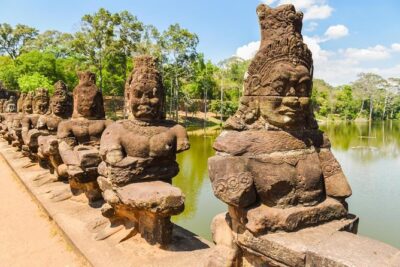
Angkor Wat Sunrise or Sunset Tour with Guide from Siem Reap
Read our review →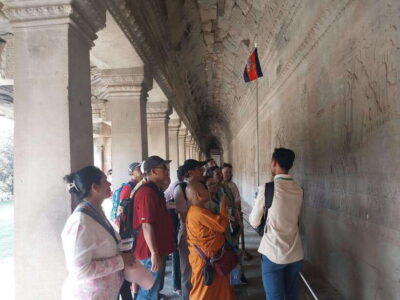
Siem Reap: Angkor Wat: Small-Group Sunrise or Sunset Tour
Read our review →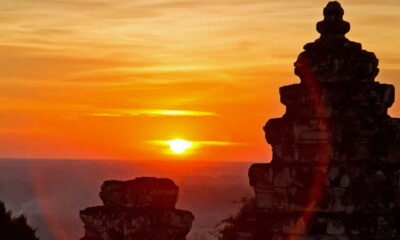
Siem Reap: Full-Day Angkor Wat Guided Tour with Sunset
Read our review →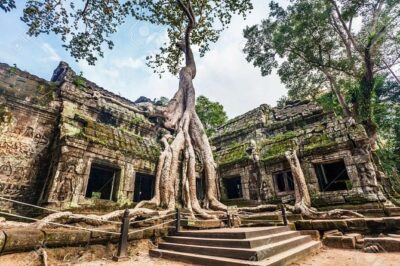
Angkor Wat Sunrise tour with Small – Group and Guide tours
Read our review →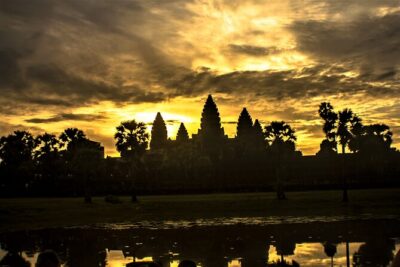
Angkor Wat Highlights and Sunrise Guided Tour from Siem Reap
Read our review →
Angkor Wat Sunset Small Group Tour with Lunch Included
Read our review →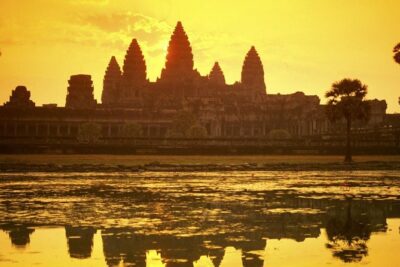
Full-Day Angkor Wat Sunrise Private Tour with Guide from Siem Reap
Read our review →
Angkor Wat Sunrise & 3 Main Temples with Breakfast – Small Group
Read our review →This tour also ranks in