
Review · MUMBAI
Mumbai: 2 Hours Markets And Temple Tour
Mumbai’s old market district is the heart of this short tour. You move through Crawford Market, Mangaldas textile market, temple lanes, and a cow shelter, seeing the city through commerce, worship, and daily routine rather than from a sightseeing bus. The cow-feeding stop is the unusual touch, while Crawford Market gives the outing its strongest sense of place.
I like two things here: the chance to see markets that are hard to understand on your own, and the guides’ personal approach. Shivam is praised for being friendly and well informed, while Balajin, also called Bala, is noted for taking his time and adding extra stops. The low price of $6 per person also makes this a useful introduction to old Mumbai.
The main caution is pace. Two hours is short for several busy sites, and one visitor had trouble finding the meeting point at a large station. Explanations can come quickly, so ask questions and stay close to your guide, especially in the crowded lanes.
Key points at a glance
- Crawford Market: See Mumbai’s first indoor wholesale market, with fruit, spices, dry goods, chocolates, and more.
- Mangaldas textile market: Walk through narrow lanes packed with fabric sellers and traditional clothing.
- Historic Hindu temple: Learn about Hindu gods, goddesses, worship, and local customs in an active religious setting.
- Cow shelter visit: Feed cows with local worshippers and hear about the religious idea of good karma.
- Human-scale guiding: Shivam and Balajin are named guides associated with the experience, and both receive strong praise for their friendly manner.
- Practical extras: Transport, bottled water, and a stop for chai are included, while shopping and guide tips cost extra.
Why these two hours show you a different Mumbai
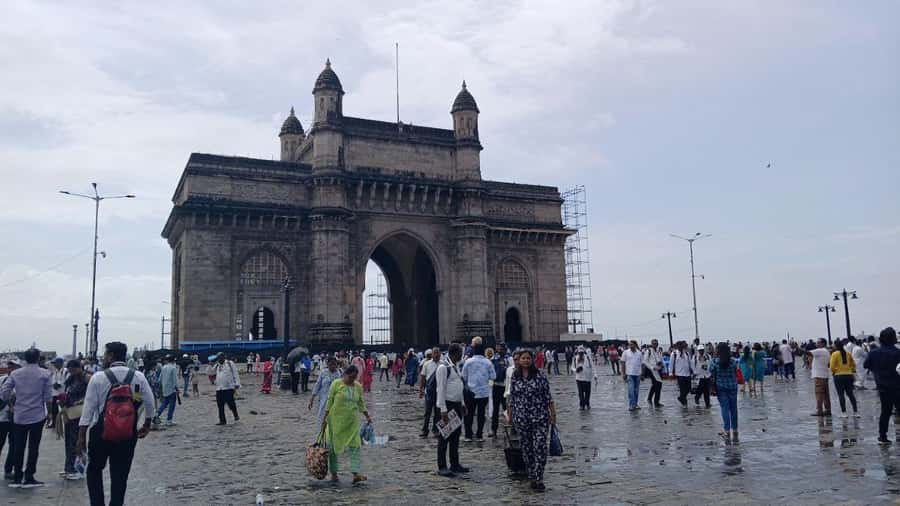
Many first visits to Mumbai focus on grand buildings, waterfront views, and famous landmarks. This tour takes another route. It shows you the city at street level, where a flower seller, textile merchant, temple devotee, bus passenger, and shopper all share the same tight lanes.
I find that useful because markets explain how a city works. You see what people buy, how goods are displayed, and how trade fits beside religious life. The tour does not treat Mumbai as a museum. Its appeal is the constant movement of ordinary business.
The experience is also easy to fit into a packed visit. At two hours, it works best as a short cultural outing between major sights, not as a full-day exploration of the market district. You get an introduction and a few memorable encounters, but not time to browse every stall or study each building at length.
More two-hour temple visits in India:
- Ninh Binh Jeep tour:2 hours visit Bich Dong, Thai Vi temple
★ 3.8 · 38 reviews - Paestum: 2-Hour Greek Temples & Archaeological Museum
★ 4.8 · 19 reviews - Bangkok: 2 Hours Grand Palace & Wat Pho Private Tour
★ 4.9 · 15 reviews
Entering Crawford Market’s crowded lanes
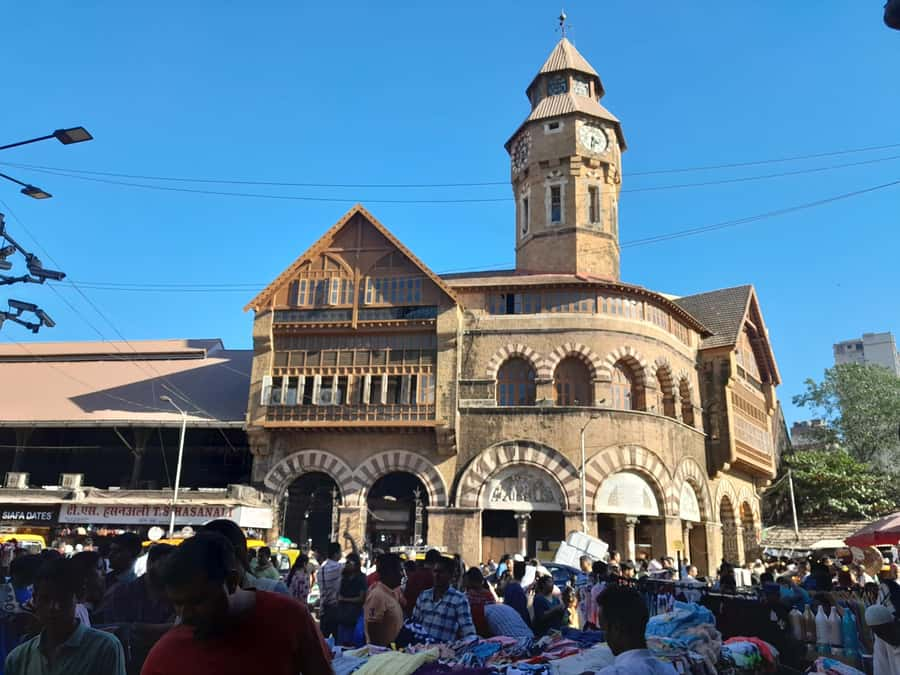
Crawford Market, also known as Mahatma Jyotiba Phule Mandai, is presented here as Mumbai’s first indoor historical wholesale market. The tour uses it to explain how the city’s market culture developed and how the area still functions today.
Inside and around the market, you can expect goods such as fruits, chocolates, spices, and dry fruits. These are not arranged as a polished food hall display. They belong to a working market, where sellers call out, shoppers move with purpose, and narrow passages make the visit feel close and immediate.
This is where a guide earns the price of admission. Without context, a crowded market can look like a wall of stalls and noise. With Shivam, Balajin, or another English-speaking guide, you can ask what you are seeing and why the market matters to Mumbai.
Take care with your expectations. The stop is about atmosphere and local life, not a quiet architectural tour. You may need to walk at your guide’s pace, keep your belongings secure, and watch where you step. A hat, sunscreen, and water are sensible, though bottled water is included.
Mangaldas Market and Mumbai’s textile trade

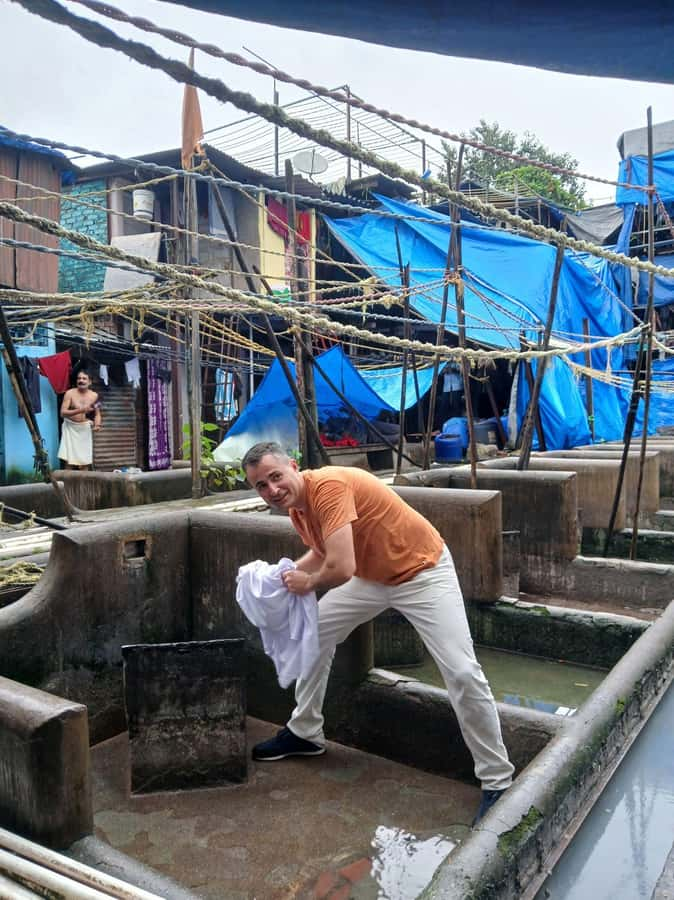
The next market adds a different layer. Mangaldas is described as Mumbai’s oldest and largest indoor textile market, with a wide choice of fabric and traditional Indian clothing. Its lanes can feel especially tight, with shops and goods pressing close to the walkway.
I like this part because textiles reveal something different from fruit and spice markets. You see how clothing, fabric, and household buying fit into the city’s commercial life. You may find colorful materials, but the important point is not simply the appearance. It is the sheer density of shops and the way trade fills every available corner.
This is also the place to decide how you want to handle shopping. Personal purchases are not included, and the tour does not promise a shopping session. The positive point is that one highly satisfied visitor specifically appreciated not being pushed to buy anything. That matters in a market tour, where some guides steer people toward sellers or commission-based purchases.
You can browse if you wish, but go in knowing the tour is designed to explain the district, not to guarantee time for bargaining. If you want to shop seriously, ask your guide early whether the schedule allows it. Two hours can disappear quickly.
Temples among the market lanes
The tour then shifts from commerce to worship. You visit one of Mumbai’s oldest Hindu temples and hear about Hindu culture, including stories connected with gods and goddesses.
This change of mood is one of the outing’s best features. A market lane may be filled with sales talk and movement, then suddenly open onto a place where people pause, pray, and make offerings. You are not simply looking at a historic building. You are seeing an active religious setting used by local devotees.
The information provided does not identify the temple by name, so you should not book this expecting a specific famous shrine. The value lies in the guide’s explanation and in the connection between the temple and the surrounding neighborhood.
Dress and behavior deserve care. Follow your guide’s lead, watch what worshippers are doing, and ask before taking photographs. The tour description mentions a camera as something to bring, but that does not mean every person or ceremony can be photographed. A respectful approach will make the visit more comfortable for everyone.
More Temple Tours around India:
- New Delhi: Akshardham Temple Tour with Water and Light Show
★ 4.8 · 313 reviews - Old Delhi Food-Spice Market-Temples Tour Soon Featured on NETFLIX
★ 5.0 · 304 reviews - Private Guided Spiritual Walk in Banganga Hindu Temples
★ 5.0 · 271 reviews - Taj Mahal Sunrise with Lord Shiva Temple:- All Inclusive
★ 5.0 · 207 reviews
Feeding cows at the shelter
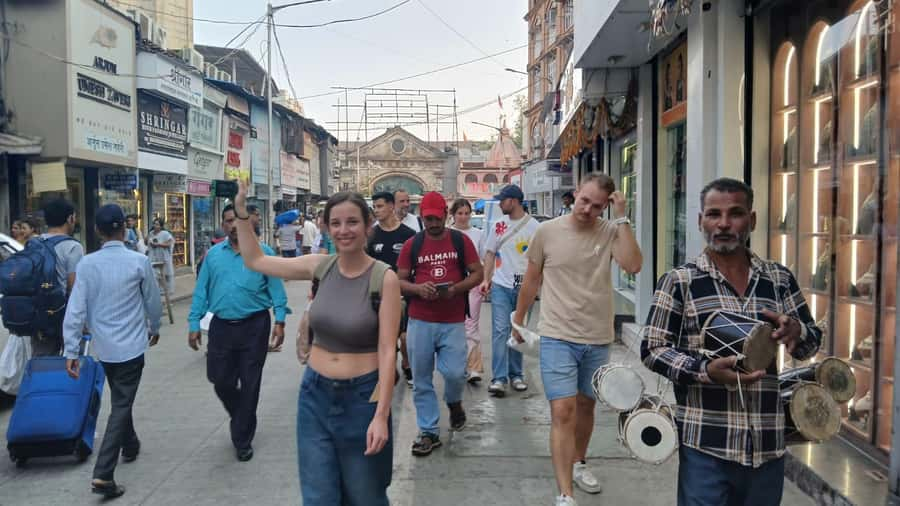
The cow shelter is the tour’s most distinctive stop. You join local people in feeding cows as part of a religious practice associated with good karma.
This may sound simple, but it offers a direct look at a belief that is easy to miss when you only visit monuments. The shelter connects religious ideas with an everyday act of care. It also gives the tour a small human moment after the pressure of the market lanes.
The cow shelter will not suit every visitor. If you are uncomfortable around animals or prefer strictly architectural sightseeing, this stop may feel less important. If you are curious about Hindu customs, it may be the part you remember longest.
Keep the visit respectful and follow instructions about feeding. The supplied information does not specify the food, rules, or shelter facilities, so do not assume you can wander freely or feed animals on your own. Your guide should explain what to do.
Chai, transport, and the rhythm of the outing
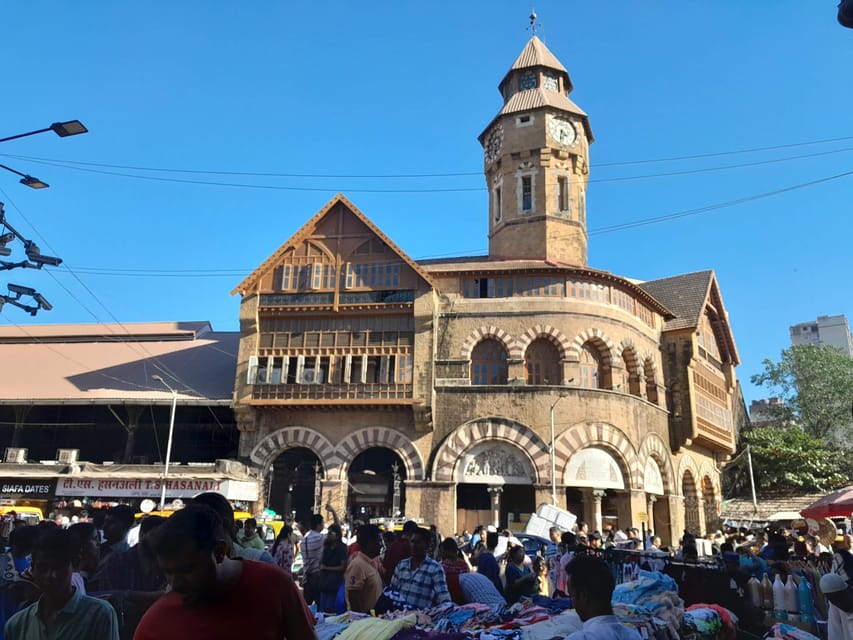
A stop for chai is included, along with bottled water and transport costs. Chai gives you a chance to pause and ask questions after moving through crowded streets. It also makes the short tour feel more connected to daily life than a sequence of quick photo stops.
Transport details may vary by the option booked. The meeting point can change, and one account describes reaching Crawford Market by public bus, while the general inclusions list taxi fare. The safest approach is to check your exact booking details rather than assume one fixed vehicle or route.
The meeting point deserves attention. One visitor found a large station difficult to navigate, although the guide went looking for the group. Arrive early, confirm the precise meeting instructions, and keep your phone available. If your meeting point is inside or near a large station, allow extra time to get oriented.
The tour ends back at the meeting point. That is convenient if you are building it into a day of sightseeing, but it also means you should plan your next stop from the original area rather than assume you will finish somewhere else.
How the guides shape the experience
The named guides associated with this outing are Shivam and Balajin, also called Bala. Shivam receives especially strong praise for friendly explanations, market knowledge, and a relaxed approach that does not pressure people to shop. Balajin is praised for taking his time, explaining clearly, and showing additional places.
That personal element matters in this neighborhood. Markets can be confusing, and temple customs are not always obvious. A good guide helps you notice small details without turning the walk into a lecture.
The experience is conducted in English. One visitor found the guide friendly but sometimes too fast and less attentive than expected. That is a fair warning for a short walking tour with several stops. If you need more time, say so. Ask the guide to repeat an explanation or wait while you look at something.
You should also understand that guide quality may vary by assignment. The strongest comments name Shivam and Balajin, but your booking may not guarantee one of them unless the provider confirms it. The essential thing is to expect a local escort rather than a formal academic tour.
Is $6 good value?

At $6 per person, this is inexpensive for a guided introduction to central Mumbai. The price includes the guide, transport fare, bottled water, and chai. You still pay for personal purchases and should budget separately for a tip if the guide provides good service.
The value comes from access and interpretation, not from expensive admissions. The markets and religious setting are best understood with someone who knows how the district fits together. You also avoid spending your limited time trying to work out which lane leads where.
The low price does not mean you get a private, slow-paced tour with unlimited stops. Two hours is a compact schedule. You may see several places but only receive a short explanation at each. If you want long shopping time, detailed temple history, or photography pauses, you may find the format too brisk.
For a first look at old Mumbai, the calculation is favorable. You get local transport help, a guide, water, and chai for less than the cost of many standard sightseeing activities. Just keep your expectations tied to a quick orientation rather than a full study of the market district.
Who should book this market and temple walk?
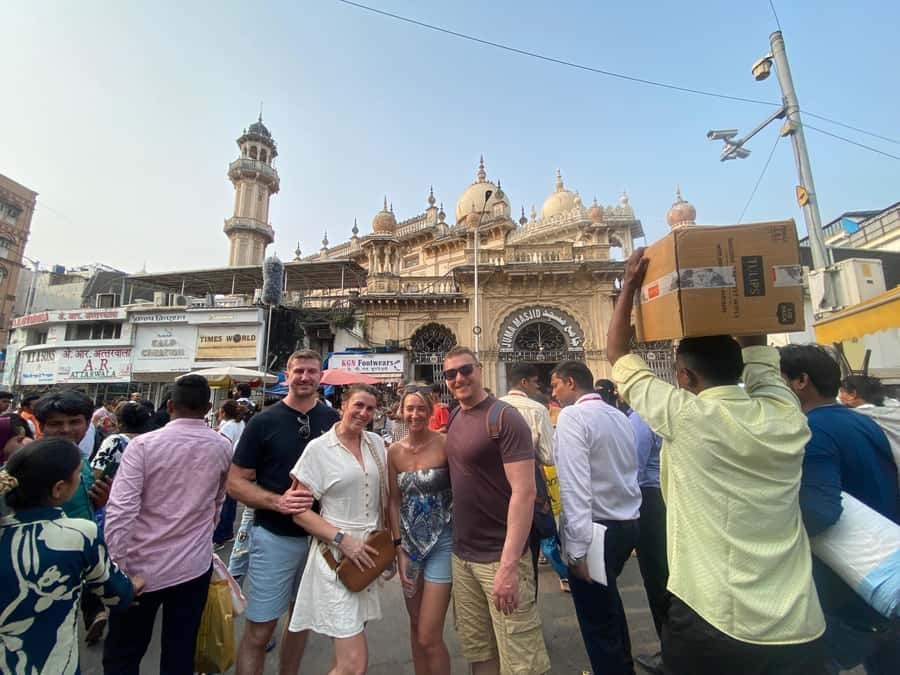
I would choose this tour if you want to see how Mumbai’s shopping streets and religious life meet. It suits first-time visitors, people with only a short free window, and anyone who prefers ordinary city scenes to a long list of famous monuments.
It is also a good fit if you are nervous about entering old markets alone. The lanes can be crowded and confusing, and having a guide removes much of the guesswork. The absence of shopping pressure is another plus if you want to look without being steered toward a purchase.
You may want another type of tour if you dislike crowds, need a slow pace, or want a carefully structured architectural visit. The market lanes are active, the explanations may come quickly, and the meeting point can be hard to locate. Families or visitors with mobility concerns should ask the provider for current details, since the supplied information does not describe accessibility.
Bring a hat, sunscreen, and camera. Water is included, but carrying a little extra may still be sensible in Mumbai’s heat. Monsoon rain is another reason to pack protection: the tour can continue in wet weather, but walking through market lanes is less comfortable.
Should you book it?
Book this tour if you want an affordable, direct introduction to Mumbai’s markets, Hindu worship, and local customs. Its best features are the unusual cow shelter, the contrast between Crawford Market and Mangaldas textile lanes, and guides such as Shivam and Balajin, who bring warmth to a tight schedule.
Skip it if you are looking for a leisurely shopping trip or a detailed temple tour. The format moves quickly, the meeting point needs careful attention, and guide explanations may sometimes feel rushed. For most curious first-time visitors with two hours to spare, though, it offers a useful glimpse of the city that polished landmarks cannot provide.
FAQ
How long does the Mumbai markets and temple tour last?
The tour lasts two hours.
What places are included?
The experience includes Crawford Market, Mangaldas textile market, a historic Hindu temple, and a cow shelter.
Is transport included?
Yes. Taxi fare is included, although the exact transport arrangement can vary by booking option.
Is chai included?
Yes. The tour includes a stop for chai, or tea.
Is bottled water provided?
Yes. Bottled water is included.
What language is the tour conducted in?
The tour is conducted in English.
Can I cancel for a full refund?
Yes. You can cancel up to 24 hours in advance for a full refund.
What should I bring?
Bring a hat, camera, sunscreen, and water. Bottled water is included, but water is still listed among the recommended items.
Temple visits we reviewed lately in India
- Same Day Tour Of Kumbhalgarh Fort & Ranakpur Jain Temple★ 4.7 · 12 reviews
- Rishikesh: Kunjapuri Temple Sunrise Trek★ 5.0 · 5 reviews
- Private Full-Day Jaipur Guided Tour with Monkey Temple★ 5.0 · 11 reviews
- Amritsar : Golden Temple and Jallianwala Bagh Private Tour★ 5.0 · 16 reviews
- Old Delhi Temples and Spice Market Tour★ 5.0 · 5 reviews
- Night Ceremony at Madurai Meenakshi Amman Temple Tour★ 4.2 · 4 reviews
- New Delhi: Akshardham Temple Light Show with Custom Add-Ons★ 4.8 · 125 reviews
- New Delhi: Lotus Temple Private Tour with Skip-the-Line★ 5.0 · 5 reviews
Mumbai Temple Tours, compared.
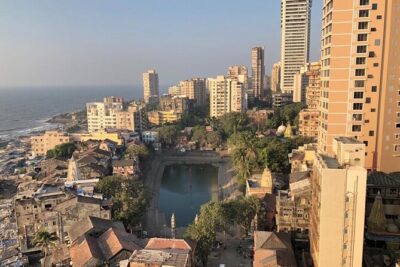
Private Guided Spiritual Walk in Banganga Hindu Temples
Read our review →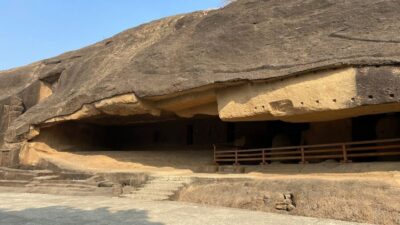
Mumbai: Kanheri Caves and The Golden Pagoda Temple
Read our review →
Sanjay Gandhi National Park+ Kanheri Caves + Temple +Tigar Safari
Read our review →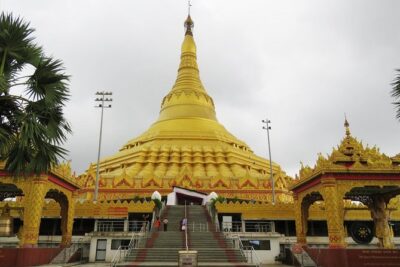
Kanheri Cave with Global Vipassana Pagoda Tour in Private Vehicle
Read our review →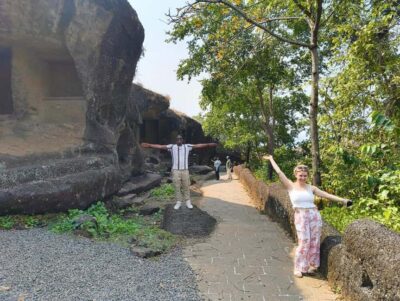
Mumbai Kanheri Caves & Golden Pagoda – A Buddhist Settlement
Read our review →
Mumbai: Private tour for Kanheri Caves and Golden Pagoda
Read our review →
From Mumbai: Day Trip to Global Pagoda and Kanheri Caves
Read our review →This tour also ranks in