
Review · BEIJING
Beijing: Yonghe Lama Temple Tickets with guide (optional)
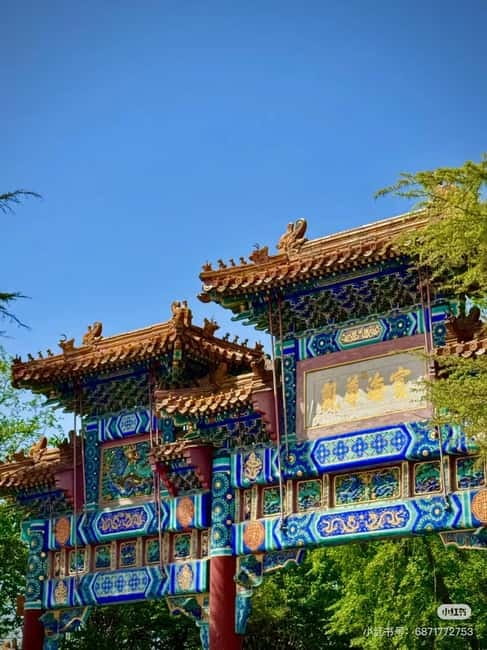
Yonghegong Lama Temple gives you one of Beijing’s most memorable architectural contrasts: orderly Chinese courtyards rising toward halls shaped by Tibetan Buddhist tradition. The complex began in 1694 and later became the highest-ranking Buddhist temple in late Qing China. I like the pre-booked entry, which saves you from sorting out admission at the gate, and I like the chance to see the temple at your own pace or add an English-speaking guide.
The main drawback is timing. The temple closes by late afternoon, and the grounds are cleared at closing, so a late arrival leaves little room for the five halls and long sequence of courtyards. The site is also not suitable for wheelchair users.
Key points to know before you go
- Three archways and five main halls create a gradual procession from the street into the temple’s most important spaces.
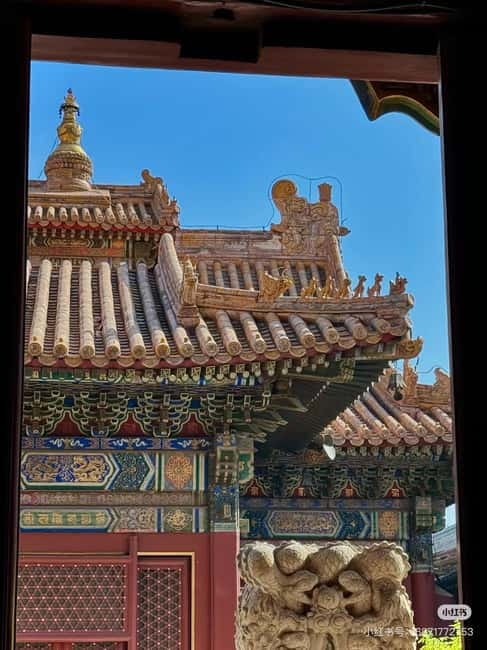
- Tibetan and Chinese design meet here, with Qing-era planning, Buddhist halls, and cultural details linked to Han, Manchu, Mongolian, and Tibetan traditions.
- The temple covers 66,400 square meters and contains more than 1,000 rooms, so allow enough time to move through the full complex.
- Line 5 stops at Yonghe Lama Temple station, putting the site within straightforward reach of Beijing’s metro system.
- An English live guide is available, with a small-group option, though the included items specifically list the ticket and information service fee.
- Plan to arrive early, especially in winter, when the temple closes at 4:30 p.m. and last admission is listed at 4 p.m.
Why Yonghegong is worth your Beijing time
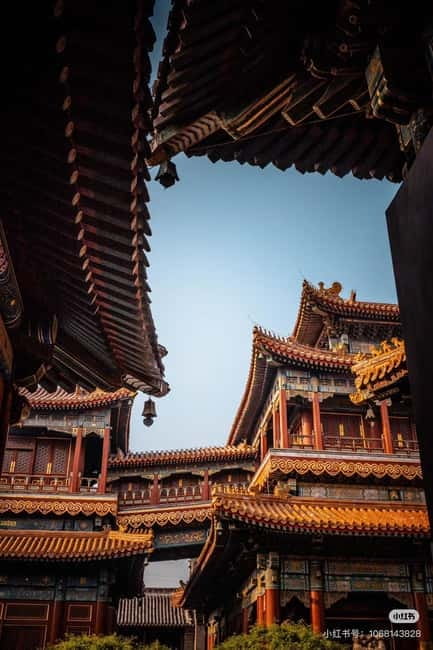
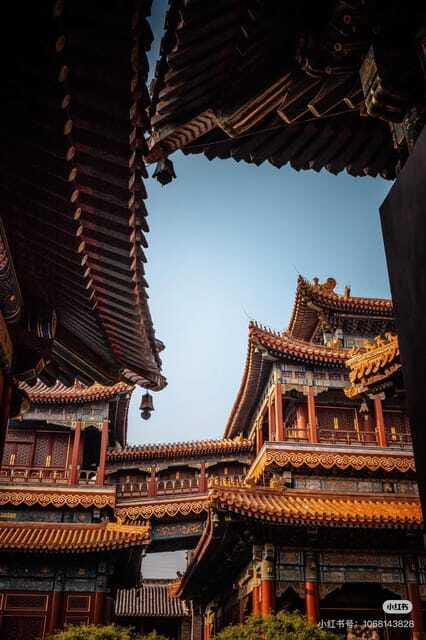
Yonghe Lama Temple is not simply a quiet religious building tucked into a city neighborhood. It is a large Qing-era complex with a carefully controlled sense of movement. You enter through one gateway, cross another courtyard, pass another hall, and gradually reach taller, more important buildings farther north.
That layout matters. The courtyards become narrower as you move north, while the halls rise in height. The effect is a slow build in scale rather than one giant structure appearing all at once. I find this more rewarding than a single famous facade because the temple reveals itself step by step.
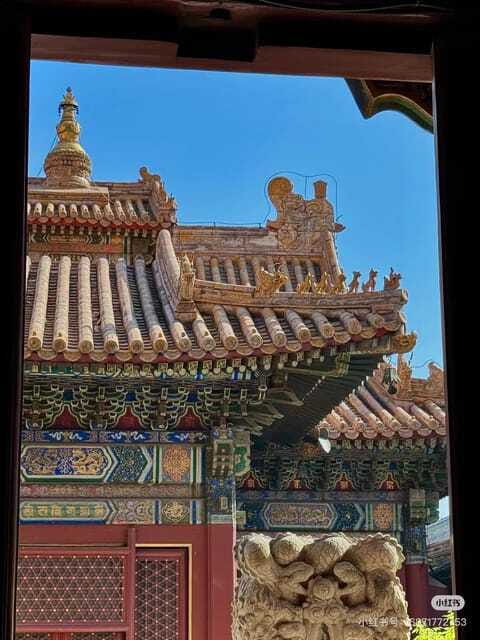
The site also gives you a useful way to understand how Tibetan Buddhism took shape within a Chinese imperial setting. The architecture is Chinese in its courtyards, rooflines, gateways, and formal plan, but the temple’s Buddhist identity reaches into Tibetan traditions. Cultural influences connected with Han, Manchu, Mongolian, and Tibetan communities appear across the complex.
At $12 per person, the experience is reasonably priced for a major Beijing sight. The value is strongest if you want a substantial cultural stop rather than a quick photo opportunity. Your ticket covers entry to a very large complex, and pre-booking may be especially useful when you want a fixed plan during a short stay in Beijing.
More Temple of Heaven Tours in Beijing:
- Beijing: The Temple of Heaven or Summer Palace Entry Ticket
★ 4.6 · 1,286 reviews - Beijing Classic Full-Day Tour including the Forbidden City, Tiananmen Square, Summer Palace and Temple of Heaven
★ 4.0 · 610 reviews - Temple of Heaven Ticket
★ 5.0 · 482 reviews
Reaching No. 12 Yonghegong Street
The temple is at No. 12 Yonghegong Street in Beijing’s Dongcheng District. The simplest transport detail provided is the metro: take Line 5 and get off at Yonghe Lama Temple station.
That makes the experience a practical choice for a day of independent sightseeing. You do not need to build your visit around a long transfer or a separate transport arrangement. The ticket is valid for one day, and available starting times can be checked when you reserve.
Bring your passport. It is listed as required, so do not treat it as optional even if you are carrying another form of identification.
The activity is also available with a small group and an English-speaking live guide. The title describes the guide as optional, while the included services list the Yonghegong ticket and information service fee. If you specifically want guided commentary, check the selected option carefully before paying so you know whether the guide is part of your booking or an add-on.
The three archways set the tone
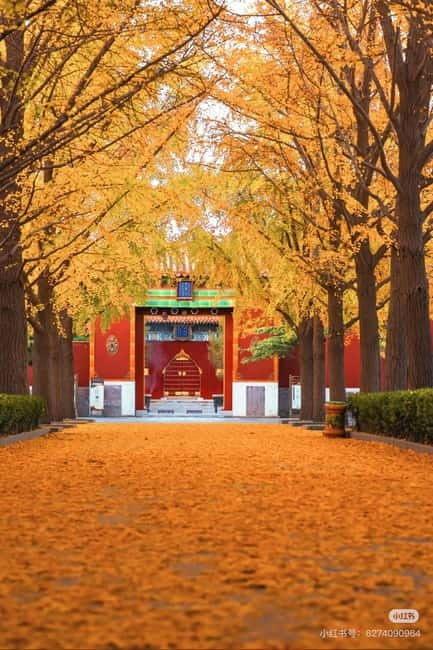
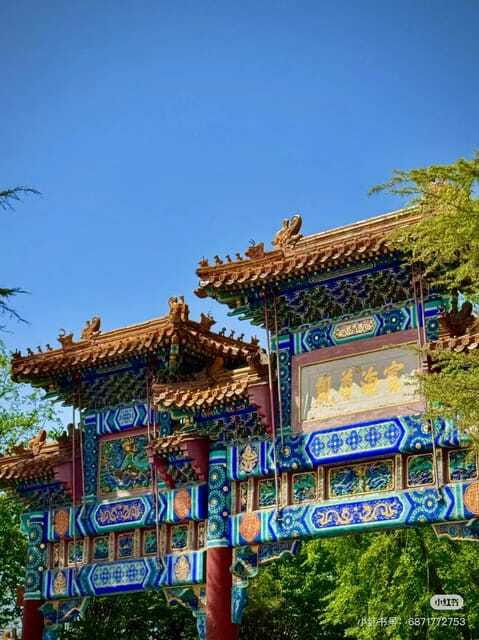
The visit begins with three refined archways. These gateways do more than mark the entrance. They create a formal transition from the city street into the temple’s religious and imperial world.
As you move through them, pay attention to the way the complex narrows and becomes more controlled. You are not walking into a single open plaza. The design leads you forward through a series of spaces, with each gate helping frame the next courtyard and hall.
This is where a guide can add value. The supplied activity information does not name a specific guide, but an English live guide is available. A guide can help explain why the buildings combine traditional Chinese architectural planning with Tibetan Buddhist use, though the visit remains possible without one if you prefer to move quietly and set your own pace.
The main halls and the northbound procession
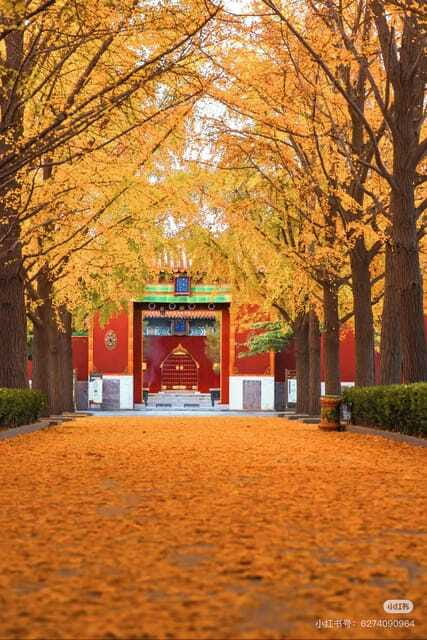
The temple’s five main halls form the core of the visit. Each is part of the northbound sequence, and the buildings become taller as you proceed.
Important structures named for the complex include:
- Zhaotai Gate
- Bell Tower
- Drum Tower
- Yonghe Gate
- Grand Hall, also called the Hall of Great Buddha
- Yongyou Hall
- Hall of the Wheel of the Dharma
- Pavilion of Ten Thousand Blessings
You should not expect a short route from entrance to exit. The complex covers 66,400 square meters and includes more than 1,000 rooms. That figure gives you a sense of its scale, but it also offers a practical warning: rushing through the temple weakens the experience.
The Bell Tower and Drum Tower help establish the formal rhythm of the grounds. Yonghe Gate carries you farther into the complex, while the Grand Hall, Yongyou Hall, and Hall of the Wheel of the Dharma mark the deeper parts of the visit. The Pavilion of Ten Thousand Blessings is another key structure in the northward sequence.
The information provided does not specify interior viewing rules, ceremony schedules, or which rooms are open on a given day. I would therefore treat the named halls as the main points to look for, while allowing the actual movement through the grounds to guide your pace.
More Entry Tickets in Beijing:
- Beijing: Lama Temple (Yonghe Temple) Admission Ticket
★ 4.8 · 297 reviews - Beijing: Temple of Heaven Ticket with 5 UNESCO Site Options
★ 5.0 · 130 reviews - Beijing Lama temple ticket; #1 efficacious; limited Discount
★ 3.7 · 116 reviews - Beijing: Confucius Temple and the Impercial College E-ticket
★ 4.4 · 92 reviews
A meeting of Tibetan Buddhism and Chinese planning
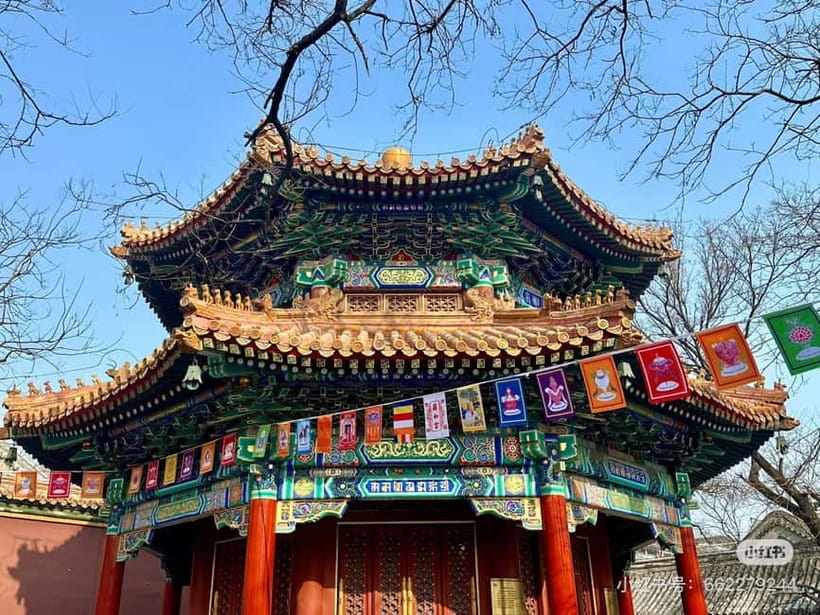
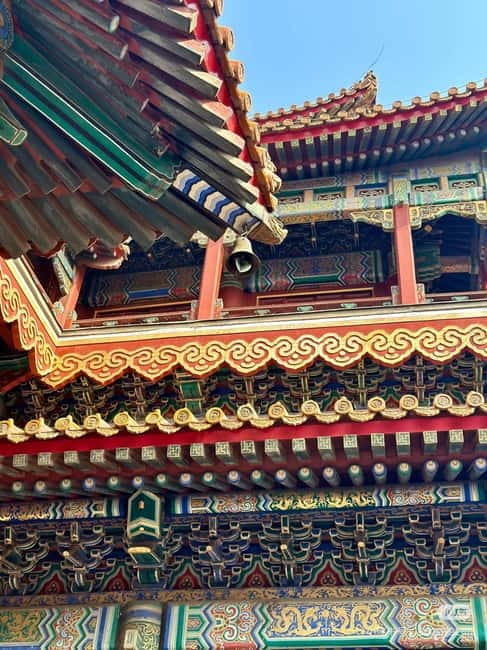
The most interesting feature here is the combination of traditions. Traditional Chinese architecture gives the temple its ordered courtyards and formal axis. Tibetan Buddhism gives the complex its religious character and helps explain why the site feels different from a purely imperial palace or a standard Chinese temple.
Yonghegong was first built in the 33rd year of Emperor Kangxi’s reign, in 1694. During the late Qing period, it held the rank of the highest Buddhist temple in China. That background adds weight to the buildings, but you do not need to arrive with a long list of dates to appreciate the visit.
I suggest looking at the temple in layers. First, notice the overall plan: gateways, courtyards, and halls arranged along a north-south route. Then look at the way the halls grow in height. Finally, consider how a Tibetan Buddhist temple was expressed through the architectural language of Qing China.
The cultural mix is not a side note. Han, Manchu, Mongolian, and Tibetan elements are all part of the temple’s identity. If you choose the English guide, this is the sort of context that can turn a pleasant architectural visit into a clearer lesson about religion and empire.
How long to allow and when to arrive
The activity is described as lasting one day, but that means your ticket is valid for one day, not that you need to spend an entire day inside the temple. The complex is large enough to reward an unhurried visit, but the exact time you need depends on how many halls and courtyards you want to study.
Opening hours vary by season:
- From April 1 through October 31, the temple is open from 9 a.m. to 5 p.m. Last admission is listed at 4:30 p.m., with the grounds cleared by 5 p.m.
- From November 1 through March 31, it is open from 9 a.m. to 4:30 p.m. Last admission is listed at 4 p.m., with the grounds cleared by 4:30 p.m.
The general activity details also note that entry stops at 4 p.m. Because of that difference in the supplied timing information, I would not plan a late arrival. Aim for the morning or early afternoon, and give yourself plenty of time before 4 p.m. You will avoid the risk of arriving during the final admission window or being hurried toward the exit.
Earlier arrival also gives you more freedom to examine the gateways, towers, halls, and courtyards without treating the visit like a timed march. The temple is open from 9 a.m., so that is the safest part of the day for a full visit.
Should you choose the English guide?
The English live guide is likely most useful if you want the temple’s religious and architectural connections explained as you go. The site has many named structures and a complex historical role, so an interpreter can help you understand what you are seeing instead of simply moving from one hall to the next.
A guide is less essential if you mainly want to admire the buildings, follow the courtyards, and take the visit at your own speed. The pre-booked ticket already handles the basic admission need, and a small group may suit you if you want some structure without joining a large crowd.
Because no guide name is provided, you cannot choose a particular person in advance. The activity lists English as the available language. Check the exact booking option if guided commentary is central to your decision, since the stated included items are the temple ticket and information service fee.
What is included and what is not
The listed inclusions are simple:
- Yonghegong Lama Temple admission
- Information service fee
The activity offers free cancellation up to 24 hours in advance and a reserve-now, pay-later option. Those terms are useful if your Beijing schedule may shift, but they do not change the core experience: you are paying for access to the temple, with an optional English-speaking guide and small-group availability.
You should bring your passport. Alcohol, drugs, and making fire are not allowed. These rules are straightforward, but it is worth knowing them before you arrive so you can focus on the temple rather than dealing with preventable problems at the entrance.
Wheelchair users should note that the experience is listed as unsuitable for them. No further accessibility details are provided, so anyone with mobility concerns should confirm the current conditions before booking.
Who will enjoy this visit most?
I would recommend Yonghe Lama Temple to you if you enjoy architecture, religious sites, imperial-era history, or carefully planned city walks. It is also a good choice if you want a substantial Beijing attraction at a modest price and prefer to handle admission in advance.
The experience suits independent visitors who want control over their time. You can reserve the ticket, reach the site by Line 5, and decide whether to add an English guide or explore with your own notes.
It is less suitable if you want a late-afternoon stop, a fully accessible attraction, or a short visit with only one building to see. The temple’s scale is part of its appeal, but it also means you need to give the site room in your schedule.
My booking advice
Book this experience if you want a well-located Beijing temple with striking architectural variety and a large sequence of halls and courtyards. The $12 price is fair for the size and importance of the complex, and pre-booking gives you one less admission task to manage.
Choose the optional English guide if the relationship between Tibetan Buddhism, Qing architecture, and the temple’s cultural groups matters to you. Skip the guide if you prefer quiet, independent sightseeing, but arrive early enough to enjoy the full northbound procession.
My main advice is simple: do not leave Yonghe Lama Temple until the final admission window. Bring your passport, use Line 5, check the seasonal closing time, and protect enough time to see more than the first gateway. If those conditions suit your plans, this is a useful and affordable way to spend part of a Beijing day.
FAQ
Where is Yonghe Lama Temple located?
It is at No. 12 Yonghegong Street in Beijing’s Dongcheng District.
How do I reach the temple by metro?
Take Beijing Metro Line 5 and get off at Yonghe Lama Temple station.
What are the temple’s opening hours?
From April 1 through October 31, it is open from 9 a.m. to 5 p.m. From November 1 through March 31, it is open from 9 a.m. to 4:30 p.m.
When is the last admission?
The detailed seasonal information lists last admission at 4:30 p.m. in summer and autumn, and 4 p.m. in winter and spring. Another general note says entry stops at 4 p.m., so arriving well before 4 p.m. is the safest plan.
Is an English-speaking guide available?
Yes. An English live guide is available, and a small-group option is offered. The activity title describes the guide as optional.
What is included in the price?
The listed inclusions are the Yonghegong Lama Temple ticket and an information service fee. The price shown is $12 per person.
What should I bring to the temple?
Bring your passport. Alcohol, drugs, and making fire are not allowed, and the experience is listed as unsuitable for wheelchair users.
Temple visits we reviewed lately in Beijing
- Private Tour to Yinshan Pagoda Forest w/Optional Activities★ 5.0 · 5 reviews
- Private ForbiddenCity&TempleofHeaven&SummerPalace Day Tour★ 5.0 · 4 reviews
- Forbidden City, Summer Palace & Temple of Heaven Tour★ 4.9 · 177 reviews
- Beijing: Temple of Heaven ticket; fast and smooth★ 3.4 · 23 reviews
- Chinese Kungfu class in old temple beside Forbidden Ci★ 4.8 · 53 reviews
- Beijing:Temple of Heaven+Forbidden City Private City Tour★ 5.0 · 4 reviews
- Beijing: Temple of Heaven Ticket with 5 UNESCO Site Options★ 5.0 · 130 reviews
- Beijing:Forbidden City Tour—Temple, Summer Palace&Great Wall★ 4.8 · 6 reviews
Beijing Temple Tours, compared.
Beijing: The Temple of Heaven or Summer Palace Entry Ticket
Read our review →
Beijing Classic Full-Day Tour including the Forbidden City, Tiananmen Square, Summer Palace and Temple of Heaven
Read our review →
Temple Heaven, Lama Temple, Summer Palace & Peking Duck Bus Tour
Read our review →
Temple Heaven, Summer Palace, Lama Temple, Hutong Bus Tour
Read our review →
Temple of Heaven, Summer Palace, Lama Temple, Hutong Tours
Read our review →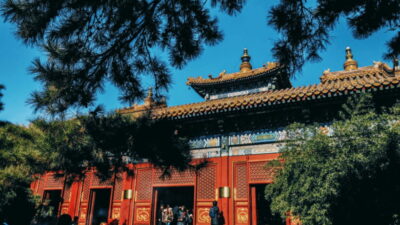
Beijing: Lama Temple (Yonghe Temple) Admission Ticket
Read our review →This tour also ranks in