
Review · PORTUGAL
Batalha Monastery: Private Tour
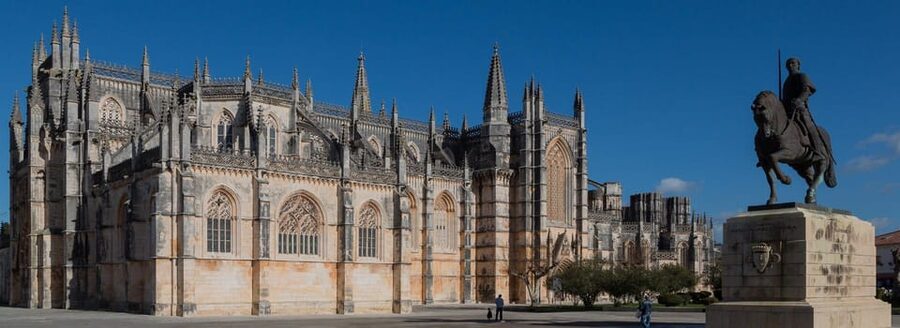
Batalha Monastery tells one of Portugal’s biggest stories in one compact place: a royal victory, a fight for national independence, and the rise of a country that later reached far beyond Europe. The church and cloisters bring that story to life through late Gothic and Manueline design, stained glass, and an extraordinary royal pantheon.
I like that this is a private tour, so you can ask why a carving matters or pause over a tomb without keeping pace with a large group. I also like the focus on the people behind the Portuguese Discoveries, including João II and Henry the Navigator.
The main consideration is practical: the monastery ticket is not included in the $53 price. You will need to arrange admission separately, and the two-hour visit is focused on Batalha rather than a wider tour of the surrounding area.
Key points to know before you book
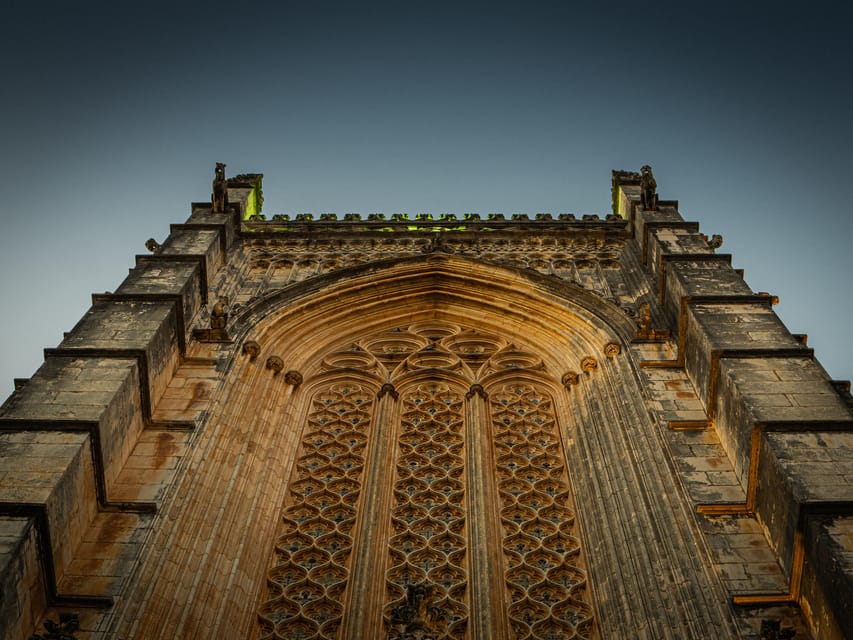
- The Aljubarrota victory gives the monastery its purpose: Batalha was built to mark Portugal’s decisive 1386 victory over Castile.
- The royal pantheon is the emotional center: See the tombs of João I, Queen Filipa de Lencastre, João II, Henry the Navigator, and other royal family members.
- Your guide makes the difference: João and JP are named guides associated with this experience, with English and Portuguese available.
- The architecture changes as you move through the complex: Expect late Portuguese Gothic work alongside Manueline details and colored stained glass.
- Two hours is a useful length: You have enough time for context and questions without turning the visit into an all-day commitment.
- Admission costs extra: The $53 covers the guide and insurance, not entry to Batalha Monastery.
Why Batalha Monastery matters in Portuguese history
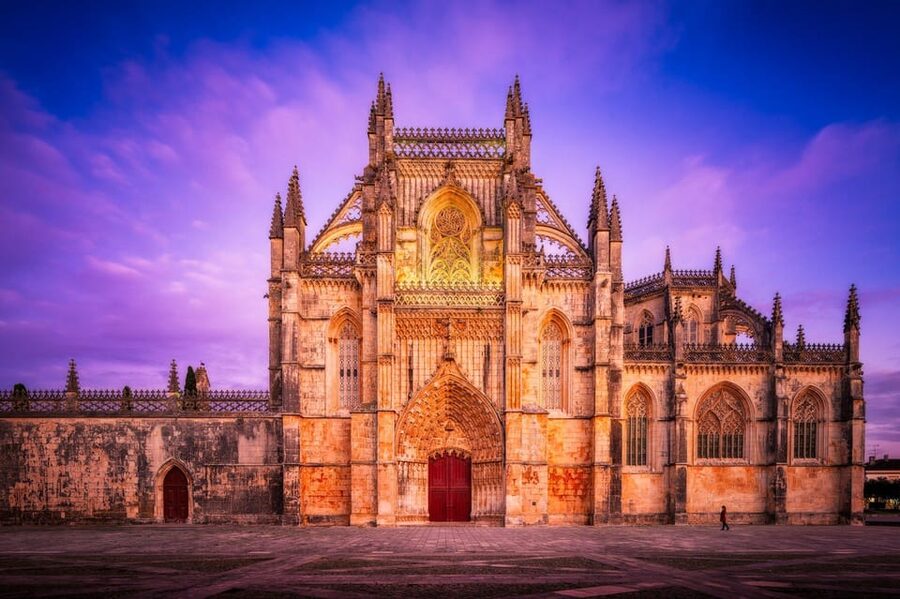
Start with the event that shaped the building. In 1386, Portuguese forces defeated the Kingdom of Castile at the Battle of Aljubarrota. The victory was decisive, and the monastery was built in gratitude to the Virgin Mary and as a public sign of Portuguese independence.
That background changes the way you see the architecture. This is not simply a church with impressive stonework. It is a national statement in limestone, commissioned after a battle that helped secure Portugal’s direction as an independent kingdom.
Your guide can connect the monastery to King João I, who ordered the building, and Queen Filipa de Lencastre, his British-born queen. Their partnership also links the monument to a wider European world, since the royal family shaped the political setting in which Portugal later expanded overseas.
I find this kind of setting more rewarding when the political story comes before the decorative details. You can look at a carved arch and understand that it was not made only to impress visitors. It was part of a royal project that honored a victory and fixed a national memory in place.
More Private Temple Tours in Portugal
- Fatima, Valinhos, Nazaré, Óbidos on Private tour
★ 5.0 · 158 reviews - Fátima Private Tour: Shrine| Sacred Path |Shepherds House
★ 5.0 · 81 reviews - Fatima Private Tour: Shrine, Sacred Way & Shepherds’ Hometown
★ 5.0 · 41 reviews
Entering the church and royal pantheon
The church is likely to be the first major interior space you encounter. Its Gothic character comes through in the height, pointed forms, and orderly structure, while the stained glass adds colored light to a place that could otherwise feel severe.
The stained glass is especially important because Batalha’s church had the first stained-glass windows of its kind in Portugal. The colored light was part of the religious experience for the Dominican monks who worshiped here, not merely a decorative extra.
The royal pantheon holds the tomb of King João I and Queen Filipa de Lencastre. Other members of the royal family are also buried here, including João II and Henry the Navigator, two figures closely linked with the Portuguese Discoveries.
For you, the value of a guide is clear in this section. Without names and dates, the tombs can blur into a long row of medieval monuments. With explanation, you can see the pantheon as a family record and a political map of Portugal at a moment when the kingdom was gathering confidence.
The experience is not just about kings. Filipa de Lencastre deserves attention, too. Her connection to England and her place beside João I show how marriage, diplomacy, and royal power crossed borders long before modern tourism made Portugal easy to reach.
Reading the Gothic and Manueline details
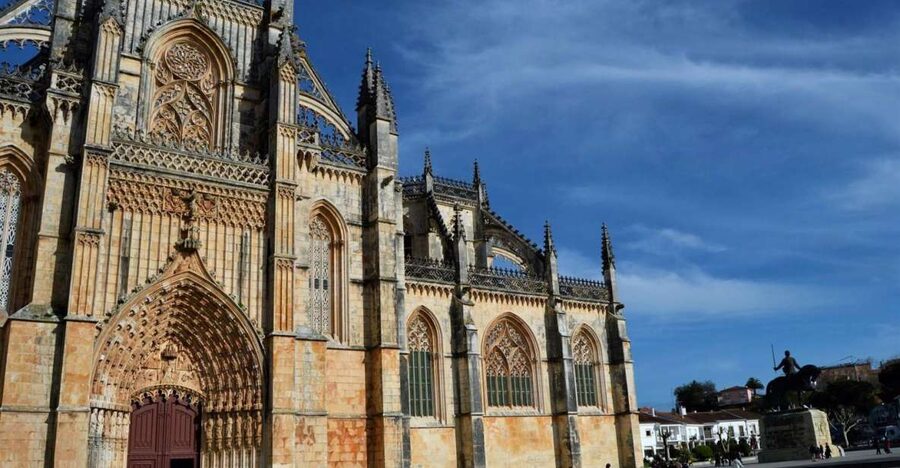
Batalha is often described as one of Europe’s finest Gothic buildings, but its details do not belong to one clean period. The complex began in the 14th century and also carries Manueline features, the ornate Portuguese style associated with the later age of overseas expansion.
I like this mixture because it lets you see Portugal changing over time. The earlier Gothic structure reflects the monastery’s original religious and royal purpose. Later decorative work points toward a Portugal with new wealth, new connections, and a stronger sense of its place in the world.
Your guide can help you notice the difference between a structural element and a decorative one. Look up, look around doorways, and pay attention to the stone patterns rather than rushing from room to room. The tour description promises a visit to the architectural details, and the private format gives you a better chance to ask about the pieces that catch your eye.
The word Manueline can sound abstract until you see how much decoration it can carry. At Batalha, it is part of the building’s later story, layered onto a monastery that began as a memorial to a military victory.
Do not expect every part of the complex to feel equally ornate. That contrast is useful. Restrained Gothic spaces make the more detailed sections easier to appreciate, and the church’s stained glass changes the mood without changing the building’s basic structure.
The Dominican monastery behind the monument
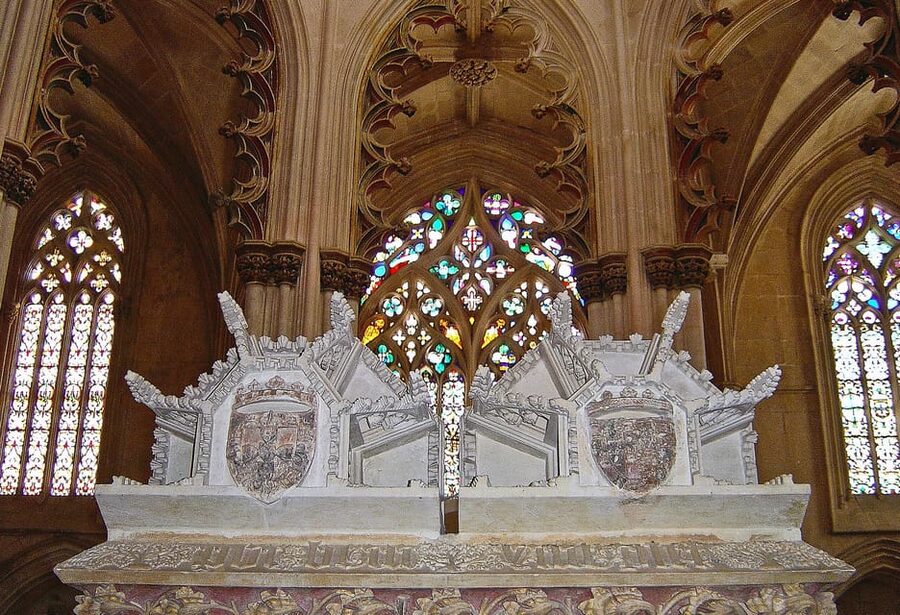
Batalha was run by Dominican monks for more than 600 years. Their daily life gives the complex a human scale that royal tombs and national history alone cannot provide.
The monks lived and worshiped here, using the church and monastery as a working religious community. A private tour can help you connect the grand public parts of Batalha with the quieter spaces that supported that life.
This is where the visit moves beyond a quick look at a famous facade. You are not only seeing a monument built by a king. You are seeing a place shaped by centuries of prayer, routine, and religious work.
The monastery’s link with the Virgin Mary is also central. It was consecrated to her after the Aljubarrota victory, so the spiritual purpose and the national purpose are closely tied together.
I would give this section your full attention even if you are mainly visiting for architecture. It explains why Batalha survived as more than a royal memorial. The building had an active role for the Dominican community for centuries.
Same sacred ground, another way to see it:
- Lisbon: Jerónimos Monastery Entrance Ticket
★ 4.1 · 14,164 reviews - Lisbon: Jerónimos Monastery E-Ticket and Audio Guide
★ 3.7 · 660 reviews - Lisbon: Belém Walking Tour with Jerónimos Monastery Ticket
★ 4.9 · 637 reviews - Lisbon: Belem Walking Tour with Jeronimos Monastery Ticket
★ 4.7 · 490 reviews
What the two-hour private format gives you
Two hours is a sensible length for this experience. It is long enough to explain the battle, the royal family, the Dominican connection, and the main architectural styles, yet short enough to fit into a day that includes other stops.
The private format matters most if you like asking questions. You can ask your guide to explain a royal figure, return to a detail you missed, or spend more time in the pantheon rather than following a fixed group pace.
The available languages are English and Portuguese. Guides named João and JP are connected with the experience, and the supplied comments point to clear English, strong explanations, and useful answers to questions. You should still confirm the assigned guide when booking if a particular name matters to you.
There is also a practical benefit for couples and families. A private group lets you keep the visit at your own pace, though the tour remains a guided introduction rather than an open-ended research session.
The two-hour limit is also the main boundary. If you want to study every architectural detail, sketch, photograph, or read every inscription at length, you may want extra time at the monastery before or after the guided portion.
Is $53 good value?
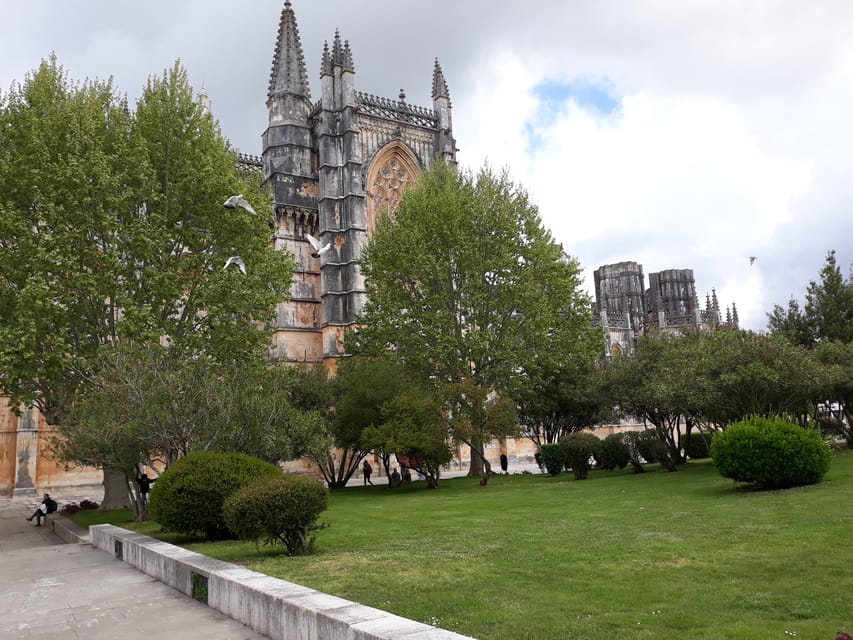
At $53 per person, this is not the cheapest way to enter Batalha Monastery. The admission ticket is separate, so you should add that cost to your day’s budget before deciding.
Still, the price has a clear purpose. You are paying for a private guide, a focused two-hour explanation, and insurance. That can be good value if Batalha is important to you and you want more than a quick look around the church.
The value is strongest for first-time visitors who do not already know the Aljubarrota story or the royal family connected to the building. A guide can save you from seeing the pantheon as a collection of unfamiliar names and help you understand why the monastery was built in the first place.
It may be less worthwhile if you prefer to wander alone, read at your own pace, and spend very little time on historical background. In that case, buying admission and exploring independently may suit you better, although you will miss the personal questions and explanations that come with a private visit.
One useful detail from the experience is that guides may offer suggestions for other towns to visit. That is not the main product, but it can help if Batalha is one stop on a wider route through central Portugal.
Who will enjoy this Batalha visit most?
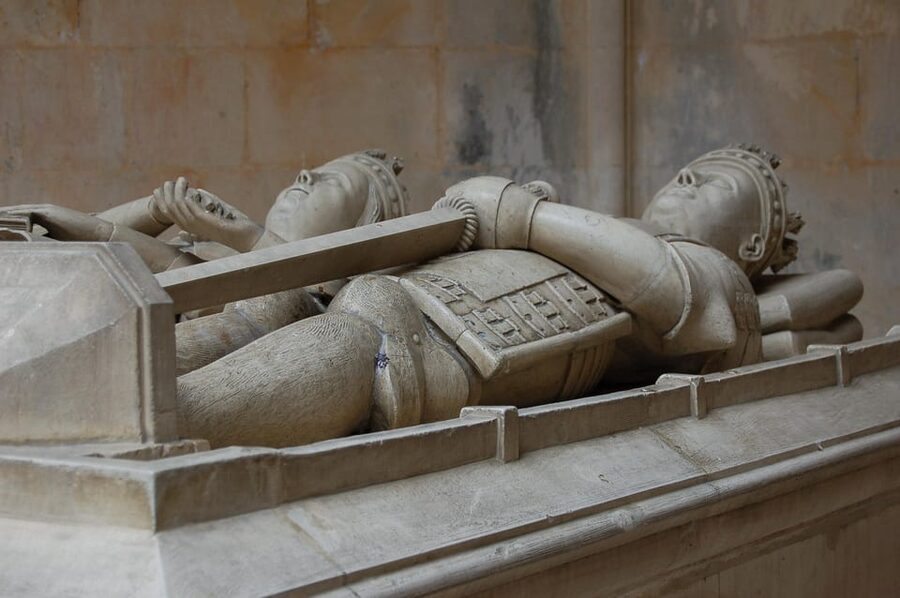
I would recommend it most to travelers who care about the link between buildings and events. The monastery makes much more sense when you know about the battle of 1386, the royal family, and the monks who used the complex for centuries.
It is also a good fit for anyone interested in Portuguese exploration. João II and Henry the Navigator are part of the story, and the monastery helps place the Discoveries within the country’s earlier political and religious development.
Architecture fans should find plenty to study. You get Gothic structure, Manueline decoration, a royal pantheon, and early Portuguese stained glass within one site.
Families may appreciate the private format because children can ask questions without feeling they are interrupting a large group. The two-hour length also gives you a firm end point, which can be useful on a busy sightseeing day.
This may not be the right choice if you need transportation from another city. The starting location is Batalha Monastery, and no transfer service is listed. You should plan your own way to the meeting point.
Practical details that affect your day
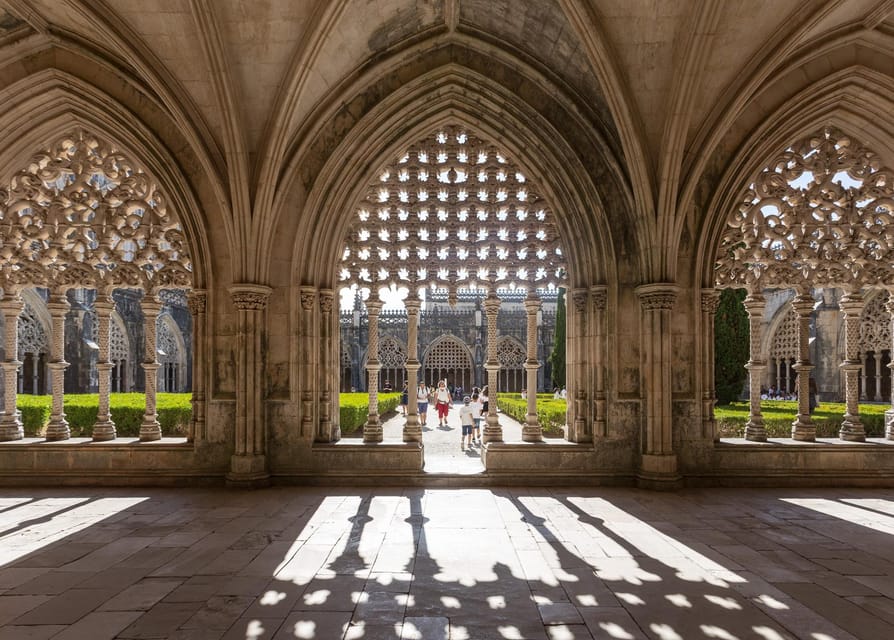
The tour begins at Batalha Monastery and lasts two hours. Check the available starting times before booking, since the schedule is not fixed in the information provided.
English and Portuguese are offered. If your group has different language needs, confirm that before you reserve.
The tour includes a guide and insurance. It does not include the monastery ticket, so do not arrive assuming your $53 booking covers admission.
You can cancel up to 24 hours before the activity for a full refund. A reserve-now, pay-later option is also available, which lets you hold the place without paying at the time of booking.
Because the group is private, the price is listed per person but the experience is arranged for your own party. The actual value improves as the number of people in your group rises, provided everyone wants a guided visit.
Should you book this private monastery tour?
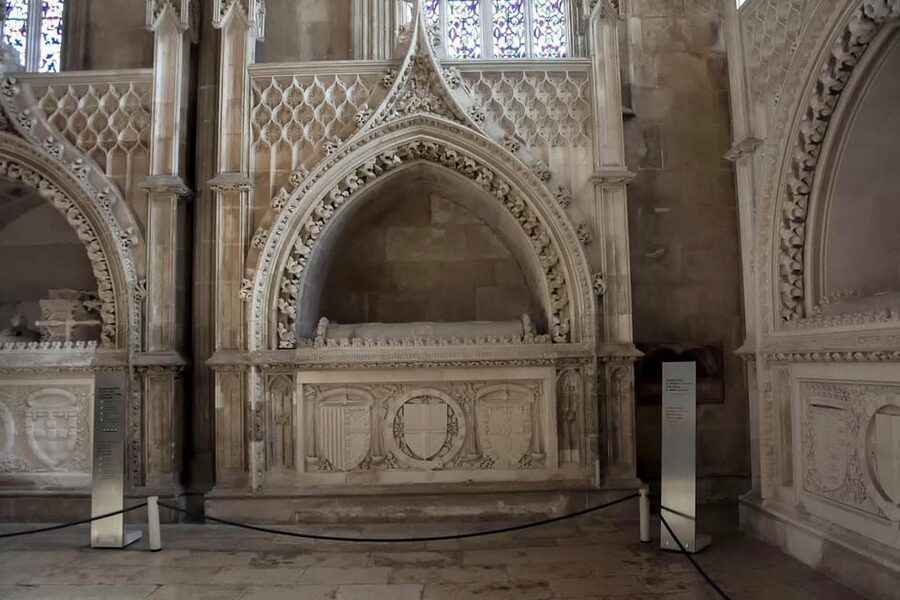
Book it if you want Batalha to make sense as more than a beautiful church. The Aljubarrota victory, João I and Filipa de Lencastre, the Dominican monks, the royal tombs, and the later Portuguese Discoveries all connect here, and a good guide can bring those links into focus.
The strongest reasons to choose it are the private questions and personal pace, plus the chance to understand details you might otherwise pass without noticing. Guides such as João and JP are associated with clear English explanations and useful local suggestions.
Skip it if you mainly want a short independent visit or if the added admission cost pushes the day beyond your budget. If you do book, budget separately for the monastery ticket and confirm the start time and guide language.
For most first-time visitors who value context, two hours with a private guide is a sound way to see Batalha Monastery and understand why this building matters to Portugal.
FAQ
Where does the tour start?
The tour starts at Batalha Monastery.
How long does the guided visit last?
The guided visit lasts two hours.
Is the monastery admission ticket included?
No. The ticket for Batalha Monastery is not included in the tour price.
What languages are available?
The live guide is available in English or Portuguese.
Is this a private tour?
Yes. The activity is offered for a private group.
What is included in the price?
The price includes a guide and insurance.
Can I cancel for a full refund?
Yes. You can cancel up to 24 hours in advance for a full refund.
Temple visits we reviewed lately in Portugal
- Belém: Jeronimos Monastery, Tickets and Guided tour★ 4.9 · 30 reviews
- Lisbon: Tour of Belem and Jerónimos Monastery★ 3.2 · 5 reviews
- Lisbon: Skip-the-line Jerónimos Monastery Tour with Tickets★ 5.0 · 4 reviews
- Lisbon: Belém Private Walking Tour & Jerónimos Monastery★ 4.5 · 83 reviews
- From Lisbon: Évora, Chapel of Bones, & Roman Temple Tour★ 5.0 · 8 reviews
- From Lisbon: Fátima Sanctuary and Batalha Monastery (UNESCO)★ 5.0 · 5 reviews
- Lisbon: Belem Tour with Pastéis at Jerónimos Monastery★ 4.7 · 96 reviews
- Between Life & Death: Roman Temple, Cathedral & Bone Chapel★ 4.9 · 6 reviews
Portugal Temple Tours, compared.
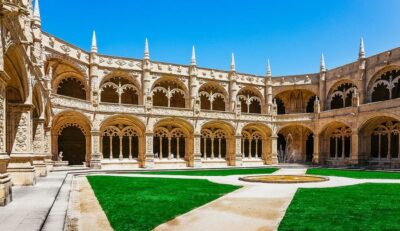
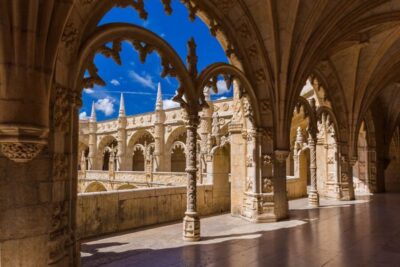
Lisbon: Jerónimos Monastery E-Ticket and Audio Guide
Read our review →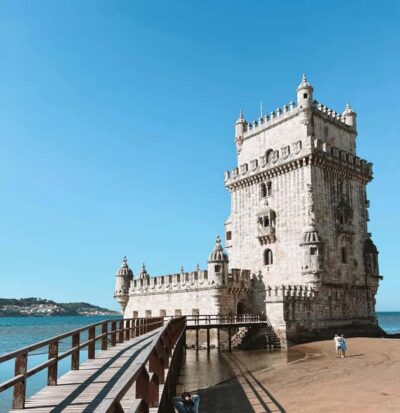
Lisbon: Belém Walking Tour with Jerónimos Monastery Ticket
Read our review →Lisbon: Belem Walking Tour with Jeronimos Monastery Ticket
Read our review →
Lisbon: Belem, Jeronimos Monastery, and Coach Museum Tour
Read our review →
Belem and Jeronimos Monastery Guided Small Group Walking Tour
Read our review →
“Porto: Fado Show with Guided Tour in a Historic Monastery”
Read our review →
Fatima, Valinhos, Nazaré, Óbidos on Private tour
Read our review →This tour also ranks in