
Review · LUXOR
Full Day Tour of Luxor West Bank Temples and Tombs (Private)
The best thing about this tour is its range. In one long day, you move from the royal tombs of the Valley of the Kings to the painted chambers of Deir el-Medina, then on to Hatshepsut’s terraces and the huge statues at Memnon. It gives you a clear sense of how the West Bank worked as both a sacred burial ground and a living community.
I like the private vehicle and the chance to shape the pace around your group. I also like having an Egyptologist guide such as Sayed Gamal, Hany Yassen, Besho, or Ahmed Emam to explain what you are seeing instead of wandering among tombs with only a ticket in hand. The main caution is that this is an ambitious day, and entrance fees, optional tombs, and lunch may cost extra.
Key points to know before booking
- Six major West Bank stops: Visit the Valleys of the Kings and Queens, Deir el-Medina, Hatshepsut Temple, Medinet Habu, and the Colossi of Memnon.
- Private sightseeing: Your group travels alone with a guide and driver, so you can ask questions and request extra time at a site.
- Entry fees are separate: The listed price does not cover admission to the archaeological sites, and special tombs can have additional charges.
- A comfortable way to cover ground: Hotel pickup, return transport, air-conditioning, and bottled water make the long day easier.
- The schedule can run 7 to 10 hours: Expect an action-packed outing, especially if you spend time inside several tombs.
- Lunch depends on the option selected: A package with car, guide, entries, and lunch is available, but the basic arrangement does not include lunch.
Why the West Bank works best as a full-day outing
Luxor’s West Bank is not one single monument. It is a wide archaeological area with royal tombs, temples, workers’ homes, and enormous statues spread across different parts of the Theban Necropolis. Trying to squeeze the main sites into a short morning can leave you with a blur of names and painted walls.
This tour gives you a full day to connect the pieces. You begin with the kings and queens, then see the people who built and decorated their tombs, followed by the temples that supported royal worship. I like that progression because the monuments make more sense when you see them as parts of one larger religious and funerary center.
The private format matters here. You can ask why a tomb was built underground, how the workmen lived, or why Hatshepsut’s temple uses such broad terraces. If your group includes children, the guide can explain the sites in simpler terms and leave time for photographs. If you are focused on archaeology, you can ask for more detail.
The day is not relaxed sightseeing. The schedule lists about two hours at the Valley of the Kings, one hour at Hatshepsut Temple, 90 minutes at the Valley of the Queens, and one hour each at Deir el-Medina and Medinet Habu, followed by a short stop at the Colossi of Memnon. Add driving time, ticket arrangements, and possible lunch, and you can easily reach the upper end of the 7 to 10 hour estimate.
More Karnak and Valley of the Kings Tours in Luxor:
- Luxor: Valley of the Kings and Hatshepsut Temple Day Tour
★ 4.4 · 1,404 reviews - Luxor: Valley of Kings, Hatchepsut Temple ,Karnak & Luxor-DayTour
★ 5.0 · 735 reviews - Luxor: Karnak Temple and Luxor Temple Tour with Lunch
★ 4.4 · 658 reviews
Valley of the Kings: the day’s essential stop
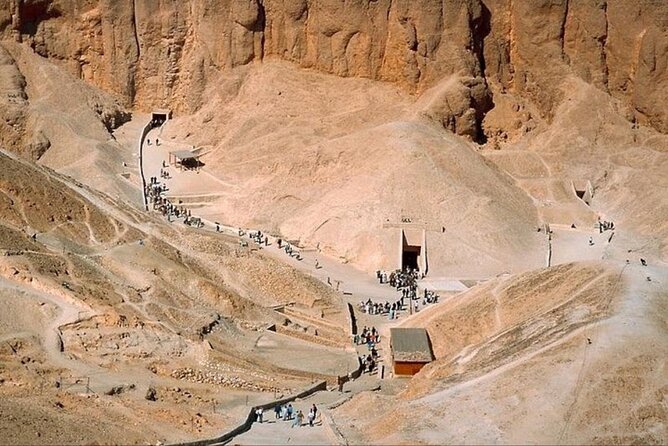
The Valley of the Kings is usually the emotional center of a West Bank visit. The wadi lies opposite modern Luxor and contains the burial places of New Kingdom pharaohs. Instead of grand pyramids, the rulers were placed in chambers cut into the rock, with passages and rooms covered in religious scenes.
The tour allows about two hours here, enough for a thoughtful visit to the standard tombs included with your ticket. The ticket arrangement covers three tombs according to the Ministry of Tourism instruction. That does not mean every famous tomb is included, so ask your guide which three are open and best suited to your interests before you enter.
Some tombs are extra. If you want to visit special tombs, decide in advance how much you are willing to spend and which one matters most to you. Queen Nefertari’s tomb in the Valley of the Queens is especially famous, but opening schedules can change, and it has been closed at times. Do not build your whole day around one specific tomb without checking its status.
Inside, you may find narrow passages, steps, heat, and uneven footing. The painted walls are the real prize, not the outside approach. A guide can point out scenes that explain the journey to the afterlife, royal identity, and the role of the gods, while you still have time to look quietly and take photographs where permitted.
This is also where the private setup earns its keep. Once the guide has explained a tomb, you can linger a little longer or move on when you have had enough. With a large group, everyone follows the same pace. Here, you can make the most of the tombs you personally care about.
Hatshepsut Temple and the terraces of Deir el-Bahari
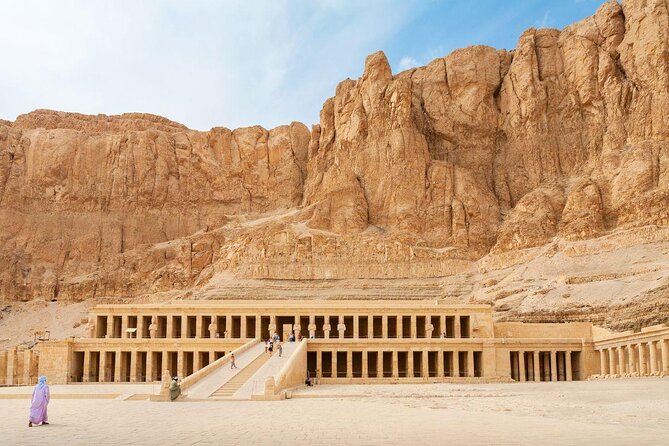
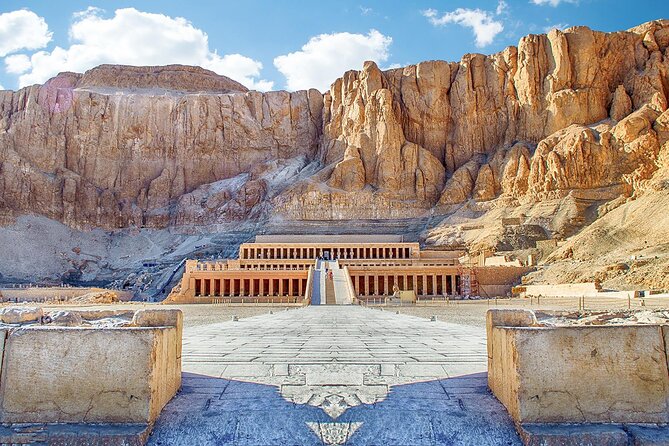
The Temple of Hatshepsut is built against the steep cliffs of Deir el-Bahari. Its broad, terrace-shaped design looks very different from the underground tombs you have just seen. The temple rises about 97 feet, and its setting explains much of its shape: the cliffs form a dramatic backdrop while the long terraces lead your eye toward the sanctuary.
Hatshepsut ruled as pharaoh and remains one of ancient Egypt’s most important female rulers. The temple was dedicated to her and served as a mortuary temple, a place connected with her worship after death. Your guide can help you read the reliefs and explain how Hatshepsut presented her authority.
Plan on about an hour here. The terraces offer strong photo opportunities, but the size of the site can make the visit feel exposed in the sun. Wear a hat, use sunscreen, and keep water with you. Bottled water is provided in the vehicle, which is useful, but you should not wait until the next transfer to drink.
I like this stop because it changes the rhythm of the day. The Valley of the Kings is enclosed and tomb-focused. Hatshepsut’s temple opens the view and lets you think about architecture, royal image, and the relationship between a monument and its setting.
Valley of the Queens: smaller tombs, detailed decoration
The Valley of the Queens was known in ancient times as Ta-Set-Neferu, meaning the place of beauty. It was used mainly for the burials of royal wives and other members of the royal family, while the pharaohs were generally buried in the Valley of the Kings.
The planned visit lasts about 90 minutes. That is enough time to see the main areas without turning the stop into a rushed photo break. The tombs here can feel more intimate than the royal burial chambers in the Valley of the Kings, and the decoration can be remarkably detailed.
The most important practical point is that admissions are not included in the basic tour price. Some famous tombs also carry separate fees or may not be open. Queen Nefertari’s tomb is the best-known example, but its availability can change. Ask your guide what is open on the day and confirm the cost before choosing an additional ticket.
This stop suits you if you enjoy close examination rather than only monumental scale. You will want time to notice the colors, figures, and symbols. If your group is tiring by this point, tell the guide. The private format allows some flexibility, though the full program still has several stops ahead.
More Full-Day Tours in Luxor:
- Siem Reap: Full-Day Angkor Wat Guided Tour with Sunset
★ 4.9 · 3,803 reviews - Full-Day Angkor Wat Sunrise Private Tour with Guide from Siem Reap
★ 5.0 · 2,920 reviews - Siem Reap: Angkor Wat Sunrise and Full-Day Sightseeing Tour
★ 4.9 · 2,828 reviews - Full-Day Tour to Water Temples and UNESCO Rice Terraces in Bali
★ 5.0 · 2,539 reviews
Deir el-Medina, where the tomb builders lived
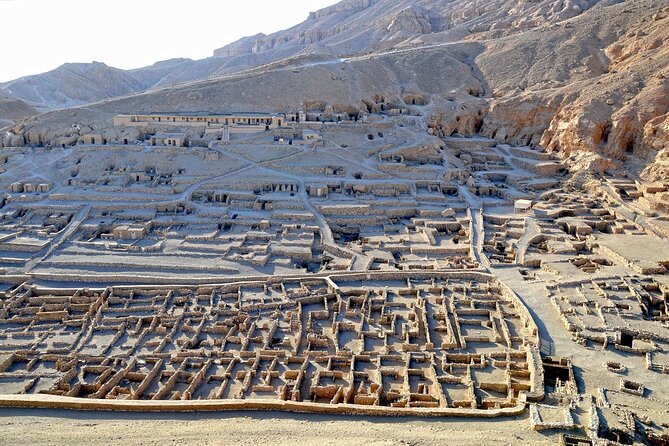
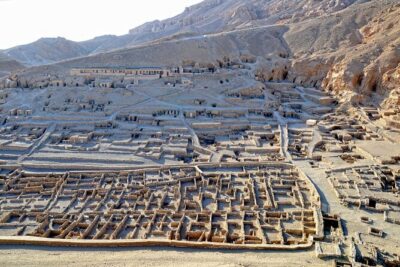
Deir el-Medina is one of the most useful stops for understanding the people behind the royal monuments. It was an ancient workmen’s village, home to the artisans who cut and decorated tombs in the Valleys of the Kings and Queens during the 18th to 20th Dynasties.
The planned visit lasts about an hour. Compared with the grand temples, this is a smaller and more personal place. You are looking at the community of skilled workers, not just the monuments commissioned by kings. That makes the site especially valuable if you want a fuller picture of ancient Egyptian society.
I would pay close attention to the decorated tombs here. Their scale is smaller, but the painted scenes can be finely preserved. The visit also gives your guide a chance to explain how teams of craftsmen worked and why the quality of decoration in the royal necropolis depended on this settled community.
Several people specifically single out Deir el-Medina as one of the less crowded and better-preserved parts of the day. Even without relying on that praise, the reason is easy to understand: it offers a different kind of experience. You are not simply admiring royal power. You are seeing where the specialists who created that power lived and worked.
Medinet Habu and the strength of Ramesses III
Medinet Habu is the temple of Ramesses III, an important New Kingdom structure on Luxor’s West Bank. It is often a highlight for visitors who want strong reliefs, broad courtyards, and a sense of how a large temple complex was organized.
The schedule allows about an hour. That time is useful, but you should still be ready to keep moving. After several tombs and Hatshepsut’s terraces, Medinet Habu can feel like another large site to absorb. Ask your guide to focus on the most important reliefs and architectural features rather than giving you a long list of names.
This is one of the places where a good guide adds real value. The walls are covered with scenes and inscriptions, and it is easy to look without knowing what matters. A clear explanation helps you notice military scenes, religious imagery, and the temple’s role in honoring the king.
The site is also a good reason not to shorten the tour to only the Valley of the Kings and Hatshepsut Temple. Those are essential, but Medinet Habu gives the day a different visual and historical note. It is a strong final major stop before the brief visit to the Colossi of Memnon.
The Colossi of Memnon: a quick stop with giant scale
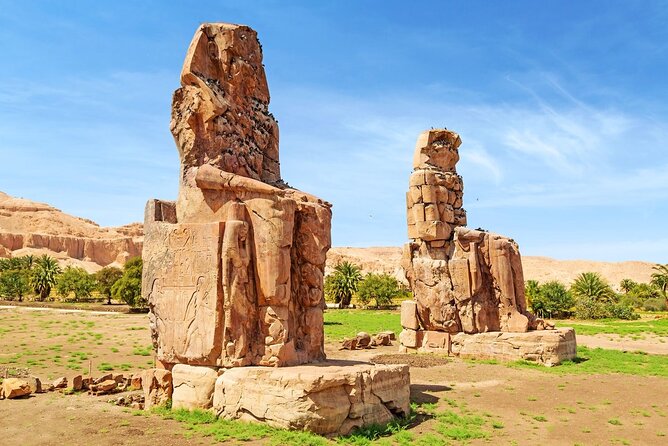
The Colossi of Memnon are two enormous stone statues of Amenhotep III. They once stood at the front of his mortuary temple, which was the largest temple in the Theban Necropolis. The temple itself is now ruined, leaving the statues as the clearest reminder of its former scale.
The stop lasts about 10 minutes and admission is free. That makes it a simple photo break rather than a full site visit. You will not spend long here, but the statues provide a useful closing image: after a day of underground chambers and temple walls, you finish with two huge royal figures facing the road.
Because the visit is brief, do not expect a long explanation or time to explore a large complex. The value is in seeing the scale and taking a few photographs before returning to your hotel or continuing with an optional arrangement.
Guides, drivers, and the private format
The guide is the most important part of this experience. Names connected with the tour include Hany Yassen, Sayed Gamal, Besho, Ahmed Emam, Emad, and others. Your assigned guide may be different, but the key thing to expect is an Egyptologist who explains the sites, answers questions, and helps you choose which tombs to visit.
The strongest guide experiences described for this tour share a useful balance: clear explanations at the monument, followed by time for you to look around alone. That is the right approach in Luxor. You want context, but you do not want every minute filled with a speech.
The driver matters, too. Transfers are by private, air-conditioned vehicle, and the driver takes you between the separated sites. Several guide and driver pairings are praised for punctual pickup, careful driving, and smooth timing. A spacious van may be used, which is useful if you have a small group and want room to spread out.
You can also choose a driver-only arrangement in some booking options, but the main experience described here includes a private Egyptologist guide. If interpretation matters to you, confirm that you have selected the guide option rather than transport alone.
Price, lunch, and the costs that can change the total
At $20 per person, the starting price looks very low for a private full-day outing. The value is strong if you want private transport and a guide without arranging separate taxis, but you must read the inclusions carefully.
The basic price does not cover entrance fees to the listed sites. Lunch is also not included unless you select the option that combines the car, guide, entries, and lunch. You may be offered different package choices, so compare the final total rather than judging the tour by the headline price alone.
An airport pickup costs an additional $10. Tipping is optional. Extra tombs can cost more, and you should ask about them before entering rather than assuming they are part of the standard ticket.
Some arrangements may include a local restaurant lunch, and the meal can be a welcome pause after a long morning. If lunch is important to you, select the relevant package clearly at booking. Also make sure any optional shopping or additional stop is understood before the day begins. You can politely say no to extras that are not part of your plan.
Who will get the most from this Luxor tour
I would choose this tour if you have one full day for the West Bank and want to see more than the headline sights. It suits first-time visitors, families who want private transport, and anyone who values having an Egyptologist available throughout the day.
It is also a good fit if you want flexibility. You can ask for more time at a temple, give children a break, or focus on specific tombs. The day can be adjusted around your interests more easily than a fixed group outing.
I would think twice if you dislike early starts, long sightseeing days, heat, or repeated archaeological sites. Six major stops require energy. The program is rewarding, but it is not slow travel.
Book at least 24 hours before the start time if you need the option of a full refund. Cancellations made less than 24 hours before the tour are not refunded, and changes inside that period are not accepted. Poor weather can lead to a new date or a full refund.
Should you book the private West Bank tour?
Book it if you want the broadest useful introduction to Luxor’s West Bank in one day. The route combines the Valley of the Kings, Hatshepsut Temple, the Valley of the Queens, Deir el-Medina, Medinet Habu, and the Colossi of Memnon, with private transport and an Egyptologist guide.
The best way to make the day work is to confirm three things before departure: which entrance fees are included in your chosen package, whether lunch is part of the price, and which tombs are open or carry extra charges. If you do that, the $20 starting price can become very good value.
You should skip it only if you want a short, unhurried visit to two or three monuments. For everyone else, this is a practical way to cover a large part of Luxor’s West Bank while still having a guide who can make sense of what you are seeing.
FAQ
How long does the tour last?
The tour lasts approximately 7 to 10 hours. The exact length can depend on the pace of your group, time spent at each site, lunch arrangements, and any additional tombs or stops.
Is hotel pickup included?
Yes. Pickup and return to your hotel in Luxor are included. Airport pickup is available for an additional $10.
Is this a private tour?
Yes. Only your group participates, and transfers are provided in a private, air-conditioned vehicle.
Is an Egyptologist guide included?
The main tour includes a private Egyptologist guide. Some booking options may offer transport with a driver only, so check the option you select if guiding is important to you.
Are entrance fees included?
Entrance fees to the listed sites are not included in the basic tour price. The Valley of the Kings ticket includes three tombs according to the Ministry of Tourism instruction, while some additional tombs may cost extra.
Is lunch included?
Lunch is not included in the basic arrangement. It is included when you choose the option listed as car, guide, entry, and lunch.
Is bottled water provided?
Yes. Bottled water is provided in the vehicle during the tour.
Can I cancel for a full refund?
You can cancel for a full refund up to 24 hours before the experience start time. Cancellations or changes made less than 24 hours before the start are not accepted, and poor weather may result in a different date or a full refund.
Temple visits we reviewed lately in Luxor
- Luxor: Karnak and Luxor Temples Private Half-Day Tour★ 4.7 · 27 reviews
- Marsa Alam: Valley of the Kings & Karnak Temples Luxor Tour★ 4.6 · 177 reviews
- Luxor: Tour to Edfu Temple & Lunch & Felucca & Entrance Fees★ 4.8 · 7 reviews
- Luxor: Valley of The Kings and Hatshepsut Temple Day Trip★ 4.3 · 55 reviews
- Luxor: Hot Air Balloon Ride Over Temple of Hatshepsut★ 4.8 · 185 reviews
- Luxor: Karnak and Luxor Temples Private Half-Day Tour★ 4.4 · 4 reviews
- Luxor: Private Tour to Valley of Kings & Hatshepsut Temple.★ 4.4 · 16 reviews
- Luxor: Temple of Hatshepsut QR Ticket – Skip The Line★ 4.8 · 5 reviews
Luxor Temple Tours, compared.
Luxor Day Tour: Valley of Kings & Queens & Hatchepsut Temples
Read our review →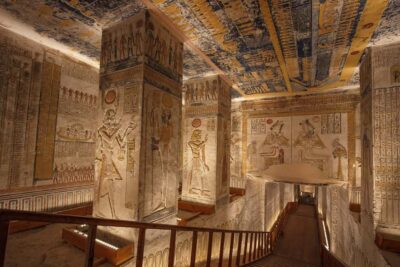
Luxor: Valley of the Kings and Hatshepsut Temple Day Tour
Read our review →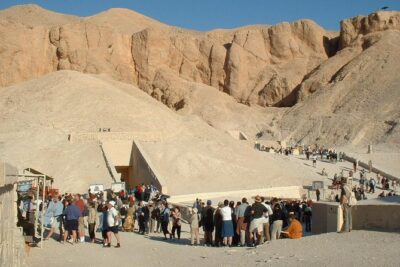
Luxor: Valley of Kings, Hatchepsut Temple ,Karnak & Luxor-DayTour
Read our review →
Luxor: Karnak Temple and Luxor Temple Tour with Lunch
Read our review →
Luxor: Abu Simbel Temple Private Guided Day Trip with Lunch
Read our review →
From Luxor: Dendera Temple All-Inclusive Tour & Felucca Ride
Read our review →
Luxor: Hot Air Balloon Ride Over Temple of Hatshepsut
Read our review →
Marsa Alam: Valley of the Kings & Karnak Temples Luxor Tour
Read our review →This tour also ranks in