
Review · SIEM REAP
Seat-In-Coach: Small Circuit tour with Sunrise at Angkor Wat
Angkor Wat at sunrise is the draw, but the real strength of this seven-hour morning tour is its tight plan. You arrive before the heat, see the three temples most first-time visitors want, and return to Siem Reap around noon. Guides such as Touch, Phylom, and Phyrom Hoeum have been praised for good photo spots, clear scheduling, and lively explanations.
I like the small-group feel, which can make hotel pickup and temple visits quicker than a large coach outing. I also like the mix of grand Angkor Wat, mysterious Bayon, and jungle-covered Ta Prohm. The catch is that the $30 price does not include the required $37 one-day temple pass, and sunrise depends entirely on the weather.
Key points at a glance
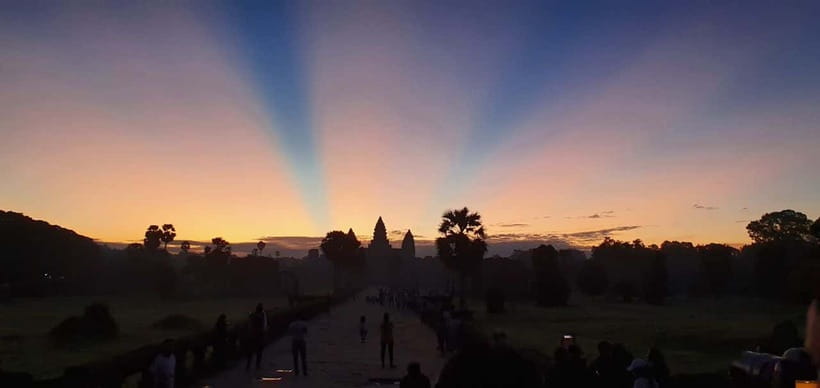
- Sunrise at Angkor Wat: Arrive before dawn for the classic view across the temple ponds and towers.
- Three major temples: The route covers Angkor Wat, Bayon in Angkor Thom, and Ta Prohm.
- Useful guide support: Guides help with temple context, timing, and creative photo spots.
- Cooler morning hours: Starting between 4:20 AM and 5:00 AM helps you see the temples before the strongest heat.
- Extra cost to plan for: The temple pass costs $37 per person and is separate from the $30 tour fee.
- Fast, focused format: This is a good first look, not a full Angkor Park tour.
A pre-dawn start from Siem Reap
Your guide picks you up from your hotel lobby between 4:20 AM and 5:00 AM. The exact pickup time depends on availability and the day’s schedule, so have your clothes ready and wait in the lobby rather than expecting a relaxed breakfast before departure.
The ride continues to the Angkor temple complex by minivan or tour bus. You buy the one-day Angkor temple pass separately, at $37 per person, then enter with the guide. That makes the actual cost about $67 per person before any food or personal spending.
This early start is not a minor detail. Angkor Wat becomes hot and crowded later in the day, while the morning gives you a better chance to walk through the main sites before the worst heat. You will still share the sunrise area with other people, but the early hour gives the whole morning a cooler, calmer rhythm.
Wear proper temple clothing from the start. Long pants or a skirt covering the knees and a shirt covering the shoulders are required. A cold drink and towel are included, but you should still carry water and expect a lot of walking over uneven stone.
More Temple Sunrise Tours in Siem Reap
- Angkor Wat Sunrise or Sunset Tour with Guide from Siem Reap
★ 5.0 · 12,109 reviews - Siem Reap: Angkor Wat: Small-Group Sunrise or Sunset Tour
★ 5.0 · 9,444 reviews - Siem Reap: Angkor Wat 2-Day Tour with Sunrise and Sunset
★ 4.9 · 4,429 reviews
Angkor Wat at sunrise
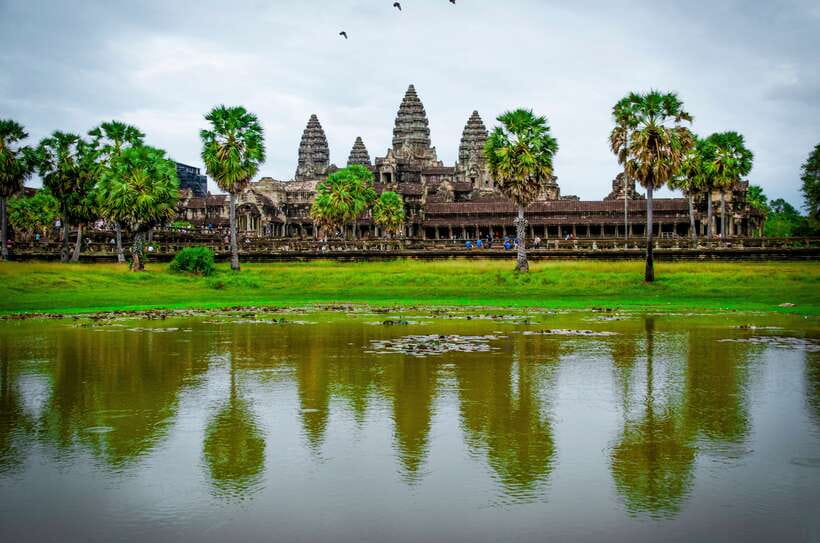
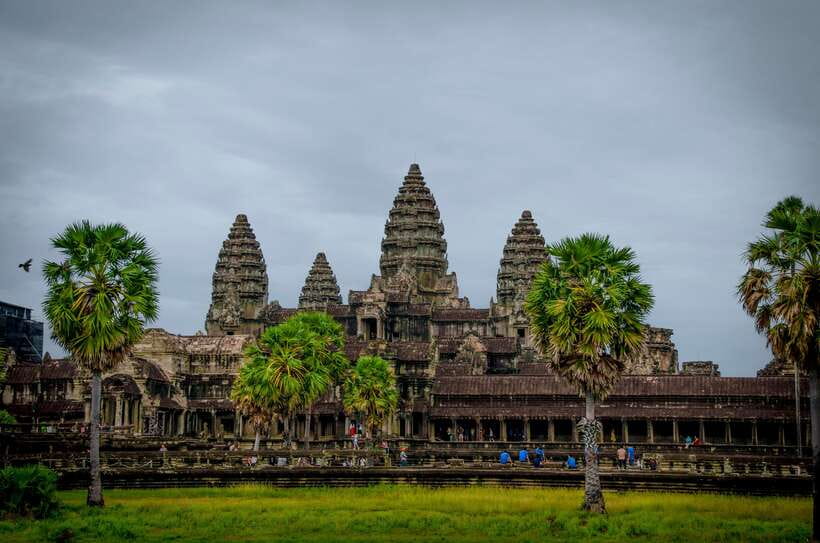
Angkor Wat is the emotional center of the outing. Built during the first half of the 12th century under King Suryavarman II, it is huge, carefully balanced, and instantly recognizable by its towers reflected in the water.
The sunrise view is usually the main reason people book this tour. You watch the sky brighten behind the temple while the towers gradually separate from the darkness. On a clear morning, the reflection can be striking. On an overcast morning, the sunrise may be faint or almost invisible, but arriving early still gives you cooler temperatures and time to see the monument before the sun climbs high.
Keep your expectations sensible. A sunrise tour cannot control clouds, haze, or the number of people who arrive with cameras. You may need to stand with a crowd near the reflection pools, and the best photo position is not guaranteed. This is one reason a guide can help. Several guides on this route, including Touch, Phylom, and Phyrom Hoeum, have been praised for suggesting photo positions and helping with pictures.
After the first view, you continue into the temple. Angkor Wat is not just a photo backdrop. Its scale can feel overwhelming, with long galleries, towers, carved stone, and broad open spaces. The tour gives you a useful first encounter, though the morning schedule means you will not study every carving or explore every corner at length.
If you care most about photography, keep your camera ready but do not spend the entire stop looking at a screen. The temple’s proportions are easier to appreciate when you pause and look up. A guide can add context, but the experience also rewards quiet time on your own.
Bayon and the 216 stone faces
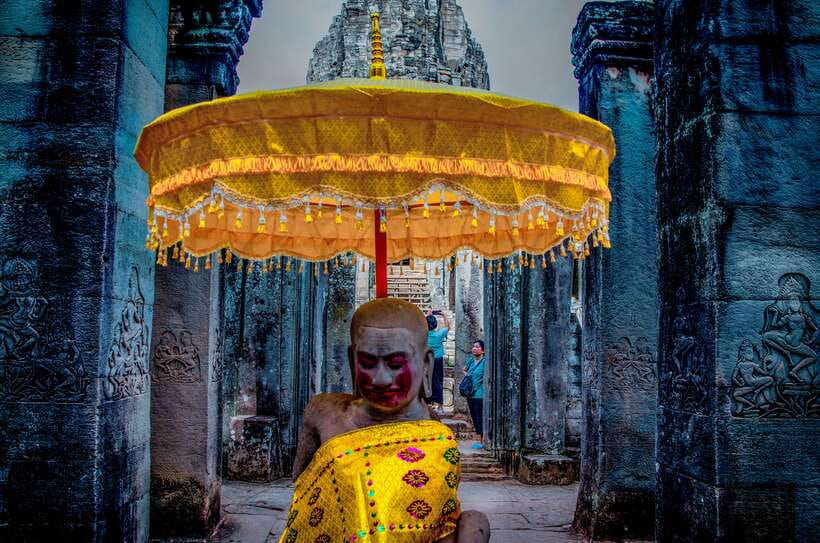
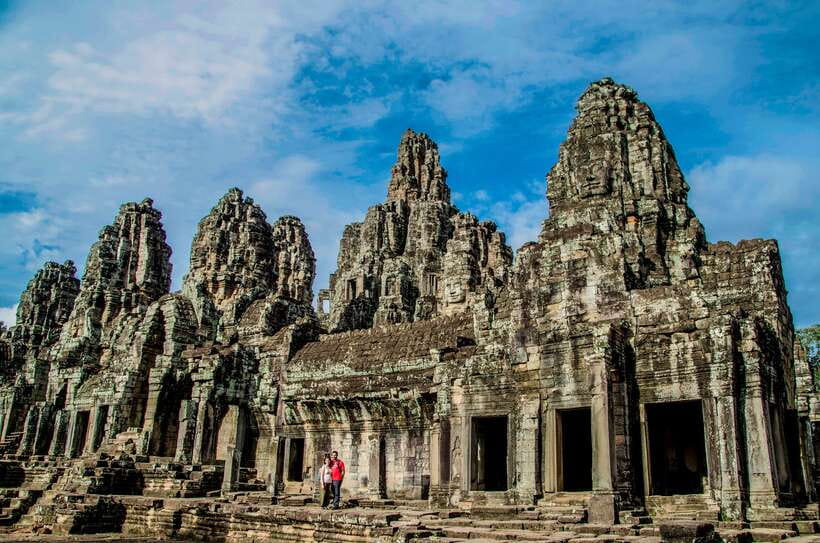
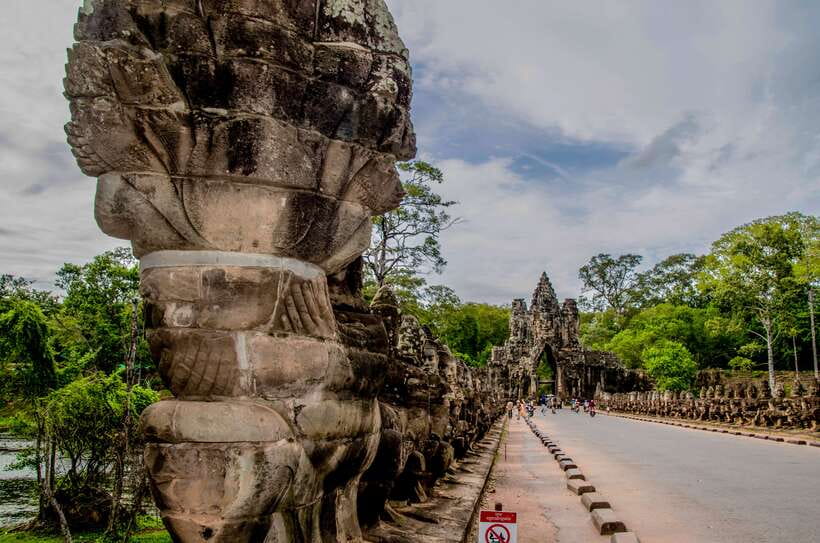
The route then moves into Angkor Thom, the large complex that contains Bayon. Built in the late 12th century under King Jayavarman VII, Bayon is famous for its giant stone faces, which give the temple a watchful, almost human mood.
The commonly cited count is 54 towers with four faces on each, making 216 faces. You will see them appearing above the galleries and passageways as you move through the temple. The effect is very different from Angkor Wat. Angkor Wat feels ordered and monumental, while Bayon feels tighter, more enclosed, and full of visual surprises.
This is where a guide can make a real difference. The faces are easy to photograph, but the surrounding carvings and layout are harder to understand without some explanation. The guides praised most highly on this route were good at giving historical and religious background without turning every stop into a lecture.
That said, the level of detail can vary. One guide may focus on religious stories, while another may offer only basic information and answer questions when asked. If you want technical details about construction or a fuller explanation of Khmer history, ask directly. This tour is built around the main sights and a half-day pace, not an academic study of Angkor.
Bayon can also be crowded. The narrow spaces make it harder to pause when several groups arrive together. A good guide may steer you toward less congested corners or time your movement well, but you should expect plenty of people taking photographs.
Ta Prohm and the jungle setting
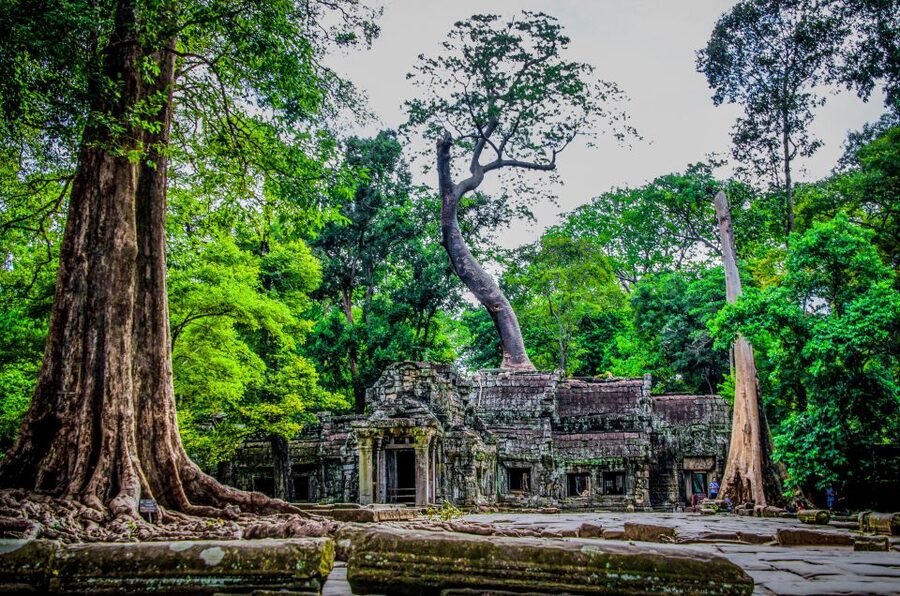
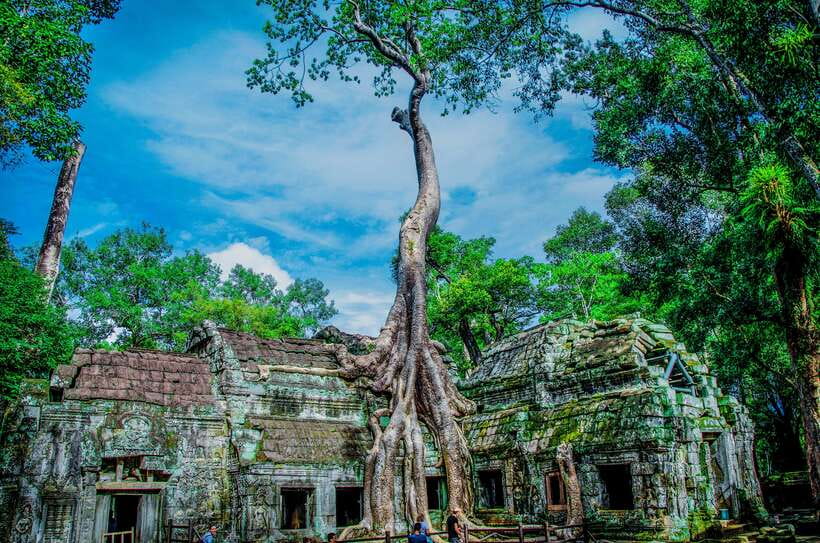
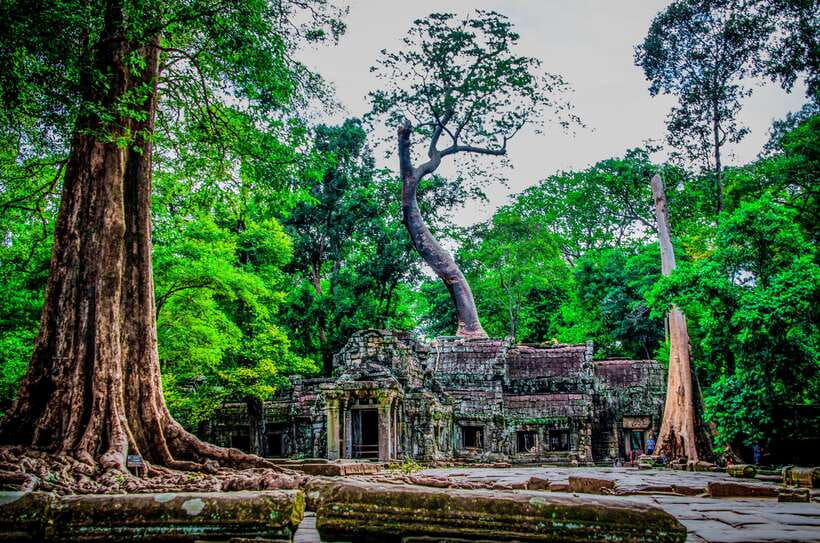
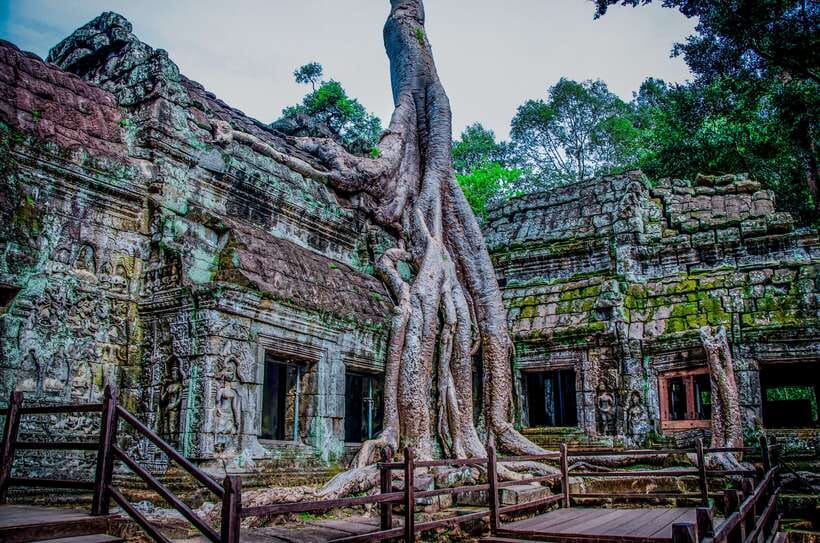
Ta Prohm is the last major stop and perhaps the most immediately atmospheric. Trees and vines grow around the stonework, creating the look that made the temple famous in Angelina Jolie’s Tomb Raider.
The appeal is not simply the movie connection. Ta Prohm shows what happens when architecture and vegetation occupy the same space. Roots press against walls, doorways frame tangled branches, and damaged sections give the temple a rougher mood than the more ordered Angkor Wat.
The movie reference brings extra attention, so Ta Prohm can be crowded around its best-known photo points. Your guide may help you find better angles and keep the visit moving. Several guides on this experience have been praised for creative photo ideas, including ways to make pictures more interesting than a standard pose in front of a doorway.
Watch your footing here. Stone floors can be uneven, and the temple’s tight passages may require patience when groups stop for photos. You do not need to rush, but the itinerary has three major temples to cover before noon, so this is not an open-ended exploration.
Ta Prohm is a strong final stop because it changes the visual tone of the morning. After Angkor Wat’s symmetry and Bayon’s faces, the tree roots create a more irregular and intimate setting. You finish with a temple that feels connected to the surrounding forest, even though it is one of the most visited places in the park.
More Angkor Wat Tours in Siem Reap:
- Siem Reap: Full-Day Angkor Wat Guided Tour with Sunset
★ 4.9 · 3,803 reviews - Angkor Wat Sunrise tour with Small – Group and Guide tours
★ 5.0 · 3,655 reviews - Angkor Wat Highlights and Sunrise Guided Tour from Siem Reap
★ 5.0 · 3,213 reviews - Angkor Wat Sunset Small Group Tour with Lunch Included
★ 5.0 · 3,059 reviews
What the seven-hour schedule feels like
The tour is scheduled to finish at about 12:00 PM, with a transfer back to your hotel. In practice, the morning is active from the moment you leave. You will walk, climb some temple steps, stand for sunrise, and move between sites by vehicle.
I like this schedule for a first day in Siem Reap because it covers the three names most people recognize without using an entire day. It also gets you back around lunchtime, leaving your afternoon free. You might use that time to rest, visit a museum, see a local market, or return to a favorite temple independently.
The tradeoff is limited flexibility. You will not have time for every corner of Angkor Wat, smaller temples, or a long unscheduled stop. If you want to linger over carvings, sketch, or avoid every busy area, a private tour or a longer multi-day plan would suit you better.
The pace may feel quick at the beginning, especially before everyone is fully awake. Most of the feedback points to a well-timed route, but one experience was described as slow at first, with the guide becoming more engaged later. That is a useful reminder that the guide shapes the morning as much as the itinerary does.
Guides, photos, and the small-group advantage
The guide is the most important variable in a coach tour. This experience uses English-speaking guides, and names praised for energy, photo help, and temple explanations include Touch, Phylom, Phyrom Hoeum, SoK, and Kim.
Touch was especially well regarded for sunrise advice, religious stories, scheduling, and supplying plenty of water. Phylom was praised for energy and for helping with photographs. Phyrom Hoeum was described as friendly, well prepared, and good at keeping the pace comfortable. SoK was noted for adding useful explanations and arranging photos throughout the morning.
These names are helpful when you know who is assigned, but they should not be treated as a guarantee that every departure will have the same guide. English ability and teaching style may vary. One person had trouble understanding a guide’s English, while another felt the explanation was basic. If you want more detail, ask questions rather than waiting for a long talk.
The small-group format is a real advantage. A group of two can move quickly and lose little time to photo sessions. Larger groups may still be used because this is a seat-in-coach tour, so do not assume a private outing. Even so, the format is more personal than a large sightseeing bus, and the guide can usually keep a closer eye on the group.
Photo help is another repeated strength. Guides know the classic viewpoints and may suggest more playful compositions. Still, leave room for your own experience. The best souvenir may be a few thoughtful photographs rather than hundreds of rushed ones.
Food, drinks, and what you should carry
The included refreshments are a cold drink and towel. Food is not listed as included, so carry some money if you expect breakfast during the morning. A restaurant stop has been part of some outings, with a broad menu and prices higher than simple local food in central Siem Reap.
That detail matters because the early pickup makes breakfast difficult. You can eat before leaving if you are able, or plan to buy food during the morning if a stop is offered. Do not assume a meal is part of the $30 price.
The temple pass is the larger extra cost. At $37, it costs more than the tour itself. Add the two together before deciding if the outing fits your budget. The package still offers reasonable value because transport, an English-speaking guide, a drink, and a towel are included, but the advertised price is not the full cost of visiting Angkor.
Wear light, practical clothing that still meets the temple rules. Bring water, sunscreen, and something to protect you from the early sun later in the morning. The supplied towel is useful, but it is not a replacement for sensible preparation.
Who should book this Angkor Wat tour?
I would choose this tour for a first visit to Siem Reap when I wanted the major sights in one organized morning. It suits you if you want hotel pickup, a guide, help with photographs, and a return to the city around noon.
It is also a good fit for people who prefer a clear route. You see Angkor Wat, Bayon, and Ta Prohm in a logical order, with no need to arrange transport between distant temple areas yourself.
You may want something else if you have already seen these three temples, dislike early starts, or want long stretches of quiet time. It is not designed for a deep study of the Angkor complex, and sunrise photography always depends on clouds and crowd levels.
The free cancellation policy allows cancellation up to 24 hours before the activity for a full refund. You can also reserve and pay later, which helps if your Siem Reap plans are still shifting.
Should you book it?
Book this tour if you want a focused introduction to Angkor and value an organized morning more than complete freedom. The combination of sunrise, Bayon’s 216 faces, and Ta Prohm’s tree-covered stonework gives you three very different temple experiences in seven hours.
Before booking, budget for the separate $37 temple pass and accept that the sunrise may be muted by clouds. If you can handle the 4:20 AM to 5:00 AM pickup, the heat and crowds are easier to manage, the route covers the essentials, and a strong guide can add a lot through timing, stories, and photo advice.
FAQ
What is included in the $30 tour price?
The price includes minivan or tour bus transportation, an English-speaking guide, a refreshment drink, a cold towel, and visits to Angkor Wat, Angkor Thom, and Ta Prohm.
Is the Angkor temple pass included?
No. The one-day Angkor temple pass costs $37 per person and is paid separately.
How early is hotel pickup?
Pickup takes place from your hotel lobby between 4:20 AM and 5:00 AM. Check the available starting time when booking.
What time does the tour finish?
The tour ends at about 12:00 PM, followed by a transfer back to your hotel.
Which temples are visited?
The route visits Angkor Wat, Bayon in the Angkor Thom complex, and Ta Prohm.
Is an English-speaking guide provided?
Yes. The tour includes a live English-speaking guide.
What should I wear to the temples?
Wear long pants or another garment covering the knees, along with a shirt covering the shoulders.
Is food included?
Food is not listed as included. Carry money if you want to buy breakfast or other food during the morning.
Can I cancel for a full refund?
Yes. You can cancel up to 24 hours in advance for a full refund.
Can I reserve now and pay later?
Yes. The booking option allows you to reserve your place and pay later, keeping your plans flexible.
Temple visits we reviewed lately in Siem Reap
- Angkor Wat Tour by Tuk-Tuk with English Speaking Driver★ 4.5 · 65 reviews
- Private Sunrise Angkor Wat Tour★ 4.6 · 16 reviews
- Private One Day Tour with Sunrise at Angkor Wat★ 5.0 · 3 reviews
- Siem Reap Tour Guide: Angkor Wat Sunrise Tour & Beng Mealea★ 5.0 · 4 reviews
- Siem Reap Private Tour: Angkor Wat Sunrise And Banteay Srei★ 5.0 · 3 reviews
- Private Angkor Wat Sunset Tour with Lunch and Snack Included★ 5.0 · 3 reviews
- Private Angkor Wat Sunrise Tours And Sunset Floating Village★ 5.0 · 3 reviews
- Private Angkor Wat Temple Tour★ 5.0 · 35 reviews
Siem Reap Temple Tours, compared.
Angkor Wat Sunrise or Sunset Tour with Guide from Siem Reap
Read our review →
Siem Reap: Angkor Wat: Small-Group Sunrise or Sunset Tour
Read our review →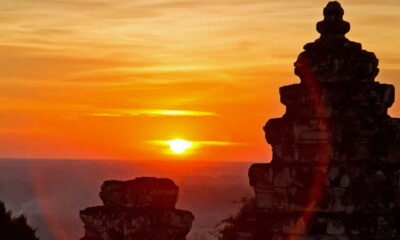
Siem Reap: Full-Day Angkor Wat Guided Tour with Sunset
Read our review →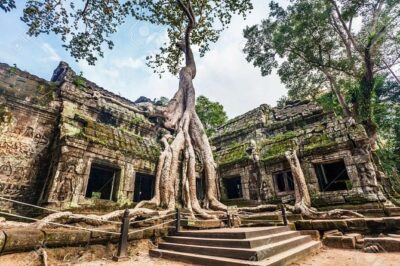
Angkor Wat Sunrise tour with Small – Group and Guide tours
Read our review →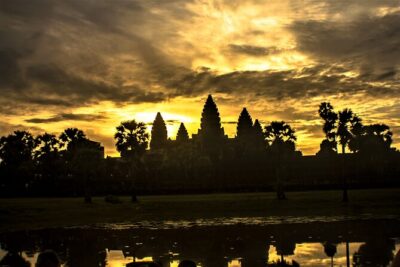
Angkor Wat Highlights and Sunrise Guided Tour from Siem Reap
Read our review →
Angkor Wat Sunset Small Group Tour with Lunch Included
Read our review →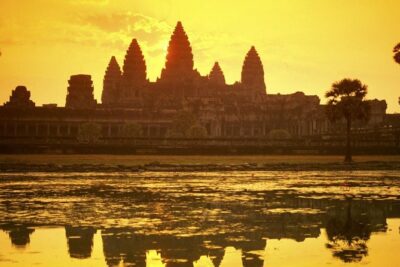
Full-Day Angkor Wat Sunrise Private Tour with Guide from Siem Reap
Read our review →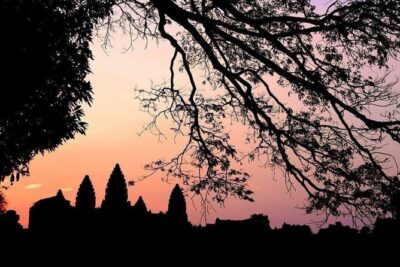
Angkor Wat Sunrise & 3 Main Temples with Breakfast – Small Group
Read our review →This tour also ranks in