
Review · PORTUGAL
Alcobaça: Entry to UNESCO Alcobaça Monastery
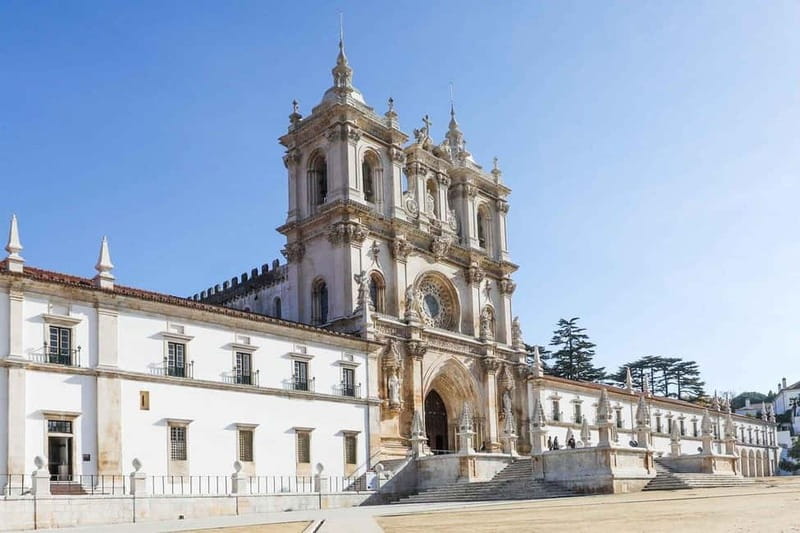
Alcobaça Monastery gives you something rare in Portugal: a grand religious building where Gothic simplicity still feels powerful. Founded in 1153 and built from 1178, the Cistercian abbey links faith, royal power, architecture, and Portugal’s Christian expansion in one calm, white-stone complex.
I like the access to the medieval rooms, since they add more than a quick look inside the church. I also like the freedom to move at your own pace, with skip-the-ticket-line entry and wheelchair access. The main drawback is that this is admission only, not a guided visit, and a late arrival can leave you hurried before closing.
Key points to know before entering
- The $17 ticket covers admission and medieval rooms, but not a guide, food, drinks, or transport.
- The monastery traces Portuguese architecture from the 12th to the 18th centuries, so look for changes rather than expecting one uniform style.
- The main entrance is at Praça 25 de Abril, in central Alcobaça.
- Photography is allowed without flash, useful for studying details in the quiet interior.
- Give yourself more than the final half-hour, since late entry may mean some rooms are already closing.
- The experience suits independent sightseers, while visitors wanting context and storytelling should arrange a separate guide.
Why Alcobaça Monastery deserves your time
Alcobaça is not simply a church with an impressive facade. It is a large Cistercian foundation, shaped by religious discipline and by the political needs of medieval Portugal. Its construction began during a period when Christian rulers were extending control through Portugal, so the abbey had both spiritual and strategic importance.
That dual role helps explain its scale and position. The monastery was meant for worship, prayer, work, and communal life, but it also carried a clear message about Christian power. The building’s isolated prominence made it easy to recognize as a major religious center.
I find the place most rewarding when you look beyond decoration. The Cistercian ideal favored a clear, restrained approach, and the Gothic spaces use height, light, and proportion rather than a heavy load of ornament. The result is a building that can feel grand without becoming noisy.
The experience is self-guided. That is good news if you prefer to pause, reread, and set your own pace. It also means you should arrive with a little context, because the $17 admission does not include a guide or a scheduled talk.
More Temple Tours around Portugal:
- Lisbon: Jerónimos Monastery Entrance Ticket
★ 4.1 · 14,164 reviews - Lisbon: Jerónimos Monastery E-Ticket and Audio Guide
★ 3.7 · 660 reviews - Lisbon: Belém Walking Tour with Jerónimos Monastery Ticket
★ 4.9 · 637 reviews
Beginning at Praça 25 de Abril
Your visit starts at the main entrance on Praça 25 de Abril. This central location makes the monastery easy to fit into a day in Alcobaça, especially if you want to continue exploring the town after your visit.
The ticket includes skip-the-ticket-line access, which can save time when there is a queue. Still, skip-the-line access does not mean unlimited visiting time. Check the available starting times before booking and avoid planning your entry close to closing.
One piece of practical advice matters more than it may seem: do not treat the final half-hour as a full visit. A late entry near 5:30 p.m. can be uncomfortable when the building closes at 6 p.m. Parts of the complex may begin preparing for closure, and staff may ask you to move along. If you want to see the rooms without pressure, arrive earlier.
The monastery is wheelchair accessible, which makes this a useful historic site for a wider range of visitors. The supplied details do not describe every route or surface, so you may still want to confirm current access arrangements if you need specific assistance.
The Gothic church and the white stone interior
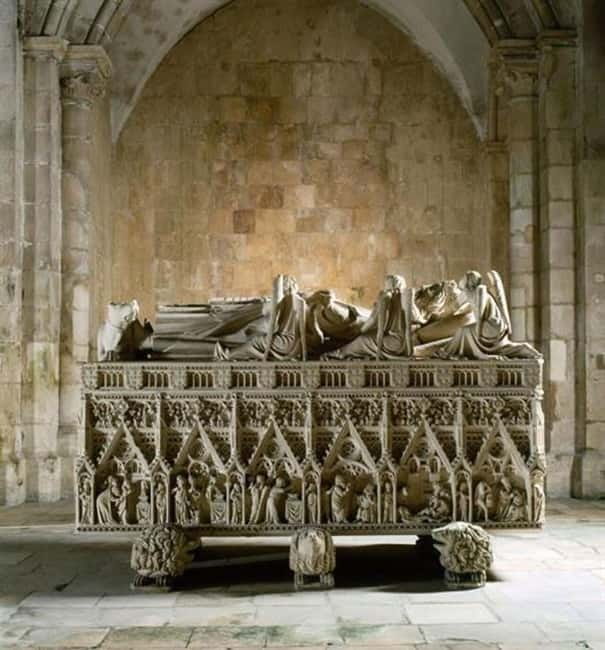
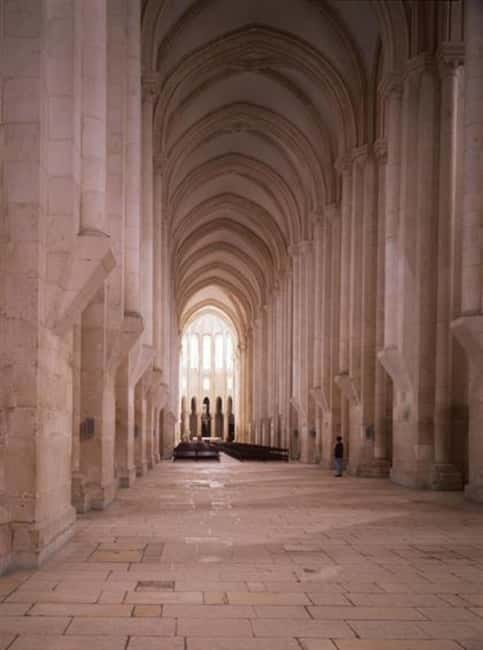
The church is the natural starting point for understanding Alcobaça. Its Gothic design relies on height and clean lines, creating a strong sense of calm. This is the part of the visit where the monastery’s nickname as a white Gothic jewel makes sense, not because it is flashy, but because the pale stone and restrained design let the structure do the work.
Look upward and give your eyes time to adjust to the scale. The church’s serenity comes from its proportions. Rather than crowding every surface with decoration, the architecture directs your attention to the shape of the space.
That simplicity reflects Cistercian values. The order favored discipline and a less decorative approach to worship, at least in the building’s early character. As you walk through the complex, you can also see that Alcobaça did not remain frozen in the 12th century. Later changes carry the building into the 18th century, giving you a record of changing architectural taste.
This mixture is one of the site’s best features. You are not looking at a single moment in Portuguese architecture. You are seeing a long building story, with medieval Gothic foundations and later additions sharing the same complex.
Photography is permitted, but flash is not. That rule is easy to follow and worth respecting. Flash would work against the quiet mood of the church, and natural light helps preserve the atmosphere that makes the interior memorable.
Medieval rooms that show monastic life
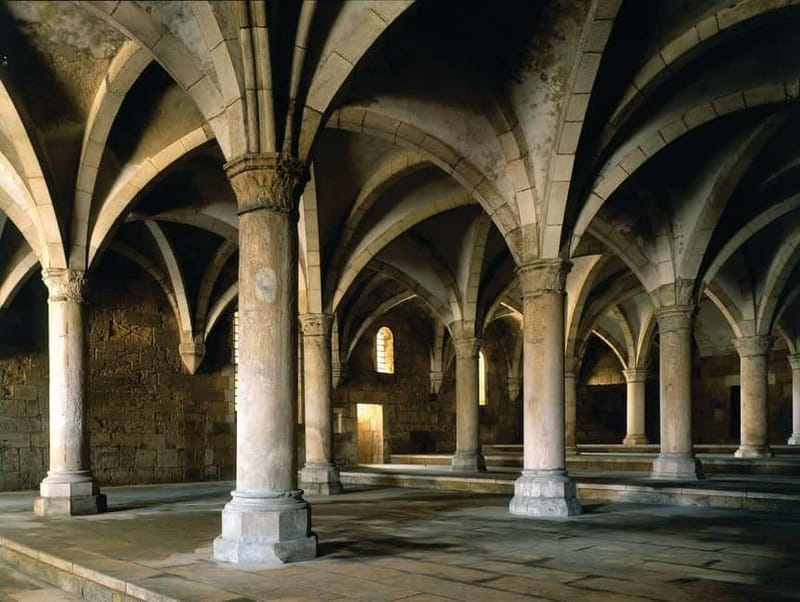
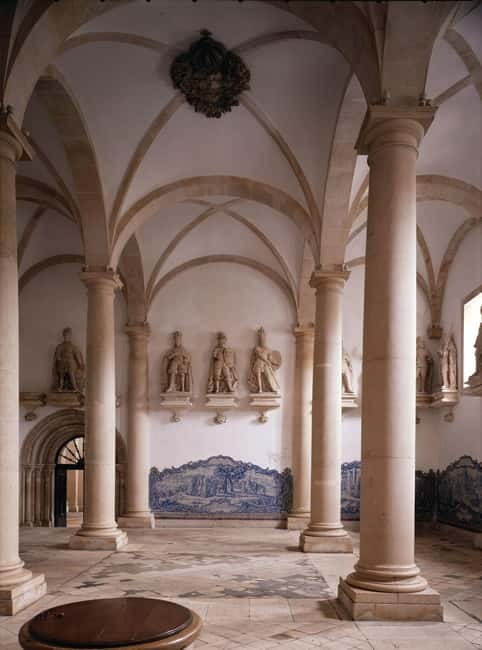
The medieval rooms add depth to the visit. A church can tell you about ceremony and public faith, but these rooms help you think about the daily structure of monastic life.
The included access is important because it turns the ticket into more than a quick look at the main worship space. You can move through rooms preserved over centuries and see how the monastery functioned as a living institution. The supplied information does not name every room or describe individual objects, so you should expect an architectural visit rather than a fully scripted museum tour.
Take your time with the scale and restraint of these interiors. The rooms help explain why the abbey needed such a large complex. A major Cistercian foundation required more than a church. It needed spaces tied to prayer, communal routines, and the practical work of maintaining a religious community.
This is also where a guide would add real value. Without one, you will need to read the available information and connect the spaces yourself. I like the independence, but if you want a clear narrative about particular monks, royal connections, or individual construction phases, admission alone may feel limited.
Pay attention to the difference between the rooms and the church. The church presents a formal, public face. The medieval areas feel more connected to the monastery as a working institution. Together, they make the visit more complete.
Same sacred ground, another way to see it:
- Lisbon: Belem Walking Tour with Jeronimos Monastery Ticket
★ 4.7 · 490 reviews - Lisbon: Belem, Jeronimos Monastery, and Coach Museum Tour
★ 4.8 · 478 reviews - Belem and Jeronimos Monastery Guided Small Group Walking Tour
★ 5.0 · 410 reviews - “Porto: Fado Show with Guided Tour in a Historic Monastery”
★ 4.9 · 164 reviews
A building shaped by strategy and faith
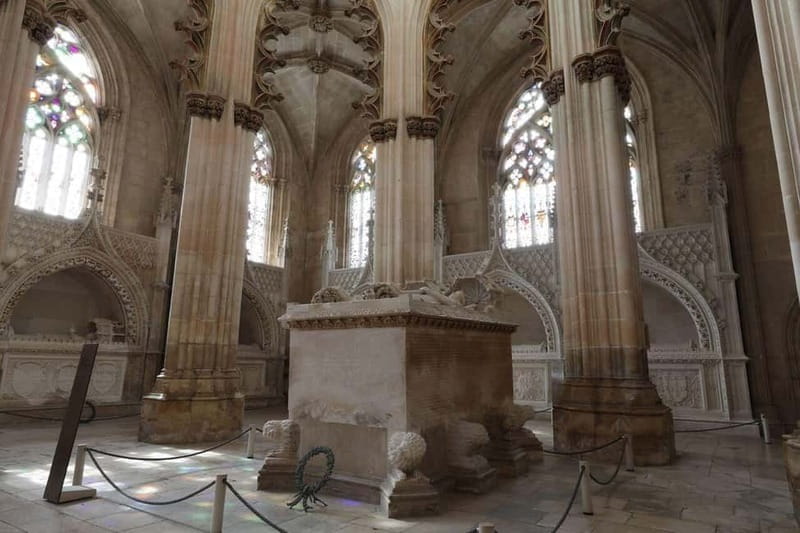
The construction of Alcobaça had a strategic purpose as well as a religious one. The abbey formed part of Portugal’s Christian expansion, and its presence helped express the reach of the Christian kingdom.
That does not mean you should expect military displays or a fortress tour. The strategic significance is best understood through the monastery’s location, scale, and role. Its prominent position helped make it a visible center of Christian authority in the region.
The building’s history also helps you read Portugal’s past without reducing it to a simple story. Religious foundations could serve spiritual, cultural, political, and ideological purposes at the same time. Alcobaça is valuable because all of those roles are present in one place.
I recommend slowing down here rather than racing from one room to the next. Ask yourself why such a large institution was built, who it served, and how it helped shape the surrounding area. Those questions make the stonework more meaningful.
From the 12th century into the 18th
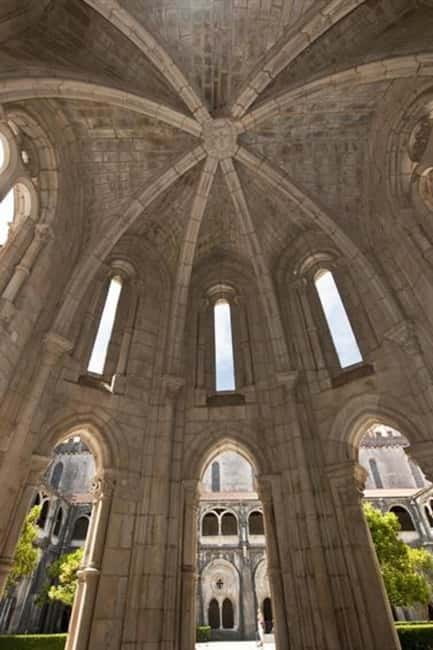
The monastery presents an unusually long architectural timeline. Its foundation dates to 1153, while construction of the abbey began in 1178. Later work carried the complex through the 18th century.
That span is useful for anyone interested in architecture because you can compare different periods during one visit. The early Gothic character provides the visual foundation, while later work shows how religious buildings adapt over time.
You do not need to identify every style or date to enjoy the experience. Instead, look for shifts in decoration, proportion, and finish. Some areas may feel spare and medieval, while others reflect later preferences. The contrast keeps the visit from becoming a single repeated view of white stone and high arches.
This is also why Alcobaça works well for repeat visitors. A first visit can focus on the overall space and the church. A second visit could pay closer attention to construction phases and the relationship between the public and monastic areas.
What the $17 price really buys
At $17 per person, the ticket is reasonably priced if you plan to use the included access to the medieval rooms and spend enough time inside. You are paying for entry to one of Portugal’s major Cistercian complexes, not for a guided tour or a full-day excursion.
The value depends on how you visit. If you only have a few minutes and see the church before rushing out, the price may feel less satisfying. If you allow time to explore the church, medieval rooms, and the architectural changes across the site, the admission becomes easier to justify.
There are no meals, drinks, transportation, or guide services included. That keeps the product simple and lets you combine it with your own plans in Alcobaça. It also means you should not book it expecting a packaged tour or personal explanation from a host.
The overall rating is 4.3 out of 5 from 38 ratings, with strong praise for the basic experience and several very positive responses. At the same time, poor experiences have come from misunderstandings about what was being purchased and from arriving when the monastery was closed. Read the inclusions carefully: this is an entry ticket.
Timing, closures, and the risk of a rushed visit
The ticket is valid for one day, with starting times based on availability. That gives you some flexibility, but it does not remove the need to check the calendar.
The monastery is closed on January 1, Easter Sunday, May 1, August 20, and December 25. Christmas Day is especially important to check before setting out, since a booking made for a closure date will not rescue the visit.
Opening hours and final admission also deserve attention. A previous late-day visit at 5:30 p.m., with closing at 6 p.m., left too little time to see everything comfortably. Some rooms were already being prepared for closure, and the visitor felt pressured to hurry. You can avoid that problem by entering earlier and treating the final admission time as a cutoff, not a suggested arrival.
The cancellation policy is non-refundable, so double-check the date, closure information, and ticket type before paying. This is especially important because the experience does not include a guide who can adjust the plan if something goes wrong.
Who will enjoy this independent visit
I would choose this experience if you like historic buildings, religious architecture, and the freedom to set your own pace. It is also a good fit if you are already in Alcobaça and want a focused cultural stop rather than a full-day organized tour.
Families with older children may find the size and age of the monastery engaging, especially if you turn the architectural changes into a simple search for Gothic and later details. Wheelchair accessibility also makes the visit more practical for many people, though specific access needs should be confirmed in advance.
You may want something else if you need a guide, transport, or a planned historical narrative. The ticket gives you entry, not interpretation. A separate guide would help you connect the abbey’s construction to Christian expansion and explain the role of the Cistercian community in greater detail.
Language support is not clearly specified in the supplied information, so do not assume that a particular language or guide service is included. For an independent visit, plan to use the information available at the site and your own preparation.
Should you book Alcobaça Monastery entry?
Book it if you want direct access to a major Portuguese monastery and are comfortable exploring on your own. The strongest reasons are the Gothic church, the medieval rooms, the long architectural timeline, and the chance to understand how religion and royal strategy shaped Portugal.
Skip it if you are looking for a guided tour, meals, transportation, or a flexible refund option. Most importantly, do not book a late entry and expect a relaxed visit. Arrive with time to spare, check closure dates, and remember that the $17 price buys admission only.
For an independent sightseer, this is a solid-value cultural stop. Take your time, look past the grand church, and let the quieter medieval rooms explain how the monastery worked.
FAQ
Where is the Alcobaça Monastery entrance?
The main entrance is at Praça 25 de Abril in Alcobaça, in Portugal’s Norte Region.
How much does entry to Alcobaça Monastery cost?
The listed price is $17 per person.
What does the ticket include?
The ticket includes entry to Alcobaça Monastery and access to the medieval rooms.
Is a guided tour included?
No. A guided tour is not included with this activity.
Are meals and drinks included?
No. Meals and beverages are not included.
How long is the ticket valid?
The ticket is valid for one day. Starting times depend on availability.
Can I skip the ticket line?
Yes. The activity includes skip-the-ticket-line access.
Is the monastery wheelchair accessible?
Yes. The activity is listed as wheelchair accessible.
When is Alcobaça Monastery closed?
It is closed on January 1, Easter Sunday, May 1, August 20, and December 25. Photography is allowed, but flash photography is not.
Temple visits we reviewed lately in Portugal
- Belém: Jeronimos Monastery, Tickets and Guided tour★ 4.9 · 30 reviews
- Lisbon: Skip-the-line Jerónimos Monastery Tour with Tickets★ 5.0 · 4 reviews
- Lisbon: Tour of Belem and Jerónimos Monastery★ 3.2 · 5 reviews
- Lisbon: Belém Private Walking Tour & Jerónimos Monastery★ 4.5 · 83 reviews
- From Lisbon: Évora, Chapel of Bones, & Roman Temple Tour★ 5.0 · 8 reviews
- From Lisbon: Fátima Sanctuary and Batalha Monastery (UNESCO)★ 5.0 · 5 reviews
- Lisbon: Belem Tour with Pastéis at Jerónimos Monastery★ 4.7 · 96 reviews
- Between Life & Death: Roman Temple, Cathedral & Bone Chapel★ 4.9 · 6 reviews
Portugal Temple Tours, compared.
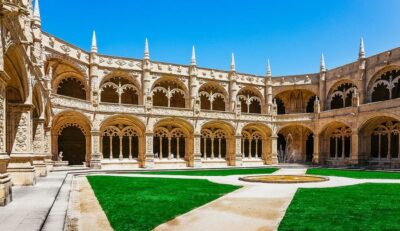
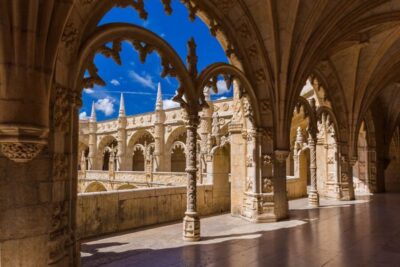
Lisbon: Jerónimos Monastery E-Ticket and Audio Guide
Read our review →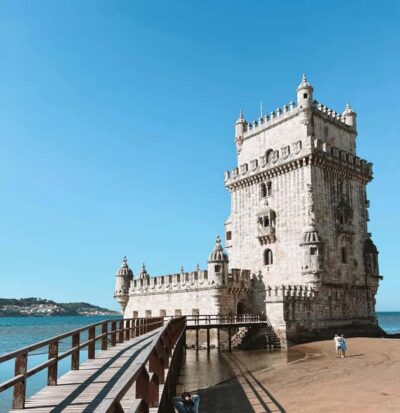
Lisbon: Belém Walking Tour with Jerónimos Monastery Ticket
Read our review →Lisbon: Belem Walking Tour with Jeronimos Monastery Ticket
Read our review →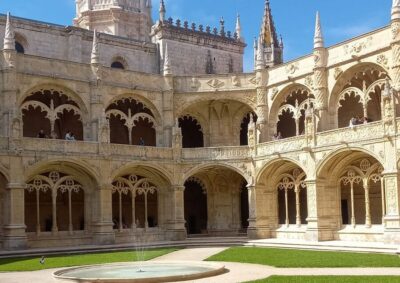
Lisbon: Belem, Jeronimos Monastery, and Coach Museum Tour
Read our review →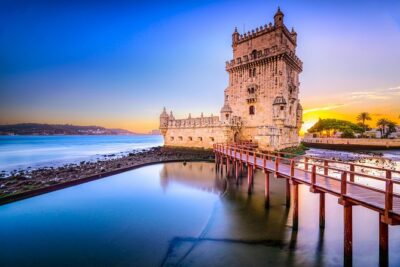
Belem and Jeronimos Monastery Guided Small Group Walking Tour
Read our review →
“Porto: Fado Show with Guided Tour in a Historic Monastery”
Read our review →
Fatima, Valinhos, Nazaré, Óbidos on Private tour
Read our review →This tour also ranks in