
Review · YOGYAKARTA
From Yogyakarta: Cetho, Sukuh Erotic Temple and Solo City
Cetho and Sukuh are the reason to book this day out. High on the slope of Mount Lawu, these Hindu temples offer mountain views, tea fields, rice terraces, and a very different setting from Yogyakarta’s better-known sights. Sukuh is especially unusual, with frank erotic carvings that may surprise you.
I like the small group of four and the fact that pickup, entry fees, tolls, parking, and donations are covered. I also like the mix of places: mountain temples, a Javanese princely palace, and a museum where you can see how much work goes into handmade batik.
The catch is the road time. You can spend about three hours reaching the temples, followed by another long return to Yogyakarta. Your driver is an English-speaking guide, but does not normally enter each attraction, so you may want to hire a local guide at the temples and palace.
Key points to know before booking
- Mount Lawu scenery: The route climbs past tea plantations, rice fields, hills, and high mountain views.
- Sukuh’s unusual carvings: This temple is often called erotic because of its direct sexual imagery and distinctive stone reliefs.
- Mangkunegaran Palace: You get a look at Solo’s Javanese princely tradition, not just another grand government building.
- Old batik collection: The museum holds objects from before colonization and from roughly five years after Indonesian independence in 1950.
- Small and practical: Pickup and drop-off in Yogyakarta are included, with a group capped at four and an English-speaking driver.
- Plan for a full day: The trip lasts 10 hours and usually returns you to your hotel around 6:00 PM.
Why Cetho and Sukuh are worth the long ride
Most day trips from Yogyakarta focus on famous temples closer to the city. This one takes you east toward Mount Lawu, where the setting matters almost as much as the stonework. The temples sit in the highlands, surrounded by cultivated slopes and distant peaks.
The drive takes about three hours to reach Cetho and Sukuh. That is a serious chunk of the day, but it gives you a view of Java beyond the usual city and monument circuit. You pass tea plantations and rice fields, with hills and taller mountains behind them. If you like seeing how people use the land, keep your eyes on the road rather than treating the drive as dead time.
The route can feel rough or extreme in places, especially as it reaches the mountain area. That makes a careful driver important. Ivan has been praised for safe driving, clear English, and knowing the mountain roads well. Jaufar has also been singled out for being helpful and well informed. Your assigned driver may be someone else, but the experience depends heavily on this person, since the drive is long and your driver is your main point of contact.
More Temple Tours around Yogyakarta:
- Borobudur Temple Climb To The Top & Prambanan Temple – 1 day tour
★ 5.0 · 638 reviews - Yogyakarta: Borobudur Climb-up & Prambanan Temple Day Tour
★ 4.9 · 442 reviews - Borobudur(climb up), Merapi Volcano and Prambanan Temple Tour
★ 5.0 · 297 reviews
Cetho Temple above the tea fields
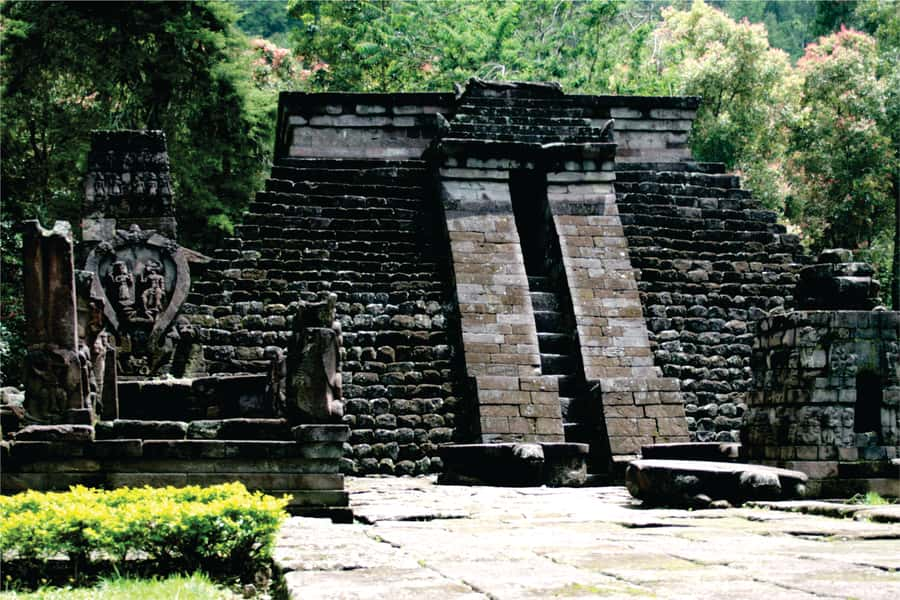
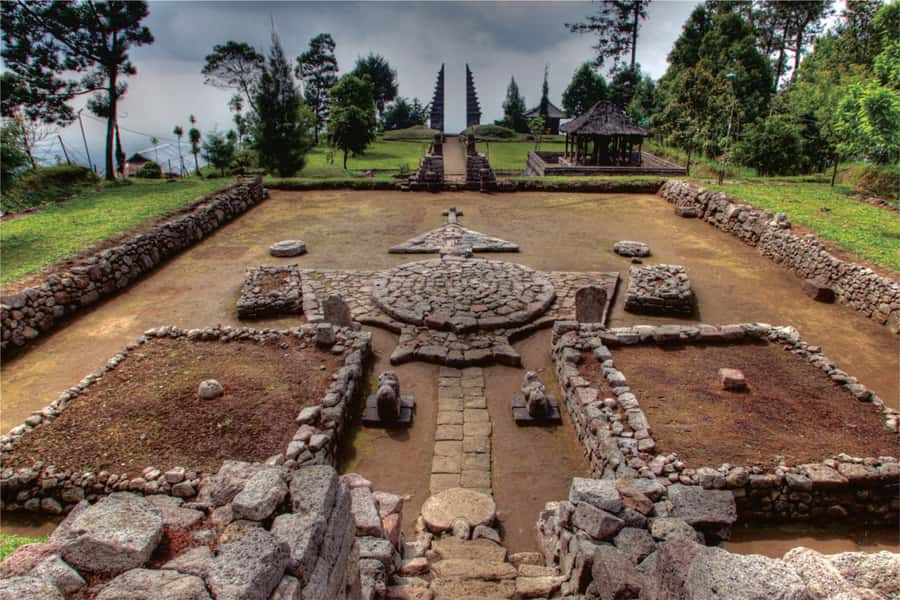
Cetho is the first major temple stop. Its high position gives it a cool mountain setting and wide views over the cultivated slopes below. The surrounding tea plantations and rice fields make this feel far removed from Yogyakarta, even though the trip is done in a single day.
The temple itself is part of Java’s Hindu past. Its location and layout make it different from the grander, more formal temple complexes many people associate with Indonesia. At Cetho, you are visiting a historic site in a mountain environment, so take time to look outward as well as at the carved stone.
Your driver-guide generally waits outside the attractions rather than entering with you. At Cetho, you can hire a local guide if you want a fuller explanation of the temple’s religious meaning, carvings, and history. That extra guide is not included, so ask about the price before agreeing.
This arrangement has both good and bad sides. You are not tied to a long guided speech, and you can explore at your own pace. But if you want detailed interpretation, you need to arrange it at the site. For a first visit to an unfamiliar temple, I would consider hiring the local guide, particularly if the difference between a decorative feature and a religious symbol matters to you.
Sukuh Temple and its direct imagery
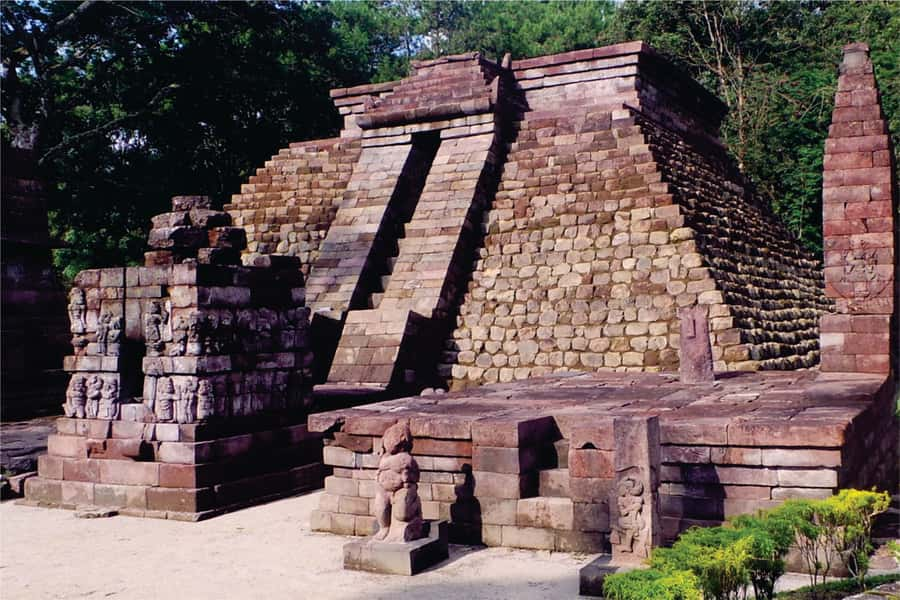
Sukuh is close to Cetho, but it has a very different feel. It is often described as an erotic temple because of its open sexual carvings and unusual stone images. The subject is not hidden behind polite language or vague labels, so this stop may not suit every family or every visitor.
For adults interested in old religious art, Sukuh is one of the more memorable stops in the region. Its imagery raises questions about fertility, ritual, and the way past societies expressed ideas that modern visitors may find startling. You do not need to be an expert to appreciate how unlike a standard palace or museum this place is.
The mountain setting helps make Sukuh special. You get the same broad views and highland atmosphere found around Cetho, but the temple’s controversial details give the visit a sharper edge. I would not rush through it. Look closely, ask the local guide questions, and allow yourself time to understand what you are seeing.
The drawback is again the lack of included interpretation inside the site. Your driver can provide general help, but the local guide is the person to seek if you want the symbols explained. Also keep in mind that this is not a quick roadside photo stop. The long road and two temple visits make the morning physically and mentally full.
The road to Solo and Mangkunegaran Palace
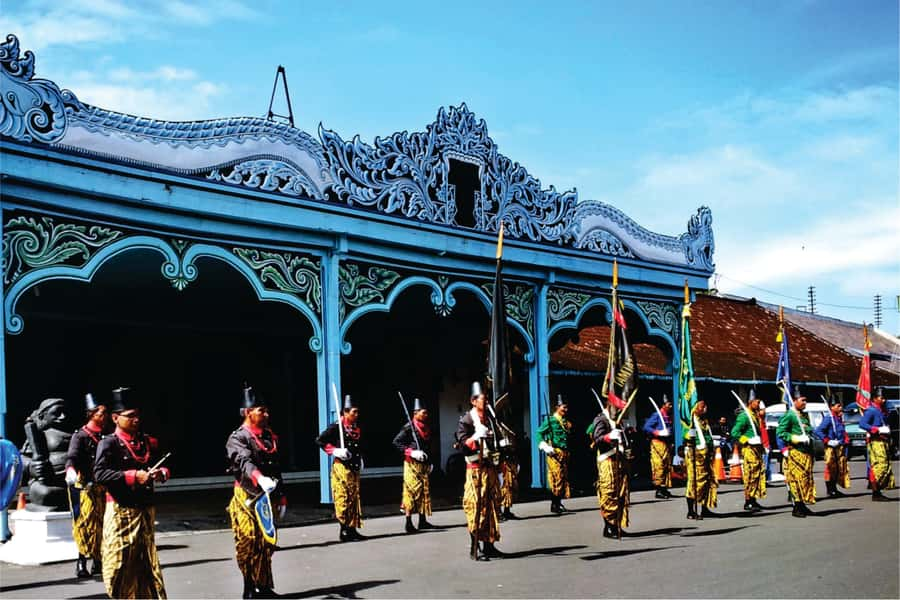
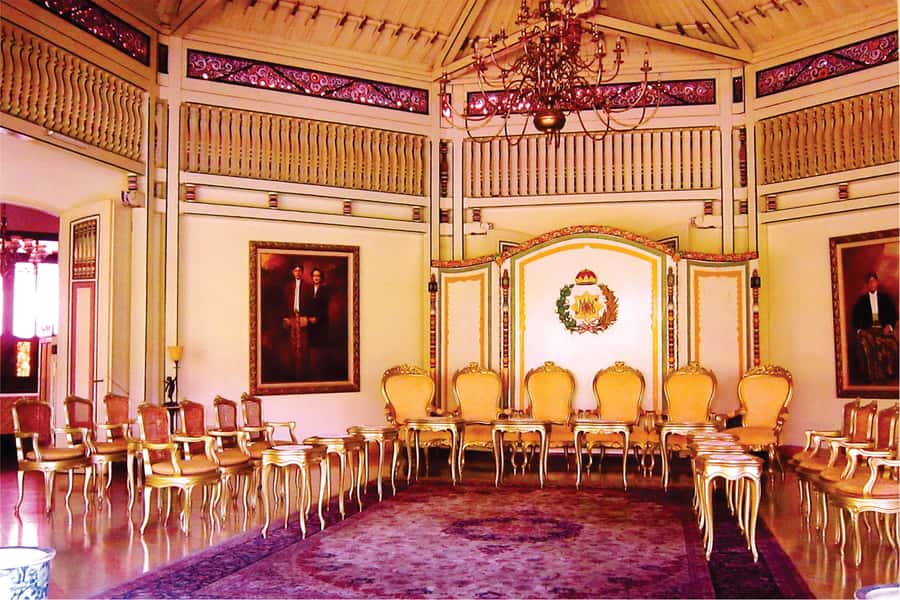
After the temples, the route continues to Solo, also called Surakarta. Solo is often treated as Yogyakarta’s sister city, but it has its own court traditions and character. The palace visit gives you a direct look at the Mangkunegaran princely state.
Mangkunegaran Palace is a useful counterpoint to the temples. At Cetho and Sukuh, you are looking at older religious sites in the mountains. In Solo, you shift to Javanese court life, royal ceremony, and the institutions that helped shape the city.
You can explore the palace at your own pace or hire a local guide. If you choose the guide, use the opportunity to ask about the palace’s role in Solo and how the Mangkunegaran court differs from other Javanese royal institutions. The information provided for this trip does not promise a specific palace performance or ceremony, so book it for the architecture, setting, and cultural context rather than for a scheduled show.
The timing matters here. After roughly three hours to the temples and time spent at two sites, you may arrive in Solo with less energy than you had in the morning. Keep your visit focused. You do not have to inspect every corner to get value from the palace. A local guide can help you understand what deserves your attention.
Same sacred ground, another way to see it:
- Borobudur ClimbUP guaranteed (sunrise option)& Prambanan Day Tour
★ 5.0 · 142 reviews - Yogyakarta; Sunrise from Borobudur Temple & Prambanan Guided
★ 4.9 · 80 reviews - Hill’s Sunrise and Temples Tour from Yogyakarta
★ 4.5 · 56 reviews - From Yogyakarta: Borobudur Half-Day Tour with Stupa Access
★ 4.7 · 54 reviews
A proper Solo lunch break
Lunch is taken at a typical restaurant in Solo, but food and drinks are not included in the $85 price. Bring money for the meal and any drink you want, and remember that the final cost will depend on what you order.
This stop is practical as well as cultural. After the mountain roads and temple visits, sitting down for a local meal gives you a chance to rest before the museum. Since the restaurant is described as typical rather than as a specific named venue, do not book this tour expecting a particular dish or dining room.
I like that lunch is built into the day rather than left to chance. Still, if you have strict dietary needs, ask your provider in advance. The information available for this trip does not specify menus or dietary arrangements.
The old Batik Museum in Solo
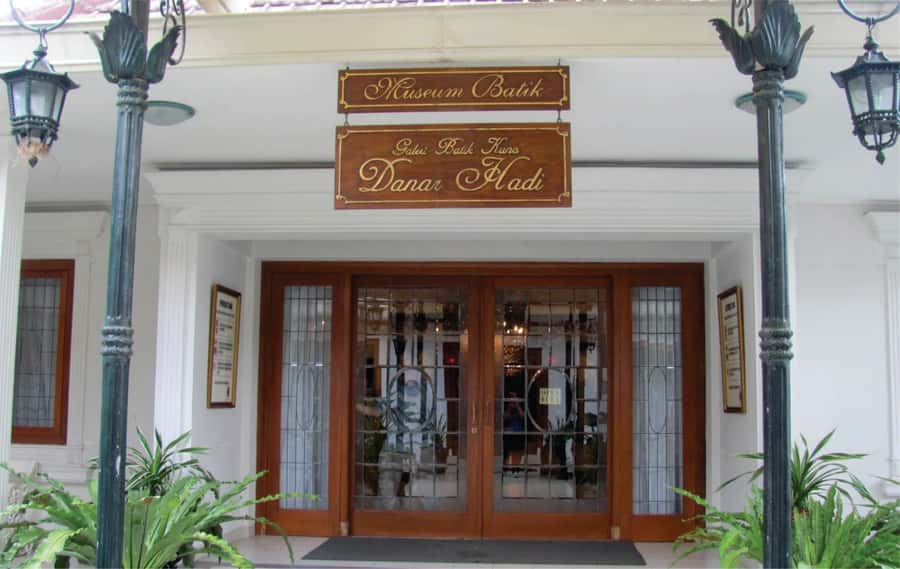
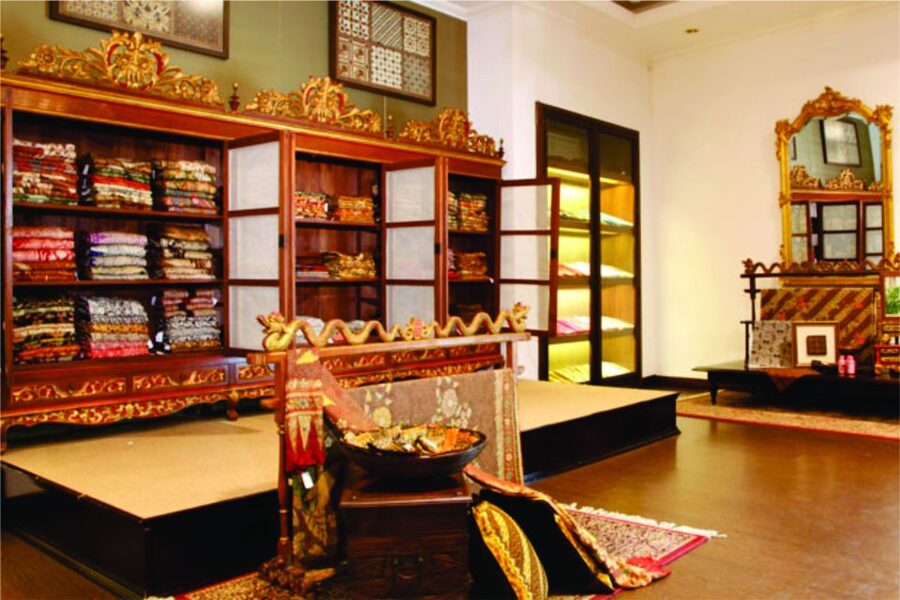
The final major visit is the ancient Batik Museum. This is more than a shopping stop. The collection includes objects from before colonization and material from about five years after Indonesian independence in 1950, giving you a look at batik across a major period of change.
Batik is often admired for its finished patterns, but the process can be slow. A single handmade piece may take a great deal of time to complete, which helps explain why some high-quality examples cost far more than visitors expect. If you are tempted to buy fabric in Solo, this museum visit gives you useful context before you spend money.
The museum also rounds out the day nicely. Cetho and Sukuh show stone, ritual, and mountain history. Mangkunegaran shows court culture. The batik collection brings you closer to a living Indonesian craft and its older roots.
Do not expect a hands-on workshop unless one is specifically arranged. The confirmed plan is to view the collection. A local guide may help explain individual objects, but your driver does not normally accompany you inside attractions.
What the $85 price really covers
At $85 per person, the price makes the most sense for people who want a private-feeling day without arranging several separate rides. The group is limited to four participants, and hotel pickup and drop-off in Yogyakarta are included. Entry fees, parking, tolls, and donation fees are also covered.
That list matters. A 10-hour mountain and city route would be awkward to organize with separate transport, especially when you need to reach two hill temples and then continue to Solo. You are paying for the vehicle, the driver, the route planning, and the convenience of returning to your accommodation.
Food and drinks are extra. Local guides at the attractions are also not included, and your driver-guide does not generally enter the sites. Add those costs if you want detailed explanations at Cetho, Sukuh, or Mangkunegaran Palace.
The value is strongest for a small party that can share the vehicle and wants variety. If you only want one temple or a short outing, this is too long. If you want to see less familiar parts of Central Java in one day, the price is reasonable for the amount of ground covered.
Timing, comfort, and the return to Yogyakarta
The tour lasts about 10 hours and normally brings you back to your hotel around 6:00 PM. Pickup is from your accommodation in Yogyakarta, so you avoid making your way to a central meeting point.
Prepare for the stated 105 km journey and for a day with several changes of scene. You begin in the Yogyakarta area, spend the morning on mountain roads, move to Solo for the palace and lunch, visit the museum, and then return by road.
The mountain section is the main comfort issue. The route can be demanding, and the day is long. A careful driver makes a real difference. Ivan has been praised for safe driving and strong local knowledge, which are especially useful here. He has also been described as helpful with advice about where to buy and where not to buy. That kind of practical judgment can save you money in Solo.
There is no promise of a luxury vehicle, special seating, or a separate rest stop schedule in the information provided. For that reason, wear comfortable clothes, carry water money, and accept that some of the day will be spent in the car.
Who should book this day trip
I would recommend this trip to you if you want more than Yogyakarta’s main sights and are willing to trade road time for unusual places. It suits adults interested in Hindu temples, Javanese court culture, old craft traditions, and rural scenery.
It also works well for a small group of friends or family members who want a private vehicle and a flexible pace. With a maximum of four participants, you are not being moved around in a large coach.
You should think twice if you dislike long drives, mountain roads, or full-day schedules. The temple carvings at Sukuh may also be unsuitable for young children or anyone uncomfortable with frank erotic imagery.
Free cancellation up to 24 hours before departure and the option to reserve now and pay later make planning less risky. Starting times depend on availability, so check the schedule before you commit.
Should you book the Cetho, Sukuh, and Solo tour?
Book it if Cetho and Sukuh are high on your list and you want to add Solo without arranging transport yourself. The strongest parts are the Mount Lawu views, the unusual temples, the small group, and the range of experiences packed into one day.
Skip it if you want a relaxed city tour or a short temple visit. You will spend many hours on the road, pay separately for lunch and drinks, and may need to hire local guides for the best explanations.
For most curious visitors with one free day in Yogyakarta, I think the variety makes the long drive worthwhile. Just go in prepared: ask for a local guide at the sites, budget for food and guide fees, and treat the journey through the highlands as part of the experience rather than an inconvenience.
FAQ
How long does the tour last?
The tour lasts 10 hours. You are expected to return to your accommodation in Yogyakarta at about 6:00 PM.
Where does pickup take place?
Pickup and drop-off are provided at your accommodation in Yogyakarta.
How many people can join the group?
The group is limited to four participants.
Is the driver an English speaker?
Yes. The driver-guide speaks English.
Does the driver enter Cetho and Sukuh Temple?
The driver-guide does not normally enter the attractions with you. Local guides are available at the attractions for an additional arrangement if you want detailed explanations.
Are entry fees included?
Yes. Entry fees, parking, tolls, and donation fees are included.
Is lunch included in the price?
No. Food and drinks are not included. Lunch is taken at a typical restaurant in Solo.
What places does the tour visit?
The tour visits Cetho Temple, Sukuh Temple, Mangkunegaran Palace, and the ancient Batik Museum in Solo City.
How far is the journey?
The trip information asks you to prepare for a 105 km journey. The drive to Cetho and Sukuh takes about three hours, followed by the route to Solo and the return to Yogyakarta.
Can I cancel for a full refund?
Yes. You can cancel up to 24 hours in advance for a full refund. You can also reserve now and pay later.
Temple visits we reviewed lately in Yogyakarta
- Yogyakarta: Selogriyo Temple, Rice Terraces & Waterfall Tour★ 5.0 · 46 reviews
- Prambanan Temple Afternoon Tour★ 4.9 · 48 reviews
- Yogyakarta: Prambanan Temple Morning Tour and Palace Tour★ 5.0 · 4 reviews
- Borobudur Temple, Waterfall & Kalibiru National Park Trip★ 4.8 · 24 reviews
- From Yogyakarta: Borobudur, Chicken Church & Mendut Temple★ 4.6 · 3 reviews
- From Yogyakarta: Borobudur Half-Day Tour with Stupa Access★ 4.7 · 54 reviews
- Borobudur Temple full access with guaranteed climb tickets★ 4.6 · 6 reviews
- Guarantee Borobudur Temple Structure & Prambanan.★ 4.6 · 39 reviews
Yogyakarta Temple Tours, compared.
Borobudur Temple Climb To The Top & Prambanan Temple – 1 day tour
Read our review →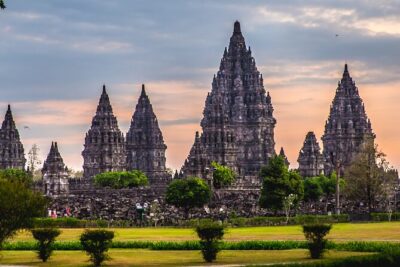
Borobudur(climb up), Merapi Volcano and Prambanan Temple Tour
Read our review →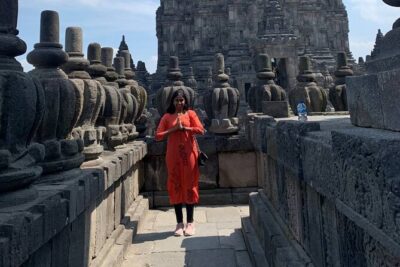
Borobudur ClimbUP guaranteed (sunrise option)& Prambanan Day Tour
Read our review →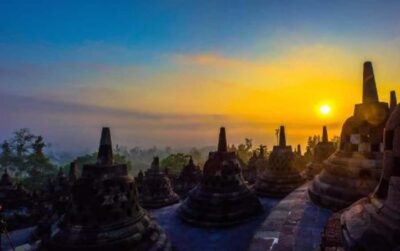
Yogyakarta; Sunrise from Borobudur Temple & Prambanan Guided
Read our review →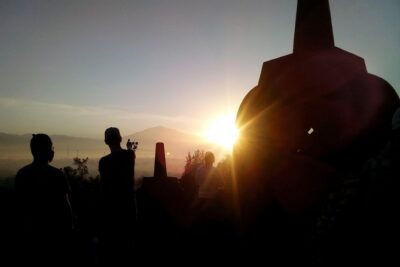
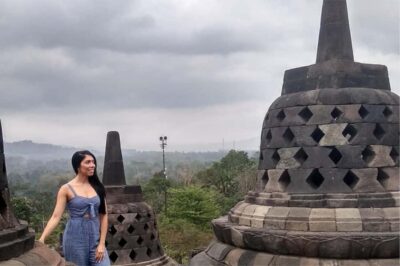
From Yogyakarta: Borobudur Half-Day Tour with Stupa Access
Read our review →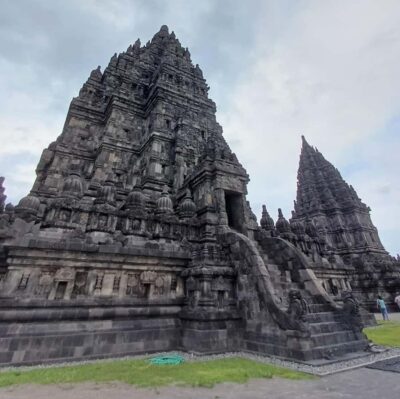
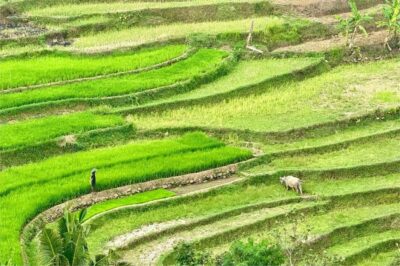
Yogyakarta: Selogriyo Temple, Rice Terraces & Waterfall Tour
Read our review →This tour also ranks in