
Review · GREECE
Crete: Lassithi Plateau & Kera Monastery Tour with Ceramics
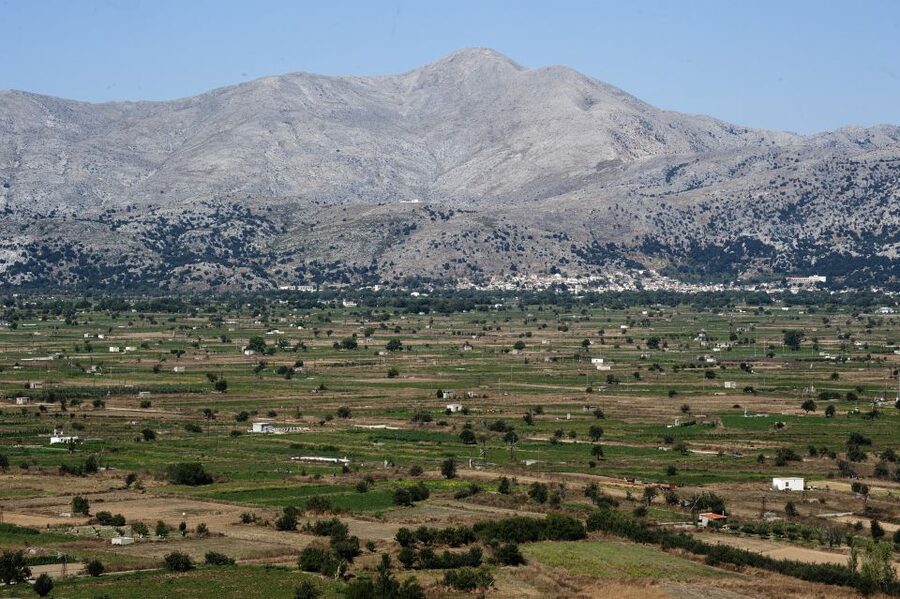
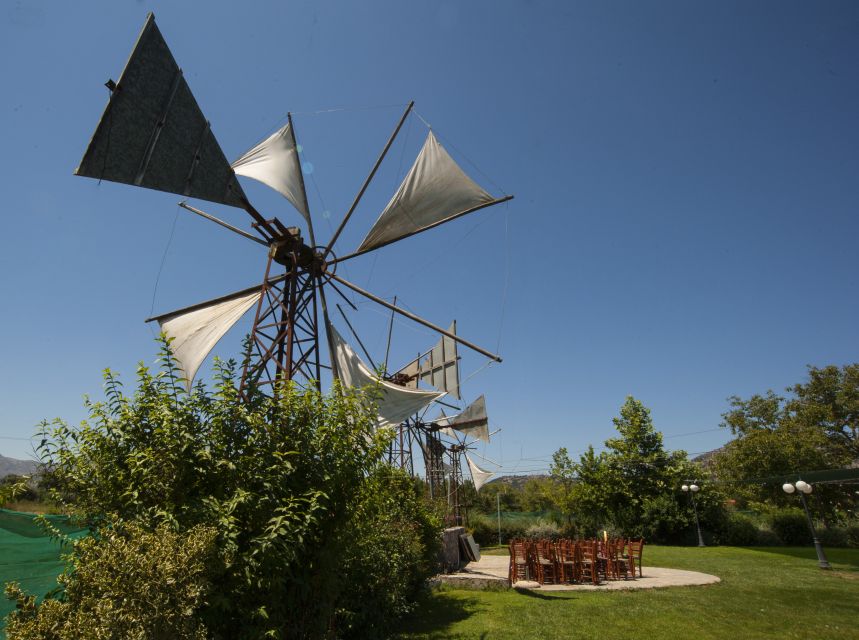
The star of this day is the Lassithi Plateau, a high mountain basin ringed by the Dikti Mountains. At more than 800 meters above sea level, it feels far removed from Crete’s beach resorts. You’ll pass old windmills, stone villages, vegetable fields, and roads that twist through the mountains toward Psychro, the village linked with the birth of Zeus.
I like the quiet setting of Kera Kardiotissa Monastery, and I like the pottery stop, where you can see local craft rather than simply take another scenic photograph. The family-style mountain lunch is another strong point, especially if you want vegetables and home cooking instead of a standard tourist meal.
The main drawback is the amount of time spent on the road. Pickup begins across a wide stretch of the north coast, and the full trip can take 10 hours. The stop at the plateau restaurant also limits your choice of where to eat, so bring extra cash and be clear about what is included.
Key points to know before booking
- The plateau sits above 800 meters, with cool mountain air, old villages, windmills, and wide views across the basin.
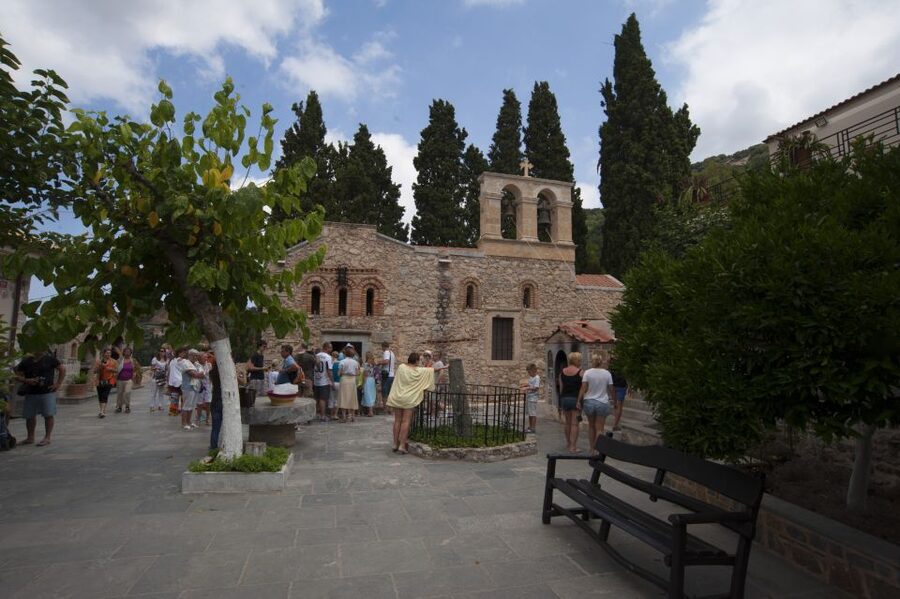
- Kera Monastery is a peaceful first stop, with a famous icon of the Virgin Mary and frescoes dating from the 14th century.
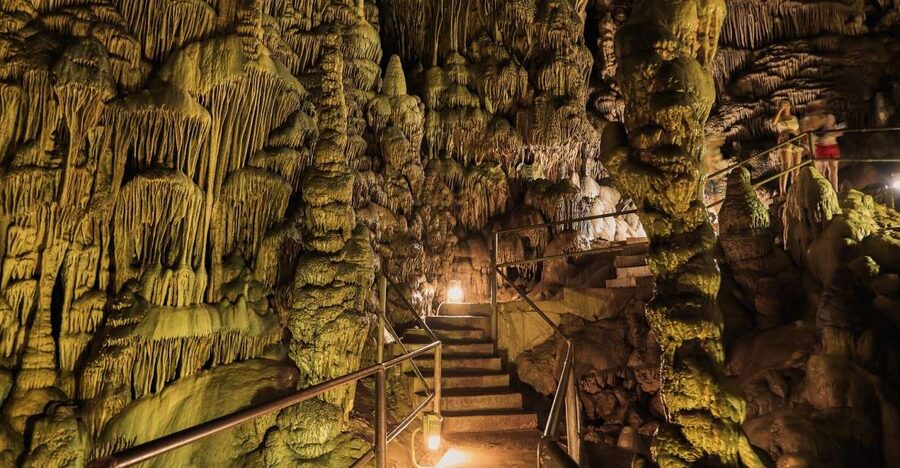
- The Diktaion Cave may be the day’s main highlight, but reaching it requires a steep uphill walk and many steps.
- Psychro pottery gives the tour a hands-on touch, with traditional pieces for sale and, on some visits, a chance to make a small vase.
- Lunch is optional and costs extra, with a set menu of pork or chicken, potatoes, salad, tzatziki, bread, and one drink for about 14 euros.
- Pickup and drop-off cover many north coast resorts, but collection is usually from the main road or near a hotel exit, not always the hotel door.
Why the Lassithi Plateau is worth the long ride
Crete is often sold through its beaches, but the Lassithi Plateau shows you a different island. This broad, fertile basin is surrounded by the Dikti range and contains 18 villages, including Tzermiado and Psychro. Its height gives the area a cooler, more rural feel than Heraklion and the coast.
The plateau is also shaped by practical engineering. Venetian drainage channels, sometimes called ditches, helped move water away from the basin. The famous windmills once helped with irrigation and farming. You will see many of them from the coach, although the bus cannot stop at the high viewpoint before the descent. The driver slows down, giving you a chance to take photographs through the windows.
That detail matters. If your main reason for booking is a close look at the windmills, you may find the photo stop limited. If you see the tour as a broad introduction to the region, the slow drive and views are still worthwhile.
The roads are mountain roads rather than fast highways. Crete has no motorway network linking every village, and coaches must follow speed rules. Add hotel pickups and possible traffic, and the journey takes time. From Ammoudara, the day can use the full 10 hours, but the drive is part of the experience if you enjoy seeing how the coast gives way to high country.
More Temple Tours around Greece:
- Athens: Cape Sounion & Poseidon Temple Sunset Half-Day Trip
★ 4.8 · 8,241 reviews - Athens: Cape Sounio & Poseidon Temple Trip with Audio Guide
★ 4.4 · 4,521 reviews - Cape Sounion and Temple of Poseidon Half-Day Small-Group Tour from Athens
★ 4.5 · 3,205 reviews
Kera Kardiotissa Monastery: a calm first stop
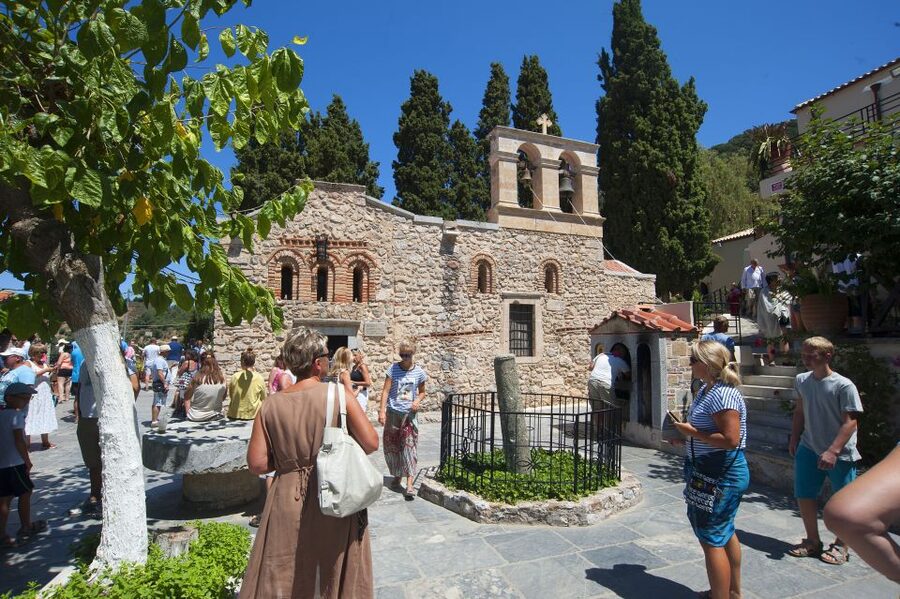
The first main stop is Panagia Kera Kardiotissa, also called Kera Monastery. It is still run by nuns and has a compact church, religious icons, frescoes, and a handsome garden setting. The most important object here is the icon of the Virgin Mary, regarded as miraculous.
You receive about 50 minutes at the monastery. That is enough for a measured visit if you want to look closely at the church and grounds, rather than rush in, take one photograph, and leave. The chapel has an atmosphere shaped by incense, old paintings, flowers, and mountain views.
Admission is not included, so carry cash. The tour advises comfortable shoes, which are useful here and essential later at the cave. The monastery is not suitable for people with mobility impairments, and the entire day includes walking, steps, and uneven surfaces.
I would treat Kera as more than a quick religious stop. It gives you a first look at Crete’s Orthodox tradition before the day shifts toward farming villages and ancient mythology. Keep clothing respectful for the church, even though the supplied information does not specify a formal dress code.
The climb to the Diktaion Cave
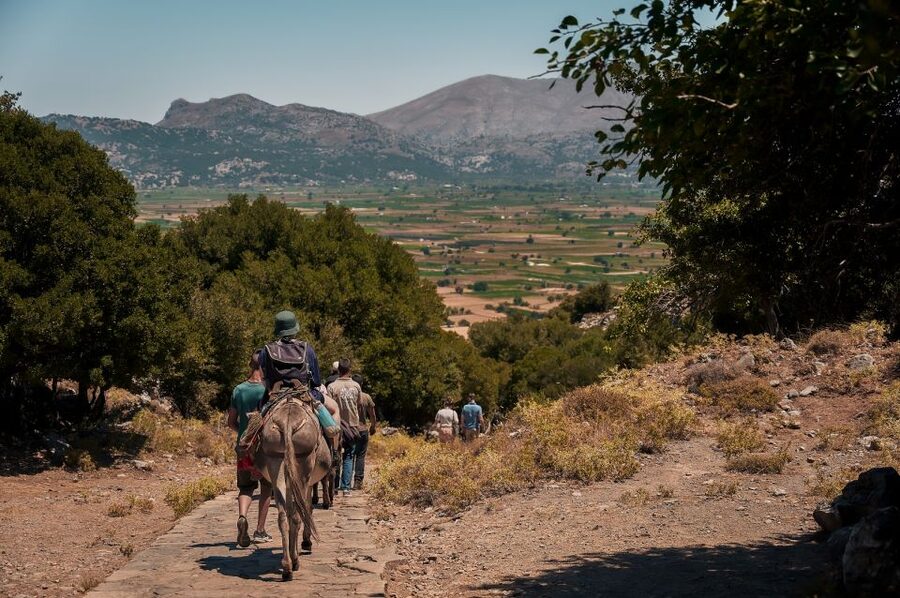
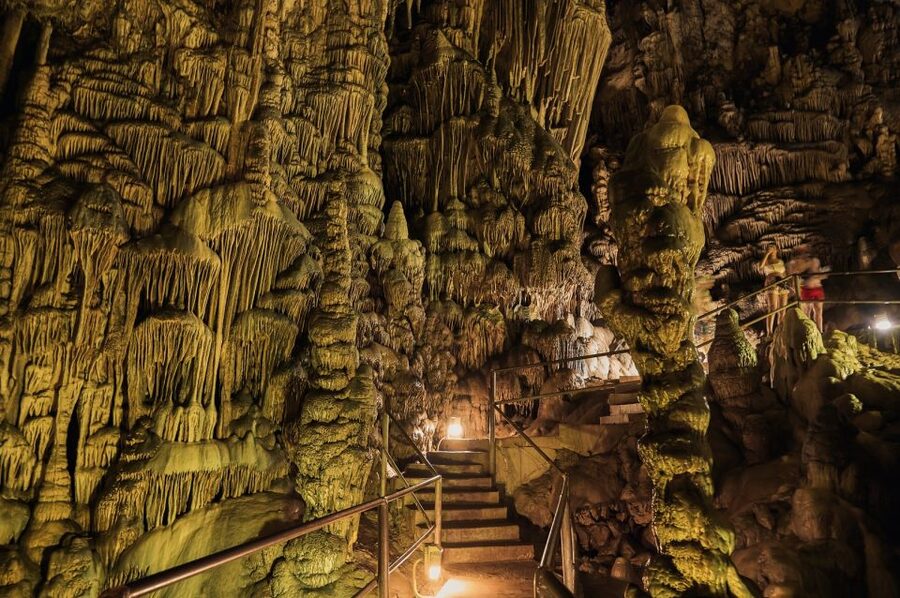
The Diktaion Cave, commonly called the Cave of Zeus, is the most physically demanding part of the outing. It is associated with the birth of Zeus, and the cavern itself is well lit, with large chambers and steps inside. The setting adds another layer: you reach the cave from the mountain village of Psychro, high above the plateau.
From the coach parking area, the walk to the entrance takes about 15 minutes at a fast pace, and the route is steep. Hot weather makes the climb harder. Donkey rides are available for about 10 euros each way, according to the supplied tour information, but you should still expect steps and walking once inside.
The cave can become crowded, so the visit may feel brisk. Take your time where you can, but step aside when others need to pass. Some visitors find the cave smaller than they expected, while others consider it the high point of the day. Your reaction will depend partly on whether you arrive expecting a huge underground system or a historic grotto with mythological importance.
The supplied itinerary gives 30 minutes at the Lassithi Plateau before the longer lunch stop, and the exact time at the cave may vary with traffic, crowds, and the day’s route. If the cave is a must-see for you, confirm its inclusion when booking. It appears in the experience feedback, but the formal stop description focuses more broadly on the plateau and Psychro.
Entrance rules can vary by age and citizenship. One account notes free entry for European citizens with a valid identity card who are under 25 or over 65, as well as children. Bring identification if you think you may qualify, and carry cash for any admission or optional costs.
Psychro pottery and a living village craft
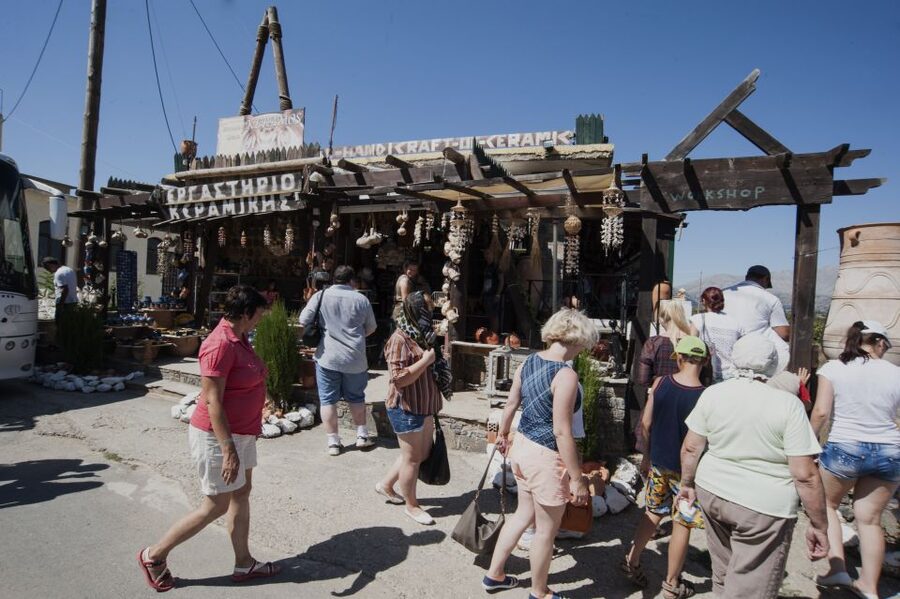
Psychro is linked to the Zeus legend, but it is also known for handmade ceramics. The pottery visit adds a useful change of pace after the monastery and cave. Instead of only looking at scenery, you see an everyday craft tied to local design and village life.
The workshop may include a demonstration of traditional Greek cups and other handmade pieces. On some visits, you can try making a small vase that is left to air-dry. The shop offers ceramics to buy, making this one of the better places to choose a meaningful souvenir rather than a generic magnet.
The visit is not a full pottery class, so keep your expectations modest. It is a short introduction to the craft, not a long creative workshop. Still, it works well in the schedule, especially for families and anyone who wants a tangible memory of the plateau.
This stop also helps explain why a guided tour can be useful here. A guide can connect the pottery, the Zeus story, farming, and the villages without requiring you to arrange several separate visits. Guides operate in English, French, and German, and the tour can accommodate more than one language during the day.
Same sacred ground, another way to see it:
- Cape Sounion & Temple of Poseidon: Small Group Tour
★ 4.7 · 1,945 reviews - Rhodes: Symi Island & Panormitis Monastery Day Trip by Boat
★ 4.5 · 1,784 reviews - Athens: Cape Sounion & Temple of Poseidon Sunset Experience
★ 4.3 · 1,338 reviews - From Athens: Temple of Poseidon & Cape Sounion Half-Day Tour
★ 4.3 · 1,082 reviews
Tzermiado and the set lunch choice
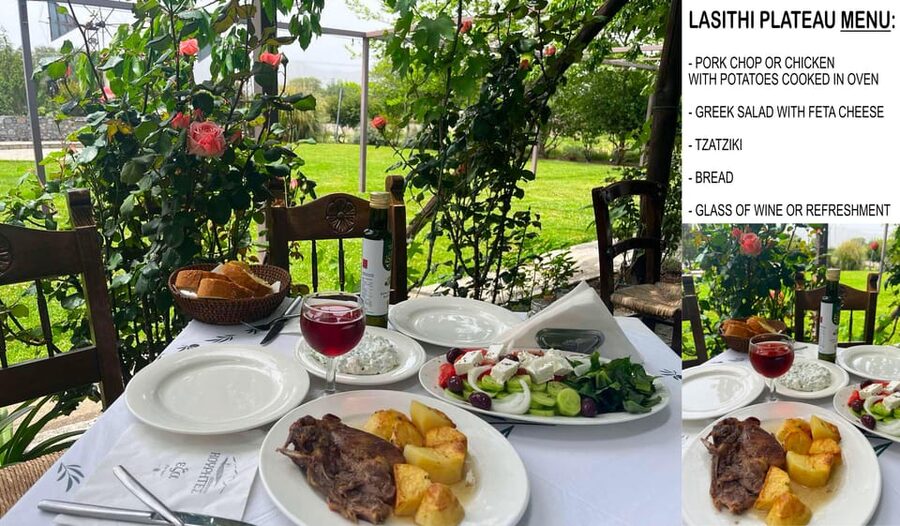
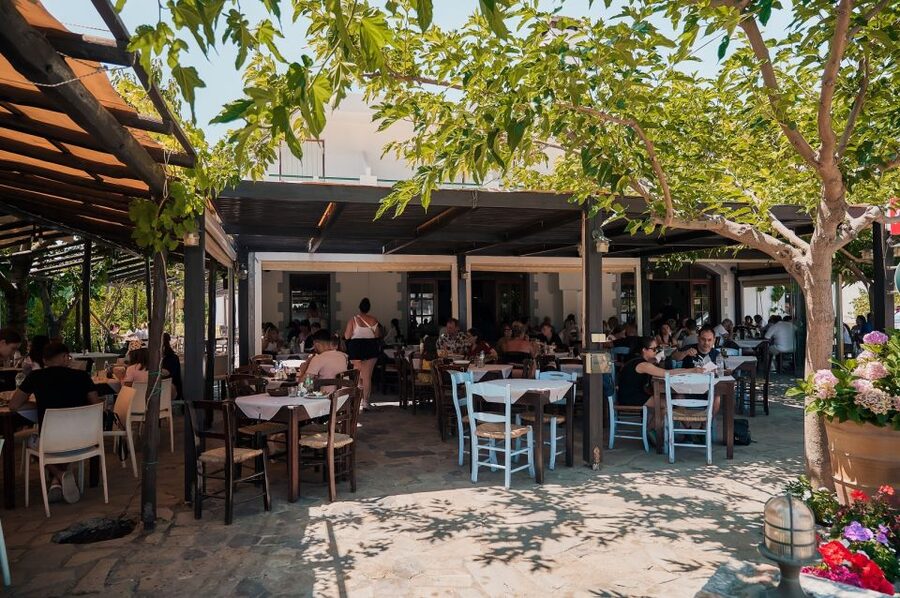
Tzermiado is the largest and oldest village on the plateau and serves as its main village center. You have about 90 minutes for lunch and free time, so this is where the day slows down.
The village has traditional buildings, mountain views, and a quieter rhythm than the resort towns. You can take photographs, look around, and sit at a local tavern. The surrounding fields are especially known for vegetables picked during the day, so the food is a genuine reason to stop here, not just a convenient meal break.
The optional menu costs about 14 euros and includes pork chop or chicken with oven potatoes, Greek salad with feta, tzatziki, bread, and either a glass of wine or a non-alcoholic drink. You are asked to preorder, which helps the restaurant serve a bus group within the limited time.
There is a tradeoff. The group typically uses a family-owned restaurant, and you may have little practical choice about the venue. If you do not want the set meal, you can choose not to eat, but the restaurant stop may leave you with few alternative activities. One useful approach is to ask before departure whether the meal is included in your booking and whether you can order separately.
For many people, the meal is one of the most authentic parts of the day. Cretan cooking often depends on simple ingredients, and the plateau’s fresh vegetables make the set menu feel more local than a standard coach-tour lunch. It is not a gourmet event, but it can be hearty, easy, and well suited to a mountain day.
What the coach ride is really like
Transportation is by modern, air-conditioned coach, with an experienced driver and a guide. The mountain roads include hairpin bends, so careful driving matters. The driver may be doing excellent work, but the ride can still feel long if you are prone to motion sickness.
Pickup is offered from Ammoudara, Heraklion, Karteros, Kokkini Hani, Gournes, Gouves, Analipsi, Anissaras, Hersonissos, Malia, Stalida, and Sissi. Collection is often from the main road or near a hotel exit rather than directly outside the property.
The operator sends the exact pickup time and place the day before. Check your junk folder if the message does not appear. Because the bus gathers people from many resorts, delays are possible at the start. Keep your morning flexible and do not plan a tight appointment soon after the stated return time.
The return drive begins after lunch and can take longer than expected if traffic builds. This is a full-day excursion, not a short side trip. I would bring water, cash, sunscreen, a hat, and shoes with a firm grip. Pets are not allowed.
What the 44 dollar price includes
At about 44 dollars per person, the tour offers solid value if you want one organized day in Crete’s interior. The price includes transport, guide, driver, taxes, and liability insurance. It also saves you from navigating mountain roads or arranging separate visits to the monastery, plateau, pottery workshop, and cave area.
You should budget extra for the monastery entrance, lunch and drinks, possible cave admission, and the optional donkey ride. The 14 euro lunch menu is not included in the headline price. These extras do not make the tour poor value, but they affect the real cost.
The strongest value comes from the distance covered. In one day, you see religious heritage, mountain villages, Cretan farming, mythology, traditional craft, and high-country scenery. The weaker value appears if you dislike coach travel or prefer to choose every restaurant and stop yourself.
The tour also offers free cancellation up to 24 hours before departure and a reserve-now, pay-later option. Those terms are useful when your Crete plans depend on weather or changing schedules.
Who should book this Crete day trip?
I would recommend it to first-time visitors based around Heraklion or the northern resorts who want to see inland Crete without renting a car. It suits families, couples, and anyone interested in village life, mythology, churches, and food.
It is especially good for you if the Cave of Zeus is high on your list and you are ready for the climb. The cave, monastery, and pottery stop give the day more variety than a simple scenic drive.
I would think twice if you have limited mobility, dislike steep paths, or want a relaxed day with little time on a bus. The tour is also less suitable if you want complete freedom at lunch or a long, unhurried visit at every stop.
The multilingual guide service is helpful, and the coach air conditioning matters during hot months. Still, the pace is shaped by a group schedule. You gain convenience and broad coverage, but you give up some independence.
Should you book the Lassithi Plateau tour?
Book it if you want an efficient introduction to Crete’s mountain interior and you accept a long day on winding roads. The best parts are the peaceful monastery, the dramatic route into the plateau, the chance to see traditional pottery, and the home-style mountain meal.
Before paying, confirm whether your departure includes the Diktaion Cave and how entrance fees are handled. Wear proper walking shoes, bring cash, and expect the 10-hour schedule to run close to its limit.
If you prefer beaches, short transfers, and free choice at lunch, choose another outing. If you want Zeus mythology, old villages, mountain views, and a taste of rural Crete in one day, this is a practical and fairly priced choice.
FAQ
How long does the tour last?
The excursion lasts about 10 hours, including pickup, transportation, sightseeing, lunch, and the return journey.
Where does pickup take place?
Pickup is available from several north coast areas, including Heraklion, Ammoudara, Karteros, Kokkini Hani, Gournes, Gouves, Analipsi, Anissaras, Hersonissos, Malia, Stalida, and Sissi. Pickup is generally from the main road or near a hotel exit.
Is lunch included in the price?
No. Lunch and drinks are extra. An optional menu costs about 14 euros and includes pork or chicken with potatoes, Greek salad with feta, tzatziki, bread, and wine or a non-alcoholic drink.
Is the Cave of Zeus included?
The route information and tour details refer to Psychro and the Cave of Zeus, and the cave appears in the described tour experience. Since schedules can vary, confirm cave access when booking.
How difficult is the walk to the cave?
The walk from the parking area takes about 15 minutes at a fast pace and follows a steep path. The cave also has steps. Donkey rides may be available for about 10 euros each way.
Is entrance to Kera Monastery included?
No. The monastery entrance fee is not included in the tour price.
What languages does the guide speak?
Guiding is available in English, French, and German.
Is the tour suitable for people with mobility impairments?
No. The tour is specifically listed as unsuitable for people with mobility impairments because of the walking, steep route, and steps.
What should I bring?
Bring comfortable walking shoes and cash. Cash may be useful for entrance fees, lunch, drinks, ceramics, or a donkey ride.
Temple visits we reviewed lately in Greece
- Rethymno: Melidoni Cave and Arkadi Monastery Half-Day Trip★ 4.3 · 120 reviews
- Rethymno: e-Bike tour to Arkadi monastery★ 4.7 · 7 reviews
- Private tour Athens, Cape Sounio, Temple Poseidon, Riviera★ 5.0 · 4 reviews
- Private Rib Cruise to Poseidon Temple at Sounio Cape★ 5.0 · 8 reviews
- Patmos Guide Tour to St. John Monastery, Cave of Apocalypse★ 4.2 · 4 reviews
- Mykonos: Highlights Tour with Panagia Tourliani Monastery★ 4.9 · 140 reviews
- Kastraki: Meteora Morning Horse Riding with Monastery Visit★ 5.0 · 27 reviews
- Meteora: Hiking Tour with Local Guide and Monastery Visit★ 4.8 · 20 reviews
Greece Temple Tours, compared.
Athens: Cape Sounion & Poseidon Temple Sunset Half-Day Trip
Read our review →
Athens: Cape Sounio & Poseidon Temple Trip with Audio Guide
Read our review →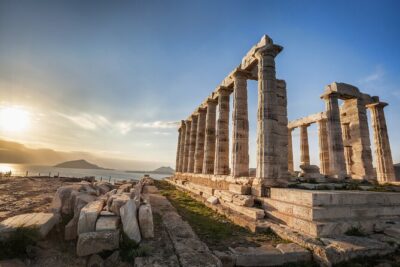
Cape Sounion and Temple of Poseidon Half-Day Small-Group Tour from Athens
Read our review →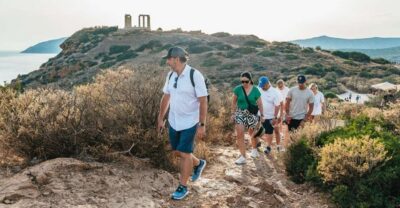
Cape Sounion & Temple of Poseidon: Small Group Tour
Read our review →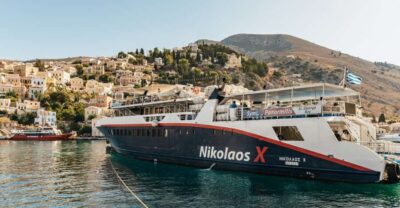
Rhodes: Symi Island & Panormitis Monastery Day Trip by Boat
Read our review →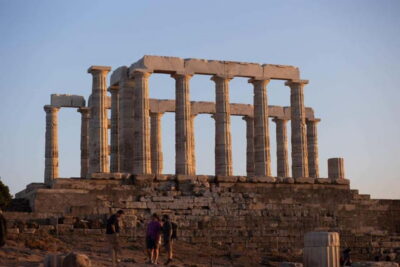
Athens: Cape Sounion & Temple of Poseidon Sunset Experience
Read our review →
Meteora Sunset with Monastery & Hermit Caves Tour in Small Group
Read our review →
Athens Half Day Tour, Acropolis, Parthenon, Temple of Olympian Zeus & Hephaistus
Read our review →This tour also ranks in