
Review · UBUD
Bali: Gunung Kawi Temple & Pakerisan UNESCO Guided Tour
Gunung Kawi gives you one of Bali’s most rewarding history walks for the price of a casual lunch. You descend 300 stone steps through palms and frangipani, then reach ten huge shrines cut straight into the cliff beside the Pakerisan River. The quiet setting is the real prize.
I like two things here: the guide turns old stone into a story about Balinese kings, religion, and village life, and the Pakerisan Valley gives the visit a calm, rural feel that busy Ubud often lacks. Guides such as Raka, Agus, Andrian, Kar, and Sana have received strong praise for clear explanations and warm conversation.
The catch is physical. Those 300 steps go both ways, and heat makes the climb much harder. This is not a good choice if you have limited mobility, low fitness, certain respiratory problems, or are pregnant.
Key points to know before you go
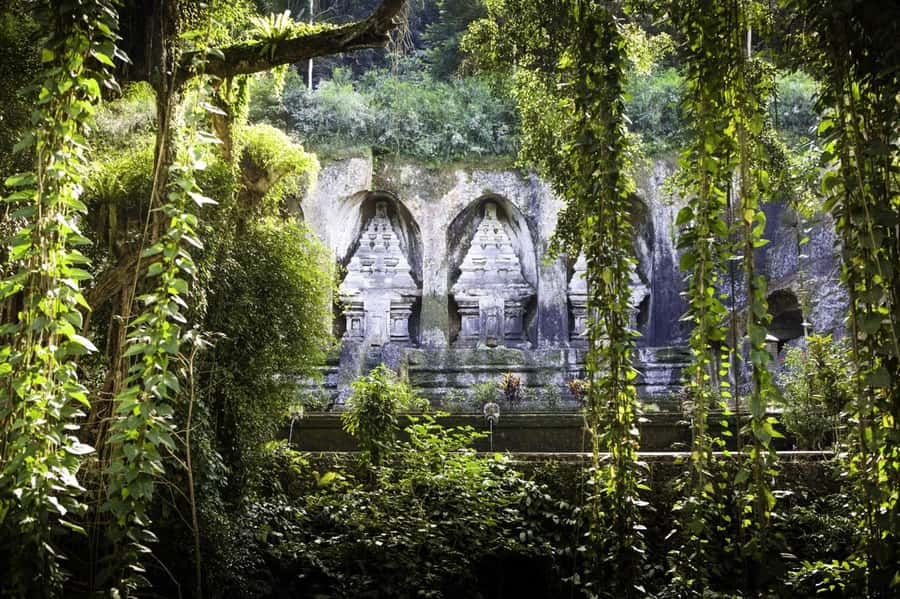
- Ten cliff-carved candi: See enormous memorial shrines cut into rock, traditionally linked to 11th-century Balinese royalty.
- A peaceful Pakerisan walk: Follow mossy paths, sacred springs, bathing pools, birdsong, and rice-field views.
- Guides make the difference: English and Indonesian-speaking guides explain Hindu customs, royal history, offerings, and local life.
- Early starts work best: A 7:30 a.m. visit means cooler steps and fewer people around the shrines.
- Flexible transport: Meet at the temple, arrange a transfer from Ubud Palace, or choose hotel pickup from central Ubud.
- Temple dress matters: Bring or rent a sarong and sash, and avoid shorts.
Why Gunung Kawi feels different from central Ubud
Ubud is full of temples, galleries, cafés, traffic, and tour groups. Gunung Kawi offers a sharper change of pace. The main experience is not a long list of rooms or displays. It is a walk into a green valley where stone monuments, water, forest, and worship still belong together.
The approach begins above the Pakerisan River. You make your way down a long stairway, shaded in places by palms and fragrant frangipani. At first, you are simply counting steps. Then the valley opens around you, and the sound of traffic fades.
That descent gives the site its character. You do not arrive at the shrines from a car park. You work your way toward them, slowly and under your own power. I find that makes the first view more memorable, though it also means you should take the physical demand seriously.
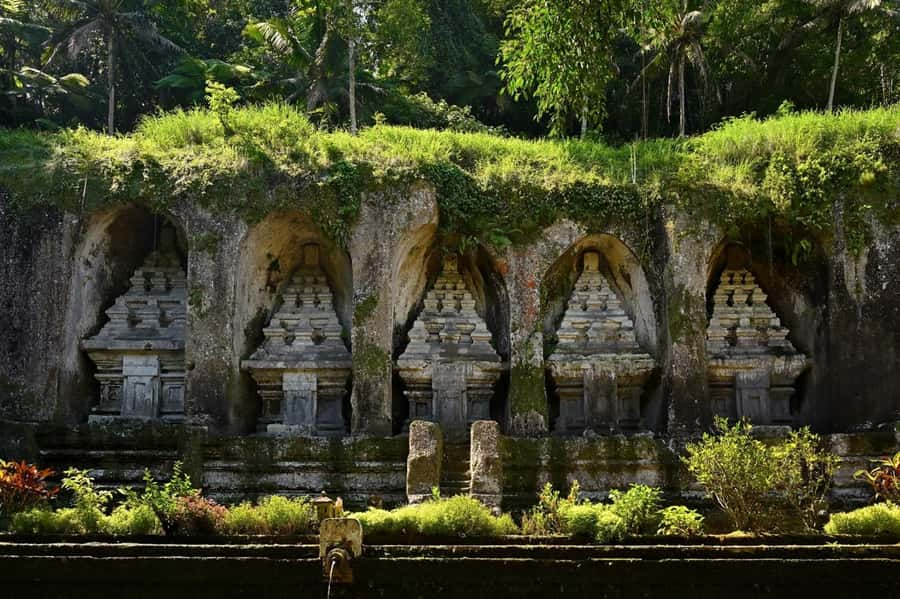
At the bottom, the candi appear in the cliff face. These are not freestanding towers that you can walk around. They are monumental recesses cut into the rock, with tall, pointed forms that look like stone buildings pressed into the hillside. They are generally dated to the 11th century and associated with Balinese royalty and high officials.
Your guide can help you understand what you are seeing rather than leaving you with a few photographs and a name. Guides such as Raka, Agus, Andrian, Kar, and Sana have been praised for explaining Balinese Hindu beliefs, Indonesian history, local customs, and rural life in clear English. The quality of the visit depends heavily on the guide, so ask questions. This is a small enough experience to feel conversational.
More Uluwatu and Tanah Lot Temple Tours in Ubud:
- Tirta Empul: Temple Tour with Optional Spiritual Cleansing
★ 4.9 · 1,257 reviews - Private Tour: Uluwatu Temple & Southern Bali Highlights
★ 5.0 · 387 reviews - Half-Day Ubud Electric Cycling Tour to Tirta Empul Water Temple
★ 5.0 · 315 reviews
The 300-step descent and what it means for your day
The stairs are the practical issue to settle before booking. There are about 300 stone steps down to the temple area, followed by the same general climb back up. The route is not designed for people who need step-free access.
Wear shoes with a firm sole. Sandals may be acceptable for some visitors, but comfortable walking shoes will give you more confidence on stone steps and mossy paths. Bring water, even though mineral water is included with the tour. The tropical heat can build quickly, especially on the return climb.
A morning departure is the sensible choice. One confirmed start time was 7:30 a.m., and that timing offers two clear benefits: cooler air and a quieter temple. Late afternoon can also be pleasant, according to the tour guidance, but you should check the available start times before booking.
Take the stairs at your own speed. There is no prize for reaching the bottom first, and your guide can usually use pauses to explain the plants, valley, or religious setting. If you need a gentle pace, say so early rather than waiting until the climb back.
The activity is listed as unsuitable for pregnant women, people with mobility impairments, respiratory issues, epilepsy, low fitness, babies under one year, and people over 70. The information also separately lists people over 95, but the practical message is simple: this is a demanding stair walk, not an easy temple stop.
Meeting the cliff shrines of Gunung Kawi
The ten candi are the visual heart of the visit. Cut into the cliff, they are often described as memorials to Balinese rulers. Their size is impressive, but the setting matters just as much. The shrines sit beside the Pakerisan River, surrounded by trees and steep valley walls rather than modern buildings.
Your guide should explain the difference between seeing a monument and understanding its place in Balinese religious life. The site is not simply an abandoned royal ruin. People still worship here, and the temple areas contain cloth-wrapped shrines, stone gates, offerings, and incense.
That active religious setting asks for a little care from you. Dress modestly, wear a sarong and sash, and follow your guide’s instructions about where to walk and what you may enter. Shorts are not allowed. If you do not have a sarong, one is available to rent at the entrance.
You may make a small offering or simply pause in silence. Do not feel pressure to perform a religious act. Respectful observation is enough, and a quiet moment often fits the setting better than hurried photography.
The site is especially good for people who prefer atmosphere to a checklist. You might see only a few other people at a quiet time, allowing you to hear water and birds instead of a constant stream of conversation. That peace is one of the strongest reasons to choose Gunung Kawi over a more crowded sightseeing stop.
Following the Pakerisan River through sacred spaces
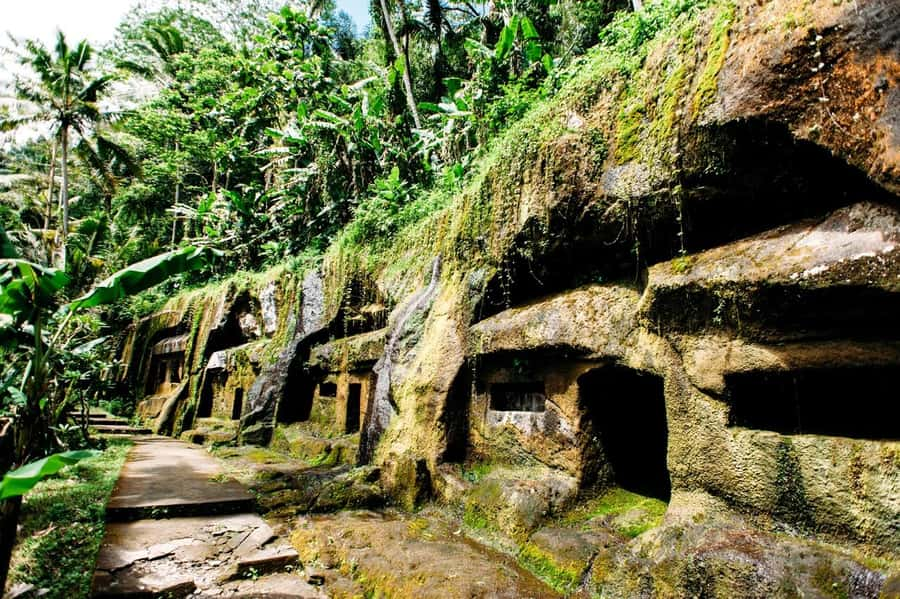
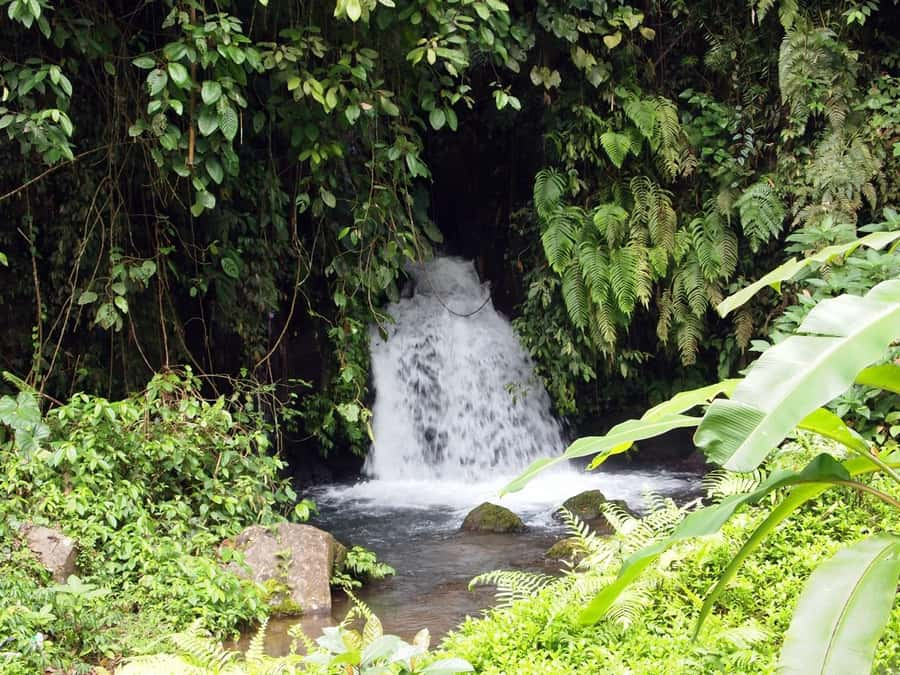
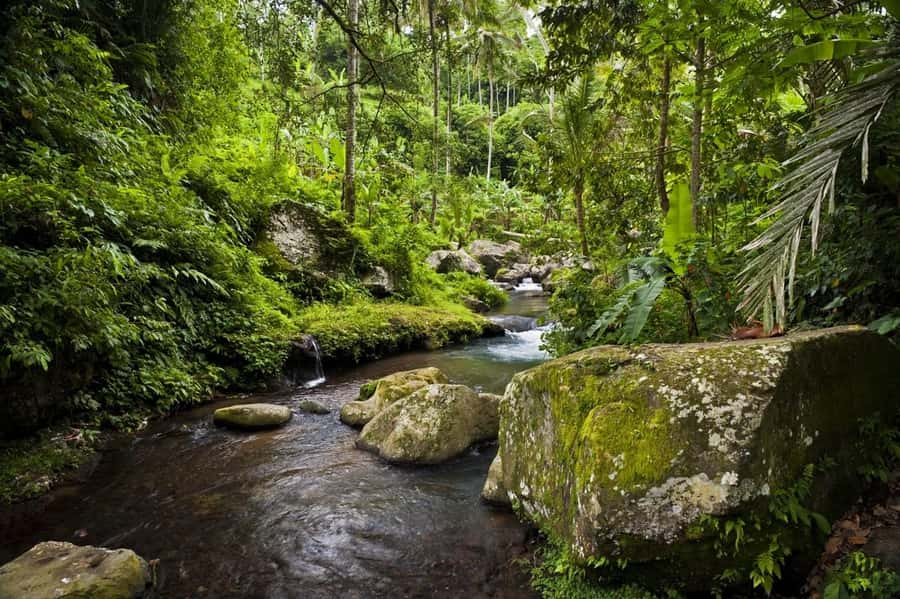
After seeing the candi, the walk continues along moss-covered paths near the Pakerisan River. This is where the tour becomes more than a monument visit. Water runs through the site, and sacred springs feed ancient bathing pools and other temple features.
The bathing pools are not presented as a modern swimming stop. They belong to the religious life of the temple, so treat them as places to observe rather than casual recreation. Your guide can explain how water, purification, offerings, and temple practice connect in Bali.
I like this part because it gives you time to slow down. The gentle water, shade, birds, and stone paths create a natural pause after the busy work of the stairs. You may find yourself sitting quietly for a few minutes, which is hard to do in central Ubud when scooters and traffic keep pulling your attention away.
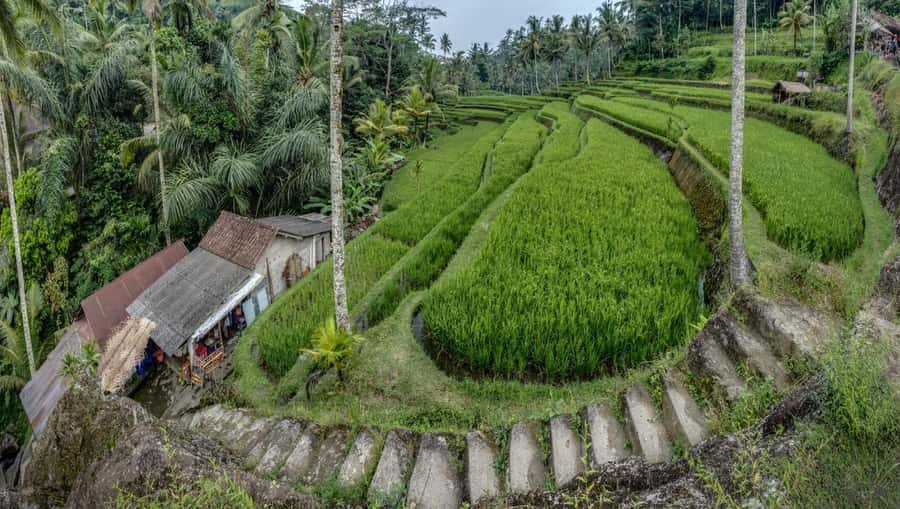
The route also brings views of the Pakerisan Valley, rice terraces, and the winding river. These views are not a separate attraction with a formal platform. They appear as part of the walk, which makes them feel more connected to the temple and the countryside.
The UNESCO designation matters here because it recognizes a wider cultural setting, not just one dramatic monument. The valley, irrigation traditions, temples, and long relationship between people and water all help explain why this part of Bali is important. A guide gives you the context that a quick self-guided visit may miss.
More Temple Tours around Ubud:
- Ubud: Monkey Forest, Jungle Swing, Rice Terrace, and Water Temple
★ 5.0 · 7,160 reviews - Ubud: Waterfalls, Water Temple & Rice Terraces Private Tour
★ 5.0 · 5,484 reviews - Full-Day Tour to Water Temples and UNESCO Rice Terraces in Bali
★ 5.0 · 2,539 reviews - Bali Instagram: Gate of Heaven Temple Tour
★ 5.0 · 737 reviews
What the guide adds to the temple visit
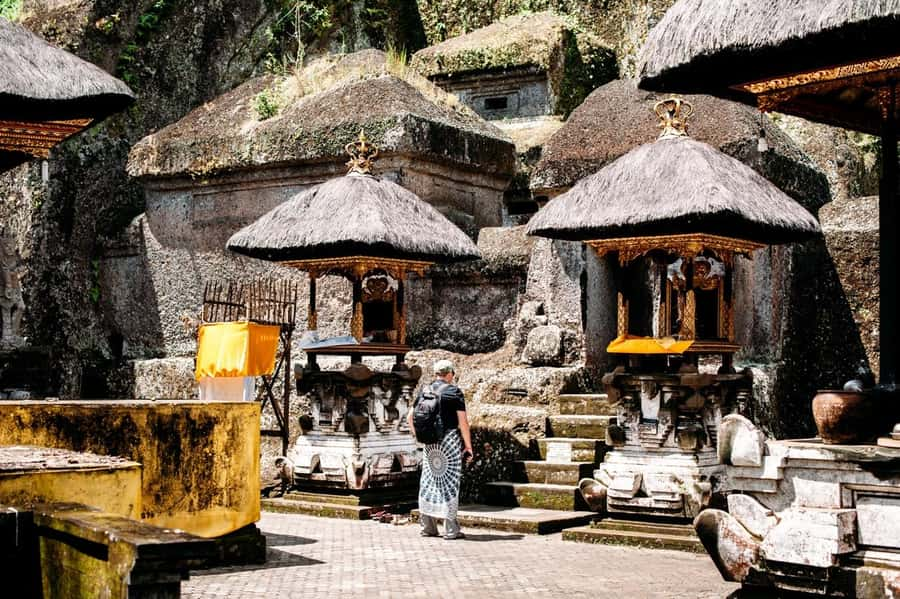
At $18 per person, the guide is the main reason this experience offers good value. Entry to a historic site is one thing. Understanding the shrine forms, offerings, royal connections, and local customs is another.
The guide names associated with particularly strong experiences include Raka, Agus, Andrian, Kar, and Sana. Their reported strengths vary. Raka is described as bringing Bali’s culture and history to life. Agus is noted for spending time on the ancient site and its former kings and officials. Andrian is praised for covering Hindu, Balinese, and Indonesian history.
Kar is especially useful if you want to connect the temple with village life, nature, and local communities. Sana may suit you if spirituality is a main reason for visiting. Other guides may lead the tour, so do not book on the assumption that one particular person will be assigned unless the operator confirms it.
English and Indonesian are available. The tour is small and personal enough for questions, and solo visitors can expect a more conversational outing than a large group excursion. One solo guest found the shared time and discussion especially worthwhile, which is useful to know if you are exploring Bali alone.
Ask direct questions about the shrine carvings and the rituals you see. You can also ask about offerings, temple etiquette, and the role of the river. Those questions help turn a scenic walk into a cultural experience.
Choosing the right pickup option from Ubud
You can choose to meet at Gunung Kawi Temple, meet at Ubud Palace and ride to the site, or arrange hotel pickup from central Ubud if that option is offered for your booking.
Meeting at the temple gives you the simplest tour structure if you already have transport. Arrive 15 minutes early at the designated meeting point. This choice may suit you if you are combining Gunung Kawi with your own plans in the surrounding area.
The Ubud Palace option is useful if you are staying in town and want the operator to handle the transfer. The driver guide contacts you through WhatsApp and takes you to Gunung Kawi by car. Make sure the phone number on your booking works with WhatsApp.
Hotel pickup is available from central Ubud when selected. Be ready in your hotel lobby 15 minutes before the scheduled pickup. The driver guide is expected to confirm details by WhatsApp the day before, or up to one hour before the activity, so keep your phone available.
The return options listed are Pura Gunung Kawi Sebatu, Ubud, and Ubud Palace. Check the exact option before paying, since the starting and ending arrangements can differ. Late arrival may shorten the visit or disrupt the schedule.
What the $18 price really covers
The price is modest for a guided cultural outing. It includes the Gunung Kawi tour, a guide, mineral water, insurance, and tax. Depending on the option you choose, it can also include a transfer from central Ubud or from Ubud Palace.
Food and drinks beyond the included water are not covered, and personal expenses are extra. The description does not promise a meal, shopping stop, or a string of additional attractions. That is a benefit if you want a focused temple visit rather than a full-day package with commercial detours.
The value is strongest for three types of visitors: first-time guests who want cultural context, solo visitors who prefer company and conversation, and anyone who wants a quieter alternative to central Ubud. If you already have a car and guide, a self-arranged visit may offer more control, but you would lose the built-in explanation and easy transport choices.
The scheduled duration is two to four hours. The length can depend on your pickup arrangement, walking pace, and how much time you spend at the river and temple. Do not schedule a tight appointment immediately afterward. The steps alone make this a visit that works better without rushing.
Free cancellation is available up to 24 hours before the activity for a full refund, and you can reserve now and pay later. Those policies help if your Bali plans are still shifting, but you should still check the exact terms shown for your selected option.
Practical temple etiquette and packing advice
Bring comfortable shoes, water, and a sarong. A sash is also expected as a sign of respect. If needed, sarongs can be rented at the entrance.
Avoid shorts. Choose clothing that covers your shoulders and knees, since this is a working temple rather than a purely archaeological site. Keep your movements and photographs respectful, particularly near offerings and shrines.
A few simple habits will improve the visit:
- Start early if you want cooler steps and fewer people.
- Carry only what you need for the stair walk.
- Keep water accessible for the return climb.
- Follow the guide’s instructions around bathing pools and inner temple areas.
- Leave time for pauses rather than treating the steps as a race.
This is not the right outing for a stroller, a wheelchair, or anyone who cannot manage a long stair route. The tour provider specifically excludes people with mobility impairments and several medical conditions, so take those limits seriously.
Should you book the Gunung Kawi tour?
Book it if you want a short, affordable cultural experience with real scenery and a strong sense of place. The cliff shrines are impressive, but the combination of royal memorials, sacred water, rice terraces, and a good local guide is what makes the visit worthwhile.
I would choose an early start, wear proper shoes, and use the Ubud pickup if transport is not already arranged. I would skip it if stairs are a serious concern or if you want a relaxed outing with little walking.
For $18, this is a focused way to see a quieter side of Bali. You get history, religion, countryside, and a guide who can connect them in a few hours. Just make sure your legs, clothing, and schedule are ready for the 300-step reality.
FAQ
How long does the Gunung Kawi and Pakerisan tour last?
The activity lasts between two and four hours, depending on the selected option, transfers, walking pace, and time spent at the temple and river.
Where can I meet the guide?
Meeting points depend on your booking. You can meet at Gunung Kawi Temple, Ubud Palace, or choose hotel pickup from central Ubud if that option is available.
Is hotel pickup included?
Hotel pickup from central Ubud is included only if you select that option. Pickup details are sent through email or WhatsApp, and you should be ready in the hotel lobby 15 minutes before pickup.
What should I wear to Gunung Kawi Temple?
Wear comfortable walking shoes and a sarong with a sash. Shorts are not allowed. A sarong can be rented at the entrance if needed.
Is this tour suitable for people with limited mobility?
No. The route includes about 300 stone steps down to the temple and back up again. The activity is not suitable for people with mobility impairments, low fitness, certain respiratory issues, pregnant women, or people over 70.
Can I cancel the booking?
You can cancel up to 24 hours in advance for a full refund. The reserve-now, pay-later option is also available, depending on the booking selected.
Temple visits we reviewed lately in Ubud
- Private ubud tour Rice teracce, temple & Secret waterfall★ 3.7 · 3 reviews
- Monkey Forest, Kanto Lampo, Waterfall, Temple & Rice Terrace★ 4.9 · 14 reviews
- Ubud: Water Temple, Rice Terrace, and Waterfalls Tour★ 5.0 · 5 reviews
- Cretya Ubud, Rice Terrace, Temple & Waterfall Day Tour★ 5.0 · 4 reviews
- Best Watefalls, Monkey Forest, Temple and Rice terrace★ 5.0 · 11 reviews
- Bali: Uluwatu Temple, Kecak Dance, and Jimbaran Dinner Tour★ 5.0 · 5 reviews
- Bali: Tirta empul Temple, Rice terrace and Waterfall★ 5.0 · 5 reviews
- Bali ubud : monkey forest, waterfall , temple★ 3.4 · 8 reviews
Ubud Temple Tours, compared.
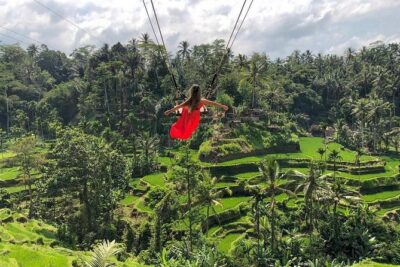
Ubud: Monkey Forest, Jungle Swing, Rice Terrace, and Water Temple
Read our review →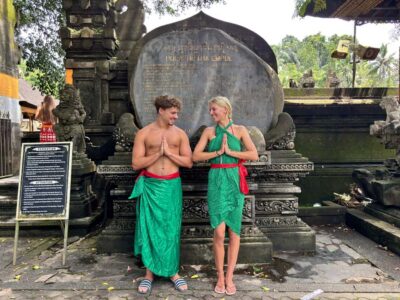
Ubud: Waterfalls, Water Temple & Rice Terraces Private Tour
Read our review →
Full-Day Tour to Water Temples and UNESCO Rice Terraces in Bali
Read our review →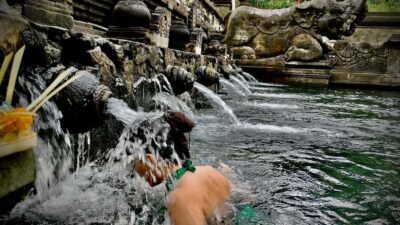
Tirta Empul: Temple Tour with Optional Spiritual Cleansing
Read our review →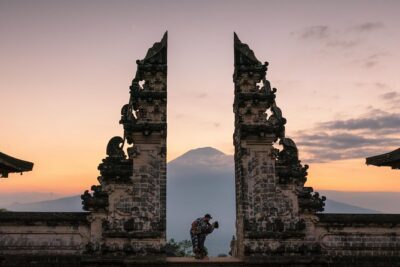

Ubud Tour with Monkey Forest Waterfalls Temples and More
Read our review →
Ubud Top Attractions: Waterfalls, Temples and Rice Terraces
Read our review →
Private Tour: Uluwatu Temple & Southern Bali Highlights
Read our review →This tour also ranks in